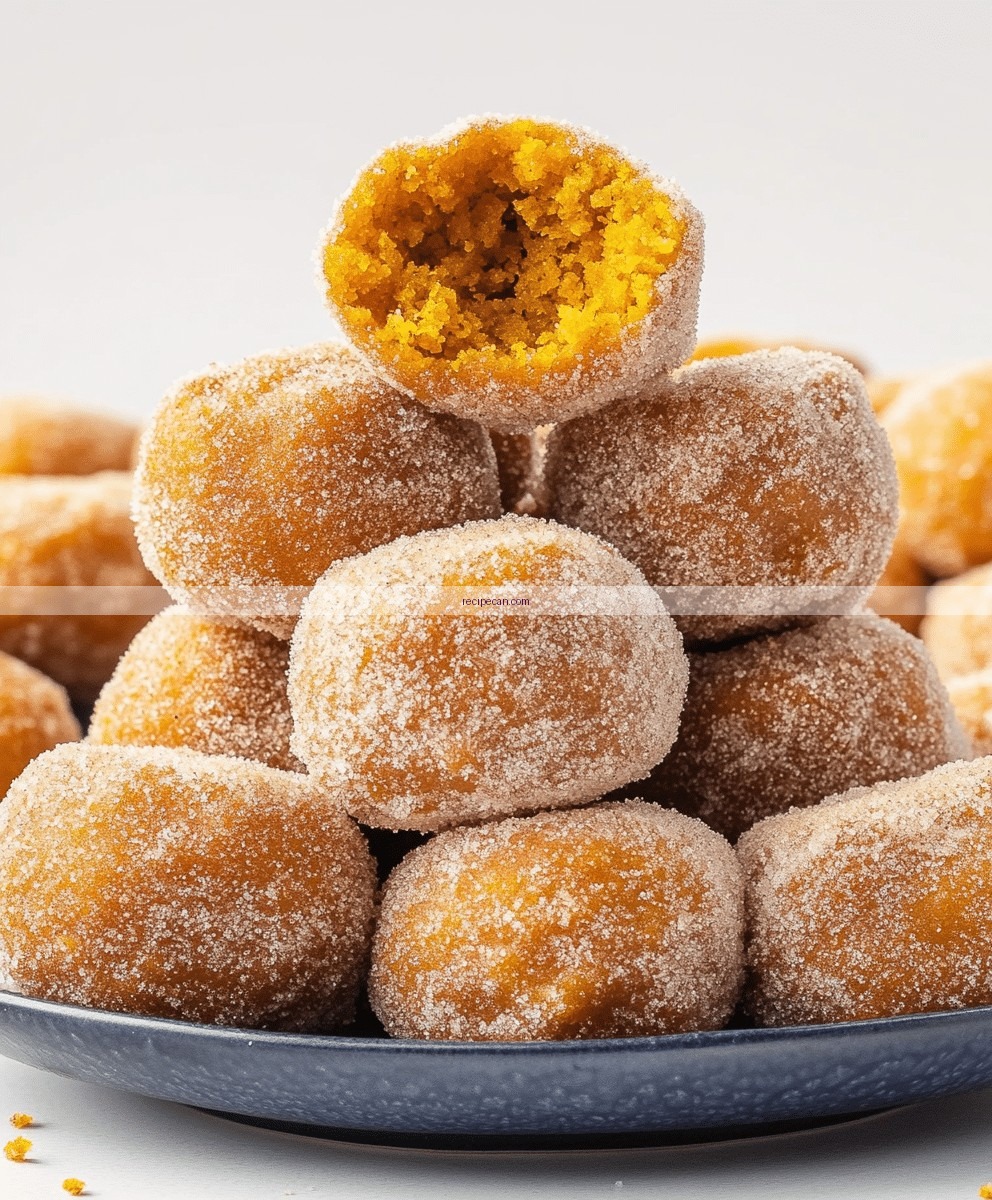
Making donut holes at home is simple and rewarding, allowing you to enjoy these delightful treats fresh from your kitchen. With just a few basic ingredients, you can create light, fluffy donut holes that are perfect for breakfast, dessert, or even a snack. In this article, you’ll learn how to create these delectable bites, explore variations to customize your flavors, and discover tips to elevate your donut hole experience.
Essential Ingredients for Donut Holes

To achieve the ideal texture and flavor for your donut holes, it’s essential to use high-quality ingredients.
– Flour: All-purpose flour serves as the primary ingredient, forming the base of your dough. It provides the structure and helps the donut holes rise during frying.
– Sugar: Granulated sugar sweetens the dough, making each bite satisfyingly sweet. You can also experiment with brown sugar for a deeper flavor.
– Baking Powder: This leavening agent is crucial for achieving that light and fluffy texture. It helps the dough rise, creating airy pockets within the donut holes.
– Eggs: Eggs contribute moisture and richness, binding the ingredients together and giving the donut holes a tender crumb.
– Milk: Using whole milk or buttermilk adds creaminess to the batter, enhancing the overall flavor and texture.
These foundational ingredients combine to create a deliciously fluffy donut hole that is sure to please everyone.
Step-by-Step Preparation Process

Creating donut holes is a straightforward process that can be broken down into a few key steps:
1. Combine Dry and Wet Ingredients: Start by mixing your dry ingredients — flour, sugar, baking powder, and a pinch of salt — in one bowl. In another bowl, whisk together the wet ingredients, including eggs and milk. This separation helps ensure an even distribution of the leavening agents and flavors.
2. Mixing the Dough: Once both mixtures are prepared, gradually add the wet ingredients to the dry ingredients. Stir until just combined. Avoid overmixing, as this can lead to dense donut holes.
3. Let the Dough Rest: Allowing the dough to rest for about 10-15 minutes enhances the texture, giving the gluten time to relax and resulting in a lighter final product.
4. Forming the Dough: After resting, scoop out small portions of dough and roll them into balls, about the size of a golf ball. This will give you the perfect donut hole shape.
Frying Techniques for Perfect Donut Holes
Frying is the critical step that transforms your dough into delicious donut holes:
1. Choose Your Frying Method: You can use either a deep fryer or a heavy pot filled with oil. Fill your pot with enough oil to allow the donut holes to float freely while frying.
2. Heat the Oil: Preheat the oil to around 350°F (175°C). A thermometer is essential for maintaining the correct temperature, as too hot oil can burn the outside while leaving the inside raw, and too cool oil can result in greasy donut holes.
3. Fry in Small Batches: Carefully drop a few donut holes into the hot oil at a time, ensuring not to overcrowd the pot. Fry each batch for about 2-3 minutes on each side, or until they are golden brown.
4. Drain the Oil: Once cooked, use a slotted spoon to remove the donut holes and place them on a paper towel-lined plate to drain excess oil.
Flavoring and Toppings Options
After frying, the fun part begins — adding flavor and finishing touches:
1. Simple Sugar Coating: For a classic touch, roll your warm donut holes in granulated sugar or cinnamon sugar. This adds a delightful sweetness and a bit of crunch.
2. Gourmet Dips: Consider dipping your donut holes in melted chocolate or a sweet glaze for a more indulgent treat. You can also experiment with flavored glazes, like maple or vanilla, to enhance the taste.
3. Savory Options: If you’re feeling adventurous, try adding spices to the dough, such as nutmeg or cardamom, for a unique flavor profile.
Popular Toppings for Donut Holes
| # | Topping | Popularity (%) | Flavor Profile |
|---|---|---|---|
| 1 | Cinnamon Sugar | 30% | Sweet & Spicy |
| 2 | Chocolate Glaze | 25% | Rich & Creamy |
| 3 | Maple Glaze | 20% | Sweet & Buttery |
| 4 | Sprinkles | 15% | Colorful & Fun |
| 5 | Powdered Sugar | 7% | Light & Sweet |
| 6 | Fruit Jam Filling | 3% | Tangy & Sweet |
Storage and Serving Suggestions
To ensure your homemade donut holes maintain their deliciousness:
1. Storage: Keep your donut holes in an airtight container at room temperature. They are best enjoyed within two days of preparation. If you want to extend their freshness, consider refrigerating them, although this may alter their texture slightly.
2. Serving: Donut holes are best served warm, making them a delightful snack or breakfast treat. If they have cooled, you can reheat them in the oven at 350°F for about 5-7 minutes to restore their softness.
Common Mistakes to Avoid
While making donut holes is relatively straightforward, there are common pitfalls to watch for:
1. Overmixing the Dough: It’s crucial to mix the dough just until combined. Overmixing can develop gluten, leading to dense and chewy donut holes instead of the desired lightness.
2. Improper Oil Temperature: Monitoring the oil temperature is essential. If the oil is too hot, the exterior will burn while the inside remains raw. If it’s too cool, the donut holes will absorb excess oil and become greasy.
3. Not Allowing Proper Rest: Skipping the resting period can lead to tough donut holes. Allowing the dough to rest helps create a better texture and rise.
Making your own donut holes can be a fun and delicious experience. By following the steps outlined above and avoiding common mistakes, you can create a batch that rivals your favorite bakery treats.
In conclusion, these easy and delicious donut holes are not only simple to make but also customizable to suit your taste. Whether you prefer them rolled in sugar, dipped in chocolate, or filled with jam, the options are endless. Try this recipe at home, and don’t hesitate to share your results or explore other dessert recipes on our blog for more sweet inspirations!
Frequently Asked Questions
What ingredients do I need for a basic donut holes recipe?
To make a basic donut holes recipe, you’ll need all-purpose flour, sugar, baking powder, salt, milk, eggs, and butter. Optional ingredients like vanilla extract or nutmeg can add extra flavor. For frying, you’ll need vegetable oil to achieve that perfect golden-brown texture.
How do I ensure my donut holes are light and fluffy?
To achieve light and fluffy donut holes, make sure not to overmix the batter once you combine wet and dry ingredients. Additionally, ensure your oil is at the right temperature (around 350°F) before frying, as this helps the donut holes rise properly without becoming greasy.
Why do my donut holes come out dense instead of fluffy?
Dense donut holes can result from overmixing the batter or using too much flour. Be sure to measure your flour correctly and stop mixing as soon as the ingredients are combined. Additionally, check that your baking powder is fresh, as expired leavening agents can affect the rise.
What is the best method for frying donut holes?
The best method for frying donut holes is to use a deep fryer or a heavy-bottomed pot filled with at least two inches of oil. Maintain a consistent oil temperature of 350°F to 375°F, and fry the donut holes in small batches to prevent overcrowding, which can lower the oil temperature and result in soggy donuts.
Which toppings are most popular for homemade donut holes?
Popular toppings for homemade donut holes include powdered sugar, cinnamon sugar, and chocolate glaze. You can also roll them in coconut flakes or drizzle with caramel for added flavor. Customize your toppings based on your preferences to create delicious variations!
References
- Doughnut
https://en.wikipedia.org/wiki/Donut - Google Scholar Google Scholar
https://scholar.google.com/scholar?q=donut+holes+recipe - https://www.bbc.com/food/recipes/doughnut_holes_17004
https://www.bbc.com/food/recipes/doughnut_holes_17004 - Google Scholar Google Scholar
https://scholar.google.com/scholar?q=donut+holes - Doughnut | Definition, History, Types, & Origins | Britannica
https://www.britannica.com/topic/doughnut - https://www.ncbi.nlm.nih.gov/pmc/articles/PMC5346999/
https://www.ncbi.nlm.nih.gov/pmc/articles/PMC5346999/ - https://www.sciencedirect.com/topics/food-science/doughnut
https://www.sciencedirect.com/topics/food-science/doughnut - https://www.nytimes.com/2011/01/12/dining/12recipehealth.html
https://www.nytimes.com/2011/01/12/dining/12recipehealth.html - https://www.cdc.gov/nutrition/foodbasics/what-is-a-donut.html
https://www.cdc.gov/nutrition/foodbasics/what-is-a-donut.html - https://www.verywellfit.com/what-are-donuts-5182275
https://www.verywellfit.com/what-are-donuts-5182275