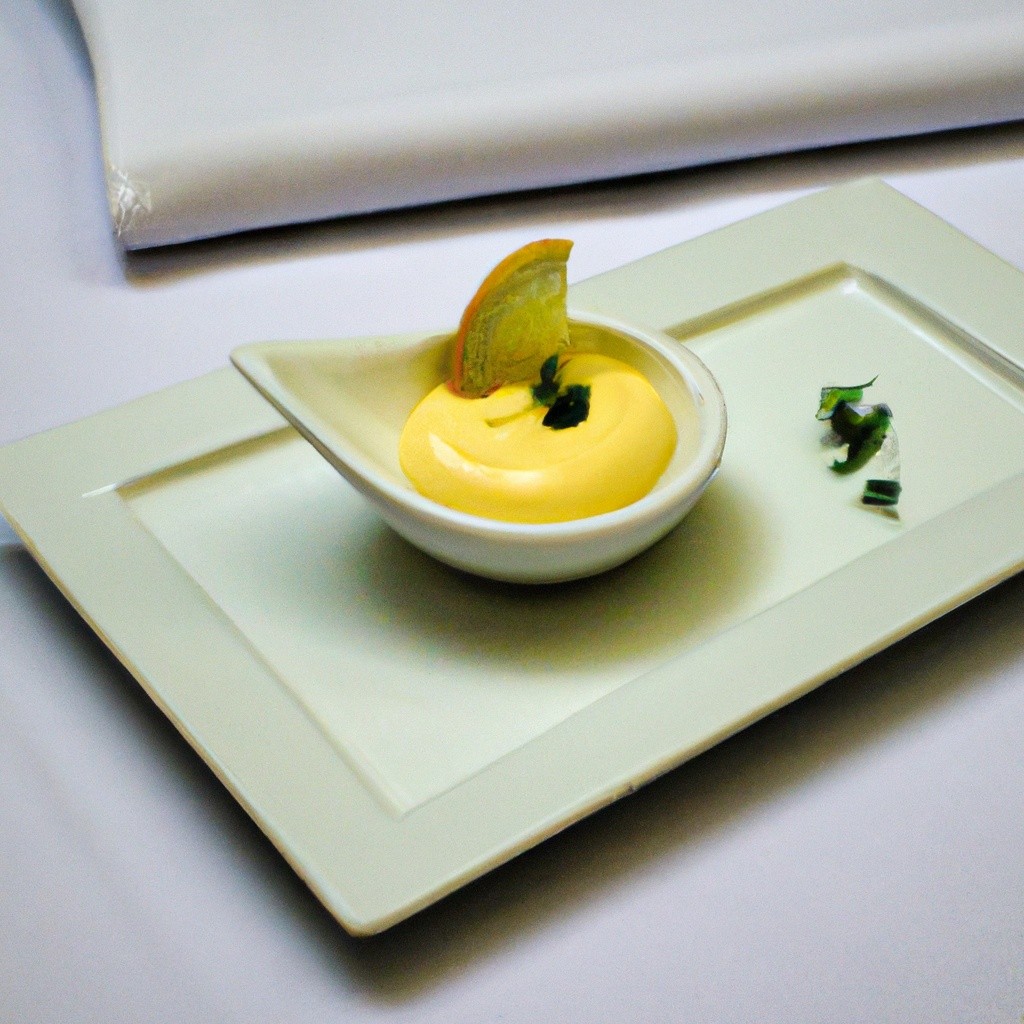
This easy aioli mayonnaise recipe is the ultimate choice for anyone seeking a creamy, flavorful condiment that elevates any dish. Unlike traditional mayonnaise, aioli offers a robust garlic punch that enhances everything from sandwiches to dips. Discover how to whip up this simple yet delicious blend right in your kitchen, proving that homemade always beats store-bought.
To create a delicious aioli mayonnaise at home, you’ll need just a few simple ingredients and a little bit of time. This creamy, garlicky condiment is not only easy to prepare but also elevates any dish, from sandwiches to salads. With a few key tips and variations, you can customize your aioli to suit your personal taste or the specific dish you’re serving. In this article, we’ll guide you through a straightforward recipe, tips for perfecting your aioli, and variations to try.
Essential Ingredients for Aioli Mayonnaise
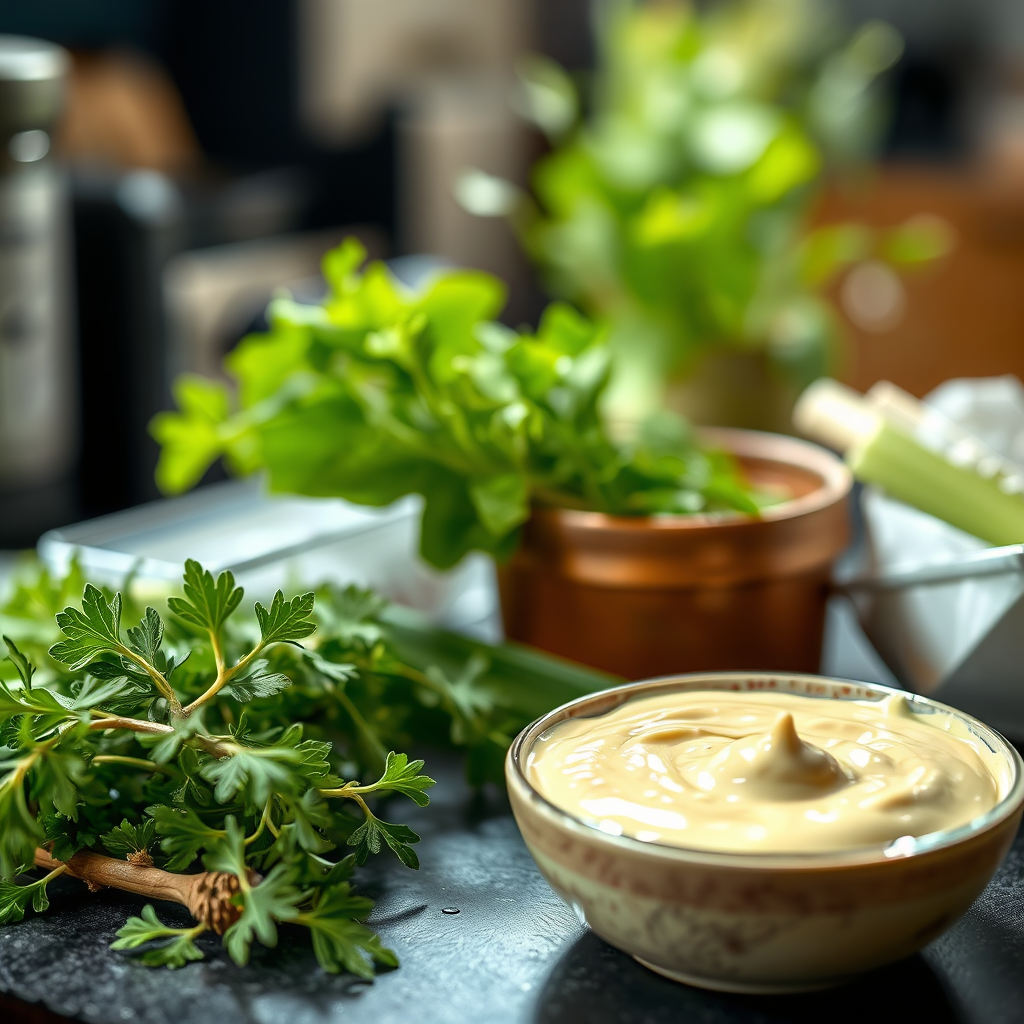
Creating an authentic aioli mayonnaise requires high-quality ingredients that contribute to its rich flavor and texture. The following components are essential:
– Fresh Garlic: The backbone of any aioli, fresh garlic provides that unmistakable pungency and warmth. Depending on your taste, you can use 1-2 cloves. For an added depth of flavor, consider roasting the garlic before incorporating it.
– High-Quality Olive Oil: The choice of oil is crucial; extra virgin olive oil is preferred for its robust flavor and creamy texture. The quality of the oil directly influences the overall taste of your aioli.
– Egg Yolk: This ingredient acts as an emulsifier, which means it helps to combine the oil and garlic, creating a smooth and stable mixture. Using a fresh, high-quality egg yolk is important for both safety and flavor.
Step-by-Step Aioli Mayonnaise Recipe

Making aioli at home is simpler than you might think. Follow this step-by-step guide to achieve a creamy, flavorful result:
1. Mince the Garlic: Begin by finely mincing the garlic cloves or using a garlic press for a smoother texture. The finer the garlic is, the more easily its flavor will infuse the aioli.
2. Whisk the Egg Yolk and Garlic: In a mixing bowl, combine the egg yolk and minced garlic. Whisk them together until they are well blended. This step is crucial as it prepares the base for your emulsion.
3. Emulsify with Olive Oil: Slowly drizzle in the olive oil while continuously whisking. Start with just a few drops to allow the emulsion to form properly before increasing the oil flow. Continue whisking vigorously until the mixture thickens and turns creamy.
4. Season: Taste the aioli and adjust the seasoning with salt and a squeeze of lemon juice, if desired. This step enhances the flavors and adds a fresh note.
Tips for Perfecting Your Aioli
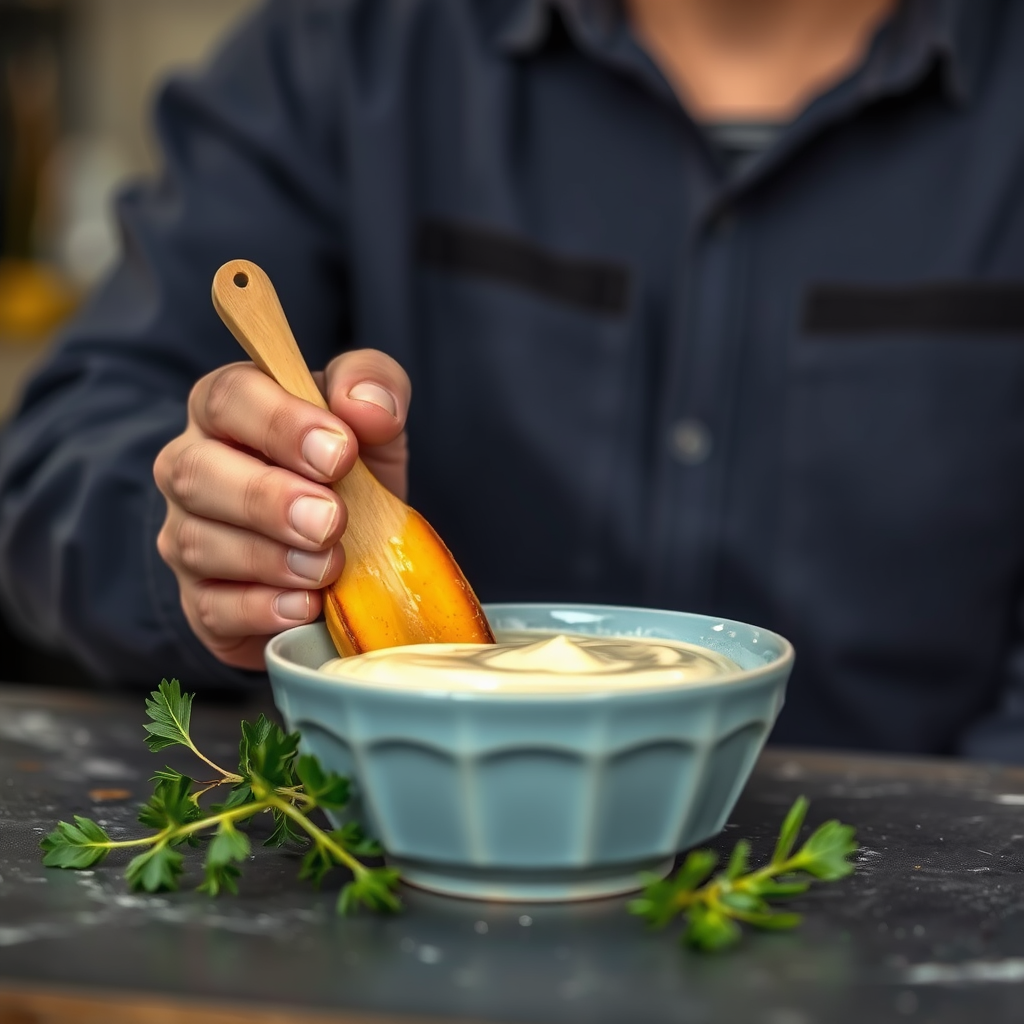
Achieving the perfect aioli requires attention to detail. Here are some tips to help you refine your technique:
– Room Temperature Ingredients: Ensure all ingredients, especially the egg yolk and oil, are at room temperature. This facilitates better emulsification and helps achieve a smooth, creamy texture.
– Whisking Technique: If the mixture doesn’t thicken as expected, continue to whisk vigorously and slowly drizzle in more oil. Adding oil too quickly can break the emulsion, leading to a separated mixture.
– Taste and Adjust: Don’t forget to taste your aioli before serving. Adjusting the seasoning with salt or acidity from lemon juice can significantly enhance the flavor profile.
Variations to Try

Once you have mastered the basic aioli, consider these variations to add creativity to your culinary repertoire:
– Herbed Aioli: Incorporate fresh herbs like basil, dill, or chives for a unique and refreshing twist. Simply chop the herbs finely and mix them in at the end.
– Spicy Aioli: For those who enjoy a kick, add spices like smoked paprika, cayenne pepper, or a dash of hot sauce. This will elevate the flavor profile and complement a variety of dishes.
– Different Oils: Experiment with using oils such as avocado or grapeseed instead of olive oil. Each oil brings its own subtle flavor, allowing you to customize your aioli to suit different dishes.
Aioli Variations and Flavor Profiles
| # | Aioli Variation | Main Flavor | Ideal Pairing | Heat Level |
|---|---|---|---|---|
| 1 | Classic Garlic Aioli | Garlic | Fries, Sandwiches | None |
| 2 | Herbed Aioli | Herbs | Grilled Vegetables | None |
| 3 | Spicy Aioli | Spice | Seafood, Tacos | Medium |
| 4 | Lemon Aioli | Citrus | Fish Dishes | None |
| 5 | Chipotle Aioli | Smoky | Burgers, Fries | High |
| 6 | Saffron Aioli | Exotic | Paella, Shellfish | None |
| 7 | Roasted Red Pepper Aioli | Savory | Sandwiches, Dips | None |
Storage and Shelf Life

Proper storage is essential to maintain the freshness and safety of your homemade aioli. Here are some guidelines to follow:
– Airtight Container: Store your aioli in an airtight container to prevent contamination and exposure to air, which can degrade its quality.
– Refrigeration: Keep the aioli in the refrigerator, where it should remain fresh for about 3-5 days. Always label your container with the date to keep track of its freshness.
– Check for Freshness: Before using, always check the aioli for any off smells or changes in texture. Homemade mayonnaise can spoil faster than store-bought varieties due to the lack of preservatives.
Common Mistakes to Avoid
Avoiding common pitfalls will help ensure your aioli turns out perfectly every time. Here are some mistakes to watch for:
– Using Cold Ingredients: Cold ingredients can hinder the emulsification process. Always ensure your egg yolk and olive oil are at room temperature to achieve the best results.
– Oil Addition Speed: Adding oil too quickly can break the emulsion, resulting in a separated mixture. Start slowly and gradually increase the oil flow while whisking.
– Neglecting Seasoning: Failing to taste and adjust seasoning can lead to a bland aioli. Always taste your mixture before serving, and don’t hesitate to enhance the flavor to your liking.
Creating your own aioli mayonnaise is a simple process that can enhance your culinary creations. With this straightforward recipe and helpful tips, you’ll be able to whip up a delicious aioli in no time. Enjoy experimenting with different flavors, and share your creations with friends and family! The versatility and richness of aioli make it a staple that complements a variety of dishes, adding a gourmet touch to everyday meals.
Frequently Asked Questions
What ingredients do I need for a basic aioli mayonnaise recipe?
To make a basic aioli mayonnaise, you will need egg yolks, garlic, lemon juice, mustard, and a neutral oil like canola or grapeseed oil. Salt and pepper are also essential for seasoning. This simple combination allows you to create a creamy and flavorful aioli that can elevate many dishes.
How do I make aioli mayonnaise from scratch?
To make aioli mayonnaise from scratch, start by whisking together egg yolks, minced garlic, and a squeeze of lemon juice in a bowl. Slowly drizzle in the oil while whisking continuously until the mixture emulsifies and thickens. Adjust the seasoning with salt and pepper to taste, and enjoy your homemade aioli with various dishes.
Why is my aioli mayonnaise not thickening?
If your aioli mayonnaise isn’t thickening, it may be due to adding the oil too quickly or using oil that is too cold. To rectify this, try whisking the mixture more vigorously or adding the oil in a slower, more controlled stream. Additionally, ensure your egg yolks are at room temperature to help with emulsification.
What are the best uses for aioli mayonnaise?
Aioli mayonnaise is incredibly versatile and can be used as a dip, spread, or dressing. It’s perfect for enhancing sandwiches, burgers, and wraps, or serving alongside roasted vegetables, fries, or seafood. Its rich flavor can also elevate salads or be used as a base for other sauces.
Which oils are best for making aioli mayonnaise?
The best oils for making aioli mayonnaise are neutral oils like canola, grapeseed, or light olive oil, as they won’t overpower the flavor of the garlic and lemon. For a more robust taste, you can experiment with extra virgin olive oil, but be mindful that it may change the overall flavor profile.
References
- Aioli
https://en.wikipedia.org/wiki/Aioli - https://www.bbc.com/food/recipes/aioli_90662
https://www.bbc.com/food/recipes/aioli_90662 - https://www.nytimes.com/2020/09/23/dining/aioli-recipe.html
https://www.nytimes.com/2020/09/23/dining/aioli-recipe.html - https://www.sciencedirect.com/topics/food-science/aioli
https://www.sciencedirect.com/topics/food-science/aioli - https://www.britannica.com/topic/aioli
https://www.britannica.com/topic/aioli - Google Scholar Google Scholar
https://scholar.google.com/scholar?q=aioli+mayonnaise+recipe - Google Scholar Google Scholar
https://scholar.google.com/scholar?q=aioli+culinary+techniques - Google Scholar Google Scholar
https://scholar.google.com/scholar?q=aioli+gastronomy - https://www.cdc.gov/nutrition/food-safety.html
https://www.cdc.gov/nutrition/food-safety.html - Heart rate: What’s normal? – Mayo Clinic
https://www.mayoclinic.org/healthy-lifestyle/nutrition-and-healthy-eating/expert-answers/mayonnaise/faq-20057979