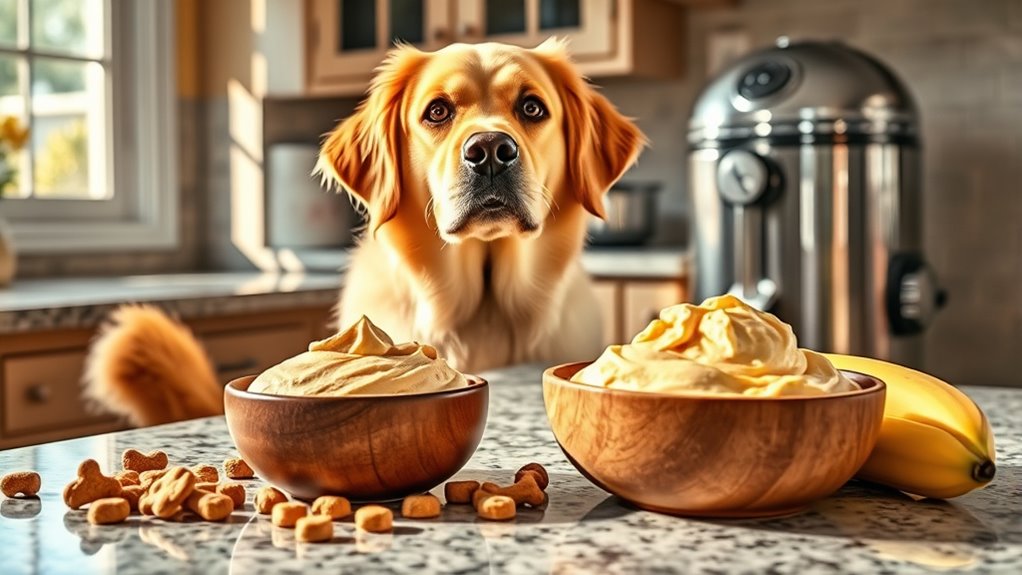
This dog-friendly peanut butter ice cream uses 2 Tbsp natural, sucrose-free peanut butter, 1 cup unsweetened plain yogurt, ½ cup banana puree, and ¼ cup cool water, with optional 1 tsp fiber such as pumpkin or oats. Mix until smooth, heat briefly to 165°F to inactivate enzymes, then cool and re-homogenize for a scoopable texture. Chill portions on a cooled plate and monitor canine tolerance, adjusting serving size as needed; continued guidance awaits.
Ingredients and Quantity
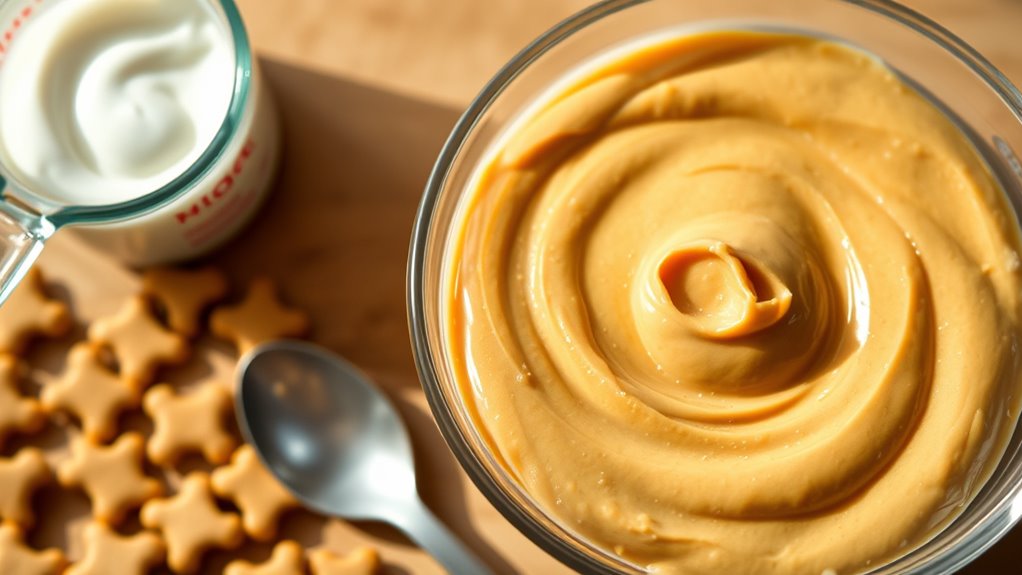
The ingredients and quantities for a dog-friendly ice cream are straightforward and precise. You will measure each item with care, ensuring safety and flavor balance for a peanut butter–based treat. You’ll choose dog friendly ingredients, avoiding sugars and additives that could upset stomachs. Precision matters: scale, timing, and portion control define the final texture and palatability. Below is a compact grid of core items and typical amounts, adaptable by size and need.
| Item | Basis (per batch) | Notes |
|---|---|---|
| Peanut butter | 2 tbsp | Sucrose-free, natural preferred |
| Plain yogurt | 1 cup | Unsweetened, lactose tolerance accounted |
| Banana puree | 1/2 cup | Ripe, smooth texture |
| Water or broth | 1/4 cup | Low-sodium, cool |
| Optional fiber | 1 tsp | Pumpkin puree or oats |
Preparations
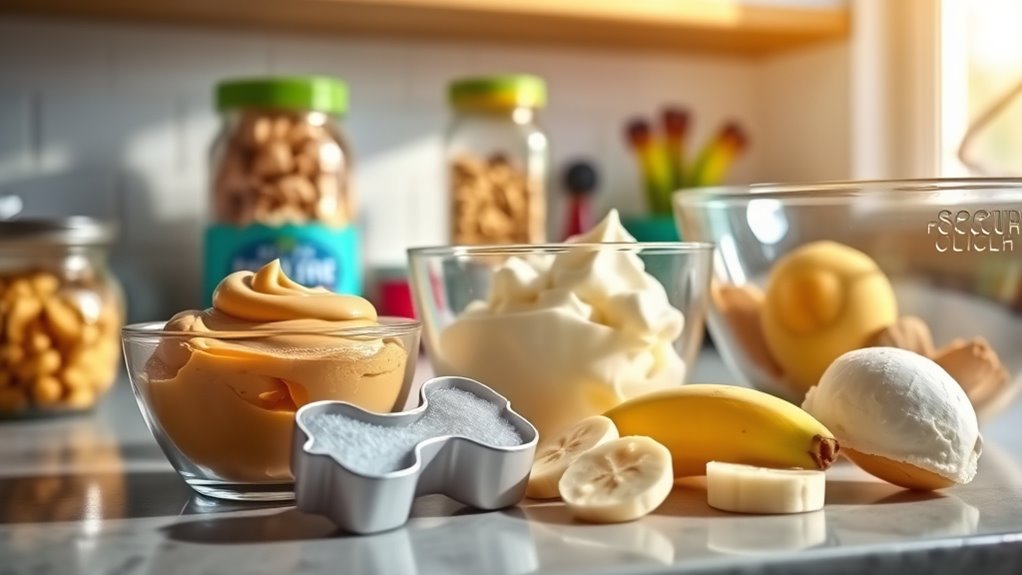
To begin preparations, combine the base ingredients in a clean container and mix until smooth. You’ll then segregate by temperature, guaranteeing the mixture remains within a stable, scoopable range. Monitor viscosity with a calibrated spatula, noting any shear-thinning behavior that could affect texture. Use a standard cooling pause to prevent phase separation, followed by gentle re-homogenization. Preparation techniques should emphasize repeatability: document timings, utensil types, and mixing speeds for each batch. If preferred, consider ingredient substitutes that maintain safety and palatability, such as lactose-free dairy or plant-based emulsifiers, and record their effects on mouthfeel. Avoid over-processing, which can damage micronutrients. Maintain hygienic controls, label batches clearly, and validate stability across storage conditions to guarantee consistent, dog-friendly results.
How to Cook

- Gather all necessary ingredients and equipment.
- Measure base components precisely to ensure consistency.
- Heat the mixture gently to 165°F (74°C) to inactivate enzymes and reduce bacterial risk.
- Stir continuously during heating to prevent scorching and ensure uniform viscosity.
- Cool the mixture promptly after heating.
- Incorporate dog-friendly ingredients such as unsweetened yogurt, pumpkin puree, and peanut butter (ensure no xylitol).
- Use healthy alternatives like mashed banana or coconut milk, balancing fats for optimal texture.
- Use a thermometer to monitor temperature carefully, avoiding overheating to prevent separation or a gritty mouthfeel.
- Chill the mixture thoroughly before testing.
- Verify texture through gentle scoops to confirm smoothness and scoopability.
- Document any deviations or observations to optimize repeatability.
How to Serve

After preparing the ice cream base, portion it into individual servings using a clean scoop or spoon to minimize temperature fluctuation and contamination. You observe that consistent portioning supports predictable texture and flavor delivery. For serving, place each portion on a chilled plate to reduce melt rate during presentation. Use serving suggestions that align with your dog’s size and tolerance, avoiding overfeeding. Label portions by approximate weight or volume to enable precise control over intake. Maintain a calm serving tempo, offering bites that allow chewing and digestion without quick, aggressive consumption. Monitor your dog’s response to peanut butter and adjust servings accordingly. Record outcomes to refine future batches. Always document serving size and preferences to support repeatable results.
Tips
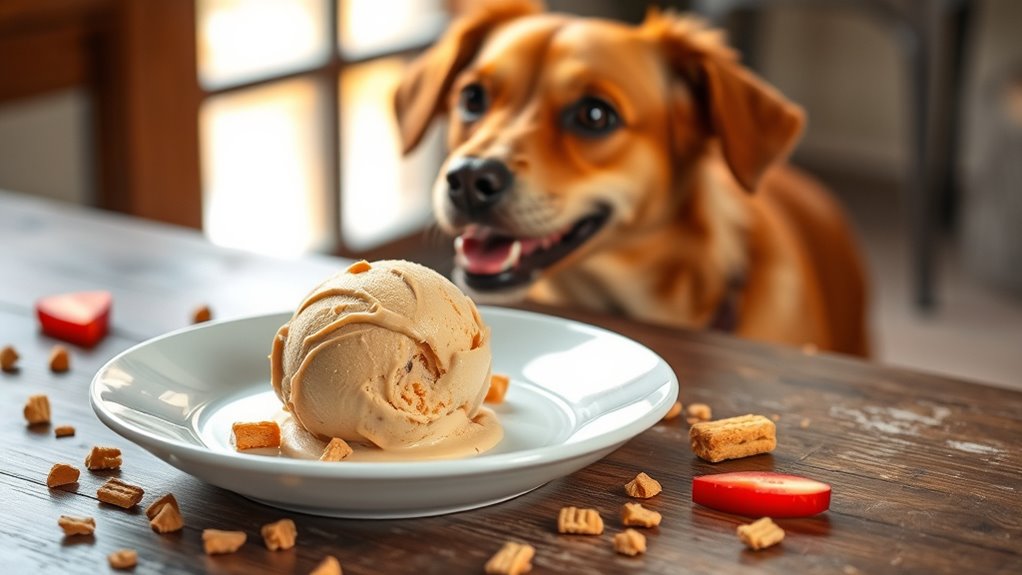
When adding peanut butter as a flavor, start with small amounts and test tolerance before scaling up, since dogs vary in sensitivity and can have peanut allergies. In tips form, you should document batch experiments: record grams per serving, ice cream machine settings, and freezing duration to guarantee consistent texture. Prioritize safety by checking for xylitol-free peanut butter and confirming ingredient purity. Monitor for GI signs during initial trials and discontinue if vomiting, diarrhea, or lethargy occur. Consider dog health when selecting mix-ins; use plain yogurt, pumpkin puree, or oat flour as alternatives to reduce fat loads. For audience flexibility, list ingredient alternatives that maintain structure and texture without compromising safety. Keep notes concise to aid reproducibility and future adjustments.
Food Value and Benefit
Dog ice cream provides a balanced nutritional profile and offers several health benefits when given as an occasional treat. It is formulated to support your dog’s dietary needs without compromising safety or taste.
Food Value:
- Contains a balanced mix of macronutrients, including high-quality protein for muscle maintenance and moderate fats for energy.
- Includes essential vitamins such as Vitamin A, Vitamin D, and B-complex vitamins that support overall health.
- Provides important minerals like calcium and phosphorus for strong bones and teeth.
- Incorporates dietary fiber and probiotics to aid digestion and promote gut health.
- Low in simple sugars to minimize digestive upset and maintain stable energy levels.
Benefits of Eating This Recipe:
- Supports lean muscle development and sustained energy.
- Enhances digestive health through fiber and probiotic content.
- Helps maintain healthy bones and teeth with vital minerals.
- Reduces risk of weight gain when served in controlled portions.
- Minimizes digestive disturbances by limiting added sugars.
- Provides a refreshing and enjoyable treat, promoting hydration during warm weather.
Frequently Asked Questions
Can Puppies Have Peanut Butter in Ice Cream Safely?
Yes, you can, but monitor for GI upset and choose safe ingredients. You’ll tailor to puppy preferences, avoiding xylitol and excessive fat; use small portions. Make certain safe ingredients, observe digestion, and adjust to your dog’s tolerance and needs.
What Peanut Butter Brands Are Dog-Friendly?
Sure—no single brand can universally be called “dog-friendly.” You should inspect labels for xylitol-free, low-salt formulas, then test natural peanut portions as part of safe dog treats. Verify ingredients, storage, and veterinary guidance before feeding.
How Long to Freeze the Mixture Before Serving?
You should freeze the mixture for about four to six hours until firm. Freezing time depends on container size. Serving suggestions: portion into silicone molds, thaw briefly, and offer at room temperature for controlled feeding and enjoyment.
Any Signs My Dog Dislikes the Ice Cream?
Yes—watch for signs of dislike and specific dog reactions, such as head turning, lip licking, drooling suppression, or refusal to lick. If observed, discontinue; offer alternatives and monitor for tolerance, documenting behavior patterns for empirical assessment.
Can This Recipe Be Made Dairy-Free for Dogs?
You can make it dairy-free with appropriate dairy alternatives and careful ingredient substitutions. For empirical results, test small batches, monitor digestion, and log outcomes; use dairy alternatives, ingredient substitutions, and consistent measurements to guarantee stability and palatability. Freedom in experimentation.
References
- https://www.akc.org/expert-advice/lifestyle/homemade-dog-ice-cream/
- https://www.humanesociety.org/resources/homemade-dog-treats
- https://www.americanhumane.org/blog/peanut-butter-dog-treats/
- https://www.verywellpet.com/dog-ice-cream-recipes-5112719
- https://www.dogsnaturallymagazine.com/dog-ice-cream/
- https://www.peta.org/living/food/peanut-butter-coconut-oil-dog-ice-cream-recipe/