You can create diabetic-friendly smoothies by combining low-glycemic fruits like berries or green apples (½ cup), leafy greens such as spinach (1 cup), healthy fats like avocado or chia seeds (1–2 tbsp), and protein sources like Greek yogurt or nuts (½ cup). Use fresh ingredients, blend gently to keep fiber intact, and serve chilled without added sugars. This balanced approach helps control blood sugar and boosts nutrition. Discover how to optimize these choices for delicious, healthful smoothies.
Ingredients and Quantity
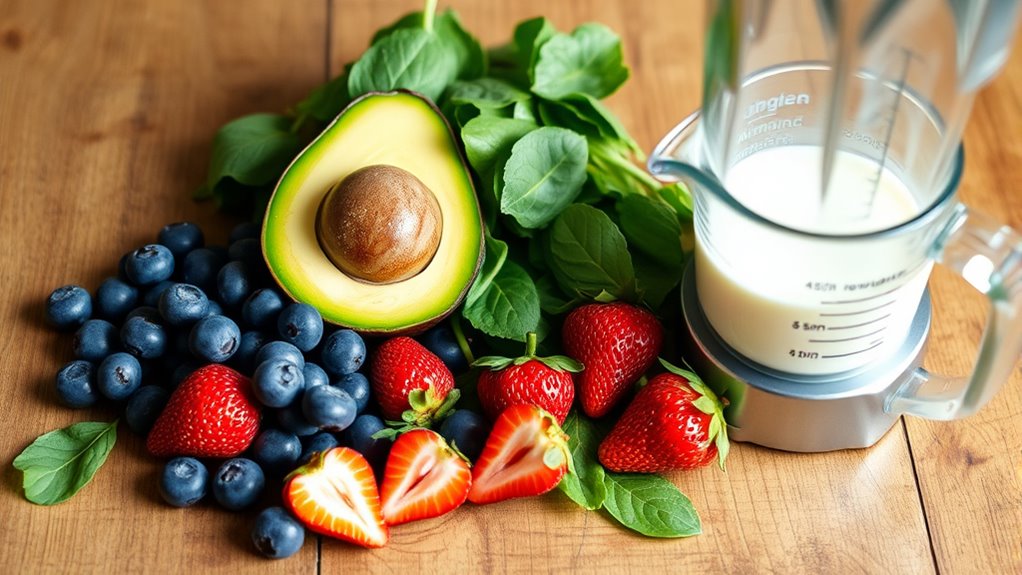
Although diabetic-friendly smoothies can vary widely, the key ingredients typically include low-glycemic fruits, leafy greens, healthy fats, and protein sources. When selecting fruit choices, focus on berries, green apples, or pears to keep blood sugar stable. Portion control is essential—you want to limit fruit to about half a cup per smoothie to avoid sugar spikes. Incorporate leafy greens like spinach or kale for fiber, which helps regulate glucose. Healthy fats from sources like avocado or chia seeds and proteins from Greek yogurt or nuts provide sustained energy without causing rapid blood sugar increases.
| Ingredient Type | Examples | Suggested Quantity |
|---|---|---|
| Low-Glycemic Fruit | Berries, Green Apple | ½ cup |
| Leafy Greens | Spinach, Kale | 1 cup |
| Healthy Fats & Protein | Avocado, Greek Yogurt | 1-2 tbsp fats, ½ cup protein |
Preparations
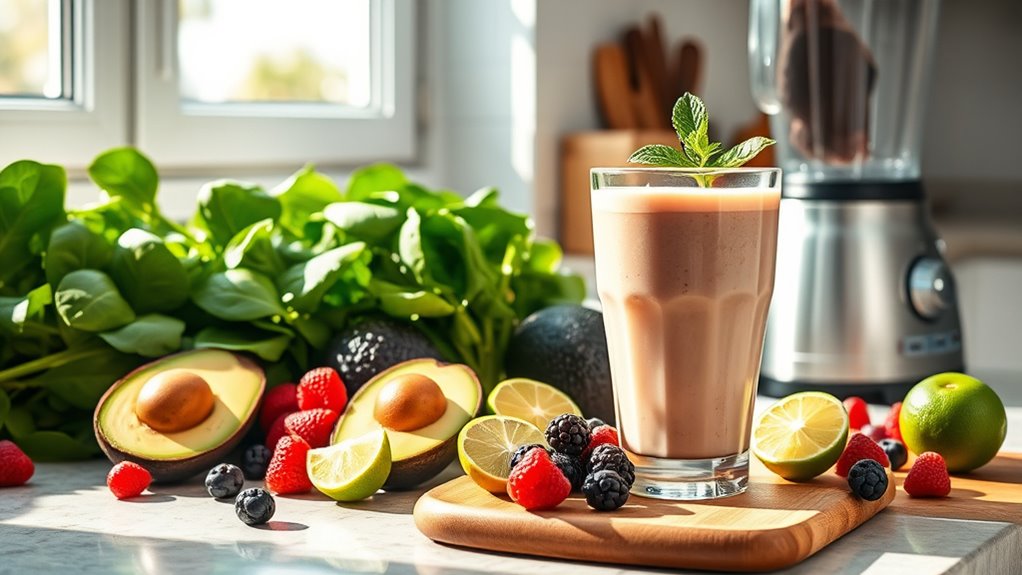
Now that you’ve selected the right ingredients and measured them carefully, preparing your diabetic-friendly smoothie correctly will help preserve nutrients and keep blood sugar levels steady. You can enhance your experience by exploring smoothie variations tailored to your tastes and nutritional needs. Remember, ingredient substitutions can be your ally; swapping out higher glycemic fruits for lower ones or using unsweetened plant-based milks instead of dairy can make a big difference. Preparing ingredients—like chopping fibrous vegetables or soaking nuts—can improve texture and nutrient availability. Avoid adding sugars or sweetened yogurt to maintain glycemic control. By thoughtfully preparing your ingredients and embracing creative substitutions, you’ll enjoy delicious smoothies that support your freedom to manage diabetes effectively without sacrificing flavor or variety.
How to Prepare
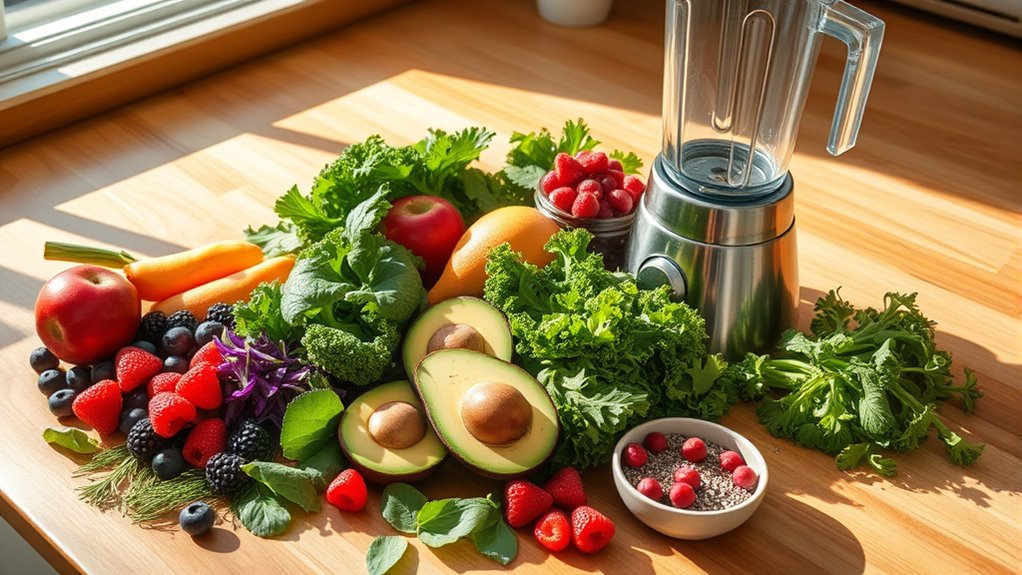
- Select fresh, whole ingredients that provide fiber and essential nutrients without causing blood sugar spikes.
- Use a high-quality blender or smoothie equipment designed to efficiently break down fibrous vegetables and nuts, preserving texture and nutrient content.
- Employ blending techniques like pulsing to combine ingredients gradually, preventing overheating and nutrient loss.
- Begin by adding liquids to the blender.
- Add softer fruits and greens next.
- Add denser ingredients such as seeds or protein powders last.
- This layering ensures even blending and a smooth consistency.
- By following these steps, you maintain control over your smoothie’s glycemic impact, supporting stable blood sugar levels and dietary freedom.
How to Serve
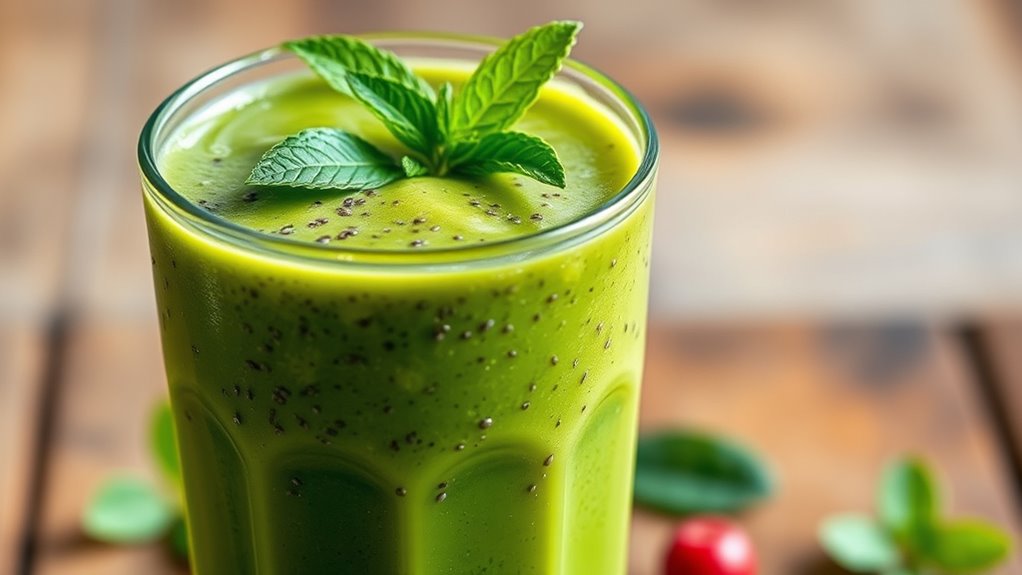
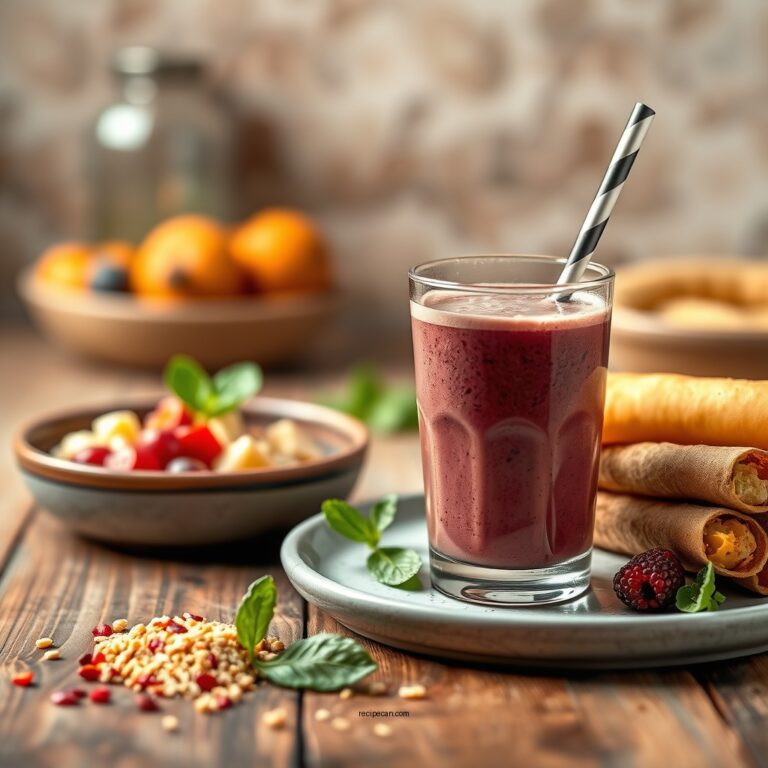
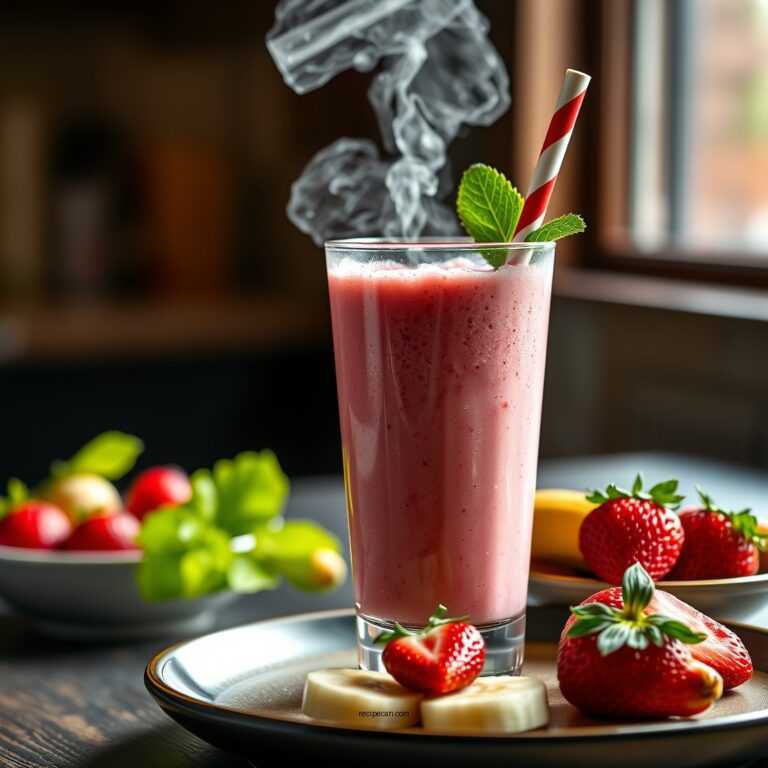
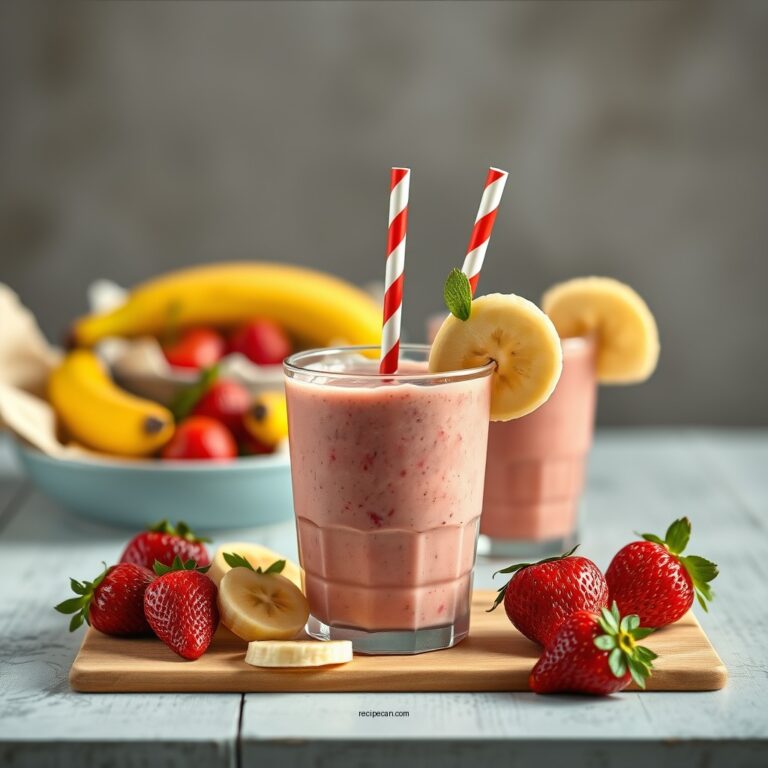
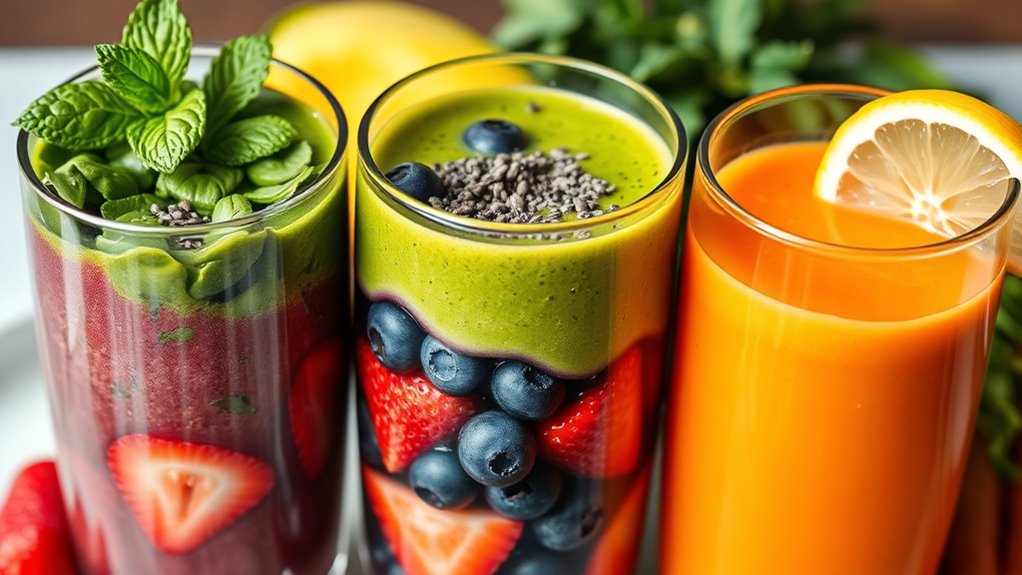
After carefully preparing your diabetic-friendly smoothie with the right ingredients and blending techniques, serving it properly can enhance both its taste and nutritional benefits. To maximize enjoyment, serve your smoothie chilled, as cold temperatures help preserve flavor and texture. Use clear glassware to showcase the vibrant colors, offering appealing presentation ideas that stimulate your appetite. For serving suggestions, garnish with a sprinkle of chia seeds, a few fresh berries, or a small mint leaf for added texture and nutrients without spiking blood sugar. Avoid adding sugary toppings or excessive sweeteners, keeping the smoothie balanced and diabetes-friendly. Serving immediately guarantees ideal freshness and nutrient retention, supporting your health goals while allowing you the freedom to enjoy a delicious, visually appealing smoothie every time.
Tips
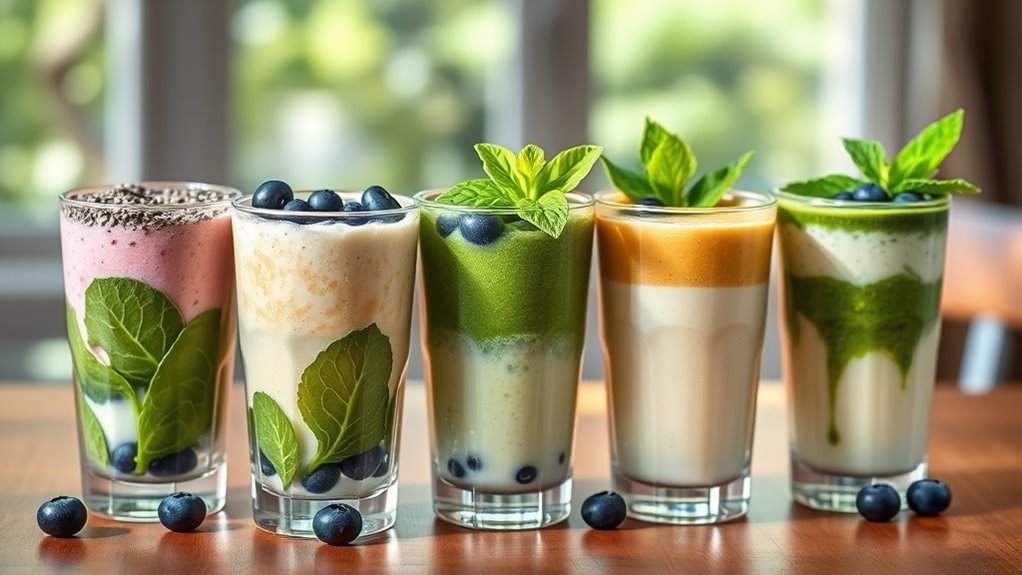
Although creating diabetic-friendly smoothies might seem straightforward, paying attention to certain tips can greatly enhance their health benefits and flavor. First, aim for balanced smoothie combinations that include fiber, protein, and healthy fats to help stabilize blood sugar levels. You can swap high-sugar fruits with lower glycemic options like berries to reduce sugar spikes. Don’t hesitate to experiment with ingredient substitutions; for example, use unsweetened almond milk instead of dairy or replace honey with stevia to cut added sugars. Also, controlling portion size matters—too large a smoothie can overwhelm your glucose management. Finally, blending ingredients just enough to preserve fiber improves digestion and keeps you fuller longer. By applying these evidence-based tips, you’ll enjoy delicious smoothies that support your freedom to eat well and feel great.
Food Value and Benefit
Food Value of Diabetic-Friendly Smoothie:
This smoothie is rich in dietary fiber, protein, healthy fats, and low glycemic index carbohydrates. It contains essential vitamins such as vitamin C, vitamin A, and B-complex vitamins, along with minerals including potassium, magnesium, and calcium. The combination of nutrient-dense fruits, vegetables, Greek yogurt or plant-based protein, and nuts or seeds provides balanced macronutrients and micronutrients that support blood sugar stability and overall health.
Benefits of Eating This Recipe:
- Supports blood sugar control by including low glycemic index ingredients that release glucose slowly
- Enhances digestion and promotes satiety through fiber-rich fruits and vegetables
- Stabilizes blood sugar levels and sustains energy with quality protein sources
- Promotes heart health and helps regulate blood sugar with healthy fats from nuts and seeds
- Provides antioxidants and essential vitamins and minerals that boost immune function and overall well-being
- Encourages a balanced diet that aids in diabetes management while allowing dietary flexibility
What are some key ingredients for diabetic-friendly smoothies?
When creating diabetic-friendly smoothies, focus on low-glycemic ingredients that won’t spike your blood sugar. Key ingredients include:
- Leafy Greens: Spinach and kale are excellent choices as they are low in carbohydrates.
- Fruits: Opt for berries like strawberries, blueberries, and raspberries, which have a lower glycemic index.
- Protein Sources: Add Greek yogurt, cottage cheese, or protein powder to help keep you full and stabilize blood sugar levels.
- Healthy Fats: Ingredients like avocado or nut butters can provide creaminess and healthy fat content.
- Liquid Base: Use unsweetened almond milk, coconut water, or water instead of fruit juices to reduce sugar content.
Can smoothies help regulate blood sugar levels for diabetics?
Yes, smoothies can be a part of a balanced diet for diabetics if made with the right ingredients. Incorporating fiber, protein, and healthy fats helps slow the absorption of sugar into the bloodstream, thus preventing spikes in blood sugar levels. It’s important to monitor portion sizes and choose ingredients wisely to ensure that the smoothie is not overly sweet or high in carbohydrates.
How can I make my smoothie thicker without adding sugar?
To thicken your smoothie without adding sugar, consider the following options:
- Frozen Fruits: Use frozen berries or bananas for a thicker texture.
- Chia Seeds: These absorb liquid and expand, adding thickness while providing fiber.
- Avocado: Adds creaminess and healthy fats without sweetness.
- Greek Yogurt: Increases thickness while also adding protein.
- Nut Butters: Almond or peanut butter can also thicken the smoothie while adding flavor.
Are there any smoothie recipes that are particularly beneficial for diabetics?
Yes, here are a few recipes that are diabetic-friendly:
- Green Berry Smoothie: Blend spinach, unsweetened almond milk, Greek yogurt, and a handful of mixed berries.
- Avocado Spinach Smoothie: Combine avocado, spinach, unsweetened coconut milk, and a scoop of protein powder.
- Cucumber Mint Smoothie: Blend cucumber, fresh mint leaves, lime juice, and water for a refreshing drink.
- Peanut Butter Banana Smoothie: Use a small banana, natural peanut butter, almond milk, and ice for a creamy treat.
What should I avoid when making smoothies for diabetics?
When preparing smoothies for diabetics, it’s crucial to avoid:
- High-Sugar Fruits: Limit fruits like bananas and grapes which can increase blood sugar levels.
- Fruit Juices: They often contain added sugars and lack fiber.
- Sweetened Yogurts: Choose plain, unsweetened yogurts to avoid excess sugar.
- Ice Cream or Sugary Add-ins: Stick to whole food ingredients to maintain nutritional value.
- Excessive Portion Sizes: Keep portions moderate to control carbohydrate intake.
References
- https://www.diabetes.org/nutrition/healthy-eating-for-a-healthy-weight/meal-planning/meal-planning-tips
- https://www.ncbi.nlm.nih.gov/pmc/articles/PMC6545207/
- https://www.eatright.org/health/diseases-and-conditions/diabetes/diabetes-and-nutrition
- https://www.cdc.gov/diabetes/basics/diabetes.html
- https://www.health.harvard.edu/staying-healthy/the-diabetes-diet
- https://www.mayoclinic.org/diseases-conditions/type-2-diabetes/in-depth/diabetes-diet/art-20045382
- https://www.webmd.com/diabetes/diabetes-friendly-smoothies
- https://www.jamanetwork.com/journals/jama/fullarticle/2525866
- https://www.heart.org/en/healthy-living/healthy-eating/eat-smart/nutrition-basics/diabetes-and-nutrition