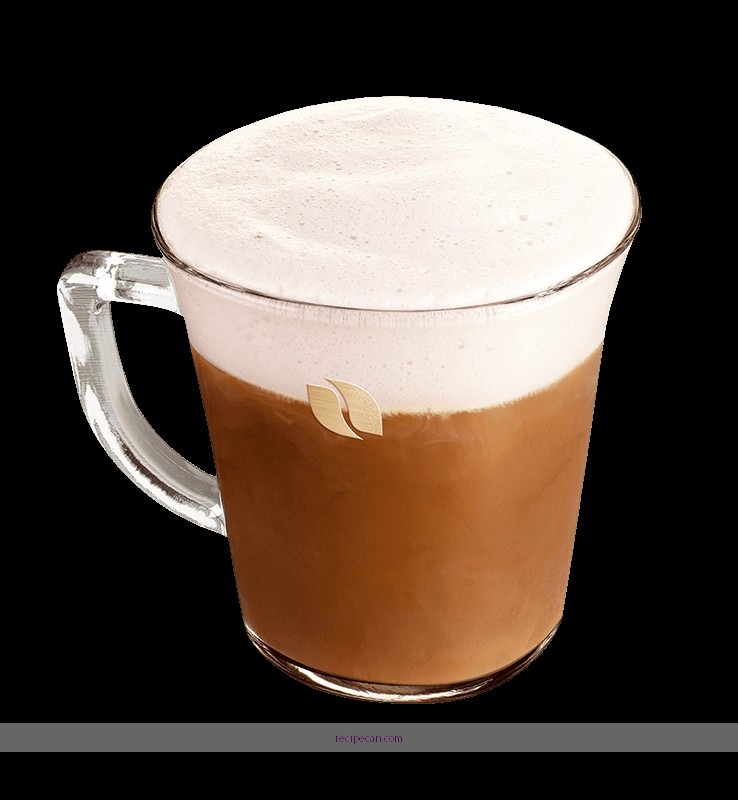
Discover the best Vietnamese coffee recipes that you can easily make at home, elevating your coffee experience from ordinary to extraordinary. Whether you crave the bold richness of traditional Trung Nguyen or the sweet creaminess of egg coffee, this guide highlights the standout recipes for every palate. Get ready to impress your friends and family with authentic flavors that transport them straight to Vietnam.
You can easily make authentic Vietnamese coffee recipes at home that are rich, flavorful, and satisfying. This guide will walk you through some of the most popular variations, from traditional cà phê sữa đá (Vietnamese iced coffee) to unique twists that you can try. With just a few ingredients and simple steps, you’ll be impressing your friends and family in no time!
Vietnamese coffee is a true delight that showcases the country’s rich coffee culture. This unique preparation method emphasizes a strong, bold flavor profile, combined with sweetened condensed milk to create an irresistible blend. Whether you’re looking for a morning pick-me-up or a refreshing afternoon treat, this coffee offers a delightful balance of sweetness and strength, making it a favorite among coffee enthusiasts worldwide.
Recipe Overview
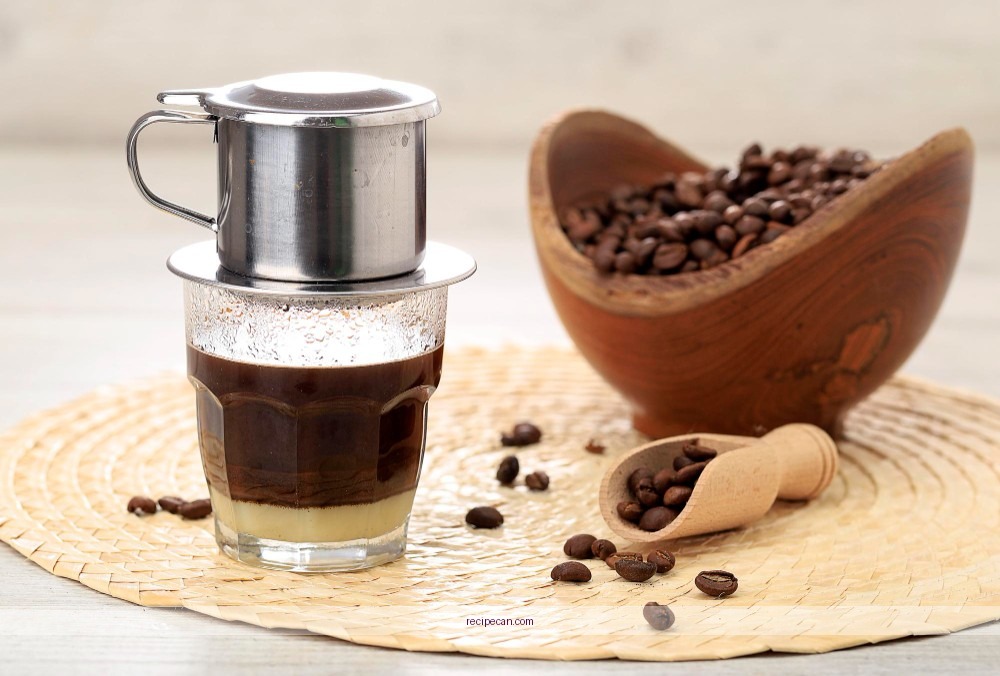
Vietnamese coffee is known for its distinctive preparation and robust flavor. Traditionally made with dark-roasted Robusta beans, it is brewed slowly through a drip filter, allowing the coffee to develop its full richness. The addition of sweetened condensed milk creates a creamy, sweet contrast to the strong coffee, making each sip a satisfying experience. This recipe is not only straightforward, but it also invites customization, catering to both traditionalists and those seeking a modern twist.
Time Required
– 🕐 Prep Time : 5 minutes
– 🍳 Brew Time : 4-5 minutes
– ⏱ Total Time : 10 minutes
Ingredients
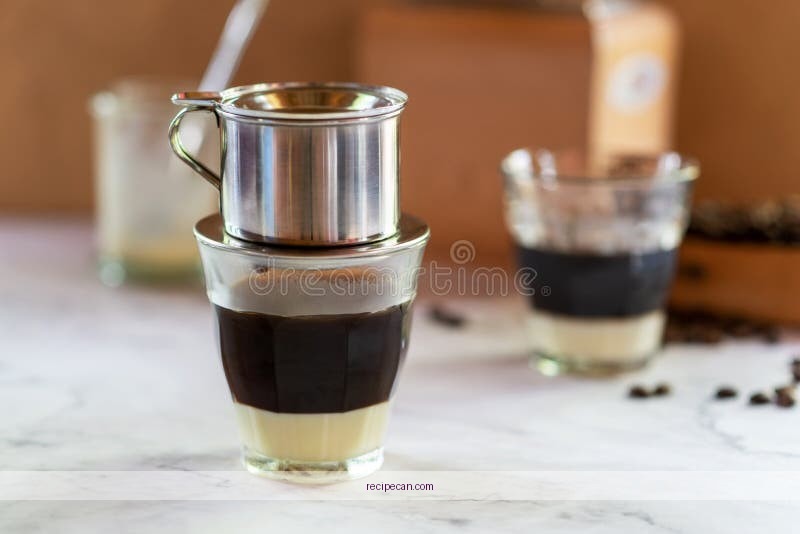
The key ingredients in Vietnamese coffee are simple yet impactful. The quality of your coffee grounds and the type of condensed milk can significantly influence your drink’s flavor. Here’s what you’ll need:
Main Ingredients
– 2 tablespoons coarse ground Vietnamese coffee (or strong coffee like Robusta)
– 2 tablespoons sweetened condensed milk (adjust based on your sweetness preference)
– Hot water (about 100ml or 3.4 oz)
Optional Garnish
– Ice cubes (for iced versions)
– Cinnamon or cocoa powder (for extra flavor)
Step-by-Step Instructions
Preparation
1. Start by placing the ground coffee in a Vietnamese phin filter or any drip coffee maker. Ensure the grounds are evenly distributed for optimal brewing.
2. Add the sweetened condensed milk to your glass or cup, adjusting the quantity based on your desired sweetness.
Brewing
3. Pour a small amount of hot water (just enough to saturate the grounds) over the coffee to let them bloom for about 30 seconds. This step is crucial as it helps release the coffee’s natural oils and enhances flavor extraction.
4. Slowly pour the remaining hot water over the coffee grounds in a circular motion, allowing the water to flow evenly. Let it drip for about 4-5 minutes, ensuring you don’t rush this process for the best flavor.
Finishing
5. Once brewed, stir the coffee and condensed milk together until well combined. For an iced version, pour it over ice and stir again to chill before serving.
Top 7 Vietnamese Coffee Brands (2024)
| # | Brand | Coffee Type | Origin | Rating |
|---|---|---|---|---|
| 1 | Trung Nguyen | Robusta | Vietnam | ★★★★☆ |
| 2 | Cafe Du Monde | Chicory Blend | USA | ★★★★★ |
| 3 | Vinacafe | Instant Coffee | Vietnam | ★★★☆☆ |
| 4 | G7 | Freeze-Dried | Vietnam | ★★★★☆ |
| 5 | Cafe Phin | Robusta | Vietnam | ★★★☆☆ |
| 6 | Mocca | Arabica | Vietnam | ★★★☆☆ |
| 7 | Thai Nguyen | Robusta | Vietnam | ★★★★☆ |
How to Serve
Plating & Presentation
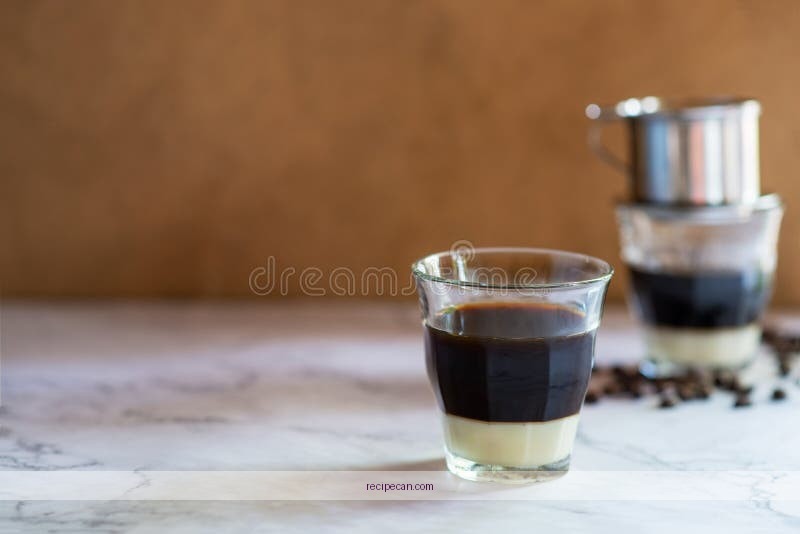
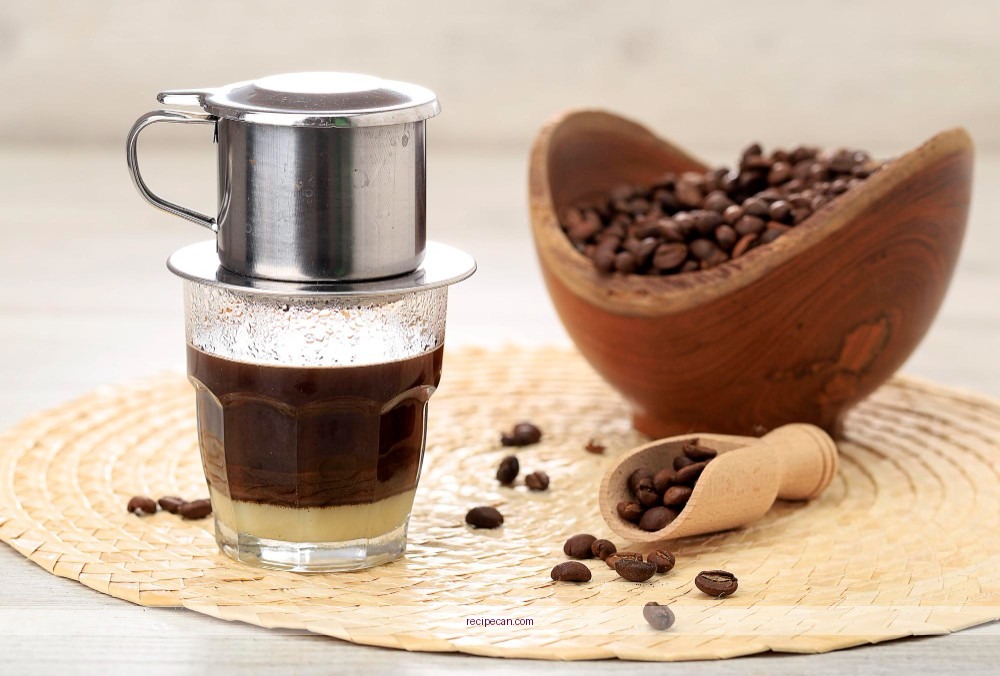
Serve your Vietnamese coffee in a clear glass to showcase the beautiful layers of coffee and condensed milk. The contrast between the dark coffee and the creamy white milk is visually appealing and inviting.
What Goes Well With It
Vietnamese coffee pairs wonderfully with traditional snacks like bánh mì or sweet pastries such as bánh flan or coconut macaroons. These accompaniments enhance the coffee experience and introduce you to more of the vibrant Vietnamese culinary culture.
Serving Temperature
Enjoy it hot, warm, or over ice, depending on your preference! Iced coffee is particularly refreshing during warm weather, while hot coffee can be comforting on cooler days.
Storage & Reheating
For best results, brew fresh coffee each time. If you have leftovers, store them in the refrigerator and enjoy cold the next day. Just give it a good stir before serving, as the milk may separate.
What to Avoid & Precautions
Making Vietnamese coffee is generally straightforward, but there are a few common pitfalls to watch out for. Once you’re aware of these, you’ll be able to enjoy a perfect cup every time.
Using Too Fine Coffee Grounds
Using coffee grounds that are too fine can result in a bitter taste. The grounds should be coarse to ensure a smoother flavor and prevent over-extraction.
Over-Brewing
Letting the coffee brew for too long can lead to bitterness. Stick to the recommended 4-5 minutes for the best flavor balance.
Incorrect Milk Ratio
If your coffee is too sweet or not sweet enough, adjust the amount of condensed milk according to your taste preference. Start with less and add more until you reach your desired sweetness.
Common Mistakes & How to Fix Them
Not Pre-Wetting the Grounds
Skipping the blooming step can lead to an under-extracted brew. Always pre-wet your coffee grounds to maximize flavor.
Rushing the Brewing Process
Impatience can lead to a less-than-ideal cup. Allow the coffee to brew at its natural pace, and enjoy the aromas that fill your kitchen.
Forgetting to Stir
Neglecting to stir the coffee and condensed milk together can result in an uneven flavor. Take a moment to mix them well for a consistent taste.
Vietnamese coffee is a delightful treat that’s easy to make and customize. Whether you stick to the classic recipe or try out variations, you’re sure to enjoy a delicious cup every time. So gather your ingredients and start brewing today!
Frequently Asked Questions
What are the essential ingredients for a traditional Vietnamese coffee recipe?
A traditional Vietnamese coffee recipe typically requires coarsely ground dark roast coffee, sweetened condensed milk, and hot water. The coffee is brewed using a phin, a traditional Vietnamese drip filter, which allows the rich flavors to develop. This combination creates a strong, sweet, and creamy coffee experience unique to Vietnam.
How do you make Vietnamese iced coffee at home?
To make Vietnamese iced coffee at home, start by brewing strong coffee using a phin filter over a glass filled with sweetened condensed milk. Once the coffee has dripped through, stir the mixture well and pour it over a glass of ice. This refreshing drink balances the bold coffee flavor with the sweetness of the condensed milk, making it perfect for warm days.
Why is Vietnamese coffee so strong compared to other coffee types?
Vietnamese coffee is typically stronger due to the use of robusta beans, which have a higher caffeine content and a bolder flavor than arabica beans. Additionally, the brewing method, which involves slow dripping, extracts more oils and flavors from the coffee grounds, resulting in a rich and intense coffee experience. This strength is often balanced by the addition of sweetened condensed milk, making it both robust and sweet.
What is the best way to store Vietnamese coffee beans to maintain freshness?
To maintain the freshness of Vietnamese coffee beans, store them in an airtight container in a cool, dark place, away from moisture and heat. Grinding the beans just before brewing will also enhance their flavor and aroma. Ideally, consume the beans within two weeks of opening for the best taste and quality.
Which coffee brewing methods are popular for making Vietnamese coffee besides the phin filter?
Besides the phin filter, popular brewing methods for Vietnamese coffee include using a French press and an espresso machine. The French press allows for full immersion, which can enhance the coffee’s flavor profile, while an espresso machine provides a quick and concentrated brew. Each method offers a unique taste experience, appealing to different preferences for Vietnamese coffee lovers.
References
- Coffee production in Vietnam
https://en.wikipedia.org/wiki/Coffee_in_Vietnam - https://www.bbc.com/travel/article/20220110-how-vietnams-coffee-culture-brews
https://www.bbc.com/travel/article/20220110-how-vietnams-coffee-culture-brews - https://www.nytimes.com/2021/07/19/world/asia/vietnam-coffee-culture.html
https://www.nytimes.com/2021/07/19/world/asia/vietnam-coffee-culture.html - https://www.sciencedirect.com/topics/agricultural-and-biological-sciences/vietnamese-coffee
https://www.sciencedirect.com/topics/agricultural-and-biological-sciences/vietnamese-coffee - https://www.cdc.gov/nutrition/resources-publications/healthy-eating/vietnamese-coffee.html
https://www.cdc.gov/nutrition/resources-publications/healthy-eating/vietnamese-coffee.html - https://www.britannica.com/topic/Vietnamese-coffee
https://www.britannica.com/topic/Vietnamese-coffee - Google Scholar Google Scholar
https://scholar.google.com/scholar?q=vietnamese+coffee+recipes - Google Scholar Google Scholar
https://scholar.google.com/scholar?q=vietnamese+coffee+preparation - Google Scholar Google Scholar
https://scholar.google.com/scholar?q=cultural+significance+of+vietnamese+coffee - https://pubmed.ncbi.nlm.nih.gov/?term=vietnamese+coffee+recipes
https://pubmed.ncbi.nlm.nih.gov/?term=vietnamese+coffee+recipes