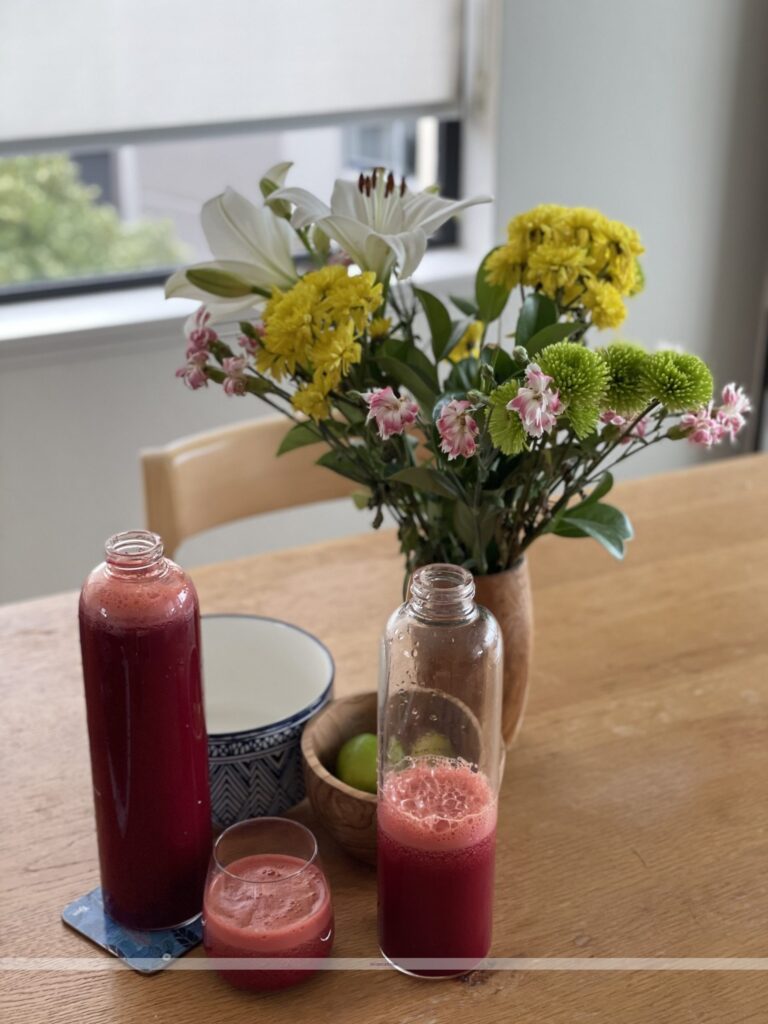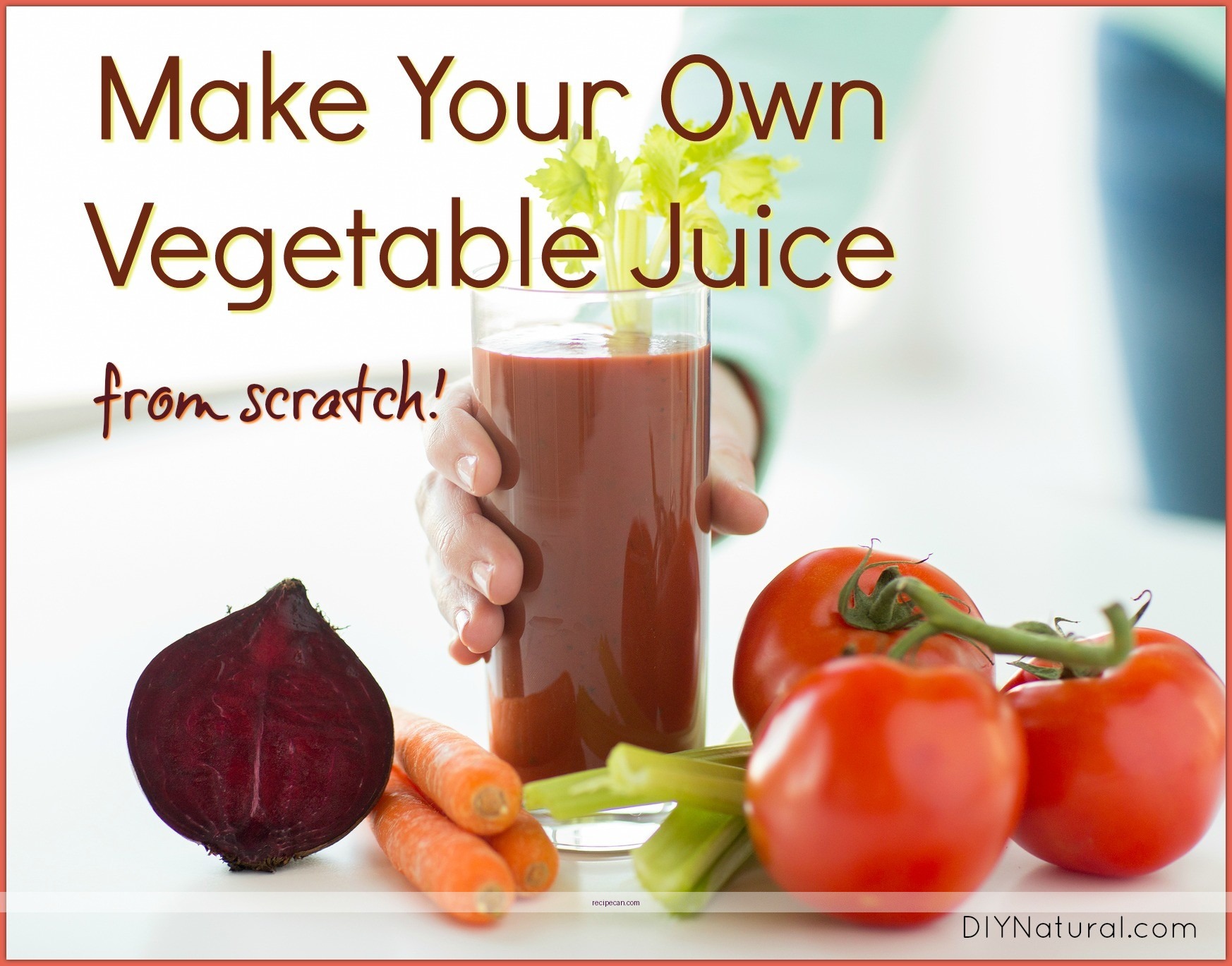
Discover the best vegetable juice recipes that cater to every palate, ensuring you find the perfect blend for your taste preferences. Whether you crave something refreshing, detoxifying, or packed with nutrients, this guide delivers standout options that will satisfy your cravings. Say goodbye to dull drinks and elevate your juice game with vibrant, flavorful combinations that nourish your body and excite your taste buds.
If you’re looking to boost your health and energy levels, vegetable juice is a fantastic choice! Packed with nutrients and flavor, these recipes are easy to make at home and can help you incorporate more veggies into your diet. Here, you’ll find a variety of delicious vegetable juice recipes that are perfect for any palate, whether you prefer something sweet and refreshing or robust and savory.
Recipe Overview

Vegetable juice not only offers a refreshing drink but also serves as a powerhouse of vitamins and minerals. These recipes are simple to prepare, making them perfect for busy mornings or a quick afternoon pick-me-up. Each recipe serves around 2-4 people, depending on your portion sizes, and can be tailored to suit your personal taste. Embrace the vibrant flavors and colorful presentation of these juices, which can easily become a staple in your daily routine.
Time Required
– 🕐 Prep Time: 10 minutes
– 🍳 Juicing Time: 5 minutes
– ⏱ Total Time: 15 minutes
Ingredients
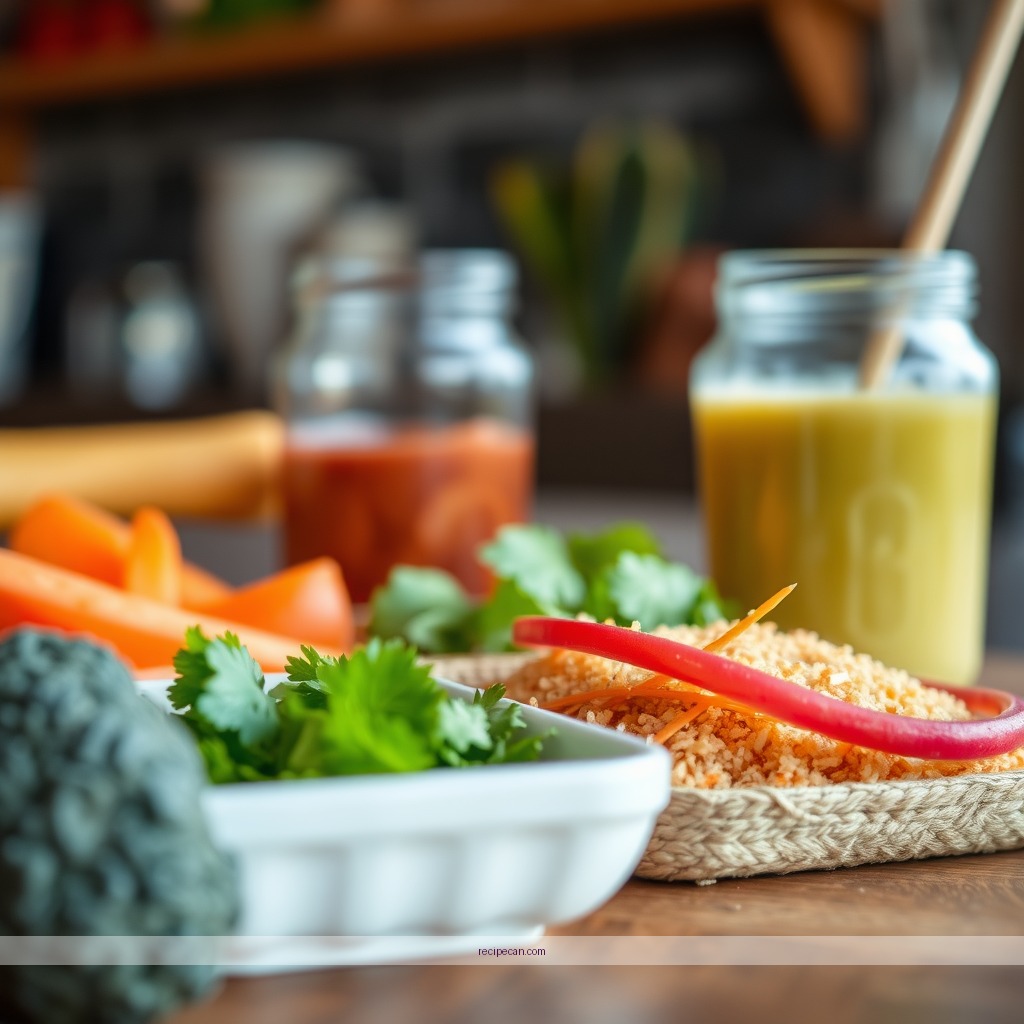
A vibrant mix of seasonal vegetables is key to a delicious juice. Feel free to experiment with different combinations based on your taste preferences and what’s available at your local market. Freshness is essential, as it directly impacts both flavor and nutritional content.
Main Ingredients
– Carrots (2 large, chopped) – naturally sweet and rich in beta-carotene for eye health.
– Celery (2 stalks, chopped) – provides a refreshing crunch and hydration.
– Cucumber (1 medium, peeled and chopped) – light and hydrating, perfect for a summer drink.
– Spinach (1 cup) – nutrient-dense with a mild flavor, easily masked by other ingredients.
– Beetroot (1 small, peeled and chopped) – adds a vibrant color and earthy sweetness.
– Lemon (1, juiced) – brightens the flavors and adds a refreshing tang.
Step-by-Step Instructions

1. Wash Your Vegetables: Start by washing all vegetables thoroughly to remove any dirt or pesticides. This step is crucial for ensuring a clean and healthy juice.
2. Chop the Vegetables: Chop the vegetables into smaller pieces to ensure they fit easily into your juicer. Uniform sizes help the juicing process go smoothly.
3. Juicing Order: Begin juicing with the softer vegetables like cucumber and spinach, followed by denser options like carrots and beets. This helps maintain a consistent flow in the juicer.
4. Add Lemon Juice: Once all the vegetables are juiced, add the lemon juice and stir well to combine. This not only enhances the flavor but also helps preserve the juice.
5. Taste and Adjust: Taste your juice and adjust flavors if necessary, perhaps adding more lemon for tanginess or even a pinch of salt to enhance the overall taste.
What to Avoid & Precautions
Making vegetable juice is generally straightforward, but a few common pitfalls can occur. Knowing these can help ensure a smooth juicing experience.
Overloading the Juicer
Be careful not to pack too much into the juicer at once, as this can lead to uneven juicing or damage the machine. Always follow the manufacturer’s guidelines for maximum capacity.
Not Using Fresh Ingredients
Fresh vegetables yield the best flavor and nutrition. Avoid using wilted or old produce for the best results. A quick inspection of your ingredients before juicing can save you from a bland drink.Common Mistakes & How to Fix Them
Not Straining the Juice
If you prefer a smoother texture, straining your juice through a fine mesh sieve can remove any pulp for a cleaner finish. This step is especially helpful if you’re serving guests who may not enjoy the texture of pulp.
Skipping the Lemon
Lemon not only adds flavor but also helps preserve the juice. Don’t skip it if you want your juice to last longer in the fridge! If you’re sensitive to acidity, consider adding just a small amount to start.
How to Serve
Plating & Presentation
Serve your vegetable juice in clear glasses to showcase its vibrant color. For an elegant touch, consider adding a slice of lemon or a sprig of mint on the rim of the glass. This not only enhances the visual appeal but also adds to the aromatic experience.
What Goes Well With It
Pair your juice with a light breakfast or snack, such as whole-grain toast, yogurt, or a fruit salad for a balanced meal. This combination elevates your overall nutrient intake and keeps you feeling satisfied.
Storage & Reheating
Freshly made vegetable juice is best consumed immediately to enjoy the full nutritional benefits and flavor. However, if you need to store it, keep it in an airtight container in the fridge for up to 24 hours. Shake well before consuming to redistribute any settled ingredients.
Top 7 Vegetables for Juicing (2024)
| # | Vegetable | Nutritional Benefits | Flavor Profile | Best For |
|---|---|---|---|---|
| 1 | Carrot | Rich in beta-carotene | Sweet and earthy | Detox juices |
| 2 | Spinach | High in iron | Mild and grassy | Green smoothies |
| 3 | Cucumber | Hydrating properties | Refreshing and crisp | Summer juices |
| 4 | Beetroot | High in antioxidants | Earthy and sweet | Colorful blends |
| 5 | Celery | Low in calories | Savory and refreshing | Weight loss juices |
| 6 | Kale | High in vitamins K and C | Bitter and robust | Healthy detoxing |
| 7 | Tomato | Rich in lycopene | Savory and tangy | Savory mixes |
Experimenting with these vegetable juice recipes can be a delightful culinary adventure. Each recipe not only refreshes your body but also invigorates your spirit, encouraging you to explore the vibrant world of vegetables. By incorporating these juices into your daily routine, you can enhance your overall health while enjoying the rich flavors that nature provides. So why not start juicing today? Your taste buds and body will thank you!
Frequently Asked Questions
What are the health benefits of drinking vegetable juice?
Drinking vegetable juice offers numerous health benefits, including increased nutrient intake, improved digestion, and enhanced hydration. Rich in vitamins, minerals, and antioxidants, vegetable juices can support immune function and may help reduce the risk of chronic diseases. Incorporating a variety of vegetables can also help ensure a broad spectrum of nutrients.
How can I make vegetable juice at home?
To make vegetable juice at home, start by selecting your favorite vegetables, such as carrots, spinach, or beets. Wash and chop them into smaller pieces, then use a juicer or blender to extract the juice. If using a blender, add a bit of water to help blend the vegetables smoothly, and strain the mixture through a fine mesh sieve if you prefer a smoother texture.
Why should I include leafy greens in my vegetable juice recipes?
Including leafy greens in your vegetable juice recipes is important because they are packed with essential vitamins, minerals, and phytonutrients that promote overall health. Leafy greens like kale and spinach are low in calories and high in fiber, which can aid in digestion and help you feel full longer. They also contribute to the vibrant color and flavor of your juice.
What are the best vegetable juice recipes for detoxification?
The best vegetable juice recipes for detoxification typically include ingredients known for their cleansing properties, such as cucumber, celery, and parsley. A popular detox juice recipe combines beetroot, ginger, and lemon, which can help support liver function and eliminate toxins. Adding a splash of apple can enhance the taste while still keeping it healthy.
Which vegetables should I avoid when making juice?
When making vegetable juice, it’s best to avoid high-starch vegetables like potatoes and corn, as they can add unnecessary calories and sugar. Additionally, some vegetables like broccoli and cabbage may produce a strong flavor that can overwhelm your juice. Opt for milder-flavored vegetables such as cucumbers, carrots, and leafy greens for a more balanced taste.
References
- https://www.mayoclinic.org/healthy-lifestyle/nutrition-and-healthy-eating/in-depth/juicing/art-20047424
https://www.mayoclinic.org/healthy-lifestyle/nutrition-and-healthy-eating/in-depth/juicing/art-20047424 - https://www.health.harvard.edu/staying-healthy/the-truth-about-juicing
https://www.health.harvard.edu/staying-healthy/the-truth-about-juicing - The Phosphoproteomic Response of Okra (Abelmoschus esculentus L.) Seedlings to Salt Stress – PMC
https://www.ncbi.nlm.nih.gov/pmc/articles/PMC6470868/ - https://www.cdc.gov/nutrition/resources-publications/vegetables.html
https://www.cdc.gov/nutrition/resources-publications/vegetables.html - Healthy diet
https://www.who.int/news-room/fact-sheets/detail/healthy-diet - Dynamic colour change and the confusion effect against predation – PMC
https://www.ncbi.nlm.nih.gov/pmc/articles/PMC6342951/ - https://www.bbc.com/news/health-44554532
https://www.bbc.com/news/health-44554532 - Google Scholar Google Scholar
https://scholar.google.com/scholar?q=vegetable+juice+recipes - Google Scholar Google Scholar
https://scholar.google.com/scholar?q=health+benefits+of+juicing - Google Scholar Google Scholar
https://scholar.google.com/scholar?q=nutritional+value+of+vegetable+juices