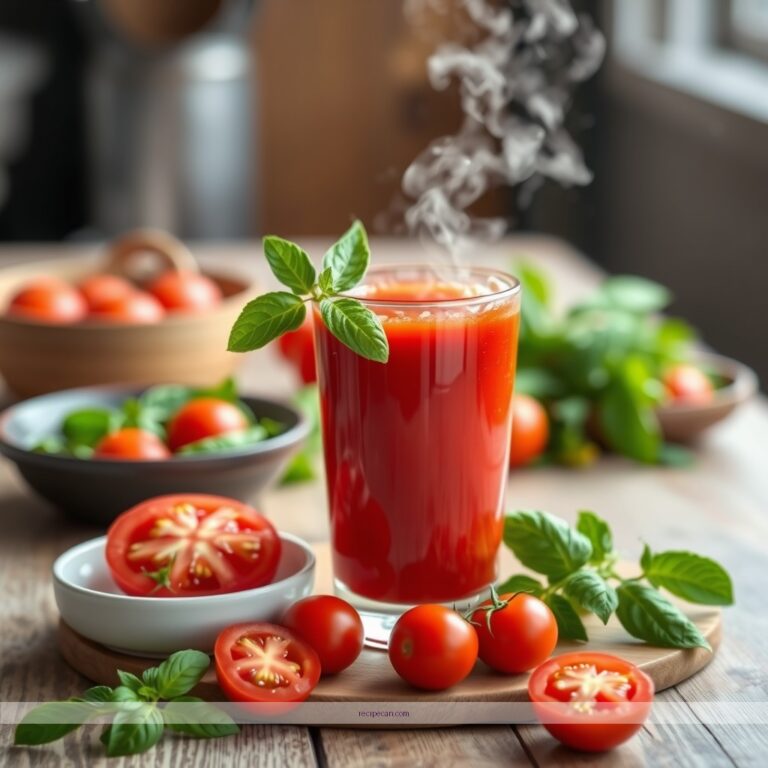
Discover the ultimate soursop juice recipe that will elevate your home beverage game. This easy-to-follow guide not only promises a refreshing taste but also highlights the health benefits of soursop. Whether you’re a juice connoisseur or a health enthusiast, this recipe is your ticket to a delicious, nutritious drink. Get ready to impress your friends and family with this delightful homemade treat.
Soursop juice is a delightful way to enjoy the unique flavor and health benefits of this tropical fruit. Making it at home is not only simple but also allows you to capture the fresh essence of soursop while controlling the sweetness to your preference. With its sweet and tangy profile, soursop juice is an excellent choice for a refreshing drink on warm days or as a nutritious treat for any occasion.
Recipe Overview

Soursop juice is derived from the fruit of the soursop tree, known scientifically as Annona muricata. This tropical delight is cherished for its rich flavor and myriad health benefits, including high levels of vitamin C, antioxidants, and potential anti-inflammatory properties. The process of creating soursop juice is straightforward, requiring minimal ingredients and time. In just about 15 minutes, you can create a refreshing beverage that serves around 4 people, making it perfect for gatherings or a healthy solo refreshment.
Time Required

– 🕐 Prep Time : 10 minutes
– 🍳 Cook Time : 0 minutes (no cooking involved)
– ⏱ Total Time : 10 minutes
Ingredients
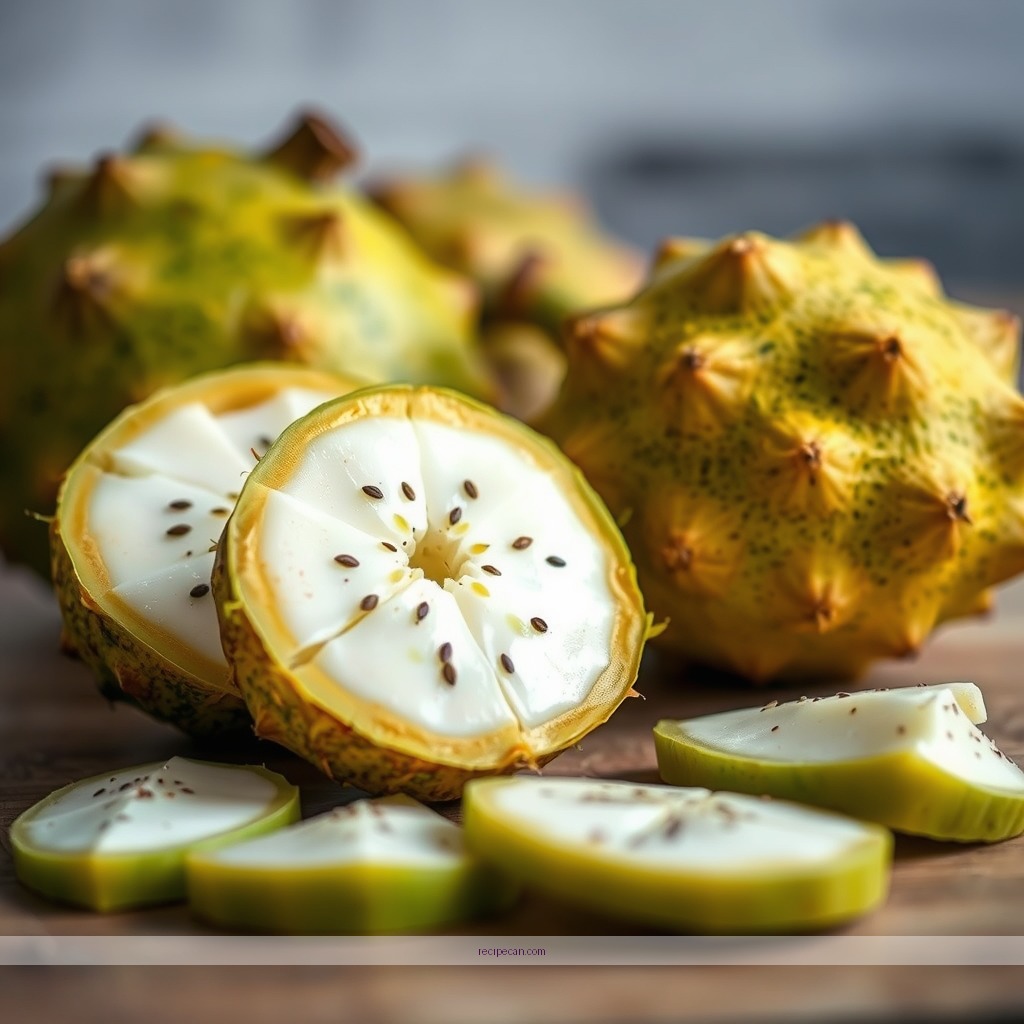
The key to exceptional soursop juice lies in using ripe fruit, which should feel soft to the touch and emit a fragrant aroma. If fresh soursop is unavailable, frozen pulp serves as a suitable alternative. Here’s what you’ll need to make this juice:
Main Ingredients
– 2 ripe soursops, peeled and chopped
– 4 cups of cold water
– 1-2 tablespoons of sugar or honey (adjust to taste)
– Juice of 1 lime (optional, for extra flavor)
Optional Garnish
– Lime slices
Step-by-Step Instructions

1. Prepare the Soursop: Start by peeling the soursop and carefully removing the seeds, which can be hard and unpleasant to bite into. Cut the flesh into smaller chunks to facilitate easier blending.
2. Blend the Ingredients: In a blender, combine the chopped soursop with the cold water. Blend the mixture on high speed until it reaches a smooth and creamy consistency. This step is crucial; a well-blended mixture ensures a delightful texture.
3. Strain the Mixture: To achieve a silky juice, pour the blended mixture through a fine mesh strainer or cheesecloth into a pitcher. Use a spoon to press down the pulp, extracting as much juice as possible and leaving the fibrous remnants behind.
4. Sweeten the Juice: Taste the fresh juice and add sugar or honey to your liking. If you want a zesty twist, squeeze in the juice of one lime, which complements the soursop’s sweetness perfectly.
5. Chill and Serve: For the best experience, refrigerate the juice for about 30 minutes to allow the flavors to meld. Serve the chilled juice over ice and garnish with fresh mint or a slice of lime for an appealing presentation.
Heat & Temperature Guide
Cooking Method
This recipe requires no cooking; the method primarily involves blending and straining, making it an ideal choice for a quick, refreshing beverage.
Temperature & Timing
The juice should be served chilled, either immediately after blending and straining or after a brief refrigeration period of about 30 minutes.
How to Know It’s Done
You’ll know the juice is ready when it has a smooth texture and a vibrant color. The flavor should be a harmonious balance of sweet and tangy, depending on your added sweetener.
What to Avoid & Precautions
While making soursop juice is straightforward, a few pitfalls can detract from the experience. Here are some tips to ensure success:
Choosing Ripe Fruit
Using unripe soursop can lead to a juice that lacks sweetness and flavor. Always select fruits that feel slightly soft and have a sweet aroma.
Over-Sweetening
It’s easy to overshoot the sweetness. Start with the minimum sugar or honey and adjust according to your taste, remembering that you can always add more but cannot remove excess sweetness.
Common Mistakes & How to Fix Them
Using Unripe Soursop
If you find your juice is not sweet enough, it might be due to using unripe fruit. Always check for ripeness, and if you’ve already blended it, consider adding a bit more sweetener.
Too Thick Juice
If the juice ends up too thick, simply add a little more cold water and blend again until you reach your desired consistency. This adjustment is easy and ensures a pleasant drinking experience.
Forgetting to Strain
Some may rush through the straining process, resulting in a gritty texture. Take your time with this step; it is crucial for achieving a smooth and enjoyable beverage.
How to Serve
Plating & Presentation
For an attractive presentation, serve the soursop juice in tall glasses filled with ice. Adding a sprig of fresh mint or a lime slice on the rim elevates the visual appeal and enhances the aromatic experience.
What Goes Well With It
Soursop juice pairs wonderfully with light snacks such as fruit salads, appetizers like ceviche, or grilled fish. Its refreshing nature complements a variety of dishes.
Storage & Reheating
If you have leftover juice, store it in the refrigerator for up to 2 days. Remember to shake it well before serving, as natural separation may occur due to the absence of preservatives.
Nutritional Benefits of Soursop Juice
| # | Nutrient | Amount per 100g | Health Benefits |
|---|---|---|---|
| 1 | Vitamin C | 20.6 mg | Boosts immunity |
| 2 | Fiber | 3.3 g | Promotes digestive health |
| 3 | Potassium | 278 mg | Regulates blood pressure |
| 4 | Magnesium | 37 mg | Supports muscle function |
| 5 | Vitamin B6 | 0.2 mg | Aids in brain function |
| 6 | Antioxidants | N/A | Fights free radicals |
| 7 | Calcium | 18 mg | Strengthens bones |
Making homemade soursop juice is not only an enjoyable culinary experience but also a way to embrace the health benefits of this tropical fruit. By following these simple steps, you’ll create a drink that is both refreshing and packed with nutrients. Whether for yourself or to impress guests, this juice is a delightful addition to any menu. Enjoy the process and savor the results!
Frequently Asked Questions
What are the health benefits of soursop juice?
Soursop juice is packed with vitamins C and B, antioxidants, and dietary fiber, which can boost your immune system, improve digestion, and promote overall health. Additionally, some studies suggest that soursop may have anti-inflammatory and anti-cancer properties, making it a nutritious option for those looking to enhance their wellness.
How do you make soursop juice from fresh fruit?
To make fresh soursop juice, start by peeling the ripe soursop fruit and removing the seeds. Blend the pulp with water (about 1 part fruit to 2 parts water) until smooth, then strain the mixture through a fine sieve to obtain a smooth juice. Sweeten with sugar or honey if desired, and serve chilled for a refreshing drink.
Why is my soursop juice bitter, and how can I improve the taste?
Soursop juice can taste bitter if the fruit is overripe or if the seeds are blended into the juice. To improve the taste, ensure you use ripe, fresh soursop and thoroughly remove all seeds before blending. Adding sweeteners like honey, sugar, or mixing with other fruits can also enhance the flavor.
Which fruits pair well with soursop juice for a delicious blend?
Soursop juice pairs beautifully with fruits such as pineapple, mango, and lime, which can add sweetness and acidity to balance its flavor. You can also combine soursop with coconut water for a tropical twist or blend it with berries for an antioxidant-rich juice.
What is the best way to store homemade soursop juice?
The best way to store homemade soursop juice is in an airtight container in the refrigerator, where it can last for up to 2-3 days. For longer storage, consider freezing the juice in ice cube trays, allowing you to enjoy refreshing soursop juice at any time while preserving its flavor and nutrients.
References
- Soursop
https://en.wikipedia.org/wiki/Soursop - https://pubmed.ncbi.nlm.nih.gov/26394265/
https://pubmed.ncbi.nlm.nih.gov/26394265/ - Intracellular Trafficking Network and Autophagy of PHBHHx Nanoparticles and their Implications fo…
https://www.ncbi.nlm.nih.gov/pmc/articles/PMC6610140/ - Case of Sciatica Depending on Pressure by an Intrapelvic Tumour – PMC
https://www.ncbi.nlm.nih.gov/pmc/articles/PMC5329277/ - Caenorhabditis elegans Infrared-Based Motility Assay Identified New Hits for Nematicide Drug Deve…
https://www.ncbi.nlm.nih.gov/pmc/articles/PMC6466232/ - https://www.sciencedirect.com/topics/agricultural-and-biological-sciences/soursop
https://www.sciencedirect.com/topics/agricultural-and-biological-sciences/soursop - Soursop | Description, Fruit, Plant, Uses, & Facts | Britannica
https://www.britannica.com/plant/soursop - Checking your browser – reCAPTCHA
https://www.ncbi.nlm.nih.gov/pmc/articles/PMC5831314/ - Google Scholar Google Scholar
https://scholar.google.com/scholar?q=recipe+soursop+juice - Google Scholar Google Scholar
https://scholar.google.com/scholar?q=soursop+nutrition+benefits