Smoothies made with frozen fruit are not only refreshing but also incredibly easy to prepare. By using frozen fruit, you can create thick, creamy textures without the need for ice. This method not only enhances the flavor profile but also allows you to enjoy nutritious ingredients year-round, even when certain fruits are out of season. In this article, you’ll discover several delicious smoothie recipes that harness the natural sweetness and vibrant flavors of frozen fruit, while also providing insights into the benefits of using these convenient ingredients.
Benefits of Using Frozen Fruit

Using frozen fruit in your smoothies comes with a myriad of benefits that make it a superior choice compared to fresh fruit.
– Nutrient Retention: Frozen fruit retains essential vitamins and nutrients, making it a healthy choice. The freezing process locks in the fruit’s nutrients at peak ripeness, ensuring you receive maximum health benefits.
– Year-Round Availability: It provides a convenient way to enjoy seasonal fruits year-round. Whether it’s summer berries or tropical fruits, you can have them on hand any time of the year.
– Natural Chill: The natural chill from frozen fruit means your smoothies are instantly refreshing. This allows you to skip adding ice, which can dilute the flavor and alter the texture of your smoothie.
Incorporating frozen fruit into your diet not only adds flavor but also enhances the nutritional value of your meals.
Essential Ingredients for Smoothies
To create the perfect smoothie, several essential ingredients should be considered:
– Base Liquids: The foundation of any smoothie typically includes base liquids. Common options such as almond milk, coconut water, or yogurt add creaminess and flavor, while also varying the nutritional profile. For example, almond milk is low in calories, making it suitable for weight management, while yogurt adds probiotics for digestive health.
– Add-Ins: Enhance the nutritional value by including add-ins. Ingredients like spinach, protein powder, or nut butter not only boost the health benefits but also add unique flavors and textures. Spinach, for instance, is a powerhouse of vitamins A and C, while nut butter provides healthy fats and protein.
– Sweeteners: Depending on your preference, you may choose to add sweeteners like honey, agave syrup, or stevia. It’s essential to balance sweetness to complement the natural flavors of the fruit without overwhelming them.
With these essential ingredients, you can create a variety of nutritious and delicious smoothies tailored to your taste and health goals.
Classic Berry Smoothie Recipe

One of the simplest yet most delicious smoothies is the classic berry smoothie.
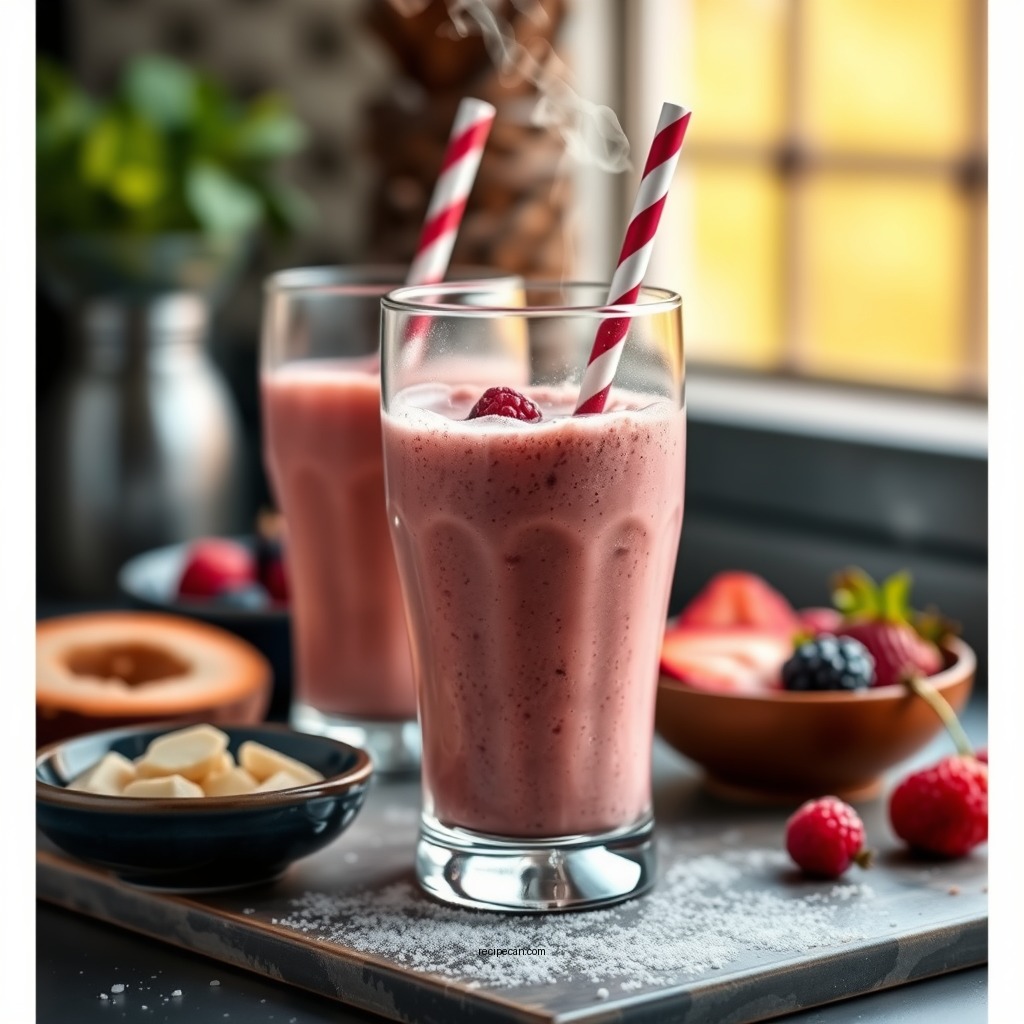
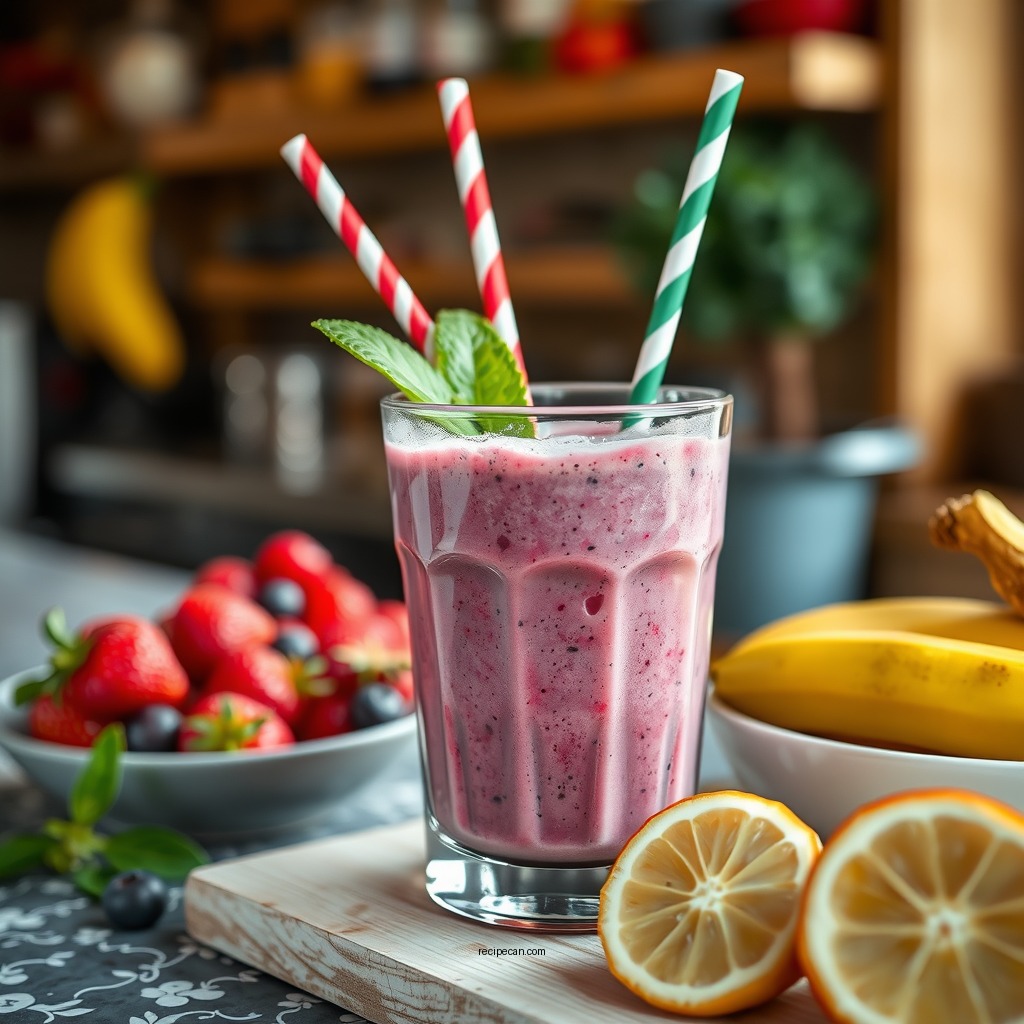
– Ingredients: Combine 1 cup of frozen mixed berries, 1 banana, and 1 cup of almond milk.
– Preparation: Blend until smooth and creamy, adjusting the consistency with more milk if necessary.
– Optional Topping: For added texture and nutrition, top with chia seeds or granola. Chia seeds are an excellent source of omega-3 fatty acids and fiber, making this smoothie not only tasty but also highly nutritious.
This berry smoothie is perfect for breakfast or a midday snack, providing a burst of antioxidants and vitamins.
Tropical Fruit Smoothie Recipe
If you’re craving a taste of the tropics, this tropical fruit smoothie will transport you to a sun-kissed beach.
– Ingredients: Mix 1 cup of frozen pineapple, 1 cup of frozen mango, and 1 cup of coconut water.
– Preparation: Blend until thoroughly mixed, and enjoy the taste of the tropics.
– Optional Addition: For a zesty kick, add a splash of lime juice. Lime not only enhances the flavor but also provides a good source of vitamin C.
This smoothie is an excellent choice for hydration and is particularly refreshing on hot days.
Green Smoothie Recipe with Frozen Fruit
For those looking to incorporate more greens into their diet, this green smoothie is a fantastic option.
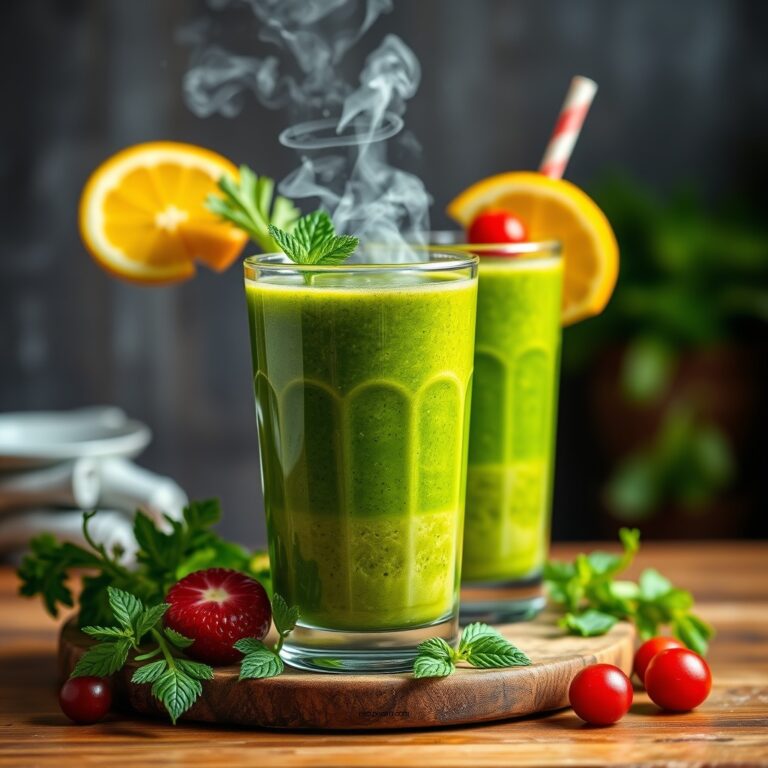
– Ingredients: Blend 1 cup of frozen peaches, 1 banana, a handful of spinach, and 1 cup of coconut milk.
– Nutritional Punch: This refreshing smoothie packs a nutritious punch and is perfect for breakfast.
– Optional Boost: Add flaxseeds or hemp seeds for an omega-3 boost. Both are excellent sources of healthy fats and can help improve heart health.
This green smoothie is not only vibrant in color but also rich in vitamins and minerals.
Top 7 Fruits for Smoothies by Nutritional Value (2023)
| # | Fruit | Calories | Vitamin C (%) | Fiber (g) |
|---|---|---|---|---|
| 1 | Blueberries | 57 | 24% | 2.4 |
| 2 | Bananas | 89 | 15% | 2.6 |
| 3 | Mango | 60 | 60% | 1.6 |
| 4 | Pineapple | 50 | 79% | 1.4 |
| 5 | Strawberries | 32 | 149% | 2.0 |
| 6 | Peaches | 39 | 9% | 1.5 |
| 7 | Raspberries | 52 | 26% | 6.5 |
Tips for Perfect Smoothies
To ensure your smoothies are consistently delicious and nutritious, consider these tips:
– Use a High-Speed Blender: For the best texture and consistency, a high-speed blender is essential. This equipment will effectively break down frozen fruit and other ingredients, creating a smooth blend without lumps.
– Experiment with Variations: Don’t shy away from experimenting with different frozen fruits and combinations. For example, try mixing tropical fruits with greens for a refreshing change or incorporate spices like cinnamon for added flavor.
– Adjust Based on Preference: Customize sweetness and thickness according to your personal preference and dietary needs. If you prefer a thicker smoothie, add more frozen fruit. For sweetness, start with less and gradually add to avoid overpowering the natural flavors.
By following these tips, you can refine your smoothie-making skills and explore a variety of flavors and textures.
Storing and Preparing Frozen Fruit
Proper storage of frozen fruit is vital for maintaining quality and flavor:
– Airtight Storage: Store fruit in airtight bags or containers to prevent freezer burn. This will help maintain the freshness and nutritional value of the fruit.
– Pre-portion Ingredients: For quick and easy assembly, consider pre-porting smoothie ingredients. This not only saves time but also ensures you have the right amounts ready for blending.
– Freezing Ripe Fruits: Consider freezing ripe bananas or other fruits to have on hand for smoothies. This practice allows you to utilize fruits at their peak and reduces food waste.
By implementing these storage techniques, you’ll always have delicious frozen fruit ready for your smoothies.
When you incorporate frozen fruit into your smoothie recipes, you not only enhance flavor and nutrition but also create quick, satisfying meals. The versatility of smoothies allows you to mix and match ingredients to suit your taste preferences and dietary requirements. Experiment with these recipes and tips to find your perfect blend. Ready to get started? Grab your blender and some frozen fruit today!
Frequently Asked Questions
What are the best frozen fruits to use in a smoothie recipe?
The best frozen fruits for smoothies typically include berries like blueberries, strawberries, and raspberries, as they add vibrant color and nutrients. Bananas are also popular for their creaminess, while mangoes and pineapples provide a tropical flavor. Choosing a mix of these fruits can enhance the taste and texture of your smoothie.
How can I make a smoothie with frozen fruit that isn’t too thick?
To prevent your smoothie from becoming too thick when using frozen fruit, start by adding a sufficient amount of liquid, such as water, juice, or milk, to your blender. You can also blend the frozen fruit with fresh fruit to achieve a smoother consistency. If your smoothie is still too thick, gradually add more liquid until you reach your desired texture.
Why should I use frozen fruit instead of fresh fruit in my smoothie recipe?
Using frozen fruit in your smoothie recipe offers several advantages, such as convenience and longer shelf life. Frozen fruits are often picked at peak ripeness, retaining their nutrients and flavor, which can enhance the overall quality of your smoothie. Additionally, frozen fruit can give your smoothie a refreshing, cold texture without needing ice.
What is the best smoothie recipe using frozen fruit for weight loss?
A great weight loss smoothie recipe using frozen fruit includes spinach, half a frozen banana, a cup of mixed berries, and unsweetened almond milk. This combination is low in calories but high in fiber, which can help keep you full. Adding a scoop of protein powder can also make it more satisfying and aid in muscle recovery.
Which frozen fruits blend well together for a delicious smoothie?
Frozen fruits that blend well together include strawberries, bananas, and mangoes for a tropical flavor, or blueberries, spinach, and banana for a nutrient-packed option. Experimenting with combinations like pineapple and coconut or cherries and almond milk can also create delicious smoothies. The key is to balance sweetness and tartness to achieve the perfect flavor profile.
References
- https://www.ncbi.nlm.nih.gov/pmc/articles/PMC6366803/
https://www.ncbi.nlm.nih.gov/pmc/articles/PMC6366803/ - https://www.mayoclinic.org/healthy-lifestyle/nutrition-and-healthy-eating/in-depth/smoothies/art-20045990
https://www.mayoclinic.org/healthy-lifestyle/nutrition-and-healthy-eating/in-depth/smoothies/art-20045990 - https://www.healthline.com/nutrition/smoothies-healthy-or-unhealthy
https://www.healthline.com/nutrition/smoothies-healthy-or-unhealthy - https://www.verywellfit.com/healthy-smoothie-recipes-4151929
https://www.verywellfit.com/healthy-smoothie-recipes-4151929 - Healthy diet
https://www.who.int/news-room/fact-sheets/detail/healthy-diet - https://www.cdc.gov/nutrition/index.html
https://www.cdc.gov/nutrition/index.html - Smoothie Recipes | Good Food
https://www.bbcgoodfood.com/recipes/collection/smoothie-recipes - Google Scholar Google Scholar
https://scholar.google.com/scholar?q=smoothie+recipe+frozen+fruit - Google Scholar Google Scholar
https://scholar.google.com/scholar?q=smoothie+health+benefits - Google Scholar Google Scholar
https://scholar.google.com/scholar?q=nutritional+value+of+smoothies