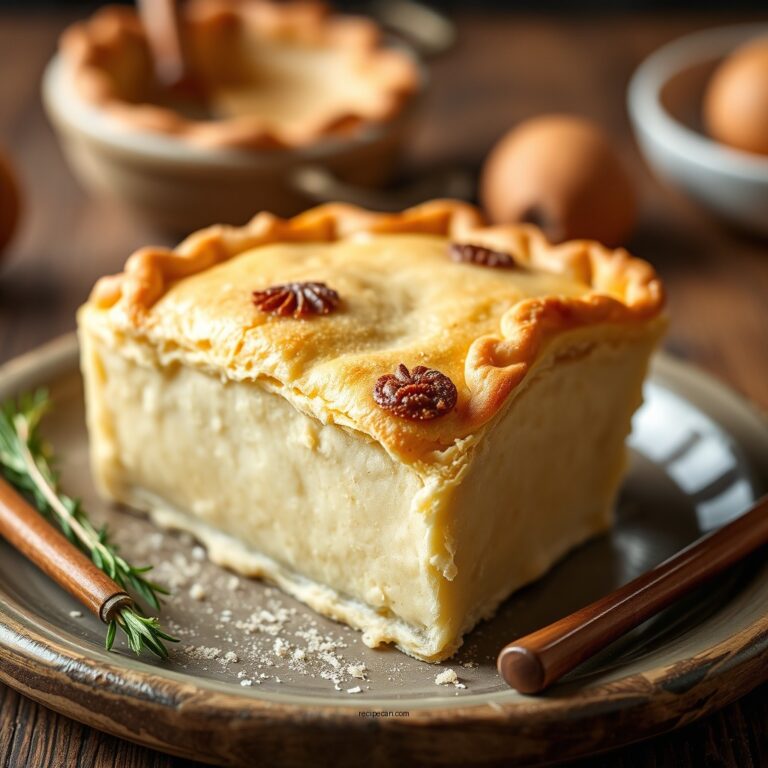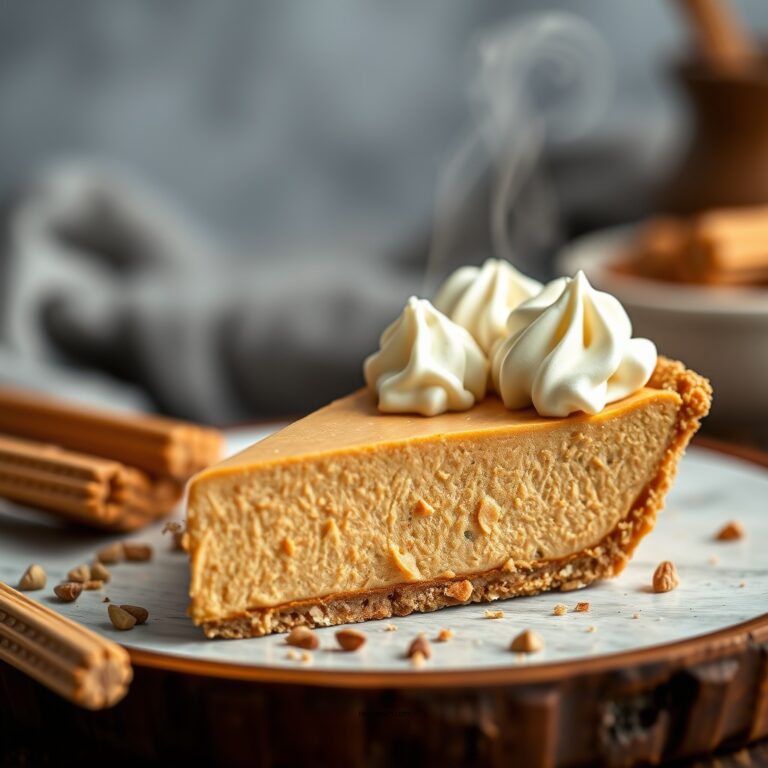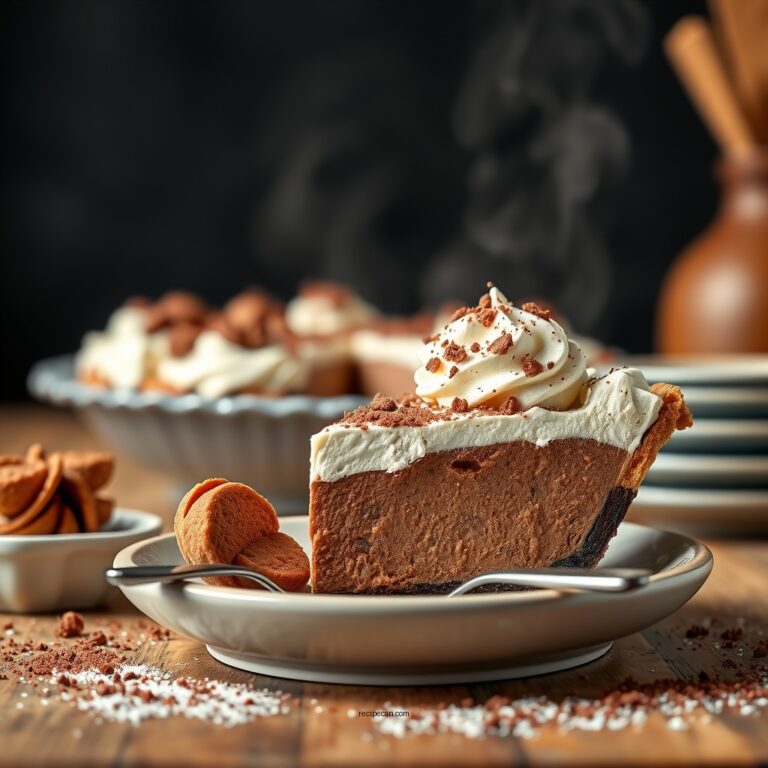
Making the perfect pie crust is essential for any great pie, and there are various recipes to suit different tastes and occasions. In this article, you’ll discover a range of delicious pie crust recipes, including traditional, gluten-free, and no-bake options that will elevate your baking game. Whether you are preparing for a holiday gathering or a casual family dinner, mastering these pie crusts will ensure that your pies not only taste fantastic but also look stunning.
Traditional Flaky Pie Crust
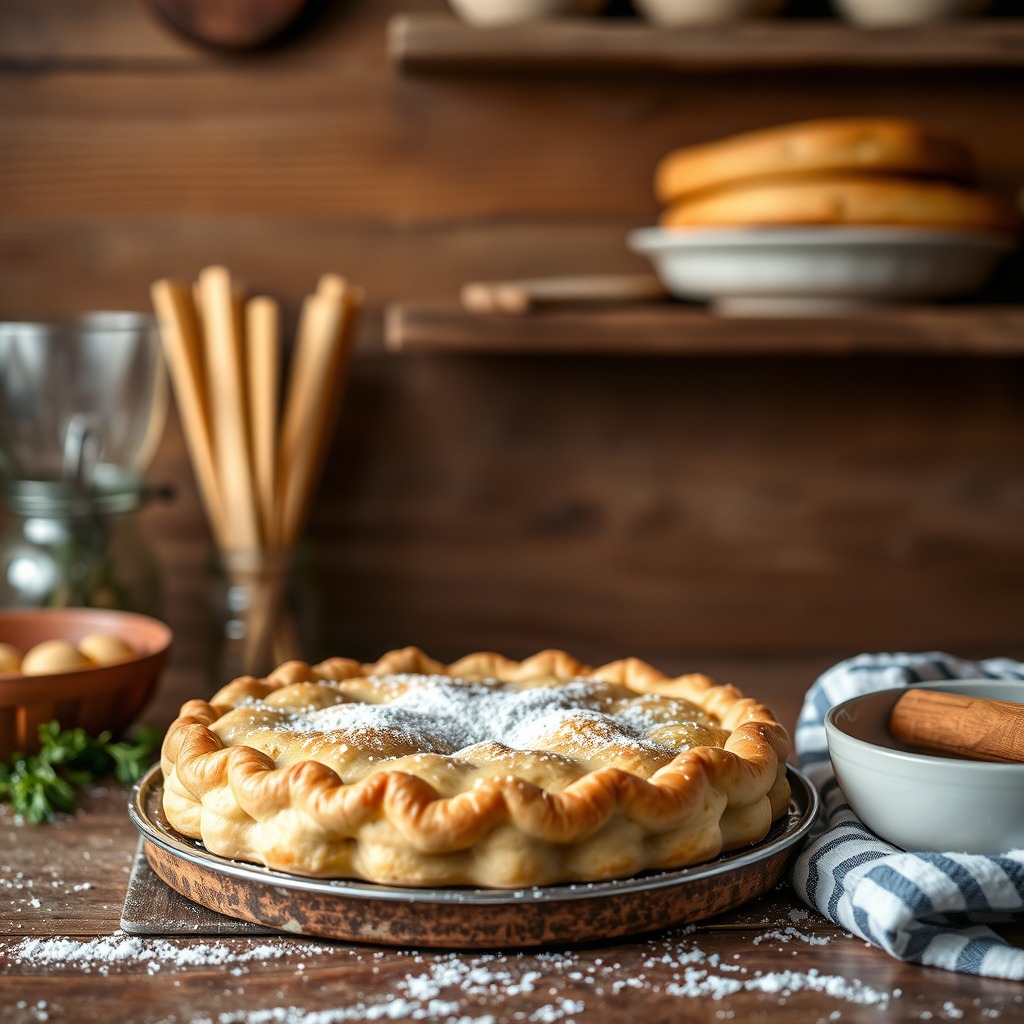
– Key Ingredients: For a classic pie crust, the key ingredients are all-purpose flour, unsalted butter, salt, and cold water. Using high-quality, unsalted butter enhances flavor while allowing you to control the salt level. The flour should be spooned into the measuring cup and leveled off to avoid dense dough.
– Technique Tips: The secret to a flaky crust lies in the technique. Begin by keeping your butter and water as cold as possible. This helps create steam during baking, which results in a light, flaky texture. When mixing the dough, combine the dry ingredients before cutting in the butter until the mixture resembles coarse crumbs. Gradually add cold water until the dough just comes together, being careful not to overwork it. Chill the dough for at least 30 minutes before rolling it out.
Gluten-Free Pie Crust Recipe
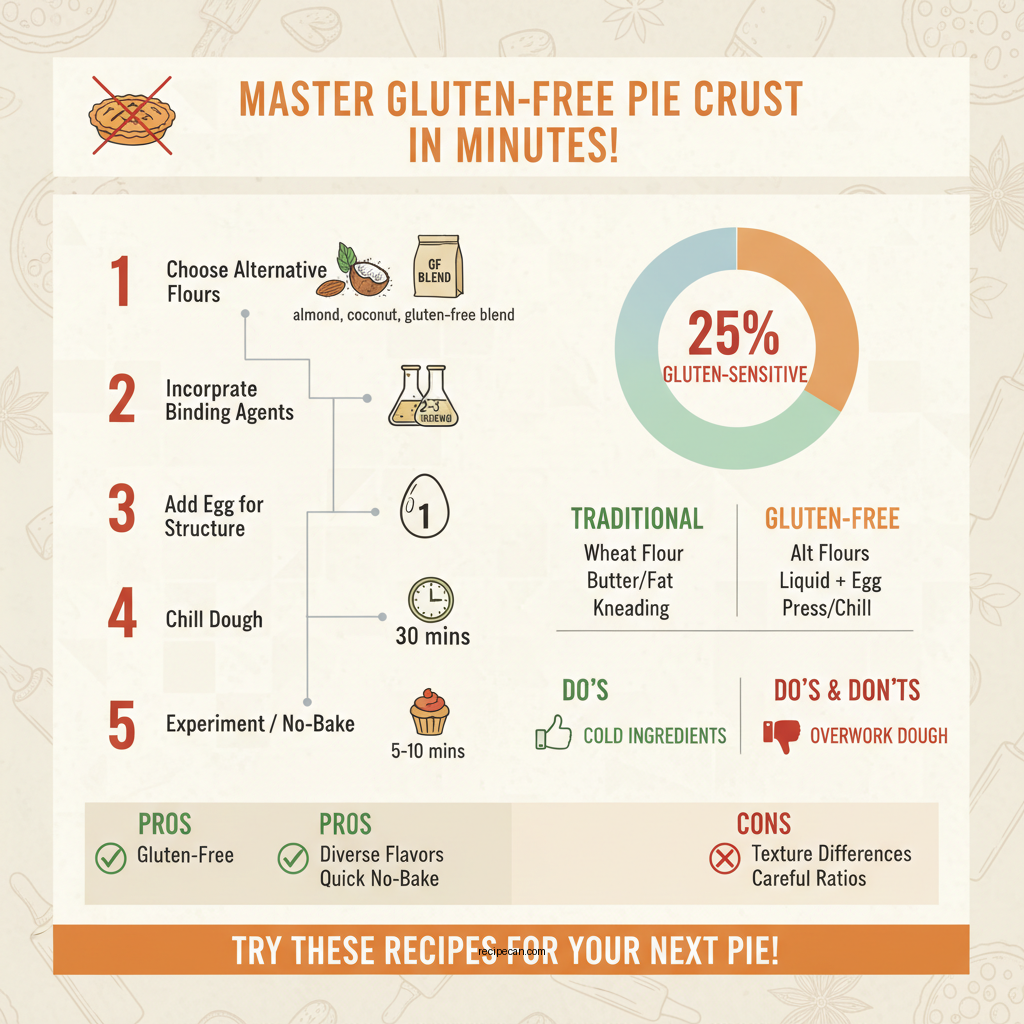
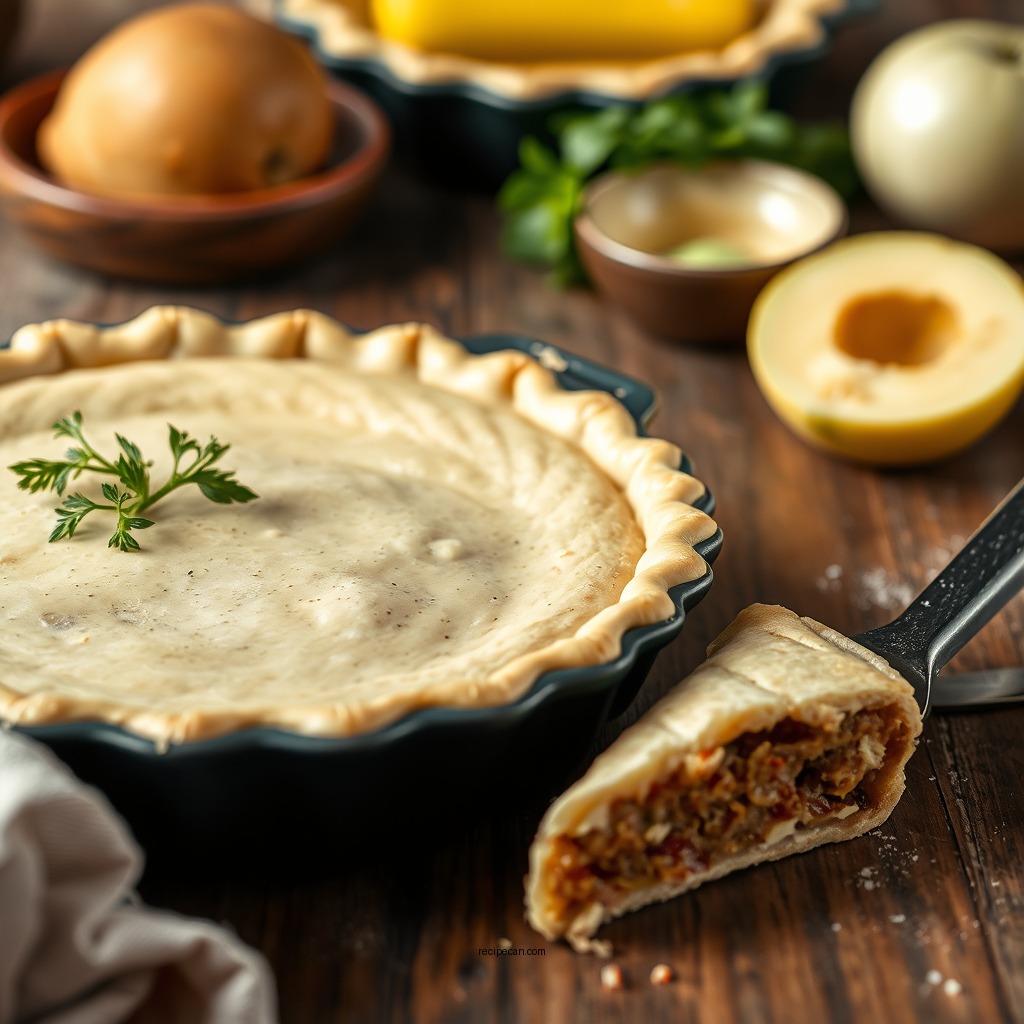
– Alternative Flours: For those with gluten sensitivities, alternative flours like almond flour, coconut flour, or a gluten-free blend can be used. Almond flour provides a nutty flavor and moist texture, while coconut flour absorbs moisture, so it’s essential to adjust liquid ratios when using it.
– Binding Agents: Gluten-free dough requires effective binding agents to mimic the elasticity of gluten. Consider incorporating xanthan gum or psyllium husk to improve the texture. Eggs can also be beneficial; they provide structure and moisture. A simple recipe might include a mix of almond flour and coconut flour, with the addition of one egg and a bit of water to bind the mixture together.
No-Bake Pie Crust
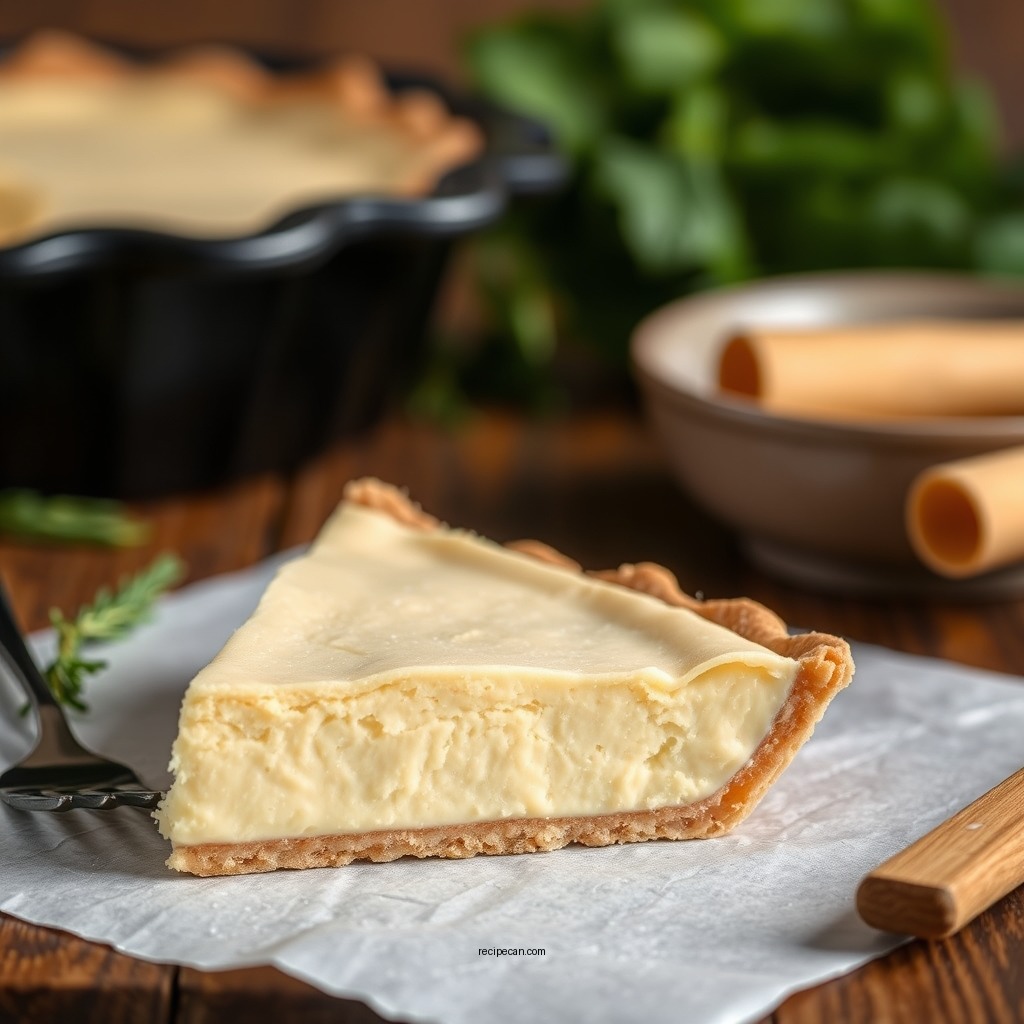
– Quick and Easy: No-bake pie crusts are incredibly simple and perfect for warm-weather desserts. This type of crust typically uses crushed cookies (like graham crackers or Oreos) combined with melted butter. Mix the crumbs with melted butter until evenly coated, then press the mixture into the bottom and up the sides of your pie dish.
– Flavor Variations: Experimenting with different cookie types can add unique flavors to your no-bake crust. For instance, using chocolate wafer cookies for a rich chocolate pie or gingersnap cookies for a spiced pumpkin pie can elevate your dessert. You can also add a pinch of cinnamon or nutmeg to the cookie mixture for extra depth.
Sweet vs. Savory Pie Crusts
– Taste Profiles: Sweet pie crusts are typically made with sugar and are ideal for fruit tarts and dessert pies, providing a balance of sweetness that complements fillings like fruit or custard. Savory pie crusts, on the other hand, often contain herbs or spices and are perfect for quiches or meat pies, where a more neutral or savory flavor is desired.
– Recipe Adjustments: Adjustments to the basic pie crust recipe can make a significant difference. For sweet pies, add 2-3 tablespoons of sugar to the dry ingredients. For savory pies, consider adding herbs such as thyme or rosemary into the flour mixture. This versatility allows you to customize your crusts based on the pie’s filling.
Tips for Perfecting Your Pie Crust
– Common Mistakes: Many bakers struggle with pie crusts due to common mistakes such as using warm butter or overmixing the dough. Warm butter results in a greasy, tough crust, while overmixing develops gluten, leading to a chewy texture. Aim for a dough that is just combined, with small lumps of butter still visible.
– Baking Techniques: Pre-baking, or blind baking, is a crucial step for many pie recipes, especially those with wet fillings. To achieve a golden-brown crust, line your crust with parchment paper, fill it with pie weights or dried beans, and bake until just set. Remove the weights and continue baking until the crust is fully cooked and golden.
Storing and Freezing Pie Crusts
– Short-Term vs. Long-Term Storage: For short-term storage, wrap your pie crust tightly in plastic wrap and refrigerate for up to three days. For longer storage, freeze the dough. Wrap it well in plastic wrap and place it in an airtight container. Frozen pie crusts can be stored for up to three months.
– Thawing Tips: When ready to use a frozen crust, transfer it to the refrigerator to thaw overnight. For quicker thawing, you can leave it at room temperature for about 30 minutes. Ensure the crust is fully thawed before baking for the best texture and flavor.
Popular Pie Crust Types and Their Ingredients
| # | Crust Type | Main Ingredients | Prep Time | Best For |
|---|---|---|---|---|
| 1 | Traditional Flaky | Flour, Butter, Salt, Water | 30 min | Fruit Pies |
| 2 | Gluten-Free | Almond Flour, Coconut Flour, Eggs | 40 min | Savory Pies |
| 3 | No-Bake | Crushed Cookies, Butter | 15 min | Chilled Desserts |
| 4 | Savory | Flour, Salt, Herbs | 30 min | Quiches |
| 5 | Sweet | Flour, Sugar, Butter | 30 min | Dessert Pies |
| 6 | Chocolate | Cocoa, Butter, Sugar | 30 min | Chocolate Cream Pies |
| 7 | Graham Cracker | Graham Crackers, Sugar, Butter | 15 min | Cheesecakes |
Popularity of Pie Crust Types
Wrap up your baking journey with these versatile pie crust recipes that cater to various dietary needs and preferences. Whether you’re making a classic dessert or a savory dish, these tips and recipes will ensure your crusts are always a hit. Start experimenting with these techniques and enjoy the delicious results!
Frequently Asked Questions
What are the essential ingredients for a flaky pie crust?
A flaky pie crust typically includes all-purpose flour, cold butter, salt, and water. The cold butter is crucial as it creates steam during baking, leading to a flaky texture. For best results, use unsalted butter and ensure your water is ice-cold to keep the dough from becoming tough.
How do I prevent my pie crust from shrinking while baking?
To prevent your pie crust from shrinking, make sure to properly chill the dough after rolling it out and before baking. Additionally, avoid stretching the dough when placing it in the pie dish, and consider using a pie weight during blind baking to help maintain its shape. These steps will help keep your crust intact and perfectly shaped.
Why is my pie crust tough and how can I fix it?
A tough pie crust is often a result of overworking the dough or using too much water. To fix it, handle the dough as little as possible and add just enough water for it to come together without crumbling. Using a pastry cutter instead of your hands can also help keep the butter cold and ensure a tender crust.
What is the best method for blind baking a pie crust?
The best method for blind baking a pie crust involves preheating your oven, placing parchment paper over the unbaked crust, and filling it with pie weights or dried beans. Bake for about 15 minutes, then remove the weights and parchment, and return to the oven for an additional 5-10 minutes until golden. This technique ensures a crisp crust for custard or cream pies.
Which types of fat can I use in pie crust recipes besides butter?
Besides butter, you can use shortening, lard, or even coconut oil in your pie crust recipes. Each fat offers a different flavor and texture; for example, shortening creates a very tender crust, while lard adds a rich flavor. Experimenting with different fats or combinations can help you achieve the perfect pie crust for your needs.
References
- Shortcrust pastry
https://en.wikipedia.org/wiki/Pie_crust - Pie crust | food | Britannica
https://www.britannica.com/topic/pie-crust - Google Scholar Google Scholar
https://scholar.google.com/scholar?q=pie+crust+recipes - Google Scholar Google Scholar
https://scholar.google.com/scholar?q=pies+and+pastry+making - Genes, Behavior, and the Social Environment: Moving Beyond the Nature/Nurture Debate | The Nation…
https://www.nap.edu/catalog/11693/food-safety-for-the-home-baker - https://www.sciencedirect.com/topics/food-science/pie-crust
https://www.sciencedirect.com/topics/food-science/pie-crust - https://www.extension.purdue.edu/extmedia/FNR/FNR-482-W.pdf
https://www.extension.purdue.edu/extmedia/FNR/FNR-482-W.pdf - https://www.foodsafety.gov/keep/charts/piecrust.html
https://www.foodsafety.gov/keep/charts/piecrust.html - https://pubmed.ncbi.nlm.nih.gov/27813826/
https://pubmed.ncbi.nlm.nih.gov/27813826/ - https://www.fda.gov/food/food-labeling-nutrition/food-safety-home-bakers
https://www.fda.gov/food/food-labeling-nutrition/food-safety-home-bakers