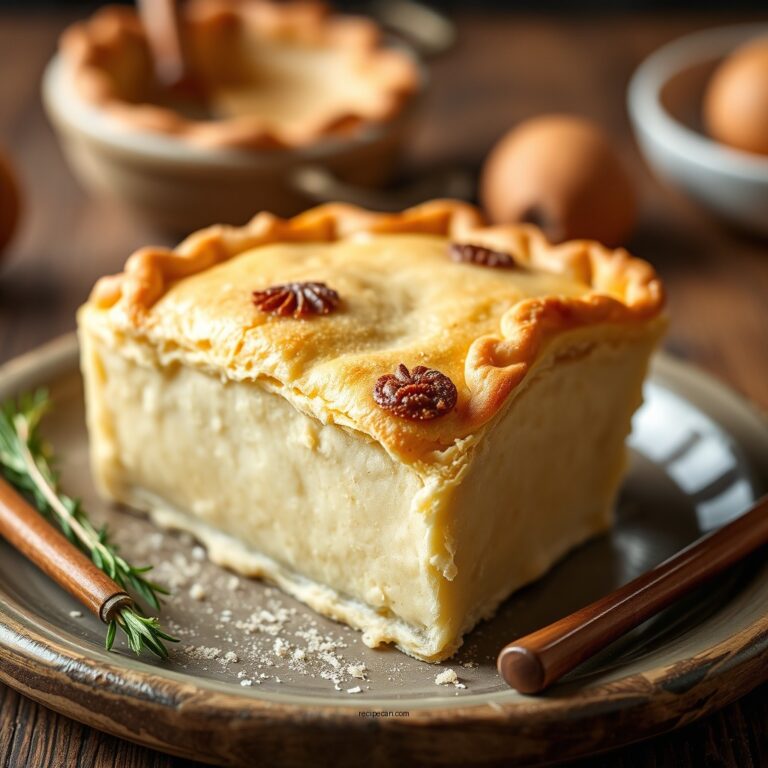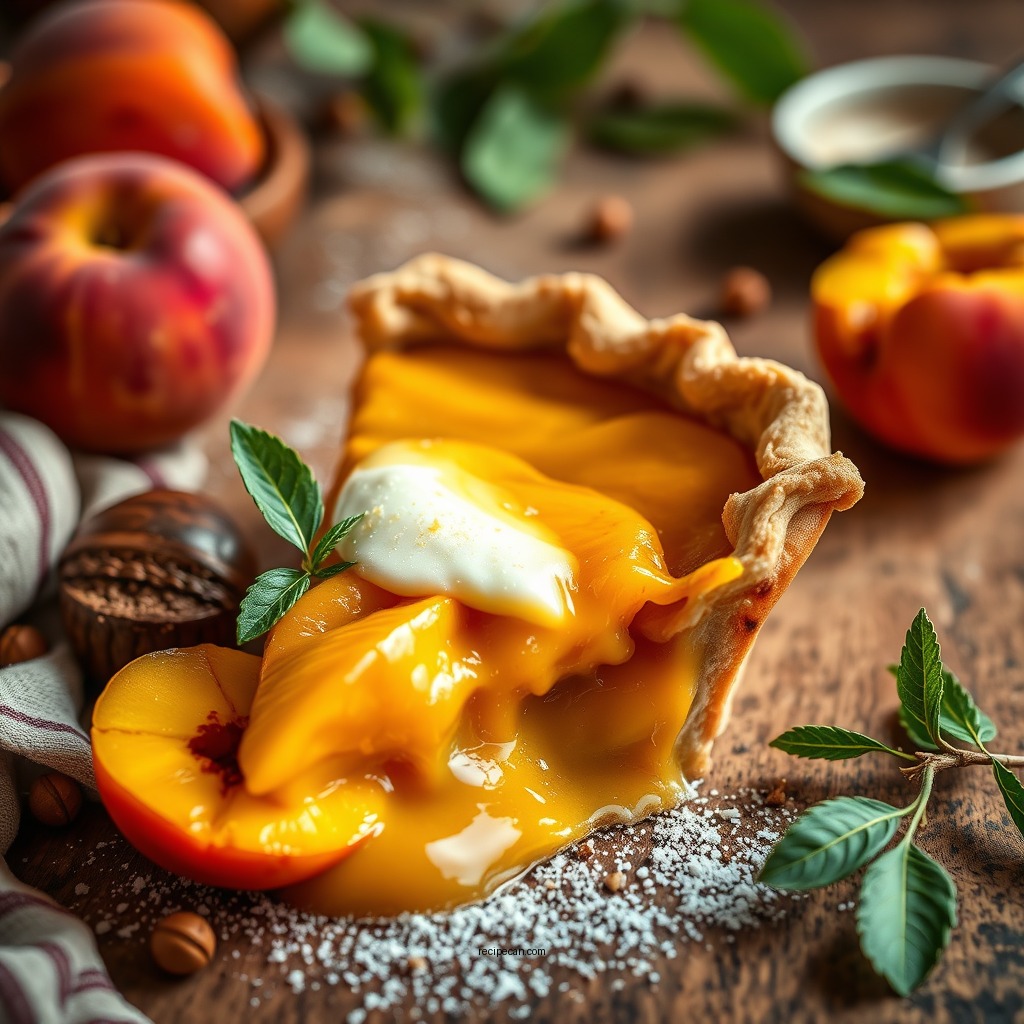
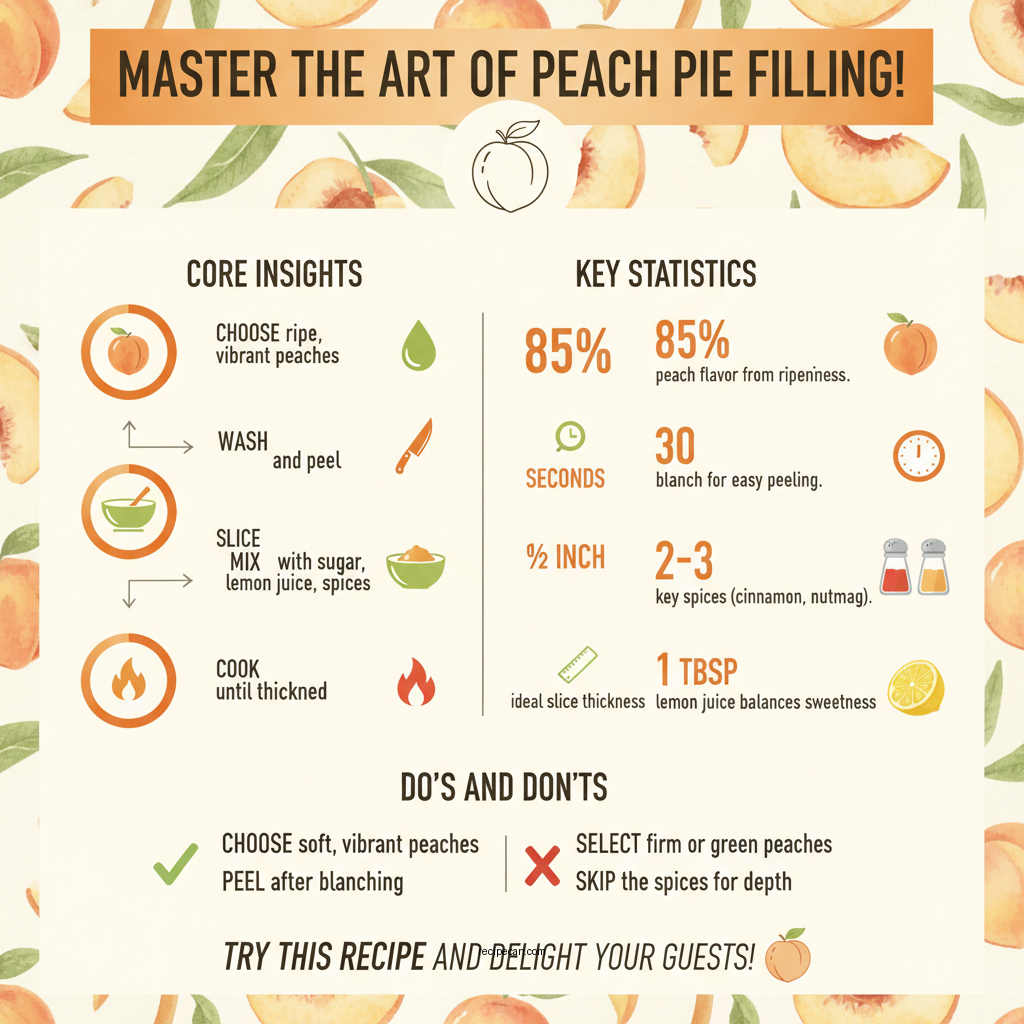
To make a mouthwatering peach pie filling, you’ll need ripe peaches, sugar, and a few simple spices. This recipe will guide you through creating a luscious filling perfect for any pie crust or dessert. Get ready to impress your family and friends with this delightful treat!
Peach pie filling is not only a versatile ingredient for desserts, but it also embodies the essence of summer with its sweet and juicy flavors. Utilizing fresh, ripe peaches allows you to create a filling that enhances any dessert, whether it’s a classic pie, a tart, or even a topping for ice cream. This recipe is straightforward and can be easily adapted to suit your taste. Let’s dive into the details of making this delectable peach pie filling.
Selecting the Right Peaches
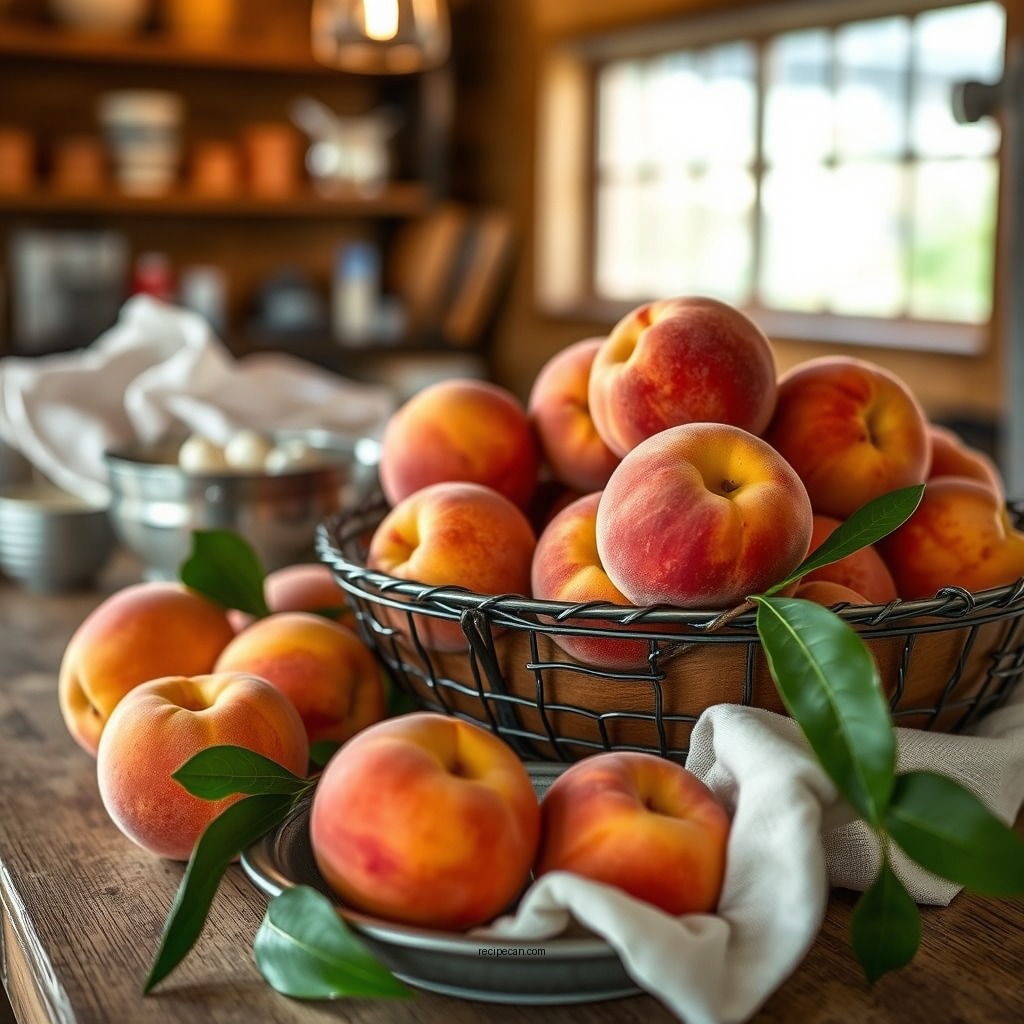
When it comes to making the best peach pie filling, the foundation lies in the selection of peaches.
– Choose ripe, slightly soft peaches for optimal sweetness. Look for peaches that yield gently to pressure, indicating they are ripe and ready for consumption. Ripe peaches will offer a natural sweetness that is essential for a flavorful pie filling.
– Look for peaches with a vibrant color, which indicates ripeness. The color of the peach can vary depending on the variety, but generally, a deep yellow or orange hue suggests that the fruit is at its peak ripeness. Avoid peaches that are overly firm or have green spots, as these will likely be under ripe.
Preparing the Peaches
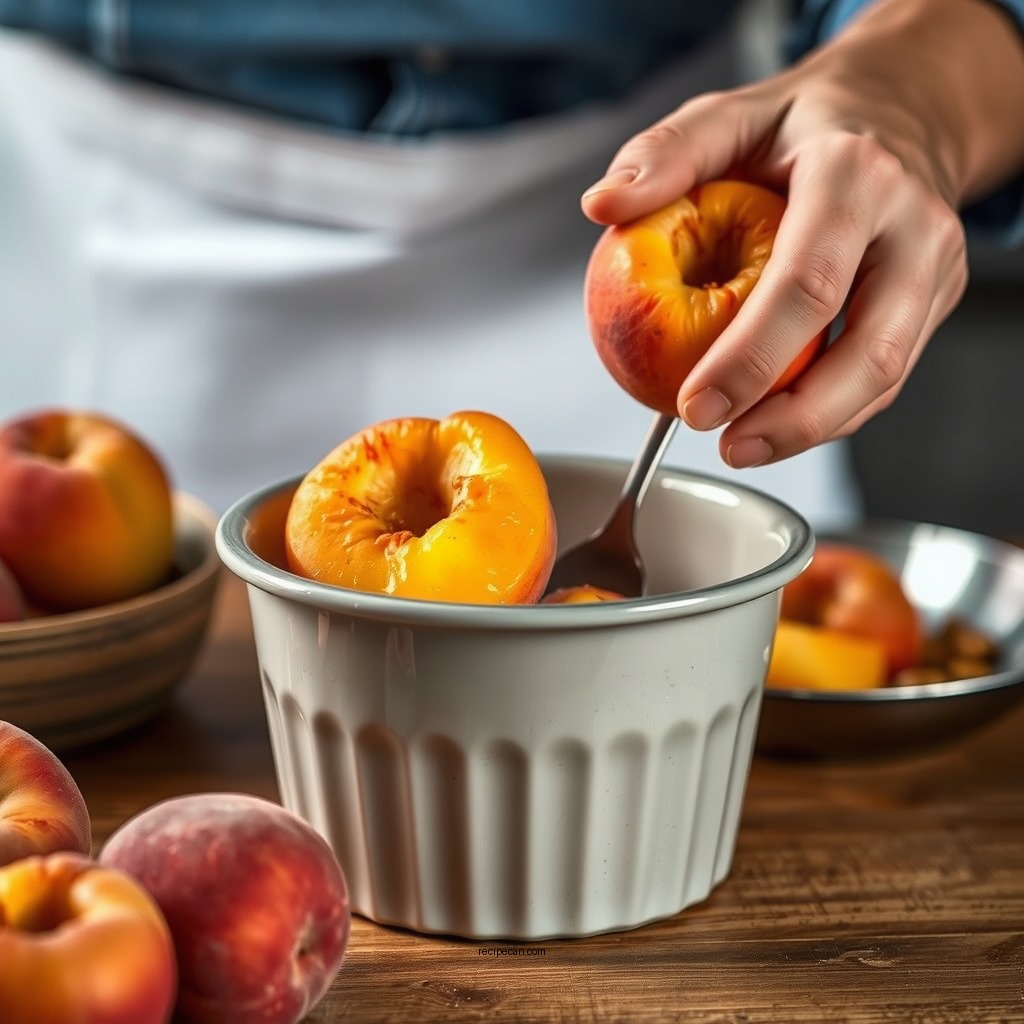
Now that you’ve selected the perfect peaches, it’s time to prepare them for your filling.
– Wash and peel the peaches to remove any residue. Rinse the peaches under cool running water to eliminate any dirt or pesticides. Peeling the peaches can be done easily by blanching them in boiling water for about 30 seconds, then transferring them to an ice bath. The skins should slip off effortlessly.
– Slice the peaches into uniform pieces to ensure even cooking. Aim for slices about ½ inch thick. This uniformity will help the peaches cook evenly, allowing for a consistent texture in your filling.
Making the Filling
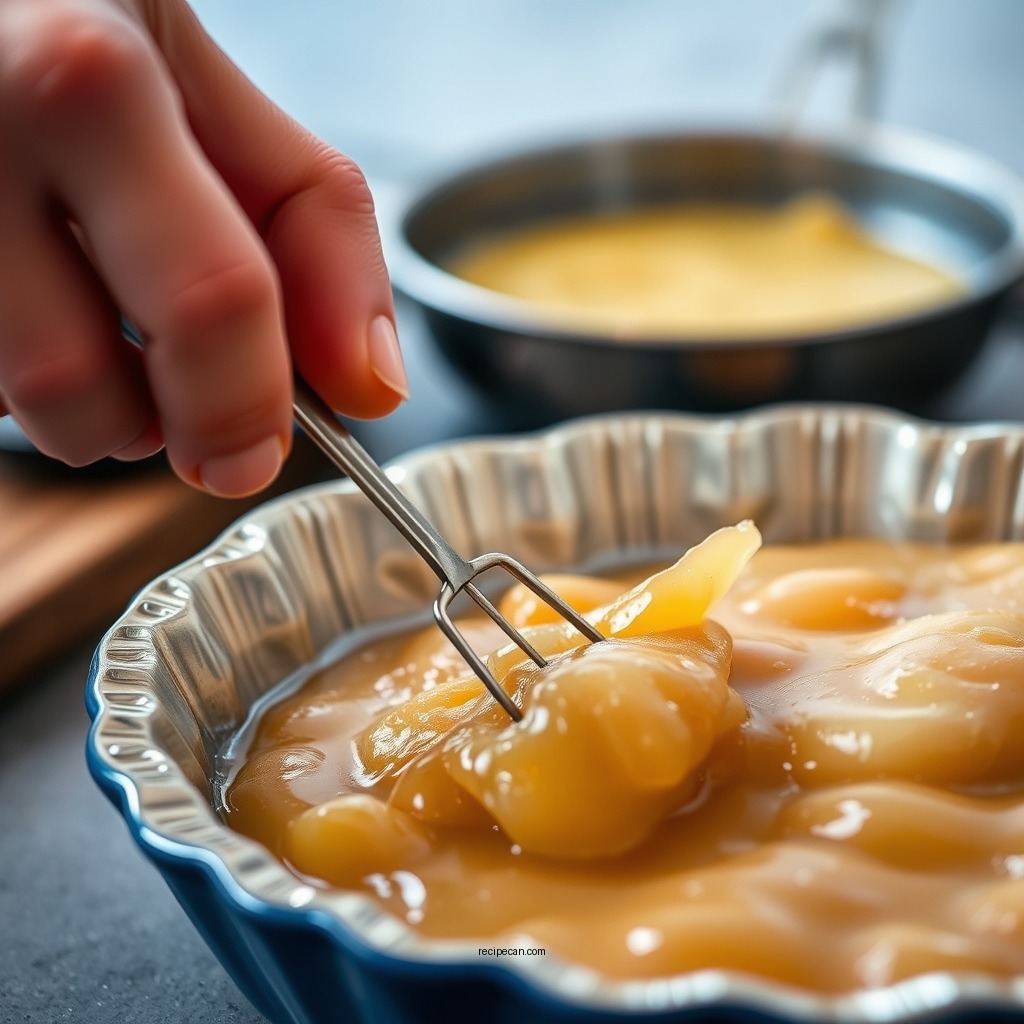
Creating the filling involves combining the prepared peaches with a few key ingredients to enhance their flavor.
– Combine peaches with sugar, lemon juice, and spices like cinnamon and nutmeg. The sugar will help to draw out the natural juices of the peaches, while lemon juice adds a refreshing tang that balances the sweetness. For added depth, a pinch of cinnamon and nutmeg can elevate the flavor profile, making your filling aromatic.
– Cook the mixture over medium heat until it thickens, stirring frequently. This process usually takes about 10-15 minutes. As you cook, the sugar will dissolve, and the peaches will release their juices, creating a syrupy consistency. Stirring helps to prevent sticking and ensures that the mixture cooks evenly.
Peach Varieties and Their Sweetness Levels
| # | Peach Variety | Sweetness Level (Brix) | Best Used For |
|---|---|---|---|
| 1 | Freestone | 10-12 | Pies, Cobblers |
| 2 | Clingstone | 8-10 | Jams, Sauces |
| 3 | Donut | 9-11 | Tarts, Desserts |
| 4 | White Peaches | 11-13 | Fresh Eating, Salads |
| 5 | Yellow Peaches | 10-12 | Pies, Snacks |
| 6 | Saturn Peaches | 9-10 | Grilling, Salsas |
| 7 | Flat Peaches | 8-9 | Fresh Eating, Salads |
Thickening Techniques
A key aspect of a successful peach pie filling is achieving the right thickness.
– Use cornstarch or flour for a smooth consistency. Cornstarch is a popular choice as it creates a glossy finish and thickens the mixture without altering the flavor. If you prefer a more traditional approach, all-purpose flour works well too, although it may result in a slightly cloudier filling.
– Consider adding a bit of butter for richness and flavor. Incorporating butter not only enhances the taste but also adds a silky texture to your filling. A tablespoon or two stirred in at the end of cooking can elevate your peach pie filling to a whole new level.
Cooling and Storing
Once your filling is made, proper cooling and storage are essential for maintaining its quality.
– Allow the filling to cool completely before using it in a pie. Cooling helps the filling to set, making it easier to handle when assembling your pie. If you’re not using it right away, let it cool to room temperature, then refrigerate.
– Store any leftover filling in an airtight container in the fridge for up to a week. This allows you to enjoy the filling later without compromising its taste. Alternatively, you can freeze the filling for up to three months for future use.
Tips for Serving
Serving peach pie filling can be just as exciting as making it.
– Serve the peach pie filling warm with ice cream or whipped cream. The contrast of warm filling with cold ice cream creates a delightful experience, making your dessert even more indulgent.
– Use it as a topping for pancakes, waffles, or yogurt for a delicious twist. This versatile filling can elevate breakfast or brunch, turning simple dishes into gourmet delights.
The perfect peach pie filling is easy to make and requires just a few key ingredients and steps. With this simple recipe, you can enjoy a homemade dessert that showcases the natural sweetness of fresh peaches. Don’t hesitate to experiment with spices or adjust the sweetness to your taste. Try it out, and share your delicious results with friends and family!
Frequently Asked Questions
What ingredients do I need for a homemade peach pie filling?
To make a delicious homemade peach pie filling, you’ll need fresh or frozen peaches, sugar, cornstarch, lemon juice, and a pinch of salt. If you prefer, you can also add spices like cinnamon or nutmeg for enhanced flavor. This combination creates a sweet and thick filling perfect for your peach pie.
How do I prepare fresh peaches for pie filling?
To prepare fresh peaches for pie filling, start by washing and peeling them. You can blanch the peaches in boiling water for about 30 seconds to make peeling easier. After peeling, slice the peaches into wedges, removing the pit, and then toss them with sugar and lemon juice to enhance their natural sweetness.
Why is cornstarch used in peach pie filling?
Cornstarch is used in peach pie filling as a thickening agent. It helps to absorb the juices released by the peaches during baking, resulting in a perfectly thick and luscious filling that won’t make the pie soggy. Using cornstarch instead of flour gives a clearer, more appealing filling for your peach pie.
What is the best way to store leftover peach pie filling?
The best way to store leftover peach pie filling is to place it in an airtight container in the refrigerator, where it can last for about 3 to 5 days. For longer storage, consider freezing the filling in freezer-safe bags or containers, which can keep it fresh for up to 6 months. Ensure to label the containers with the date for easy reference.
Which spices enhance the flavor of peach pie filling?
To enhance the flavor of peach pie filling, consider adding spices like cinnamon, nutmeg, or ginger. A small amount of vanilla extract can also complement the sweetness of the peaches. Experimenting with these spices can elevate your peach pie and provide a delightful aroma that will tantalize your taste buds.
References
- Pie
https://en.wikipedia.org/wiki/Pie - Education | Brown University
https://www.brown.edu/academics/education/teaching-resources/recipe-pie - https://www.foodsafety.gov/food-safety-charts/food-safety-education-materials
https://www.foodsafety.gov/food-safety-charts/food-safety-education-materials - Google Scholar Google Scholar
https://scholar.google.com/scholar?q=peach+pie+filling+recipe - https://www.extension.purdue.edu/extmedia/hn/hn-161.pdf
https://www.extension.purdue.edu/extmedia/hn/hn-161.pdf - https://www.tn.gov/agriculture/consumer/food-safety.html
https://www.tn.gov/agriculture/consumer/food-safety.html - https://www.nal.usda.gov/legacy/legacy/peach-pie-filling
https://www.nal.usda.gov/legacy/legacy/peach-pie-filling - https://scholar.google.com/scholar?q=peach+dessert+recipes Google Scholar
https://scholar.google.com/scholar?q=peach+dessert+recipes - Page not found
https://www.clemson.edu/extension/food/safety/recipes/peach_pie.html - https://www.ncbi.nlm.nih.gov/pmc/articles/PMC2788723/
https://www.ncbi.nlm.nih.gov/pmc/articles/PMC2788723/