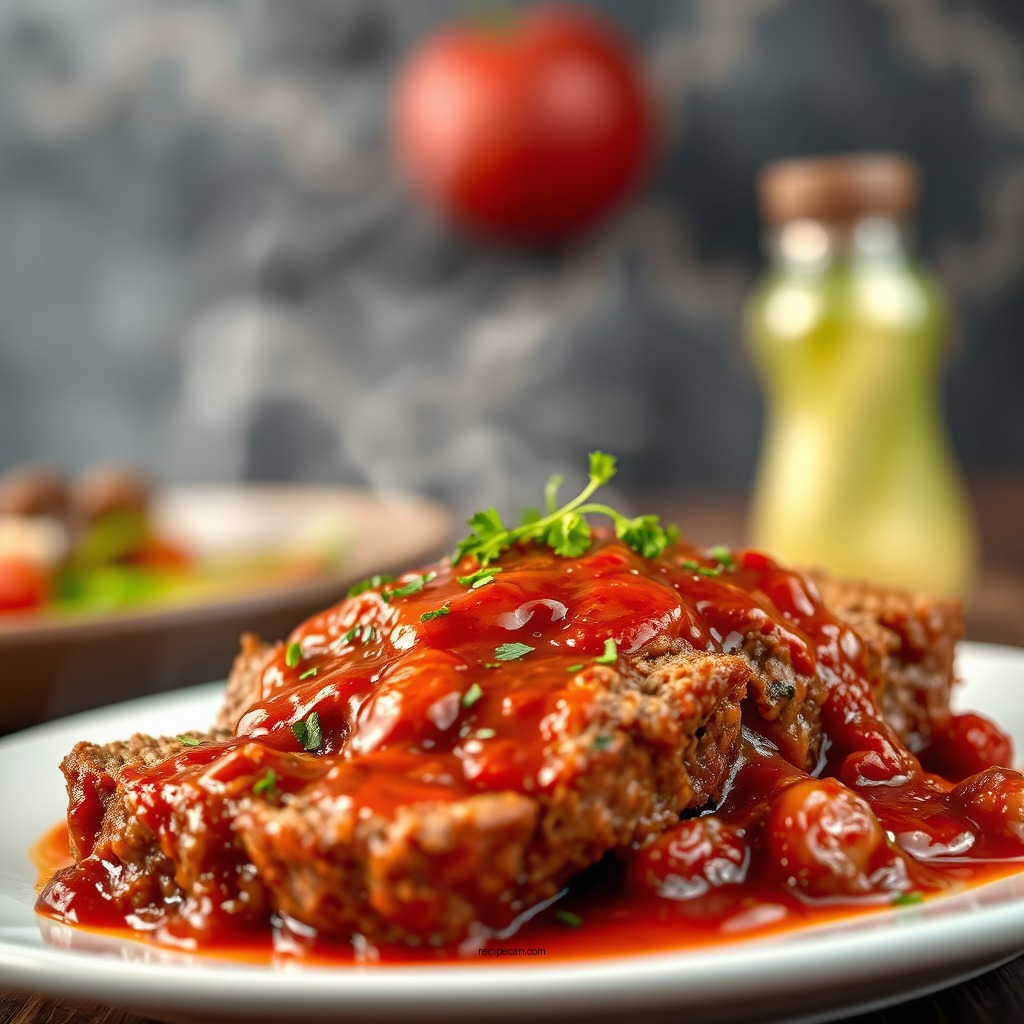
Creating a flavorful meatloaf sauce is essential for elevating your dish to new heights. In this article, you’ll learn how to prepare a delicious sauce that pairs perfectly with your meatloaf, ensuring every bite is packed with flavor. A well-crafted meatloaf sauce can transform a simple dish into a mouthwatering meal that impresses family and friends alike.
The Perfect Base Ingredients

To create a meatloaf sauce that truly stands out, you must start with the right base ingredients. The foundation of any meatloaf sauce is typically ketchup, which provides a sweet and tangy flavor that complements the savory profile of the meat. Ketchup not only brings moisture to the sauce but also serves as a canvas that absorbs and enhances the flavors of other ingredients.
Next, Worcestershire sauce is an essential addition to your meatloaf sauce. This condiment is packed with umami, which enhances the overall depth of flavor in your sauce. The complex blend of ingredients in Worcestershire sauce, including vinegar, molasses, and various spices, contributes to a savory richness that balances well with the sweetness of the ketchup. Together, these two ingredients create a robust base that will make your meatloaf irresistible.
Spice It Up: Seasonings to Include

Once you have your base, it’s time to infuse your meatloaf sauce with additional flavors through seasonings. Garlic powder is a fantastic choice—its aromatic quality adds a robust taste that elevates the overall dish. Garlic not only enhances the flavor but also brings a depth of aroma that makes your meatloaf more inviting.
Onion powder is another essential seasoning that adds depth and sweetness to your sauce. The subtle yet distinct flavor of onion powder complements the other ingredients and helps to create a well-rounded taste profile. It is important to strike the right balance—too much can overpower the sauce, while too little may leave it lacking in flavor. When combined with garlic powder, these two seasonings create a savory base that enhances the meatloaf without overwhelming it.
Optional Additions for Extra Flavor
While the base ingredients and seasonings are foundational, considering optional additions can take your meatloaf sauce to the next level. Mustard is a popular choice, offering a hint of tanginess that can brighten the flavor. It also adds a complexity that can cut through the richness of the meat, providing a well-rounded taste experience.
Brown sugar is another excellent addition, especially if you enjoy a caramelized finish. The sweetness of the brown sugar enhances the sauce’s flavor and can create a beautiful glaze on the meatloaf as it bakes. It’s important to note that the amount of sugar used should be adjusted based on your personal taste preferences, as too much can lead to an overly sweet sauce.
Essential Ingredients for Meatloaf Sauce
| # | Ingredient | Flavor Profile | Purpose |
|---|---|---|---|
| 1 | Ketchup | Sweet, Tangy | Base Flavor |
| 2 | Worcestershire Sauce | Savory, Umami | Enhances Flavor |
| 3 | Garlic Powder | Robust | Flavor Depth |
| 4 | Onion Powder | Sweet, Earthy | Flavor Balance |
| 5 | Mustard | Tangy | Adds Complexity |
| 6 | Brown Sugar | Sweet | Caramelizes |
| 7 | Paprika | Smoky | Color & Flavor |
Cooking Method: Combining the Sauce
To create the perfect meatloaf sauce, begin by mixing all ingredients in a bowl until they are well-blended. It’s crucial to ensure that the ketchup and Worcestershire sauce combine thoroughly with the seasonings to create a homogenous mixture. The consistency should be smooth yet thick enough to coat the meatloaf adequately.
Once mixed, transfer the sauce to a saucepan and heat gently over low to medium heat. This step allows the flavors to meld together, creating a harmonious and rich sauce. Stir occasionally to prevent any burning or sticking to the pan. Heating the sauce also helps to dissolve any sugar added, enhancing the sauce’s overall sweetness and allowing it to achieve a slightly caramelized flavor profile as it cooks. This method ensures that your sauce is not only flavorful but also has a beautiful texture when served.
How to Apply the Sauce
When it comes to applying the sauce, timing is essential. Brush a generous amount of the sauce on top of the meatloaf just before placing it in the oven. This application will create a delectable glaze as the meatloaf bakes, locking in moisture and enhancing the overall flavor. Consider using a basting brush to achieve an even layer, ensuring every bite is flavorful.
It’s also a good idea to reserve some sauce for serving alongside the meatloaf. This allows everyone to enjoy an extra burst of flavor with each slice. You can serve it in a small bowl on the side or drizzle it over the meatloaf slices on individual plates for an elegant presentation.
Storage and Reheating Tips
Storing leftover sauce is straightforward. Transfer any unused sauce to an airtight container and store it in the refrigerator, where it can keep for up to a week. Be sure to label the container with the date to track its freshness.
When it comes time to use the stored sauce, reheat it gently either on the stove over low heat or in the microwave. If microwaving, be sure to heat it in short intervals, stirring in between to ensure even heating. This way, the sauce will regain its original flavor and consistency, making it just as delicious as when it was first made.
Variations and Customizations
One of the wonderful aspects of this meatloaf sauce recipe is its versatility. You can experiment with different herbs and spices to suit your personal taste or dietary needs. For instance, adding fresh or dried herbs like thyme or oregano can infuse the sauce with additional flavor, making it even more aromatic.
If you’re looking for a healthier option, consider substituting some of the ingredients. For example, you could use low-sugar or homemade ketchup to control the sweetness or opt for low-sodium Worcestershire sauce to reduce salt intake. Additionally, experimenting with different types of mustard, such as Dijon or spicy brown, can bring a unique twist to the sauce.
Popular Variations of Meatloaf Sauce
Summarizing, this meatloaf sauce recipe is simple yet versatile, allowing you to customize it to your taste. With the right ingredients and method, you can create a sauce that enhances your meatloaf and impresses your family and friends. Don’t hesitate to try out this recipe and share your delicious results!
Frequently Asked Questions
What are the best ingredients for a meatloaf sauce recipe?
The best ingredients for a meatloaf sauce typically include ketchup, brown sugar, Worcestershire sauce, and mustard. This combination adds a sweet and tangy flavor that complements the savory meatloaf. You can also enhance the sauce with garlic powder or onion powder for added depth.
How can I make a meatloaf sauce from scratch?
To make a meatloaf sauce from scratch, combine equal parts ketchup and brown sugar in a bowl, then stir in a tablespoon of Worcestershire sauce and a teaspoon of mustard. Mix until smooth and adjust the sweetness or tanginess to your taste. This homemade sauce can be spread over the meatloaf before baking for a delicious glaze.
Why is sauce important for meatloaf?
Sauce is important for meatloaf because it adds moisture and enhances flavor, preventing the meatloaf from becoming dry or bland. A well-seasoned sauce can elevate the dish, making it more enjoyable for your family and guests. It also creates an appealing glaze that adds visual appeal.
Which type of sauce is best for a classic meatloaf recipe?
A classic meatloaf recipe is best complemented by a ketchup-based sauce, often mixed with brown sugar and mustard. This traditional combination balances sweetness and acidity, enhancing the overall flavor profile of the meatloaf. For a twist, some people also enjoy adding BBQ sauce for a smoky flavor.
How can I modify my meatloaf sauce for a healthier option?
To create a healthier meatloaf sauce, consider substituting ketchup with a low-sugar or homemade tomato sauce and using honey or maple syrup instead of brown sugar. You can also add pureed vegetables, like carrots or bell peppers, to boost nutrients without compromising taste. This way, you maintain flavor while reducing sugar and calories.
References
- Meatloaf
https://en.wikipedia.org/wiki/Meatloaf - https://www.bbc.co.uk/food/recipes/meatloaf_73135
https://www.bbc.co.uk/food/recipes/meatloaf_73135 - https://www.sciencedirect.com/topics/agricultural-and-biological-sciences/meatloaf
https://www.sciencedirect.com/topics/agricultural-and-biological-sciences/meatloaf - https://www.mayoclinic.org/healthy-lifestyle/nutrition-and-healthy-eating/expert-answers/what-is-the-nutritional-value-of-meatloaf/faq-20057978
https://www.mayoclinic.org/healthy-lifestyle/nutrition-and-healthy-eating/expert-answers/what-is-the-nutritional-value-of-meatloaf/faq-20057978 - https://www.ncbi.nlm.nih.gov/pmc/articles/PMC4573010/
https://www.ncbi.nlm.nih.gov/pmc/articles/PMC4573010/ - https://www.reuters.com/article/us-food-meatloaf/what-is-meatloaf-idUSKBN2A91U4
https://www.reuters.com/article/us-food-meatloaf/what-is-meatloaf-idUSKBN2A91U4 - Google Scholar Google Scholar
https://scholar.google.com/scholar?q=meatloaf+sauce+recipe - Google Scholar Google Scholar
https://scholar.google.com/scholar?q=meatloaf+recipe - Google Scholar Google Scholar
https://scholar.google.com/scholar?q=meatloaf+sauce - https://www.britannica.com/topic/meatloaf
https://www.britannica.com/topic/meatloaf