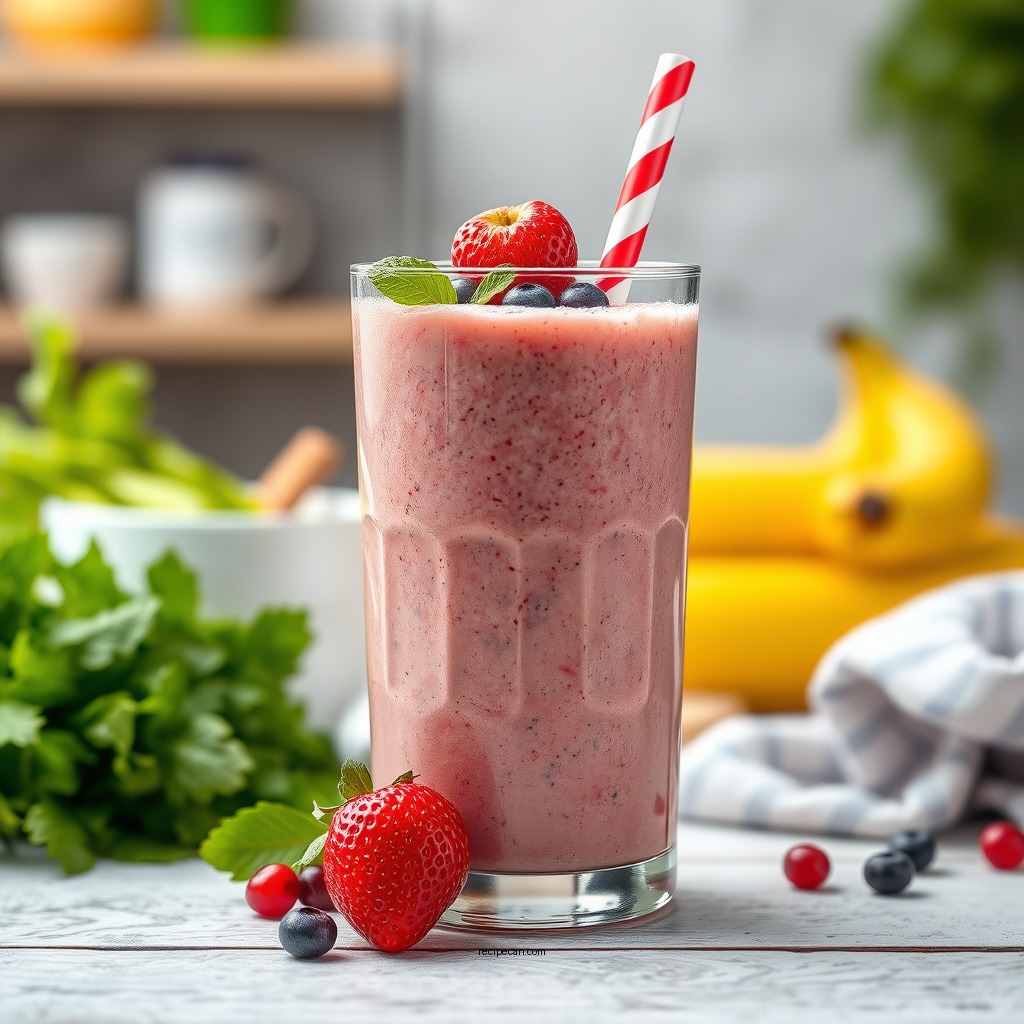
Low calorie smoothies are a fantastic way to enjoy a nutritious treat without the guilt. This recipe will guide you through creating a refreshing smoothie that is both satisfying and easy to make. You’ll learn how to blend delicious flavors while keeping the calorie count low, making it an ideal choice for anyone looking to maintain a healthy lifestyle.
Choosing the Right Ingredients
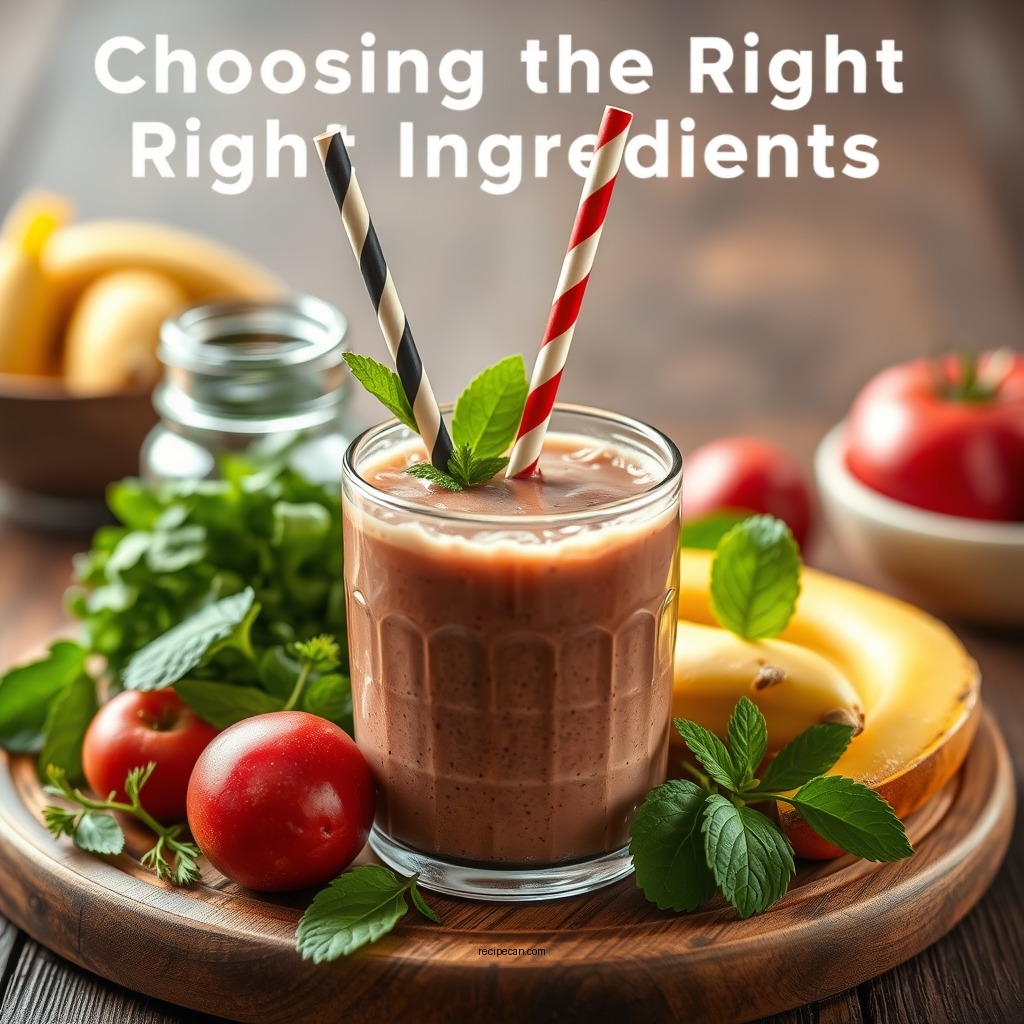
When crafting a low-calorie smoothie, the importance of selecting the right ingredients cannot be overstated. Start with low-calorie fruits such as berries (strawberries, blueberries, and raspberries), which are packed with antioxidants and fiber while keeping the calorie count minimal. Additionally, leafy greens like spinach or kale can provide essential vitamins and minerals without adding significant calories. Incorporating cucumber also adds hydration and a refreshing taste, along with being low in calories.
For the base, using unsweetened almond milk is an excellent choice as it provides a creamy texture with very few calories—typically around 30 calories per cup. Alternatively, coconut water can be used for hydration, offering a slightly sweet flavor and electrolytes, making it perfect for post-workout smoothies.
The Perfect Blend Ratio

Achieving the ideal blend ratio is crucial for maximizing nutrition while minimizing calories. A 2:1 ratio of vegetables to fruits works well, allowing you to increase fiber intake while limiting sugar. For instance, if you use one cup of spinach, pair it with half a cup of mixed berries. This not only enhances the nutritional profile but also helps in keeping the smoothie low in calories.
Incorporating ice into the blend can also be beneficial. Ice adds volume and thickness, creating a satisfying smoothie texture without any additional calories. By blending in ample ice, you can make your smoothie feel more indulgent, while still adhering to your dietary goals.
Flavor Boosters

To elevate the taste of your low-calorie smoothie, consider incorporating natural sweeteners like stevia or monk fruit. These sweeteners are low-calorie alternatives that can satisfy your sweet tooth without the added sugars. Additionally, spices such as cinnamon and ginger can introduce a delightful flavor kick while offering health benefits, such as improved digestion and metabolism.
Herbs like mint or basil can also add a refreshing twist to your smoothie. A few leaves can enhance flavor without contributing calories, making them perfect additions for a vibrant and tasty drink.
Top Low-Calorie Ingredients for Smoothies (2023)
| # | Ingredient | Calories (per cup) | Nutritional Benefits |
|---|---|---|---|
| 1 | Spinach | 7 | Rich in iron and vitamins A, C, and K |
| 2 | Almond Milk | 30 | Low in calories, high in vitamin E |
| 3 | Berries | 70 | High in antioxidants and fiber |
| 4 | Cucumber | 16 | Hydrating and low in calories |
| 5 | Greek Yogurt | 100 | High in protein and probiotics |
| 6 | Stevia | 0 | Zero-calorie sweetener |
| 7 | Coconut Water | 46 | Electrolyte-rich for hydration |
Incorporating Protein
Adding protein to your smoothie can help keep you feeling full longer and support muscle recovery, especially after a workout. A scoop of low-calorie protein powder is a popular choice, as many brands offer options with minimal calories and maximum protein content. Greek yogurt is another excellent option, offering both protein and probiotics, which are beneficial for gut health.
For those who prefer a creamier texture without the added calories, unsweetened nut butters can be used in moderation. Almond or peanut butter adds healthy fats and flavor, enhancing the overall smoothie experience. Just be cautious with the quantity, as nut butters can be calorie-dense.
Simple Step-by-Step Instructions
Creating a delicious low-calorie smoothie is straightforward. Start by adding your liquid base to the blender first; this helps the blending process. For example, pour in one cup of unsweetened almond milk or coconut water. Next, add your chosen fruits and vegetables—typically about two cups total. Blend on high until smooth, and consider adding ice to achieve your desired thickness. If you prefer a sweeter taste, include a natural sweetener or spices at this stage. Once blended, taste and adjust as necessary before pouring into a glass.
Variations to Try
One of the great aspects of smoothies is their versatility. Consider trying different combinations to keep things exciting. For example, a tropical smoothie can include pineapple, mango, and coconut water, while a green smoothie might blend spinach, avocado, and banana for a creamy texture. Seasonal variations can also be fun; use fresh berries in summer and pumpkin in autumn to take advantage of what’s available and fresh.
Experimenting with flavor combinations not only prevents monotony but also allows you to discover new favorites. Don’t hesitate to mix and match ingredients to find what suits your palate best.
Smoothie Flavor Preferences (2023)
Tips for Meal Prep
Meal prepping can make it easier to maintain healthy habits, especially for busy mornings. One effective strategy is to pre-portion your smoothie ingredients into freezer bags. Simply chop up fruits and vegetables, place them in bags, and freeze. In the morning, all you need to do is grab a bag, add your liquid base, and blend.
Another tip is to blend in batches. Make a larger quantity of smoothie and store the extras in the fridge for up to 24 hours. Just remember to give it a good shake or stir before drinking, as separation can occur. This approach not only saves time but also encourages you to reach for a nutritious option when hunger strikes.
In conclusion, by following these steps, you can create a delicious low-calorie smoothie that fits perfectly into your healthy lifestyle. Embrace the variety of flavors and nutrients to keep your smoothies exciting and satisfying! Why not try making one today?
Frequently Asked Questions
What are some easy low calorie smoothie recipes for weight loss?
Easy low calorie smoothie recipes for weight loss often include ingredients such as spinach, kale, and berries. A popular choice is a spinach and banana smoothie, made with 1 cup of spinach, 1 small banana, and 1 cup of unsweetened almond milk, totaling around 150 calories. Adding protein powder or Greek yogurt can enhance satiety without significantly increasing calories.
How can I make my low calorie smoothie more filling?
To make your low calorie smoothie more filling, consider adding ingredients like chia seeds or oats, which are high in fiber. Incorporating a scoop of protein powder or Greek yogurt can also help keep you satisfied longer. These additions not only enhance the nutritional profile but also maintain a low calorie count.
Why should I choose low calorie smoothies over high calorie options?
Choosing low calorie smoothies over high calorie options can help you control your overall caloric intake while still enjoying a delicious beverage. Low calorie smoothies often contain nutrient-dense ingredients, allowing you to consume fewer calories without sacrificing vitamins and minerals. This can be especially beneficial for weight management and overall health.
What is the best low calorie smoothie for a quick breakfast?
The best low calorie smoothie for a quick breakfast is a mixed berry and Greek yogurt smoothie. Blend 1 cup of frozen mixed berries, ½ cup of non-fat Greek yogurt, and 1 cup of water or almond milk for a refreshing drink that’s around 200 calories. This smoothie is rich in protein and antioxidants, making it a nutritious start to your day.
Which fruits are best for a low calorie smoothie?
The best fruits for a low calorie smoothie include berries like strawberries, blueberries, and raspberries, as they are low in sugar and high in fiber. Other great options are kiwi, watermelon, and peaches. These fruits not only keep the calorie count down but also add natural sweetness and flavor to your smoothie.
References
- https://www.ncbi.nlm.nih.gov/pmc/articles/PMC6339414/
https://www.ncbi.nlm.nih.gov/pmc/articles/PMC6339414/ - https://www.mayoclinic.org/healthy-lifestyle/nutrition-and-healthy-eating/in-depth/smoothies/art-20046052
https://www.mayoclinic.org/healthy-lifestyle/nutrition-and-healthy-eating/in-depth/smoothies/art-20046052 - https://www.health.harvard.edu/staying-healthy/smoothies-the-good-the-bad-and-the-ugly
https://www.health.harvard.edu/staying-healthy/smoothies-the-good-the-bad-and-the-ugly - https://www.cdc.gov/healthyweight/healthy_eating/smoothies.html
https://www.cdc.gov/healthyweight/healthy_eating/smoothies.html - Healthy diet
https://www.who.int/news-room/fact-sheets/detail/healthy-diet - https://www.bbc.com/food/recipes/smoothie_87793
https://www.bbc.com/food/recipes/smoothie_87793 - https://www.sciencedirect.com/topics/medicine-and-dentistry/smoothie
https://www.sciencedirect.com/topics/medicine-and-dentistry/smoothie - Google Scholar Google Scholar
https://scholar.google.com/scholar?q=low+calorie+smoothie+recipe - Google Scholar Google Scholar
https://scholar.google.com/scholar?q=healthy+smoothie+recipes - Google Scholar Google Scholar
https://scholar.google.com/scholar?q=nutrition+and+smoothies
