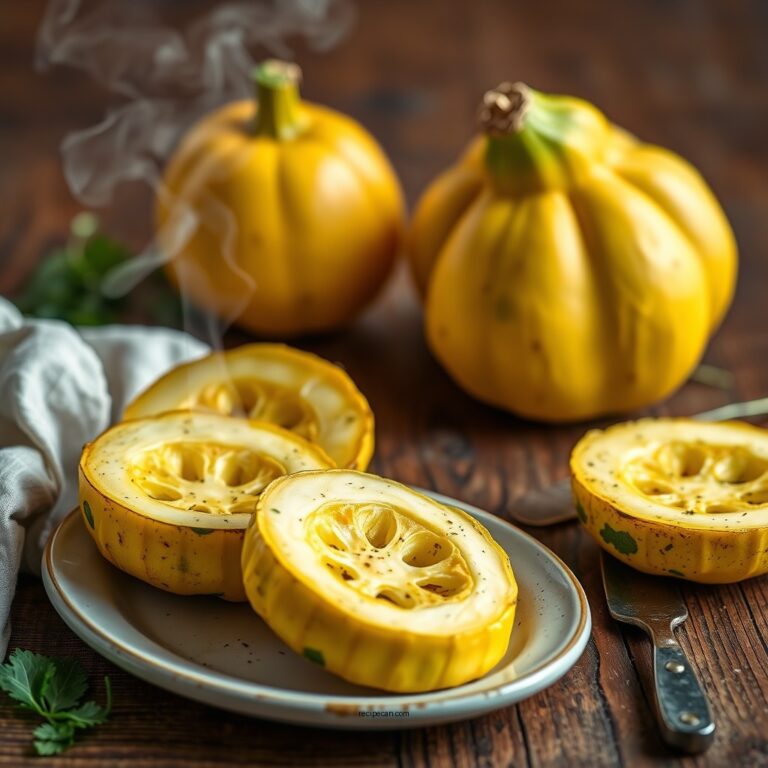
Koginut squash is a unique and flavorful ingredient that can elevate your culinary creations to new heights. This versatile squash not only shines in taste but also packs a nutritional punch, making it an excellent addition to your meals. In this article, you’ll find a simple yet delightful koginut squash recipe that highlights its distinctive flavors while providing numerous health benefits. Prepare to impress your family and friends with this nutritious dish!
Ingredients You’ll Need
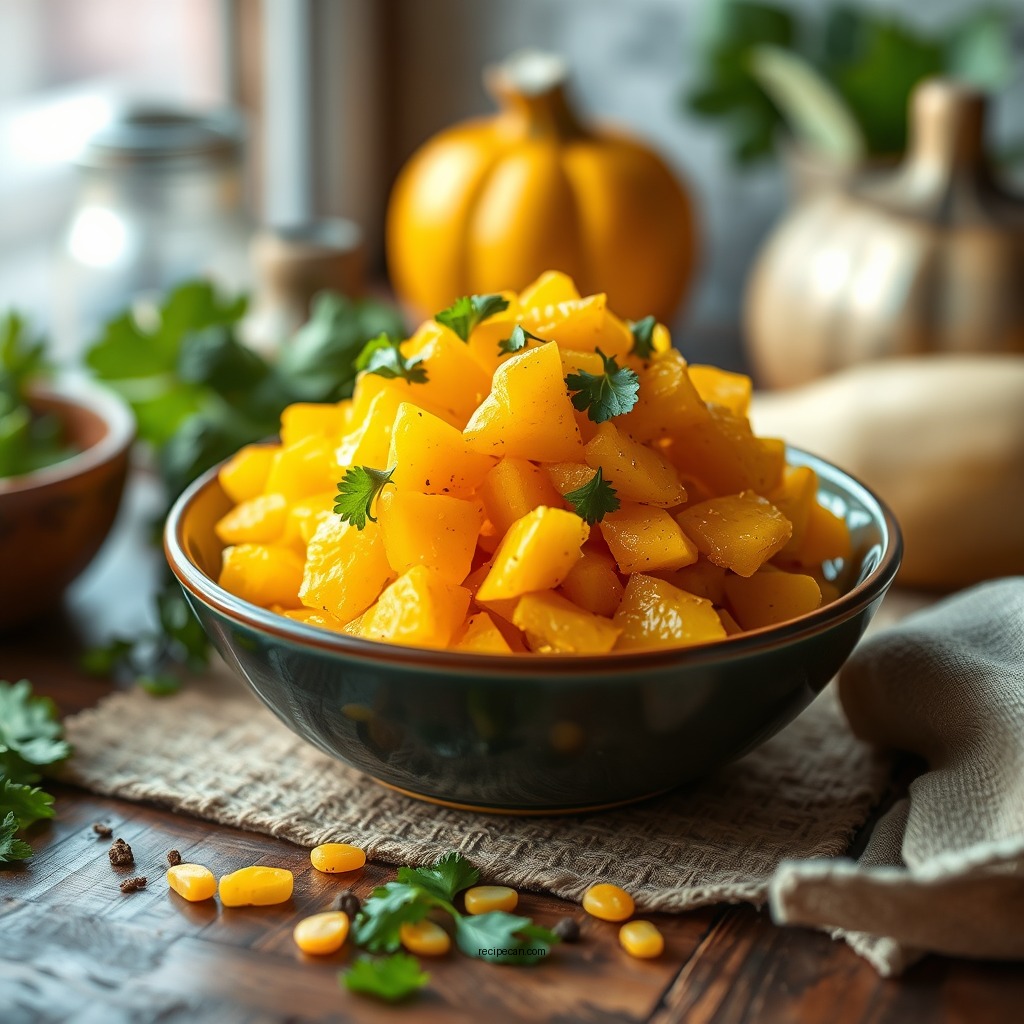
To create this delicious koginut squash dish, gather the following ingredients:
– Fresh koginut squash: Choose a medium-sized squash for optimal flavor and texture.
– Olive oil: This healthy fat enhances the natural sweetness of the squash and promotes a crispy texture.
– Seasonings: Salt, pepper, and your favorite herbs (such as rosemary or thyme) will complement the squash beautifully.
– Optional toppings: Consider adding nuts (like walnuts or pecans) or cheese (such as feta or parmesan) for an extra layer of flavor and texture.
Preparation Steps

1. Preheat the oven: Start by preheating your oven to 400°F (200°C). This temperature is ideal for roasting, ensuring a caramelized exterior while keeping the inside tender.
2. Prepare the squash: Cut the koginut squash in half lengthwise and use a spoon to scoop out the seeds. This step is essential for achieving an even roast and maximizing flavor absorption.
3. Season the squash: Brush the flesh of the squash halves generously with olive oil. Then, sprinkle a mix of salt, pepper, and your favorite seasonings over the surface, ensuring an even coating for enhanced flavor.
Cooking Methods
You can prepare koginut squash using various methods, each imparting a distinct taste and texture:
– Roasting: Place the seasoned squash halves cut-side down on a baking sheet. Roast them in the preheated oven for about 30-40 minutes, or until the flesh is tender and easily pierced with a fork. Roasting brings out the natural sweetness and adds depth to the flavor.
– Steaming: If you prefer a softer texture, steaming is another excellent option. Steam the squash halves for about 15-20 minutes, ensuring that they are tender but not mushy. This method retains more moisture and can enhance the squash’s natural flavor.
Flavor Pairings
Koginut squash’s rich, sweet flavor pairs well with a variety of ingredients, allowing for endless culinary creativity:
– Herbs: Fresh herbs like rosemary, thyme, and sage add an aromatic touch that complements the squash’s sweetness. Consider tossing in a few sprigs of fresh herbs before roasting or steaming for added flavor.
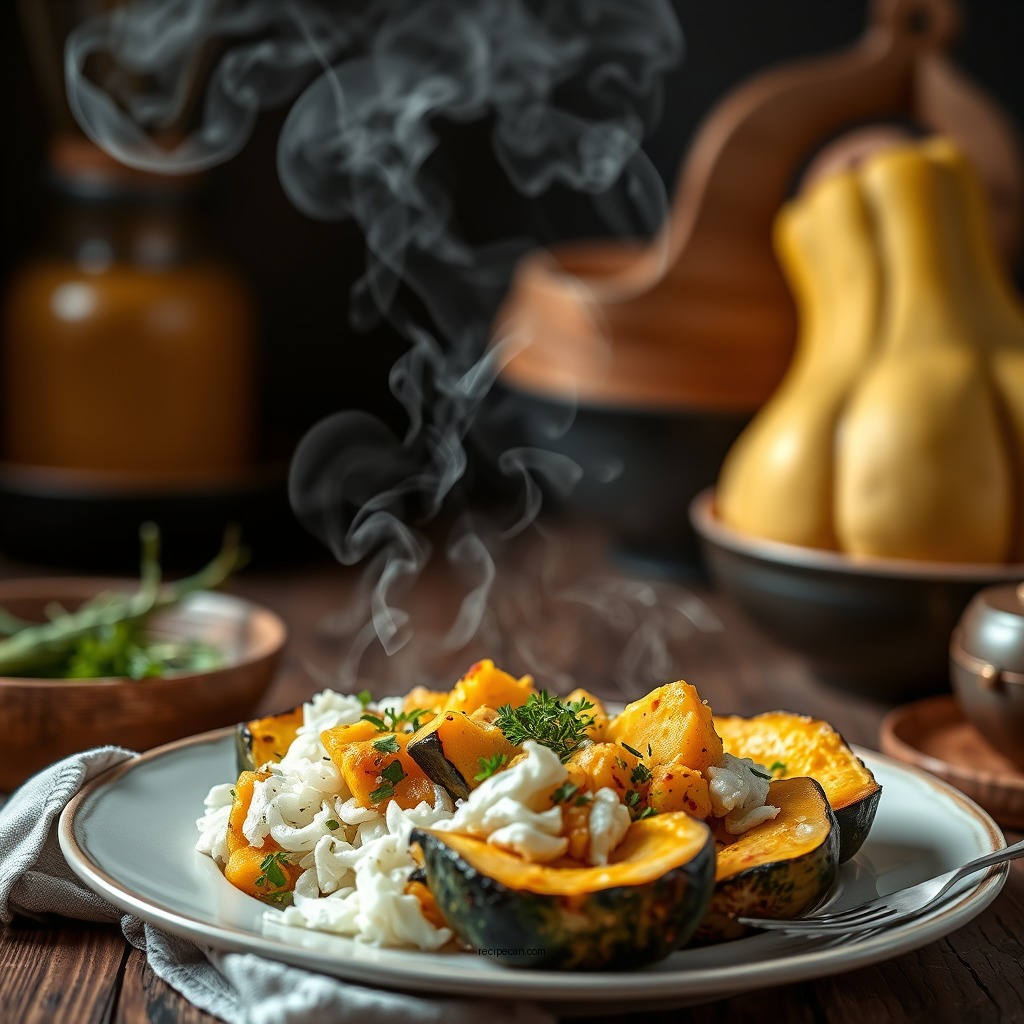
– Accompaniments: For a complete meal, serve roasted koginut squash alongside grains such as quinoa or rice. A fresh salad with mixed greens, nuts, and a light vinaigrette can also balance the dish and provide additional nutrients.
Top Nutritional Benefits of Koginut Squash
| # | Nutrient | Amount per 100g | Benefits |
|---|---|---|---|
| 1 | Vitamin A | 1,230 IU | Supports vision and immune function |
| 2 | Vitamin C | 29 mg | Promotes skin health and boosts immunity |
| 3 | Fiber | 2.5 g | Aids digestion and promotes satiety |
| 4 | Potassium | 340 mg | Regulates fluid balance and supports heart health |
| 5 | Magnesium | 37 mg | Supports muscle and nerve function |
| 6 | Iron | 0.9 mg | Essential for blood production |
| 7 | Calcium | 18 mg | Supports bone health |
Serving Suggestions
Once your koginut squash is cooked to perfection, consider these serving ideas to enhance your dining experience:
– Wedge presentation: Cut the roasted or steamed squash into wedges and serve them hot as a delectable side dish. This allows for easy sharing and adds visual appeal to your plate.
– Topping options: Elevate the dish by adding a sprinkle of nuts or a generous helping of cheese. Nuts provide a satisfying crunch and healthy fats, while cheese adds creaminess and depth of flavor.
Koginut Squash Cooking Methods Comparison
Nutritional Benefits
Koginut squash is not only delicious but also brimming with nutritional benefits. Here are some key advantages of incorporating this squash into your diet:
– Rich in vitamins A and C: These vitamins are essential for maintaining immune health, promoting skin health, and playing a vital role in vision.
– High in fiber: With about 2.5 grams of fiber per 100 grams, koginut squash aids in digestion and promotes feelings of fullness, making it an excellent choice for those looking to manage their weight.
– Packed with minerals: Koginut squash contains important minerals such as potassium, magnesium, and calcium, which are crucial for various bodily functions, including muscle contractions, nerve function, and bone health.
In conclusion, koginut squash is a delightful and nutritious ingredient that can be easily incorporated into your meals. With its unique flavors and health benefits, this versatile squash is a fantastic choice for anyone looking to enhance their culinary repertoire. By following the simple recipe outlined in this article, you can enjoy a wholesome dish that not only satisfies your taste buds but also supports your well-being. Don’t hesitate to experiment with different seasonings and toppings to make this dish your own!
Frequently Asked Questions
What is the best way to prepare a koginut squash for cooking?
To prepare a koginut squash for cooking, start by washing the exterior thoroughly to remove any dirt. Then, cut the squash in half lengthwise and scoop out the seeds. You can roast, steam, or sauté the pieces, but roasting enhances its natural sweetness. For added flavor, brush the cut sides with olive oil and season with salt and pepper before cooking.
How do I cook koginut squash to enhance its flavor?
Cooking koginut squash can be done in several ways, but roasting is one of the best methods to enhance its flavor. Preheat your oven to 400°F (200°C), and place the halved squash cut-side down on a baking sheet. Roast for about 30-40 minutes until tender. Adding spices such as cinnamon or nutmeg can further elevate its taste and aroma.
Why is koginut squash a great addition to my fall recipes?
Koginut squash is a fantastic addition to fall recipes due to its rich, sweet flavor and creamy texture, which perfectly complement seasonal dishes. Its versatility allows it to be used in soups, casseroles, or as a side dish, making it a popular choice for autumn meals. Additionally, it’s packed with nutrients, including vitamins A and C, making it a healthy option for your fall menu.
Which dishes pair well with cooked koginut squash?
Cooked koginut squash pairs well with a variety of dishes, including roasted meats like chicken or pork, and can be used in salads for a hearty touch. It also complements grains such as quinoa or farro, and can be blended into soups for added creaminess. Consider adding it to a risotto or pasta for a seasonal twist.
What are some creative koginut squash recipes I can try?
Some creative koginut squash recipes to try include a savory koginut squash and sage risotto, or a sweet koginut squash pie that can serve as a delightful dessert. You can also make a creamy koginut squash soup infused with coconut milk for a unique flavor. For a quick side dish, try roasting it with garlic and rosemary for an aromatic addition to any meal.
References
- https://en.wikipedia.org/wiki/Squash_(plant
https://en.wikipedia.org/wiki/Squash_(plant - Squash | Definition, Summer Squash, Winter Squash, Examples, & Facts | Britannica
https://www.britannica.com/plant/squash - https://www.ncbi.nlm.nih.gov/pmc/articles/PMC6466745/
https://www.ncbi.nlm.nih.gov/pmc/articles/PMC6466745/ - https://www.sciencedirect.com/topics/agricultural-and-biological-sciences/squash
https://www.sciencedirect.com/topics/agricultural-and-biological-sciences/squash - Google Scholar Google Scholar
https://scholar.google.com/scholar?q=koginut+squash+recipe - Google Scholar Google Scholar
https://scholar.google.com/scholar?q=koginut+squash - Google Scholar Google Scholar
https://scholar.google.com/scholar?q=squash+recipes - https://www.healthline.com/nutrition/squash-nutrition
https://www.healthline.com/nutrition/squash-nutrition - Squash koginut foods
https://www.nutritionvalue.org/Squash%2C_koginut_nutritional_value.html - https://www.cdc.gov/nutrition/resources-publications/healthy-eating.html
https://www.cdc.gov/nutrition/resources-publications/healthy-eating.html