Creating your own hot sauce at home is a straightforward and fulfilling endeavor that allows you to personalize flavors to your liking. With just a few essential ingredients and simple steps, you can produce a vibrant sauce that enhances your favorite meals. This guide will provide you with a foolproof recipe and various tips to help you customize your hot sauce according to your taste preferences.
Essential Ingredients for Hot Sauce
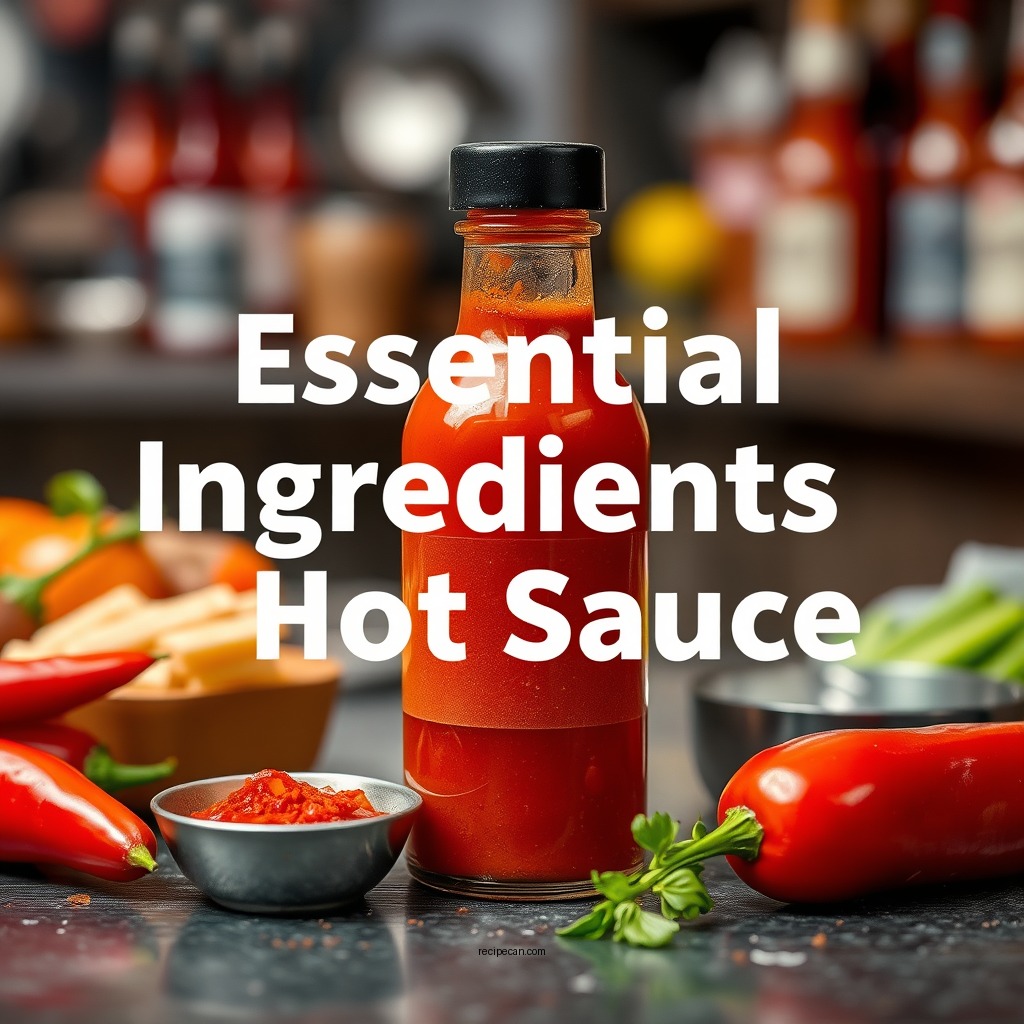
To create a delicious hot sauce, you need to start with a few key ingredients:
– Fresh Chilies: The type of chili you choose will determine the heat level of your sauce. Options range from mild jalapeños to fiery habaneros. For a balanced flavor, consider mixing different varieties.
– Vinegar: Vinegar acts as the backbone of your hot sauce, providing the necessary acidity that balances the heat from the chilies. Common choices include white vinegar, apple cider vinegar, and malt vinegar, each imparting a unique flavor profile.
– Salt: Salt not only enhances the overall flavor of your hot sauce but also serves as a preservative, extending its shelf life. Kosher salt or sea salt are preferred for their purity and flavor.
Step-by-Step Hot Sauce Recipe

Here’s a simple yet effective recipe to create your homemade hot sauce:
1. Prepare the Chilies: Start by washing your chosen chilies. Remove the stems, and if you prefer a milder sauce, take out the seeds. This step is crucial as the seeds contribute to the heat.
2. Blend the Ingredients: In a blender, combine your prepared chilies, vinegar, and salt. Blend until the mixture is smooth. You can adjust the amount of vinegar and salt based on your taste preferences.
3. Simmer the Mixture: Pour the blended mixture into a saucepan and simmer on low heat for about 10-15 minutes. This cooking process allows the flavors to meld together and can enhance the overall depth of the sauce.
Customizing Your Hot Sauce
One of the greatest advantages of making your own hot sauce is the ability to customize it:
– Add Fruit: For a creative twist, consider incorporating fruits like mango, pineapple, or peach into your sauce. These additions can introduce a delightful sweetness that balances the heat.
– Experiment with Spices: Beyond the basic ingredients, you can enhance your hot sauce by adding spices such as garlic, onion powder, or cumin. Each of these ingredients can contribute additional layers of flavor.
– Adjust Consistency: Depending on your preferred texture, you can adjust the thickness of your hot sauce. If it’s too thick, thin it out with additional vinegar; if it’s too thin, consider adding pureed vegetables like tomatoes or carrots.
Popular Hot Sauce Flavors and Heat Levels (2024)
| # | Flavor Profile | Heat Level (Scoville) | Popular Brand |
|---|---|---|---|
| 1 | Sriracha | 2,200 | Huy Fong Foods |
| 2 | Tabasco | 2,000 | McIlhenny Company |
| 3 | Frank’s RedHot | 450 | Frank’s |
| 4 | Cholula | 1,000 | Cholula Hot Sauce |
| 5 | Habanero Sauce | 10,000 | Various Brands |
| 6 | Ghost Pepper Sauce | 1,000,000 | Varies |
| 7 | Carolina Reaper Sauce | 1,500,000 | Varies |
Fermentation for Enhanced Flavor
Fermenting your hot sauce can elevate its flavor complexity, providing a unique tanginess and depth:
– Use a Fermentation Jar: To ferment your hot sauce, you’ll need a fermentation jar that allows for gas release while keeping out contaminants. This is crucial for creating an ideal environment for the fermentation process.
– Monitor Fermentation Time: Typically, you’ll want to allow your sauce to ferment for 1-2 weeks. Taste it periodically; when it reaches a flavor profile you enjoy, it’s ready to be blended and bottled.
– Ensure Proper Hygiene: Cleanliness is vital in fermentation. Use sterilized tools and containers to prevent unwanted bacteria from spoiling your sauce.
Storing Your Homemade Hot Sauce
Proper storage of your homemade hot sauce is essential to maintain its freshness and flavor:
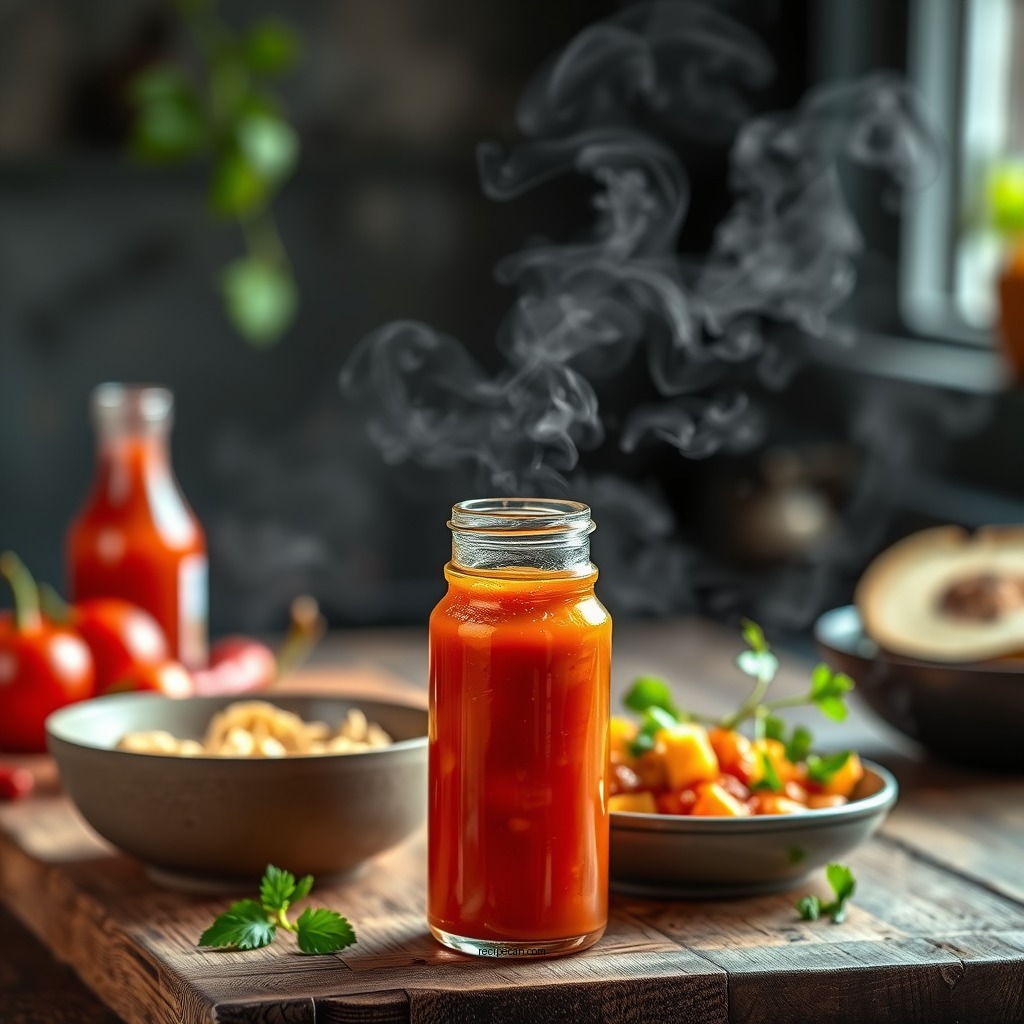
– Choose the Right Container: Glass bottles or jars are preferred for storing hot sauce. They do not react with the ingredients and are easy to clean and sterilize.
– Refrigerate for Freshness: While homemade hot sauce can be stored at room temperature for a short period, refrigeration is recommended to extend its shelf life. Well-stored hot sauce can last for up to six months in the fridge.
– Label Your Sauce: Always label your bottles with the date made and any special ingredients used. This not only helps keep track of freshness but also allows you to recreate successful batches.
Creative Ways to Use Hot Sauce
Hot sauce is incredibly versatile, making it a fantastic addition to a wide range of dishes:
– Spice Up Your Dishes: Drizzle your hot sauce over tacos, eggs, or grilled meats to add an instant flavor boost. It can transform even the simplest meals into something extraordinary.
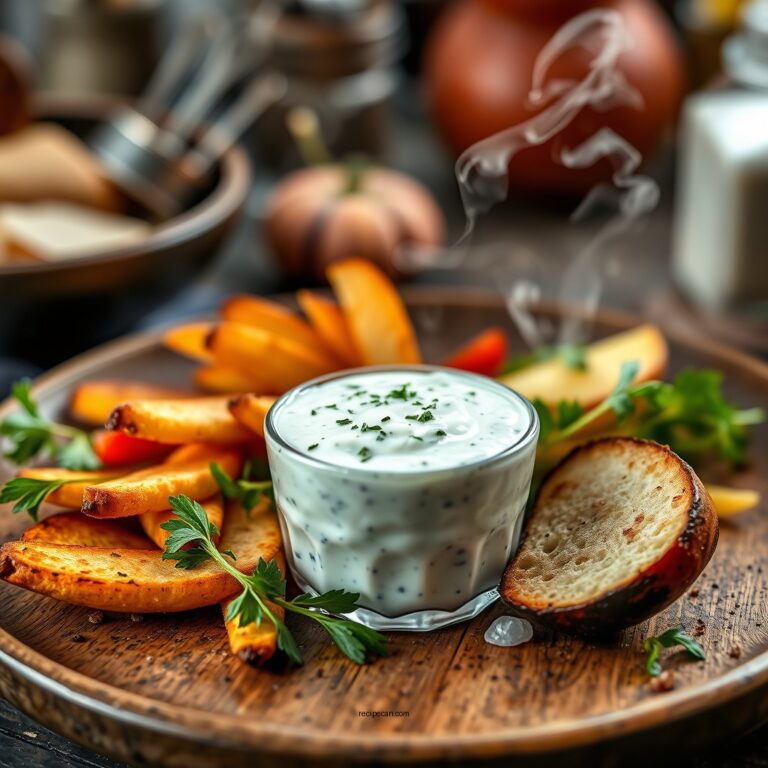
– Add to Sauces and Dips: Mix hot sauce with mayonnaise, sour cream, or yogurt to create zesty dips that pair perfectly with appetizers or snacks.
– Experiment in Cocktails: Hot sauce can also serve as an excellent ingredient in cocktails. Adding a few dashes to a Bloody Mary or a spicy margarita can elevate the drink to new heights.
Making your own hot sauce is not only a gratifying experience but also a way to enhance your culinary repertoire. With the straightforward recipe provided, you can create a unique sauce tailored to your taste. So gather your ingredients, explore different flavors, and enjoy the satisfaction of crafting your very own hot sauce!
Frequently Asked Questions
What are the basic ingredients for a homemade hot sauce recipe?
A basic homemade hot sauce recipe typically includes fresh or dried chili peppers, vinegar, garlic, and salt. You can adjust the type and quantity of peppers based on your heat preference, and use different vinegars like apple cider or white wine for varied flavor profiles.
How can I make my hot sauce less spicy?
To make your hot sauce less spicy, you can reduce the amount of hot peppers used in the recipe or add ingredients like sugar, honey, or fruit (such as mango or pineapple) to balance the heat. Additionally, incorporating more vinegar or water can dilute the spiciness without sacrificing flavor.
Why does my homemade hot sauce taste too vinegary?
If your homemade hot sauce tastes too vinegary, it may be due to an imbalance in the vinegar-to-pepper ratio. To fix this, you can add more peppers or other flavor enhancers like garlic or spices, which will help mellow the acidity and create a more balanced taste.
What is the best type of chili pepper to use for a hot sauce?
The best type of chili pepper for hot sauce depends on your desired heat level and flavor. Popular options include jalapeños for a milder sauce, habaneros for medium heat with fruity notes, and ghost peppers for an extreme kick. Experimenting with different pepper varieties can yield unique flavor combinations.
Which hot sauce recipes are great for beginners?
For beginners, simple hot sauce recipes like a classic vinegar-based sauce or a fruit-infused hot sauce are ideal. These recipes often require minimal ingredients and can be made quickly, allowing new cooks to build confidence while discovering their preferred heat levels and flavor profiles.
References
- Hot sauce
https://en.wikipedia.org/wiki/Hot_sauce - https://www.ncbi.nlm.nih.gov/pmc/articles/PMC3602329/
https://www.ncbi.nlm.nih.gov/pmc/articles/PMC3602329/ - https://www.sciencedirect.com/topics/food-science/hot-sauce
https://www.sciencedirect.com/topics/food-science/hot-sauce - https://www.bbc.com/news/magazine-25921547
https://www.bbc.com/news/magazine-25921547 - https://www.nytimes.com/2018/08/23/dining/hot-sauce-recipes.html
https://www.nytimes.com/2018/08/23/dining/hot-sauce-recipes.html - https://www.verywellfit.com/what-is-hot-sauce-5180023
https://www.verywellfit.com/what-is-hot-sauce-5180023 - https://www.hindawi.com/journals/jfood/2018/7029296/
https://www.hindawi.com/journals/jfood/2018/7029296/ - Google Scholar Google Scholar
https://scholar.google.com/scholar?q=hot+sauce+recipe - Google Scholar Google Scholar
https://scholar.google.com/scholar?q=hot+sauce+ingredients - Google Scholar Google Scholar
https://scholar.google.com/scholar?q=hot+sauce+culinary+uses