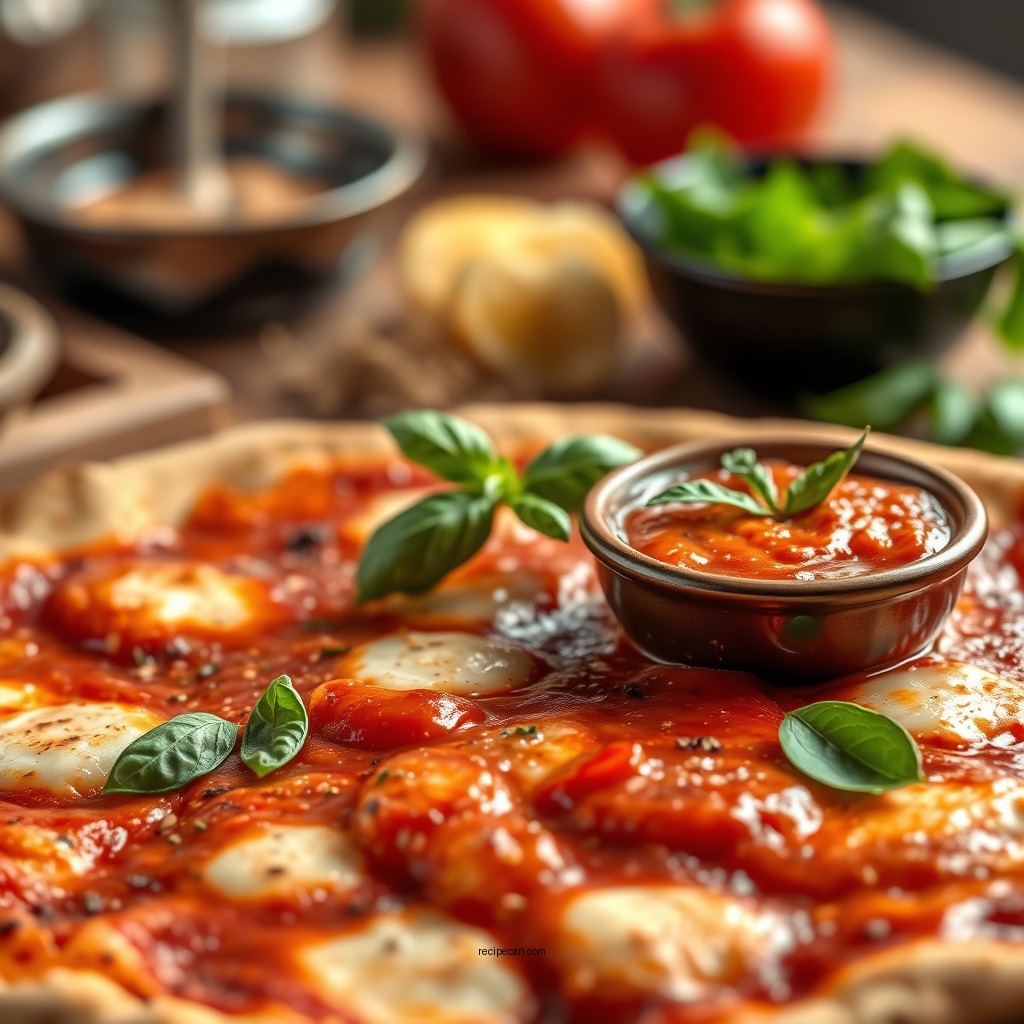
Making your own pizza sauce is not only simple but also incredibly rewarding. It allows you to enhance your homemade pizzas with fresh, vibrant flavors that far surpass store-bought alternatives. In this article, you’ll learn how to create a delicious pizza sauce using just a handful of ingredients that you likely already have in your pantry. Let’s dive in!
Essential Ingredients for Pizza Sauce

To craft the perfect pizza sauce, you’ll need the following essential ingredients:
– Fresh tomatoes or canned tomatoes: If you have access to ripe, in-season tomatoes, they will provide the freshest flavor. However, high-quality canned tomatoes are a great alternative, especially for quick preparation.
– Olive oil: This ingredient is crucial as it adds richness and depth to your sauce. A good extra virgin olive oil can enhance the overall taste profile.
– Garlic and onion: These aromatics are foundational. They create a savory base for your sauce and contribute significantly to the overall flavor.
Other optional but recommended ingredients include various herbs and spices that can personalize your sauce to better fit your taste preferences.
Step-by-Step Preparation Process

Creating your pizza sauce is straightforward and can be completed in just a few steps:
1. Sauté aromatics: Start by heating a couple of tablespoons of olive oil in a medium saucepan over medium heat. Add minced garlic (about 2-3 cloves) and chopped onion (half an onion) to the pan. Sauté for about 2-3 minutes, or until the onion is translucent and the garlic is fragrant.
2. Add tomatoes: Next, incorporate your tomatoes. If you’re using fresh tomatoes, dice them and add them to the pot. For canned tomatoes, simply pour them in. Stir to combine and let the mixture simmer.
3. Simmer and season: Allow the sauce to cook down for about 20-30 minutes, stirring occasionally. As it simmers, it will thicken. Season with salt, pepper, and any additional herbs you prefer, such as basil or oregano.
4. Blend for texture: If you prefer a smoother sauce, you can use an immersion blender to achieve your desired consistency.
This process will yield a fragrant, flavorful sauce ready to elevate any pizza recipe.
Flavor Enhancements and Variations

While the basic recipe is delicious, there are numerous ways to customize your sauce:
– Herbs: Fresh basil and oregano can add a delightful aromatic quality. Adding them towards the end of cooking helps retain their flavor.
– Spicy kick: For those who enjoy a bit of heat, add red pepper flakes to taste. This can significantly enhance the flavor profile, especially for spicy pizza varieties.
– Balancing acidity: If your sauce tastes too acidic, consider adding a splash of balsamic vinegar or a pinch of sugar. This can help balance the flavors and create a more rounded taste.
Experimenting with these enhancements allows you to create a pizza sauce that is uniquely yours.
Top Ingredients for Homemade Pizza Sauce
| # | Ingredient | Importance Level | Flavor Contribution |
|---|---|---|---|
| 1 | Fresh Tomatoes | 5/5 | ⭐️⭐️⭐️⭐️⭐️ |
| 2 | Olive Oil | 4/5 | ⭐️⭐️⭐️⭐️ |
| 3 | Garlic | 5/5 | ⭐️⭐️⭐️⭐️⭐️ |
| 4 | Onion | 4/5 | ⭐️⭐️⭐️⭐️ |
| 5 | Salt | 3/5 | ⭐️⭐️⭐️ |
| 6 | Pepper | 3/5 | ⭐️⭐️⭐️ |
| 7 | Basil | 4/5 | ⭐️⭐️⭐️⭐️ |
Cooking Techniques for Best Results
To ensure that your pizza sauce reaches its maximum potential, consider the following cooking techniques:
– Simmering: Let your sauce simmer for at least 20-30 minutes. This process helps meld the flavors together and reduces excess water, resulting in a thicker sauce.
– Blending: If a smooth texture is your preference, use an immersion blender after simmering. This tool allows you to easily control the consistency of your sauce.
– Taste and adjust: Always taste your sauce before serving. This is the perfect time to adjust seasoning or add additional herbs based on your preferences.
These techniques will help you create a sauce that not only tastes great but also has the perfect texture.
Homemade Pizza Sauce Cooking Time Comparison
Storage Tips for Homemade Sauce
To keep your homemade pizza sauce fresh and flavorful, follow these storage tips:
– Cooling: Allow the sauce to cool completely at room temperature before storing it. This prevents condensation from forming in the container, which can lead to spoilage.
– Container: Use airtight containers to store your sauce in the refrigerator. Properly stored, your sauce will remain fresh for up to a week.
– Freezing: If you want to store your sauce for longer periods, consider freezing it in portion-sized containers or ice cube trays. This method makes it convenient to defrost only what you need for future meals.
By following these tips, you can always have your homemade pizza sauce ready whenever a pizza craving strikes.
Serving Suggestions
Your homemade pizza sauce can be used in a variety of delightful ways:
– Pizza base: Spread the sauce over your favorite pizza dough before adding toppings. The fresh flavors will complement any combination of ingredients you choose.
– Dipping sauce: Serve it as a dipping sauce for breadsticks or calzones. Its rich flavor will enhance these accompaniments.
– Pasta sauce: Use it as a quick pasta sauce for a flavorful meal. Simply toss it with cooked pasta and enjoy.
These serving suggestions highlight the versatility of your homemade pizza sauce, making it a great addition to your culinary repertoire.
Creating your own pizza sauce is a simple yet rewarding endeavor that transforms your pizza night. With just a few ingredients and straightforward steps, you can craft a sauce that rivals any store-bought option. By experimenting with different flavors and techniques, you can develop a sauce that perfectly complements your pizzas. Give this recipe a try today and relish the delightful, fresh flavors of your homemade creation!
Frequently Asked Questions
What ingredients do I need for a homemade pizza sauce recipe?
To make a delicious homemade pizza sauce, you will need canned crushed tomatoes or tomato paste, olive oil, garlic, onion, salt, pepper, and Italian herbs like oregano and basil. For added flavor, you can include sugar to balance acidity and red pepper flakes for a spicy kick. This simple combination creates a rich, flavorful sauce perfect for any pizza.
How do I make homemade pizza sauce from scratch?
To prepare homemade pizza sauce, start by sautéing minced garlic and chopped onion in olive oil until fragrant. Then, add your crushed tomatoes or tomato paste, along with salt, pepper, and your chosen herbs. Simmer the sauce for about 20-30 minutes to allow the flavors to meld, and adjust seasoning to taste before using it on your pizza.
Why should I make pizza sauce at home instead of buying it?
Making pizza sauce at home allows you to control the ingredients, ensuring a fresher and healthier option free from preservatives and added sugars often found in store-bought varieties. Additionally, you can customize the flavor to your preference, making it as spicy or herby as you like. Homemade sauce can elevate your pizza experience significantly.
What is the best way to store homemade pizza sauce?
The best way to store homemade pizza sauce is in an airtight container in the refrigerator, where it can last up to a week. For longer storage, consider freezing the sauce in portions using freezer bags or ice cube trays, allowing you to easily thaw just what you need for future pizza nights. Be sure to label with the date for easy reference.
Which types of tomatoes are best for homemade pizza sauce?
For the best homemade pizza sauce, San Marzano tomatoes are highly recommended due to their sweet flavor and low acidity, making them ideal for sauces. However, you can also use Roma tomatoes or any high-quality canned crushed tomatoes as a substitute. The key is to choose tomatoes that are rich in flavor to create a robust sauce for your pizza.
References
- Pizza
https://en.wikipedia.org/wiki/Pizza_sauce - https://www.sciencedirect.com/topics/food-science/pizza-sauce
https://www.sciencedirect.com/topics/food-science/pizza-sauce - https://www.ncbi.nlm.nih.gov/pmc/articles/PMC7027989/
https://www.ncbi.nlm.nih.gov/pmc/articles/PMC7027989/ - Pizza | Description, Ingredients, & Types | Britannica
https://www.britannica.com/topic/pizza - Google Scholar Google Scholar
https://scholar.google.com/scholar?q=homemade+pizza+sauce+recipe - Google Scholar Google Scholar
https://scholar.google.com/scholar?q=pizza+sauce+ingredients - https://www.ncbi.nlm.nih.gov/pmc/articles/PMC5011698/
https://www.ncbi.nlm.nih.gov/pmc/articles/PMC5011698/ - https://www.nutrition.gov/topics/food-safety/food-safety-tips-pizza
https://www.nutrition.gov/topics/food-safety/food-safety-tips-pizza - https://www.cdc.gov/foodsafety/food-safety-tips.html
https://www.cdc.gov/foodsafety/food-safety-tips.html - Food safety
https://www.who.int/news-room/fact-sheets/detail/food-safety