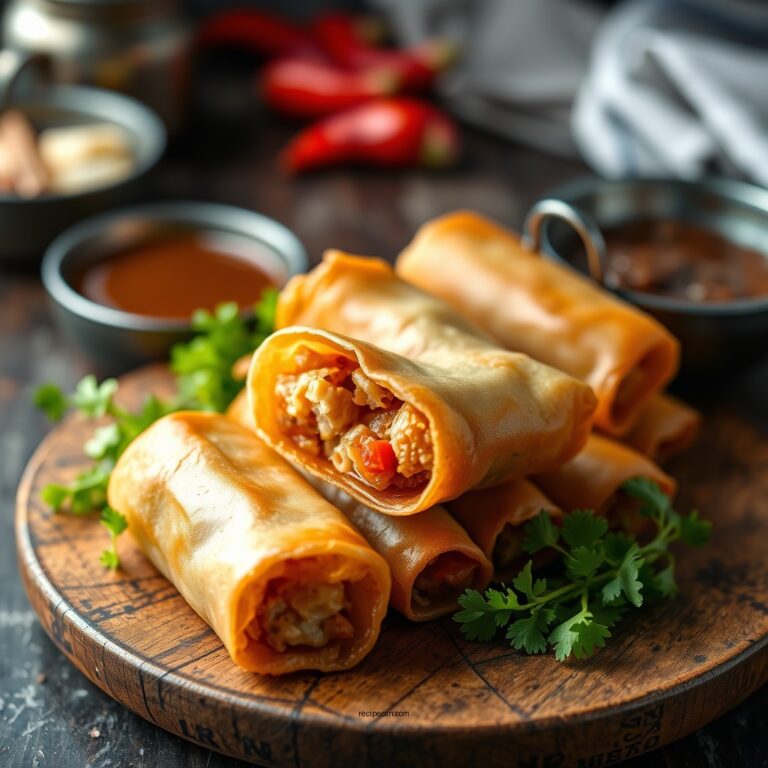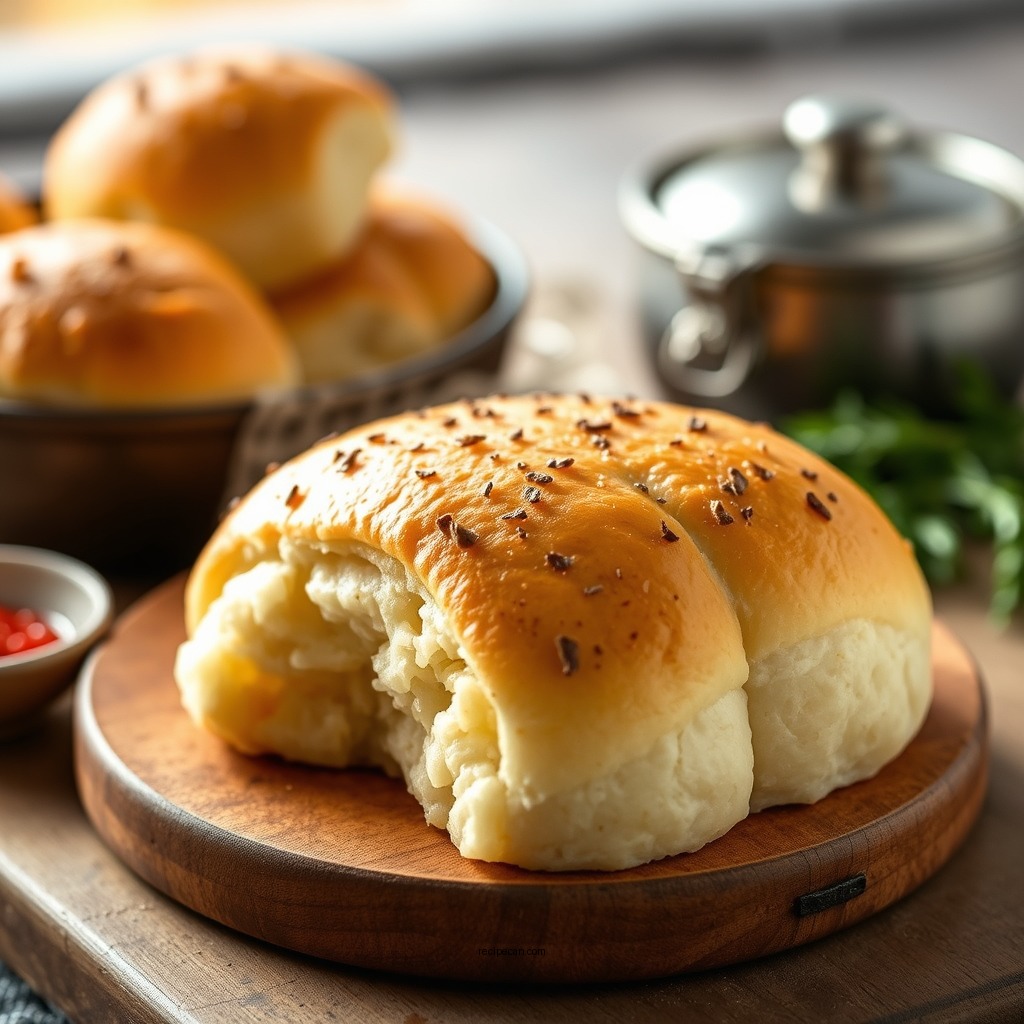
Making homemade dinner rolls is easier than you might think, and the results are incredibly rewarding. In this article, you’ll discover a variety of simple and delicious recipes for dinner rolls that will elevate any meal. Whether you’re a beginner or an experienced baker, you’ll find the perfect roll recipe to suit your taste. From classic soft rolls to sweet variations, the joy of baking these delightful rolls at home is within your reach.
Classic Soft Dinner Rolls
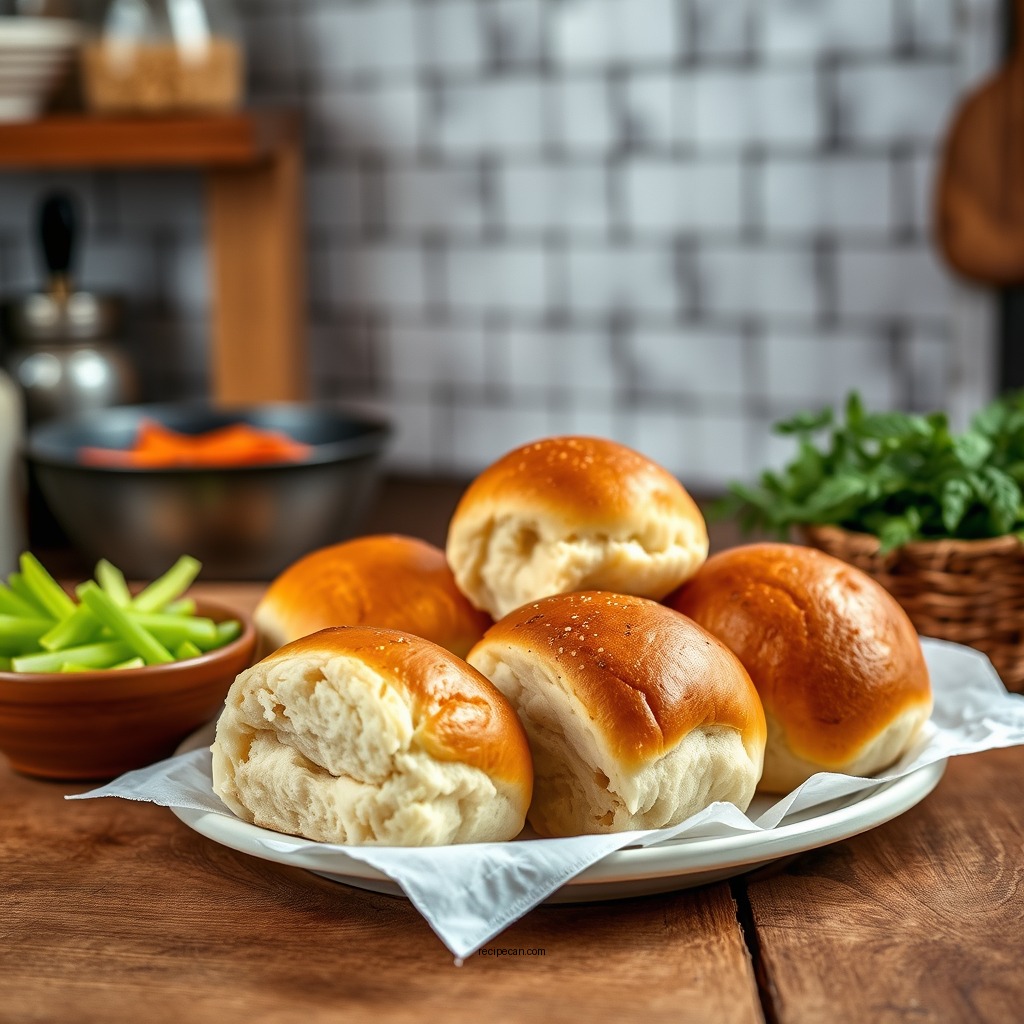
Classic soft dinner rolls are a staple in many households, and for good reason. The basic ingredients required for these fluffy rolls include all-purpose flour, active dry yeast, milk, sugar, and butter. The combination of yeast and sugar activates during the proofing stage, allowing the dough to rise and resulting in soft, pillowy rolls.
Step-by-Step Instructions:
1. Mix the Ingredients:
In a large mixing bowl, combine 2 cups of warm milk, 1/4 cup of sugar, and 2 tablespoons of active dry yeast. Let it sit for about 5-10 minutes until frothy.
2. Add Flour and Knead:
Gradually add 5 cups of all-purpose flour and 1/2 cup of melted butter. Mix until a dough forms. Knead the dough on a floured surface for about 8-10 minutes until smooth and elastic.
3. First Rise:
Place the dough in a greased bowl, cover it with a clean cloth, and let it rise in a warm place for about 1-2 hours or until doubled in size.
4. Shape the Rolls:
Once risen, punch down the dough and divide it into 12 equal portions. Shape each portion into a ball and place them in a greased baking dish.
5. Second Rise:
Cover the rolls again and let them rise for another 30-45 minutes.
6. Bake:
Preheat your oven to 375°F (190°C). Bake the rolls for 20-25 minutes or until golden brown. Brush with melted butter before serving.
These classic soft dinner rolls are perfect for any occasion, from family dinners to holiday gatherings.
Whole Wheat Dinner Rolls
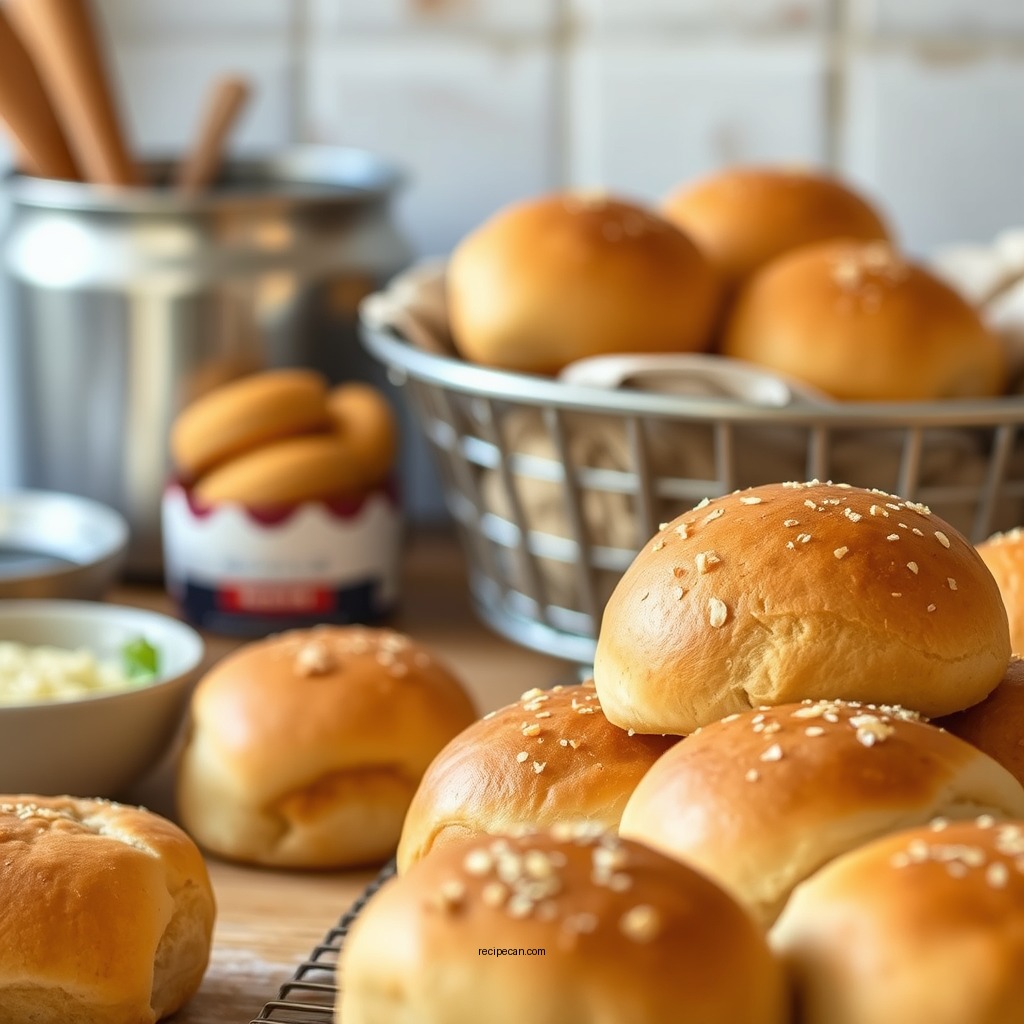
For those looking to incorporate healthier options into their meals, whole wheat dinner rolls are an excellent choice. Whole wheat flour adds fiber and essential nutrients, making these rolls more nutritious than their white flour counterparts.
Whole wheat flour contains more fiber, vitamins, and minerals than refined flour. It supports digestive health, stabilizes blood sugar levels, and provides a sustained energy release.
Tips for Adjusting Moisture Levels:
When using whole grain ingredients, you may need to increase the liquid in your recipe since whole wheat flour absorbs more moisture. Consider adding an extra tablespoon of milk or water to achieve the desired dough consistency.
Garlic Butter Dinner Rolls
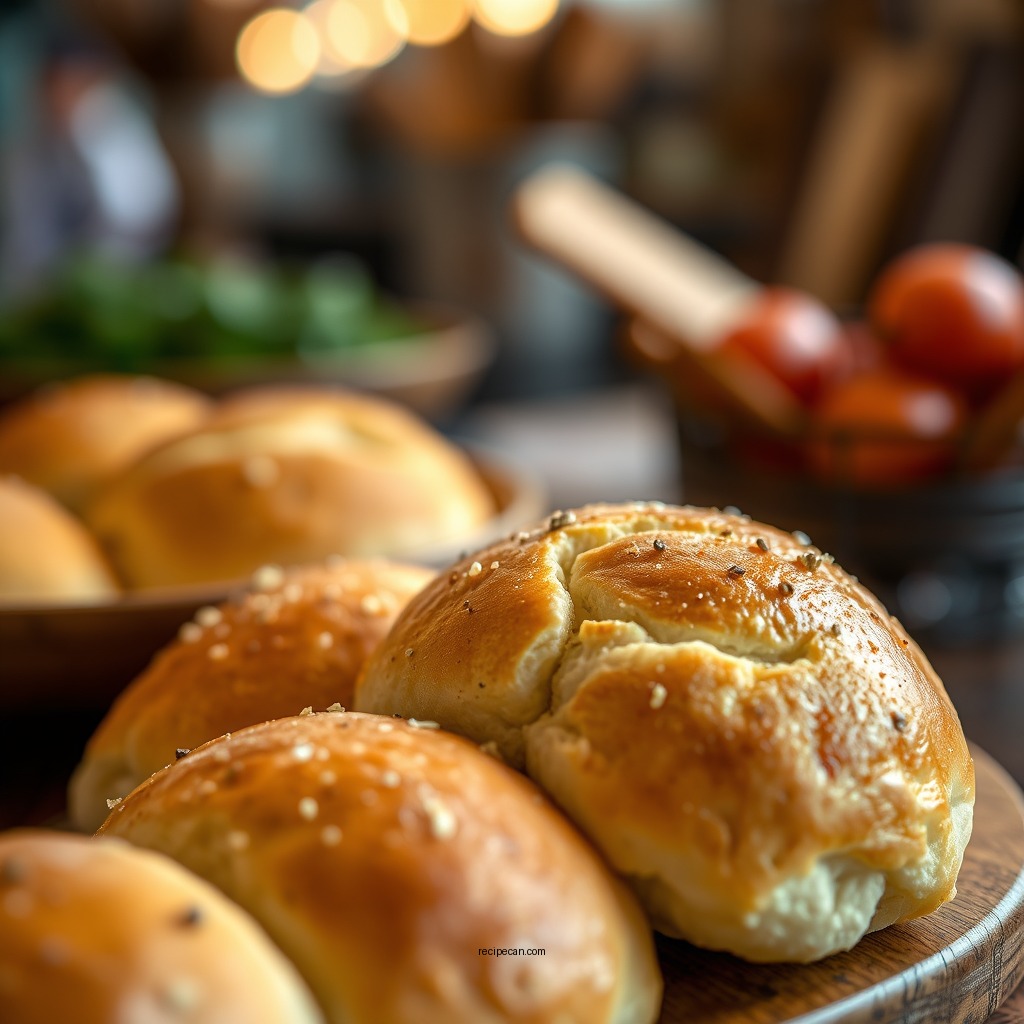
Garlic butter dinner rolls add a savory twist to the traditional recipe. The addition of garlic transforms these rolls into a flavorful side dish that pairs wonderfully with pasta, soups, or salads.
Enhancing Flavor:
To infuse your rolls with garlic goodness, melt 1/2 cup of butter and sauté 2-3 minced garlic cloves until fragrant. Brush this mixture over the rolls before baking and again as they come out of the oven.
Instructions:
Follow the classic soft dinner roll recipe, and during the final brushing, sprinkle some chopped parsley for added color and flavor.
Herb-Infused Rolls
Herb-infused rolls are a great way to elevate your bread-making game. By adding fresh or dried herbs, you can create a unique flavor profile that complements a variety of meals.
Herb Pairings:
Popular herbs to use include rosemary, thyme, or oregano. For instance, rosemary pairs well with roasted meats, while thyme complements vegetable dishes.
Suggestions for Use:
Mix 1 tablespoon of your chosen herb into the dough during the initial mixing stage. This allows the flavors to meld beautifully as the rolls bake.
Sweet Dinner Rolls
Sweet dinner rolls are perfect for breakfast or as a dessert option, making them a versatile addition to your baking repertoire. These rolls can be filled with delightful surprises, such as chocolate, cinnamon sugar, or fruit preserves.
Recipes for Sweet Rolls:
1. Cinnamon Rolls: After shaping the dough, spread a mixture of softened butter, brown sugar, and cinnamon before rolling it up and slicing.
2. Jam-Filled Rolls: Place a teaspoon of your favorite jam in the center of each roll before sealing.
Toppings:
Consider drizzling a simple icing made of powdered sugar and milk over the top for an extra sweet touch.
Troubleshooting Common Issues
Baking can sometimes lead to unexpected results. Here are a few common problems and their solutions:
– Dense Rolls: This can occur if the dough is not kneaded enough or if there is not enough yeast. Ensure your yeast is fresh and that the dough is kneaded until smooth and elastic.
– Dough Won’t Rise: If your dough isn’t rising, it may be due to cold temperatures or inactive yeast. Make sure the yeast is proofed properly and that the dough is placed in a warm environment.
– Burnt Bottoms: To prevent this, place your rolls on the middle rack of the oven and consider using a baking stone or an insulated baking sheet.
Storing and Freezing Homemade Rolls
Storing your homemade rolls properly is essential to maintain their freshness.
Best Practices:
– Store the rolls in an airtight container at room temperature for up to 2 days. If they start to harden, briefly reheating them in the oven can restore their softness.
– For longer storage, you can freeze the rolls. Allow them to cool completely, then wrap them in plastic wrap and place them in a freezer-safe bag. They can be frozen for up to 3 months.
Reheating Instructions:
When ready to serve, remove the desired number of rolls from the freezer and let them thaw at room temperature. Reheat in a preheated oven at 350°F (175°C) for about 10-15 minutes until warmed through.
Top 7 Dinner Roll Variations (2024)
| # | Roll Type | Popularity (%) | Nutritional Value (per roll) | Preparation Time (mins) |
|---|---|---|---|---|
| 1 | Classic Soft Rolls | 30% | 150 kcal | 90 |
| 2 | Whole Wheat Rolls | 20% | 120 kcal | 100 |
| 3 | Garlic Butter Rolls | 15% | 180 kcal | 85 |
| 4 | Herb-Infused Rolls | 10% | 160 kcal | 95 |
| 5 | Sweet Rolls | 25% | 200 kcal | 120 |
| 6 | Stuffed Rolls | 5% | 220 kcal | 150 |
| 7 | Savory Rolls | 5% | 190 kcal | 110 |
Popularity of Dinner Roll Types (2024)
Baking homemade dinner rolls is an enjoyable and fulfilling activity that can enhance any meal. With the variety of recipes provided, from classic to sweet, there is something for everyone. Whether you’re new to baking or looking to refine your skills, these recipes offer accessible and delightful options. Don’t hesitate to experiment with flavors and fillings, and remember to enjoy the process of creating something delicious from scratch. Happy baking!
Frequently Asked Questions
What are the essential ingredients for homemade dinner rolls?
The essential ingredients for homemade dinner rolls include all-purpose flour, yeast, water, milk, sugar, salt, and butter. These ingredients work together to create a soft, fluffy texture and a delicious flavor. You can also add eggs for richness or herbs for added flavor, making your rolls customizable to your taste.
How do I ensure my homemade dinner rolls are soft and fluffy?
To ensure soft and fluffy homemade dinner rolls, make sure to knead the dough adequately, allowing the gluten to develop, which gives the rolls structure. Additionally, let the dough rise in a warm, draft-free area until it doubles in size, and avoid overbaking them; the internal temperature should reach around 190°F for perfect texture.
Why did my homemade dinner rolls turn out dense?
Dense homemade dinner rolls can result from several factors, including insufficient kneading, not allowing enough time for the dough to rise, or using expired yeast. Ensure your yeast is fresh and active, knead the dough until smooth, and allow it to rise until it has doubled in size for the best results.
What is the best method for shaping homemade dinner rolls?
The best method for shaping homemade dinner rolls involves dividing the dough into equal pieces, then gently rolling each piece into a smooth ball. To create a classic roll shape, tuck the edges under to form a tight ball and place them seam-side down in a greased baking dish. This technique helps the rolls rise evenly and maintain their shape during baking.
Which types of flour are best for making homemade dinner rolls?
The best types of flour for making homemade dinner rolls are all-purpose flour and bread flour. All-purpose flour provides a balance of softness and structure, while bread flour, with its higher protein content, yields chewier rolls. You can also experiment with whole wheat flour for a heartier option, but you may need to adjust the liquid in your recipe accordingly.
References
- https://en.wikipedia.org/wiki/Roll_(bread
https://en.wikipedia.org/wiki/Roll_(bread - https://www.bbc.com/food/recipes/homemade_dinner_rolls_37687
https://www.bbc.com/food/recipes/homemade_dinner_rolls_37687 - https://www.nytimes.com/2021/11/17/dining/dinner-rolls-recipe.html
https://www.nytimes.com/2021/11/17/dining/dinner-rolls-recipe.html - https://www.sciencedirect.com/topics/food-science/dinner-rolls
https://www.sciencedirect.com/topics/food-science/dinner-rolls - https://www.britannica.com/topic/dinner-roll
https://www.britannica.com/topic/dinner-roll - Google Scholar Google Scholar
https://scholar.google.com/scholar?q=homemade+dinner+roll+recipes - Google Scholar Google Scholar
https://scholar.google.com/scholar?q=dinner+roll+recipes - Google Scholar Google Scholar
https://scholar.google.com/scholar?q=homemade+baking+recipes - https://www.foodnetwork.com/recipes/packages/comfort-foods/quick-dinner-rolls-3361832
https://www.foodnetwork.com/recipes/packages/comfort-foods/quick-dinner-rolls-3361832 - https://www.ncbi.nlm.nih.gov/pmc/articles/PMC6053064/
https://www.ncbi.nlm.nih.gov/pmc/articles/PMC6053064/