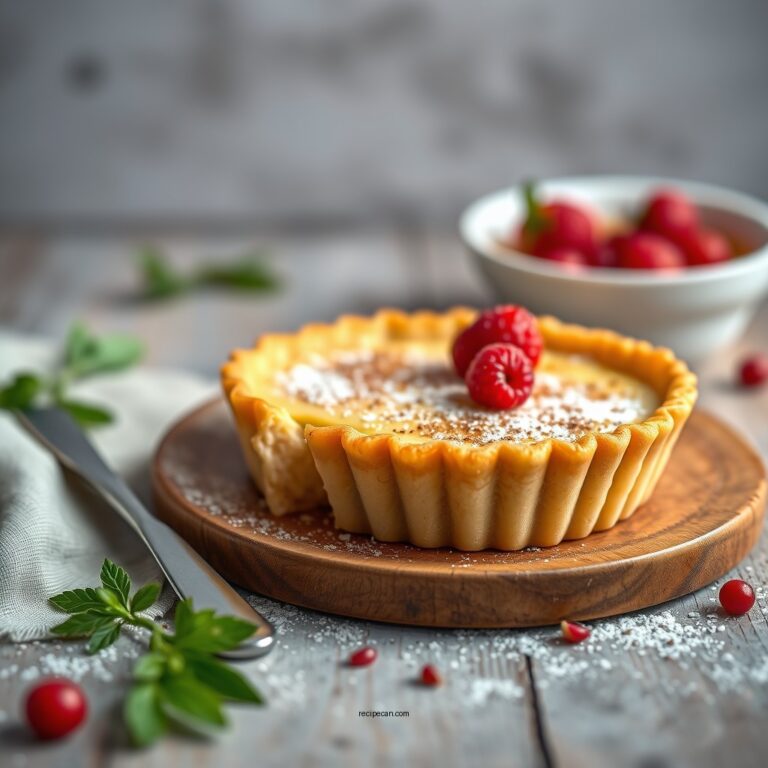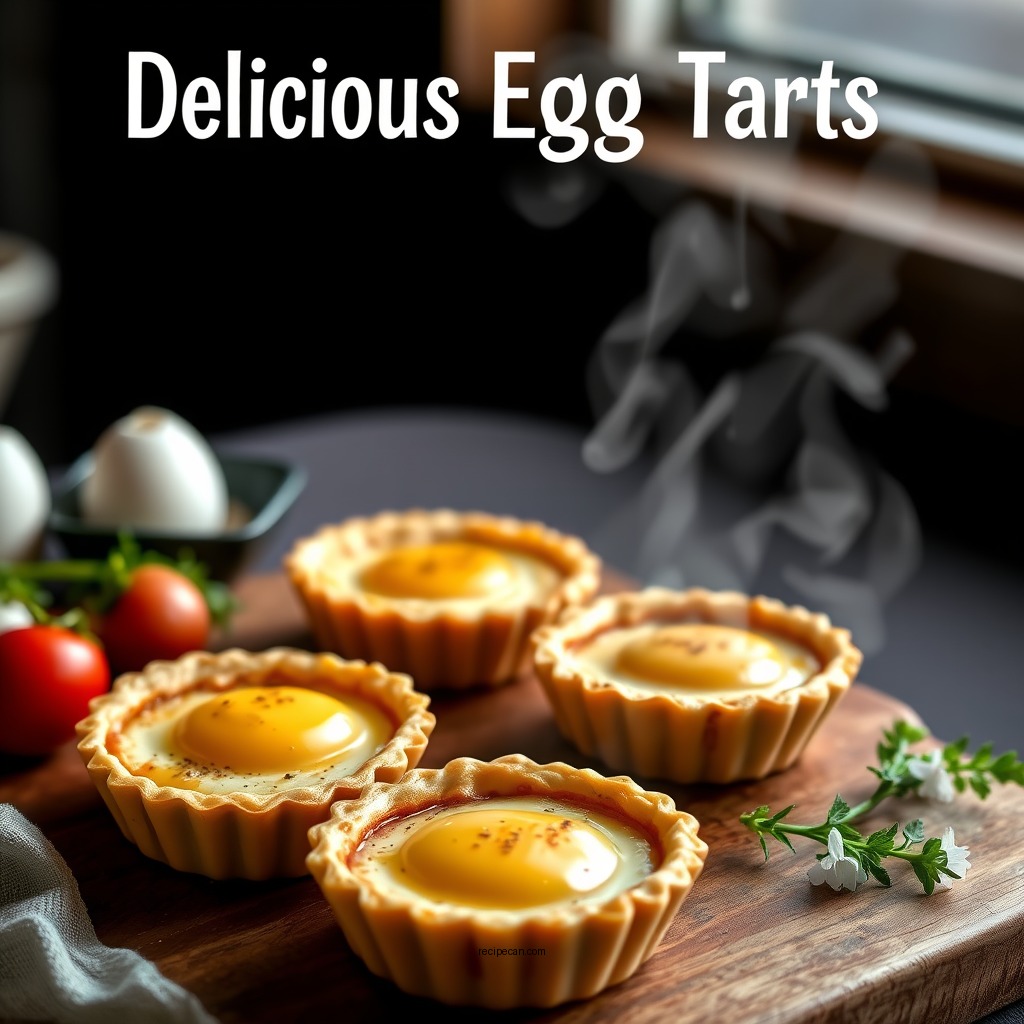
Egg tarts are a beloved pastry that brings together a flaky crust and a velvety custard filling, making them a delightful treat enjoyed by many. Whether you’re indulging in a Portuguese pastel de nata or a Chinese dan tat, mastering this recipe will allow you to create these delicious desserts right in your own kitchen. This step-by-step guide will walk you through the process of making perfect egg tarts, covering everything from the crust to the filling, ensuring you impress your friends and family with your baking skills.
Understanding Egg Tarts
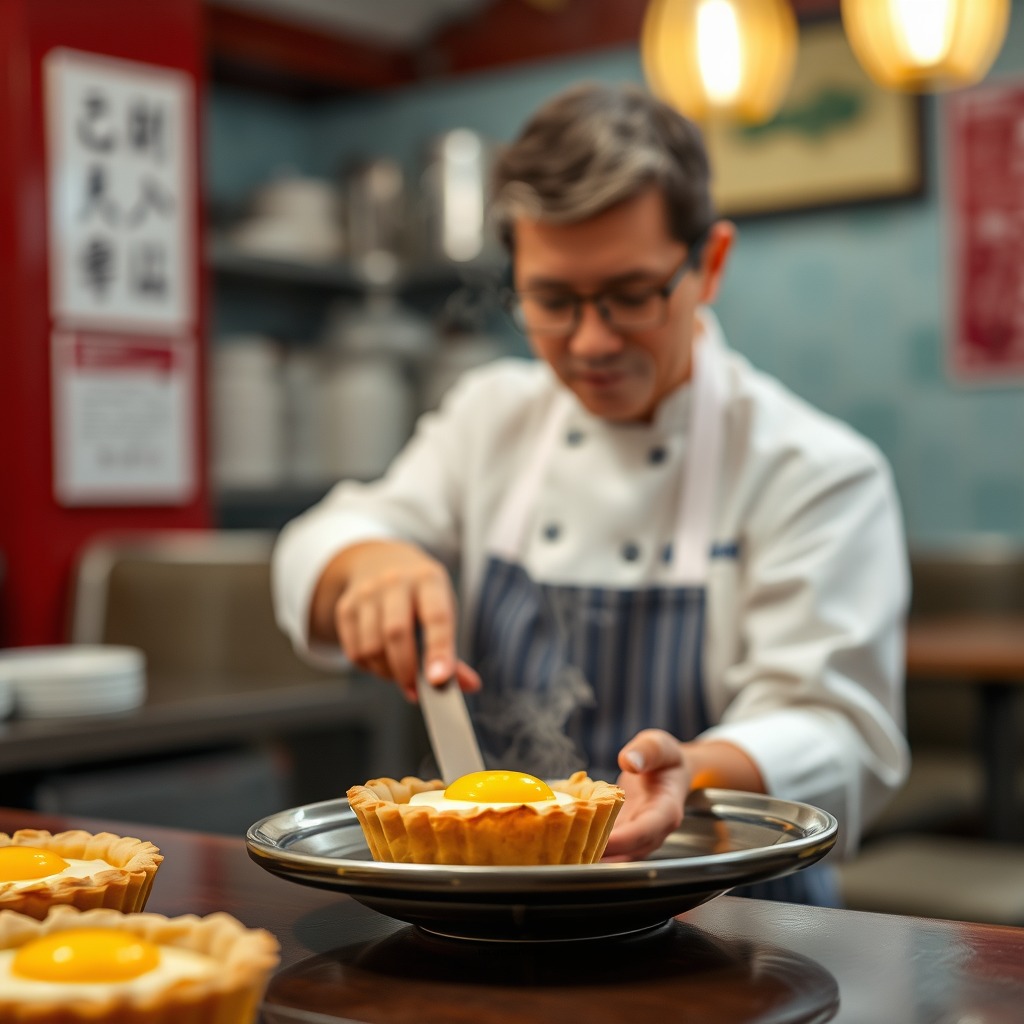
Egg tarts have a rich history and are widely celebrated in various cultures. The origins of egg tarts can be traced back to the early 20th century in Portugal, where they were originally created by monks in the Jerónimos Monastery. These pastries, known as “pastéis de nata,” quickly gained popularity and made their way to other parts of the world, particularly Macau and Hong Kong, where they were adapted into the Chinese version known as “dan tat.”
Today, egg tarts are a staple in many bakeries, especially in Asian cultures, where they are often enjoyed as a snack or dessert. The two main styles of egg tarts are Portuguese and Chinese. Portuguese egg tarts have a caramelized top and a slightly burnt edge, while Chinese egg tarts typically feature a smooth, glossy surface and a lighter, more delicate flavor. Understanding these differences can help you appreciate the versatility of this delightful pastry.
Ingredients You’ll Need
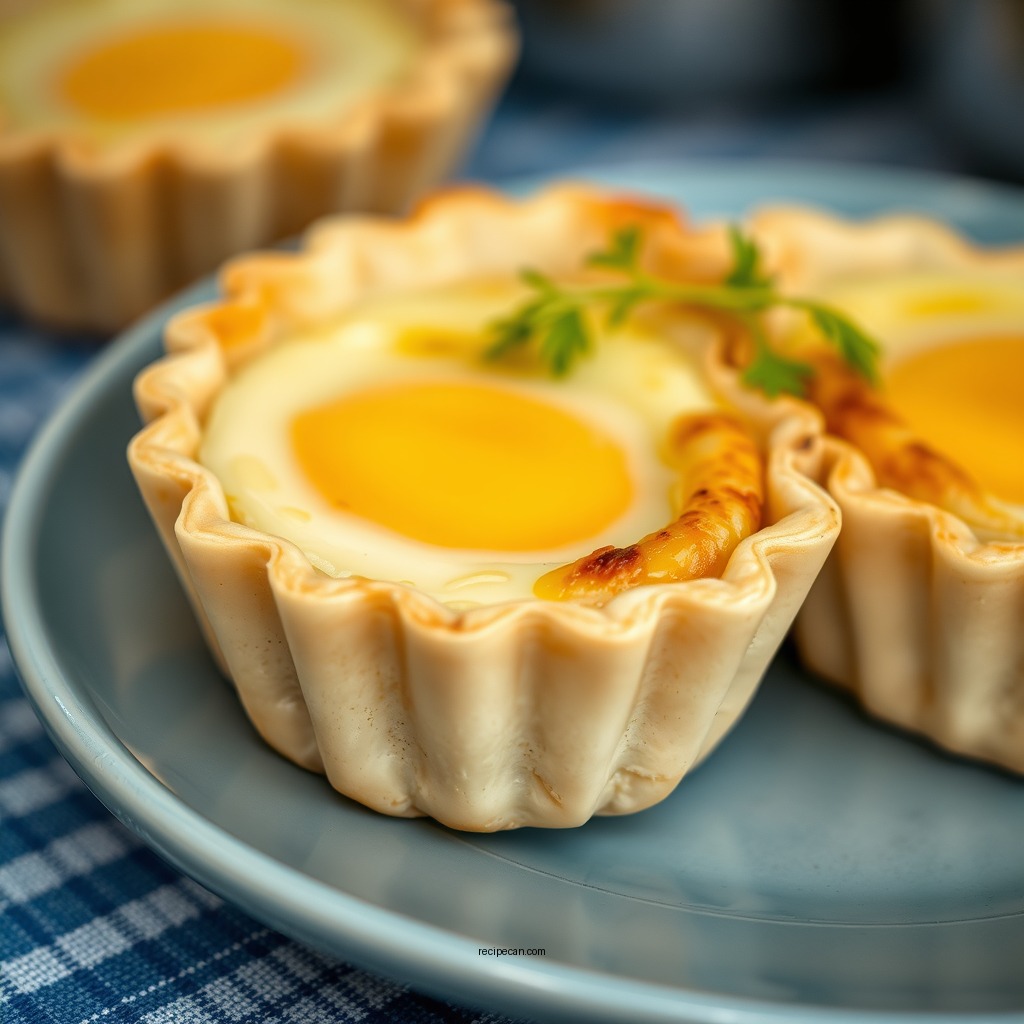
To make delicious egg tarts, you will need the following essential ingredients for both the pastry and custard filling:
1. All-purpose flour: Provides the structure for the crust, giving it a flaky texture.
2. Unsalted butter: Adds richness and flavor to the crust while aiding in creating a tender texture.
3. Granulated sugar: Sweetens the crust and helps achieve a beautiful golden color when baked.
4. Eggs: Essential for the custard filling, they provide structure and richness.
5. Heavy cream: Contributes to the creamy texture of the custard filling.
6. Milk: Balances the richness of the cream and adds a smooth consistency.
7. Vanilla extract: Enhances the flavor of the custard, providing a warm, aromatic touch.
Each of these ingredients plays a vital role in achieving the perfect combination of flavor and texture in your egg tarts. Using high-quality ingredients will elevate your tarts and impress anyone who has the pleasure of tasting them.
Preparing the Crust
Creating a flaky pastry crust is crucial for delicious egg tarts. Here’s a step-by-step guide to making the pastry dough:
1. Combine the dry ingredients: In a large bowl, mix together the all-purpose flour and granulated sugar.
2. Cut in the butter: Using a pastry cutter or your fingers, cut the cold unsalted butter into the flour mixture until it resembles coarse crumbs.
3. Add water: Gradually add ice-cold water, one tablespoon at a time, mixing until the dough just comes together. Be careful not to overwork the dough.
4. Chill the dough: Wrap the dough in plastic wrap and refrigerate for at least 30 minutes to allow it to rest.
5. Roll out the dough: On a lightly floured surface, roll out the chilled dough to about 1/8 inch thick.
6. Cut and shape: Using a round cutter, cut out circles that fit into your tart pans. Gently press the dough into the pans, ensuring there are no air bubbles.
Tips for Rolling and Shaping the Crust
– Keep your dough cold to ensure flakiness. If it becomes too warm while rolling, refrigerate it briefly.
– Use a light touch when pressing the dough into the tart pans to maintain its delicate texture.
– Trim any excess dough hanging over the edges for a neat finish.
Making the Custard Filling
The custard filling is the star of the egg tart. Here’s how to prepare it:
1. Whisk the eggs: In a mixing bowl, whisk together the eggs and granulated sugar until well combined. The mixture should become lighter in color.
2. Combine dairy: In a separate saucepan, combine the heavy cream, milk, and vanilla extract. Heat over low heat until warm, but do not boil.
3. Mix with eggs: Gradually add the warm dairy mixture to the egg mixture while whisking continuously to prevent the eggs from scrambling.
4. Strain the mixture: To achieve a smooth custard, strain the mixture through a fine-mesh sieve into a clean bowl. This step is crucial as it removes any cooked egg bits and ensures a velvety texture.
Assembling the Tarts
Now that you have both the crust and custard ready, it’s time to assemble your egg tarts:
1. Preheat the oven: Set your oven to 375°F (190°C) to ensure it’s hot enough for baking.
2. Fill the crusts: Carefully pour the custard filling into each tart shell, filling them about 3/4 full to allow for expansion during baking.
3. Bake: Place the filled tarts in the preheated oven and bake for approximately 20-25 minutes, or until the custard is set and the tops are lightly golden.
Ideal Oven Temperature and Baking Time
For the best results, maintain a consistent oven temperature. Avoid opening the oven door frequently, as this can cause temperature fluctuations that affect baking.
Tips for Perfect Egg Tarts
To help you avoid common pitfalls and enhance your egg tart-making experience, consider the following tips:
– Avoid overmixing the dough: Overworking can lead to a tough crust. Mix just until combined.
– Watch the baking time: Every oven is different, so monitor the tarts closely to avoid overbaking.
– Experiment with flavors: You can add a hint of lemon zest or almond extract to the custard for a unique twist.
Storing and Serving Suggestions
To ensure your egg tarts remain fresh, follow these storage tips:
– Storing: Keep leftover egg tarts in an airtight container in the refrigerator for up to 3 days. Reheat in a warm oven before serving to restore their texture.
– Serving suggestions: Pair your egg tarts with a cup of jasmine tea or coffee for a delightful afternoon treat. Adding a sprinkle of powdered sugar or a dollop of whipped cream can elevate your presentation.
In conclusion, making delicious egg tarts at home is both rewarding and enjoyable. With the right ingredients and techniques, you can create these delightful pastries that capture the essence of culinary traditions from around the world. Gather your ingredients, follow this comprehensive guide, and savor the satisfaction of enjoying your homemade egg tarts fresh from the oven. Happy baking!
Frequently Asked Questions
What ingredients do I need for a classic egg tarts recipe?
To make a classic egg tarts recipe, you will need all-purpose flour, unsalted butter, sugar, eggs, milk, and vanilla extract. The pastry crust typically consists of flour, butter, and sugar, while the custard filling is made with eggs, milk, and a hint of vanilla for flavor.
How do I make the perfect egg tart crust?
To make the perfect egg tart crust, start by combining flour, butter, and sugar until you achieve a crumbly texture. Then, add cold water gradually until the dough comes together. Roll it out and press it into tart molds, ensuring an even thickness, and chill before baking for the best flaky results.
Why do my egg tarts puff up and then collapse?
If your egg tarts puff up and then collapse, it may be due to uneven baking or an overcooked custard. Ensure your oven is at the correct temperature and avoid opening the door during baking. Additionally, a gentle mix of the egg custard can help prevent excess air from being trapped, leading to a more stable tart.
What is the best way to store leftover egg tarts?
The best way to store leftover egg tarts is to place them in an airtight container in the refrigerator. They can be kept for up to three days, but for the best texture, reheat them in the oven for a few minutes before serving to restore the crispiness of the crust.
Which types of milk work best for making egg tarts?
Whole milk is generally recommended for making egg tarts as it provides a rich, creamy texture that enhances the flavor of the custard. However, you can also use a combination of whole milk and heavy cream for an even creamier filling, or substitute with alternative milks like almond or coconut milk for a dairy-free version.
References
- Egg tart
https://en.wikipedia.org/wiki/Egg_tart - https://www.bbc.co.uk/food/recipes/egg_tarts_11399
https://www.bbc.co.uk/food/recipes/egg_tarts_11399 - https://www.sciencedirect.com/topics/food-science/egg-tart
https://www.sciencedirect.com/topics/food-science/egg-tart - https://www.britannica.com/topic/egg-tart
https://www.britannica.com/topic/egg-tart - Google Scholar Google Scholar
https://scholar.google.com/scholar?q=egg+tarts+recipe - Google Scholar Google Scholar
https://scholar.google.com/scholar?q=history+of+egg+tarts - https://scholar.google.com/scholar?q=egg+tart+preparation+techniques Google Scholar
https://scholar.google.com/scholar?q=egg+tart+preparation+techniques - Spicy Ginger Applesauce Cake With Cream Cheese Frosting Recipe
https://www.nytimes.com/recipes/1019730/egg-tarts.html - https://www.pubmed.ncbi.nlm.nih.gov/30422062/
https://www.pubmed.ncbi.nlm.nih.gov/30422062/ - https://www.cdc.gov/nutrition/index.html
https://www.cdc.gov/nutrition/index.html