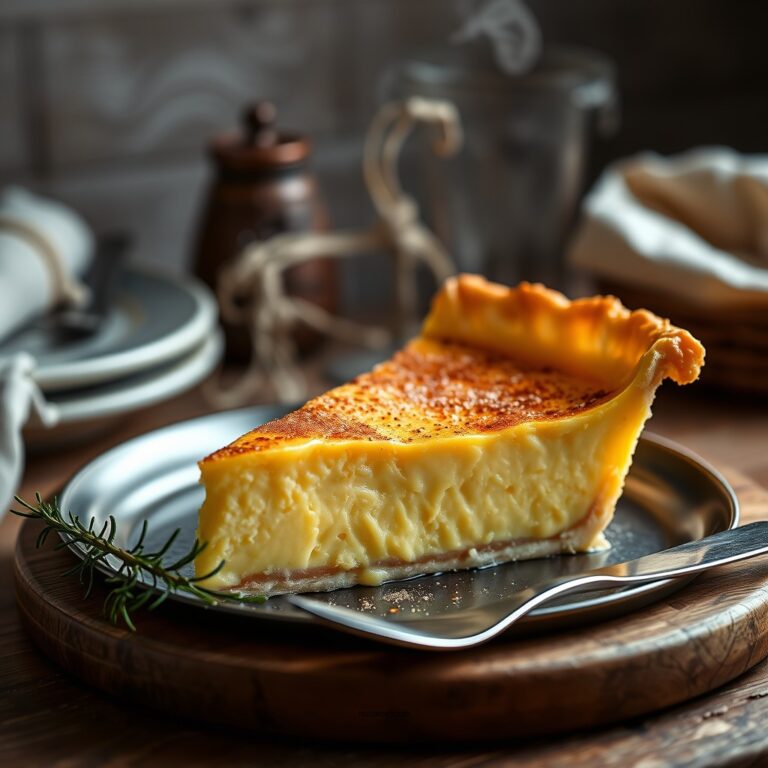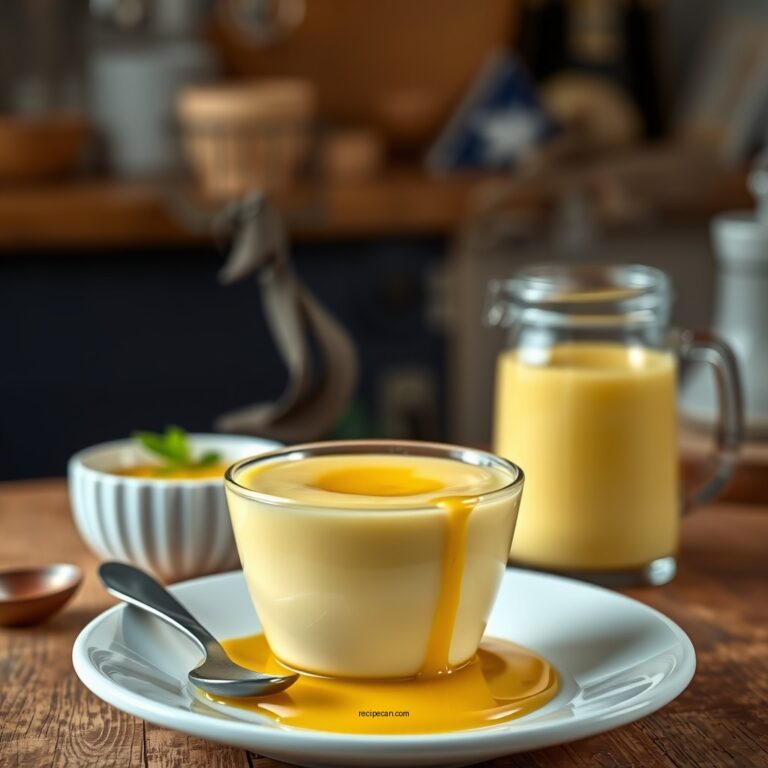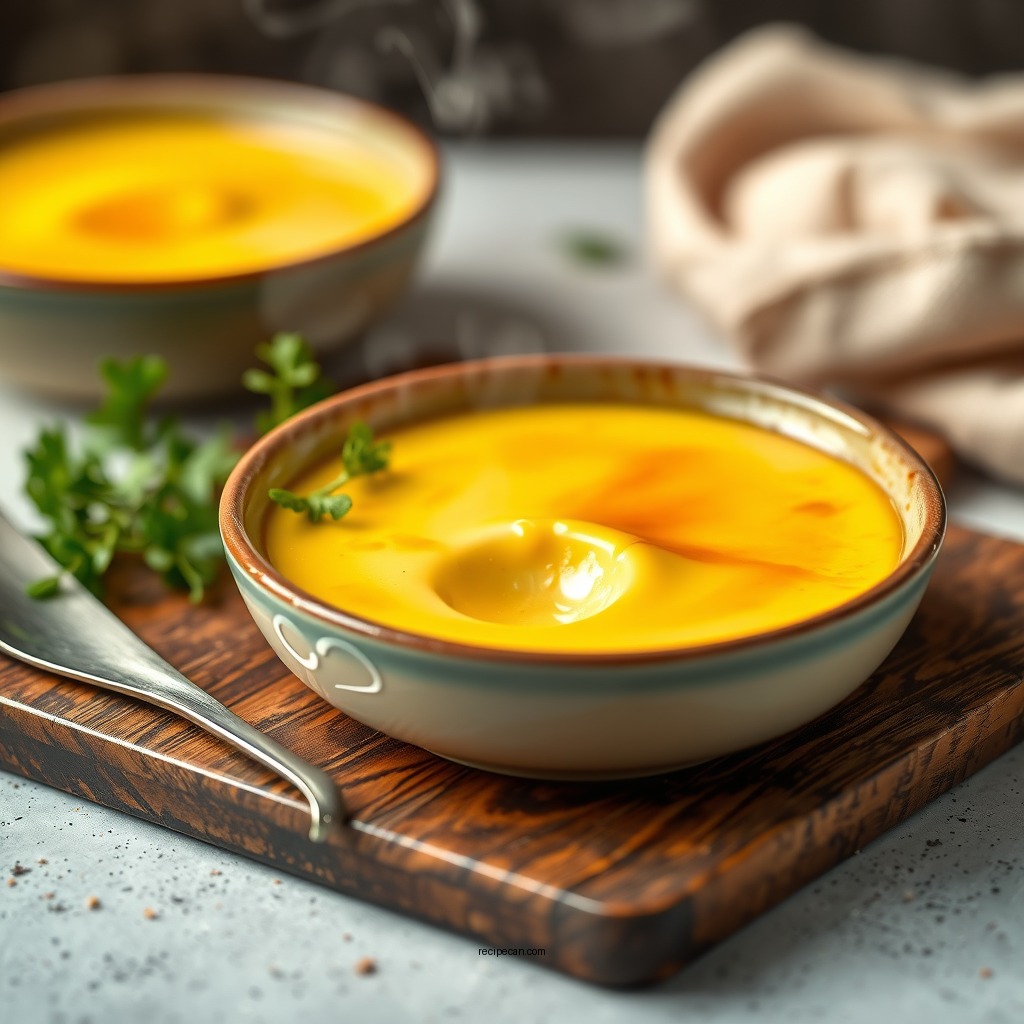
Egg custard is a delightful and creamy dessert that is surprisingly easy to make at home. This classic treat combines eggs, milk, and sugar to create a rich, velvety texture that is perfect for any occasion. In this article, you will learn how to prepare a classic egg custard recipe, including tips for achieving the perfect texture and flavor. Whether you’re a novice in the kitchen or an experienced cook, this recipe will help you create a comforting dessert that everyone will love.
Ingredients You’ll Need
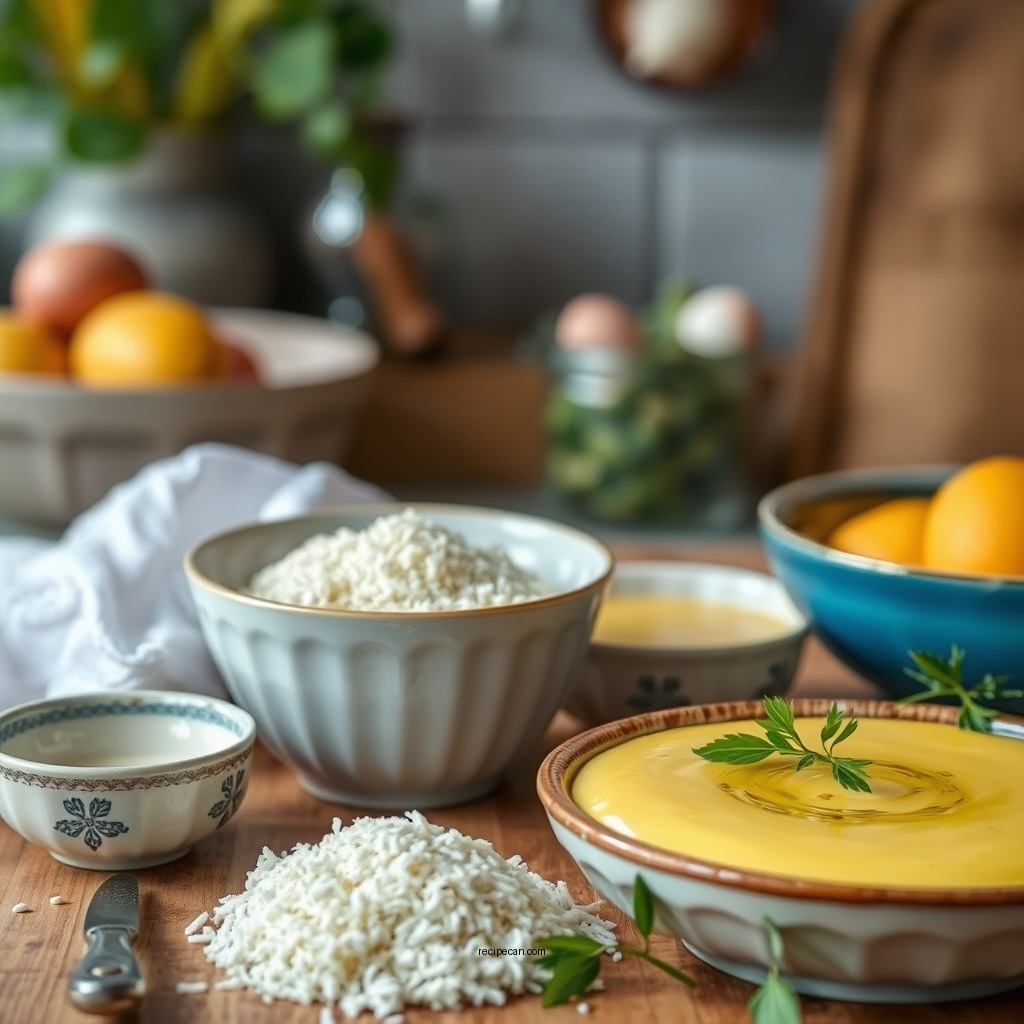
To prepare a delicious egg custard, you will need the following key ingredients:
– Eggs: The primary ingredient, typically using large eggs for optimal richness.
– Milk: Whole milk is preferred for its creaminess, but you can also use half-and-half for a richer flavor.
– Sugar: Granulated sugar sweetens the custard; adjust to taste based on your preference.
– Vanilla Extract: Pure vanilla extract enhances the overall flavor profile.
– Salt: A pinch of salt balances the sweetness and enhances the flavors.
Optional Ingredients for Variations
To customize your egg custard, consider adding optional ingredients such as:
– Nutmeg: A sprinkle of ground nutmeg adds a warm, spiced note.
– Chocolate: Melted chocolate can be incorporated for a rich chocolate custard.
– Citrus Zest: Lemon or orange zest can bring a refreshing brightness.
– Cinnamon: Adding a dash of cinnamon can create a comforting, holiday-inspired flavor.
Step-by-Step Preparation
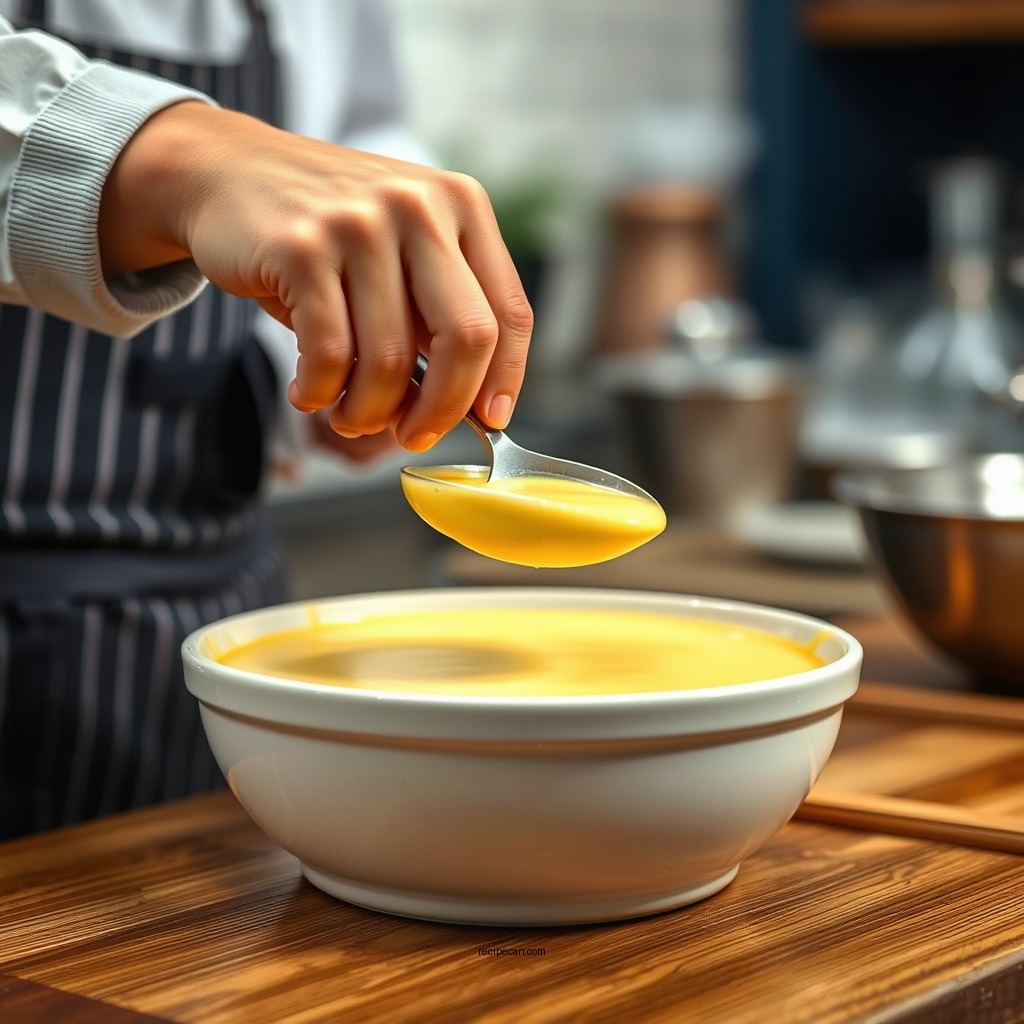
Follow these detailed instructions to prepare your egg custard:
1. Preheat Your Oven: Set your oven to 325°F (160°C) to ensure it is ready for baking.
2. Whisk the Ingredients: In a mixing bowl, whisk together the eggs and sugar until well combined. Gradually add the milk and vanilla extract, whisking continuously until the mixture is smooth and uniform.
3. Strain the Mixture: To achieve a silky texture, strain the custard mixture through a fine-mesh sieve into another bowl. This step helps remove any chalazae or egg solids that may cause a lumpy texture.
4. Add Salt: Stir in a pinch of salt to enhance the flavors.
5. Prepare the Baking Dish: Pour the custard mixture into individual ramekins or a larger baking dish.
6. Create a Water Bath: Place the ramekins in a deep baking dish and fill the outer dish with hot water until it reaches halfway up the sides of the ramekins. This water bath helps maintain a gentle cooking temperature, preventing the custard from curdling.
7. Bake: Place the baking dish in the preheated oven and bake for about 30-40 minutes, or until the custard is set but still slightly jiggly in the center.
8. Cool and Serve: Remove the custard from the oven and let it cool before serving. You can refrigerate it for a few hours for a chilled dessert.
Tips for Proper Cooking Techniques
– Monitor the Temperature: Use an instant-read thermometer to check the custard’s internal temperature; it should reach about 170°F (77°C) to ensure it is cooked without curdling.
– Avoid Overmixing: When combining ingredients, mix just until smooth. Overmixing can introduce air bubbles that may affect the custard’s texture.
Baking and Cooking Techniques
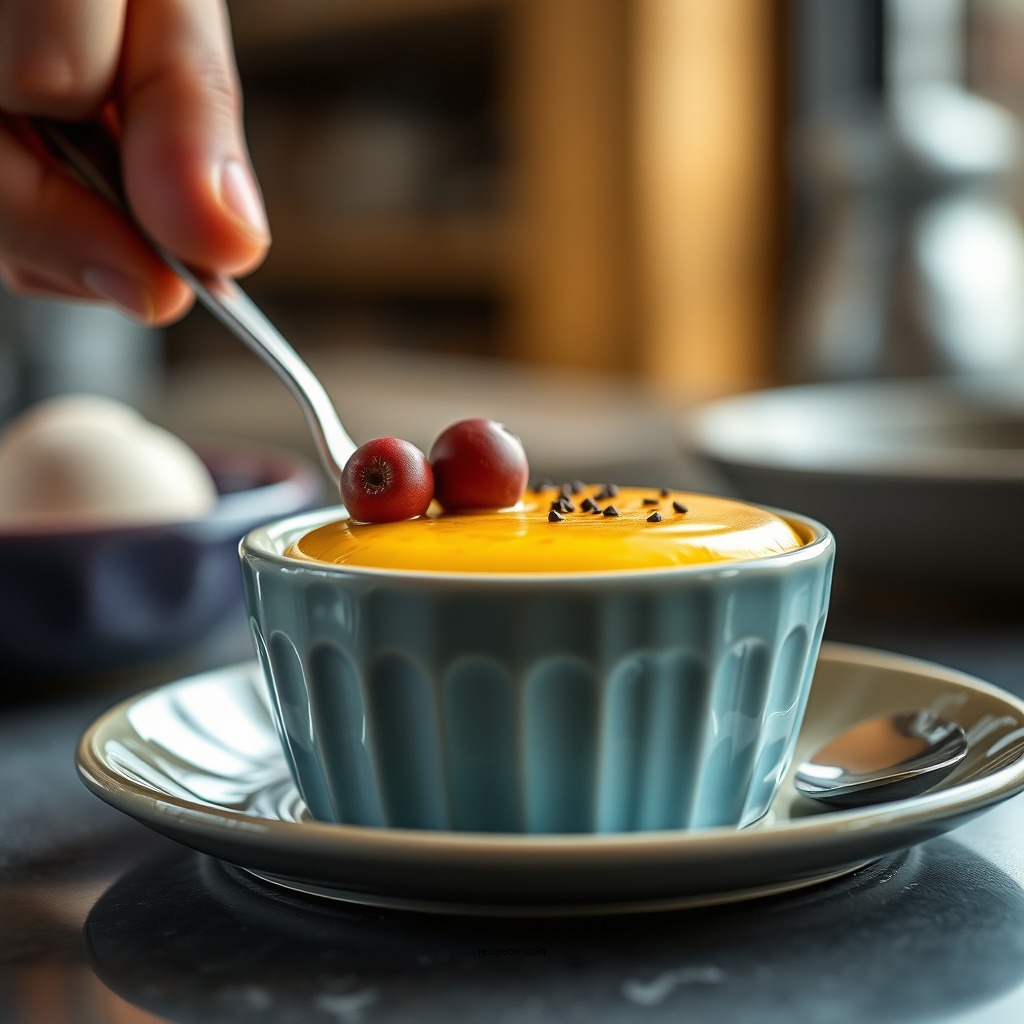
The method of baking egg custard is crucial to its success. The water bath technique is highly recommended as it ensures even cooking and prevents the custard from developing an undesirable texture.
Ideal Baking Temperatures and Times
– Temperature: 325°F (160°C) is the ideal baking temperature for custard.
– Baking Time: Generally, egg custard will take 30-40 minutes, but this can vary slightly based on your oven and the size of your ramekins.
Egg Custard Cooking Times and Temperatures
| # | Technique | Temperature (°F) | Baking Time (Minutes) | Custard Type |
|---|---|---|---|---|
| 1 | Water Bath | 325°F | 30-40 | Traditional |
| 2 | Direct Baking | 350°F | 25-30 | Quick |
| 3 | Steam Baking | 325°F | 20-30 | Delicate |
| 4 | Slow Cooker | Low | 120-180 | Creamy |
| 5 | Microwave | Medium | 5-10 | Quick |
| 6 | Sous Vide | 185°F | 60-90 | Precision |
Variations and Flavor Enhancements
While traditional egg custard is delicious on its own, you can easily enhance its flavor with various additions. Here are some ideas to inspire your creativity:
– Citrus Infusion: Incorporate lemon or lime zest into the mixture for a refreshing citrus twist.
– Spiced Variations: Besides nutmeg, consider adding ground ginger or cardamom for a unique flavor profile.
– Chocolate Custard: Melt dark or milk chocolate into the custard for a decadent dessert.
– Fruit Additions: Consider folding in pureed fruits, such as berries or bananas, into the custard before baking for a fruity texture and flavor.
Serving Suggestions
Presentation plays a vital role in enhancing the enjoyment of your egg custard. Here are some serving suggestions:
– Directly in Ramekins: Serve the custard in the ramekins for a rustic touch. Dust with freshly grated nutmeg or cocoa powder for garnish.
– Accompaniments: Pair the custard with fresh fruits, a drizzle of chocolate sauce, or homemade caramel for added sweetness.
– Whipped Cream: A dollop of lightly sweetened whipped cream on top adds a lovely contrast to the creamy custard.
– Chilled or Warm: Egg custard can be enjoyed warm right out of the oven or chilled in the refrigerator for a refreshing dessert.
Common Mistakes to Avoid
Making egg custard is relatively straightforward, but it’s easy to encounter pitfalls. Here are some common mistakes and how to avoid them:
– Overcooking: Keep a close eye on the custard as it nears the end of the baking time. Overcooking can lead to curdling and a grainy texture.
– Not Using a Water Bath: Baking without a water bath can cause uneven cooking and increase the risk of curdling.
– Skipping the Straining Step: Failing to strain the mixture can result in an undesirable texture. Always strain to achieve a smooth custard.
– Ignoring Temperature: Cooking at the wrong temperature can lead to inconsistent results. Stick to the recommended settings for best outcomes.
By keeping these tips in mind, you can troubleshoot any issues that arise during the preparation of your egg custard.
Common Mistakes in Egg Custard Preparation
Enjoy making your egg custard as it’s a delightful dessert that can be customized to your taste. Don’t hesitate to experiment with different flavors and serving styles. Try out this recipe today, and impress your family and friends with your culinary skills! With the right techniques and a few creative variations, your homemade egg custard could become a cherished family favorite for years to come.
Frequently Asked Questions
What ingredients are needed to make a basic egg custard?
To make a basic egg custard, you will need eggs, milk, sugar, vanilla extract, and a pinch of salt. Typically, the recipe calls for about 4 large eggs, 2 cups of milk, 1/2 cup of sugar, and 1 teaspoon of vanilla extract, which create a smooth and creamy texture.
How do you prevent egg custard from curdling while baking?
To prevent egg custard from curdling, it’s essential to temper the eggs by gradually adding hot milk to them while whisking continuously. Additionally, baking the custard in a water bath helps maintain a gentle and even temperature, which reduces the chances of curdling during the cooking process.
Why does my egg custard have a grainy texture?
A grainy texture in egg custard often results from overcooking or cooking at too high a temperature, which causes the proteins in the eggs to coagulate too quickly. To achieve a smooth custard, ensure that you bake it at a low temperature and monitor it closely, removing it from the oven as soon as it is set.
What is the best way to serve egg custard?
The best way to serve egg custard is chilled, allowing it to firm up and enhance its flavor. You can serve it plain or with toppings such as fresh fruit, a sprinkle of nutmeg, or whipped cream for added taste and texture.
Which type of milk is best for making egg custard?
Whole milk is generally considered the best type of milk for making egg custard, as it provides a rich, creamy texture and enhances the overall flavor. However, you can also use half-and-half or heavy cream for an even richer custard, but be mindful that this will increase the calorie content.
References
- Custard
https://en.wikipedia.org/wiki/Custard - https://www.bbc.co.uk/food/recipes/egg_custard_93542
https://www.bbc.co.uk/food/recipes/egg_custard_93542 - https://www.mayoclinic.org/healthy-lifestyle/nutrition-and-healthy-eating/in-depth/healthy-eating/art-20045429
https://www.mayoclinic.org/healthy-lifestyle/nutrition-and-healthy-eating/in-depth/healthy-eating/art-20045429 - https://www.sciencedirect.com/topics/food-science/custard
https://www.sciencedirect.com/topics/food-science/custard - https://www.ncbi.nlm.nih.gov/pmc/articles/PMC6410713/
https://www.ncbi.nlm.nih.gov/pmc/articles/PMC6410713/ - Custard | Definition, Ingredients, & Preparation | Britannica
https://www.britannica.com/topic/custard - Google Scholar Google Scholar
https://scholar.google.com/scholar?q=recipe+egg+custard - Google Scholar Google Scholar
https://scholar.google.com/scholar?q=custard+nutritional+information - https://scholar.google.com/scholar?q=history+of+custard Google Scholar
https://scholar.google.com/scholar?q=history+of+custard - https://www.foodnetwork.com/recipes/articles/what-is-custard
https://www.foodnetwork.com/recipes/articles/what-is-custard