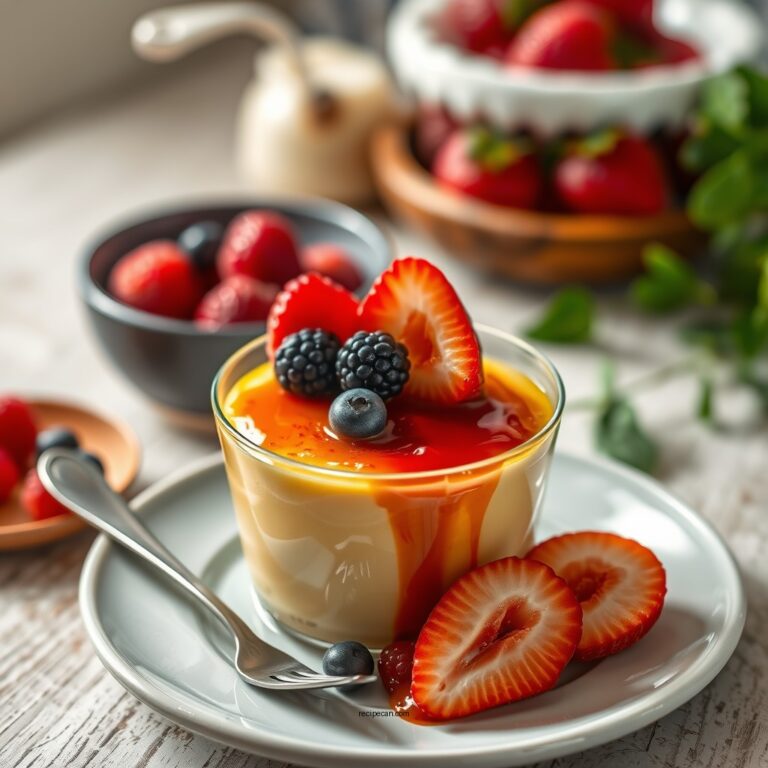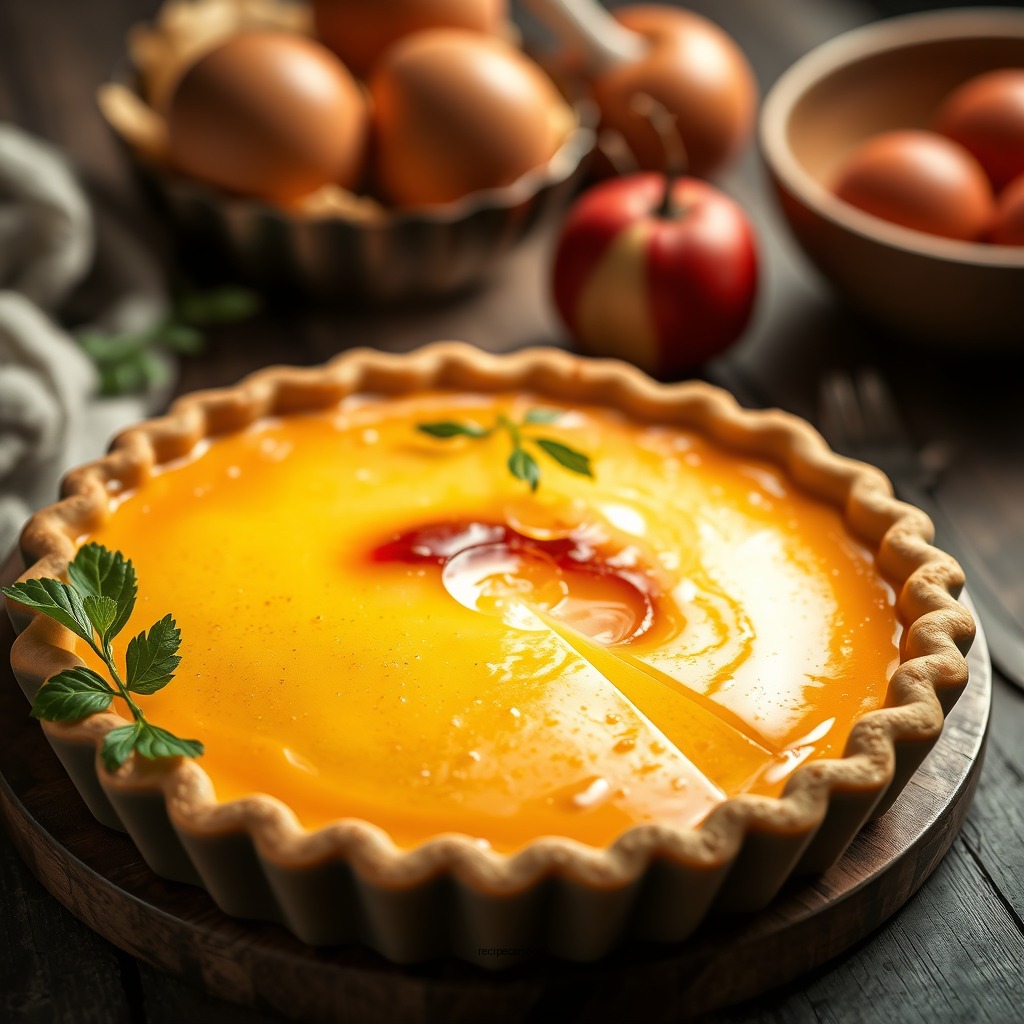
Egg custard pie is a delightful dessert that combines a smooth, creamy custard filling with a buttery, flaky crust, making it a classic favorite among dessert lovers. Whether you’re a seasoned baker or just starting your culinary journey, this article will guide you through an array of egg custard pie recipes, essential baking tips, and creative flavor variations. With these recipes in hand, you’ll be well-equipped to impress family and friends with a delectable treat that is sure to become a staple in your dessert repertoire.
Classic Egg Custard Pie Recipe
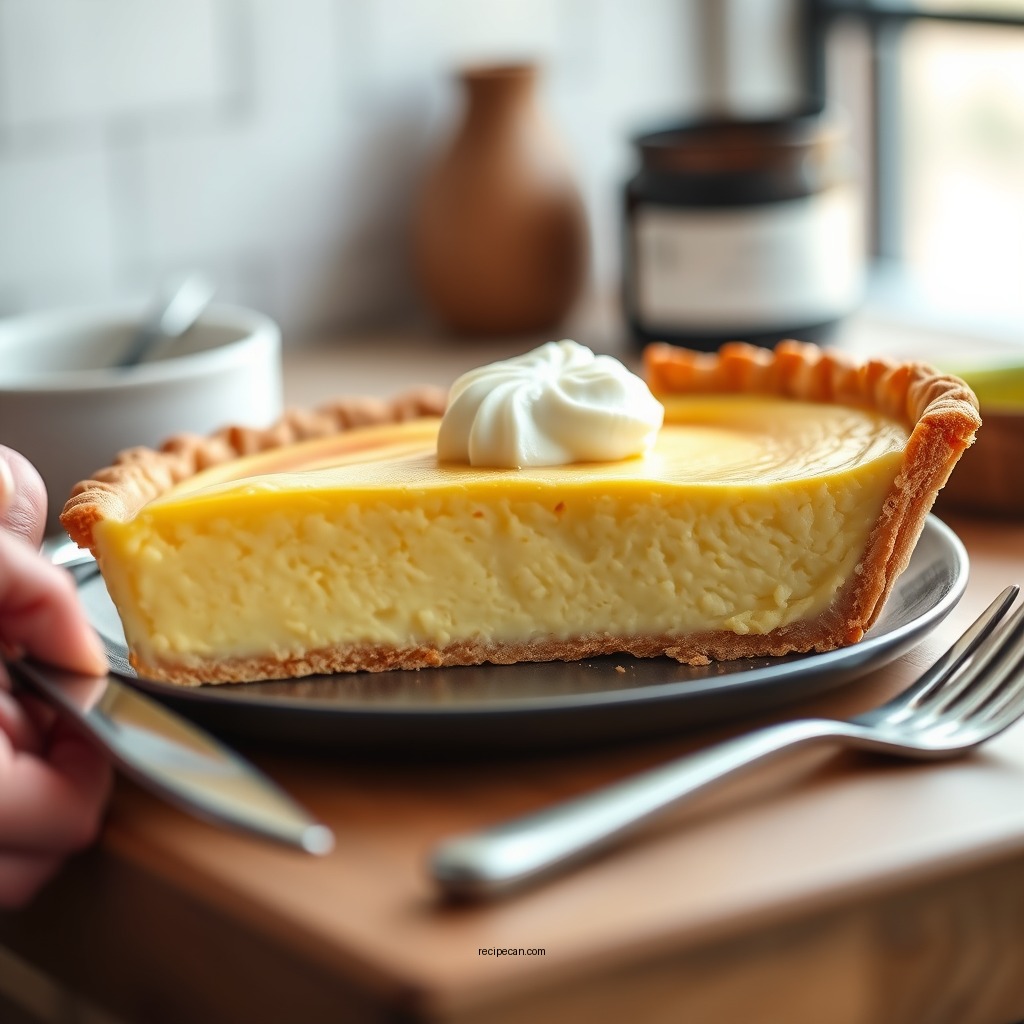
Ingredients
To create the perfect egg custard pie, you’ll need a few essential ingredients that come together to form a rich and satisfying filling:
– Eggs: 4 large eggs, which provide the structure and richness.
– Milk: 2 cups of whole milk, adding creaminess and moisture.
– Sugar: 3/4 cup granulated sugar, for sweetness.
– Vanilla Extract: 1 teaspoon, to enhance flavor.
– Salt: A pinch, to balance the sweetness.
– Pie Crust: 1 pre-made or homemade pie crust, for that flaky texture.
Baking Instructions
1. Prepare the Crust: Preheat your oven to 350°F (175°C). If using a store-bought crust, place it in a 9-inch pie dish. If making your own, roll out the dough and fit it into the dish, crimping the edges as desired.
2. Whisk the Filling: In a large mixing bowl, whisk together the eggs, sugar, and salt until smooth. Gradually stir in the milk and vanilla, ensuring the mixture is well combined and free of lumps.
3. Pour and Bake: Pour the custard filling into the prepared crust. Bake for 45-55 minutes, or until the custard is set but still slightly jiggly in the center. A knife inserted should come out clean.
4. Cool and Serve: Let the pie cool on a wire rack for at least 2 hours before slicing. Serve chilled or at room temperature.
Variations on Egg Custard Pie

Flavor Enhancements
While the classic recipe is delightful on its own, consider these flavor enhancements to personalize your pie:
– Nutmeg: Add 1/2 teaspoon of freshly grated nutmeg to the filling for a warm, spiced flavor.
– Lemon Zest: Incorporate 1 teaspoon of lemon zest for a refreshing citrus twist.
– Chocolate: Melt 4 ounces of dark chocolate and whisk it into the custard for a rich chocolate custard pie.
Alternative Crust Options
Experimenting with different crusts can elevate your egg custard pie experience:
– Graham Cracker Crust: For a sweeter, crunchier base, use crushed graham crackers mixed with butter.
– Almond Crust: A gluten-free option can be made with almond flour, providing a nutty flavor.
– Cookie Crust: Use crushed chocolate or vanilla cookies for a unique flavor profile.
Popular Variations of Egg Custard Pie
| # | Variation | Main Ingredient | Popularity (%) |
|---|---|---|---|
| 1 | Classic Vanilla | Vanilla Extract | 45% |
| 2 | Chocolate Custard | Dark Chocolate | 30% |
| 3 | Coconut Custard | Coconut Milk | 15% |
| 4 | Lemon Zest Custard | Lemon Zest | 10% |
| 5 | Nutmeg Custard | Nutmeg | 5% |
Tips for Achieving the Perfect Custard
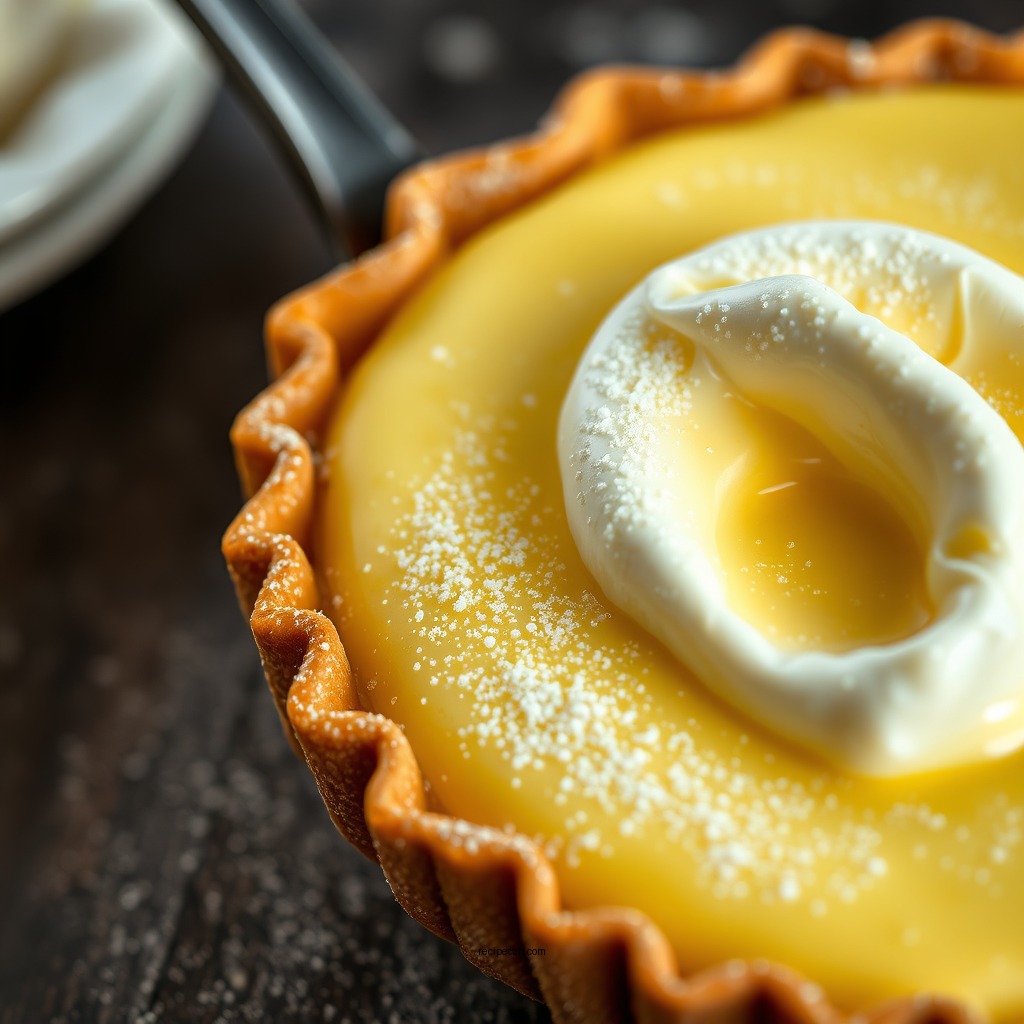
Temperature Control
One of the most critical aspects of making egg custard pie is controlling the temperature during baking. Baking at too high a temperature can lead to curdling, resulting in a grainy texture. To avoid this, always bake your custard at a low temperature, between 325°F to 350°F (163°C to 175°C). Using a water bath (bain-marie) can also help regulate the temperature, ensuring even cooking and preventing overcooking.
Mixing Techniques
Proper mixing techniques are essential for achieving a smooth custard. When whisking the eggs and sugar, do so gently to avoid incorporating too much air, which can create bubbles in the custard. Gradually add the milk to the egg mixture, whisking continuously to combine. Straining the mixture through a fine mesh sieve before pouring it into the crust can also remove any lumps and promote a silky texture.
Egg Custard Pie Baking Tips Effectiveness
Serving Suggestions
Ideal Pairings
Egg custard pie is delicious on its own, but pairing it with complementary flavors can enhance the overall experience. Consider these pairing suggestions:
– Whipped Cream: A dollop of freshly whipped cream adds a light, airy texture.
– Fresh Fruit: Slices of strawberries, raspberries, or a citrus salad can provide a refreshing balance.
– Caramel Sauce: Drizzling homemade or store-bought caramel sauce adds a rich sweetness.
Presentation Ideas
Presentation is key to making your egg custard pie visually appealing. Here are some tips:
– Garnish: Use fresh mint leaves or edible flowers for a pop of color.
– Serving Plates: Serve slices on elegant plates, dusted with powdered sugar for an upscale look.
– Plating: Create a layered look by placing a slice of pie over a small pool of sauce or coulis.
Storing and Reheating Egg Custard Pie
Storage Tips
To keep your egg custard pie fresh, follow these storage tips:
– Refrigeration: Store the pie in the refrigerator, covered loosely with plastic wrap or aluminum foil, for up to 4 days.
– Avoid Freezing: Custard pies do not freeze well, as the texture can become grainy upon thawing.
Reheating Methods
When reheating slices of egg custard pie, it is essential to maintain taste and texture. Use these methods:
– Oven: Preheat the oven to 350°F (175°C). Place the slice on a baking sheet and cover it with foil to prevent over-browning. Heat for about 10-15 minutes.
– Microwave: For a quicker option, microwave a slice on medium power for 20-30 seconds, checking to ensure it doesn’t overheat.
Common Mistakes to Avoid
Overbaking
Overbaking is one of the most common pitfalls when making egg custard pie. Signs of overbaking include a crust that is too dark and a custard that has puffed up excessively. To avoid this, keep an eye on the pie towards the end of the baking time and check for doneness with a knife or toothpick.
Ingredient Substitutions
While substitutions can sometimes enhance a recipe, they can also lead to disappointing results. For example, using low-fat milk instead of whole milk can affect the creaminess and richness of the custard. Always opt for the ingredients specified in the recipe for the best outcome.
In conclusion, egg custard pie is a timeless dessert that offers endless possibilities for customization and enjoyment. Whether you opt for the classic version or experiment with unique flavors, this pie is sure to delight. We encourage you to try your hand at these recipes and share your experiences, variations, and tips in the comments. Join the community of egg custard pie enthusiasts and celebrate this classic dessert together!
Frequently Asked Questions
What are the key ingredients for a classic egg custard pie recipe?
A classic egg custard pie recipe typically requires simple yet essential ingredients: eggs, milk, sugar, vanilla extract, and a pie crust. The eggs and milk form the custard base, while sugar adds sweetness, and vanilla enhances the flavor. Using high-quality ingredients will ensure a rich and creamy texture in your pie.
How can I prevent my egg custard pie from cracking?
To prevent your egg custard pie from cracking, it’s crucial to bake it at a lower temperature and avoid overcooking. Additionally, using a water bath can help regulate the heat and maintain moisture, which reduces the risk of cracks. Once baked, allow the pie to cool gradually at room temperature before refrigerating to minimize sudden temperature changes.
Why is my egg custard pie watery, and how can I fix it?
A watery egg custard pie can result from using too much milk or not enough eggs in your recipe, which compromises the custard’s structure. To fix this, ensure you have the correct ratio of eggs to milk, typically 1 egg for every cup of milk. Additionally, baking the pie until it’s just set will help achieve the desired creamy consistency without excess liquid.
What is the best way to store leftover egg custard pie?
The best way to store leftover egg custard pie is to cover it with plastic wrap or aluminum foil and refrigerate it. Properly stored, it can last for up to 3-4 days in the fridge. If you want to keep it longer, consider freezing individual slices, wrapped tightly to prevent freezer burn, which can be enjoyed later.
Which spices can I add to enhance the flavor of my egg custard pie?
To enhance the flavor of your egg custard pie, consider adding spices like nutmeg, cinnamon, or even a hint of allspice. These spices complement the sweetness of the custard and add warmth to the overall profile. A sprinkle of nutmeg on top before serving can also provide an aromatic touch that elevates your pie’s presentation.
References
- Custard
https://en.wikipedia.org/wiki/Custard - https://www.bbc.co.uk/food/recipes/classic_egg_custard_19437
https://www.bbc.co.uk/food/recipes/classic_egg_custard_19437 - Upside-Down Date Cake With Marmalade Recipe
https://www.nytimes.com/recipes/1019825/egg-custard-pie.html - Custard | Definition, Ingredients, & Preparation | Britannica
https://www.britannica.com/topic/custard - Google Scholar Google Scholar
https://scholar.google.com/scholar?q=egg+custard+pie+recipes - Google Scholar Google Scholar
https://scholar.google.com/scholar?q=custard+desserts - Google Scholar Google Scholar
https://scholar.google.com/scholar?q=egg+custard+history - https://www.sciencedirect.com/topics/food-science/custard
https://www.sciencedirect.com/topics/food-science/custard - egg custard pie recipes – Search results
https://en.wikipedia.org/wiki/Special:Search?search=egg+custard+pie+recipes - https://www.ncbi.nlm.nih.gov/search/research-articles/?term=egg+custard+pie+recipes
https://www.ncbi.nlm.nih.gov/search/research-articles/?term=egg+custard+pie+recipes