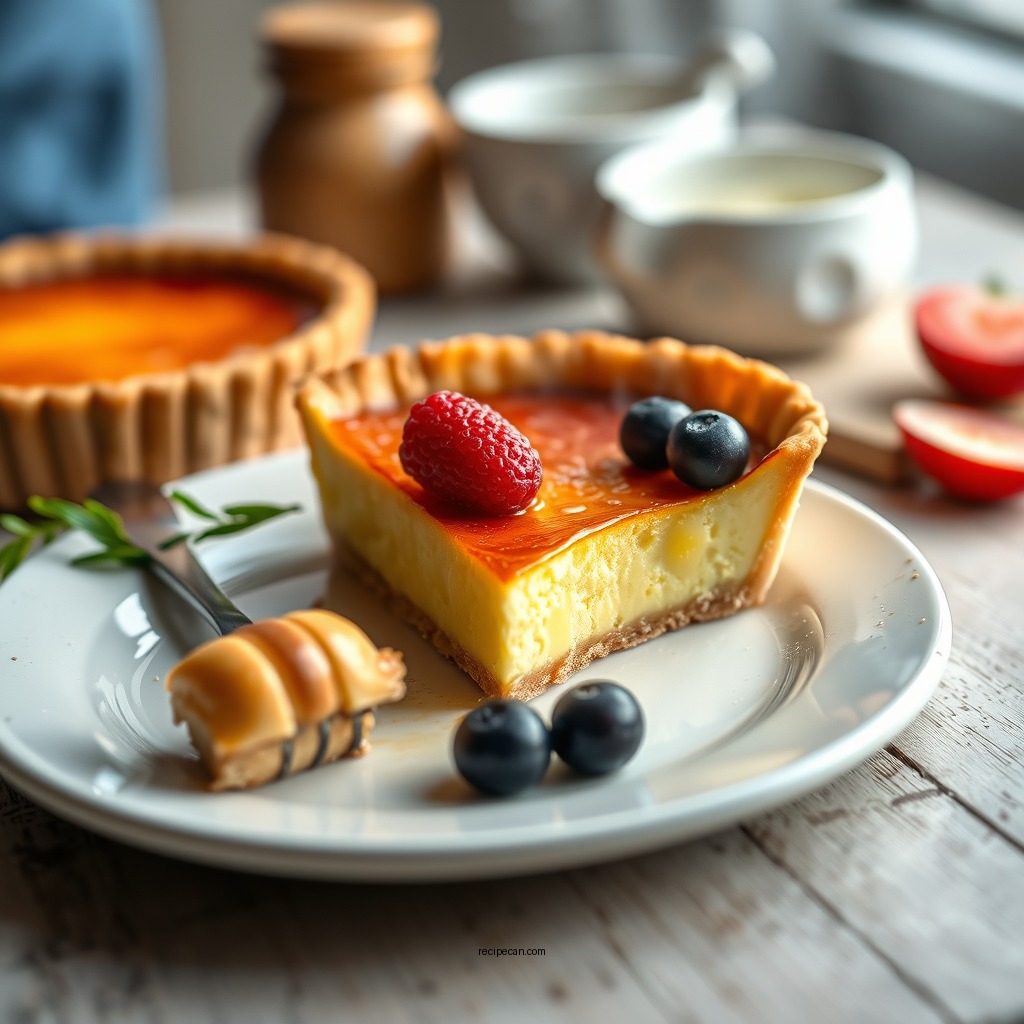
Making a custard tart is simpler than you might think, and it results in a deliciously creamy dessert perfect for any occasion. In this article, you’ll learn how to create a classic custard tart, from the pastry base to the creamy filling, ensuring a delightful treat for your family and friends. By following this step-by-step guide, you’ll be able to impress your guests and elevate your dessert repertoire.
Choosing the Right Ingredients
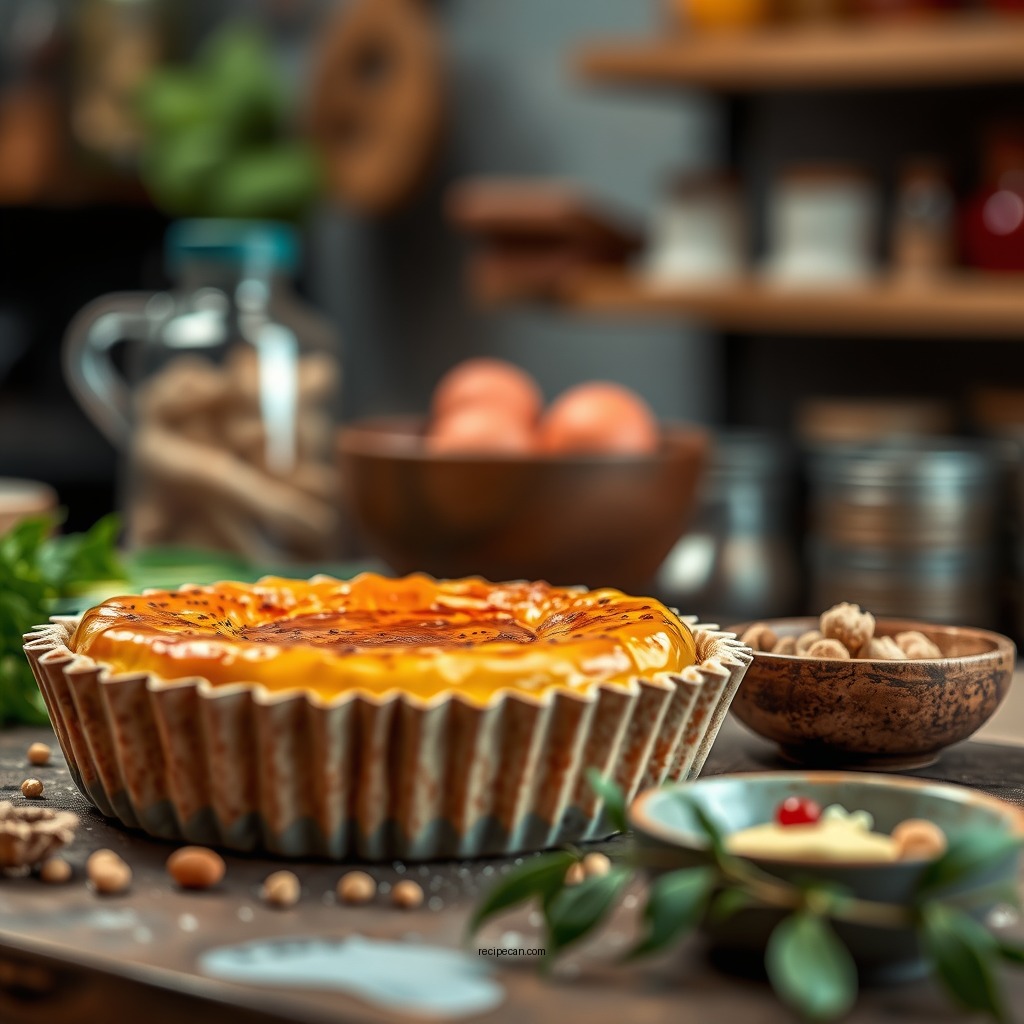
The foundation of a successful custard tart lies in the quality of its ingredients. For the best outcome, consider the following:
– Fresh Eggs: Using fresh eggs is essential, as they not only provide a richer flavor but also contribute to the overall texture of the custard. Eggs act as the binding agent and help achieve the perfect creamy consistency.
– High-Quality Vanilla Extract or Beans: The flavor of vanilla significantly enhances the custard’s aroma and taste. Opt for pure vanilla extract or use vanilla beans for a more intense flavor profile. If using beans, scrape the seeds from the pod and incorporate them into the mixture for an authentic touch.
– Whole Milk or Cream: The choice between milk and cream can drastically affect the creaminess of your custard. Whole milk will yield a lighter custard, while using heavy cream will result in a richer, more decadent filling. For the best results, consider a combination of both.
Preparing the Pastry Base
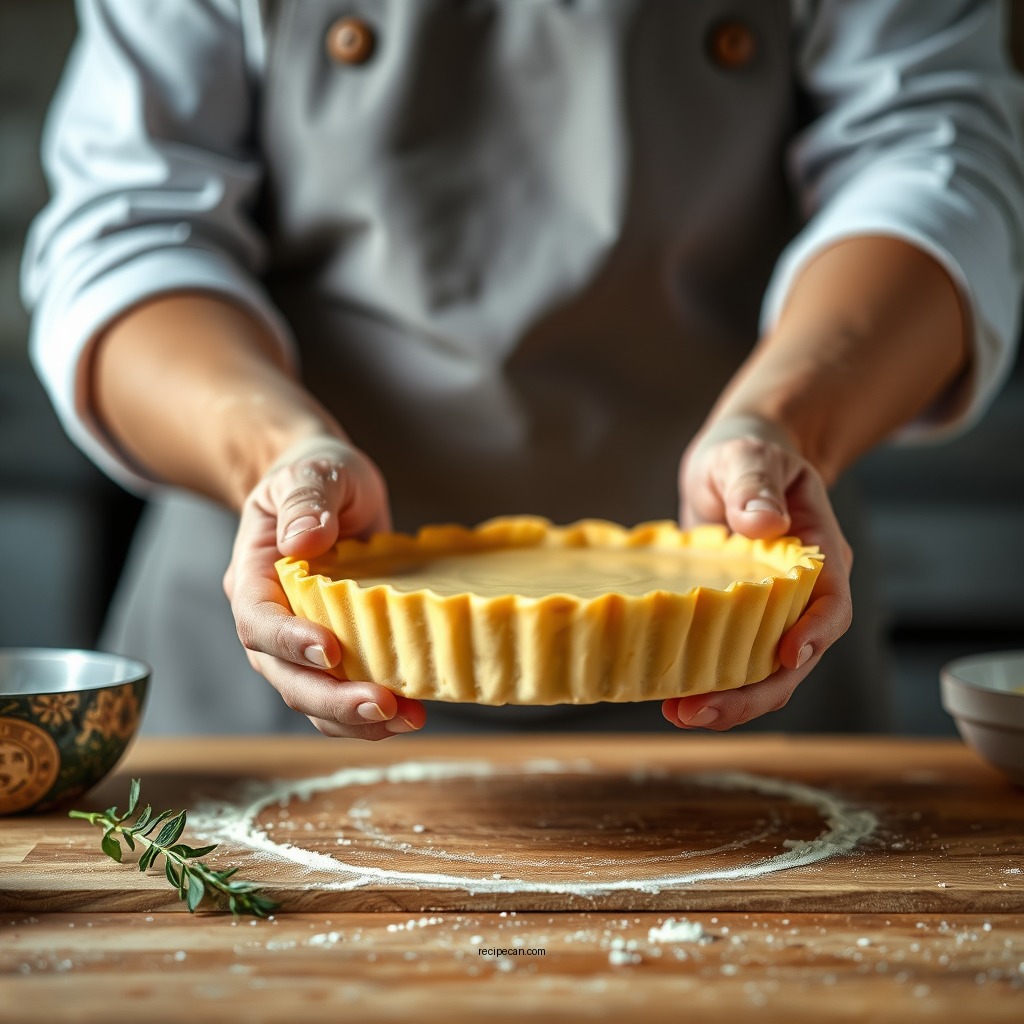
The pastry shell is critical for providing structure and a delightful contrast to the creamy filling. Here’s how to prepare it:
– Make Shortcrust Pastry: Combine all-purpose flour, cold butter, sugar, and a pinch of salt in a mixing bowl. The butter should be cut into small cubes and worked into the flour until the mixture resembles breadcrumbs. This technique ensures a flaky texture.
– Chill the Pastry: Once the dough is formed, wrap it in plastic wrap and refrigerate it for at least 30 minutes. Chilling the pastry prevents it from shrinking when baked, allowing it to maintain its shape.
– Blind Bake the Pastry: Preheat your oven and roll out the chilled pastry to fit your tart pan. Place it in the pan and cover it with parchment paper, filling it with pie weights or dried beans. This process, known as blind baking, ensures that the pastry remains crisp and does not become soggy when the custard is added.
Making the Custard Filling
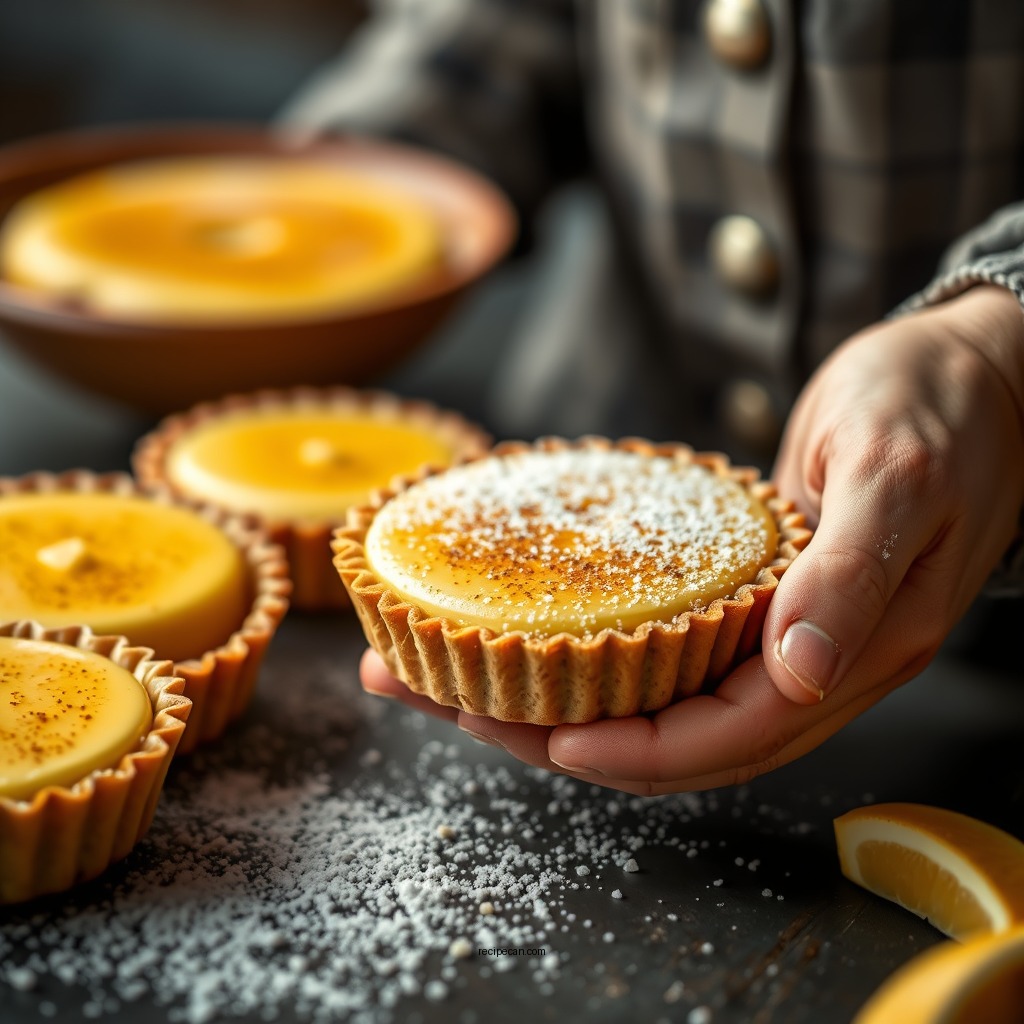
Creating the custard filling is the most crucial step in this recipe. Follow these steps for a smooth custard:
– Whisk Together the Ingredients: In a large bowl, combine eggs, granulated sugar, and your choice of milk or cream. Whisk until the mixture is smooth and homogenous. This step is vital as it incorporates air into the custard, contributing to its light texture.
– Flavor Infusion: Add your high-quality vanilla extract or the seeds from a vanilla bean to the mixture. This infusion will elevate the flavor, making your custard tart truly memorable.
– Strain the Mixture: To ensure a silky smooth texture, strain the custard mixture through a fine sieve into another bowl. This process removes any lumps or coagulated egg bits that may have formed during whisking, resulting in a perfect custard.
Top Ingredients for Custard Tart (2024)
| # | Ingredient | Quality Rating | Usage Frequency | Flavor Profile |
|---|---|---|---|---|
| 1 | Fresh Eggs | ★★★★★ | Every time | Rich & Creamy |
| 2 | Whole Milk | ★★★★☆ | Often | Smooth & Creamy |
| 3 | Heavy Cream | ★★★★★ | Sometimes | Decadent |
| 4 | Vanilla Extract | ★★★★★ | Every time | Aromatic |
| 5 | Granulated Sugar | ★★★★☆ | Every time | Sweet |
| 6 | Salt | ★★★★☆ | Occasionally | Enhances Flavor |
| 7 | Nutmeg (optional) | ★★★☆☆ | Sometimes | Warm Spice |
Baking the Tart
Baking the custard tart requires careful attention to temperature and timing:
– Pour the Custard Filling: Once the pastry shell is pre-baked and cooled slightly, carefully pour the strained custard filling into the shell. Take care not to disturb the pastry, as this could lead to cracks.
– Bake Slowly: Preheat your oven to a low temperature, around 160°C (320°F). Baking at a lower temperature allows the custard to set gradually, avoiding curdling. The tart should be placed in the center of the oven to ensure even heat distribution.
– Monitor the Baking Process: Keep a close eye on your tart. It is ready when the custard is set around the edges but still slightly wobbly in the center. This slight jiggle indicates a perfectly creamy custard.
Custard Tart Baking Progress (Time vs. Temperature)
Cooling and Serving
Proper cooling and serving techniques enhance the dessert’s presentation and flavor:
– Cool Completely: After baking, allow the tart to cool in the pan for about 15 minutes, then carefully transfer it to a wire rack to cool completely. This step prevents condensation from forming on the tart, which can lead to a soggy texture.
– Serve at the Right Temperature: Custard tarts can be served chilled or at room temperature, depending on personal preference. For a refreshing touch, consider garnishing with fresh berries, a dusting of powdered sugar, or a dollop of whipped cream.
– Pair with Accompaniments: To elevate the experience further, serve your slice of custard tart with a side of whipped cream or a scoop of vanilla ice cream. This pairing adds another layer of flavor and texture, making the dessert even more indulgent.
Tips for Success
Here are some expert tips to ensure your custard tart is a resounding success:
– Experiment with Flavorings: While vanilla is classic, don’t hesitate to try different flavor profiles such as lemon zest or almond extract for a unique twist.
– Use the Right Pan: A tart pan with a removable bottom is ideal for easy release and presentation. This feature allows you to serve the tart neatly without damaging the delicate pastry.
– Practice Patience: Mastering the custard tart may take a few attempts. If your first effort isn’t perfect, don’t be discouraged. Each attempt provides valuable experience, leading you closer to perfection.
Creating a custard tart is an enjoyable process that results in a delightful dessert everyone will love. With the right ingredients and techniques, you can master this classic recipe and impress your guests. Try it out today and indulge in the creamy goodness of homemade custard tart!
Frequently Asked Questions
What are the key ingredients for a basic custard tart recipe?
A basic custard tart recipe typically requires a buttery pastry crust, eggs, sugar, milk or cream, and vanilla for flavor. To achieve the perfect custard filling, use fresh eggs and whole milk for a rich texture, ensuring your tart is both smooth and creamy.
How do I prevent my custard tart from cracking while baking?
To prevent your custard tart from cracking, bake it in a water bath, which helps regulate the temperature and ensures even cooking. Additionally, avoid overbaking by checking for a slight jiggle in the center when it’s done, and let it cool gradually to room temperature before chilling.
Why is my custard tart filling not setting properly?
If your custard tart filling is not setting properly, it may be due to undercooking or using too much liquid. Ensure you follow the correct ratios of eggs to milk and cook the filling until it thickens, which usually occurs around 170°F (77°C). Always allow it to cool completely before slicing.
What is the best way to flavor custard for a tart?
The best way to flavor custard for a tart is by infusing the milk or cream with ingredients like vanilla beans, citrus zest, or spices such as nutmeg. For a more intense flavor, allow the mixture to steep before straining, ensuring your custard has a rich and aromatic profile.
Which type of pastry is best for a custard tart?
The best type of pastry for a custard tart is a shortcrust pastry, which provides a sturdy base and a buttery flavor that complements the creamy filling. A sweet shortcrust can add a touch of sweetness, while a savory pastry can create a delicious contrast, depending on your custard flavor.
References
- https://en.wikipedia.org/wiki/Custard
https://en.wikipedia.org/wiki/Custard - https://www.bbc.co.uk/food/recipes/custard_tart_22467
https://www.bbc.co.uk/food/recipes/custard_tart_22467 - NYT Cooking – Recipes and Cooking Guides From The New York Times
https://www.nytimes.com/recipes/1019734/custard-tart - https://www.theguardian.com/food/2020/jul/30/how-to-make-a-perfect-custard-tart
https://www.theguardian.com/food/2020/jul/30/how-to-make-a-perfect-custard-tart - https://www.sciencedirect.com/topics/food-science/custard
https://www.sciencedirect.com/topics/food-science/custard - https://www.britannica.com/topic/custard-tart
https://www.britannica.com/topic/custard-tart - Google Scholar Google Scholar
https://scholar.google.com/scholar?q=custard+recipe+tart - Google Scholar Google Scholar
https://scholar.google.com/scholar?q=custard+tart+history - Google Scholar Google Scholar
https://scholar.google.com/scholar?q=custard+recipes - https://www.nutrition.gov/topics/whats-in-food/food-safety/custard-safety
https://www.nutrition.gov/topics/whats-in-food/food-safety/custard-safety