Carnival squash is a flavorful and versatile ingredient that can elevate your meals with its unique taste and vibrant appearance. This article provides you with a straightforward carnival squash recipe that is not only easy to follow but also perfect for any occasion. Impress your family and friends with this delightful dish that showcases the rich, nutty flavor of carnival squash, making it a fantastic addition to your culinary repertoire.
Choosing the Right Carnival Squash
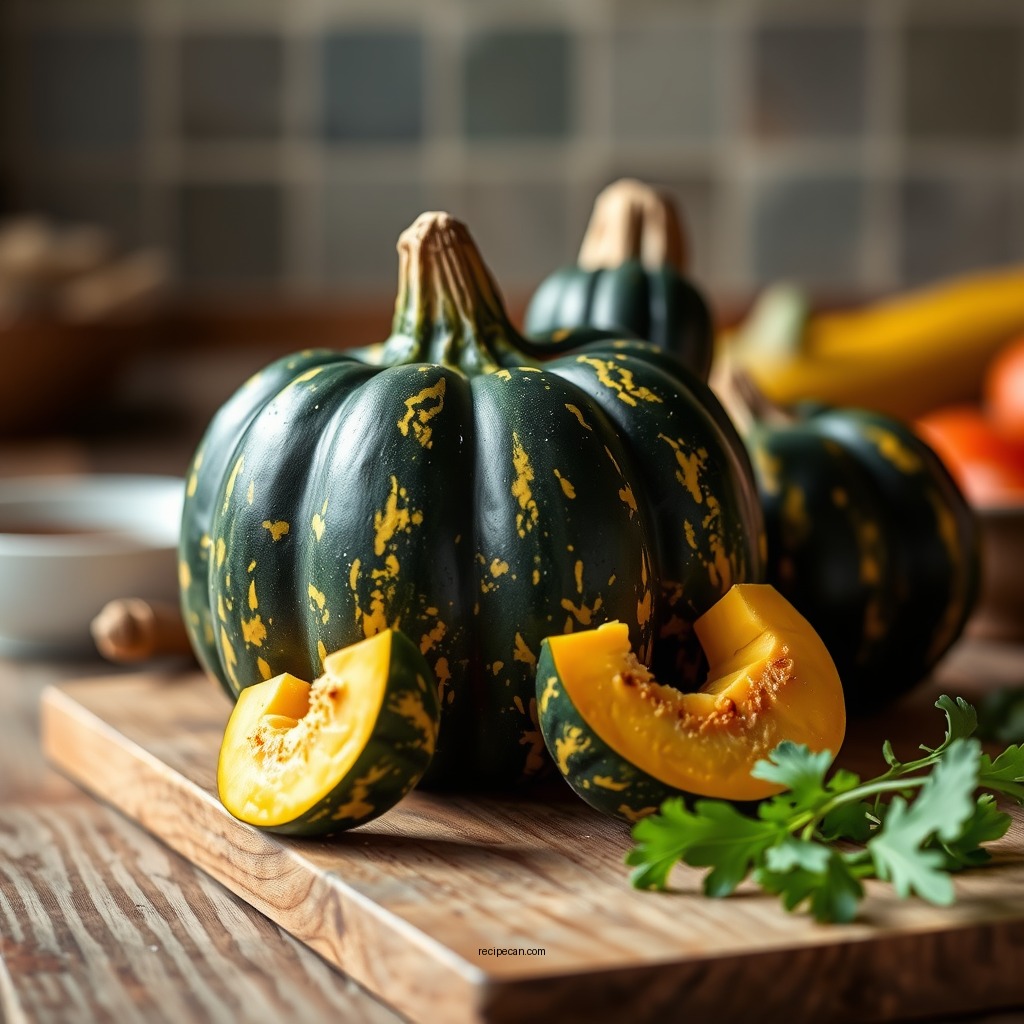
When selecting carnival squash, it’s essential to pick the right one to guarantee the best taste and texture.
– Look for firmness: Choose squash that feels firm to the touch, as any soft spots may indicate spoilage. A healthy carnival squash should also be free of blemishes or marks on its skin, which can affect its quality.
– Size matters: Opt for smaller to medium-sized squash, typically weighing between 1 to 3 pounds. These tend to have a sweeter and more concentrated flavor than larger varieties, making them ideal for various culinary applications.
Understanding how to select the perfect carnival squash can greatly enhance your cooking experience, ensuring that your dish stands out.
Preparing the Carnival Squash
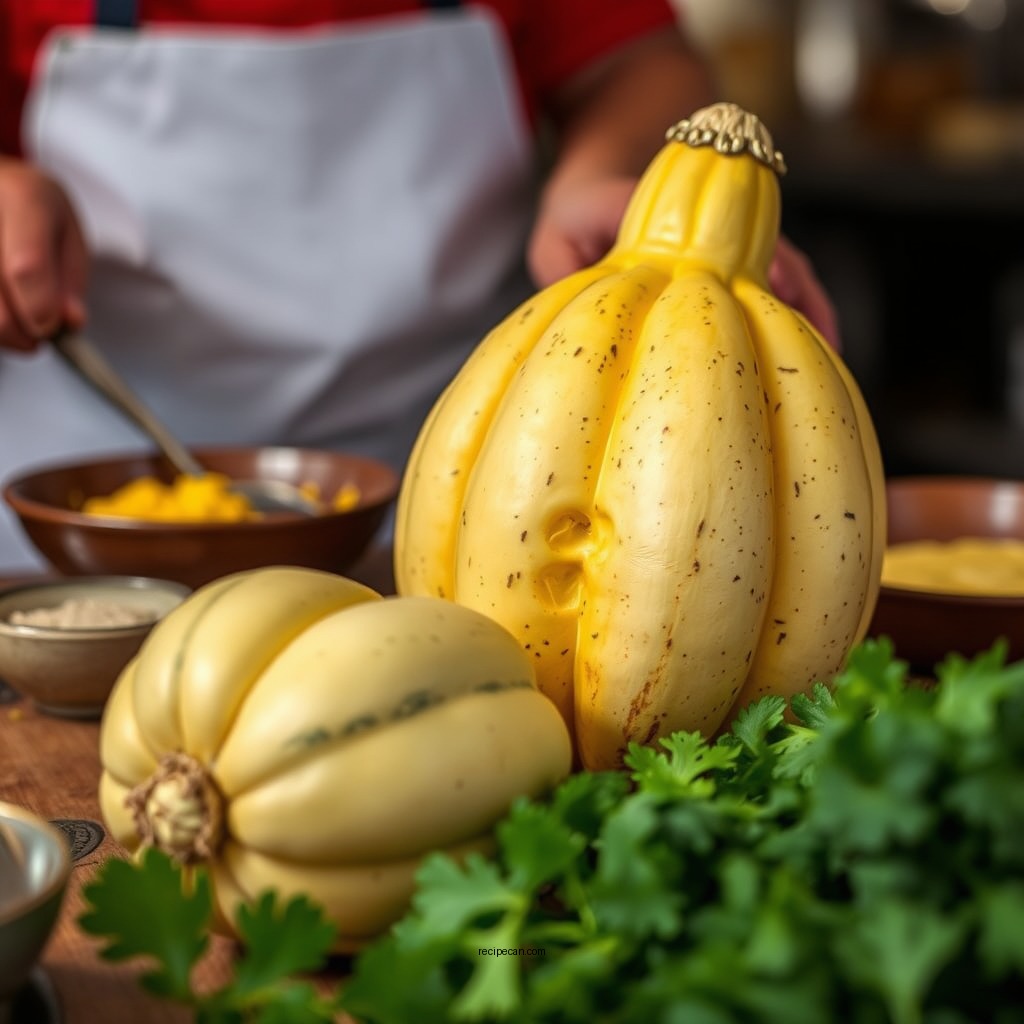
Once you’ve selected your carnival squash, the next step is preparation. This process is simple and quick, allowing you to focus on the cooking.
– Washing: Begin by washing the squash thoroughly under running water to remove any dirt or pesticides. Use a vegetable brush to scrub the skin gently, ensuring it’s clean.
– Cutting and seeding: With a sharp knife, slice the squash in half lengthwise. Use a spoon to scoop out the seeds and stringy insides, similar to how you would prepare a pumpkin. This step is crucial as it prepares the squash for cooking and allows the flavors to penetrate more deeply.
Preparing carnival squash does not take much time, making it a convenient choice for busy individuals looking to create a nutritious meal.
Cooking Methods for Carnival Squash
There are several methods to cook carnival squash, each offering a unique texture and flavor profile.
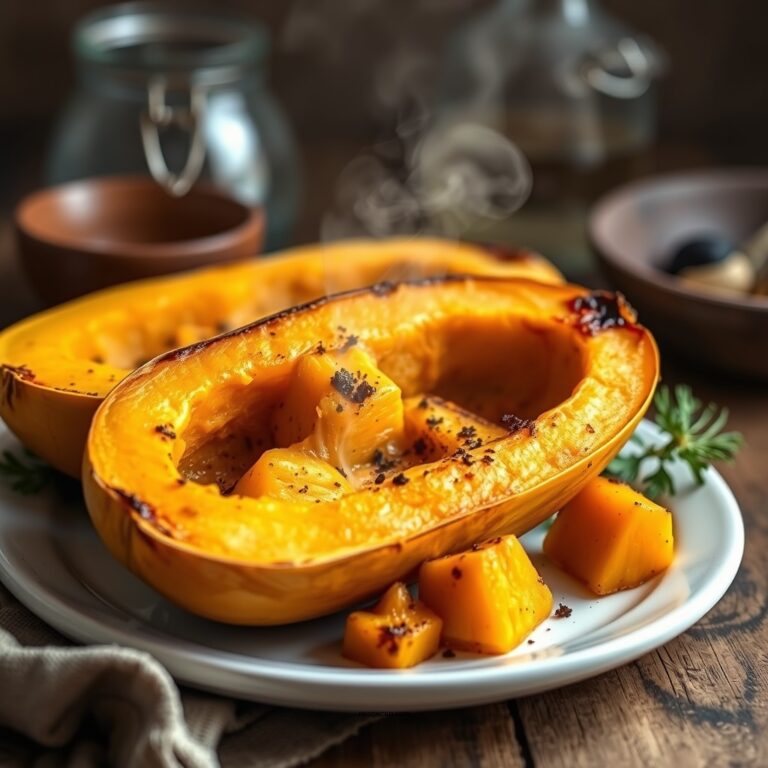
– Roasting: This is one of the most popular methods. Start by preheating your oven to 400°F (200°C). Toss the squash halves with olive oil, salt, and pepper, ensuring they are evenly coated. Place them cut-side down on a baking sheet and roast for 25-30 minutes until tender and caramelized. Roasting enhances the sweetness and brings out the natural flavors of the squash.
– Steaming: For a healthier option, steaming is an excellent choice. Cut the squash into smaller chunks or keep them halved. Steam the squash for about 15-20 minutes, or until tender. This method preserves more nutrients and results in a softer texture, making it ideal for adding to soups or purees.
Both methods yield delicious results, but roasting typically offers a more robust flavor due to the caramelization process.
Nutritional Profile of Carnival Squash (per 100g)
| # | Nutrient | Amount | % Daily Value |
|---|---|---|---|
| 1 | Calories | 45 | 2% |
| 2 | Carbohydrates | 11g | 4% |
| 3 | Fiber | 2g | 8% |
| 4 | Protein | 1g | 2% |
| 5 | Vitamin A | 10,000 IU | 200% |
| 6 | Potassium | 350mg | 10% |
| 7 | Vitamin C | 12mg | 20% |
Flavoring and Seasoning Options
Carnival squash lends itself beautifully to a range of flavors, making it suitable for both sweet and savory dishes.
– Sweet variations: For a dessert-like experience, consider adding brown sugar, cinnamon, and nutmeg. Simply sprinkle these spices over the roasted squash during the last 10 minutes of cooking. The result is a warm, comforting dish reminiscent of fall flavors, perfect for holiday gatherings.
– Savory options: Alternatively, you can create a hearty side dish by using garlic, thyme, and grated Parmesan cheese. Drizzle the squash with olive oil, season with salt and pepper, and add minced garlic and fresh thyme before roasting. The savory notes complement the natural sweetness of the squash, providing a well-rounded flavor profile.
Experimenting with different seasonings can transform carnival squash into a versatile ingredient that suits any meal.
Serving Suggestions
Carnival squash can be served in various ways, making it a flexible addition to your dining table.
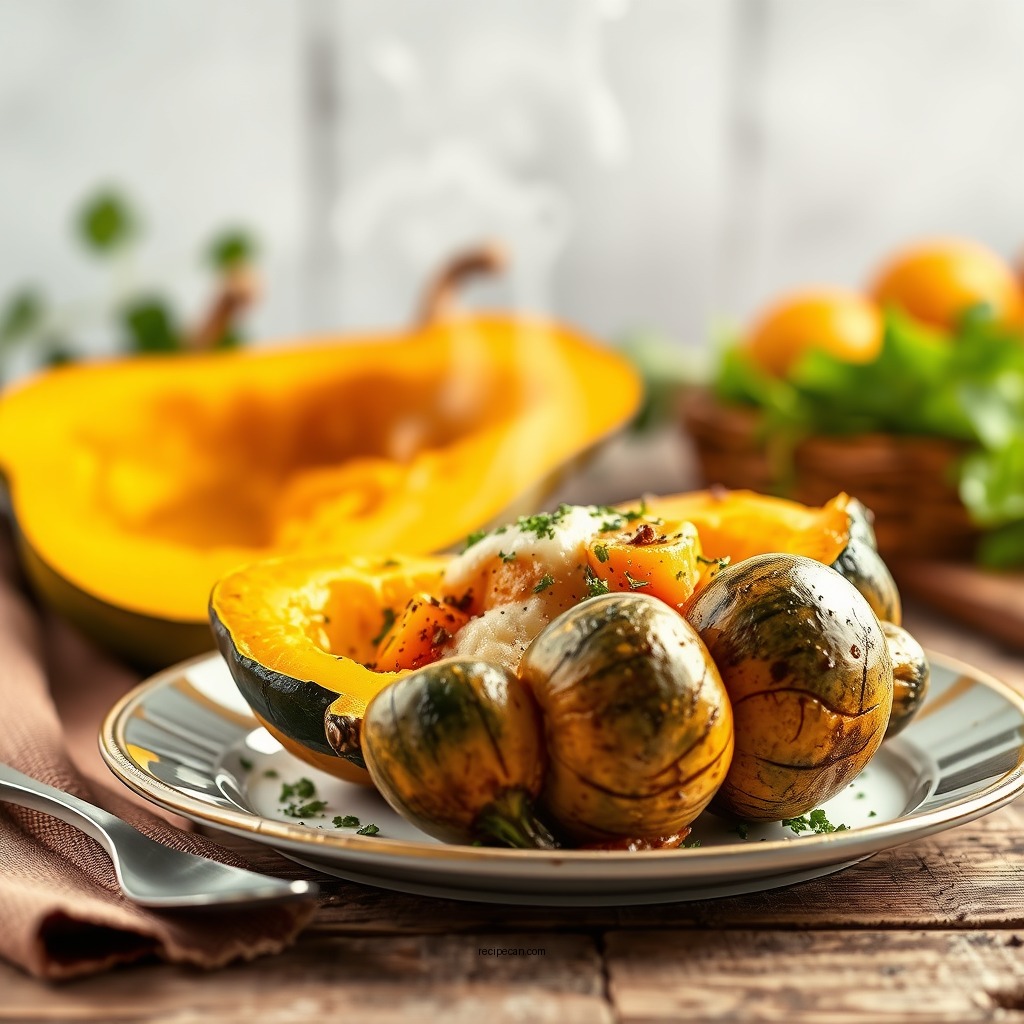
– Standalone dish: Serve the roasted or steamed squash halves as a standalone dish, drizzled with a touch of balsamic glaze or topped with a sprinkle of fresh herbs. This presentation can be visually appealing and allows the squash’s unique flavor to shine.
– As a side dish: It pairs wonderfully with proteins such as chicken, pork, or fish. The squash’s sweetness and texture balance out savory meats, creating a satisfying meal.
– Incorporate into salads: Diced carnival squash can also elevate salads or grain bowls. Toss it with mixed greens, nuts, and a light vinaigrette for a nutritious and colorful dish.
By exploring different serving options, you can showcase carnival squash in a variety of culinary contexts.
Storage Tips
Proper storage of carnival squash ensures that you can enjoy it over an extended period.
– Uncooked storage: Store uncooked carnival squash in a cool, dry place, such as a pantry or cellar, where it can last for up to a month. Avoid exposing it to moisture or direct sunlight, as these conditions can lead to spoilage.
– Cooked storage: If you have leftovers, refrigerate cooked carnival squash in an airtight container for 3-5 days. Ensure the squash is cooled completely before sealing it to maintain its texture and flavor.
Following these storage tips will help you maximize the shelf life of your carnival squash, reducing food waste and enhancing your meal prep efficiency.
Conclusion
Carnival squash is a delightful and versatile ingredient that can elevate a wide range of dishes. By choosing the right squash, preparing it properly, and experimenting with various cooking methods and seasonings, you can create a delicious carnival squash recipe that will impress your family and friends. Whether served as a side dish, incorporated into salads, or enjoyed on its own, carnival squash offers a unique flavor that is both nutritious and satisfying. So, try making this recipe and share your experiences or variations in the comments below!
Frequently Asked Questions
What are some easy carnival squash recipes I can try at home?
Easy carnival squash recipes include roasting, stuffing, and making soups. For a simple roasted version, cut the squash in half, remove the seeds, drizzle with olive oil, and season with salt and pepper before baking at 400°F for about 30-40 minutes. You can also stuff the halves with a mixture of quinoa, nuts, and spices for a hearty meal.
How do I prepare carnival squash for cooking?
Preparing carnival squash for cooking involves washing the exterior, cutting it in half, and removing the seeds. You can either roast it directly after cutting or peel it first if you prefer to dice it for soups or stews. Always be cautious while cutting, as the skin can be tough.
Why is carnival squash a great choice for fall recipes?
Carnival squash is a great choice for fall recipes due to its sweet, nutty flavor and vibrant colors, which add visual appeal to seasonal dishes. Its versatility allows it to be used in both savory and sweet recipes, making it perfect for autumn meals like soups, casseroles, and even desserts. Additionally, it’s rich in vitamins and antioxidants, enhancing the nutritional value of your fall cooking.
What is the best way to store leftover carnival squash?
The best way to store leftover carnival squash is to refrigerate it in an airtight container. If you have cooked squash, it can last about 3 to 5 days in the fridge. For longer storage, consider freezing cooked squash in freezer bags, which can maintain quality for up to 6 months.
Which spices pair well with carnival squash in recipes?
Spices that pair well with carnival squash include cinnamon, nutmeg, and cumin for a warm, earthy flavor profile. For savory dishes, garlic, rosemary, and thyme complement the squash beautifully. Experimenting with these spices can enhance the natural sweetness and create a delightful balance in your carnival squash recipes.
References
- https://en.wikipedia.org/wiki/Squash_(plant
https://en.wikipedia.org/wiki/Squash_(plant - https://www.ncbi.nlm.nih.gov/pmc/articles/PMC6520870/
https://www.ncbi.nlm.nih.gov/pmc/articles/PMC6520870/ - https://www.mayoclinic.org/healthy-lifestyle/nutrition-and-healthy-eating/in-depth/squash/art-20045808
https://www.mayoclinic.org/healthy-lifestyle/nutrition-and-healthy-eating/in-depth/squash/art-20045808 - https://www.healthline.com/nutrition/squash-benefits
https://www.healthline.com/nutrition/squash-benefits - https://www.sciencedirect.com/topics/food-science/squash
https://www.sciencedirect.com/topics/food-science/squash - https://www.verywellfit.com/the-health-benefits-of-squash-5187973
https://www.verywellfit.com/the-health-benefits-of-squash-5187973 - https://www.theguardian.com/lifeandstyle/2021/nov/16/roast-carnival-squash-recipe
https://www.theguardian.com/lifeandstyle/2021/nov/16/roast-carnival-squash-recipe - Google Scholar Google Scholar
https://scholar.google.com/scholar?q=carnival+squash+recipe - Google Scholar Google Scholar
https://scholar.google.com/scholar?q=carnival+squash+nutritional+value - carnival squash recipe – Search results
https://en.wikipedia.org/wiki/Special:Search?search=carnival+squash+recipe