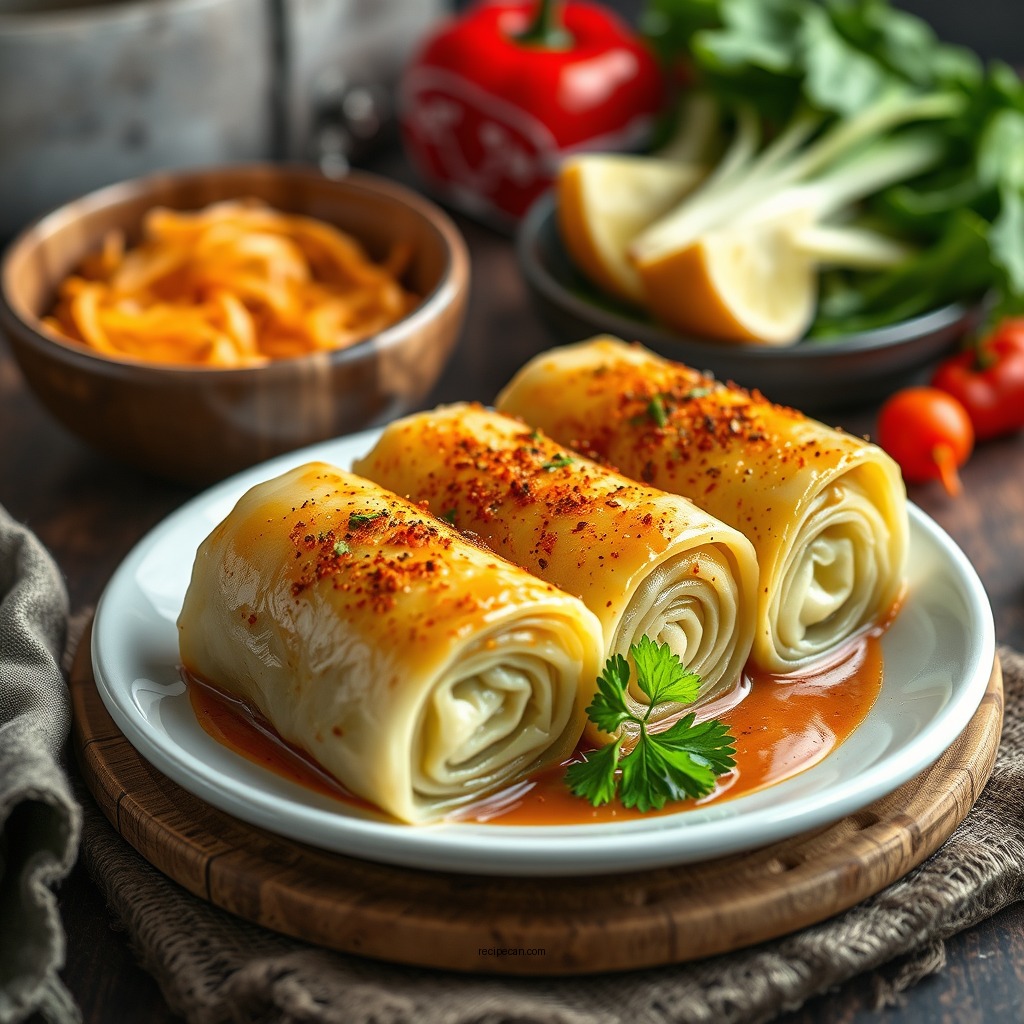
Cabbage rolls are a comforting and savory dish that can be easily made at home. In this article, you’ll discover several delicious cabbage rolls recipes, along with tips and variations to suit your taste. Whether you’re looking for traditional fillings or creative twists, these recipes will satisfy your cravings.
Classic Cabbage Rolls
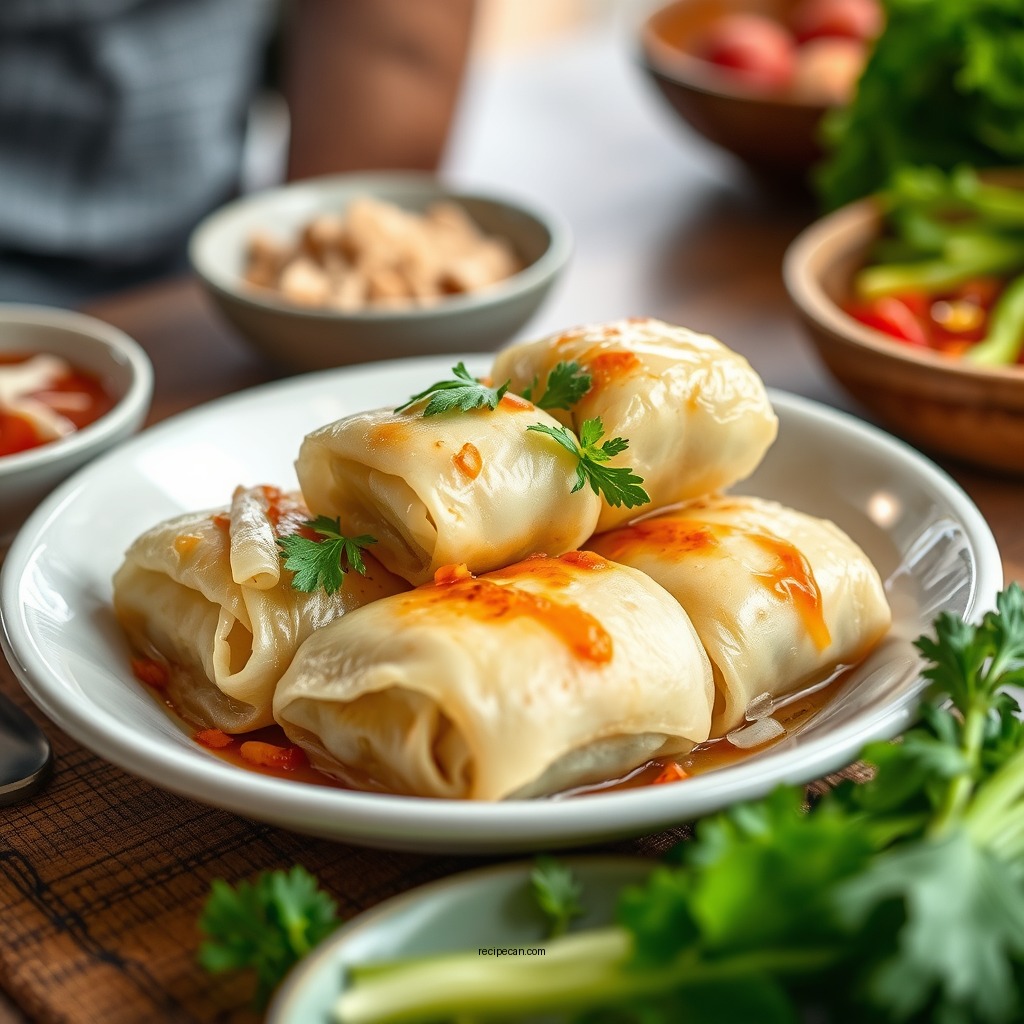
Classic cabbage rolls typically feature a hearty filling of ground beef or pork combined with rice and a medley of spices. This traditional recipe hails from various cultures, particularly Eastern European, where it is often served as a staple comfort food.
To make classic cabbage rolls, begin by preparing the cabbage leaves. Blanch the cabbage in boiling water until pliable, then gently remove the leaves. In a bowl, mix together one pound of ground beef or pork, one cup of cooked rice, half an onion (finely chopped), a minced garlic clove, salt, pepper, and herbs like dill or parsley. Place a generous scoop of this mixture into each cabbage leaf, folding in the sides before rolling them up. Arrange the rolls snugly in a baking dish, cover with tomato sauce, and bake at 350°F (175°C) for approximately 1 hour. The result is a comforting dish bursting with flavor.
Vegetarian Cabbage Rolls
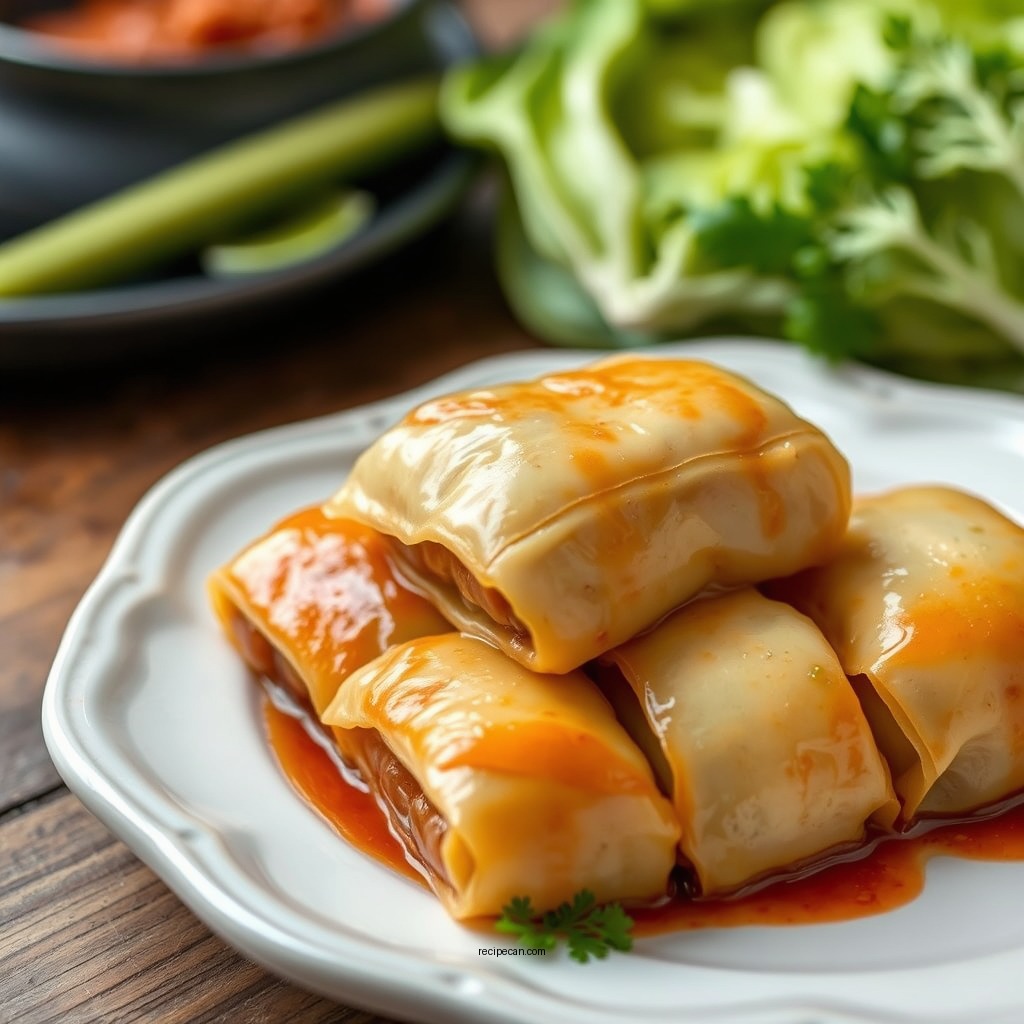
For those seeking a plant-based alternative, vegetarian cabbage rolls are an excellent option. By substituting meat with lentils or quinoa, you can create a nutritious and satisfying filling.
To prepare vegetarian cabbage rolls, start by cooking one cup of lentils or quinoa according to package instructions. In a skillet, sauté half an onion and a bell pepper until tender. Add mushrooms, diced tomatoes, and seasonings like cumin and smoked paprika for a depth of flavor. Combine this mixture with your cooked lentils or quinoa. Prepare the cabbage leaves as described in the classic recipe, then fill and roll them with the vegetarian mixture. Place them in a baking dish, cover with a rich tomato sauce, and bake until heated through. This option is not only healthy but also very flavorful.
Sauces to Pair with Cabbage Rolls
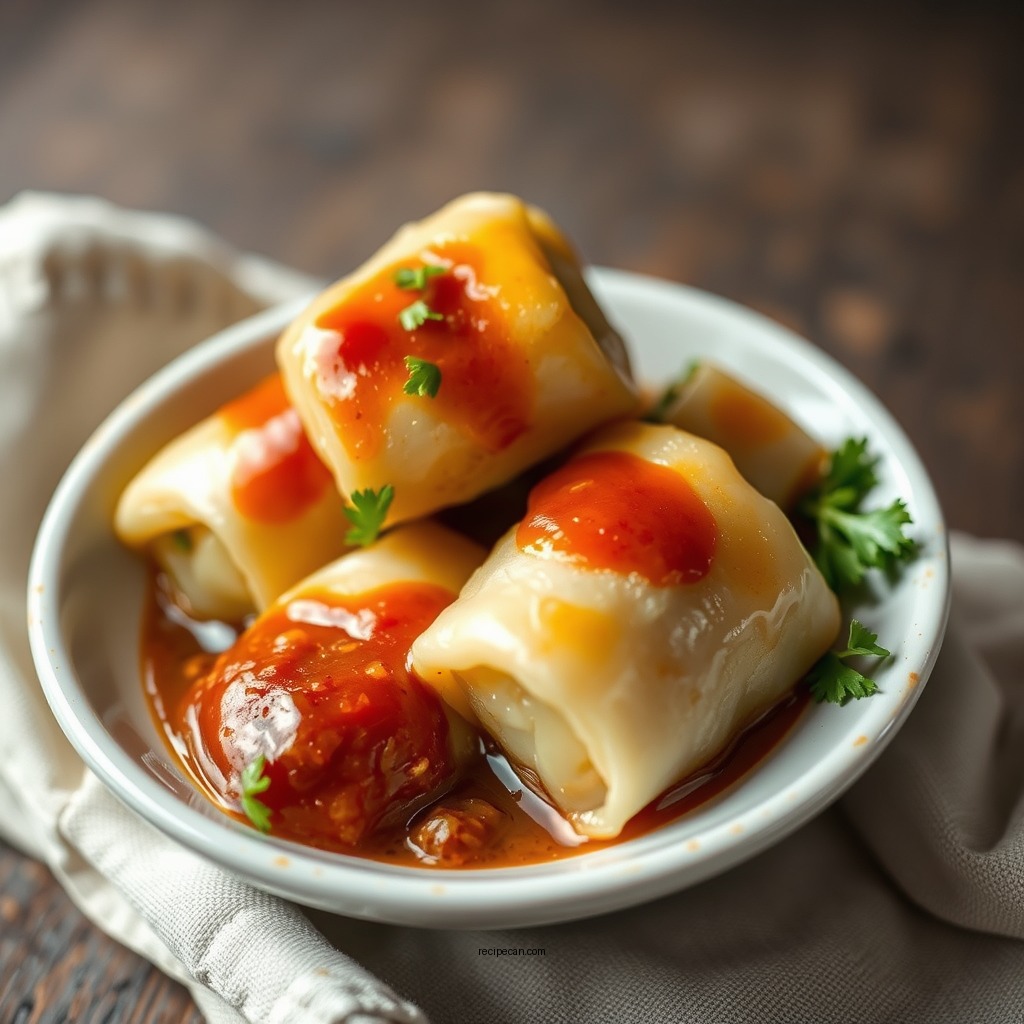
The choice of sauce can significantly enhance the flavor profile of cabbage rolls. A classic tomato sauce adds a tangy richness that complements the savory filling perfectly. A simple homemade sauce can be made by sautéing garlic in olive oil, adding crushed tomatoes, and seasoning with basil, oregano, and salt.
For a creamier alternative, consider a mushroom sauce. Sauté fresh mushrooms and shallots in butter, then add heavy cream and simmer until thickened. This sauce adds a luxurious texture and earthy flavor that pairs beautifully with both meat and vegetarian cabbage rolls.
Popular Sauces for Cabbage Rolls
| # | Sauce | Flavor Profile | Best Served With |
|---|---|---|---|
| 1 | Tomato Sauce | Tangy & Savory | Meat Cabbage Rolls |
| 2 | Creamy Mushroom Sauce | Rich & Earthy | Vegetarian Cabbage Rolls |
| 3 | Sweet and Sour Sauce | Sweet & Tangy | Fusion Flavors |
| 4 | BBQ Sauce | Smoky & Spicy | Grilled Cabbage Rolls |
| 5 | Sour Cream Sauce | Creamy & Tangy | Traditional Cabbage Rolls |
Cooking Methods for Cabbage Rolls
Cabbage rolls can be cooked using various methods, each imparting a unique texture and flavor to the dish. Two popular methods are baking and simmering on the stovetop.
Baking cabbage rolls in the oven is ideal for achieving a crispy top and evenly cooked filling. Preheat your oven to 350°F (175°C), place the cabbage rolls in a baking dish, cover with sauce, and bake for about 1 hour. This method allows the flavors to meld beautifully, resulting in a comforting and hearty dish.
Alternatively, simmering cabbage rolls on the stovetop provides a more traditional preparation. In a large pot, arrange the rolls snugly, cover with your sauce, and simmer on low heat for approximately 45 minutes to 1 hour. This method keeps the rolls moist and infuses them with the flavors of the sauce, making for a tender and juicy meal.
Cabbage Roll Cooking Methods
Serving Suggestions
To elevate your cabbage rolls experience, consider pairing them with complementary sides and garnishes. A dollop of sour cream or Greek yogurt adds a creamy contrast that balances the savory flavors of the rolls.
Additionally, serving cabbage rolls with a side of crusty bread allows diners to soak up the delicious sauce. A fresh salad with a zesty vinaigrette can provide a refreshing contrast, enhancing the overall meal experience. For a heartier option, consider pairing with mashed potatoes or a grain-based salad, which can add texture and nutrition.
Storage and Reheating Tips
Storing leftover cabbage rolls properly is key to maintaining their flavor and texture. Place any uneaten rolls in an airtight container and refrigerate them for up to three days.
When reheating, the oven is preferred for keeping the rolls crispy and moist. Preheat the oven to 350°F (175°C) and cover the dish loosely with foil to retain moisture, reheating for about 15-20 minutes. Alternatively, if you’re short on time, the microwave can be used; just ensure to cover the rolls to prevent drying out.
Creative Variations on Cabbage Rolls
Cabbage rolls are incredibly versatile, allowing for numerous creative variations. Instead of traditional beef or pork, experiment with different proteins such as chicken or turkey for a lighter option.
You can also explore various spices and herbs to give your rolls a unique twist. Try adding cumin, paprika, or even curry powder to the filling for a flavorful fusion. Furthermore, consider incorporating different grains like bulgur or farro, or adding nuts for crunch. The possibilities are endless, making cabbage rolls a dish that can continually evolve to suit your palate.
Enjoy trying out these cabbage rolls recipes and discover the wonderful flavors you can create in your kitchen. Whether you’re cooking for a family gathering or just a cozy night in, these recipes will surely impress. Don’t hesitate to experiment with your fillings and sauces to find your perfect cabbage roll!
Frequently Asked Questions
What are the best ingredients for traditional cabbage rolls?
The best ingredients for traditional cabbage rolls typically include ground meat (such as beef or pork), rice, onions, and a variety of spices. You can also enhance the flavor by adding garlic, herbs like dill or parsley, and using tomato sauce or broth for cooking. For a vegetarian version, substitute the meat with lentils or mushrooms and use quinoa instead of rice.
How do I prepare cabbage leaves for rolling?
To prepare cabbage leaves for rolling, first, remove the core from the cabbage head and blanch the leaves in boiling water for about 2-3 minutes until they are tender. This will make them pliable and easier to roll. After blanching, immediately plunge the leaves into ice water to stop the cooking process, then drain and pat them dry before filling.
Why do my cabbage rolls fall apart during cooking?
Cabbage rolls may fall apart during cooking due to insufficient binding of the filling or improperly rolled leaves. Ensure that your filling is well-mixed and includes ingredients like rice that can help hold everything together. Additionally, rolling the cabbage leaves tightly and securely can prevent them from coming undone during the cooking process.
What is the best way to cook cabbage rolls?
The best way to cook cabbage rolls is by simmering them in a sauce on the stovetop or baking them in the oven. For stovetop cooking, place the rolls in a pot, cover them with tomato sauce or broth, and let them simmer for about 45 minutes. For baking, arrange the rolls in a baking dish, cover with sauce, and bake at 350°F (175°C) for about an hour for tender, flavorful results.
Which sauces pair well with cabbage rolls?
Cabbage rolls pair well with a variety of sauces, but the most popular options are tomato sauce, sour cream, and a sweet and sour sauce. Tomato sauce adds acidity and flavor, while sour cream provides a creamy, tangy contrast. For a unique twist, try a sweet and sour sauce made with vinegar, sugar, and ketchup for a delightful balance to the savory filling.
References
- Cabbage roll
https://en.wikipedia.org/wiki/Cabbage_rolls - https://www.bbc.co.uk/food/recipes/cabbage_rolls_18582
https://www.bbc.co.uk/food/recipes/cabbage_rolls_18582 - NYT Cooking – Recipes and Cooking Guides From The New York Times
https://www.nytimes.com/recipes/1019984/cabbage-rolls - https://www.sciencedirect.com/topics/agricultural-and-biological-sciences/cabbage-rolls
https://www.sciencedirect.com/topics/agricultural-and-biological-sciences/cabbage-rolls - https://www.britannica.com/topic/cabbage-rolls
https://www.britannica.com/topic/cabbage-rolls - Google Scholar Google Scholar
https://scholar.google.com/scholar?q=cabbage+rolls+recipes - Google Scholar Google Scholar
https://scholar.google.com/scholar?q=cabbage+rolls+cooking+methods - Google Scholar Google Scholar
https://scholar.google.com/scholar?q=cabbage+rolls+nutrition - https://pubmed.ncbi.nlm.nih.gov/22759735/
https://pubmed.ncbi.nlm.nih.gov/22759735/ - https://www.healthline.com/nutrition/cabbage-nutrition-benefits#cabbage-rolls
https://www.healthline.com/nutrition/cabbage-nutrition-benefits#cabbage-rolls