
Making a hearty bean and potato soup is a straightforward yet fulfilling endeavor. This comforting recipe blends protein-rich beans with starchy potatoes, delivering a nourishing meal suitable for any day of the week. In this article, you’ll learn how to prepare this delicious soup, including essential ingredients, cooking steps, and tips for customization to suit your taste and dietary preferences.
Essential Ingredients for Bean and Potato Soup
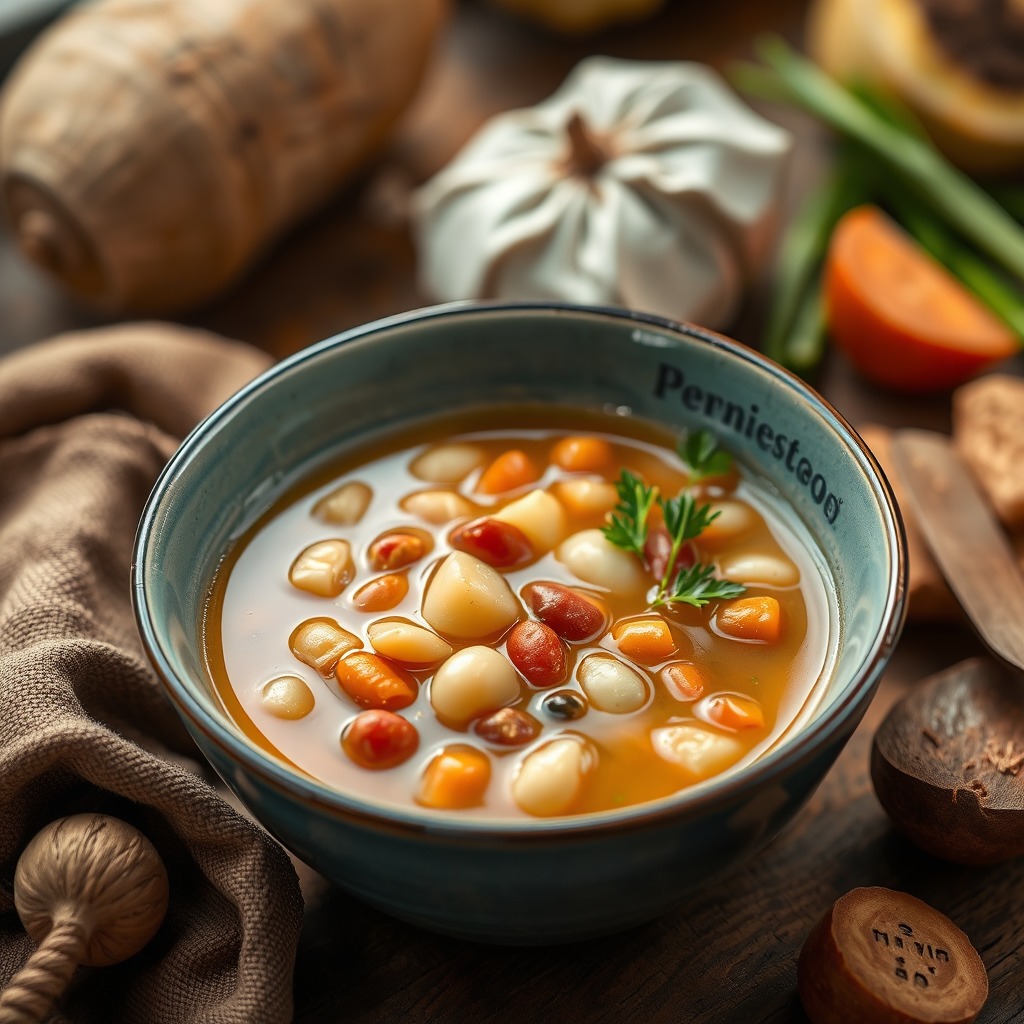
To create a delicious bean and potato soup, you will need a few fundamental ingredients that not only contribute to the soup’s flavor but also ensure that it is nutritious and satisfying.
– Beans: You can opt for canned or dried beans based on your preference and time constraints. Canned beans offer convenience, while dried beans provide a richer taste and texture. Common choices include kidney beans, black beans, or cannellini beans, which all add protein and fiber to the dish.
– Potatoes: Selecting the right type of potato is crucial for achieving the desired consistency. Yukon Gold potatoes are excellent for their creamy texture, while Russet potatoes provide a fluffier consistency. Both varieties absorb the soup’s flavors well and add heartiness to the meal.
– Broth: The choice of broth is fundamental in enhancing the overall taste of the soup. Vegetable broth is a great option for vegetarians and vegans, while chicken broth can add a deeper flavor profile. Homemade broth can also elevate the dish, allowing you to control the seasoning and ingredients.
Preparation Steps

The preparation phase is crucial for ensuring that all flavors meld together beautifully in the final dish.
– Chop vegetables: Begin by dicing onions, carrots, and celery. These vegetables form the aromatic base of the soup, providing depth and sweetness. Aim for uniform sizes to ensure even cooking.
– Soak beans: If you decide to use dried beans, it’s essential to soak them overnight. This not only reduces cooking time but also helps in achieving a more tender texture. Be sure to rinse the beans before cooking to remove any impurities.
– Cook potatoes: Wash and peel the potatoes, then cut them into evenly sized cubes. This ensures that they cook uniformly and integrate well into the soup.
Cooking Process
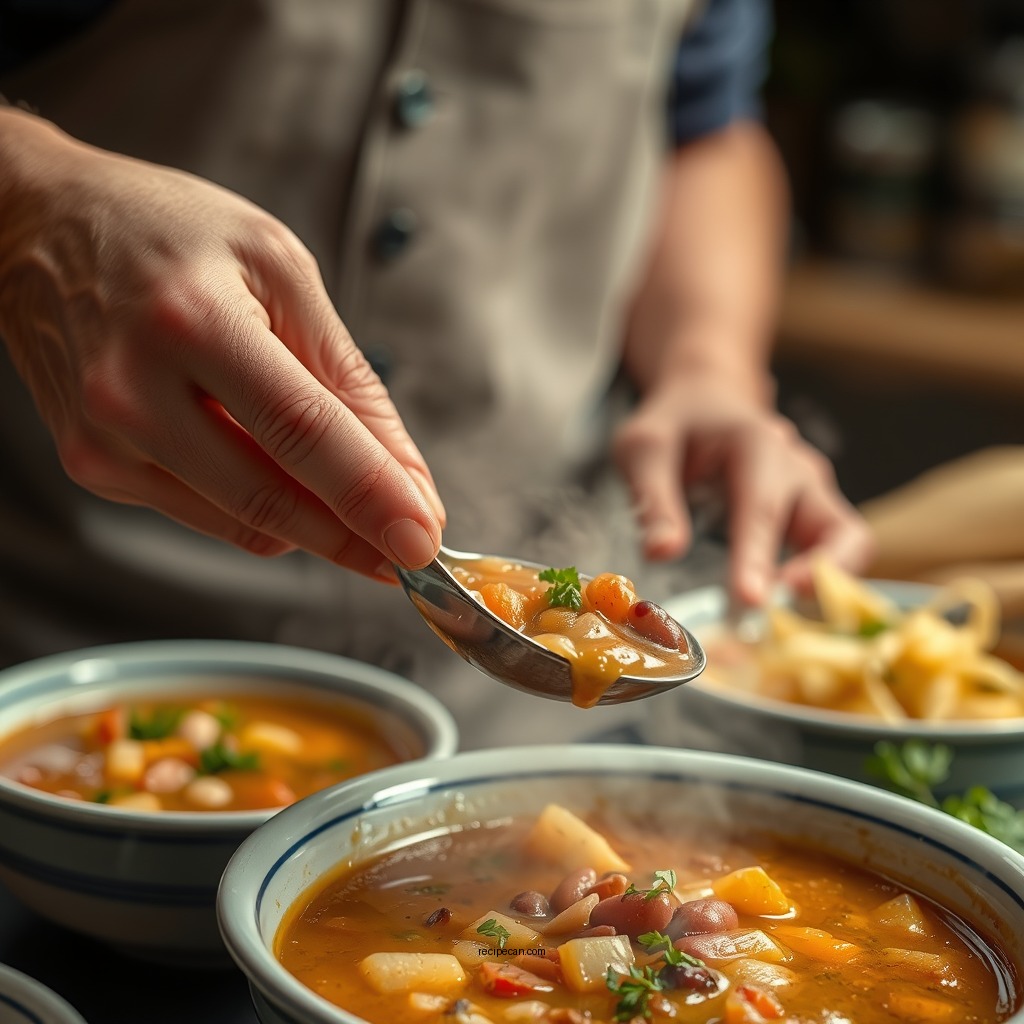
Now that you have everything prepped, it’s time to bring your ingredients together in a delicious cooking process.
– Sauté vegetables: Start by heating a generous amount of olive oil in a large pot over medium heat. Add the chopped onions, carrots, and celery, sautéing them until they become soft and fragrant, typically around 5-7 minutes. This step is crucial for building flavor.
– Add broth and beans: Once the vegetables are ready, pour in your choice of broth and add the beans. Stir to combine and bring the mixture to a boil. The boiling process helps to infuse the broth with the flavors of the vegetables and beans.
– Simmer: After reaching a boil, reduce the heat and let the soup simmer. This step allows the potatoes to cook through and become tender, which typically takes about 20-30 minutes. Stir occasionally to prevent sticking and to ensure even cooking.
Top 7 Types of Beans for Soup (2024)
| # | Bean Type | Protein (g) | Fiber (g) | Cooking Time (min) |
|---|---|---|---|---|
| 1 | Kidney Beans | 15 | 13 | 45 |
| 2 | Black Beans | 15 | 15 | 30 |
| 3 | Chickpeas | 14 | 12 | 60 |
| 4 | Pinto Beans | 15 | 15 | 45 |
| 5 | Navy Beans | 14 | 10 | 60 |
| 6 | Lentils | 18 | 16 | 20 |
| 7 | Cannellini Beans | 17 | 16 | 30 |
Flavor Enhancements
To elevate your bean and potato soup further, consider incorporating various herbs and spices.
– Herbs and spices: Adding bay leaves, thyme, or smoked paprika can introduce additional depth to the flavor profile, enhancing the overall experience. Fresh herbs like parsley or cilantro can be added just before serving for a burst of freshness.
– Salt and pepper: Adjusting the seasoning to taste is crucial. A well-seasoned soup can transform an ordinary dish into something extraordinary. Start with a pinch and gradually increase, tasting as you go.
– Optional add-ins: For a nutritional boost, consider adding greens like spinach or kale. These not only complement the soup’s flavor but also increase its health benefits, providing vitamins and minerals.
Serving Suggestions
How you serve your soup can enhance the dining experience significantly.
– Garnish: Elevate each bowl by garnishing with fresh herbs, a dollop of sour cream, or a sprinkle of shredded cheese. These additions can create a visually appealing presentation while also adding layers of flavor.
– Side dishes: Pair the soup with crusty bread or a fresh salad for a balanced meal. The bread can be used to soak up the delicious broth, making each bite satisfying.
– Storage: Leftovers can be stored in an airtight container in the refrigerator for up to three days. This soup often tastes even better the next day as the flavors continue to meld.
Nutritional Comparison of Common Soup Ingredients
Tips for Customization
To make this soup your own, consider these customization tips that cater to various dietary preferences and taste profiles.
– Vegan options: For those following a plant-based diet, simply use vegetable broth and skip any dairy-based toppings. You can also enhance the nutritional value by adding more vegetables or legumes.
– Bean variations: Feel free to experiment with different types of beans. Black beans, lentils, or even chickpeas can provide unique flavors and textures, allowing you to craft a soup that suits your palate.
– Spice level: Adjust the heat level according to your preferences by adding chili flakes or hot sauce. This can create a delightful contrast to the creamy potatoes and beans.
Enjoy this delicious bean and potato soup as a warming dish that’s easy to make and customizable. With simple ingredients and straightforward steps, you can create a comforting meal that’s perfect for any occasion. Try it out today and discover your new favorite soup recipe!
Frequently Asked Questions
What ingredients do I need for a basic bean and potato soup recipe?
To make a basic bean and potato soup, you’ll need essential ingredients such as dried or canned beans (like navy or kidney beans), potatoes, vegetable broth, onions, garlic, carrots, and celery. Additionally, spices like thyme, bay leaves, and pepper will enhance the flavor. Optionally, you can add greens like spinach or kale for added nutrition.
How long does it take to cook bean and potato soup on the stove?
Cooking bean and potato soup on the stove typically takes about 30-45 minutes if you’re using canned beans, and about 1.5 to 2 hours if you’re using dried beans. The cooking time may vary based on the size of your potato chunks and desired tenderness. Always taste check for doneness and adjust cooking time as needed.
Why is my bean and potato soup too thick, and how can I fix it?
If your bean and potato soup turns out too thick, it may be due to the starch from the potatoes and beans. You can fix this by adding more vegetable broth or water gradually until you reach your desired consistency. Stir well to ensure the soup is well mixed and check the seasoning after adjusting the liquid.
What is the best way to store leftover bean and potato soup?
The best way to store leftover bean and potato soup is to allow it to cool to room temperature, then transfer it to an airtight container. Store it in the refrigerator for up to 3-4 days or freeze it for up to 3 months. When reheating, add a splash of broth or water to restore the soup’s original consistency.
Which beans are best for a hearty bean and potato soup?
For a hearty bean and potato soup, kidney beans, pinto beans, and black beans are excellent choices due to their robust flavor and texture. These beans hold up well during cooking and complement the creamy potatoes nicely. Combining different beans can also enhance the soup’s nutritional profile and taste complexity.
References
- Soup
https://en.wikipedia.org/wiki/Soup - https://www.ncbi.nlm.nih.gov/pmc/articles/PMC7323890/
https://www.ncbi.nlm.nih.gov/pmc/articles/PMC7323890/ - https://www.sciencedirect.com/topics/food-science/soup
https://www.sciencedirect.com/topics/food-science/soup - https://www.ncbi.nlm.nih.gov/pmc/articles/PMC6265783/
https://www.ncbi.nlm.nih.gov/pmc/articles/PMC6265783/ - https://www.bbc.co.uk/food/recipes/bean_and_potato_soup_03411
https://www.bbc.co.uk/food/recipes/bean_and_potato_soup_03411 - https://www.cdc.gov/nutrition/resources-publications/healthy-eating.html
https://www.cdc.gov/nutrition/resources-publications/healthy-eating.html - Google Scholar Google Scholar
https://scholar.google.com/scholar?q=bean+and+potato+soup+recipe - Google Scholar Google Scholar
https://scholar.google.com/scholar?q=nutritional+benefits+of+bean+and+potato+soup - Google Scholar Google Scholar
https://scholar.google.com/scholar?q=legumes+in+soup+recipes - https://www.mayoclinic.org/healthy-lifestyle/nutrition-and-healthy-eating/in-depth/soup/art-20045966
https://www.mayoclinic.org/healthy-lifestyle/nutrition-and-healthy-eating/in-depth/soup/art-20045966
