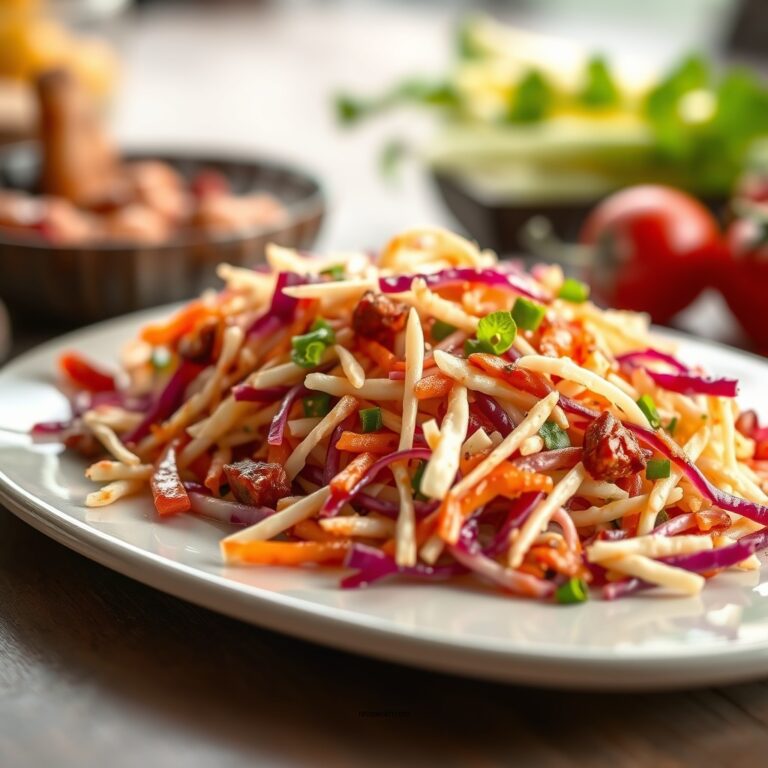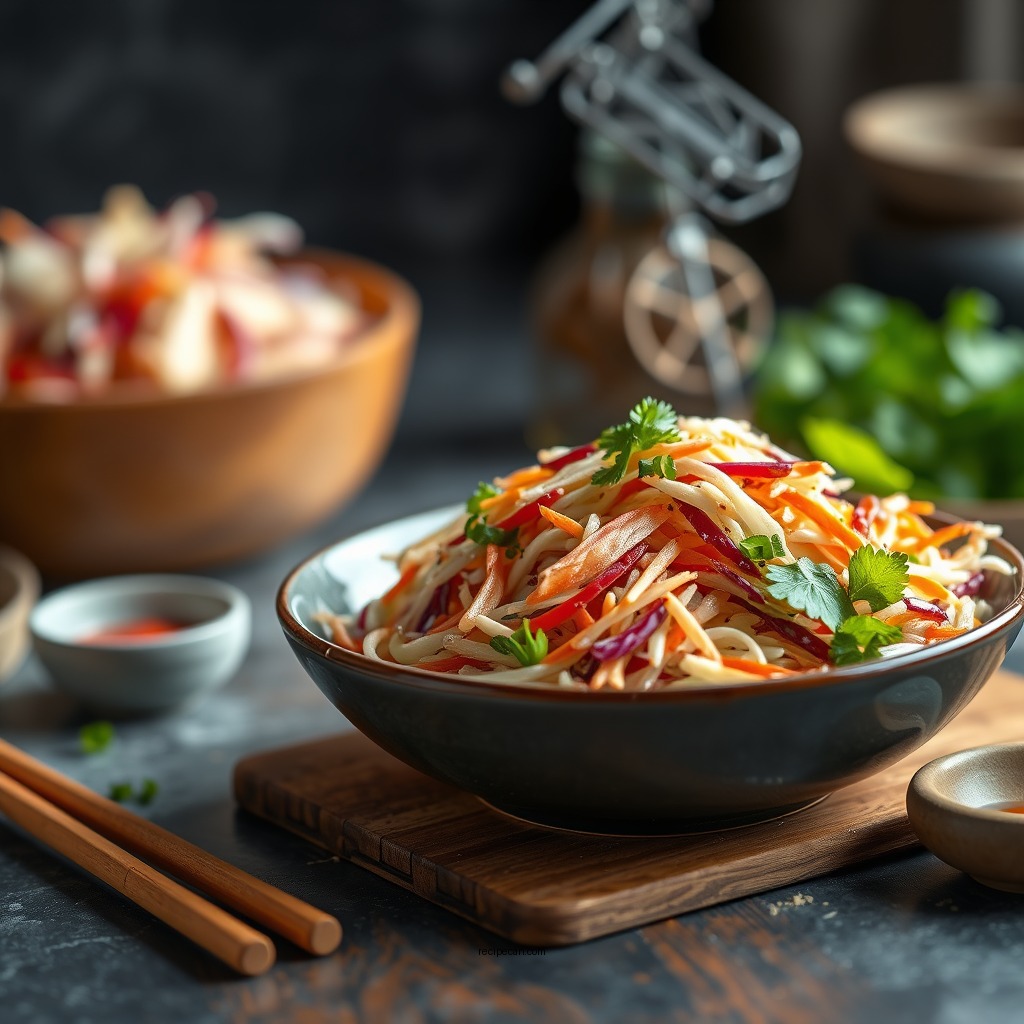
Making an Asian coleslaw is a quick and delicious way to elevate your salads with vibrant flavors and textures. This recipe combines crunchy vegetables with a tangy dressing, offering a refreshing twist on the traditional coleslaw that’s perfect for any meal or gathering. In this article, you’ll learn how to create this tasty dish step-by-step.
Ingredients You’ll Need
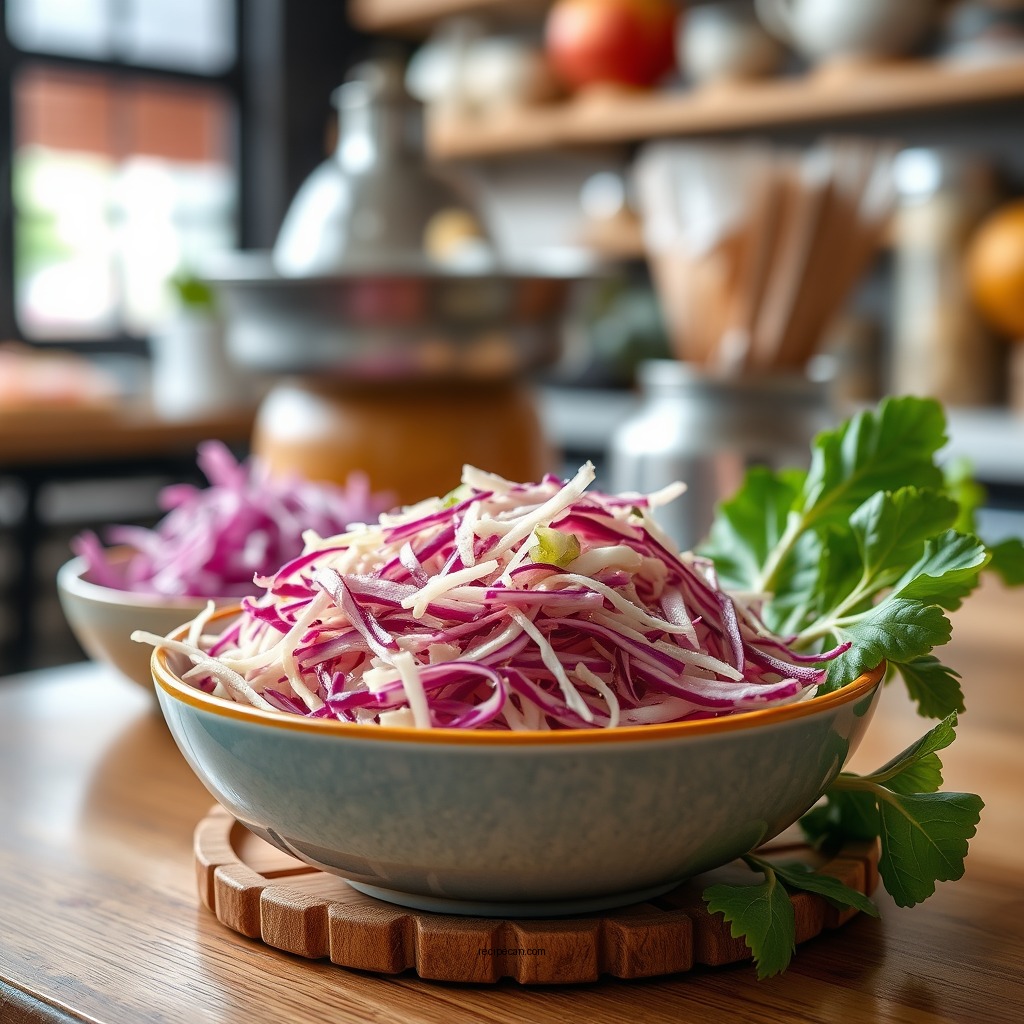
To create a delightful Asian coleslaw, you’ll need a selection of fresh ingredients that contribute to both the flavor and the texture of the dish:
– Fresh Cabbage (Green or Purple): Cabbage serves as the primary ingredient, providing a satisfying crunch and a slightly sweet flavor. Both green and purple cabbage offer unique visual appeal and nutritional benefits, including vitamins K and C, as well as dietary fiber.
– Carrots: Shredded carrots add sweetness and vibrant orange color to the salad. They are rich in beta-carotene, which is beneficial for eye health, and they also contribute a subtle crunch that complements the cabbage.
– Bell Peppers: Adding diced bell peppers introduces a sweet and slightly tangy flavor, along with a burst of color. They are an excellent source of vitamin C and antioxidants, enhancing the overall nutritional profile of the coleslaw.
The Perfect Dressing
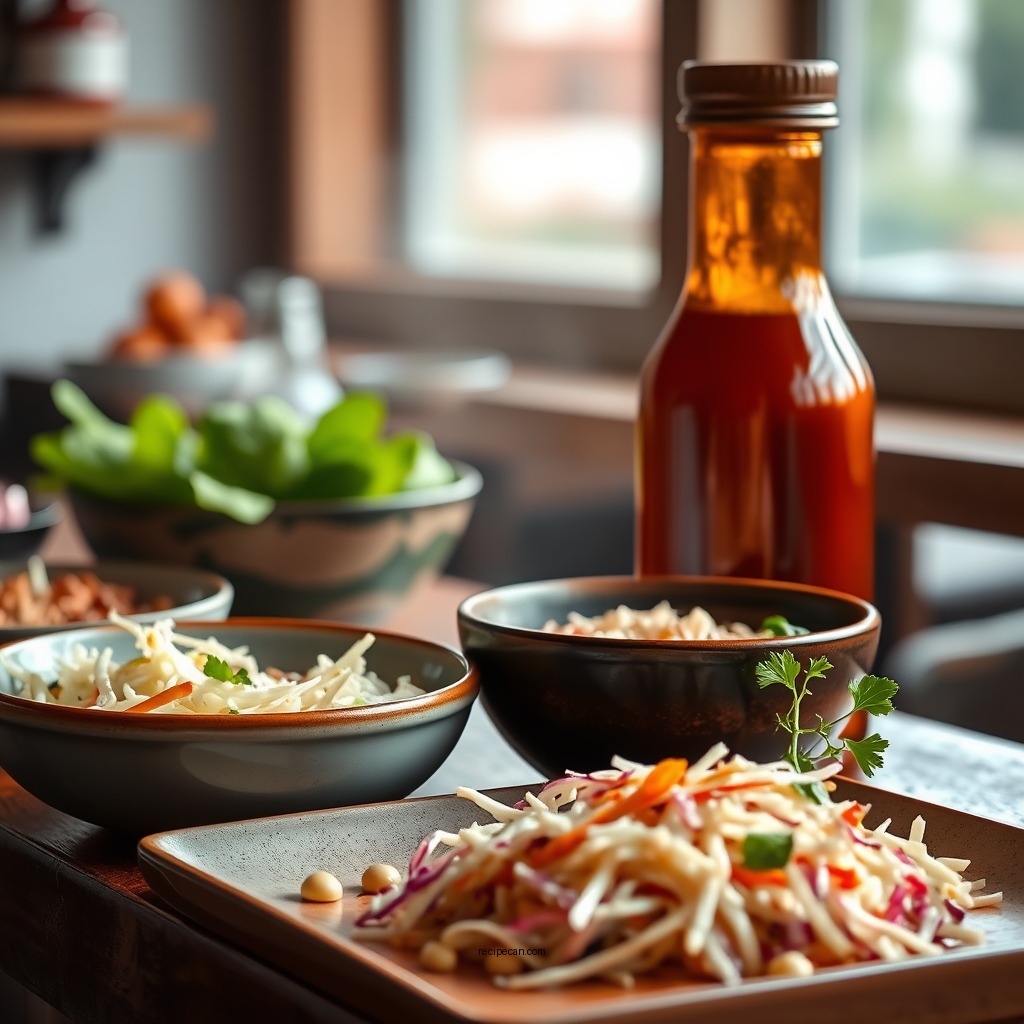
The dressing is crucial in defining the flavor of your Asian coleslaw. Here’s what you’ll need:
– Soy Sauce or Tamari: This ingredient provides an umami flavor that enriches the salad. Tamari is a gluten-free alternative that works well for those with dietary restrictions.
– Rice Vinegar: Rice vinegar adds a necessary acidity that brightens the flavors of the coleslaw. Its mild taste complements the other ingredients without overwhelming them.
– Sesame Oil: A drizzle of sesame oil gives the dressing a rich, nutty finish that ties all the flavors together beautifully. It also introduces healthy fats, making the salad more satisfying.
Preparing the Vegetables
To ensure that your coleslaw has a uniform texture and flavor, proper preparation of the vegetables is essential:
– Shred the Cabbage and Carrots: Using a sharp knife or a food processor, shred the cabbage and carrots into thin, even pieces. This not only helps with the overall texture but also allows the dressing to coat each piece evenly.
– Dice Bell Peppers: Cut the bell peppers into bite-sized pieces, ensuring they are small enough to mix well with the other ingredients. This enhances the eating experience by distributing the flavors throughout the salad.
– Optional Additions: For an extra burst of flavor, consider adding chopped green onions or fresh cilantro. Both ingredients contribute a layer of freshness and complexity to the dish.
Combining Ingredients
Once your vegetables are prepared, it’s time to bring everything together:
– Toss Vegetables in a Large Bowl: Combine the shredded cabbage, carrots, and diced bell peppers in a large mixing bowl. Use your hands or salad tongs to gently toss the ingredients together, ensuring an even mix.
– Drizzle Dressing Over the Top: Pour your prepared dressing over the vegetable mixture. Be careful not to add too much at once; you can always add more if needed.
– Mix Thoroughly: Gently mix the salad until all the vegetables are well coated with the dressing. This step is vital for ensuring that every bite is flavorful.
– Let Sit for at Least 15 Minutes: Allowing the coleslaw to rest for a minimum of 15 minutes lets the flavors meld together. This resting time also softens the cabbage slightly, making it more palatable.
Nutritional Breakdown of Asian Coleslaw Ingredients
| # | Ingredient | Calories (per 100g) | Vitamin C (% DV) | Fiber (g) |
|---|---|---|---|---|
| 1 | Cabbage | 25 | 85% | 2.5 |
| 2 | Carrots | 41 | 7% | 2.8 |
| 3 | Bell Peppers | 20 | 150% | 1.5 |
| 4 | Soy Sauce | 53 | 1% | 0.5 |
| 5 | Rice Vinegar | 20 | 0% | 0 |
| 6 | Sesame Oil | 884 | 0% | 0 |
| 7 | Green Onions | 32 | 18% | 2.6 |
Customization Options
One of the great aspects of Asian coleslaw is its versatility. You can easily customize it to fit your dietary preferences or the ingredients you have on hand:
– Add Proteins: For a heartier dish, consider incorporating proteins like shredded chicken or tofu. These additions can make the coleslaw more filling, transforming it into a main dish rather than just a side.
– Incorporate Nuts or Seeds: Adding crunchy elements like toasted sesame seeds, slivered almonds, or cashews not only enhances the texture but also provides healthy fats and additional nutrients.
– Experiment with Different Vegetables: Don’t hesitate to include other vegetables such as shredded broccoli, snap peas, or even edamame for added protein and a different flavor profile. This flexibility allows you to create a unique dish every time.
Serving Suggestions
Asian coleslaw is not only delicious but also remarkably adaptable in terms of serving:
– Serve Chilled as a Side Dish: This coleslaw pairs beautifully with grilled meats, providing a refreshing contrast to heavier dishes. It’s ideal for barbecues and picnics.
– Use as a Topping: Consider using the coleslaw as a vibrant topping for tacos or sandwiches. The crunch and flavor will elevate your meal and add a nutritious element.
– Pair with Asian-Inspired Entrees: Asian coleslaw complements a variety of dishes, such as teriyaki chicken, stir-fries, or Asian noodle salads, creating a cohesive and flavorful meal experience.
Coleslaw Flavor Profile Comparison
In summary, the Asian coleslaw is a versatile and refreshing dish that can be enjoyed in various ways. With its crunchy textures, vibrant flavors, and customizable options, it’s an excellent addition to any meal. I encourage you to give this recipe a try, and experiment with your variations. Share your experiences or modifications in the comments below to inspire others!
Frequently Asked Questions
What are the key ingredients in an Asian coleslaw recipe?
An Asian coleslaw typically includes shredded cabbage, carrots, and green onions as the base. For the dressing, common ingredients are soy sauce, rice vinegar, sesame oil, and a touch of honey or sugar for sweetness, often complemented by sesame seeds and chopped peanuts for added texture and flavor.
How can I make an Asian coleslaw recipe spicy?
To add a spicy kick to your Asian coleslaw, incorporate ingredients like Sriracha or chili garlic sauce into the dressing. You can also add thinly sliced jalapeños or red pepper flakes to enhance the heat, ensuring that the spice level complements the sweetness and acidity of the dressing.
Why is Asian coleslaw a good side dish for summer barbecues?
Asian coleslaw is a great side dish for summer barbecues because it is refreshing, light, and can be made in advance. Its crunchy texture and vibrant flavors pair well with grilled meats, making it a perfect complement to rich barbecue dishes while also providing a healthy option for guests.
What is the best way to store leftover Asian coleslaw?
The best way to store leftover Asian coleslaw is to keep the dressing separate from the vegetables until you are ready to serve. Store the coleslaw in an airtight container in the refrigerator, and it should stay fresh for up to 3 days, although the texture may soften over time.
Which types of cabbage are best for making Asian coleslaw?
The best types of cabbage for making Asian coleslaw are Napa cabbage and green cabbage. Napa cabbage has a tender, mild flavor that absorbs the dressing well, while green cabbage provides a crunchy texture, making both ideal choices for a delicious and vibrant Asian coleslaw.
References
- Coleslaw
https://en.wikipedia.org/wiki/Coleslaw - https://www.ncbi.nlm.nih.gov/pmc/articles/PMC6261320/
https://www.ncbi.nlm.nih.gov/pmc/articles/PMC6261320/ - https://www.sciencedirect.com/topics/food-science/coleslaw
https://www.sciencedirect.com/topics/food-science/coleslaw - https://www.ncbi.nlm.nih.gov/pmc/articles/PMC3327889/
https://www.ncbi.nlm.nih.gov/pmc/articles/PMC3327889/ - https://www.ncbi.nlm.nih.gov/pmc/articles/PMC5784083/
https://www.ncbi.nlm.nih.gov/pmc/articles/PMC5784083/ - Google Scholar Google Scholar
https://scholar.google.com/scholar?q=coleslaw+asian+recipe - Google Scholar Google Scholar
https://scholar.google.com/scholar?q=asian+coleslaw+recipe - Google Scholar Google Scholar
https://scholar.google.com/scholar?q=coleslaw+variations - https://www.bbc.com/food/recipes/coleslaw_84014
https://www.bbc.com/food/recipes/coleslaw_84014 - https://www.theguardian.com/food/2020/jul/28/how-to-make-the-perfect-coleslaw
https://www.theguardian.com/food/2020/jul/28/how-to-make-the-perfect-coleslaw