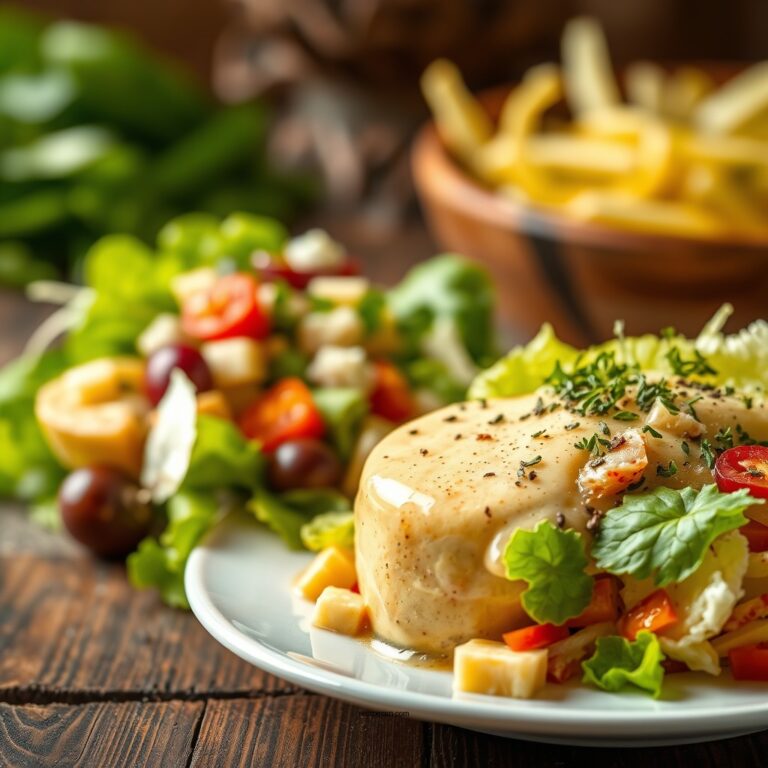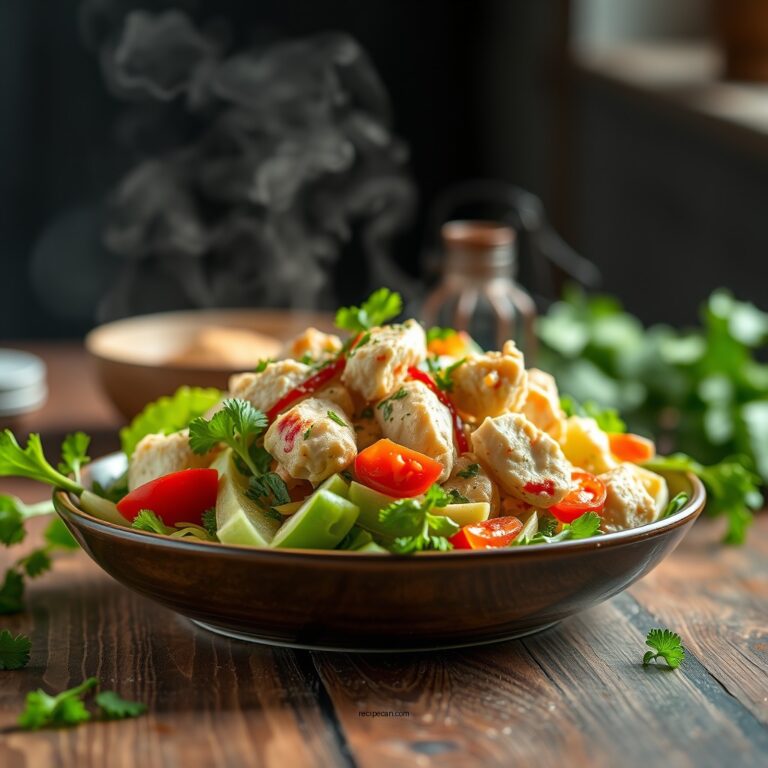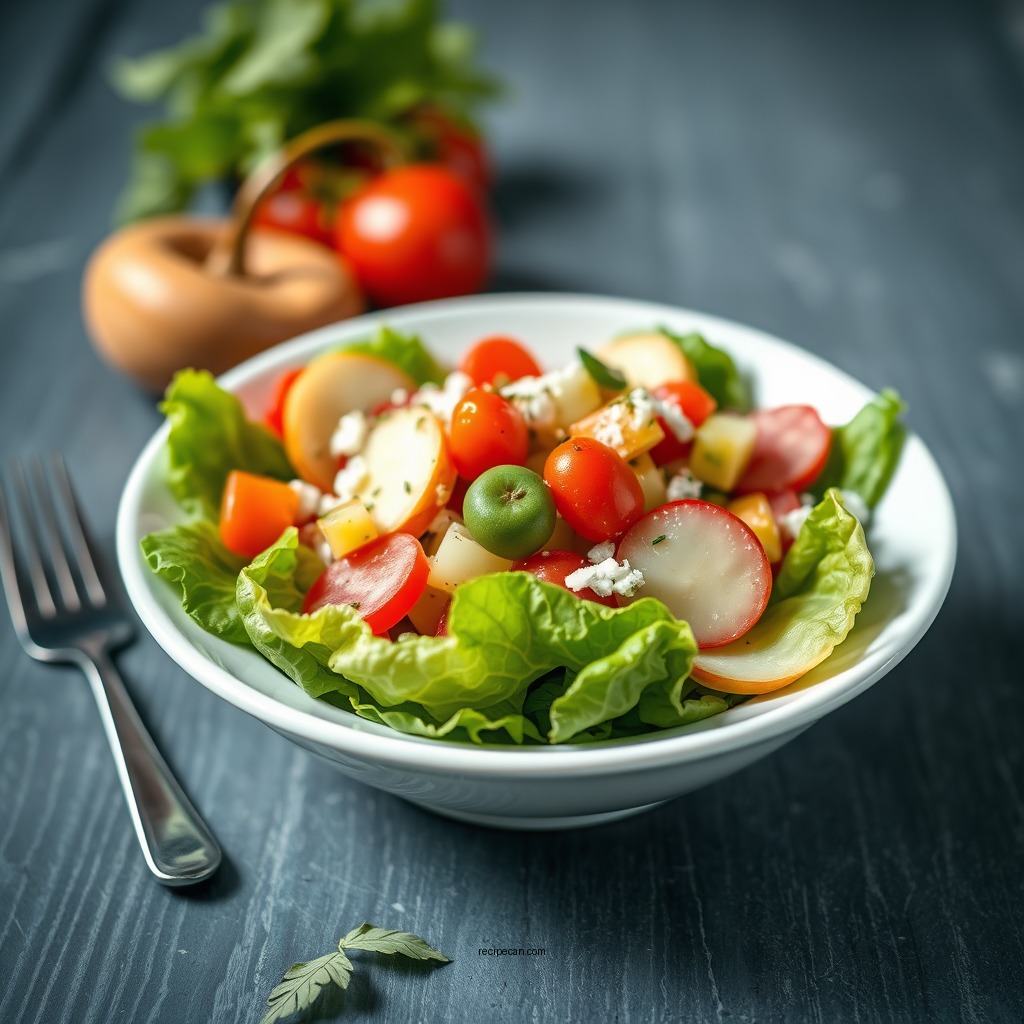
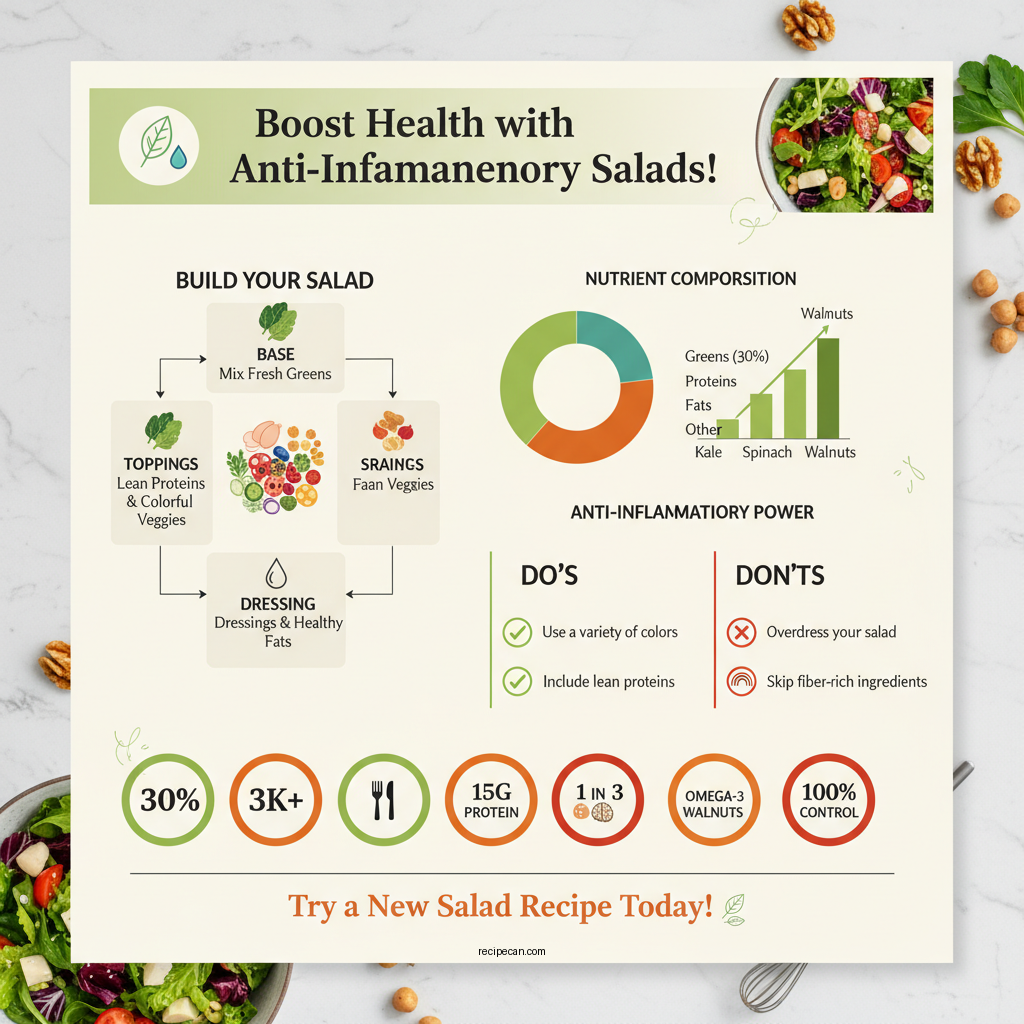
Eating anti-inflammatory salads is a fantastic way to boost your health while enjoying delicious flavors. These salads are not only visually appealing but also packed with ingredients that combat inflammation, which can lead to chronic health issues. By incorporating a variety of fresh greens, colorful vegetables, lean proteins, and flavorful dressings, you can create meals that support your overall well-being. Let’s dive into these vibrant and nutritious options!
Fresh Greens and Colorful Veggies
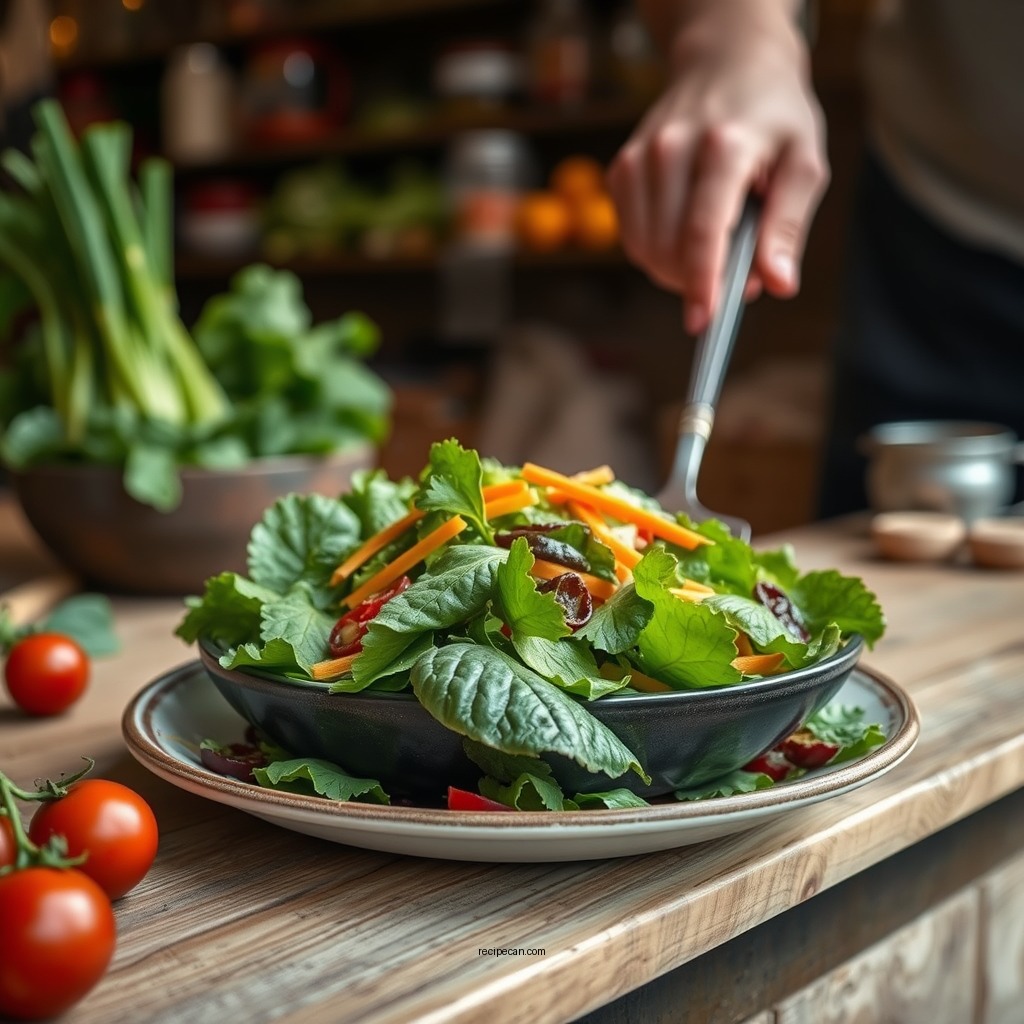
Complementing these greens with colorful vegetables like bell peppers, carrots, and tomatoes not only enhances the visual appeal but also boosts the nutrient density of your salad. Bell peppers are an excellent source of vitamin C, while tomatoes contain lycopene, another potent antioxidant known for its anti-inflammatory properties. By mixing these ingredients, you create a delicious and nutritious base for your salads.
Protein-Packed Additions
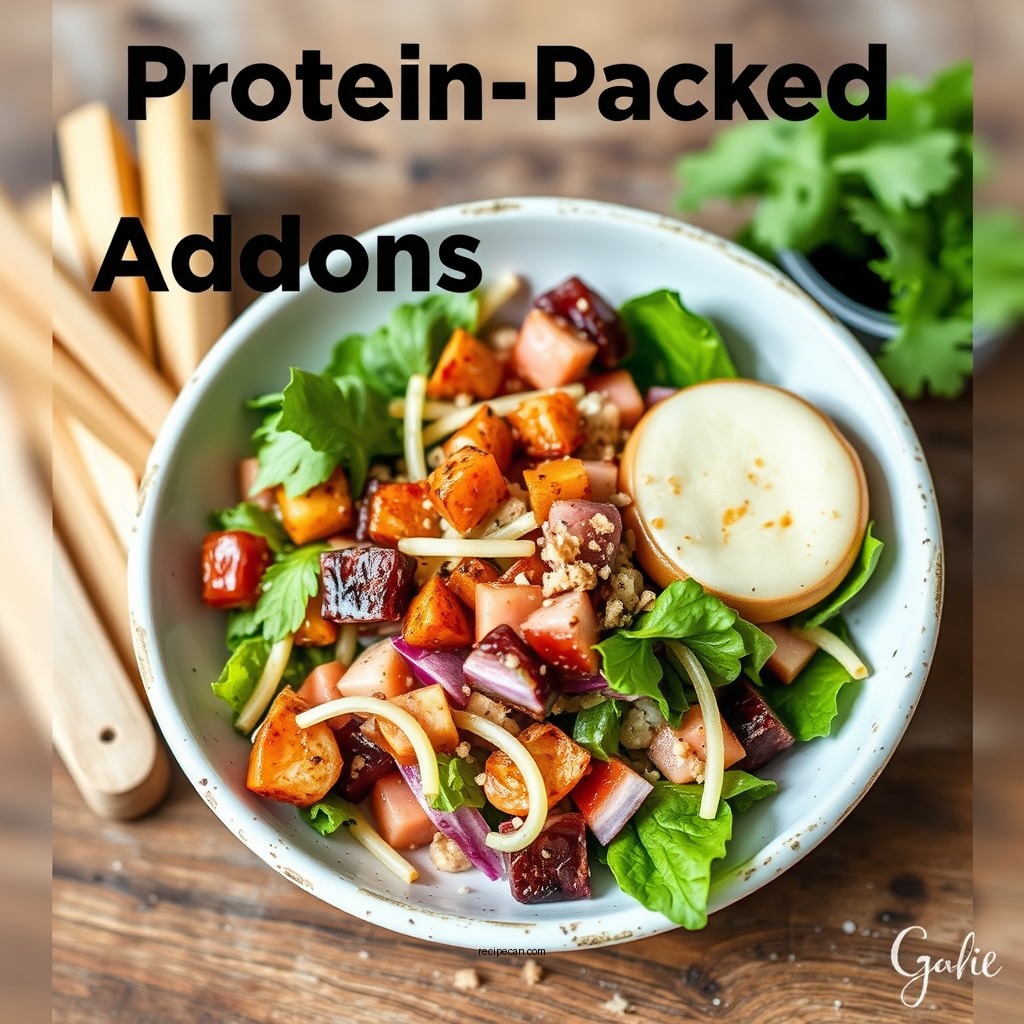
To make your salads more satisfying and nutritious, incorporating lean proteins is essential. Grilled chicken, turkey, or tofu can provide the necessary protein while keeping the dish light. For a plant-based option, chickpeas and lentils are excellent choices, as they are not only protein-rich but also high in fiber, which can aid digestion and help maintain a healthy weight.
Nuts and seeds, such as walnuts, almonds, and flaxseeds, are also great additions. They provide healthy fats, which are crucial for reducing inflammation. Walnuts, in particular, are high in omega-3 fatty acids, known for their anti-inflammatory effects. Including a handful of these nutrient-dense foods can transform your salad into a filling meal that supports your health goals.
Flavorful Dressings
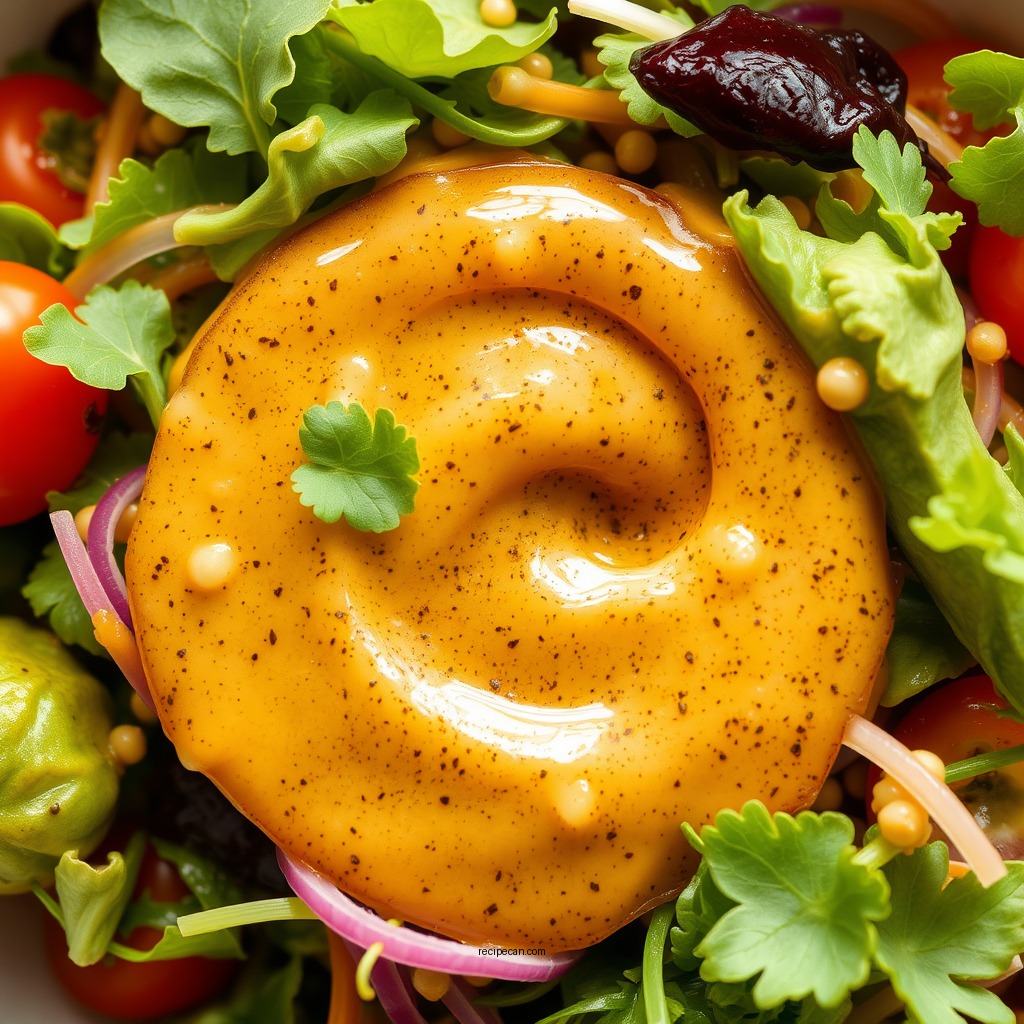
A salad is only as good as its dressing. Homemade dressings are a great way to control the ingredients and enhance the health benefits of your meal. A simple vinaigrette made with extra virgin olive oil and apple cider vinegar can provide anti-inflammatory effects while adding flavor. Olive oil is rich in monounsaturated fats and antioxidants, while apple cider vinegar has been shown to help regulate blood sugar levels.
In addition to basic dressings, you can experiment with herbs and spices that carry strong anti-inflammatory properties. For example, turmeric is known for its active compound curcumin, which has been extensively studied for its anti-inflammatory benefits. Ginger is another excellent option, as it can help reduce muscle pain and soreness. Incorporating these ingredients into your dressings can elevate the flavor and health benefits of your salads.
Top 7 Anti-Inflammatory Ingredients in Salads
| # | Ingredient | Anti-Inflammatory Score | Nutritional Benefits |
|---|---|---|---|
| 1 | Kale | 9.5 | High in Vitamin K, Antioxidants |
| 2 | Spinach | 8.7 | Rich in Flavonoids, Iron |
| 3 | Tomatoes | 9.1 | Source of Lycopene, Vitamins C & K |
| 4 | Turmeric | 10.0 | Contains Curcumin, Anti-Inflammatory |
| 5 | Ginger | 9.0 | Reduces Muscle Pain, Soreness |
| 6 | Olive Oil | 8.8 | Rich in Monounsaturated Fats |
| 7 | Berries | 9.4 | High in Antioxidants, Vitamins |
Superfood Salads
Superfoods are nutrient powerhouses that can significantly enhance the health benefits of your salads. Ingredients like quinoa, blueberries, and avocados not only add unique flavors but also contribute essential nutrients. Quinoa, for example, is a complete protein, meaning it contains all nine essential amino acids, making it an excellent base for a salad.
Blueberries are rich in antioxidants, particularly anthocyanins, which are known for their anti-inflammatory properties. Adding these berries to your salads can help combat oxidative stress and inflammation. Avocados provide healthy fats and fiber, which are beneficial for heart health and digestion. Incorporating these superfoods into your salads can transform them into meals that are both delicious and highly nutritious.
Nutrient Density of Superfood Ingredients
Seasonal Ingredients
Utilizing seasonal ingredients not only enhances the freshness and flavor of your salads but also supports sustainable farming practices. Seasonal produce is often more flavorful and nutrient-dense, as it is harvested at its peak ripeness. For example, spring brings fresh asparagus and peas, while summer offers a bounty of tomatoes and cucumbers. By choosing these ingredients based on the season, you can create salads that are not only delicious but also environmentally friendly.
Moreover, locally sourced produce typically has a lower carbon footprint compared to imported goods. Supporting local farmers also strengthens your community’s economy. When you select seasonal ingredients, you ensure that your salads are not only good for your health but also for the planet.
Meal Prep Tips
Meal prepping can save you time and make healthy eating more convenient. Prepare salad ingredients in advance by washing, chopping, and storing them in airtight containers. This way, you can quickly assemble your salads during busy weekdays.
It’s also advisable to store dressings separately to maintain the freshness and crunchiness of your greens. This prevents sogginess and ensures that your salads remain appetizing. Consider making larger batches of dressings to have them ready for multiple salads throughout the week. With a little preparation, you can enjoy delicious and healthy salads without the hassle of daily assembly.
Creative Combinations
Mixing and matching ingredients leads to unique and exciting flavor profiles. For instance, try a Mediterranean-inspired salad with chickpeas, feta cheese, and olives, or an Asian-inspired version with sesame oil, edamame, and mandarin oranges. These creative combinations not only enhance the taste but also bring a variety of nutrients to your plate.
Don’t hesitate to experiment with different textures and flavors. A balance of crunchy, creamy, sweet, and savory can make your salads more enjoyable. Adding fruits like apples or pears can introduce a refreshing sweetness, while roasted vegetables can provide depth and warmth. The possibilities are endless, and exploring new combinations can keep your meals exciting and nourishing.
Eating anti-inflammatory salads can significantly improve your health while satisfying your taste buds. By incorporating fresh ingredients, healthy proteins, and flavorful dressings, you can create a variety of delicious salads. Start experimenting with these recipes today and enjoy the benefits of a healthier lifestyle!
Frequently Asked Questions
What are some easy anti-inflammatory salad recipes I can make at home?
Easy anti-inflammatory salad recipes include ingredients like leafy greens, berries, nuts, and healthy fats. For instance, a spinach salad with walnuts, blueberries, and a vinaigrette made from olive oil and lemon juice is both refreshing and packed with antioxidants that help reduce inflammation.
How can I make my salad more anti-inflammatory?
To enhance the anti-inflammatory properties of your salad, incorporate ingredients such as turmeric, ginger, and avocados. Additionally, using dressings made from olive oil and apple cider vinegar can provide extra health benefits while keeping your salad flavorful and nutritious.
Why are leafy greens important in anti-inflammatory salads?
Leafy greens, such as kale and spinach, are rich in vitamins, minerals, and antioxidants that combat inflammation. They contain compounds like flavonoids and carotenoids, which help to reduce oxidative stress and promote overall health, making them a vital component of any anti-inflammatory salad.
What are the best toppings for an anti-inflammatory salad?
The best toppings for an anti-inflammatory salad include nuts like almonds and walnuts, seeds such as chia and flaxseeds, and superfoods like avocado and berries. These toppings not only add texture and flavor but also provide essential fatty acids, fiber, and antioxidants that support an anti-inflammatory diet.
Which dressing is ideal for an anti-inflammatory salad?
An ideal dressing for an anti-inflammatory salad is one made from extra virgin olive oil, lemon juice, and a dash of honey or mustard for flavor. This combination not only enhances taste but also incorporates healthy fats and antioxidants, making your salad both delicious and beneficial for reducing inflammation.
References
- https://www.ncbi.nlm.nih.gov/pmc/articles/PMC5876730/
https://www.ncbi.nlm.nih.gov/pmc/articles/PMC5876730/ - https://www.ncbi.nlm.nih.gov/pmc/articles/PMC5471235/
https://www.ncbi.nlm.nih.gov/pmc/articles/PMC5471235/ - https://www.ncbi.nlm.nih.gov/pmc/articles/PMC6470873/
https://www.ncbi.nlm.nih.gov/pmc/articles/PMC6470873/ - https://www.ncbi.nlm.nih.gov/pmc/articles/PMC6418262/
https://www.ncbi.nlm.nih.gov/pmc/articles/PMC6418262/ - https://www.mayoclinic.org/healthy-lifestyle/nutrition-and-healthy-eating/in-depth/inflammatory-foods/art-20417079
https://www.mayoclinic.org/healthy-lifestyle/nutrition-and-healthy-eating/in-depth/inflammatory-foods/art-20417079 - https://www.health.harvard.edu/staying-healthy/the-inflammatory-diet
https://www.health.harvard.edu/staying-healthy/the-inflammatory-diet - https://www.ncbi.nlm.nih.gov/pmc/articles/PMC6467575/
https://www.ncbi.nlm.nih.gov/pmc/articles/PMC6467575/ - https://scholar.google.com/scholar?q=anti+inflammatory+salad+recipes Google Scholar
https://scholar.google.com/scholar?q=anti+inflammatory+salad+recipes - https://scholar.google.com/scholar?q=anti+inflammatory+foods Google Scholar
https://scholar.google.com/scholar?q=anti+inflammatory+foods - https://scholar.google.com/scholar?q=inflammation+and+diet+research Google Scholar
https://scholar.google.com/scholar?q=inflammation+and+diet+research