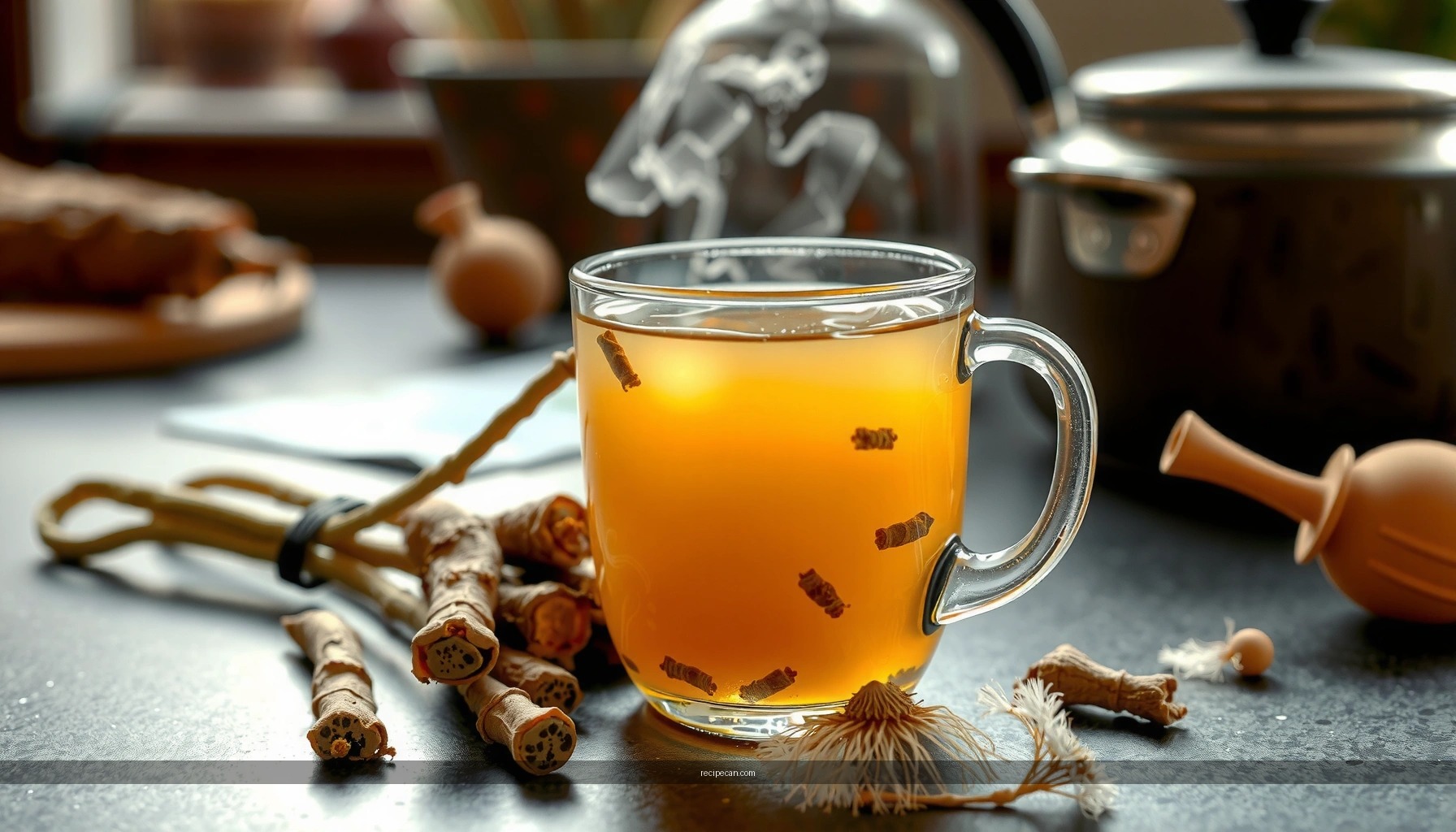
Looking for a dandelion root tea recipe you can make at home with consistent results? This guide gives you the exact steeping method and amounts to turn dried dandelion root into a bold, earthy cup in minutes. Follow it, and you’ll know precisely how to brew it right the first time—without guesswork.
Make dandelion root tea by roasting (or using roasted/dried) dandelion root and steeping it in hot water for 10–20 minutes, then straining. This simple dandelion root tea recipe shows you how to choose the right root, prep it correctly, and fine-tune strength and flavor for a warm, earthy cup.
Roasted dandelion root tea (often called “dandelion root coffee” by fans because of its toasty flavor profile) is popular for its naturally bitter, caramel-like notes and caffeine-free brewing experience. The method is straightforward—success depends on three variables: root quality, roast level, and steep time. If you’re brewing at home for consistency, treat this like a small, repeatable process: measure your root amount, control your water temperature, and note your steep time.
Brewing Strength Guide for Dandelion Root Tea (Per 250 ml)
| # | Desired Cup | Root Amount | Steep Time | Perceived Bitterness |
|---|---|---|---|---|
| 1 | Very Mild | 1 tsp | 8–10 min | Low |
| 2 | Mild & Smooth | 1–1.5 tsp | 10–12 min | ★ Low |
| 3 | Balanced (Most Common) | 1.5 tsp | 12–15 min | ★★ Medium |
| 4 | Robust | 1.5–2 tsp | 15–18 min | ★★★ Higher |
| 5 | Very Strong | 2 tsp | 18–20 min | High |
| 6 | Half-Cup (125 ml) | 0.75 tsp | 10–14 min | ★ Medium |
| 7 | Second Steep (Reuse) | Same root | 8–12 min | Low–Medium |
What You Need for Dandelion Root Tea

To brew a reliable dandelion root tea at home, assemble a small set of tools and ingredients. Having the right equipment prevents common issues like uneven extraction (tea tasting “thin”) or overly bitter cups (from extended steeping or over-roasted roots).
– Gather fresh or dried dandelion root (and optionally roasted root)
– Fresh root: Look for dandelions from an area you trust (no pesticides, minimal roadside contamination).
– Dried/roasted root: Choose brands that specify roast level or provide a consistent “roasted” product so your cup stays repeatable.
– Use water, a pot or kettle, and a fine strainer or tea infuser
Boiling water extracts quickly; a fine strainer or infuser keeps root particles out of your cup. For a smoother texture, a paper filter (pour-over style) can help, though it’s not required.
Additional practical items (optional but helpful): a baking sheet for roasting, parchment paper, kitchen shears/knife for chopping, and a jar for storage.
How to Prepare Dandelion Root
Preparation is where “good tea” becomes “great tea.” If you’re using fresh root, you’ll want to clean it thoroughly and dry it so it roasts evenly and doesn’t steam on the tray.
– Wash and chop the root, then dry it thoroughly
Rinse well under cool water and scrub off soil. Chop into small, uniform pieces (rough matchstick size). Dry completely—air-drying or a low-temperature oven helps—because moisture can lead to uneven roasting.
– Roast until fragrant (or use store-bought roasted/dried root)
Roast gives dandelion root tea its signature toasty, slightly coffee-like aroma.
– At home roasting: Spread pieces on a parchment-lined baking sheet. Roast until they smell nutty and look darker, stirring halfway for consistent color.
– Why roast level matters: Lighter roast tends to taste more “green” and earthy; darker roast brings more caramelized notes and often more perceived bitterness.
If you want maximum consistency (especially if you’re brewing for a group or your own routine), consider roasting in small batches and labeling your roast date and level (“light roast,” “medium roast,” etc.). That simple discipline makes flavor tuning far easier later.
Step-by-Step Dandelion Root Tea Recipe

This is the core method: portion the root, steep or gently simmer in hot water, then strain. The target window is typically 10–20 minutes, with shorter steeping for beginners and longer steeping for deeper flavor.
– Add 1–2 tsp per cup (250 ml) to a saucepan
Start with 1.5 tsp per 250 ml if you want the most balanced baseline. If you prefer milder tea, drop to 1 tsp; if you like bold, go toward 2 tsp.
– Simmer gently or steep hot water for 10–20 minutes, then strain
– Option A: Steep (cleanest flavor): Bring water to just off a boil, pour over root, cover, and steep.
– Option B: Gentle simmer (strong extraction): Simmer lightly to keep extraction steady, then remove from heat and strain.
Practical benchmark: if your tea tastes too sharp or bitter, reduce either root amount or steep time first—changing only one variable each time makes it easy to dial in your ideal cup.
> To avoid grit, let the strained tea sit for 1–2 minutes. Residual particles often settle, and you can pour the clearer portion.
Best Brewing Tips and Flavor Ideas
Because dandelion root naturally leans bitter, brewing technique and finishing touches are what turn it into a pleasant daily beverage rather than a “trial cup.”
– Adjust steep time for stronger or milder taste
As a rule of thumb:
– 8–12 minutes often produces a lighter, smoother cup
– 12–18 minutes tends to hit the “balanced” range
– 18–20+ minutes can become noticeably more bitter and intense
Use the strength guide in the data table above to make informed adjustments without guesswork.
– Add optional honey, cinnamon, or a squeeze of lemon to finish
These additions don’t “mask” the root—they reshape the overall experience:
– Honey: rounds bitterness and adds floral sweetness.
– Cinnamon: complements the roasted, caramel-like notes and brings warmth similar to spiced tea blends.
– Lemon: brightens the cup, making earthy bitterness feel more balanced.
Flavor pairings worth trying:
– A pinch of cardamom for a more aromatic, dessert-like profile
– Milk or oat milk if you prefer a latte-style drink (stir after steeping and adjusting sweetness)
– A small amount of vanilla (extract or bean) for a comforting “roasted” aroma
How to Store and Reuse (So You Waste Less)
Good storage keeps root usable and flavor consistent. Reuse also improves value: you can extract a second cup from the same pieces, usually with reduced intensity.
– Store dried or roasted root in an airtight container
Keep it away from heat and direct light. A sealed glass jar works well. If you roasted at home, store after cooling completely to prevent condensation, which can degrade aroma and texture.
– Use remaining pieces for a second steep (weaker, but still tasty)
Re-steeping is ideal when you’re optimizing cost and minimizing waste. Your second cup is typically:
– Less bitter
– More mellow
– Still aromatic, especially if you steep slightly less time than the first cup
Simple reuse method: strain your first cup, then steep the remaining root again in fresh hot water for 8–12 minutes and taste. Adjust down if you’re sensitive to bitterness.
Safety and When to Use Caution
Dandelion root tea is generally enjoyed as a food beverage, but it’s wise to treat it like a plant-based preparation—meaning you should consider individual health circumstances and interactions.
– Check for allergies to plants in the daisy family
Dandelions belong to the Asteraceae family (often referred to as the daisy family). If you have known sensitivities to related plants, start carefully and consider speaking with a clinician if you’re unsure.
– If you’re pregnant, breastfeeding, or on medications, consult a clinician first
Plant extracts and concentrated teas may not be appropriate for everyone. If you take medications—especially those affecting blood sugar, diuresis, or heart rhythm—consult a qualified healthcare professional before making dandelion root tea a regular routine.
Practical safety tip: if you harvest fresh roots yourself, ensure you’re confident about the growing area and absence of pesticides or heavy contamination. Buying from reputable sources reduces uncertainty.
Dandelion root tea is easy to make: roast or use dried root, steep in hot water for 10–20 minutes, strain, and customize the flavor with honey, cinnamon, or lemon. Try this dandelion root tea recipe today—then brew a second cup by adjusting steep time until it tastes just right for you.
Frequently Asked Questions
What is a dandelion root tea recipe and what does it taste like?
A dandelion root tea recipe uses cleaned, roasted dandelion root steeped in hot water to make a warm, earthy drink. The flavor is often bitter, similar to herbal coffee or chicory, with a slightly woody, caramel-like note after roasting. Many people enjoy it for its “digestive tea” feel, especially when brewed a bit stronger.
How do you make dandelion root tea step-by-step at home?
Start by washing dandelion roots thoroughly, then dry them completely and slice or chop. Roast the pieces in an oven until fragrant and browned (typically 15–30 minutes), cool, and then simmer 1–2 teaspoons of the roasted root in 2 cups of water for 10–20 minutes. Strain and taste, then adjust by steeping longer for a stronger dandelion root tea. Optional add-ins like a splash of honey or lemon can help balance the natural bitterness.
Which roasted vs. raw dandelion root tea recipe is better for flavor and benefits?
Many people prefer a roasted dandelion root tea recipe because roasting deepens the flavor and reduces some harshness, making the tea more palatable. Raw root can be simmered, but it often tastes more bitter and “green,” and some find it less comforting. If you’re aiming for a smoother, coffee-like herbal beverage, roasting is usually the best choice.
Why does dandelion root tea taste bitter and how can you make it less bitter?
Dandelion root contains naturally bitter compounds that create the classic dandelion root tea flavor. To reduce bitterness, try using less root, steeping for a shorter time, or using a medium roast rather than a dark roast. You can also strain carefully, let it cool slightly before sipping, and add small amounts of honey, cinnamon, or a squeeze of lemon.
What’s the best way to choose and store dandelion roots for tea?
Use roots from pesticide-free areas or purchase reputable dried dandelion root to avoid contamination. For storage, keep dried or roasted dandelion root in an airtight container away from light and moisture so the flavor stays fresh. If you’re making tea frequently, labeling the date and keeping the root in a cool pantry helps maintain consistent results with your dandelion root tea recipe.
References
- Google Scholar Google Scholar
https://scholar.google.com/scholar?q=dandelion+root+tea+recipe - Google Scholar Google Scholar
https://scholar.google.com/scholar?q=Taraxacum+officinale+root+decoction - Google Scholar Google Scholar
https://scholar.google.com/scholar?q=dandelion+root+traditional+use+tea - Taraxacum
https://en.wikipedia.org/wiki/Dandelion - Dandelion: Usefulness and Safety | NCCIH
https://www.nccih.nih.gov/health/dandelion - Herbs and Supplements: MedlinePlus
https://medlineplus.gov/druginfo/natural/955.html - https://pubmed.ncbi.nlm.nih.gov/?term=Taraxacum+officinale+root+extract
https://pubmed.ncbi.nlm.nih.gov/?term=Taraxacum+officinale+root+extract - https://pubmed.ncbi.nlm.nih.gov/?term=dandelion+root+decoction
https://pubmed.ncbi.nlm.nih.gov/?term=dandelion+root+decoction - Dandelion | Definition, Uses, & Facts | Britannica
https://www.britannica.com/plant/dandelion - https://www.sciencedirect.com/search?qs=Taraxacum%20officinale%20root%20tea
https://www.sciencedirect.com/search?qs=Taraxacum%20officinale%20root%20tea