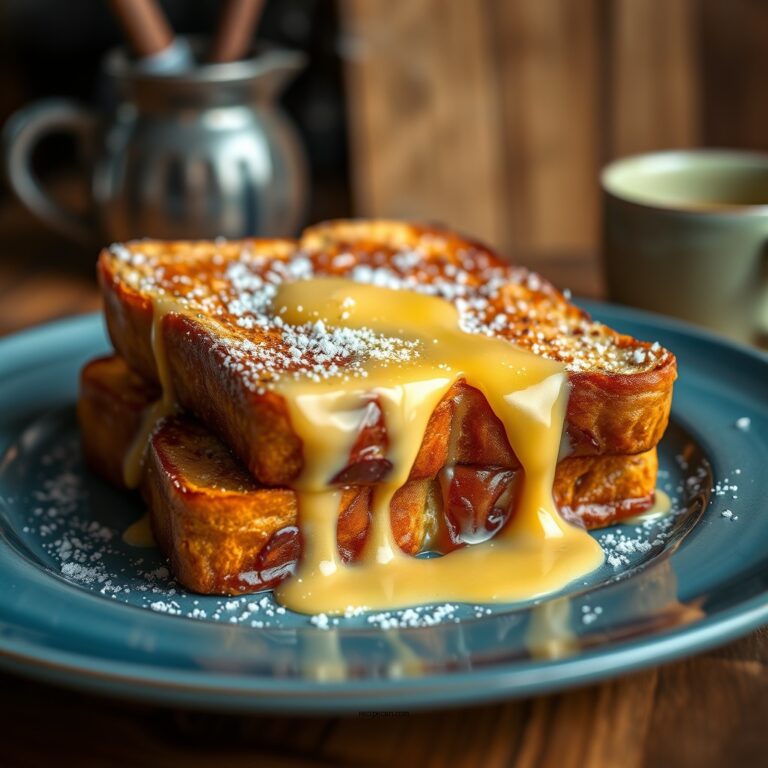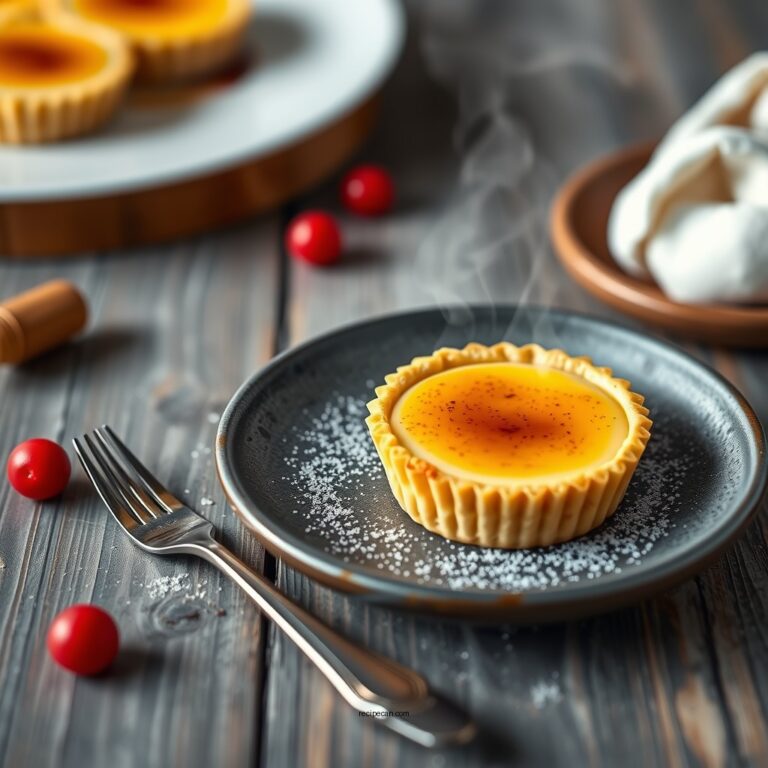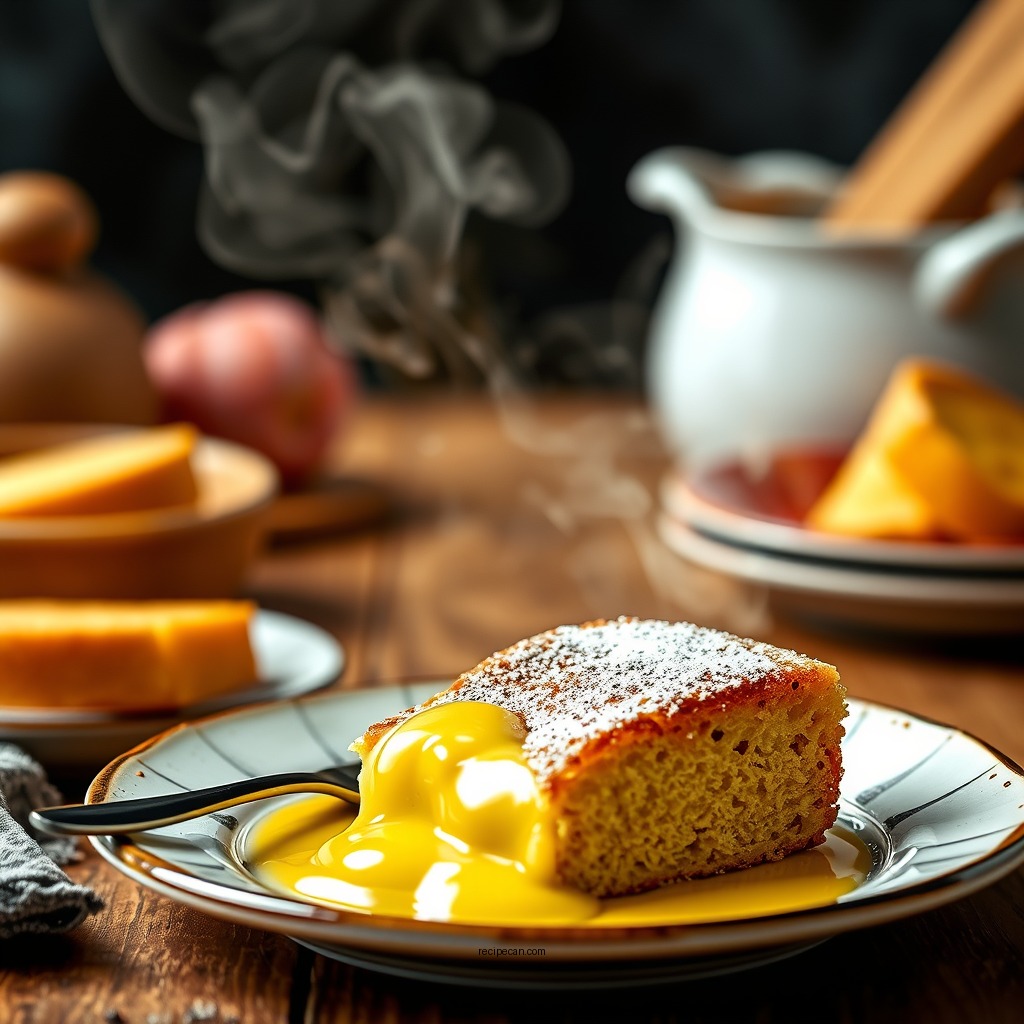
To create a luscious cake filling, a custard recipe is essential. This rich and creamy filling enhances any cake, from classic vanilla to decadent chocolate. In this guide, you’ll learn how to make the perfect custard filling, tips for flavor variations, and how to use it in your baking.
Understanding Custard: What is It?
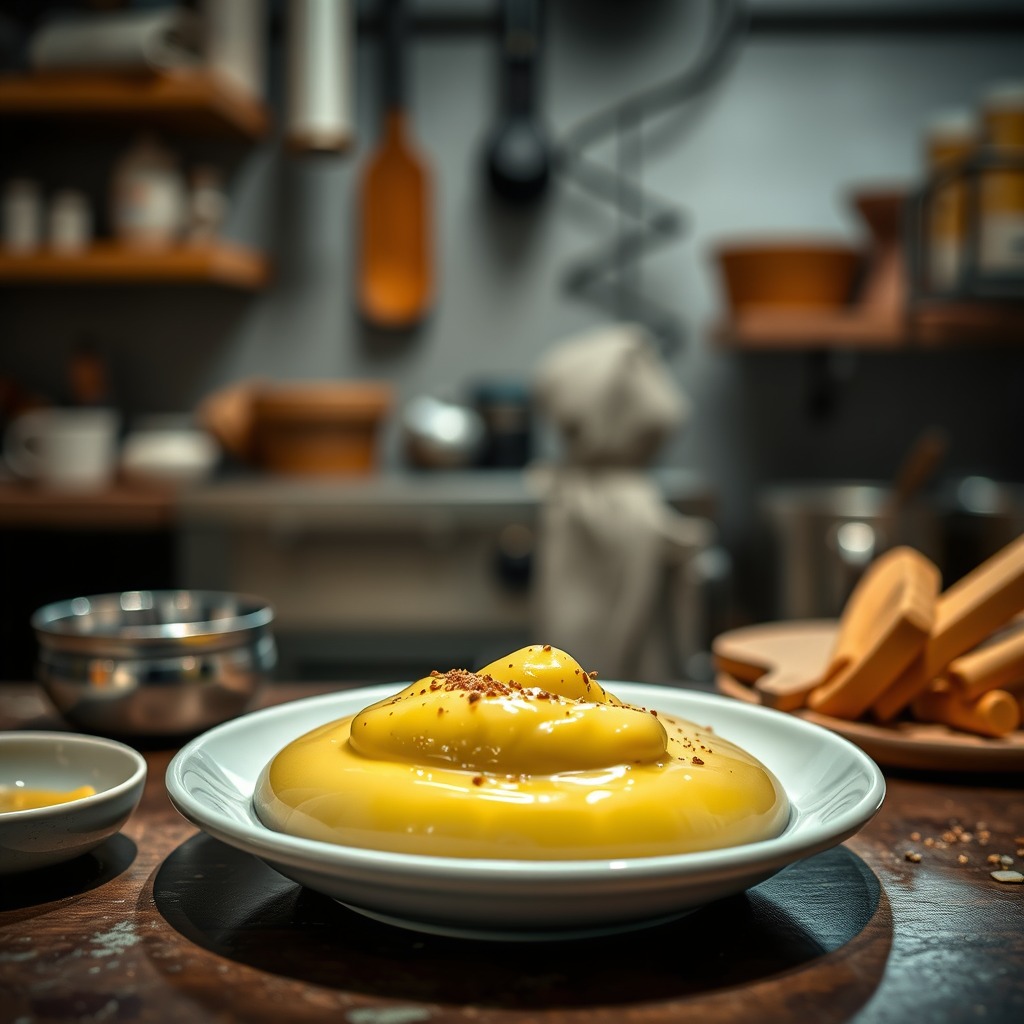
Custard is a mixture of milk or cream and egg yolks, thickened to a creamy consistency. This delightful concoction has been a beloved component in baking for centuries, serving as a versatile filling suitable for various desserts beyond cakes, including tarts and pastries. The fundamental appeal of custard lies in its silky texture and rich flavor, which adapts well to both sweet and savory dishes. When used as a cake filling, custard not only adds moisture but also complements a wide range of cake flavors, making it a staple in both home kitchens and professional bakeries.
Basic Custard Recipe
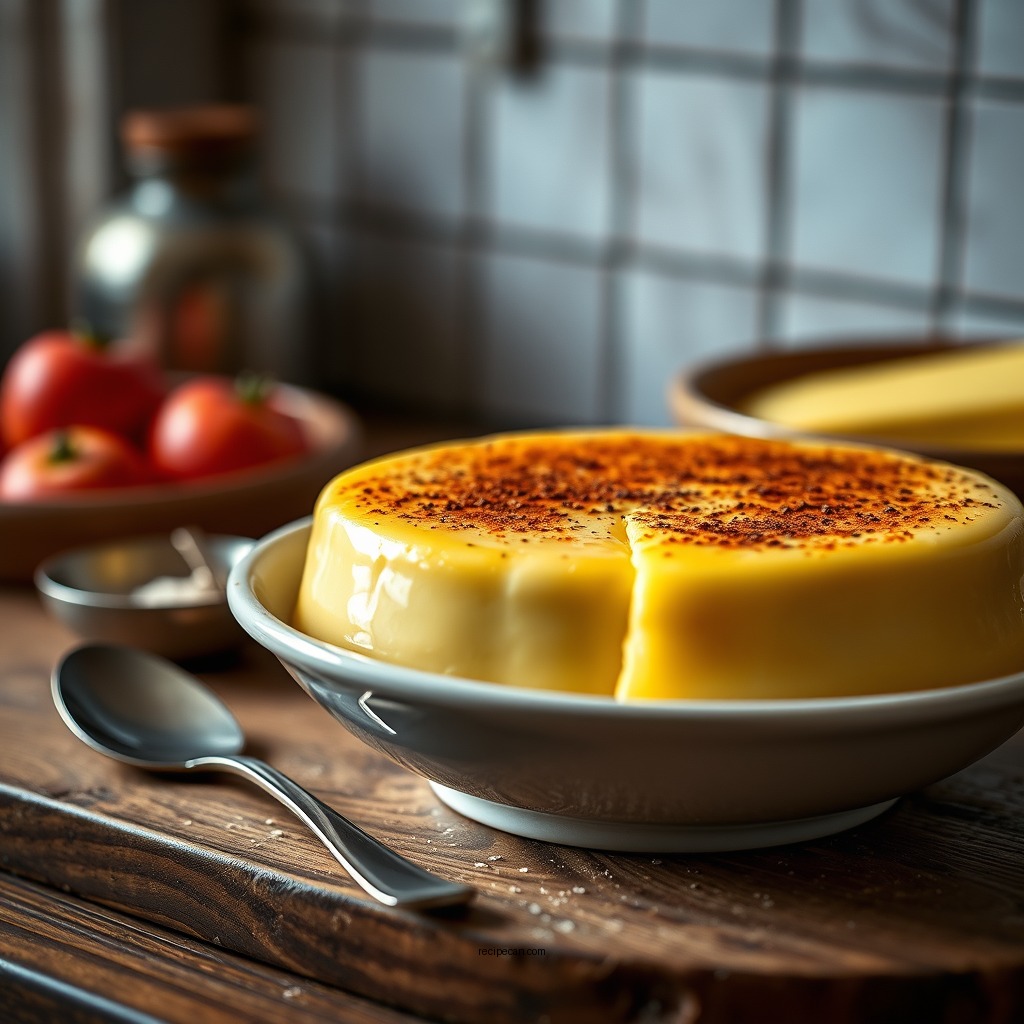
Making custard is a straightforward process that requires minimal ingredients but demands attention to detail for optimal results. Here’s a simple yet classic recipe for custard:
1. Ingredients:
– 2 cups whole milk
– 1/2 cup granulated sugar
– 4 large egg yolks
– 1 teaspoon vanilla extract (optional)
– Pinch of salt
2. Instructions:
– In a medium saucepan, combine the milk and sugar. Heat over medium heat until the mixture is hot but not boiling.
– In a separate bowl, whisk the egg yolks until they are light and frothy. Gradually pour about half of the hot milk mixture into the egg yolks while whisking constantly to temper the eggs and prevent curdling.
– Return the mixture to the saucepan and continue to cook over medium heat. Stir continuously for about 5-7 minutes until the custard thickens and coats the back of a spoon. You can check this by running your finger along the back of the spoon; if the line holds, it’s ready.
– Remove from heat and stir in the vanilla extract and a pinch of salt.
– Strain the custard through a fine-mesh sieve into a bowl to remove any lumps, then cover with plastic wrap directly on the surface to prevent a skin from forming. Allow it to cool completely before using.
Flavor Variations for Custard
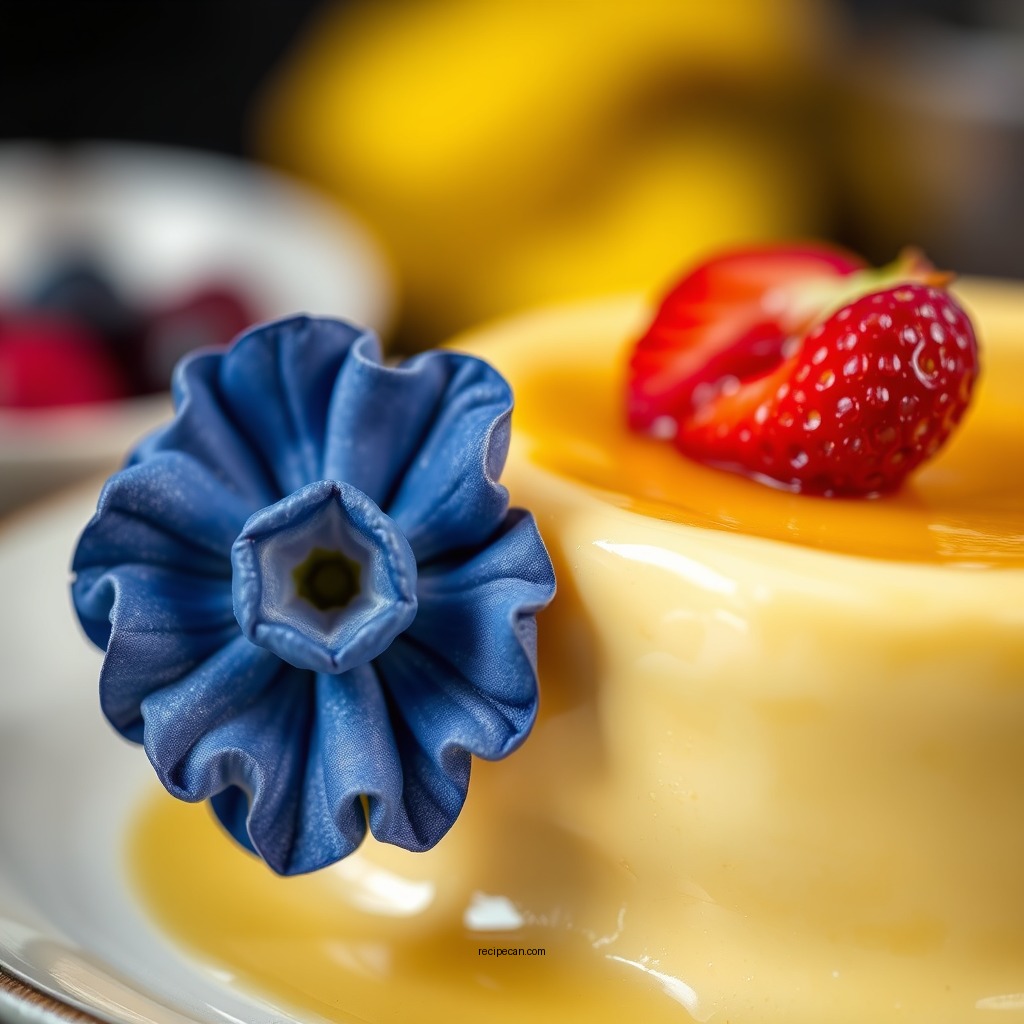
While the basic custard recipe is delicious on its own, there are numerous ways to customize its flavor to suit your cake or dessert. Here are some popular flavor variations:
– Vanilla Custard: The classic flavor, simply enhance with pure vanilla extract or vanilla bean for a more intense aroma.
– Citrus Custard: Add the zest of lemons, oranges, or limes to the milk mixture for a refreshing citrusy note.
– Chocolate Custard: Incorporate melted chocolate or cocoa powder into the milk mixture for a rich, indulgent filling.
– Spiced Custard: A dash of cinnamon, nutmeg, or cardamom can impart warmth and depth, making it perfect for autumn-themed cakes.
– Coffee Custard: Infuse the milk with brewed espresso or strong coffee for a sophisticated touch in desserts.
Top 7 Custard Flavor Variations
| # | Flavor | Popularity (%) | Usage in Cakes |
|---|---|---|---|
| 1 | Vanilla | 40% | Classic Cakes |
| 2 | Chocolate | 25% | Rich Desserts |
| 3 | Citrus | 15% | Lemon Cakes |
| 4 | Coffee | 10% | Mocha Cakes |
| 5 | Spiced | 5% | Seasonal Cakes |
| 6 | Other | 5% | Variety of Cakes |
Tips for Perfecting Your Custard
Achieving the perfect custard requires a blend of technique and patience. Here are some essential tips to help you perfect your custard:
1. Use Fresh Ingredients: Fresh eggs and high-quality milk or cream will yield the best flavor and texture.
2. Monitor the Heat: Custard can curdle if cooked at too high a temperature. Use a medium heat setting, and stir continuously to ensure even cooking.
3. Strain for Smoothness: Straining the custard through a fine-mesh sieve after cooking helps to achieve a velvety consistency by removing any coagulated egg bits.
4. Cool Properly: Allow the custard to cool at room temperature before refrigerating, as rapid cooling can cause condensation, potentially affecting its texture.
5. Store Correctly: Always cover the surface of the custard with plastic wrap to prevent a skin from forming.
Using Custard as Cake Filling
Custard serves as an excellent cake filling, providing moisture and flavor that can elevate your cake’s overall profile. Here’s how to effectively use custard in your cake creations:
– Cooling: Allow the custard to cool completely before using it as a filling. This prevents it from melting the layers of cake and ensures a stable filling.
– Layering: Spread a generous layer of custard between cake layers. You can use a piping bag for precision or simply spread it with a spatula.
– Pairing Flavors: Consider pairing custard with complementary flavors. For example, a vanilla custard works beautifully with a chocolate cake, while citrus custard can enhance the flavor of vanilla or almond cakes.
– Enhancements: For added texture and flavor, fold in fruits, nuts, or whipped cream into the custard before using it as a filling.
Storing and Reheating Custard
Storing custard properly will maintain its quality and safety. Here are some tips for storage and reheating:
– Refrigeration: Store custard in an airtight container in the refrigerator for up to three days. Always place plastic wrap directly on the surface to prevent a skin from forming.
– Freezing: While custard can be frozen, it may change texture upon thawing. If you choose to freeze it, be sure to cool it completely and store it in a suitable container.
– Reheating: When reheating custard, do so gently. Use a stovetop over low heat or microwave in short bursts, stirring frequently to maintain a smooth texture.
– Safety Tip: Discard any custard that has been left out at room temperature for more than two hours to avoid foodborne illness.
Custard Popularity Among Bakers (2024)
In conclusion, custard is a versatile and delicious filling that can elevate the flavor of your cakes significantly. With a basic recipe in hand and an understanding of how to incorporate various flavor variations, you can create customized, decadent desserts that will impress your guests. Remember to focus on quality ingredients and careful cooking techniques to achieve the best results. Whether you’re making a classic vanilla custard or experimenting with chocolate or citrus flavors, this filling is sure to delight. Try making custard for your next cake, and don’t hesitate to share your results or favorite variations!
Frequently Asked Questions
What are the key ingredients for a custard recipe cake filling?
The key ingredients for a custard recipe cake filling typically include milk, sugar, eggs, and cornstarch or flour for thickening. You may also add vanilla extract for flavor. These ingredients combine to create a creamy, rich filling that pairs perfectly with various cake types.
How do I make a stable custard filling for cakes?
To make a stable custard filling for cakes, cook the mixture slowly over low heat while whisking continuously until it thickens. You can also add butter or gelatin to enhance stability and prevent the custard from becoming too runny. Allow it to cool completely before using it as a filling to ensure it holds its shape.
Why is my custard filling curdling during preparation?
Curdling in custard filling often occurs due to high heat or cooking too quickly. To prevent this, always cook your custard on low heat and gradually add warm ingredients to the egg mixture before combining it with the rest. This technique, known as tempering, helps maintain a smooth texture without curdling.
What’s the best way to flavor custard for cake filling?
The best way to flavor custard for cake filling is by incorporating extracts or infusions, such as vanilla, almond, or citrus zest. You can also add cocoa powder for a chocolate custard or fruit purees for a fruity twist. Experimenting with different flavorings allows you to customize your custard to complement the cake.
Which cakes pair well with custard filling?
Custard filling pairs beautifully with a variety of cakes, including sponge cakes, layered cakes, and even chocolate cakes. It adds a rich, creamy texture that balances lighter cake options, making it ideal for vanilla or lemon-flavored cakes. For a delightful contrast, try combining custard filling with a fruit-flavored cake for an elevated dessert experience.
References
- Custard
https://en.wikipedia.org/wiki/Custard - Custard | Definition, Ingredients, & Preparation | Britannica
https://www.britannica.com/topic/custard - Google Scholar Google Scholar
https://scholar.google.com/scholar?q=custard+recipe+cake+filling - Google Scholar Google Scholar
https://scholar.google.com/scholar?q=custard+filling+recipes - https://pubmed.ncbi.nlm.nih.gov/17342079/
https://pubmed.ncbi.nlm.nih.gov/17342079/ - https://www.sciencedirect.com/topics/food-science/custard
https://www.sciencedirect.com/topics/food-science/custard - https://www.nature.com/articles/s41538-020-00022-2
https://www.nature.com/articles/s41538-020-00022-2 - https://www.cdc.gov/foodsafety/safe-food-handling.html
https://www.cdc.gov/foodsafety/safe-food-handling.html - https://www.nytimes.com/topic/subject/recipes
https://www.nytimes.com/topic/subject/recipes - https://www.bbc.com/food/recipes/custard_70313
https://www.bbc.com/food/recipes/custard_70313