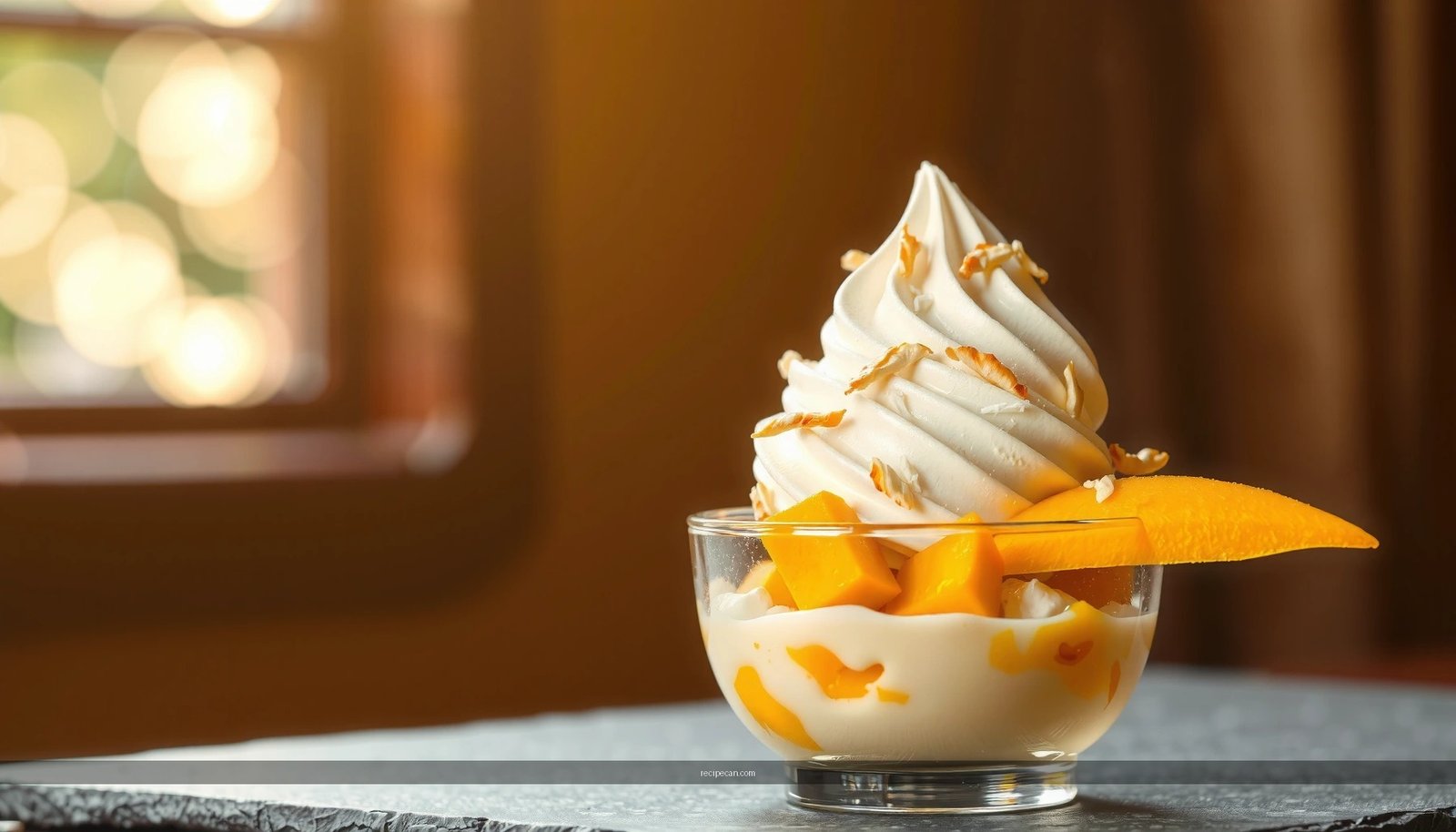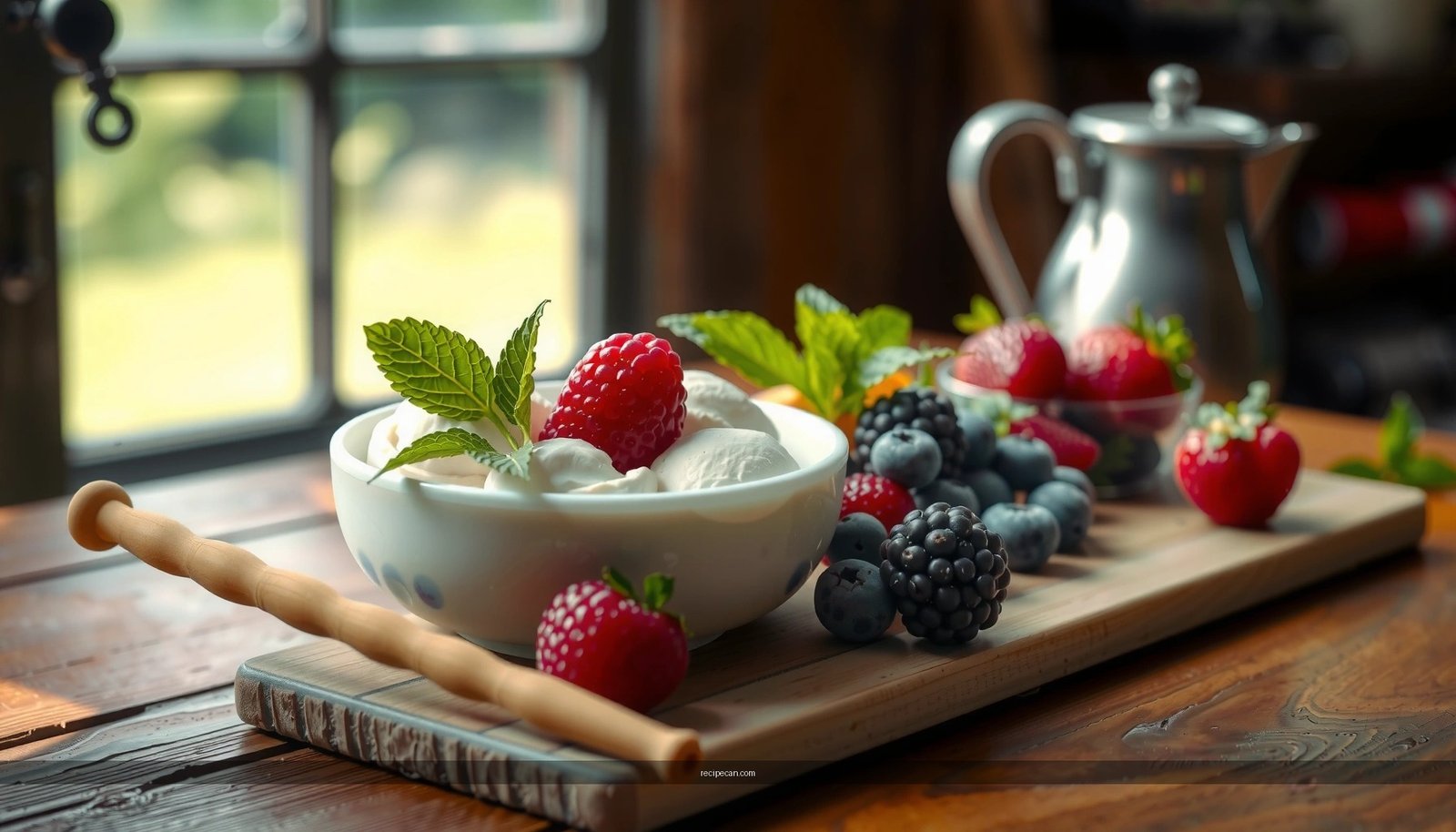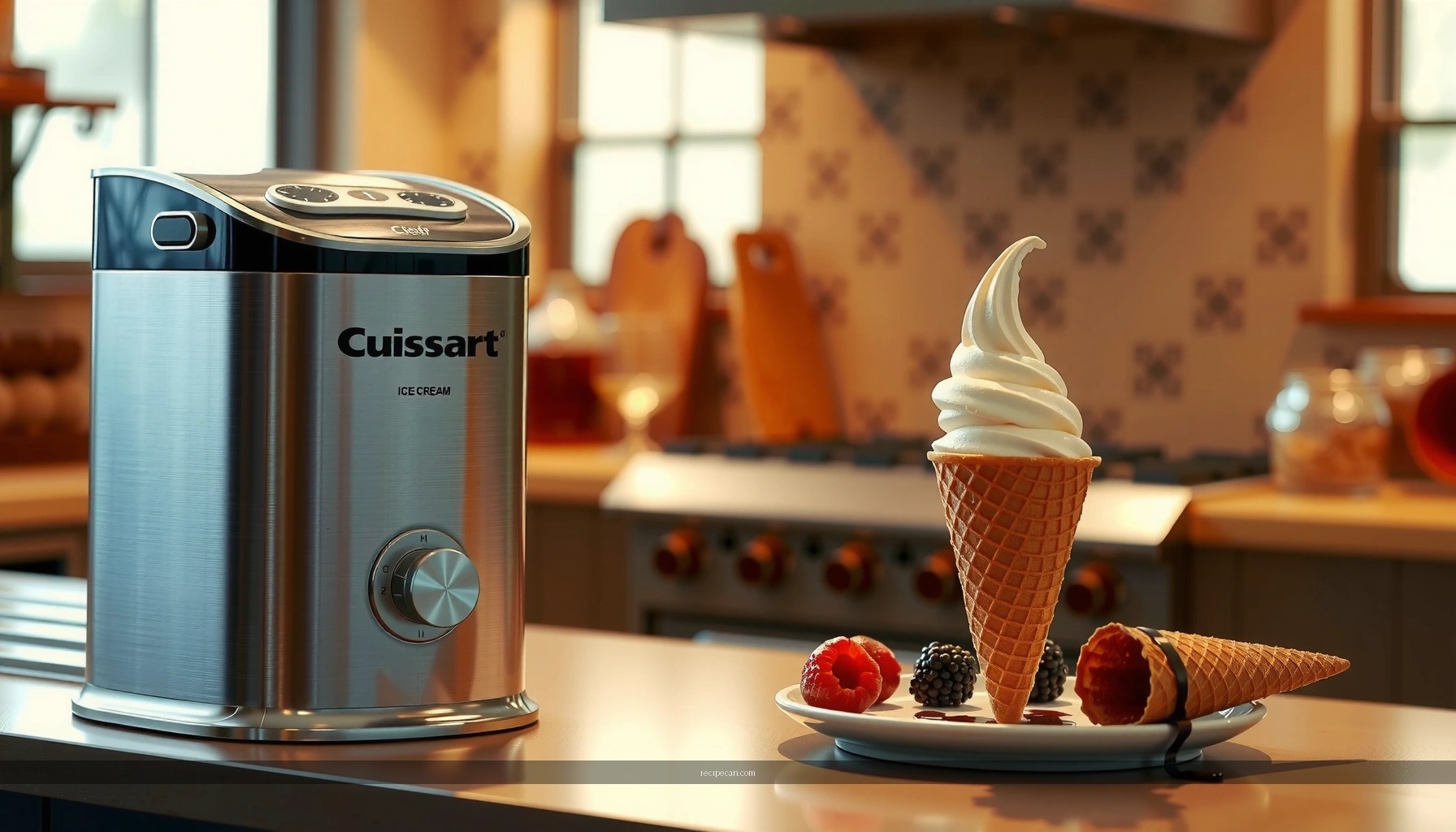
Cuisinart soft ice cream maker recipes can finally answer the one question that matters: what simple recipes actually deliver creamy, scoopable results without guesswork. This guide names the best go-to flavor bases—vanilla, chocolate, and fruit-forward variations—tailored to how Cuisinart models churn and freeze. Expect fast prep, consistent texture, and clear add-in timing so every batch comes out smooth instead of icy.
Make creamy Cuisinart soft serve at home by starting with a reliable milk/cream + sugar base, chilling it before churning, and then fine-tuning thickness using small adjustments to your mix and the machine’s settings. Below, you’ll find easy Cuisinart soft ice cream maker recipes, practical ingredient guidance, and troubleshooting so your soft serve lands smooth and scoopable instead of icy or grainy.
Best Cuisinart Soft Serve Base Recipe
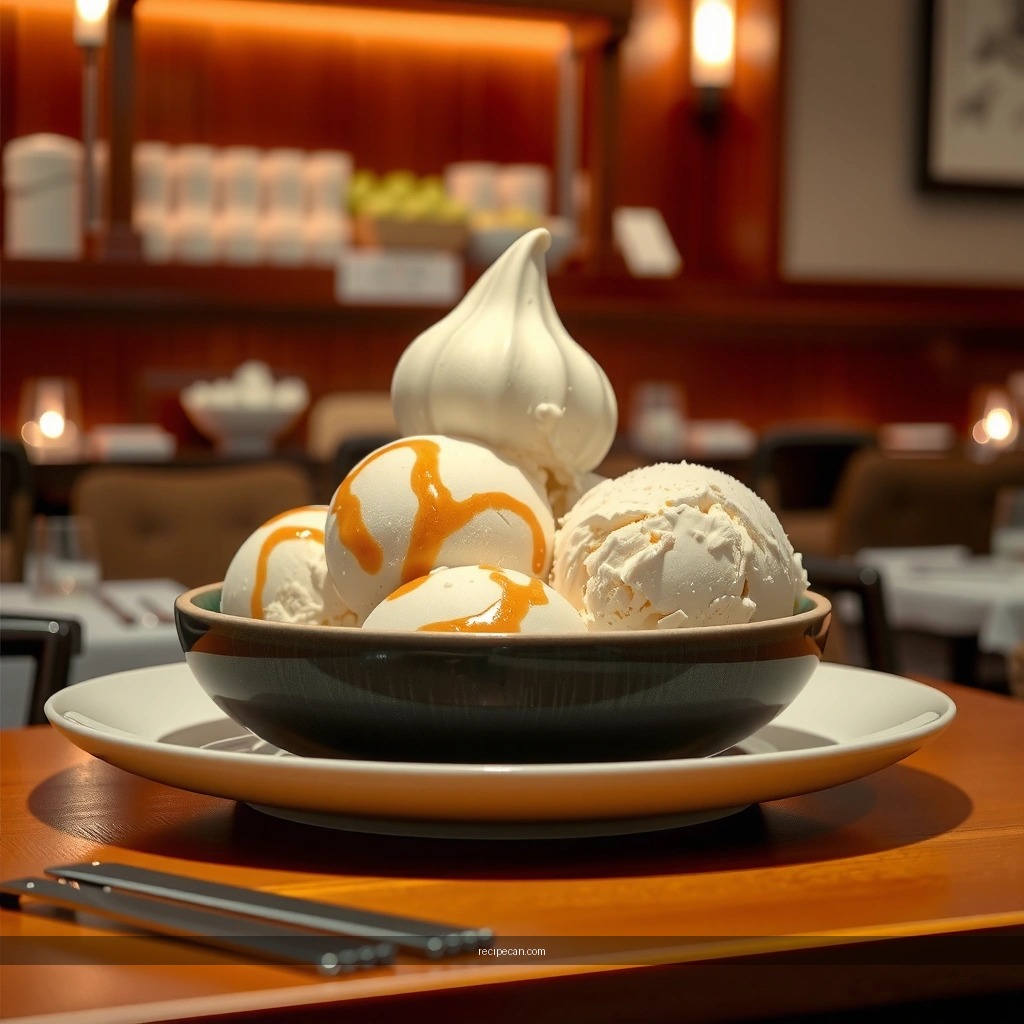
A great Cuisinart soft ice cream maker recipe starts with the fundamentals: dairy for body, sugar for a smoother frozen texture, and a small amount of flavoring for balance. The goal is not just “sweet,” but the right fat/sugar structure that keeps the result tender even at serving temperature.
Use this as your default vanilla base, then remix into chocolate, fruit, and mix-ins later.
How to build the base (vanilla-forward)
– Dairy: Use a blend of whole milk + heavy cream for a softer, scoop-friendly texture.
– Sweetener: Granulated sugar dissolves cleanly and supports smoothness by lowering the freezing point.
– Stabilize + flavor: Vanilla extract or vanilla paste adds aroma without affecting texture much.
– Chill first: After mixing, refrigerate until cold (typically at least 2 hours). Starting colder helps the churn work efficiently and reduces icy edges.
Recommended starting point for one batch (typical soft-serve style)
– Whole milk: 2 cups (480 ml)
– Heavy cream: 1 cup (240 ml)
– Granulated sugar: 1/2 cup (100 g)
– Vanilla extract or paste: 2 tsp
– Fine salt: 1/8 tsp (optional but recommended for flavor clarity)
Method (works for most Cuisinart soft serve workflows)
1. Whisk sugar into milk/cream until fully dissolved.
2. Stir in vanilla (and salt).
3. Chill mixture until cold.
4. Pour into the freezer bowl and churn according to your machine’s instructions.
5. For the best consistency, serve shortly after churning—soft serve is best during its “just-finished” window.
Two practical controls that matter most
– Fill level: Overfilling can restrict churn circulation; underfilling can reduce movement. Follow your bowl guidance so the mixture circulates properly.
– Mixture temperature: Warmer mix increases the odds of a runny finish. Cold mix promotes a consistent, creamy churn.
Chocolate & Cocoa Soft Ice Cream Recipes
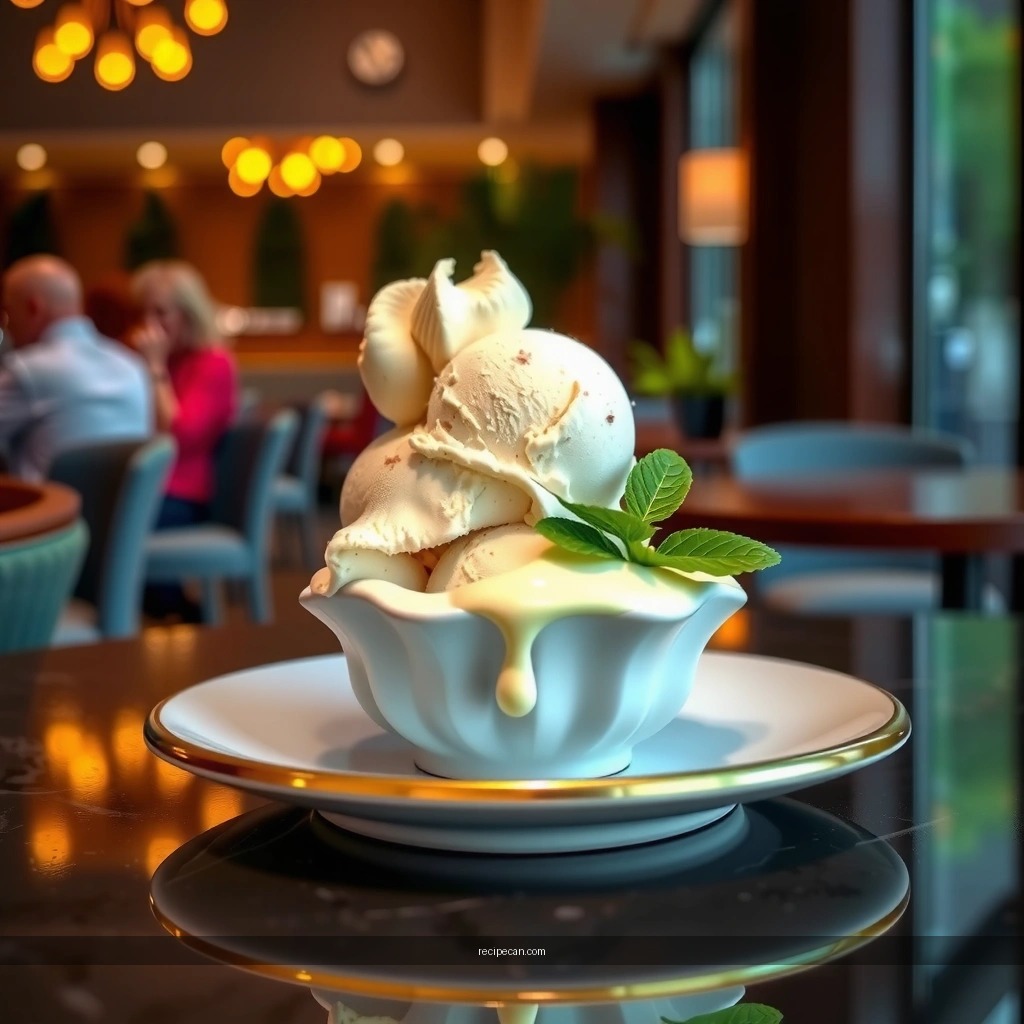
Chocolate soft serve is easiest when you treat chocolate as a flavor system, not just “brownness.” Cocoa powder needs proper mixing to prevent graininess, while melted chocolate needs careful handling to avoid texture separation.
– Cocoa powder route: Use cocoa + the vanilla-style base.
– Melted chocolate route: Melt chocolate and blend into the base once it’s warm enough to combine smoothly (but not hot).
Chocolate base starting logic
– Add a pinch of salt (you’ll feel it in the “chocolate pop” even though it’s not salty).
– Sift cocoa powder to reduce clumps.
– Blend until uniform—especially important for cocoa.
Cocoa soft serve (simple, reliable)
– Replace 2–3 tbsp of sugar with 2–3 tbsp cocoa powder *or* start with cocoa while keeping sugar constant, then taste-adjust next batch.
– Add salt (a small pinch is enough).
– Whisk thoroughly, and chill before churning.
Melted chocolate soft serve (richer texture)
– Use melted bittersweet or semisweet chocolate (commonly 60–70% cacao for balanced sweetness).
– Let the melted chocolate cool slightly before mixing into the chilled base so you don’t warm the mixture back up.
Key technique to avoid “grit”
– Cocoa clumps are the #1 cause of graininess. Sifting + vigorous whisking (or blending) makes a measurable difference.
– If you notice tiny particles, blend again before chilling—don’t wait until after churning.
Fruit-Forward Soft Serve (Strawberry, Mango, Berry)

Fruit soft serve is delicious, but it comes with two texture risks: water content and varying fruit sweetness. The machine can only smooth what the base composition supports—so fruit handling is the difference between “silky” and “icy-syrupy.”
Choose fruit smart
– Fresh or frozen works—frozen often churns more consistently because it’s already processed and ready to measure.
– For a smoother churn, strain fruit puree (especially seeds/pectin-heavy berries).
Balance sweetness (fruit is not consistent)
– Strawberries and mangoes can vary widely in natural sugar. Start slightly under sweet, churn, then taste.
– If your fruit is very tart, increase sugar modestly rather than relying on the fruit to “bring sweetness later.”
Add-ins timing: keep it controlled
– If you’re adding fruit chunks, keep them small to avoid freezing “hard spots.”
– For smoother fruit texture, do fruit as a puree in the base, not as large mix-ins.
– If you want visible swirls/pieces, add chunks after the soft serve starts mixing (when the churn is already active) so pieces don’t freeze into a single block.
Quick fruit puree guideline
– Blend fruit until smooth.
– Strain for seed-heavy fruits (berries).
– Chill puree if possible before combining with your dairy base.
Cookies, Swirls, and Mix-Ins for Soft Serve
This is where homemade soft serve turns into a “custom menu.” The trick is understanding that not all mix-ins behave the same in a freezer bowl churn.
Rules that prevent broken texture
– Fold in mix-ins strategically: Add cookies, brownies, or fudge after the machine begins mixing so they distribute rather than sink and freeze unevenly.
– Avoid rock-hard freezing: Some items (especially thin wafer cookies or high-sugar hard candy) can become brittle.
– Use the right size: Crumbs and small chunks integrate best.
Swirls: thin ribbons work best
Swirls (caramel, chocolate syrup, fruit concentrate) should be added in thin ribbons, not dollops. Thick drops can freeze into dense pockets that feel icy or hard.
Practical approach
– Keep syrup warm enough to pour (so it forms ribbons).
– Stop pouring while ribbons form—don’t flood the bowl.
– If your machine allows multiple passes, do a couple of light drizzles rather than one heavy pour.
Good mix-in candidates
– Crushed cookies with a softer bite (shortbread-style crumbs work well)
– Fudge pieces cut small
– Chocolate chips (use sparingly; too many can overpower the base)
“Don’t do this” list
– Large frozen fruit chunks as add-ins (often too icy)
– Very hard candies (tend to freeze into uncomfortable fragments)
– Mix-ins that require heat to dissolve (they can seize and create uneven texture)
Soft Serve Recipe Adjustments for Creamy Texture (Starting Batch)
| # | Recipe Base | Chill Time | Common Texture Risk | Operator Ease |
|---|---|---|---|---|
| 1 | Vanilla (milk + cream + sugar) | 2–4 hrs | Too runny if warm | ★★★★★ |
| 2 | Cocoa (vanilla base + sifted cocoa) | 2–4 hrs | Graininess if clumpy cocoa | ★★★★☆ |
| 3 | Melted Chocolate (vanilla base + chocolate) | 3–5 hrs | Separation if chocolate is hot | ★★★★☆ |
| 4 | Strawberry (puree + strained) | 2–4 hrs | Icy feel if fruit is watery | ★★★☆☆ |
| 5 | Mango (puree, balanced sweetness) | 2–4 hrs | Too sweet → overly soft | ★★★☆☆ |
| 6 | Cookies & Crumbs (added mid-churn) | 2–4 hrs | Hard bits if added too early | ★★☆☆☆ |
| 7 | Swirls (thin drizzle, controlled amount) | 2–4 hrs | Dense pockets if over-drizzled | ★★★☆☆ |
Texture Tips: How to Get Creamy, Not Icy
Soft serve texture is primarily a chemistry and temperature story. Even with the best Cuisinart soft ice cream maker recipes, you’ll see inconsistent results if you ignore fat, sugar, and chilling.
1) Get the fat/sugar balance right
– Fat improves mouthfeel and helps prevent an icier perception.
– Sugar lowers freezing point and supports a softer, scoopable finish.
– If your result is consistently too hard or icy, you likely need either more sugar (small adjustments) or a bit more cream.
2) Chill for performance, not just food safety
A properly chilled mix means the freezer bowl can do the chilling quickly and evenly. This reduces temperature swings that contribute to graininess and ice crystals.
3) Serve at the ideal window
Soft serve is designed for immediate serving. If you wait too long, you’ll observe:
– thickening
– duller flavor
– slight firmness that changes scoop quality
A practical rule: churn, plate, and serve within a short timeframe for the best Cuisinart-style texture.
4) Adjust thickness deliberately
If your soft serve looks too thin, don’t panic—make controlled adjustments:
– Add less liquid next time (or use slightly more cream).
– If your batch seems thin due to over-dilution, a small reduction in added liquids is more effective than adding dry ingredients mid-churn.
If it’s too thick to churn smoothly, use a modest splash of milk/cream next time (small changes maintain stability).
Troubleshooting Common Cuisinart Issues
Even well-tested bases can drift if one variable changes (bowl temperature, batch temperature, ingredient ratios, or add-in timing). Use this section as a fast diagnostic checklist.
If it’s too soft / too runny
Likely causes:
– The mix was not chilled enough
– Too much liquid (or too little cream)
– Over-sweetening sometimes makes perception “soft” rather than creamy, especially with thin mixes
Fix:
– Reduce added liquid next batch and ensure full chill time.
– Check fill level so the churn action matches the designed movement of your Cuisinart model.
If it’s icy
Likely causes:
– The freezer bowl wasn’t fully pre-frozen
– The mixture was warm when poured
– Fruit puree or cocoa was not blended/sifted well, trapping particles that promote uneven freezing
Fix:
– Verify the bowl reached full freezing readiness.
– Chill the base at least 2 hours (often 3–4 hours for best results).
– Strain or blend fruit puree and sift cocoa before mixing.
If it’s not churning well
Likely causes:
– Bowl placement or locking is off
– Batch volume is outside recommended range
– Add-ins were added too early and thickened before proper churn distribution
Fix:
– Recheck bowl seating and alignment.
– Keep batch volume consistent.
– Add cookies/mix-ins mid-churn, not before the churn action stabilizes.
If flavor is flat
Likely causes:
– Under-salted base (common with sweet vanilla)
– Cocoa flavor muted because cocoa wasn’t fully dispersed
Fix:
– Add a tiny pinch of salt to the base.
– Whisk or blend cocoa thoroughly; taste and adjust sugar gently only after the cocoa is fully incorporated.
—
If you use a reliable soft serve base, chill your mixture, and fine-tune texture with small adjustments, you’ll get creamy Cuisinart soft ice cream maker results every time. Pick one recipe to start (vanilla or chocolate), then try a fruit or mix-in variation next—share your favorite flavor combo and make another batch today.
Frequently Asked Questions
What are the best Cuisinart soft ice cream maker recipes for beginners?
Start with simple base recipes like vanilla soft serve using milk, cream, sugar, and vanilla, since they require fewer ingredients and consistently freeze well in a Cuisinart soft ice cream maker. Then try easy flavor add-ins like chocolate syrup, strawberry purée, or cookie crumbles—avoid very thick mix-ins at first. For success, chill your base thoroughly before churning and follow the manufacturer’s fill line to prevent overflow and maintain smooth texture.
How do I make homemade chocolate soft serve in a Cuisinart ice cream maker?
Choose a chocolate soft serve base by dissolving cocoa powder and/or chocolate into warmed milk and sugar, then cool it completely before pouring into the Cuisinart soft ice cream maker. Churn according to your machine’s instructions, and add chocolate syrup after churning if you want a stronger swirl. If the texture is too soft or icy, reduce liquid additions and ensure the base is fully chilled to help the soft serve set properly.
Which Cuisinart soft ice cream maker recipes work best for dairy-free or lactose-free versions?
For dairy-free soft serve, use lactose-free milk or a plant-based alternative like oat or coconut milk, but stick to recipes designed for ice cream machines so the mixture has enough fat and solids to churn smoothly. Add stabilizers like a small amount of sugar and cornstarch (if your recipe supports it) to reduce iciness and improve creaminess. Always taste and adjust sweetness after chilling, since sweetness can seem muted before churning and more pronounced once the soft serve is finished.
Why is my soft ice cream from the Cuisinart machine coming out too runny or icy?
Runny or icy soft serve usually comes from a base that wasn’t chilled long enough, incorrect ingredient ratios, or an overly watery recipe. To fix it, chill your Cuisinart soft ice cream maker base for several hours (or overnight), and use a recipe with the right balance of dairy fat and sugar for smooth churning. Also confirm your freezer bowl is fully frozen and you’re not overfilling—both factors affect the consistency.
How can I churn fruit-based soft serve (like strawberry or mango) without it turning icy?
Use purées that are smooth and strained if needed, then cook gently with sugar to help dissolve and reduce excess water before chilling the base. For Cuisinart soft ice cream maker recipes, avoid adding large chunks of fruit directly—stir them in sparingly after churning or use a pre-made purée with enough solids. If your fruit version is still icy, increase fat slightly (or use a recipe that includes cream) and ensure the mixture is cold before it hits the machine.
References
- Soft serve
https://en.wikipedia.org/wiki/Soft-serve_ice_cream - Ice cream
https://en.wikipedia.org/wiki/Ice_cream - Ice cream | Definition, History, & Production | Britannica
https://www.britannica.com/topic/ice-cream - eCFR :: 21 CFR Part 135 — Frozen Desserts
https://www.ecfr.gov/current/title-21/chapter-I/subchapter-B/part-135 - https://pubmed.ncbi.nlm.nih.gov/?term=soft+serve+ice+cream
https://pubmed.ncbi.nlm.nih.gov/?term=soft+serve+ice+cream - https://www.sciencedirect.com/topics/food-science/ice-cream
https://www.sciencedirect.com/topics/food-science/ice-cream - https://www.sciencedirect.com/topics/food-science/frozen-dessert
https://www.sciencedirect.com/topics/food-science/frozen-dessert - Google Scholar Google Scholar
https://scholar.google.com/scholar?q=cuisinart+soft+ice+cream+maker+recipes - Google Scholar Google Scholar
https://scholar.google.com/scholar?q=soft+serve+ice+cream+mix+recipe+stabilizers+%28food+science%29 - Google Scholar Google Scholar
https://scholar.google.com/scholar?q=soft+serve+ice+cream+freezing+process+overrun+heat+transfer