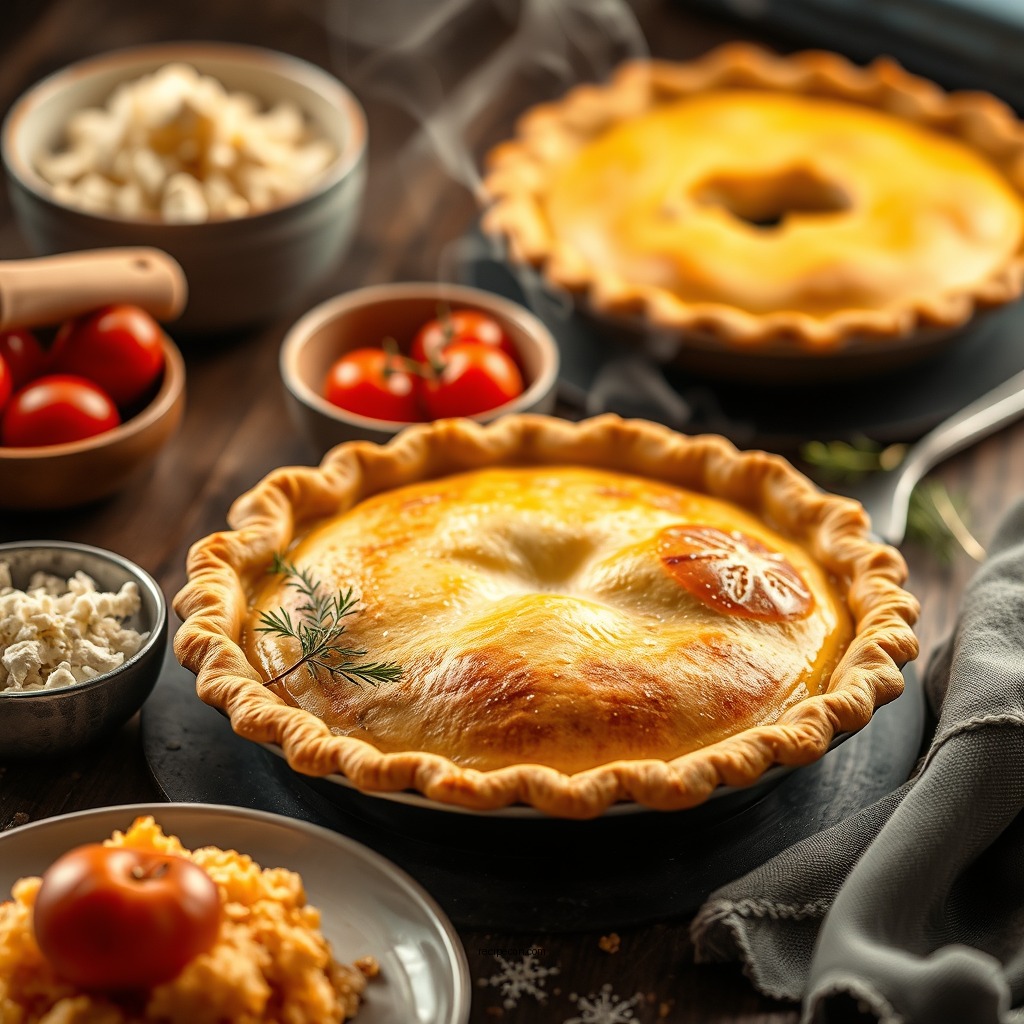
Making a perfect pie crust with Crisco is simple and rewarding. This recipe yields a flaky and tender crust that’s ideal for both sweet and savory pies. In this article, you’ll learn the ingredients needed, step-by-step instructions, and tips for achieving the best results.
Ingredients for Crisco Pie Crust
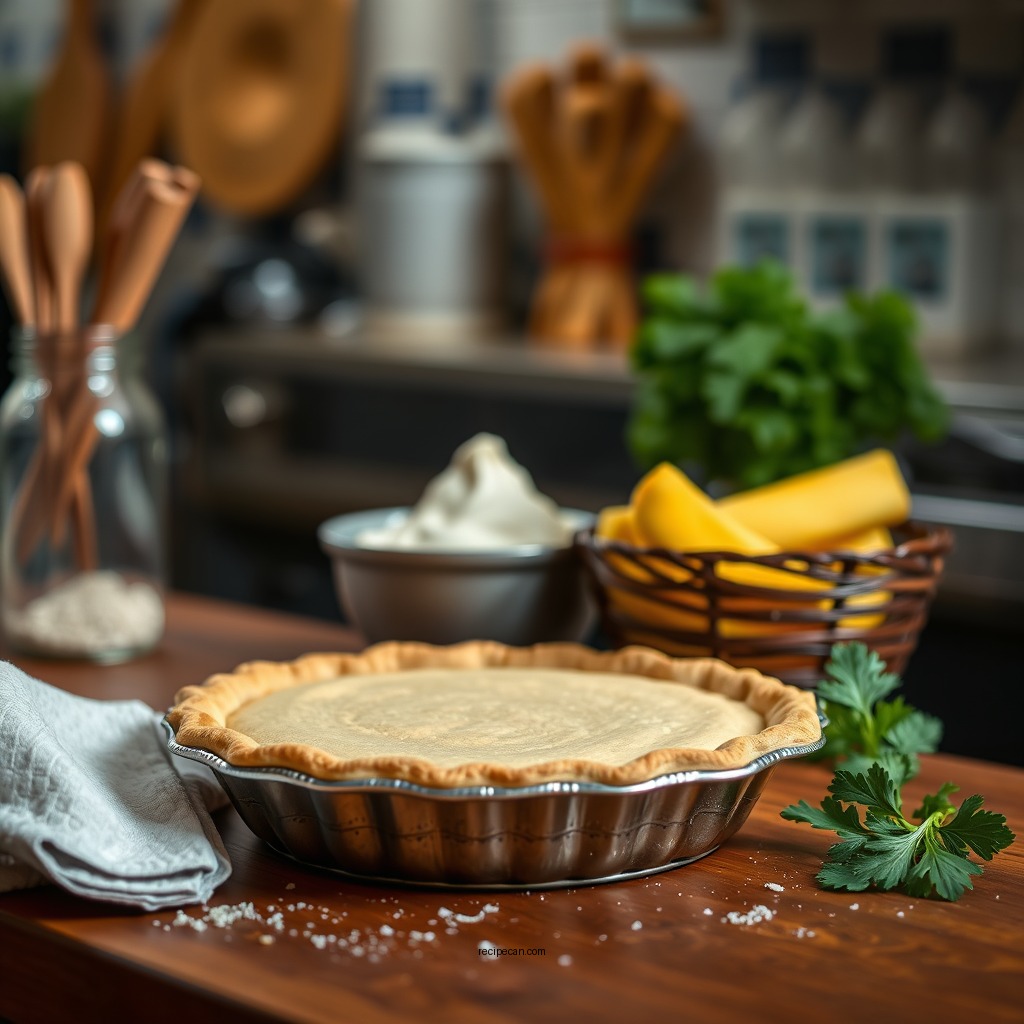
To create a delicious Crisco pie crust, you will need the following ingredients:
– 2 ½ cups all-purpose flour: This is the main structure of your pie crust, providing the necessary gluten for elasticity.
– 1 cup Crisco shortening: The key to achieving that sought-after flakiness and tenderness.
– 1 teaspoon salt: Enhances the flavor of the crust.
– 6 to 8 tablespoons cold water: Helps bind the dough together while keeping it cool to prevent melting the shortening.
These ingredients work harmoniously to create a crust that is not only flaky but also rich in flavor, making it the perfect base for any pie filling.
Step-by-Step Instructions


Creating a Crisco pie crust involves a few straightforward steps that anyone can master.
1. Combine flour and salt in a mixing bowl.
– Start by whisking together the flour and salt in a large bowl. This ensures that the salt is evenly distributed throughout the flour, which is crucial for flavor.
2. Cut in Crisco shortening until the mixture resembles coarse crumbs.
– Using a pastry cutter or your fingertips, incorporate the Crisco into the flour mixture. You want to achieve a texture that looks like coarse crumbs, with small pea-sized pieces of shortening remaining visible. This step is essential as it contributes to the flakiness of the crust.
3. Gradually add cold water, mixing until dough forms.
– Begin adding the cold water, one tablespoon at a time. Mix gently with a fork until the dough starts to come together. Avoid over-mixing; the dough should be slightly crumbly but hold together when pressed.
Rolling Out the Dough

Once your dough is ready, it’s time to roll it out for your pie:
– Divide the dough into two equal portions for a double crust or keep whole for a single crust.
– If you’re making a double-crust pie, divide the dough in half and form each half into a disk. Wrap them in plastic wrap and refrigerate for at least 30 minutes.
– Use a floured surface to roll out the dough evenly, ensuring it’s large enough for your pie dish.
– Dust your work surface and rolling pin with flour to prevent sticking. Roll out the dough to about 1/8-inch thickness, making sure it is larger than your pie dish.
– Transfer the rolled dough to the pie dish carefully to avoid tearing.
– Gently fold the dough into quarters or roll it onto your rolling pin to transfer it. Place it in the pie dish and press it into the corners without stretching.
Tips for a Perfect Crust
Achieving the perfect Crisco pie crust is all about technique and attention to detail. Here are some tips to help you succeed:
– Keep your ingredients cold to ensure flakiness.
– Use ice-cold water and keep your shortening refrigerated until you’re ready to use it. Cold ingredients prevent the fats from melting before baking, which is crucial for a flaky texture.
– Don’t overwork the dough; mix just until combined.
– Overworking the dough can lead to gluten development, resulting in a tough crust. Mix only until the ingredients are combined.
– Use a fork to crimp the edges for an appealing finish and to prevent shrinkage.
– Crimping the edges not only adds a decorative touch but also helps to seal the crust, preventing filling from leaking.
Common Mistakes in Pie Crust Preparation
| # | Mistake | Effect | Solution |
|---|---|---|---|
| 1 | Inaccurate Measurements | Messy texture | Use a kitchen scale |
| 2 | Warm Ingredients | Tough crust | Chill all ingredients |
| 3 | Skipping Chilling Step | Less flaky | Refrigerate dough |
| 4 | Using a Non-Flat Surface | Uneven thickness | Use a cutting board |
| 5 | Not Pre-Baking | Soggy bottom | Blind bake if necessary |
| 6 | Ignoring Dough Rest Time | Tough crust | Let dough rest |
Baking Your Pie
Baking your pie correctly is the final step to achieving a delightful dessert:
– Preheat your oven to the required temperature for your pie filling.
– Always preheat your oven to ensure even cooking. Refer to your specific pie recipe for the exact temperature.
– Blind bake if needed, or fill with your chosen filling and bake until golden brown.
– For custard or cream pies, you may need to blind bake the crust. This involves covering the crust with parchment paper and filling it with pie weights before baking for a set time. For fruit pies, fill the crust and bake until the filling bubbles and the crust is golden.
– Check for doneness by looking for a light golden color on the crust.
– A perfectly baked crust should be golden brown. If it starts to brown too quickly, cover the edges with foil to prevent burning.
Pie Crust Preparation Time
Common Mistakes to Avoid
When making a Crisco pie crust, there are several common pitfalls to watch out for:
– Not measuring ingredients accurately can affect texture.
– Use precise measuring tools to ensure you have the right amounts, as even small deviations can lead to significant changes in the final product.
– Using warm ingredients can lead to a tough crust.
– Keep your ingredients, especially the shortening and water, cold to maintain the texture of the crust.
– Skipping the chilling step may result in a less flaky crust.
– Allowing the dough to rest in the refrigerator not only enhances the flavor but also helps relax the gluten, making for a more tender crust.
Your Crisco pie crust is now ready to be filled and baked! Enjoy the delightful taste and texture that this easy recipe brings to your pies.
With these steps and tips, you’ll be well on your way to mastering the art of making a flaky Crisco pie crust. Try it out today and impress your friends and family with your baking skills!
Frequently Asked Questions
What ingredients do I need for a Crisco pie crust recipe?
To make a classic Crisco pie crust, you’ll need all-purpose flour, Crisco shortening, salt, and cold water. Typically, the ratio is 2 ½ cups of flour, 1 cup of Crisco, and 1 teaspoon of salt, with about 6 to 8 tablespoons of cold water to bind the dough. This simple combination creates a flaky and tender crust perfect for any pie.
How do I prepare a Crisco pie crust for blind baking?
To prepare a Crisco pie crust for blind baking, first roll out the dough and fit it into your pie pan. Then, chill the crust in the refrigerator for at least 30 minutes to prevent shrinking. After chilling, poke holes in the bottom with a fork, line the crust with parchment paper, fill it with pie weights or beans, and bake at 425°F for about 15 minutes, then remove the weights and bake for an additional 5-10 minutes until lightly golden.
Why should I use Crisco instead of butter in my pie crust?
Using Crisco in your pie crust can result in a flakier and more tender texture compared to butter. Crisco has a higher fat content and is 100% fat, which helps to create a lighter crust that holds its shape better during baking. Additionally, it remains stable at room temperature and can be easier to work with, making it ideal for novice bakers.
What is the best way to roll out my Crisco pie crust?
The best way to roll out your Crisco pie crust is to first chill the dough for about 30 minutes, which makes it easier to handle. Dust your work surface and rolling pin with flour to prevent sticking, and roll from the center outward, rotating the dough regularly for an even thickness. Aim for a thickness of about 1/8 inch, and if the crust cracks, simply pinch it back together.
Which pies work best with a Crisco pie crust?
A Crisco pie crust works wonderfully with a variety of pies, especially fruit pies like apple and cherry, as well as cream pies and savory quiches. Its flaky texture complements sweet and savory fillings, while providing a sturdy base that holds up well during baking. Experimenting with different pie recipes will showcase the versatility of a Crisco crust.
References
- Pie
https://en.wikipedia.org/wiki/Pie#Crust - https://www.sciencedirect.com/topics/food-science/pie-crust
https://www.sciencedirect.com/topics/food-science/pie-crust - Pie | Definition, Types, & American pie | Britannica
https://www.britannica.com/topic/pie - https://www.ncbi.nlm.nih.gov/pmc/articles/PMC6313440/
https://www.ncbi.nlm.nih.gov/pmc/articles/PMC6313440/ - https://www.nytimes.com/2021/11/10/dining/pie-crust-recipe.html
https://www.nytimes.com/2021/11/10/dining/pie-crust-recipe.html - Google Scholar Google Scholar
https://scholar.google.com/scholar?q=crisco+pie+crust+recipe - Google Scholar Google Scholar
https://scholar.google.com/scholar?q=pie+crust+recipes+using+Crisco - Google Scholar Google Scholar
https://scholar.google.com/scholar?q=shortening+in+pie+crust - https://www.fda.gov/food/food-labeling-nutrition/food-safety-and-nutrition
https://www.fda.gov/food/food-labeling-nutrition/food-safety-and-nutrition - https://www.cdc.gov/foodsafety/communication.html
https://www.cdc.gov/foodsafety/communication.html