Need the best cornstarch pudding recipes for a consistently creamy, no-fail dessert? This roundup picks the top method for silky stovetop cornstarch pudding and shows how to nail the exact thickness every time. You’ll also get easy, flavor-forward variations—chocolate, vanilla, and caramel—so you can choose the right version for your taste and time.
Cornstarch pudding recipes are the fastest route to a thick, creamy dessert: whisk cornstarch into cold milk (or a dairy alternative), then simmer just until the mixture turns glossy and set. With a reliable base technique, you can confidently build vanilla, chocolate, and fruit variations—while avoiding the two most common failure points: lumps and an overly starchy texture.
Classic Cornstarch Pudding (Vanilla)
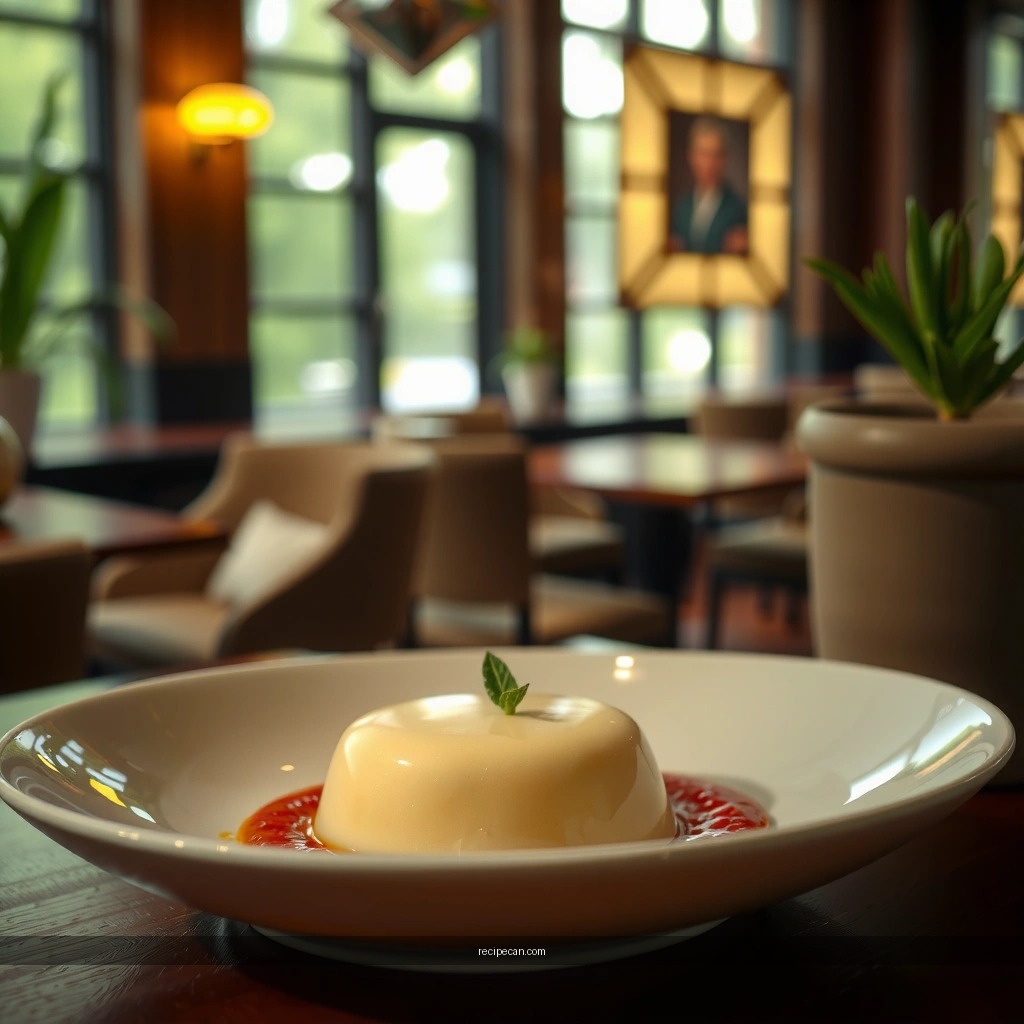
Classic vanilla cornstarch pudding is smooth, lightly sweet, and ideal for both warm spoon desserts and chilled, sliceable portions. The keys are (1) gentle heat and (2) stopping the simmer right when the pudding becomes glossy and thick—overcooking can make cornstarch taste “starchy” or gummy.
Base method to use every time
– Cold slurry first: Whisk cornstarch with cold milk (or your chosen dairy alternative) until fully smooth before applying heat.
– Sweetener and salt: Heat the remaining milk with sugar and a pinch of salt to balance sweetness.
– Simmer until glossy: Add the slurry back (or combine during cooking) and simmer, whisking, until the pudding thickens and looks shiny—usually a short window once it starts bubbling.
– Finish off-heat: Stir in vanilla extract at the end so the flavor stays bright and aromatic. Vanilla “baking out” during prolonged simmer can dull the top notes.
Practical flavor guidance
– For a restaurant-style finish, use real vanilla (extract or vanilla bean paste) and keep salt minimal but present (salt enhances perceived vanilla).
– If your milk is lower in fat (e.g., skim), you may need slightly longer simmering or an extra minute of whisking to reach the same body.
Serving ideas
– Warm: Spoon into ramekins; top with whipped cream or toasted nuts.
– Chilled: Pour into a bowl or individual cups; chill until firm, then top with fruit or caramel.
Chocolate Cornstarch Pudding
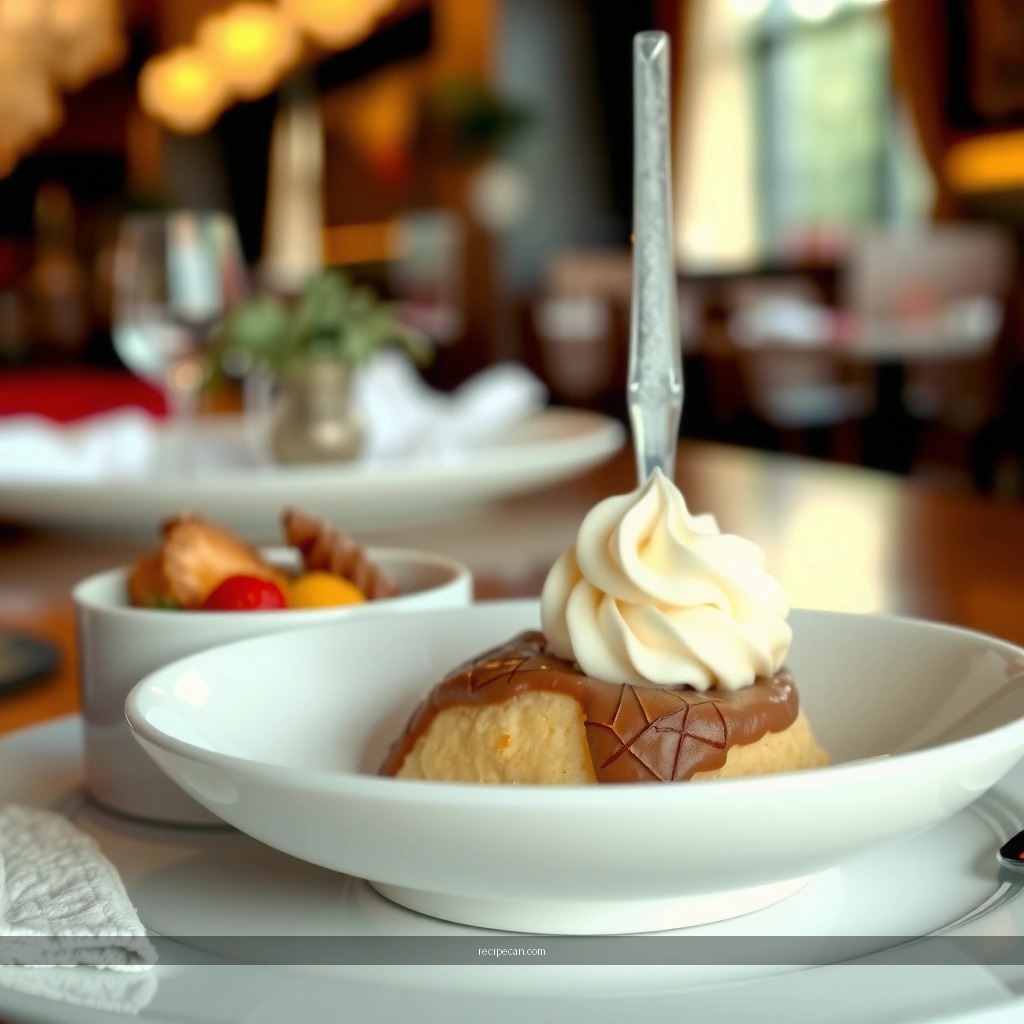
Chocolate cornstarch pudding keeps the same dependable structure as vanilla, but cocoa powder introduces flavor and color that require small technical adjustments. The goal is a smooth chocolate profile without a chalky mouthfeel.
How to get rich, smooth chocolate
– Add cocoa powder during the simmer: Stir cocoa powder into the thickening stage so it disperses evenly and cooks out any raw bitterness.
– Control thickness: Chocolate can feel “thicker” even at the same cornstarch level because cocoa solids add body. If you want a classic spoonable texture, start with slightly less cornstarch than you’d use for vanilla.
– Finish for creaminess: For extra richness, whisk in a small amount of butter after removing from heat, or fold through chocolate chips until glossy and fully melted.
Flavor upgrades that still stay simple
– Add a tiny pinch of espresso powder (optional) to deepen chocolate without making it taste like coffee.
– Use dark cocoa for deeper flavor; use Dutch-process cocoa for a smoother, less acidic taste.
Fruit-Top Cornstarch Pudding
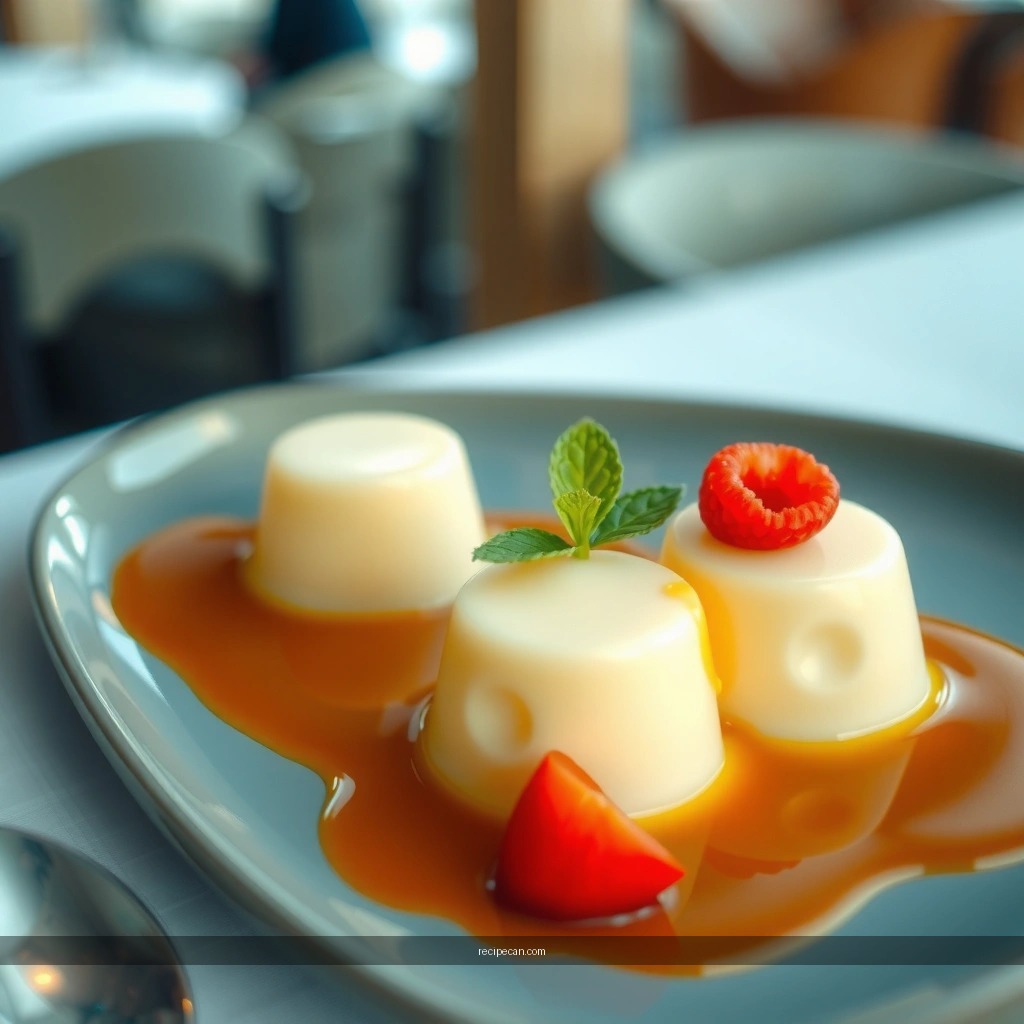
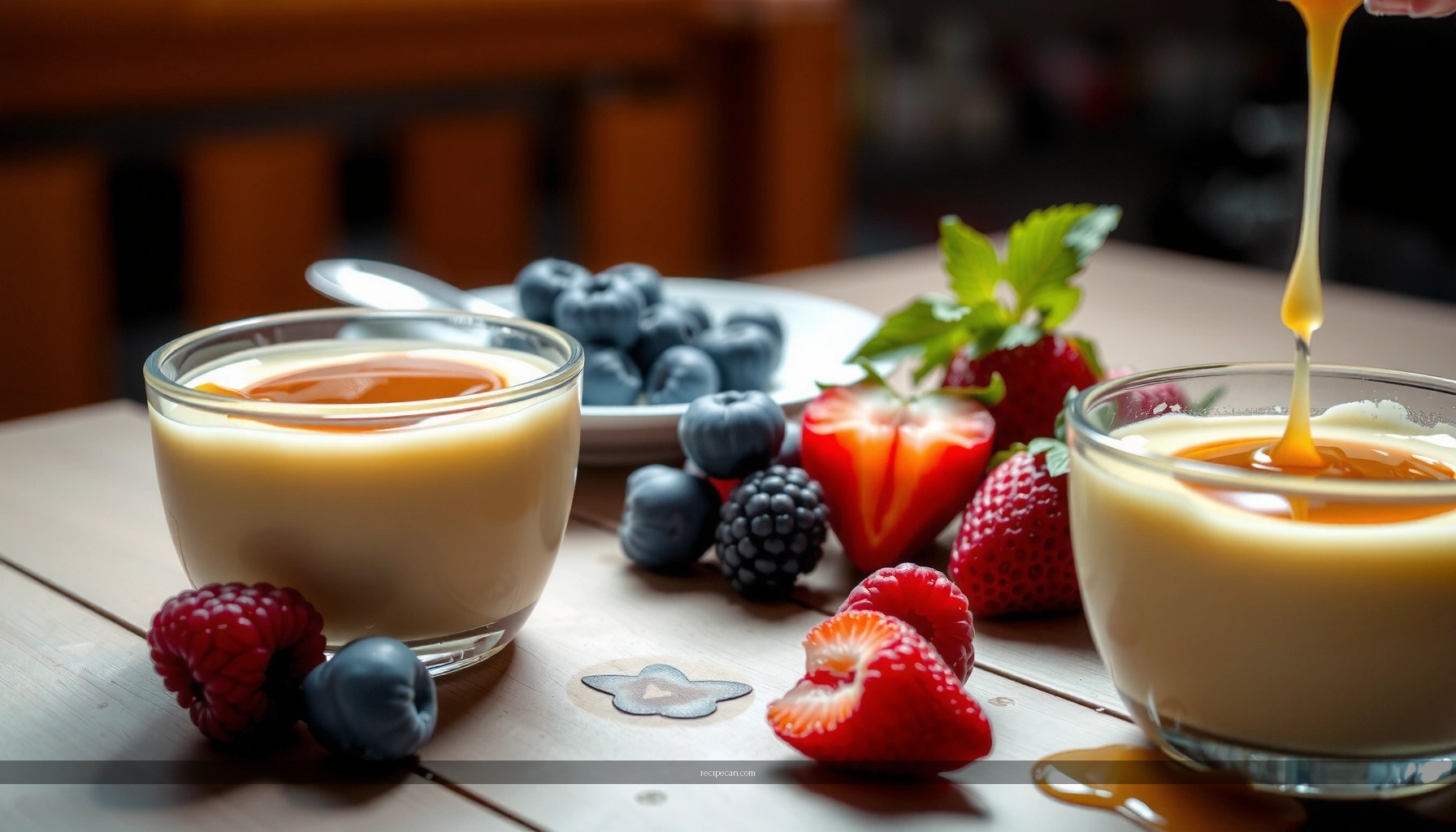
Fruit-topped cornstarch pudding is a crowd-pleaser because it combines a clean, creamy custard-like base with bright, natural flavors. Structurally, the pudding should be set first; fruit goes on afterward to prevent thinning and to keep the topping fresh-looking.
Best approach for clean results
– Thicken the pudding first: Make the base pudding exactly as you normally would.
– Top after setting: Chill the pudding, then add fruit right before serving for the freshest taste and best texture contrast.
– Choose fruits wisely: Berries (strawberries, raspberries), mango, and sliced peaches work especially well because their moisture levels are manageable and their flavors are concentrated.
Quick compote or jam swirl (optional but powerful)
– If you want more depth without changing the base, simmer fruit with a small amount of sugar until glossy, then cool.
– Alternatively, swirl jam into warm pudding right before chilling for a marbled effect—just keep the jam amount modest so the pudding doesn’t loosen.
Balancing sweetness
– If the fruit is already sweet (ripe mango, sweet peaches), reduce added sugar slightly in the base.
– If you’re using tart fruit (raspberries, sour cherries), keep the base classic and let the fruit provide the tang—this preserves the “creamy” identity of cornstarch pudding.
Cornstarch Amount Guide for Set & Slice (Per 1 cup / 240 ml Liquid)
| # | Target texture | Cornstarch | Simmer (min) | Chill result | Lump-risk |
|---|---|---|---|---|---|
| 1 | Soft spoonable | 1.0 tbsp | 2–3 | Soft wobble | ★★★★★ |
| 2 | Creamy & thick | 1.25 tbsp | 3–4 | Spoon holds ridges | ★★★★★ |
| 3 | Classic vanilla | 1.5 tbsp | 4–5 | Stable, not rubbery | ★★★★☆ |
| 4 | Thick spoon (best for topping) | 1.75 tbsp | 5–6 | Holds shape in cups | ★★★★☆ |
| 5 | Sliceable custard | 2.0 tbsp | 6–7 | Clean cuts | ★★★☆☆ |
| 6 | Very firm (reduced wobble) | 2.25 tbsp | 7–8 | Quenelle holds tight | ★★☆☆☆ |
| 7 | Gel-like (rarely ideal) | 2.5 tbsp | 8–9 | Dense, can feel starchy | ★☆☆☆☆ |
How to Prevent Lumps (Cornstarch Tips)
Lumps happen when cornstarch meets heat before it’s properly hydrated. The fix is procedural: create a smooth slurry (or thoroughly dissolve cornstarch in cold liquid) and maintain agitation during thickening.
Best practices that reliably prevent lumps
– Whisk cornstarch thoroughly in cold liquid until there are no visible granules.
– Add slurry to hot liquid gradually (when applicable) rather than dumping all at once.
– Whisk continuously as it warms: once you turn on the heat, don’t pause. You’re preventing localized thickening that forms lumps.
– Stop at the right thickness: take the pudding off heat when it coats the back of a spoon and looks glossy. Extended cooking increases thickener density and can worsen the “starchy” perception.
Troubleshooting if you see trouble
– If you notice thickening unevenly, whisk harder immediately—often it smooths out before it sets.
– If a few lumps remain and the pudding hasn’t fully gelled, strain through a fine mesh sieve to restore a silky texture quickly.
Texture & Serving Options
Cornstarch pudding is highly tunable, and that’s where it becomes genuinely useful in home and business settings: you can create a consistent product for different serving formats without switching to a different dessert category.
Chill vs. warm
– Chill for firmness: refrigeration strengthens the starch network, giving a pudding that’s sliceable and clean on a spoon.
– Serve warm for softness: the texture loosens as it warms, making it more fluid and spoonable—especially helpful for fruit-heavy presentations where you want the fruit to “meld” slightly.
Fine-tune sweetness and thickness
– Sweetness: adjust sugar gradually; excessive sugar can sometimes slow perceived thickening, but the bigger determinant is still cornstarch ratio and simmer control.
– Thickness: small changes in cornstarch amount can dramatically shift the final texture. Use the table guide above to target “soft spoon” vs. “sliceable custard.”
Business-friendly serving strategies
– Portion in advance: ramekins or cups make portion control simple and reduce waste.
– Top consistently: keep fruit toppings separate when possible, particularly for very juicy fruits, to protect texture integrity during holding.
Storage & Make-Ahead Instructions
Cornstarch pudding keeps well, but its texture can change slightly as starches continue to firm during refrigeration. Proper storage and minimal reworking preserve smoothness.
How to store
– Refrigerate in an airtight container to prevent flavor transfer and skin formation.
– Stir after chilling (especially if you notice a film or slight thickness increase). A quick whisk or stir typically restores a uniform, creamy surface.
How long it lasts
– For best quality, consume within a few days. Fruit-topped versions should be treated as more delicate because moisture from fruit can thin the pudding over time.
Make-ahead workflow
1. Cook pudding to “glossy thick,” then finish off heat (vanilla, cocoa adjustments, butter/chips if using).
2. Pour into containers and chill promptly.
3. Add fruit toppings at service time to preserve freshness and reduce weeping.
Cornstarch pudding recipes offer a dependable, professional-grade method for making thick, creamy dessert with minimal effort. Start with a smooth cornstarch slurry and simmer only until glossy, then customize with vanilla, chocolate, or fruit toppings. Use the lump-prevention technique, target your desired texture by cornstarch ratio, and store correctly for consistent results—so you can make one base recipe your go-to foundation every time.
Frequently Asked Questions
How do you make cornstarch pudding without lumps?
Start by whisking cornstarch thoroughly with cold milk (or a portion of the milk) until fully smooth, then cook the mixture over medium heat while whisking constantly. Once it starts to thicken and bubble, keep whisking for about 1–2 minutes to activate the cornstarch properly. If you still notice lumps, immediately strain the pudding through a fine-mesh sieve while it’s hot.
What’s the best cornstarch pudding ratio for thick, creamy texture?
A common reliable base is 1/4 cup cornstarch per 4 cups of milk, which yields a classic thick pudding that slices or holds its shape well. If you prefer a softer, spoonable consistency, reduce cornstarch slightly (for example, 2–3 tablespoons less) and cook just until the pudding coats the back of a spoon. For extra thickness, cook a minute longer once it thickens, but avoid overcooking to prevent a chalky texture.
Why does my cornstarch pudding turn runny after cooling?
Cornstarch pudding can loosen as it cools if it wasn’t cooked long enough for full thickening or if the heat was too low. Cornstarch also relies on proper hydration, so skipping the whisking step with cold milk can cause uneven thickening. Reheating gently while whisking can often fix it—bring it to a brief boil and cook for 1–2 minutes, then chill again.
Which flavors pair best with cornstarch pudding, and how do you add them?
Cornstarch pudding is a great canvas for vanilla, chocolate, caramel, and fruit flavors like lemon or berry. For best results, add vanilla extract off the heat so it stays fragrant, while chocolate should be melted in warm pudding before chilling. For citrus or fruit, whisk in flavoring after thickening and consider adding a little zest or juice gradually to maintain a smooth, stable custard without thinning.
Can you make cornstarch pudding ahead of time, and what’s the best way to prevent a skin?
Yes—cornstarch pudding keeps well in the refrigerator for 3–4 days, making it ideal for meal prep or dessert planning. To prevent a skin, press plastic wrap directly onto the surface while the pudding is still warm, then refrigerate. You can also stir well after chilling (or spoon and garnish) for a silky texture just before serving.
References
- Pudding
https://en.wikipedia.org/wiki/Pudding - Custard
https://en.wikipedia.org/wiki/Custard - Corn starch
https://en.wikipedia.org/wiki/Cornstarch - Google Scholar Google Scholar
https://scholar.google.com/scholar?q=cornstarch+pudding+recipe - Google Scholar Google Scholar
https://scholar.google.com/scholar?q=cornstarch+custard+thickening+gelatinization - Google Scholar Google Scholar
https://scholar.google.com/scholar?q=starch+based+pudding+milk+texture+cooking - https://pubmed.ncbi.nlm.nih.gov/?term=corn+starch+gelatinization+milk
https://pubmed.ncbi.nlm.nih.gov/?term=corn+starch+gelatinization+milk - https://pubmed.ncbi.nlm.nih.gov/?term=starch+gelatinization+custard+texture
https://pubmed.ncbi.nlm.nih.gov/?term=starch+gelatinization+custard+texture - https://www.britannica.com/topic/pudding-food
https://www.britannica.com/topic/pudding-food - Custard | Definition, Ingredients, & Preparation | Britannica
https://www.britannica.com/topic/custard