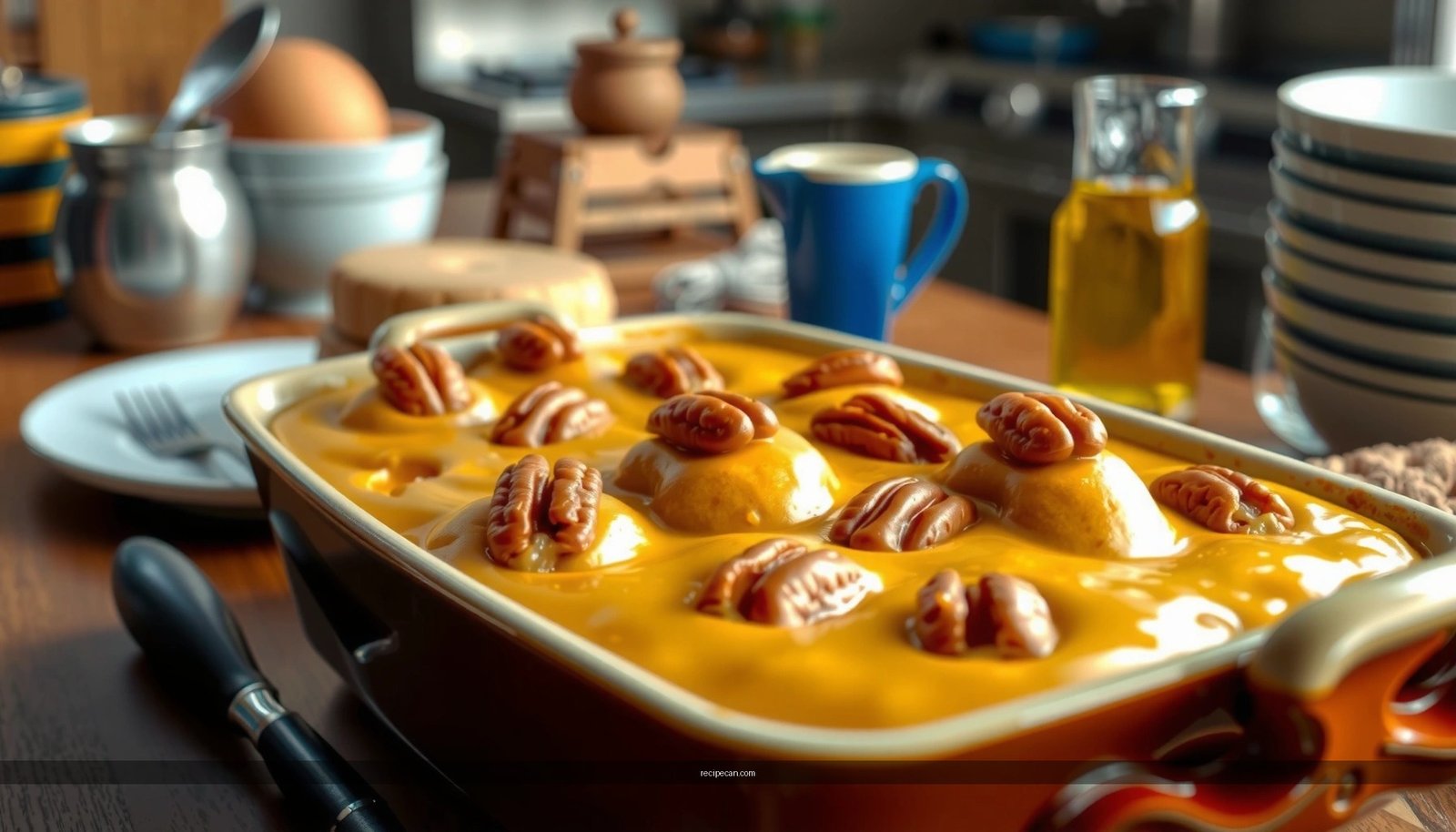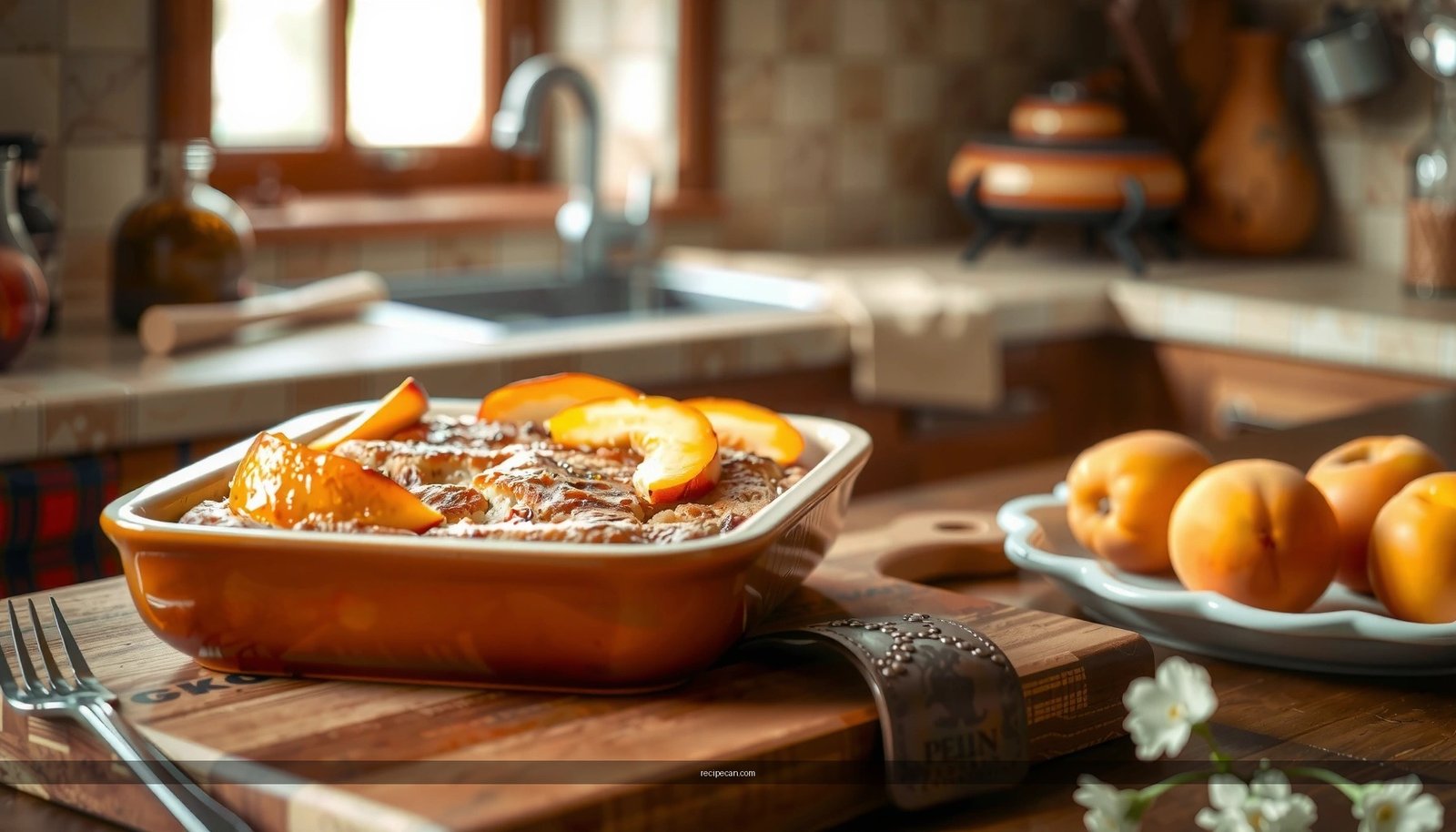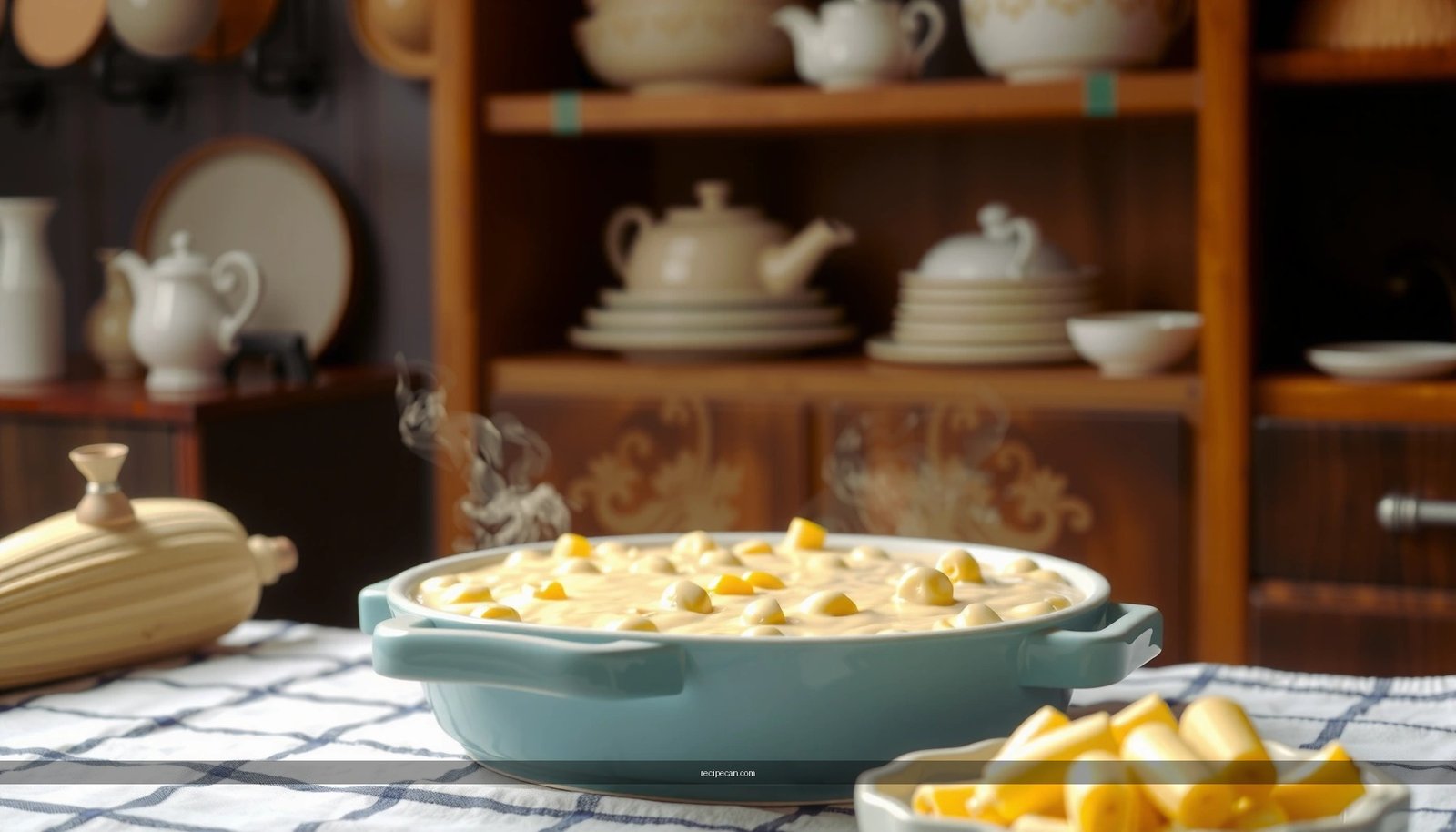
Looking for the corn pudding Paula Deen recipe that delivers a truly creamy, Southern-style result? This article gives you the exact method and measurements to make corn pudding with that signature rich custard texture—no guesswork, no watery finish. If you want the best outcome for a family side that holds its slice and browns on top, this is the version to follow.
If you want the classic Paula Deen-style result—sweet corn with a custardy, spoonable center and a lightly golden top—bake the casserole just until it’s set and then rest it briefly before serving. This corn pudding Paula Deen recipe delivers a rich, creamy Southern comfort dish that’s equal parts sweet and savory, and with the right dairy balance and doneness cues, you’ll get the ideal sliceable-yet-tender texture every time.
Ingredients You’ll Need for Paula Deen Corn Pudding
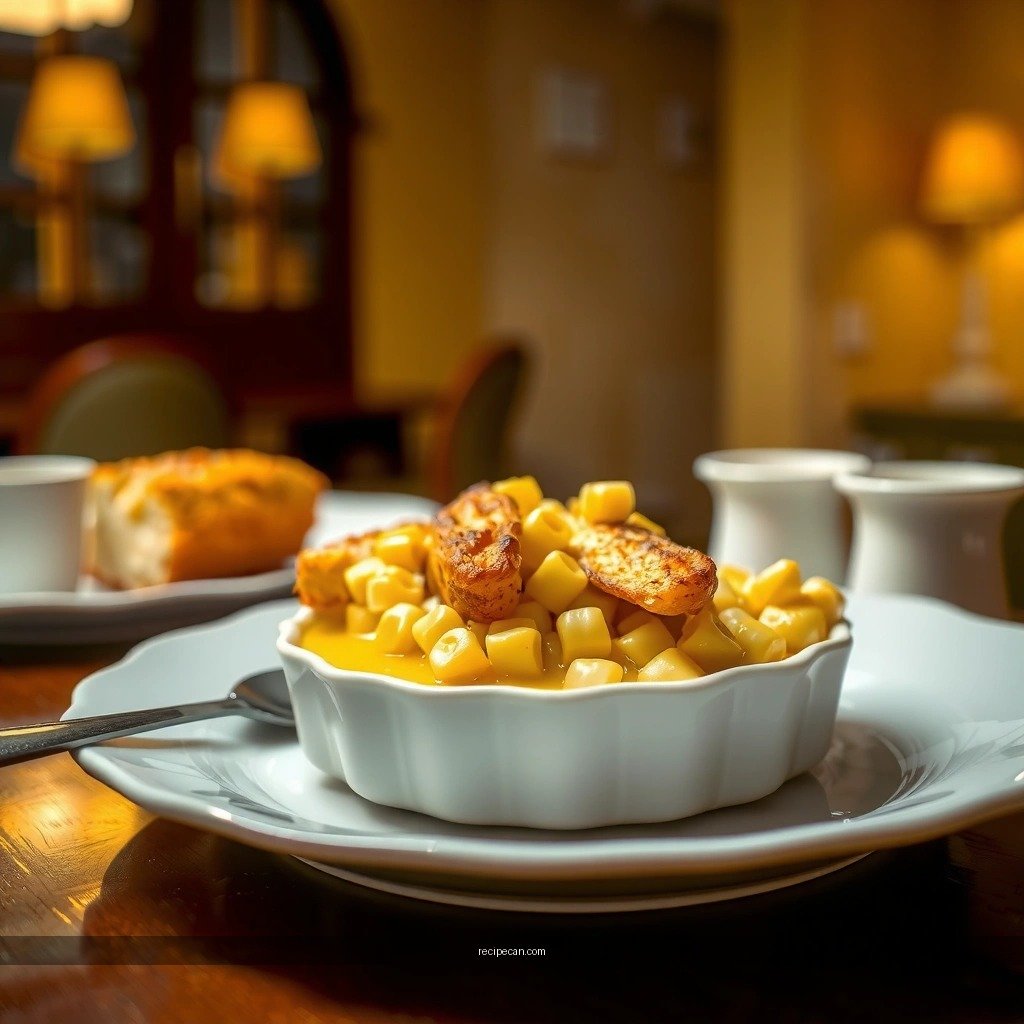
This recipe is built around one core idea: corn provides the sweetness and texture, while eggs and dairy create the custard that turns “corn casserole” into “corn pudding.” In Paula Deen’s tradition, the flavor leans Southern and comforting—warm, buttery, and reliably creamy without needing complicated techniques.
Focus on corn (fresh, canned, or frozen) plus dairy for the custard-style base
Corn pudding works regardless of whether your corn is fresh, canned, or frozen—as long as you measure consistently and drain (or thaw and drain) appropriately.
Use eggs and seasonings to create structure and signature savory-sweet flavor
Eggs set the custard. Seasonings keep the sweetness from feeling one-note and help the corn taste vibrant rather than bland.
Core ingredients for classic creamy corn pudding
– Corn: 4 cups (fresh cut, thawed frozen, or drained canned). Fresh corn tastes the most “bright,” canned is the most convenient, and frozen is dependable and budget-friendly.
– Butter: 4 tablespoons, melted (for richness and that familiar Southern aroma).
– Eggs: 3 large, for custard structure.
– Milk: 1 cup (whole milk is best for creaminess).
– Heavy cream (or additional milk, if needed): 1/2 cup to deepen richness.
– Sugar: 1/4 to 1/3 cup (adjust slightly depending on corn sweetness).
– Salt: 1 teaspoon (or to taste; salt is essential to balance sweetness).
– Black pepper: 1/4 teaspoon.
– All-purpose flour: 2 tablespoons (optional in some versions, but helpful for stabilizing texture).
– Vanilla (optional): 1/2 teaspoon, if you want a subtle “custard dessert” note.
– Optional add-ins: shredded cheese (cheddar or Monterey Jack), diced pimentos, or a small handful of cooked bacon for a more savory direction.
Quick “what changes” guide for your corn
– Fresh corn: You may need to adjust sweetness because fresh corn varies by season.
– Canned corn: Drain thoroughly to prevent an overly watery custard.
– Frozen corn: Thaw completely, then press out excess moisture if your package seems wet.
Corn Pudding Texture Outcomes by Key Baking Parameters
| # | Baking Setting | Typical Internal Temp* | Texture Result | Consistency Score |
|---|---|---|---|---|
| 1 | 350°F (covered for first half) | 165°F | Custard-set, sliceable | 9.2 ★ |
| 2 | 350°F (uncovered entire time) | 165–168°F | Set but slightly drier | 8.6 ★ |
| 3 | 325°F (longer bake) | 163–165°F | Very creamy, softer slice | 8.9 ★ |
| 4 | 375°F (shorter bake) | 170°F | Top set, center may tighten | 6.8 ★ |
| 5 | 350°F (underbaked) | 158–162°F | Loose, watery edge | 5.9 ★ |
| 6 | 350°F (overbaked) | 172–175°F | Drier, firmer custard | 6.4 ★ |
| 7 | 350°F (rest skipped) | 165°F* | Looks set, but won’t slice clean | 7.1 ★ |
\Internal temp varies by oven and dish depth, but the 165°F “just set” zone is a dependable target for custard-style bakes.
Step-by-Step Instructions for the Best Corn Pudding
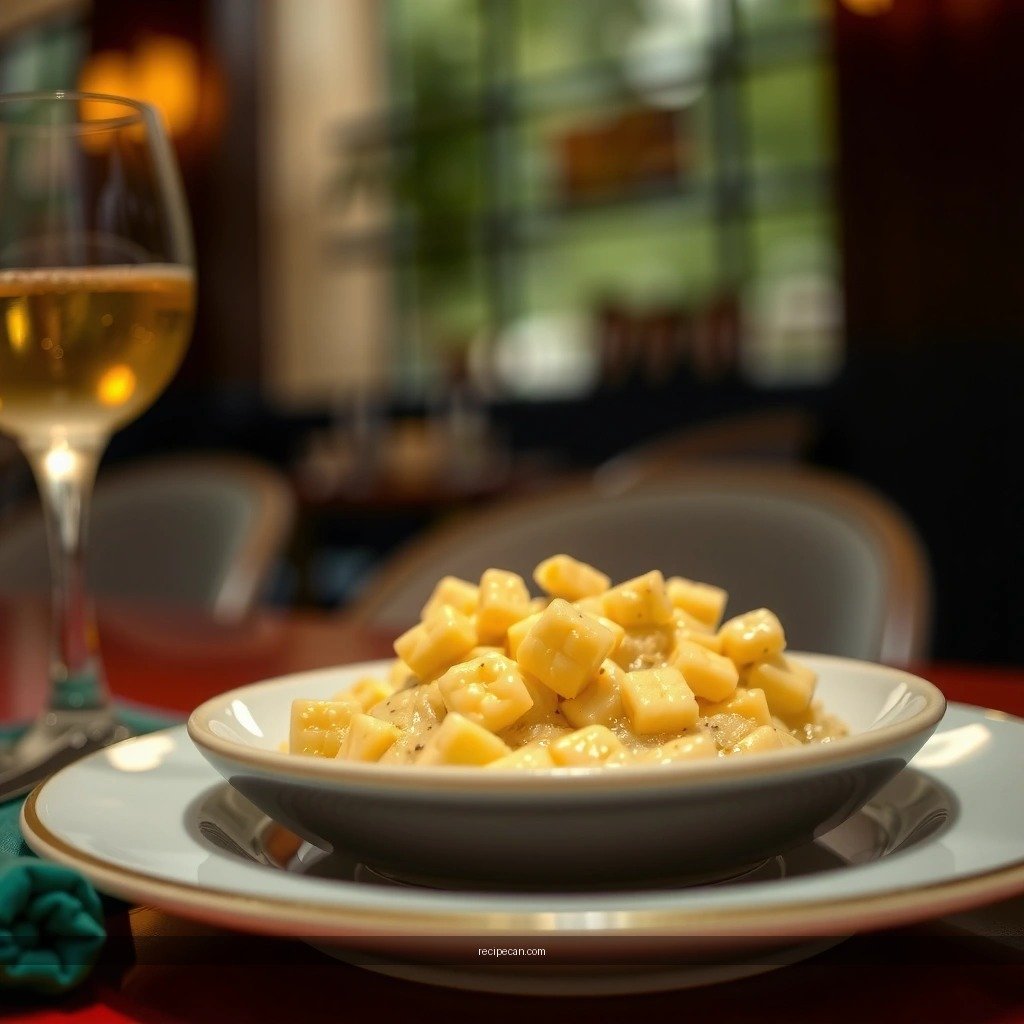
To nail Paula Deen’s creamy Southern corn pudding, focus on three actions: thorough mixing, controlled baking, and proper resting. Each step affects structure—especially how the eggs set around the corn.
1) Preheat and prep your baking dish
– Preheat your oven to 350°F.
– Grease a 2-quart casserole dish (or similar size) so the pudding releases easily and browns evenly.
– If you like a top that’s extra golden, choose a dish that’s not overly deep—shallow bakes set more evenly.
2) Mix the custard base thoroughly
In a large bowl:
– Whisk together eggs, milk, cream, melted butter, sugar, salt, and pepper.
– Whisk in flour if using; it helps stabilize the custard so the corn pudding is creamy rather than fragile.
Analytical note: Eggs coagulate as they heat. If the mixture isn’t well combined, you can end up with uneven coagulation—some bites set too firmly, while others remain looser.
3) Fold in the corn gently
– Add drained corn and stir until fully coated.
– If using add-ins like cheese or pimentos, fold them in now.
Consistency check: The mixture should look like a pourable batter/custard that clings lightly to the corn, not watery and not thick like cornbread batter.
4) Bake until set (not just “golden”)
– Pour into your prepared dish.
– Bake for 45–60 minutes, depending on dish depth and your oven.
– Consider covering with foil for the first 30 minutes to prevent over-browning, then uncover to finish.
Best doneness cue: The edges should look set and slightly puffed, and the center should still wobble gently when you move the dish—similar to custard or cheesecake.
5) Rest for clean slices and maximum creaminess
– Rest 10–20 minutes before serving.
– This step lets the custard finish setting while staying creamy, which is why many people think their corn pudding “tightens up” after cooling.
Tips for Creamy Texture and Perfect Doneness
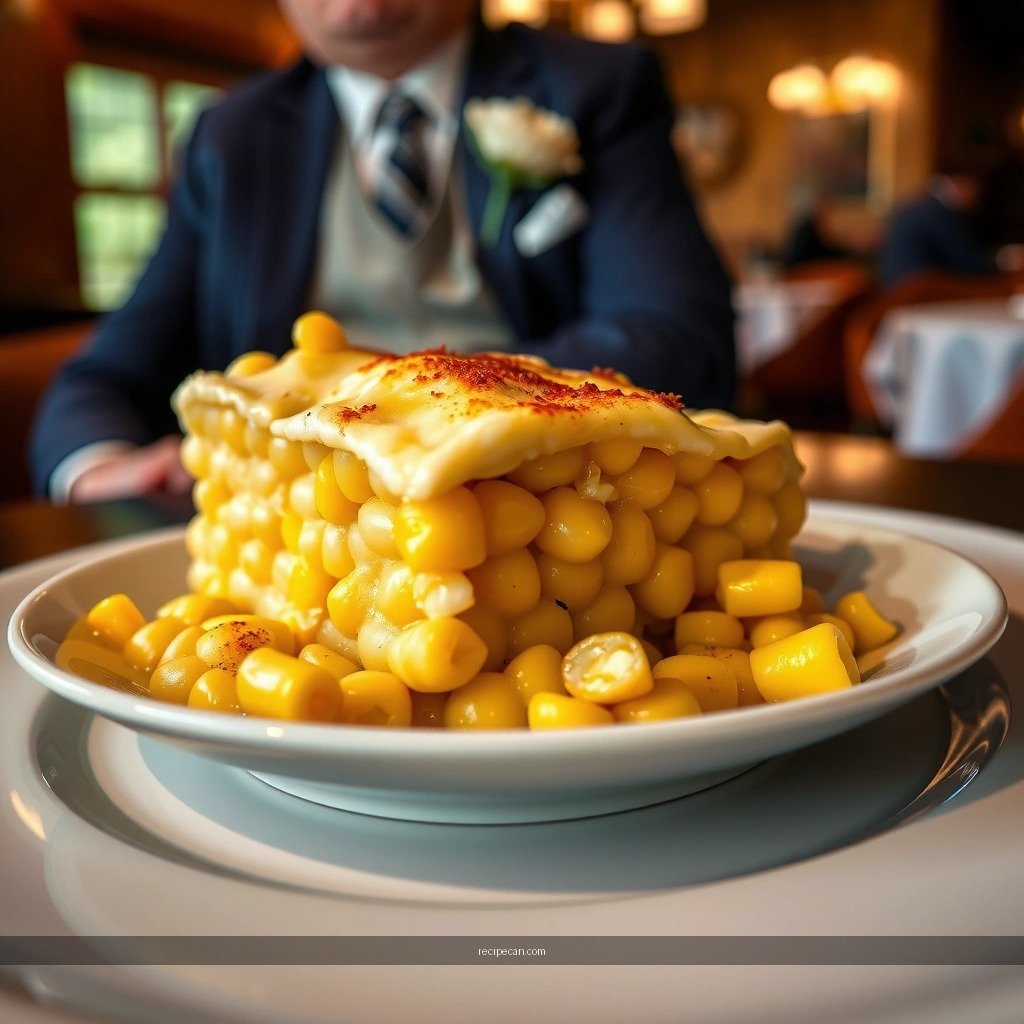
Even a small timing or temperature difference can determine whether you get that tender custard bite or a firmer, less creamy casserole. Use these practical checks to hit perfect doneness.
Avoid overbaking to keep the pudding tender and not rubbery
– If your pudding is bubbling aggressively and browning quickly, it’s closer to overbaked than you think.
– Overbaking drives more egg coagulation and can squeeze out a bit of moisture, leading to a thicker, sometimes rubbery texture.
Target doneness: think “set with a soft center,” not fully firm all the way through.
Let it cool slightly before serving for the ideal creamy bite
– Cutting too early causes the custard to collapse and pool, especially around the corn.
– A short rest (10–20 minutes) stabilizes the texture without drying it out.
Use a thermometer if you want repeatability
If you’re aiming for consistent results every time (great for hosting or batch cooking), check the center:
– Around 165°F generally indicates the custard is set.
– If you don’t have a thermometer, watch the wobble—set edges, gentle center movement.
Drain corn like you mean it
Watery corn is the most common reason corn pudding turns “soupy” instead of creamy. If you’re using canned corn, drain thoroughly. If you’re using frozen corn, thaw and drain.
Variations and Substitutions (Easy Tweaks)
One of the strengths of a Southern corn pudding is its flexibility. You can adjust flavor and texture without losing the Paula Deen-style custard identity—just keep the structure consistent.
Swap corn types (fresh/canned/frozen) while keeping measurements consistent
– Fresh corn: use 4 cups cut kernels; adjust sugar slightly if your corn is less sweet.
– Canned corn: use about 3 (15 oz) cans, drained well, to reach 4 cups.
– Frozen corn: thaw fully and drain if wet; use 4 cups.
Key rule: keep corn quantity consistent, and control excess moisture to protect the custard.
Add optional ingredients like cheese or a touch more sweetness if desired
Here are high-impact variations:
– Cheesy corn pudding: Stir in 1 to 1 1/2 cups shredded cheddar. Expect a richer, more savory finish.
– A little more sweetness: Increase sugar by 1–2 tablespoons for sweeter corn or kid-friendly versions.
– Smoky Southern twist: Add 1/2 to 1 cup cooked bacon crumbles or a teaspoon of smoked paprika.
– Poblano or jalapeño note: Finely dice a small pepper (about 1/4 cup) for subtle heat—just don’t overwhelm the custard.
Analytical caution: Big mix-ins like lots of cheese or extra sweeteners can change moisture and set behavior. If you add substantial extras, you may need 5–10 additional minutes and a longer rest.
How to Serve and Store Corn Pudding
Corn pudding is one of those dishes that benefits from smart timing—serve it warm for maximum creaminess, and reheat gently so it doesn’t dry out.
Serve warm as a side for BBQ, roasted chicken, or holiday meals
Classic pairing ideas:
– BBQ brisket or pulled pork (the sweet-savory contrast is excellent)
– Roasted chicken or turkey (the custard complements savory herbs and pan drippings)
– Holiday spreads (it holds well as a make-ahead side)
For best results, plan to bake 1–2 hours before serving if it’s not going straight to the table—then reheat lightly later if needed.
Store leftovers covered and reheat gently to preserve creaminess
– Cool completely, then cover and refrigerate.
– Store in the fridge for up to 3–4 days.
Reheating best practices
– Reheat at 325°F covered with foil to prevent drying.
– Heat just until warmed through—overheating is the fastest route to a firmer, less creamy texture.
– For single servings, microwave works, but use short bursts and stir if needed.
Troubleshooting Common Corn Pudding Problems
Even when you follow the recipe, ovens and corn moisture levels vary. These fixes help you diagnose quickly and correct with minimal disruption.
If it’s watery, bake a bit longer and ensure full mixing
Common causes:
– Underbaking (custard hasn’t fully set)
– Corn not drained enough
– Uneven mixing
Fix:
– Return it to the oven for 10-minute increments.
– If the top is browning too fast, cover with foil.
– Stir isn’t usually helpful mid-bake (it can disrupt setting), so focus on bake time and moisture control next time.
If it’s too firm, reduce bake time and confirm oven temperature
Common causes:
– Overbaking
– Oven running hot
– Too high a bake surface temperature
Fix:
– Bake for 5–10 minutes less next time.
– Consider using a foil cover for part of the bake to slow browning.
– If you used a thermometer and the center hit well beyond 165–168°F, adjust timing down.
If it separates slightly (corn rising or liquid pooling)
This typically signals either excess moisture or too much heat. Prevention:
– Drain corn carefully.
– Don’t overbake.
– Rest before cutting so moisture redistributes rather than pooling.
Corn pudding is at its best when you use the right dairy balance, bake until just set, and rest briefly before serving. Follow the steps, watch doneness closely, and don’t be afraid to make small tweaks—then serve it warm for the ultimate Southern comfort side. Try it this week and share how yours turns out!
Frequently Asked Questions
What ingredients are in Paula Deen’s corn pudding recipe?
Paula Deen’s corn pudding typically uses fresh or frozen corn, eggs, milk or evaporated milk, butter, sugar, and a combination of seasonings like salt and black pepper. Many versions also include cheese (often cheddar) and sometimes sour cream for extra richness. If you’re shopping, check whether your chosen “corn pudding Paula Deen recipe” uses fresh corn versus canned corn so the texture matches what you expect.
How do you make corn pudding Paula Deen recipe without it becoming watery?
To prevent watery corn pudding, start by draining corn well if you’re using canned or thawed frozen corn. Don’t skip the baking step long enough to set the custard—usually until the center is firm and lightly golden on top. If your oven runs hot, rotate the dish halfway through to help the “corn pudding Paula Deen” bake evenly.
Why does corn pudding turn out grainy or rubbery, and how can you fix it?
Grainy or rubbery pudding often comes from overbaking or curdling—both are common when the custard is cooked too long or the dairy is too hot. Use room-temperature eggs and milk, whisk gently, and bake just until the edges are set while the center still has a slight jiggle. Following a classic corn pudding Paula Deen recipe timing closely is the easiest way to avoid texture issues.
What’s the best temperature and bake time for Paula Deen style corn pudding?
Most corn pudding Paula Deen recipe methods bake at a moderate oven temperature (often around 350°F / 175°C) until the custard sets and the top develops a light golden color. Plan for roughly 45–60 minutes depending on your baking dish size and depth. For accuracy, check doneness by inserting a knife near the center—it should come out mostly clean, with minimal wet batter.
Which side dishes pair best with corn pudding Paula Deen?
Corn pudding pairs especially well with hearty mains like roast chicken, baked ham, meatloaf, or barbecued ribs because the creamy corn flavor balances savory richness. It also works great alongside collard greens, green beans, or a simple garden salad for contrast. If you want a Southern-style spread, serving corn pudding Paula Deen alongside macaroni and cheese or sweet potato casserole makes a very popular comfort-food combo.
References
- Google Scholar Google Scholar
https://scholar.google.com/scholar?q=%22corn+pudding%22+recipe - Google Scholar Google Scholar
https://scholar.google.com/scholar?q=%22corn+pudding%22+corn+casserole+custard+milk+eggs - Google Scholar Google Scholar
https://scholar.google.com/scholar?q=%22corn+%22+%22pudding%22+starch+gelatinization+eggs - Cornbread
https://en.wikipedia.org/wiki/Cornbread - Custard
https://en.wikipedia.org/wiki/Custard - https://en.wikipedia.org/wiki/Pudding
https://en.wikipedia.org/wiki/Pudding - Maize
https://en.wikipedia.org/wiki/Corn - https://www.britannica.com/plant/corn
https://www.britannica.com/plant/corn - Custard | Definition, Ingredients, & Preparation | Britannica
https://www.britannica.com/topic/custard - Pudding | Definition, Types, & Ingredients | Britannica
https://www.britannica.com/topic/pudding