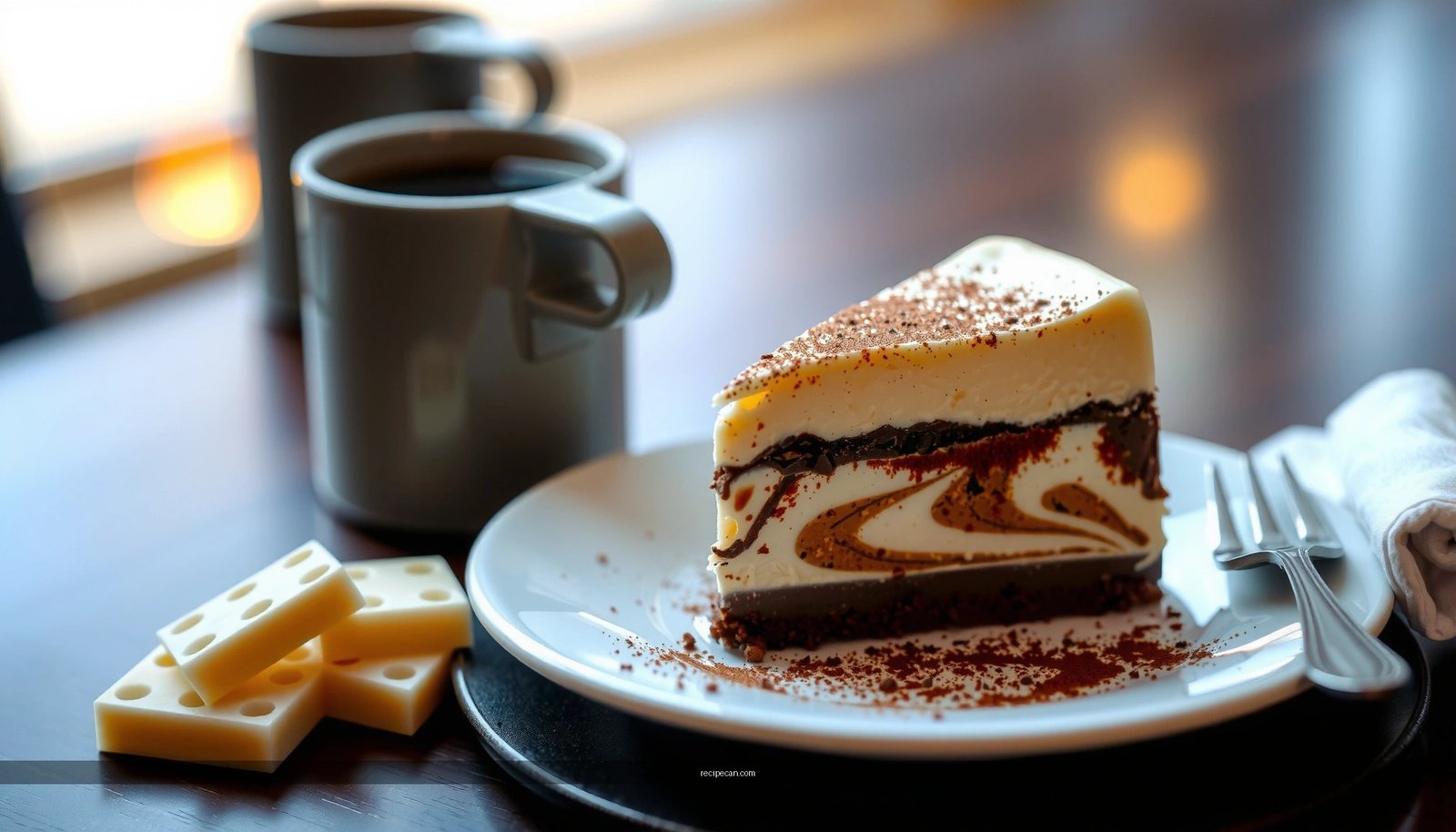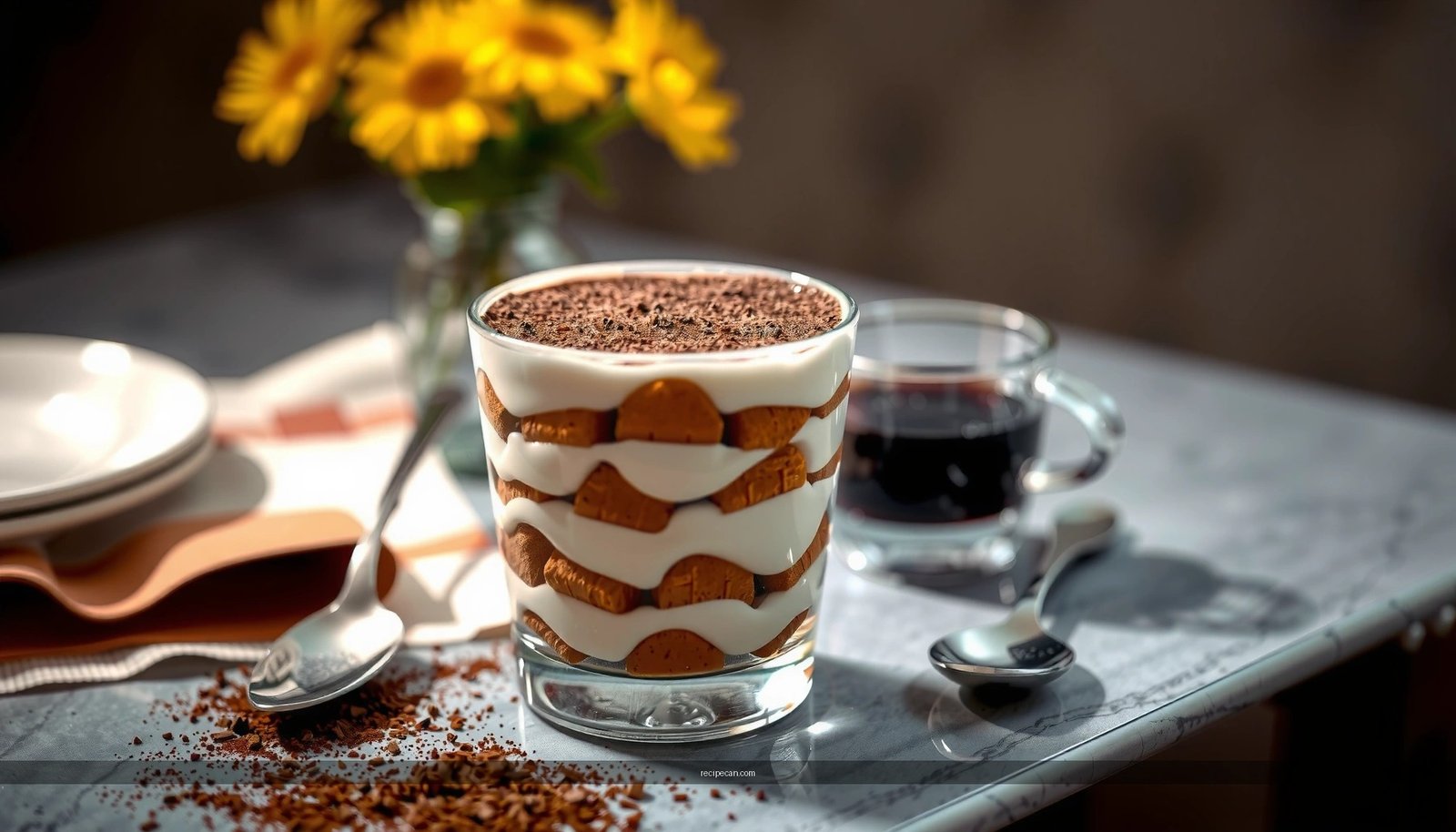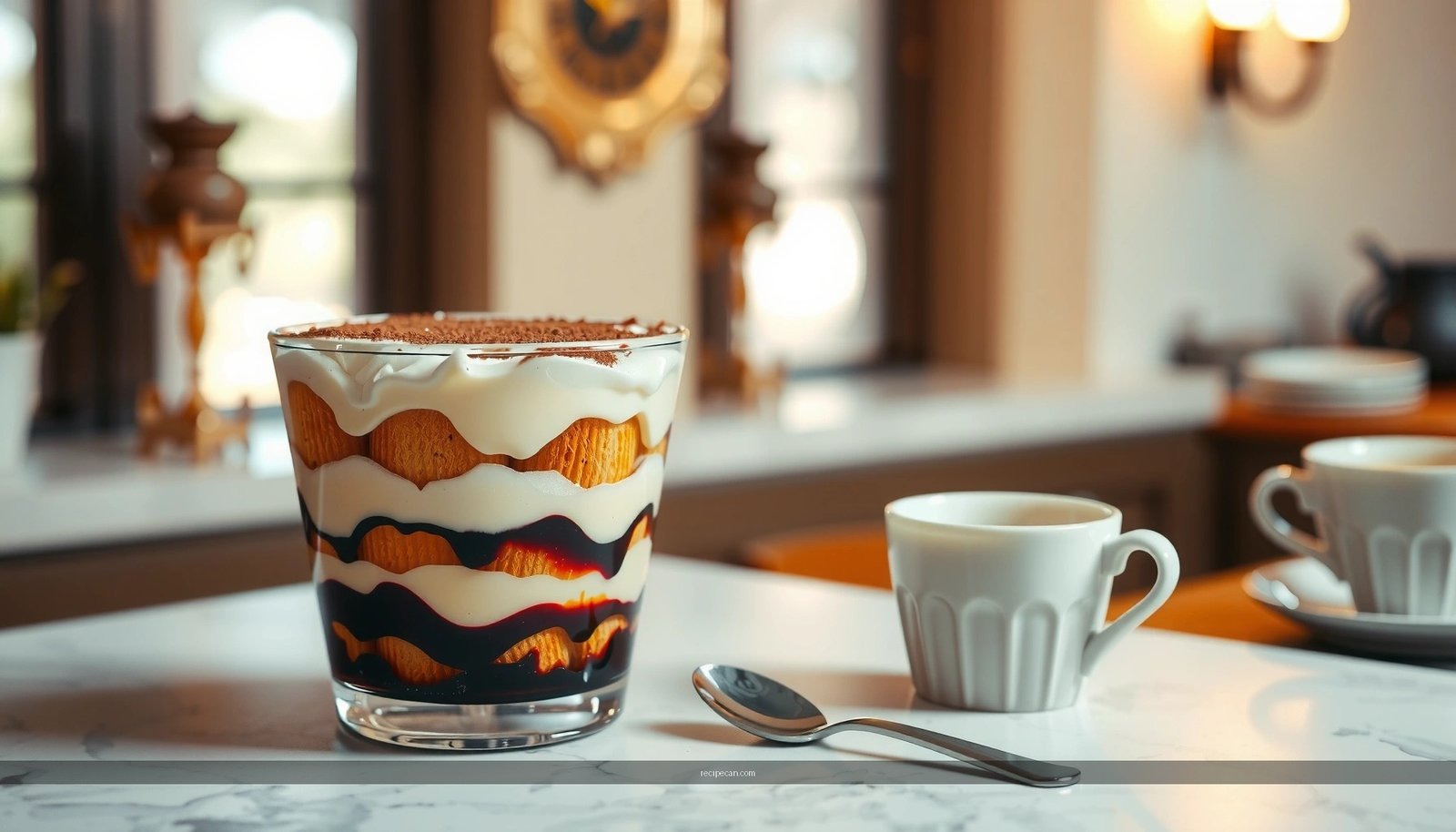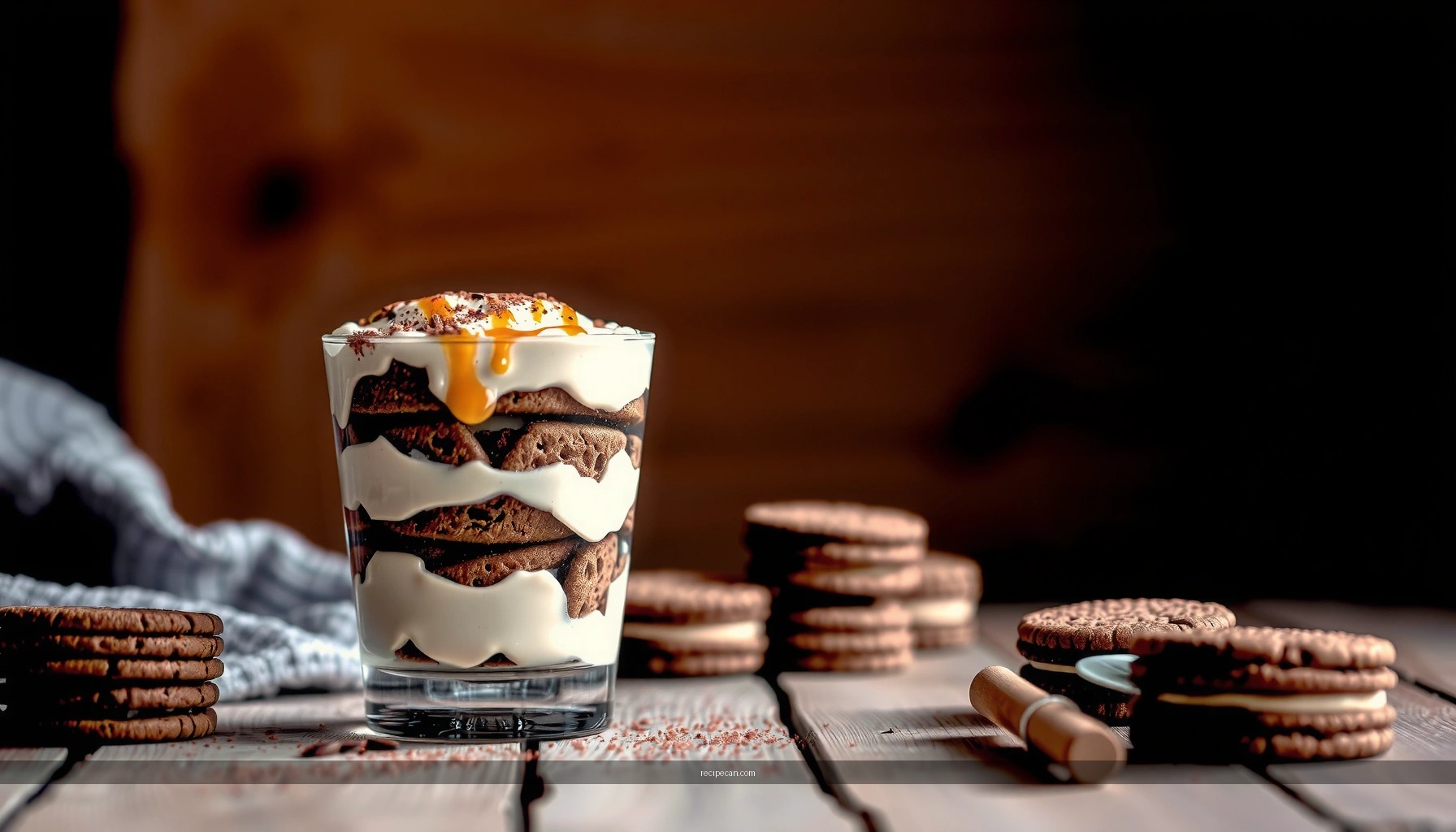
Looking for a cookie tiramisu recipe that actually tastes like classic tiramisu? This easy creamy dessert wins when you want coffee-soaked cookies layered with a smooth mascarpone-style filling—no baking required. Follow this method for clean layers, balanced coffee flavor, and a finished tiramisu that slices neatly every time.
A cookie tiramisu recipe delivers classic tiramisu flavor with far less effort: you simply whip a mascarpone cream, quickly soak cookies in espresso, layer, and chill until set. This no-bake layered dessert gives you a creamy, sliceable finish (even without an oven), as long as you nail the coffee soak time and the cream texture.
This version is built for reliability and speed—no custard, no tempering, no complicated baking steps. You’ll learn how to whip a smooth mascarpone filling, how to avoid mushy cookies, and how to assemble clean layers that taste balanced: coffee-forward, lightly sweet, and rich but not heavy.
Gather Ingredients for Cookie Tiramisu
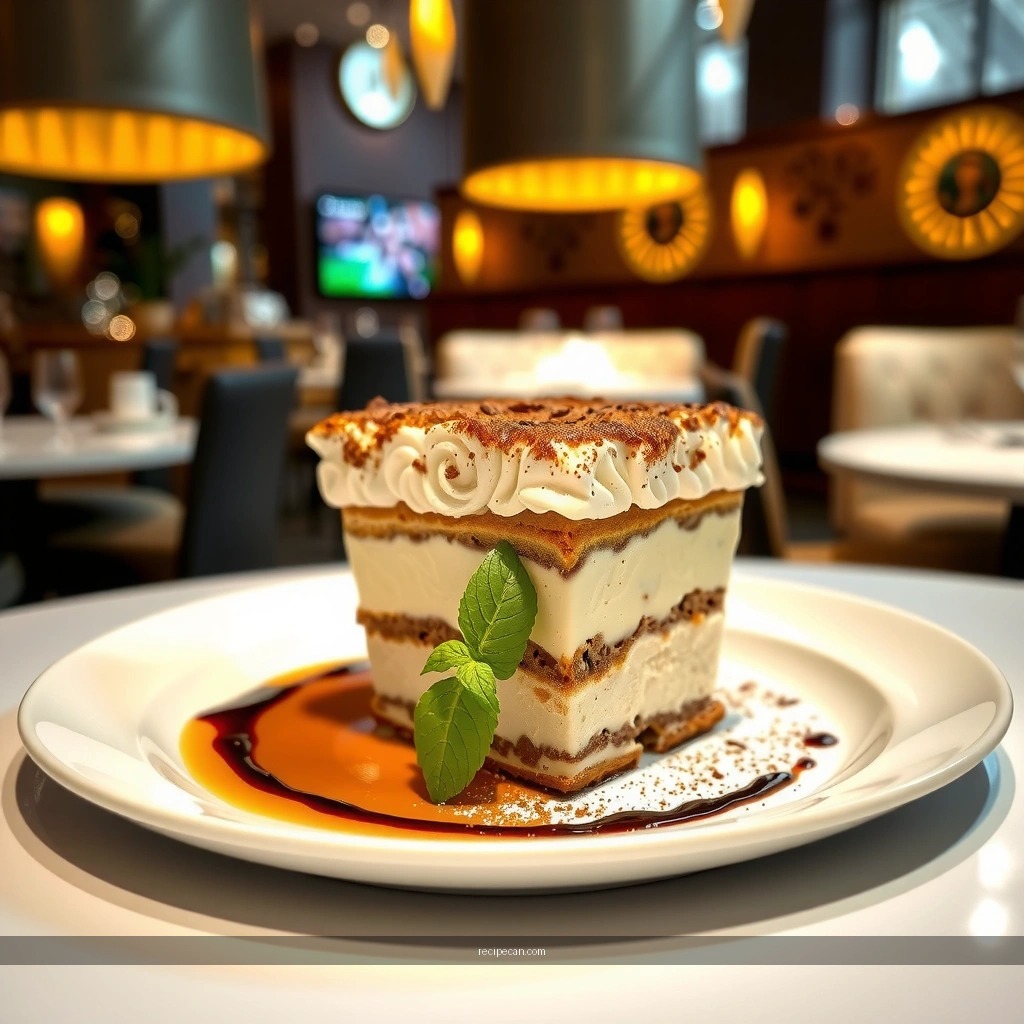
Start by setting up the core ingredients that determine texture: mascarpone for body, cream for lightness, and coffee for the signature tiramisu punch.
Base ingredients
– Mascarpone (full-fat, ideally cold): the main structure of the cream layer
– Heavy cream or whipping cream (cold): whipped to add air and a silky mouthfeel
– Sugar (granulated): sweetens and helps stabilize the mascarpone mixture
– Coffee or espresso: strong is best so the flavor survives the soaking
Cookies and cocoa
– Ladyfingers-style cookies (or soft-baked cookies): absorb coffee well without requiring baking again
– Cocoa powder (unsweetened): finishes the top with a classic tiramisu look and a mild chocolate bitterness
Optional add-ins (high impact, low effort)
– Vanilla extract (1–2 teaspoons): rounds the flavor and makes the cream taste “bakery”
– Pinch of salt: improves overall sweetness perception
– Chocolate shavings or dark chocolate: adds aroma and visual contrast
– Espresso-flavored syrup: useful if you like more coffee intensity without extra bitterness
To keep servings consistent, it helps to match your pan size to cookie count. Below is a practical guide for a standard home bake (no-bake, layered dessert) using common pan sizes.
Cookie Tiramisu Yield & Layering Guide (No-Bake)
| # | Pan / Dish Size | Recommended Layers | Approx. Cookies | Serves | Chill Time |
|---|---|---|---|---|---|
| 1 | 8×8 in (20×20 cm) | 3 layers | 24–28 cookies | 8–10 | ≥6 hours |
| 2 | 9×9 in (23×23 cm) | 3 layers | 28–34 cookies | 10–12 | ≥6 hours |
| 3 | 9×13 in (23×33 cm) | 2–3 layers | 40–48 cookies | 14–18 | ≥8 hours |
| 4 | Individual cups (6–8 oz) | 2 layers | 1.5–2 cookies/cup | 6–10 | ≥4 hours |
| 5 | Loaf pan (8.5×4.5 in) | 3 layers | 20–24 cookies | 8–10 | ≥6 hours |
| 6 | Round springform (7–8 in) | 2–3 layers | 22–30 cookies | 8–12 | ≥10 hours |
| 7 | Shallow tray (13×9 in) | 2 layers | 34–40 cookies | 14–20 | ≥5 hours |
Make the Tiramisu Cream

The cream is the structural backbone of this easy cookie tiramisu. For best results, keep ingredients cold and stop mixing as soon as the texture is uniform.
1) Smooth the mascarpone first
Mascarpone can look lumpy if it’s cold or under-mixed. Beat it with sugar until smooth and cohesive—aim for a texture that falls from a spoon with a slow ribbon.
2) Whip the cream separately (then combine gently)
Whip heavy cream to soft peaks—when you lift the whisk, the tip should fold over, not stand upright stiffly. Soft peaks help the final cream stay creamy rather than grainy.
3) Fold to protect air bubbles
Fold the whipped cream into the mascarpone mixture in batches. Folding preserves the airy texture, which is essential for that classic tiramisu mouthfeel.
4) Flavor strategically
Add vanilla (optional) and a pinch of salt if you want the coffee to taste more “rounded” rather than harsh. Vanilla also makes the mascarpone taste less tangy.
Common failure mode: overbeating the cream. If you whip to stiff peaks and fold too aggressively, you can end up with a thicker, slightly uneven cream that won’t spread as smoothly in layers.
Brew Coffee for the Perfect Soak
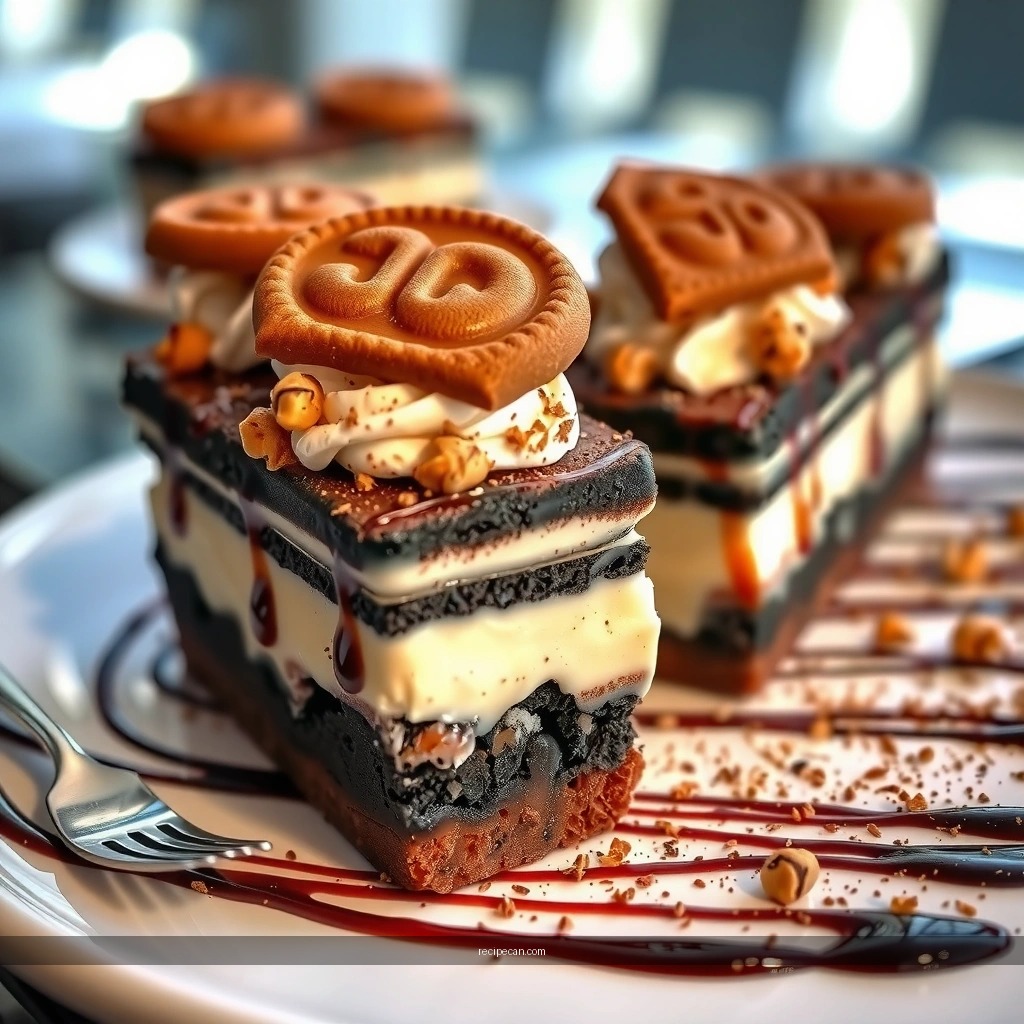
Coffee strength is non-negotiable for cookie tiramisu because the cookies dilute it as they absorb liquid.
– Use strong espresso or a concentrated brewed coffee. If you brew drip coffee, keep it bold (more grounds or longer brew) so flavor doesn’t fade.
– Cool it slightly before soaking. Warm coffee can soften mascarpone timing and may cause the cookies to fall apart.
– Soak quickly—aim for control, not saturation. A brief dip is ideal: enough to flavor the cookie, not enough to dissolve it.
– Taste and adjust sweetness. If you like a sweeter dessert, stir a small amount of sugar into the coffee rather than adding more sugar to the cream. This keeps the balance clean.
Target soak behavior: cookies should look moistened and darkened, but still hold their shape when layered.
Assemble the Layered Cookie Tiramisu
Assembly is where most no-bake desserts either look “professional” or look hurried. Treat layering like a process: consistent thickness, quick dips, and clean edges.
1) Dip fast, layer firmly
Dip each cookie briefly in coffee—typically 1–2 seconds per side for soft-baked cookies, slightly longer for more dense ladyfinger-style cookies. Lay them down immediately so the layer stays even.
2) Use cream like “masonry”
Spread a thick, even layer of mascarpone cream over the cookies. The cream should be thick enough to create a visual contrast and to seal cookie surfaces from becoming too saturated.
3) Repeat for distinct layers
Add another coffee-soaked cookie layer, then cream again. Consistency matters: thinner cream layers make the dessert less creamy; thicker layers can reduce cookie flavor.
4) Finish with cocoa at the end
Dust cocoa powder on top right before serving or after the final chill if you cover carefully. Cocoa can clump if exposed to moisture, so timing helps both texture and appearance.
Practical tip: If your cookies are delicate, consider dipping with a spoon rather than submerging. This reduces breakage and keeps the layer neat.
Chill for Best Texture and Flavor
Chilling is not optional—it’s the mechanism that turns a layered assembly into a cohesive tiramisu-like dessert.
– Refrigerate at least 4–6 hours for structure to set.
– Overnight (8–12 hours) is ideal because the coffee distributes evenly through the cookie layer and the mascarpone cream fully hydrates and stabilizes.
– Cover well. Use a lid or plastic wrap placed gently on top to prevent the cocoa from absorbing moisture and turning bitter or patchy.
– Serve cold for clean slices or firm scoops that hold their layers.
What happens during chilling?
The cookies absorb coffee gradually, so the flavor intensifies without dissolving. Meanwhile, the cream firms slightly and becomes slice-friendly, delivering a balanced creamy-to-cookie ratio.
Serving Tips and Easy Variations
Once you’ve mastered the base recipe, variations let you tailor intensity and presentation—without changing the “no-bake layered dessert” logic.
Serving improvements
– Portion into small cups for individual cookie tiramisu servings. They chill faster and look more “event-ready.” For cups, use smaller dips and slightly thinner cream layers so every bite is balanced.
– Stabilize for neat presentation. If you plan to serve at a gathering, chill long enough that the layers remain distinct when spooned.
– Chocolate-dipped cookies. A thin chocolate coating on cookies adds extra bitterness and deepens the cocoa finish.
– Espresso-flavored syrup. If you want stronger coffee flavor but worry about mushiness, drizzle a small amount of syrup on cookies before layering.
– Berries (fresh or lightly macerated). Add a small layer of berries between cream layers for brightness.
– Cinnamon dusting. A light cinnamon touch on the top layer complements coffee without overpowering it.
Texture tweaks
– For a slightly firmer slice, chill a full night.
– For a softer, spoonable dessert, aim for the lower end of the chilling window and serve promptly.
Quick quality checklist (so it turns out every time)
– Cream smooth and glossy (not grainy)
– Coffee-soaked cookies darkened but intact
– Layers visible after chilling
– Cocoa dusted last and dessert kept covered
Cookie Choice for Coffee-Soaked Layers
| Cookie Type | Soak Speed | Layer Stability | Classic Result | Best For |
|---|---|---|---|---|
| Ladyfingers (savoiardi) | Fast (≈2–3 s/side) | High | ★★★★★ | Classic layered tiramisu |
| Soft-baked vanilla cookies | Medium (≈3–4 s/side) | Medium | ★★★★☆ | Spoonable cookie tiramisu |
| Biscotti | Slow (≈6–8 s/side) | Very High | ★★★☆☆ | Taller, slice-stable layers (less classic) |
| Milk cookies / sandwich cookies | Medium-fast (≈2–3 s/side) | Low–Medium | ★★★☆☆ | Very sweet, quick desserts |
| Chocolate wafer cookies | Fast (≈1–2 s/side) | Low | ★★★☆☆ | Short-chill cups where layers are less distinct |
| Graham crackers | Fast (≈2–3 s/side) | Medium | ★★★★☆ | Pie-style takes (not pure tiramisu) |
| Homemade sponge cookies | Medium (≈3–5 s/side) | Medium–High | ★★★★★ | Boutique flavor and control |
Mascarpone Texture: Two Mixing Approaches
| Criteria | Beat + Fold Method | All-in-One Mix Method |
|---|---|---|
| Smoothness | High (lump-free) | Often inconsistent |
| Cream Airiness | Soft, stable | Can flatten |
| Spreadability | Even layers | Thicker spots + gaps |
| Risk of Overmixing | Lower | Higher |
| Bitterness Perception | Balanced (vanilla + salt) | May feel harsher |
| Cold Handling | Works with chilled dairy | Can seize if warm |
| Best for Layer Visibility | Excellent | Moderate |
| Time Efficiency | Comparable for most cooks | Saves steps but adds rework risk |
| Chef-Grade Consistency | More repeatable | Varies by temperature |
| Verdict | Use Beat + Fold for best texture | Not recommended for layered stability |
Conclusion
A simple cookie tiramisu recipe delivers big classic flavor with minimal effort—just whip the mascarpone cream, quick-soak the cookies in strong coffee, layer with consistency, and chill until set. If you follow the two key principles (short soaking to prevent mush and gentle folding to keep the filling airy), you’ll get a creamy, coffee-kissed dessert with clean layers and bakery-style texture—perfect for both casual nights and hosted gatherings.
Frequently Asked Questions
What’s the best cookie tiramisu recipe for beginners?
A beginner-friendly cookie tiramisu recipe uses store-bought ladyfingers-style cookies (or vanilla wafers) soaked lightly in coffee so they soften without turning gummy. Mix mascarpone with whipped cream (or whipped heavy cream) and sweeten with sugar, then layer cookies and cream in a dish. Finish with a thick dusting of cocoa powder and optional chocolate shavings for a classic look and flavor.
How do you stop cookie tiramisu from getting soggy?
The key is controlling how long the cookies are soaked—brief dips in cooled coffee work better than soaking them for minutes. Use coffee at room temperature or slightly warm so it doesn’t melt the cream layers, and assemble quickly so each layer holds its texture. If you’re making ahead, refrigerate promptly and avoid over-layering too many soaked cookies at once.
Why does my mascarpone cream taste runny or curdled?
Runny mascarpone cream usually happens when it’s over-whipped with warm ingredients or when the cream wasn’t cold enough to hold structure. For a stable cookie tiramisu, chill mascarpone and your mixing bowl, then fold mascarpone into whipped cream gently rather than beating aggressively. If you’ve curdled it, try whisking in a small amount of fresh, cold mascarpone or cold cream to smooth the texture.
Which cookies work best for tiramisu instead of ladyfingers?
Many people use vanilla wafers, chocolate sandwich cookies, or espresso-dipped biscotti-style cookies depending on the flavor profile you want. Vanilla wafers are mild and absorb coffee evenly, while chocolate cookies add deeper cocoa notes but can dominate the mascarpone. For the most traditional cookie tiramisu taste, choose cookies that can soften without falling apart completely.
How long can you store cookie tiramisu and how should you serve it?
Cookie tiramisu is best after chilling for at least 4 hours, which lets the flavors meld and the cookies achieve the right softness. Store it covered in the refrigerator for up to 2–3 days for best texture, since cookies will continue absorbing moisture over time. Serve cold, and if you want a fresh finish, dust additional cocoa powder right before serving.
References
- Tiramisu
https://en.wikipedia.org/wiki/Tiramisu - Mascarpone
https://en.wikipedia.org/wiki/Mascarpone - Lady finger
https://en.wikipedia.org/wiki/Ladyfinger - Ladyfingers (biscuits)
https://en.wikipedia.org/wiki/Savoiardi - Espresso
https://en.wikipedia.org/wiki/Espresso - Cocoa powder
https://en.wikipedia.org/wiki/Cocoa_powder - https://en.wikipedia.org/wiki/Coffee_dessert
https://en.wikipedia.org/wiki/Coffee_dessert - Tiramisu | Meaning, Ingredients, Origin, Desserts, & Taste | Britannica
https://www.britannica.com/topic/tiramisu - Google Scholar Google Scholar
https://scholar.google.com/scholar?q=cookie+tiramisu+recipe - Google Scholar Google Scholar
https://scholar.google.com/scholar?q=tiramisu+cookies+biscuit+variation