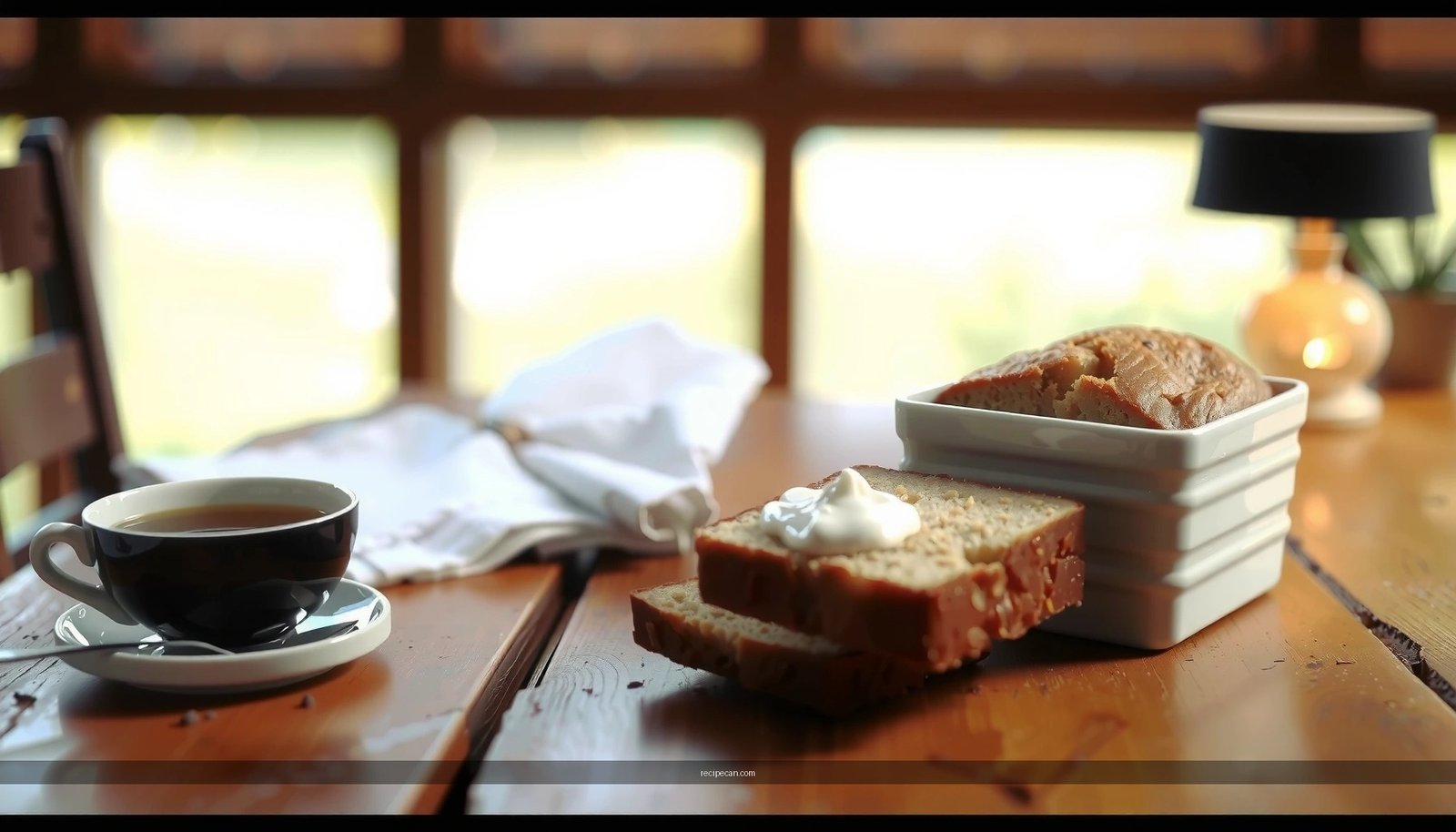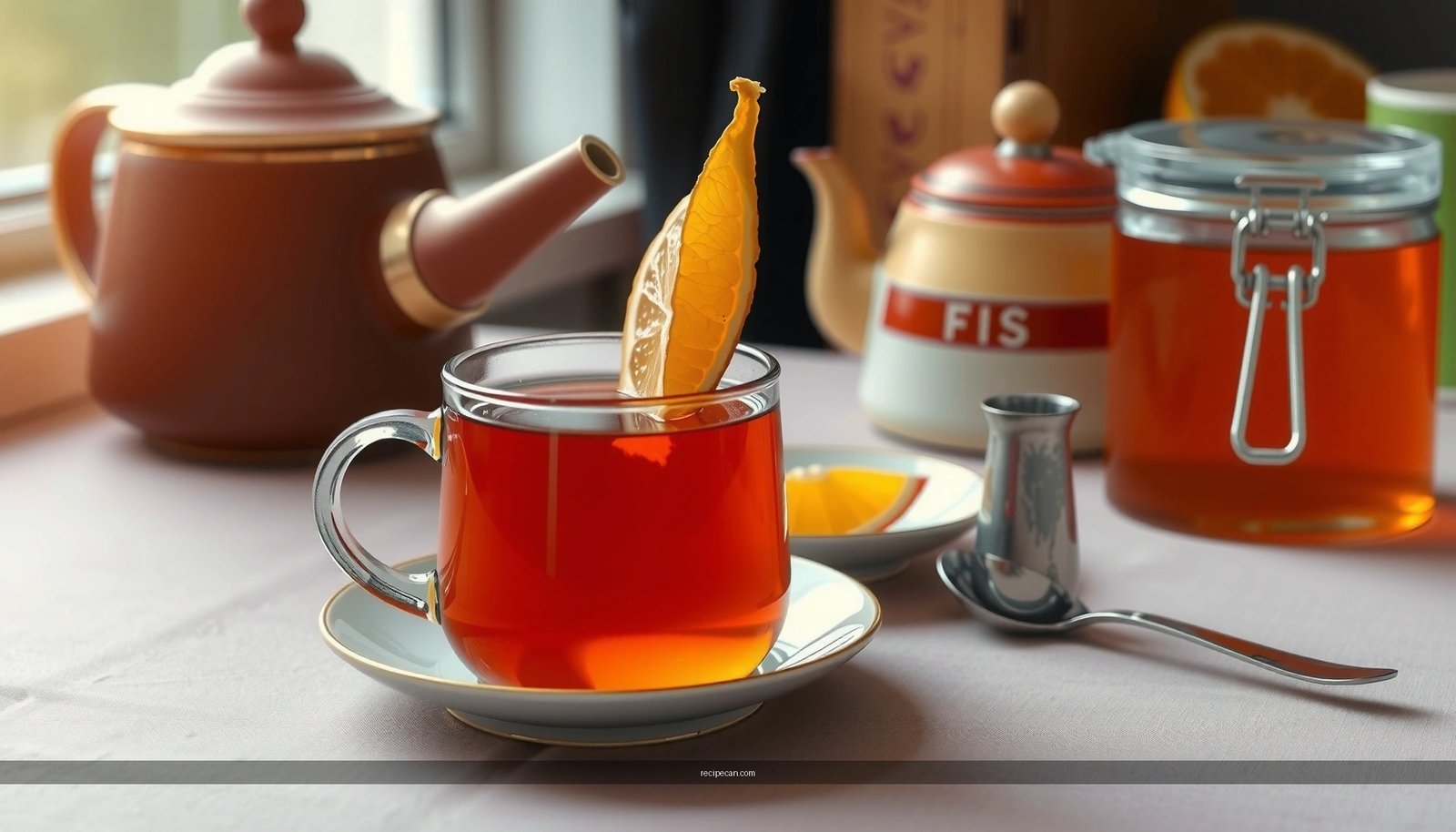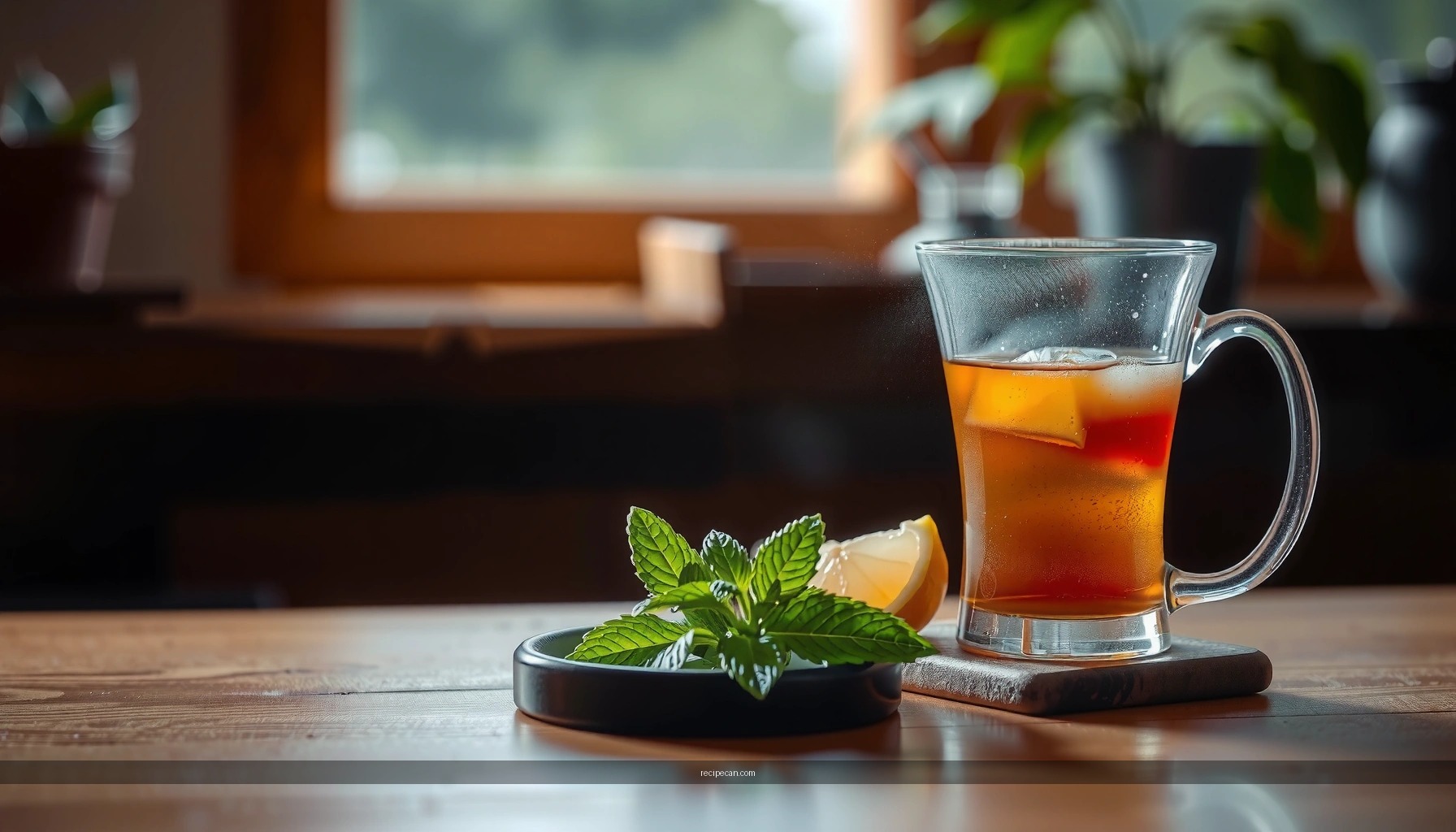
Make cold green tea at home with this simple iced green tea recipe that delivers a crisp, lightly astringent cup every time. If you want the fastest path to refreshing green tea without bitterness, this method—steeping time, water temperature, and chilling steps—shows exactly what to do. You’ll end up with a clean, drink-now cold glass that tastes better than typical store-bought versions.
A cold green tea recipe is easy: brew green tea correctly, chill it quickly to preserve freshness, then serve over ice with simple add-ins (or none) for a clean, refreshing drink. Below, you’ll get precise tea-to-water ratios, temperature guidance to prevent bitterness, and practical cooling methods—plus variations like matcha for a creamier, stronger flavor.
Choose the Right Green Tea
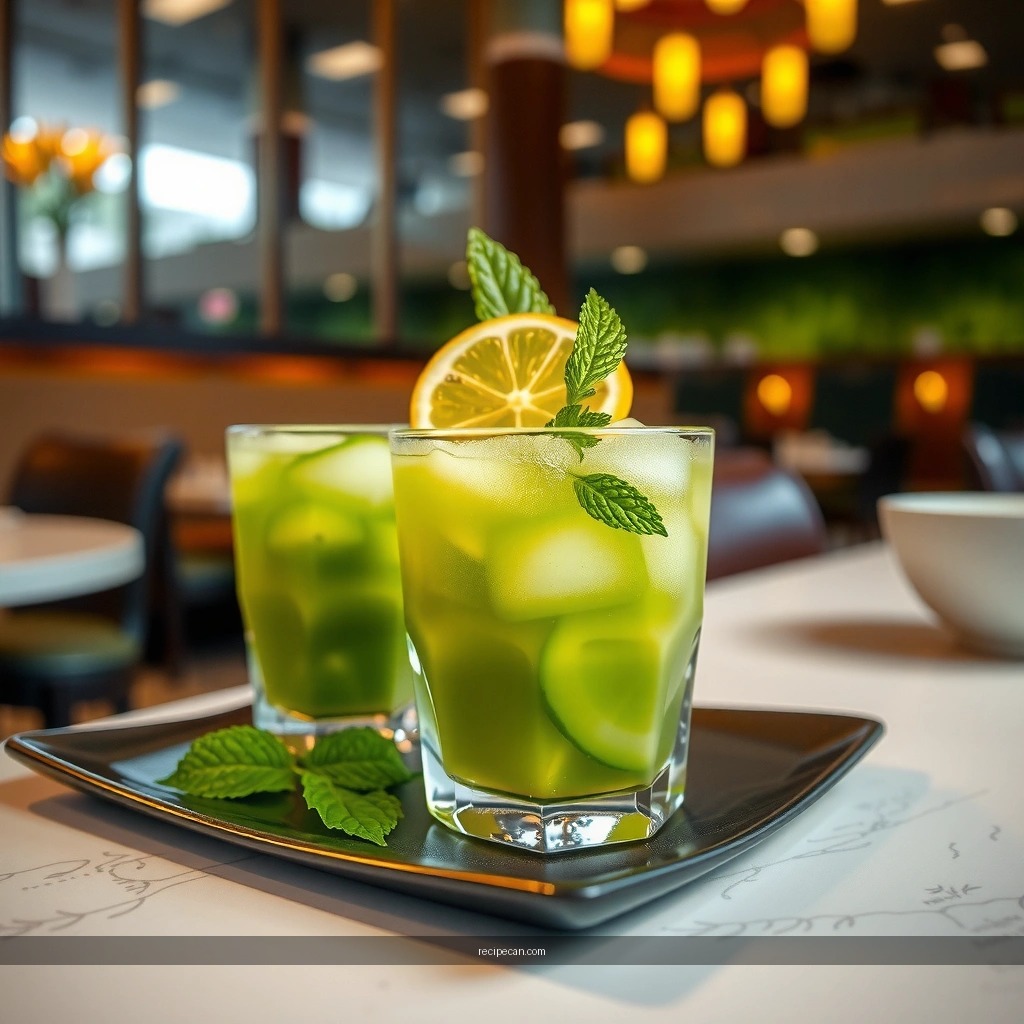
Choosing the right green tea determines whether your iced version tastes crisp and vegetal or dull and bitter. Start by matching the tea style to the flavor profile you want, then ensure the tea is fresh—oxidation is one of the most common reasons iced green tea tastes flat.
– Use sencha, matcha, or jasmine green tea based on your flavor preference
– Sencha: Balanced grassy notes and a clean finish—ideal for classic iced green tea.
– Matcha: Intensely green, creamy mouthfeel when whisked; best when you want maximum flavor impact.
– Jasmine: Floral aroma that holds up well with citrus and light sweeteners.
– Select loose leaf or bagged tea and check freshness for the best taste
– Loose leaf generally offers more nuanced flavor and better control over strength.
– Bagged tea is consistent and convenient; just make sure the bags aren’t stale and that they contain real green tea leaves (not mostly “flavoring” or fannings).
– If you can, store tea airtight away from heat and moisture—especially if you brew multiple pitchers for the week.
Quick analytical note (taste vs. chemistry): Iced green tea can taste bitter if the tea leaves are over-extracted. Picking a tea style that naturally suits cooler brewing (or using the right steep parameters) gives you more tolerance when making multiple batches.
Green Tea Selection for Iced Brewing (2025 Consumer Benchmarks)
| # | Tea Type | Best Match for Iced Green Tea | Typical Brew Temp (°C) | Bitter-Risk (Lower = Better) | Rating |
|---|---|---|---|---|---|
| 1 | Sencha | Clean, grassy iced tea | 70–80 | Low (3/10) | ★★★☆ |
| 2 | Jasmine Green (Scented) | Floral iced tea + lemon | 65–75 | Low–Med (4/10) | ★★★★ |
| 3 | Bancha (Lower Grade Sencha) | Easy daily iced tea | 70–85 | Med (6/10) | ★★★ |
| 4 | Gyokuro-Style (Shade-Grown) | Silky iced tea (premium) | 60–75 | Low (2/10) | ★★★★☆ |
| 5 | Dragon Well (Longjing) | Nutty, smooth iced green | 70–80 | Low–Med (4.5/10) | ★★★★ |
| 6 | Sencha (Low-Grade / Dust Mix) | Best only with precise steeping | 65–75 | Higher (7/10) | ★★ |
| 7 | Matcha (Ceremonial/Usucha) | Creamy iced green tea | 70–85 (for whisking) | Med (5.5/10) | ★★★★☆ |
Brew Strong, Then Chill
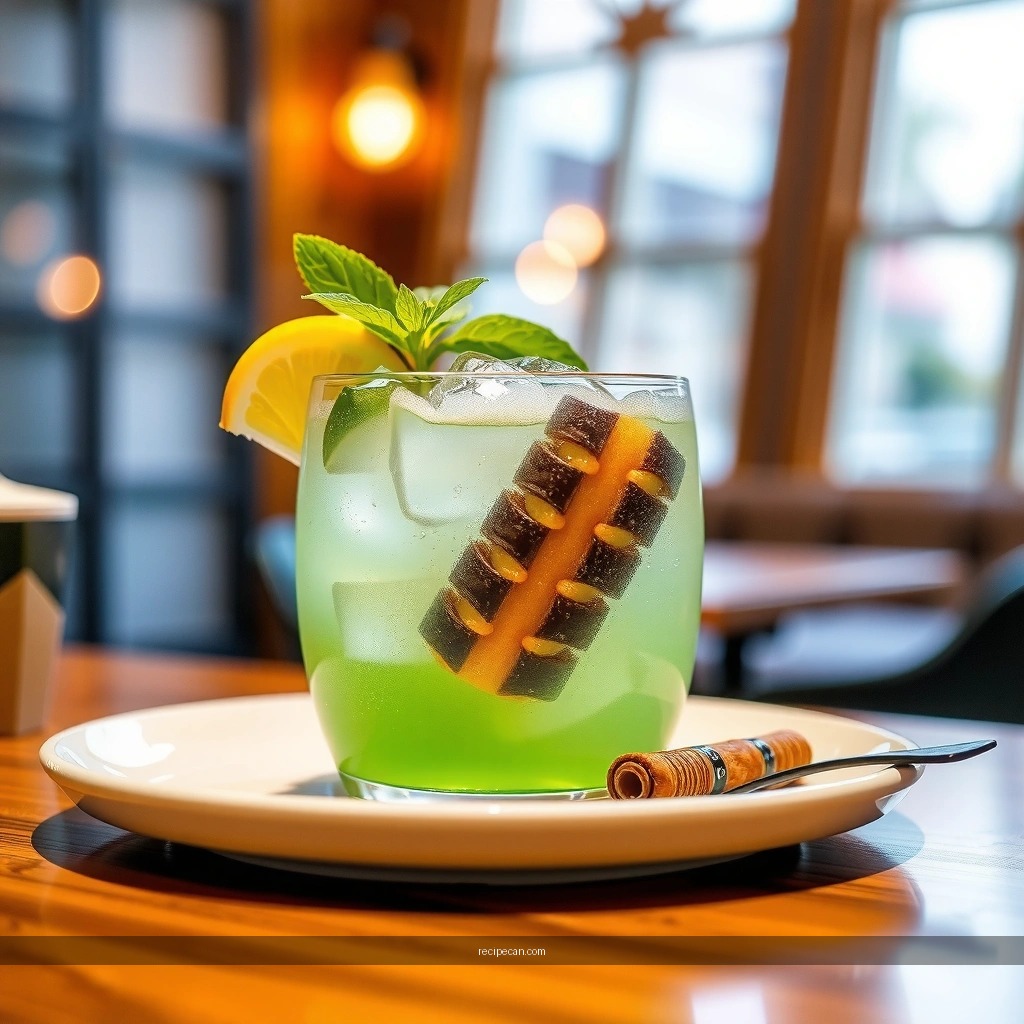
Iced green tea is a temperature management problem as much as it is a recipe. Green tea leaves extract fast, and bitterness can spike quickly if the water is too hot or the steep time is too long. The fix: brew with the right temperature, then cool immediately.
– Steep green tea at the right temperature to avoid bitterness
– A reliable baseline for most loose-leaf green teas is 70–80°C (158–176°F).
– If your tea tastes bitter even after correct timing, reduce temperature by 5–10°C or shorten steep time by 30–60 seconds.
– For bags, use one bag per serving equivalent, but still mind timing—bags can over-extract faster than whole leaf.
– Cool immediately (ice bath or fridge) to keep the flavor bright
– Best method (ice bath): After steeping, place your hot tea container in an ice bath and stir gently until it drops close to room temperature.
– Fridge method (slower but workable): Pour into a shallow pitcher/container, then refrigerate promptly. Shallow surfaces cool faster.
– Avoid leaving brewed tea at warm temperatures for long periods—this is where the “why does my batch taste off?” issue often starts.
Practical ratio you can scale (classic infusion):
– 1 liter water: start with 7–9 g loose-leaf green tea
– Per 300 ml: use 2.1–2.7 g (or ~1 tea bag)
This range lets you control strength without pushing bitterness.
Pro workflow: brew a slightly stronger concentrate than you ultimately want, then dilute with ice or cold water after chilling. This approach maintains flavor even as ice melts.
Assemble Your Cold Green Tea
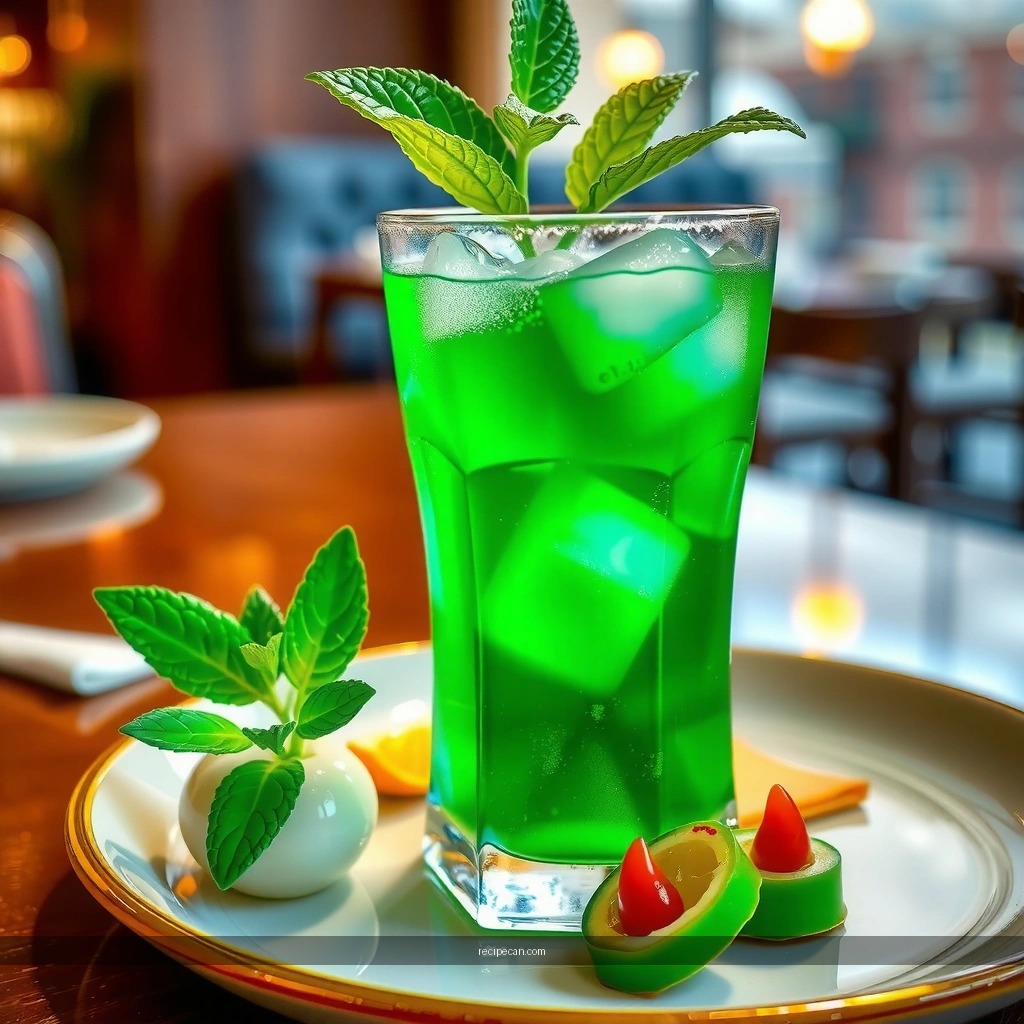
Now you convert brewed tea into an iced drink with consistent strength. The goal is to balance aroma, color, and bitterness while accounting for ice dilution.
– Fill a glass with ice and add chilled green tea
– Use large or dense ice cubes if you can—smaller ice dilutes faster.
– Start by adding ice, then pour in chilled tea so the drink drops to serving temperature immediately.
– Adjust strength by using more/less brewed tea or a quick dilution with water
– If you find the drink too strong, dilute with a splash of cold water (not more hot water).
– If it’s too weak, brew the next batch with slightly more tea or less dilution.
– For a consistent result across multiple servings, assemble in a pitcher first, then portion into glasses.
Example “business-ready” serving spec (for consistent taste):
– Pour 250–300 ml iced tea per glass
– Use a base concentrate of ~70–80% final volume, then top with ice and/or cold water
– Adjust in small increments (10–15%) rather than large changes
Sweeten and Flavor (Optional)
Sweeteners and aromatics can elevate iced green tea—especially when they’re added with intention. The key is to avoid overpowering the tea’s natural vegetal or floral notes.
– Add honey, sugar, or simple syrup if desired (start small)
– Honey: tends to round bitterness and add subtle floral sweetness.
– Simple syrup: dissolves instantly and is ideal for pitchers (use 1:1 sugar-to-water).
– Start with one teaspoon per 12–16 oz (350–500 ml), then adjust based on taste.
– Try lemon slices, mint, or lightly crushed cucumber for a fresh twist
– Lemon: brightens the cup and makes the finish feel cleaner.
– Mint: works best when added near serving so aroma doesn’t flatten.
– Cucumber: gives a spa-like, subtle cooling effect—add lightly crushed pieces for better extraction without bitterness.
Actionable tip: If you plan to add citrus or mint, add it after chilling—not while hot—so you preserve volatile aroma and avoid dull flavors.
Matcha Variation for Extra Creaminess
If classic iced green tea feels a bit too light, matcha is a strong upgrade. The technique matters: whisking first prevents clumps and creates a smoother texture once chilled.
– Whisk matcha with a small amount of hot water first, then chill
– Start with 1–2 tsp matcha per serving (adjust for strength).
– Add 30–60 ml hot water, whisk until fully smooth (no dry streaks), then chill.
– This step improves both texture and perceived sweetness (because smooth matcha reads as “richer,” even without extra sugar).
– Shake with ice for a smoother texture and stronger green tea flavor
– Fill a shaker or jar with ice, pour in chilled matcha base, and shake for 10–20 seconds.
– Shake introduces micro-chilling and keeps the drink looking creamy rather than watery.
Operational guidance for batch service:
– Whisk matcha into a small amount of hot water first, then stir into chilled cold base.
– If you’re serving multiple cups, pre-chill the matcha base and shake individually for best mouthfeel.
Storage and Serving Tips
Great iced green tea is about timing. Even when stored correctly, green tea flavors drift over time—especially once sugar, citrus, or matcha are involved.
– Refrigerate in a sealed container and use within 1–2 days for best quality
– Keep tea airtight to limit oxidation and fridge odor pickup.
– If you’re using simple syrup, the flavor can remain pleasant, but citrus-based drinks often taste best within 24 hours.
– Re-stir or re-shake before serving, especially if you add matcha
– Tea solids and matcha particulates settle. A quick stir or shake restores the intended texture.
– For pitchers, stir before pouring the second half of the batch.
Quality control checklist:
– Taste your first glass after chilling; if it’s right, your batch is on track.
– If anything tastes bitter: reduce steep strength next time (lower tea amount, lower temperature, or shorten steep time), not dilution with more ice.
Cold green tea tastes best when brewed correctly, chilled fast, and served with your preferred add-ins. Use the ratios and temperature tips above, try one flavor variation this week—like jasmine with lemon or matcha for creaminess—and save your favorite method for quick, refreshing iced tea anytime.
Frequently Asked Questions
What is the easiest cold green tea recipe I can make at home?
Brew green tea with hot water first (about 80°C/175°F) to extract flavor without bitterness, then let it cool. Pour it over ice, or chill it in the fridge for 1–2 hours for a smoother taste. For an easy cold green tea recipe, use 1–2 teaspoons loose-leaf or 1 tea bag per 2 cups of water, then serve with lemon slices if desired.
How do I make cold green tea taste less bitter?
Bitter flavor usually comes from over-steeping or using water that’s too hot, so steep green tea at a lower temperature (around 75–85°C) for 1–2 minutes. If you prefer stronger tea, increase the amount of tea instead of the steep time. After brewing, chill the tea quickly to preserve freshness and avoid a harsh aftertaste.
Why should I chill green tea instead of just adding ice to hot tea?
Adding ice to very hot tea can dilute the flavor and sometimes cool it too quickly for the taste to fully develop. Chilling brewed green tea in the refrigerator gives a more balanced cold green tea flavor and helps the brew settle for a cleaner finish. If you want extra convenience, you can brew, cool briefly, and then add ice in the serving glass.
Which green tea works best for making iced or cold green tea?
Sencha and other Japanese green teas are popular for iced green tea because they balance grassy notes with a refreshing finish. If you want a sweeter, smoother profile, try steamed green teas or naturally mellow varieties, and use slightly less tea for delicate types. For a more robust cold green tea recipe, choose a higher-quality loose-leaf green tea and steep just long enough to avoid bitterness.
What’s the best way to sweeten or flavor cold green tea without ruining it?
Add honey, sugar, or simple syrup while the tea is still warm (or dissolve in a small amount of hot water first) so it mixes evenly. For flavor, lemon, mint, or ginger slices work well and won’t overpower delicate green tea. If you’re using flavored ingredients, start small—because cold green tea can taste “muted,” flavors may seem stronger once chilled and fully infused.
References
- Google Scholar Google Scholar
https://scholar.google.com/scholar?q=cold+green+tea+recipe+brewing+time - Google Scholar Google Scholar
https://scholar.google.com/scholar?q=iced+green+tea+preparation+temperature+steeping - Google Scholar Google Scholar
https://scholar.google.com/scholar?q=green+tea+catechins+stability+iced+tea+storage - Green tea
https://en.wikipedia.org/wiki/Green_tea - Iced tea
https://en.wikipedia.org/wiki/Iced_tea - Green tea | Britannica
https://www.britannica.com/topic/green-tea - https://ods.od.nih.gov/factsheets/Tea-HealthProfessional/
https://ods.od.nih.gov/factsheets/Tea-HealthProfessional/ - https://www.nccih.nih.gov/health/green-tea-what-you-need-to-know
https://www.nccih.nih.gov/health/green-tea-what-you-need-to-know - https://www.mayoclinic.org/drugs-supplements/green-tea/art-20360692
https://www.mayoclinic.org/drugs-supplements/green-tea/art-20360692 - https://pubmed.ncbi.nlm.nih.gov/?term=iced+green+tea+brewing+temperature+steeping+storage
https://pubmed.ncbi.nlm.nih.gov/?term=iced+green+tea+brewing+temperature+steeping+storage