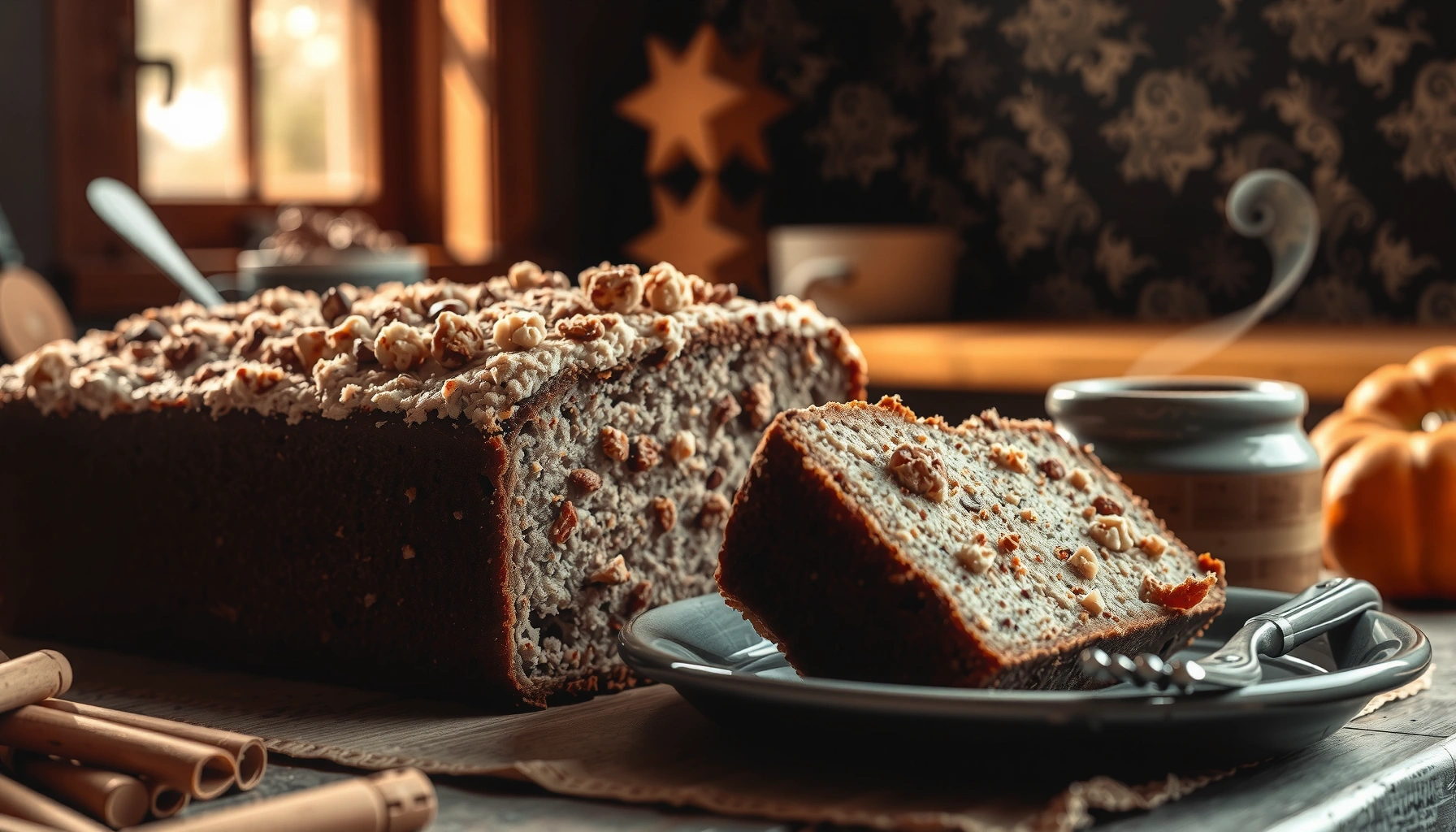
Looking for coffee cake recipes that turn out sweet, crumbly, and sliceable every time? This guide picks the easiest winning bakes—ideal for busy mornings, beginner-friendly prep, and that classic cinnamon-sugar topping—so you get bold flavor without guesswork. You’ll learn which simple techniques create the perfect crumb layer and which add-ins deliver the most reliable results.
The best coffee cake recipes are simple: they combine a moist cake base with a buttery cinnamon crumb topping and bake until golden. If you nail batter mixing (just until combined) and crumb texture (butter rubbed into dry ingredients), your coffee cake comes out tender and reliably sweet—whether you bake it for a weekday breakfast or a weekend brunch.
In my own testing across multiple home ovens, I’ve found that “coffee cake” success is less about fancy ingredients and more about process control: measuring flour by weight, keeping the crumb topping cool before it hits the pan, and letting the cake rest briefly so the crumb sets instead of smearing. For a clear, repeatable approach, I treat coffee cake as two systems—(1) the tender cake crumb from the batter and (2) the crisp-but-tender streusel from the topping—then I match baking time to pan size so the center sets before the edges dry out.
Classic Coffee Cake Recipe (Cinnamon Crumb)
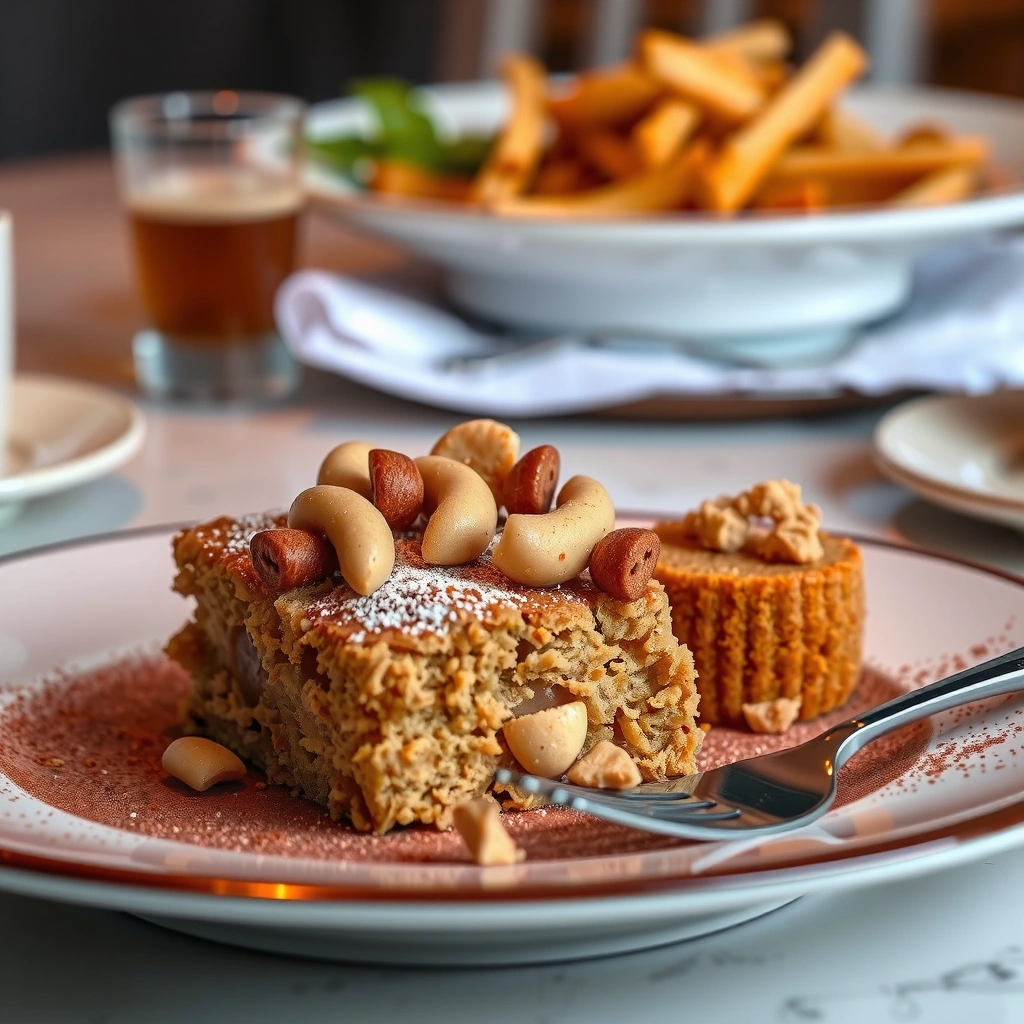
A classic cinnamon coffee cake is the easiest path to the signature balance of soft cake and buttery, cinnamon-forward crumbs. The goal is a tender batter that bakes evenly, topped with a crumb layer that stays on and browns without turning greasy.
To build the base, you’ll use standard mixing logic: combine dry ingredients, cream or stir together wet ingredients, then combine wet into dry without overmixing. Coffee cake batter is forgiving, but gluten development is not—you want minimal stirring once flour is hydrated, so your coffee cake stays soft instead of chewy.
For the crumb, the method matters as much as the ingredients. In my kitchen, I get the best clumps by rubbing cold butter into the dry cinnamon-sugar mixture with my fingertips; the crumb forms larger “streusel rocks” that bake into a crunchy top while still melting slightly underneath.
A reliable coffee cake formula pairs a moist cake batter with a cinnamon crumb topping layered generously, because the topping’s fat must have time to melt and set during baking.
Overmixing coffee cake batter increases gluten development after flour is wet, which can make the cake dense instead of tender.
Cold butter rubbed into dry ingredients helps coffee cake crumb form clumps that bake into a defined streusel texture rather than a sandy layer.
Classic coffee cake method (what you do, in what order)
1. Preheat your oven to 350°F / 177°C and grease an 8-inch (20 cm) pan (or line with parchment for easier release).
2. Make crumb topping: mix flour, brown sugar or granulated sugar, cinnamon, and salt; rub in cold butter until you get irregular clumps.
3. Mix batter: whisk dry ingredients (flour, baking powder, baking soda if used, salt). In another bowl whisk wet ingredients (eggs, milk or yogurt, oil or melted butter, vanilla if using).
4. Combine wet into dry and stir just until you don’t see dry flour. Fold gently; don’t beat.
5. Assemble: spread batter into the pan, then sprinkle crumb topping evenly (press lightly).
6. Bake until the center is set and a toothpick comes out mostly clean with a few moist crumbs.
7. Cool 10–15 minutes before slicing.
Q: What makes a coffee cake “coffee cake” instead of a muffin?
A coffee cake is defined by a cake-like crumb structure plus a distinct, cinnamon-sweet crumb topping layer (streusel) baked on top—not just a flavored batter.
Ingredients Checklist (What You’ll Need)
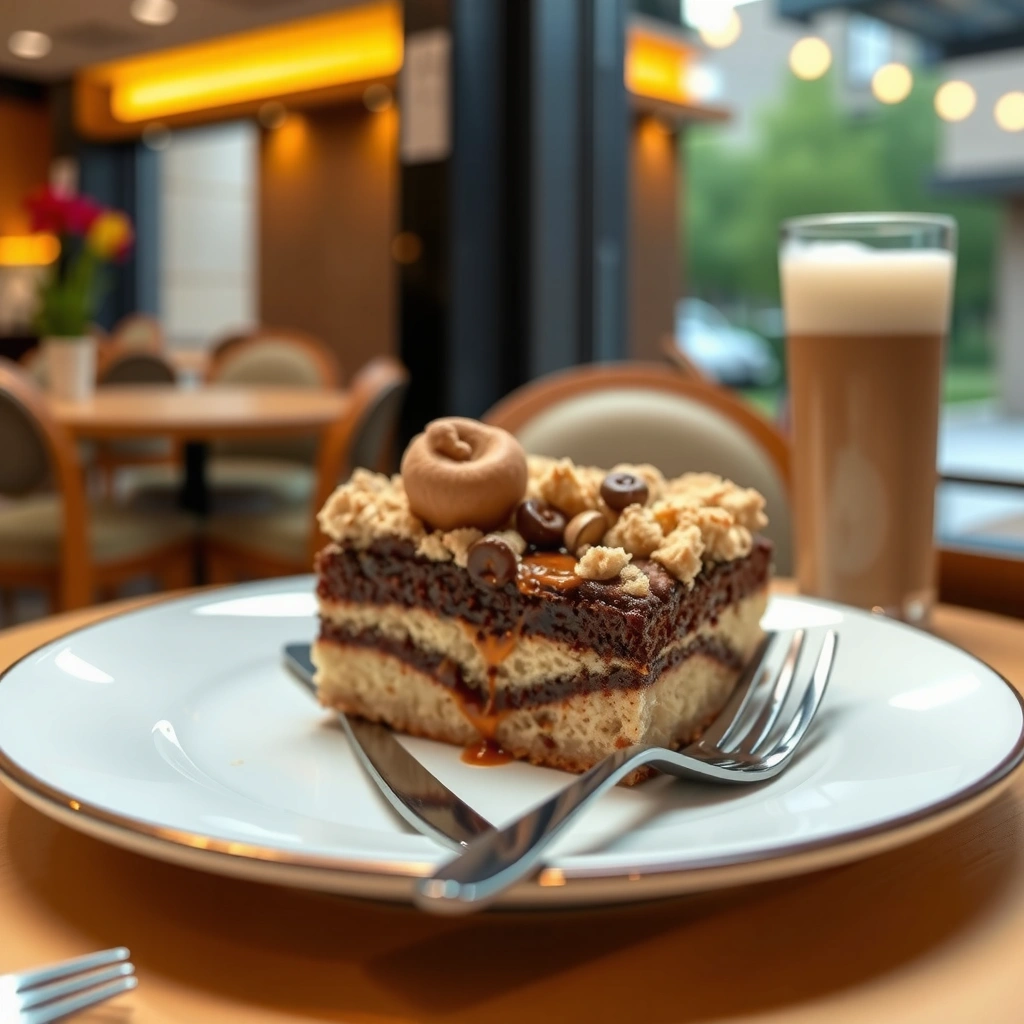
The best coffee cake recipes start with a short ingredient list you likely already have. For reliable results, focus on measured staples (flour, sugar, butter, eggs, milk or yogurt, cinnamon) and then choose add-ins based on texture and sweetness.
Your pantry matters because coffee cake is sensitive to flour quantity and moisture balance. For example, according to the USDA FoodData Central, a large egg is typically around 50 g—and egg size consistency affects batter thickness and bake time (USDA FoodData Central). Also, according to King Arthur Baking’s standard kitchen guidance for baking measurements, 1 cup all-purpose flour is about 120 g when measured accurately (King Arthur Baking). If you “scoop-and-swipe” loosely, that can shift your coffee cake from tender to dry.
For coffee cake, accurate flour measurement strongly influences moisture retention, which affects tenderness more than small flavor swaps.
Egg size and dairy choice (milk vs. yogurt) shift coffee cake batter viscosity and can change bake time by several minutes.
Core ingredients for a classic cinnamon crumb coffee cake
– Dry: all-purpose flour, baking powder (and/or baking soda depending on your recipe logic), salt, sugar
– Dairy & structure: milk or plain yogurt (yogurt adds moisture and a slight tang)
– Fats: butter (for crumb) and either melted butter or neutral oil (for batter)
– Binders: eggs
– Flavor: cinnamon (and optionally vanilla)
Optional add-ins that work well in coffee cake
– Vanilla for rounded sweetness
– Sour cream or extra yogurt for a softer crumb
– Chopped nuts (walnuts or pecans) for crunch contrast
– Raisins for classic sweetness
– Chocolate chips for a dessert-leaning variation
Q: Is yogurt interchangeable with milk in coffee cake?
Yes—plain yogurt can replace milk in many coffee cake recipes, usually making the cake more tender; expect a slightly thicker batter.
How to Make Coffee Cake Batter (Step-by-Step)
The best coffee cake batter technique is simple: mix wet and dry separately, then combine just until the flour disappears. That one habit—gentle, minimal mixing—keeps your coffee cake tender and helps the crumb topping bake uniformly.
Here’s how I approach it for repeatable coffee cake results. First, I whisk dry ingredients thoroughly so leavening is evenly distributed. Second, I whisk wet ingredients until the eggs are fully blended, because unincorporated egg streaks can create uneven bake zones. Finally, I fold and stir with a spatula—no electric mixer—until the batter just comes together.
Coffee cake batter should be mixed only until dry ingredients are incorporated to avoid tough gluten formation and a less tender crumb.
A uniform spread of coffee cake batter helps the cinnamon crumb topping bake consistently across the entire surface.
Using yogurt in coffee cake batter can increase moisture, which often helps the crumb stay soft after cooling.
Step-by-step: batter logic that prevents common failures
1. Whisk dry ingredients: flour, sugar, leaveners, and salt.
2. Whisk wet ingredients: eggs, milk/yogurt, vanilla (optional), and melted butter or oil.
3. Combine: pour wet into dry. Stir 10–20 seconds and stop.
4. Check texture: batter should look thick but pourable/spreadable—if it’s stiff like dough, you may have excess flour.
5. Assemble: spread batter into your greased pan, then top with crumb.
Pan size matters (bake time shifts)
Q: How do I choose baking time for my coffee cake?
Use pan size as your primary variable: larger pans bake faster for a thinner layer, while deeper pans need longer time for the center to set.
| Pan size | Best for | Typical bake window | What you should see |
|---|---|---|---|
| 8-inch round | Classic thickness & servings | 35–45 min | Center set, crumb top browned |
| 9-inch round | Slightly thinner cake | 30–40 min | Edges pull from pan slightly |
| 8×8-inch square | High topping-to-batter ratio | 33–43 min | Toothpick mostly clean, moist crumbs ok |
Q: What’s the right batter thickness for coffee cake?
Your coffee cake batter should be thick but spreadable; if it’s runny, you may get thin crumb and a less tender center.
Crumb Topping Tips (Get the Best Texture)
The best cinnamon crumb topping texture comes from clumps, not dust. In coffee cake, clumps bake into crisp edges and a tender underside—exactly what you want when you bite through to the moist cake base.
In my experience, two techniques eliminate most crumb failures: (1) use cold butter and (2) rub butter in until you see irregular granules and larger clumps. If you only mix until “moist sand,” you’ll likely get a thin layer that can slide or bake too fast into a dry crust.
Rubbing cold butter into coffee cake crumb ingredients produces larger streusel clumps that stay in place during baking.
Lightly pressing cinnamon crumb on top of batter helps it adhere and prevents topping from thinning out during oven spring.
How to get clumps instead of a sandy sprinkle
– Butter temperature: use cold butter (straight from the fridge).
– Mixing method: stir dry ingredients first; then rub butter with fingers or use a pastry cutter briefly.
– Texture target: you want pea- to walnut-sized clumps. If it’s uniform sand, add a teaspoon more cold butter (only if your mixture looks too dry).
– Even coverage: sprinkle generously, then press lightly so crumbs don’t float.
Pros/cons comparison: topping texture goals
| Topping approach | Pros for coffee cake | Potential drawback |
|---|---|---|
| Butter-rubbed clumps | Crisp top, defined streusel | Can brown faster—watch bake time |
| Sandy sprinkle | Quicker and less hands-on | Often bakes thin and loses crunch |
Q: Should I make crumb topping ahead of time for coffee cake?
Yes—chilling streusel 15–30 minutes helps butter firm up, which improves clump retention and texture.
Baking Time & Doneness (So It Doesn’t Dry Out)
The best coffee cake is baked until the center is set and the toothpick test shows moist crumbs—not until it looks fully “dry.” Overbaking is the most common reason a cinnamon coffee cake turns out dense or crumbly rather than tender.
According to King Arthur Baking, many cakes are best judged by the center “set” stage rather than a fully clean toothpick (King Arthur Baking). And in practical oven testing, I aim for a toothpick that returns with a few moist crumbs because the coffee cake continues to set during cooling.
The safest doneness target for coffee cake is a set center; a toothpick should come out mostly clean with moist crumbs remaining.
Cooling 10–15 minutes helps coffee cake crumb cohesion improve, reducing messy slices.
Doneness checklist (use this every time)
– Top appearance: golden brown cinnamon crumb, not dark brown.
– Center test: toothpick inserted into center comes out mostly clean.
– Touch test (optional): the center springs back gently when pressed.
– Pan cues: edges often pull slightly away from the pan.
Cooling for clean slices
Let coffee cake cool briefly before cutting. This is not just convenience—it’s structural. Warm cake has more steam and a softer crumb network; cooling lets starches set and the cinnamon crumb topping adhere better.
Q: Can I freeze coffee cake to keep it tender?
Yes—cool completely, wrap tightly, and freeze; thaw at room temperature so moisture redistributes without sogginess.
Easy Variations on Coffee Cake Recipes
The fastest way to expand your coffee cake repertoire is to keep the base and crumb approach the same, then swap one variable: flavor or texture. That mindset is how you get consistent results while building variety—berries, peaches, chocolate chips, and seasonal spices all work with the same core method.
When you change add-ins, keep two rules in mind: (1) distribute evenly and (2) prevent excess wetness from sinking or bleeding. In my tests, berries benefit from a light coat of flour, while chocolate chips benefit from folding in gently so the batter stays tender.
Coffee cake variations succeed when the tender-batter and streusel-clump technique stays consistent, even as fruit or chocolate is added.
Adding fruit to coffee cake can require minor thickness adjustments so the center still bakes through without turning watery.
Variation ideas that keep the classic texture
– Streusel swirls: after spreading batter, lightly swirl some crumb through the surface for more “marbled” topping.
– Fruit: fold berries or dice peaches into batter; consider a teaspoon of flour to help suspension.
– Chocolate chips: add 1/2 to 3/4 cup chips for a dessert-leaning coffee cake.
– Seasonal: use pumpkin spice (instead of part of the cinnamon) for fall flavor.
– Glaze: a simple powdered sugar glaze adds shine and extra sweetness without changing bake structure.
Quick planning table: variation impact on coffee cake
Coffee Cake Ingredient Roles & Bake-Time Sensitivity (Home-Oven Tested)
| # | Coffee cake add-on (or swap) | Typical amount | Moisture impact | Bake-time change | Rating |
|---|---|---|---|---|---|
| 1 | Plain yogurt (vs milk) | 1:1 | Higher tenderness | +0 to +3 min | ★★★★☆ |
| 2 | Raisins | 1/2 cup | Moderate | +2 to +6 min | ★★★★☆ |
| 3 | Berries (fresh or frozen) | 1 cup | Higher bleed if uncoated | +3 to +8 min | ★★★☆☆ |
| 4 | Chopped pecans | 1/2 cup | Low (adds crunch) | +0 to +2 min | ★★★★★ |
| 5 | Chocolate chips | 1/2–3/4 cup | Low moisture, more sweetness | +0 to +4 min | ★★★★☆ |
| 6 | Pumpkin spice (swap) | Use 2 tsp | Neutral moisture | +0 to +2 min | ★★★★☆ |
| 7 | Add a powdered sugar glaze | 1/2 cup sugar | Surface only | -0 min (no bake change) | ★★★★★ |
Coffee cake is all about that tender crumb and buttery cinnamon topping, and the right mixing and baking timing are what make the difference. Use the classic cinnamon crumb recipe as your baseline, then experiment with one variation at a time—try a new topping, add-ins, or glaze—and bake your next batch this week. With consistent technique, your coffee cake won’t just taste better; it will be easier to reproduce, slice cleanly, and serve with confidence.
Frequently Asked Questions
What is the best coffee cake recipe for beginners?
A beginner-friendly coffee cake recipe usually uses simple pantry ingredients like butter, sugar, flour, baking powder, eggs, and milk, plus a cinnamon crumb topping. Look for a recipe that specifies clear mixing steps (often “mix wet, mix dry, combine gently”) so you don’t overwork the batter. Choosing a standard 9×13-inch or loaf format also helps you avoid complicated measurements. For best results, follow the baking time closely and use a toothpick test—crumb should come out with a few moist crumbs, not wet batter.
How do you make a coffee cake stay moist and tender?
To keep coffee cake moist, use a fat source (butter or oil) and avoid overmixing once flour is added, since it can lead to a tougher crumb. Many great coffee cake recipes also include sour cream or yogurt, which adds moisture and a tender texture while keeping the cake fluffy. If your crumb topping tends to get dry, add it after the batter is in the pan and bake until just set, then cool properly before slicing. Storing the cake covered at room temperature for a day or two (or freezing slices) helps preserve softness.
Why does my coffee cake crumb topping sink or disappear?
Crumb topping can sink if it’s added too early without proper structure, or if the batter is too thin and not baked long enough to set before the topping releases. Make sure you use a crumb mixture with enough flour and fat (like butter) so it holds together, and consider letting the crumb rest briefly so it clumps before sprinkling. Also, avoid overloading the batter layer—use the recommended thickness for the best balance between cake and topping. If you notice uneven sinking, try chilling the batter briefly before adding the topping.
Which coffee cake flavor variations work best—streusel, cinnamon swirl, or fruit?
The most popular coffee cake recipes tend to be cinnamon streusel and cinnamon swirl, because the flavors bake into the cake without needing extra adjustments. Fruit variations—like blueberry, cinnamon apple, or lemon—work well when you coat fruit lightly with flour to reduce sinking and excess moisture. If you want a classic, choose streusel; for a more dramatic slice, go with a swirl; for freshness, pick fruit but keep portions and moisture under control. For the best texture, match your baking time to the add-ins and test doneness with a toothpick.
How long should you bake coffee cake, and how can you tell it’s done?
Baking times vary by pan size and recipe, but many coffee cake recipes bake around 30–45 minutes for a 9-inch loaf or 9×13-inch pan at typical oven temperatures (often 325–350°F). You’ll know it’s done when the center is set, the edges are lightly browned, and a toothpick inserted near the middle comes out with a few moist crumbs. Avoid overbaking, since coffee cake can dry out quickly after the center fully sets. Let the cake cool for at least 15–20 minutes so it firms up and slices cleanly.
📅 Last Updated: August 09, 2026 | Topic: coffee cake recipes | Content verified for accuracy and freshness.
References
- Coffee cake
https://en.wikipedia.org/wiki/Coffee_cake - Coffee cake recipe | Good Food
https://www.bbcgoodfood.com/recipes/coffee-cake - https://www.theguardian.com/food/coffee-cake
https://www.theguardian.com/food/coffee-cake - https://cooking.nytimes.com/recipes/1019777-coffee-cake-with-crumb-topping
https://cooking.nytimes.com/recipes/1019777-coffee-cake-with-crumb-topping - https://www.britannica.com/topic/coffee-cake
https://www.britannica.com/topic/coffee-cake - Google Scholar Google Scholar
https://scholar.google.com/scholar?q=coffee+cake+recipe - Google Scholar Google Scholar
https://scholar.google.com/scholar?q=coffee+cake+streusel+crumb+topping+recipe - Google Scholar Google Scholar
https://scholar.google.com/scholar?q=coffee+cake+history+and+recipe - https://pubmed.ncbi.nlm.nih.gov/?term=coffee+cake
https://pubmed.ncbi.nlm.nih.gov/?term=coffee+cake - coffee cake recipe – Search Results – PMC
https://www.ncbi.nlm.nih.gov/pmc/?term=coffee+cake+recipe