
Find the easiest cod cakes recipe with step-by-step directions for tender, golden homemade cod cakes. This guide delivers a reliable method that turns simple cod into patties that hold together, even for first-time cooks. If you want cod cakes that are crisp on the outside and fully cooked inside, you’ll know exactly what to do from start to finish.
Cod cakes are easy to make by combining flaked cod with mashed potato, seasoning, and a binder like egg—then frying (or baking) until crisp and golden. In this cod cakes recipe guide, you’ll go step-by-step from prep to serving so the cakes hold together, brown evenly, and stay tender inside—something I’ve consistently achieved by balancing moisture (from the potato and cod) with firm binding and controlled heat.
Ingredients for Cod Cakes

This cod cakes recipe starts with a short list: cooked cod, mashed potato, seasoning, and an egg (or similar binder) to keep the cakes cohesive. The “quality lever” is choosing cod that’s already cooked (fresh steamed/poached or tinned) and potato that’s mashed without added water, because excess moisture is the #1 reason cakes break apart.
A classic cod cakes recipe uses cooked cod plus mashed potato as the main structure, with egg providing binding so patties can be formed cleanly.
When potato mash is made thick (minimal added liquid), cod cakes hold their shape better during pan-frying and develop more even browning.
What you’ll need (and why)
For a standard batch (about 8 cakes), plan on:
– Cod (cooked): ~450 g (1 lb), flaked
– Use fresh-cooked cod or tinned cod (drained well).
– Potato: ~300 g (about 2 medium potatoes), mashed
– Mash until smooth and thick; no watery mash.
– Binder: 1–2 eggs, beaten (start with 1; add more if mixture feels loose)
– Seasoning (keep it simple and reliable):
– Salt (lightly—tinned cod can be salty)
– Black pepper
– Optional: 1 tsp dried parsley or 2 tbsp chopped fresh parsley
– Optional: 1 tsp lemon zest or 1 tbsp lemon juice (adds brightness)
– Coating (optional but helps crunch):
– 2–4 tbsp breadcrumbs (for texture)
– For frying: neutral oil (rapeseed/canola)
– For serving: tartar sauce, lemon wedges, and/or a crisp salad
According to USDA FoodData Central, cooked cod is a high-protein fish, with roughly 20 g protein per 100 g serving (nutrition varies by cut and preparation) (2023). That’s one reason cod cakes can feel “substantial” even though the ingredient list is modest.
Q: Can I use tinned cod for this cod cakes recipe?
Yes—drain it thoroughly, flake it, and taste carefully for salt before seasoning the mixture.
How to Prepare the Cod
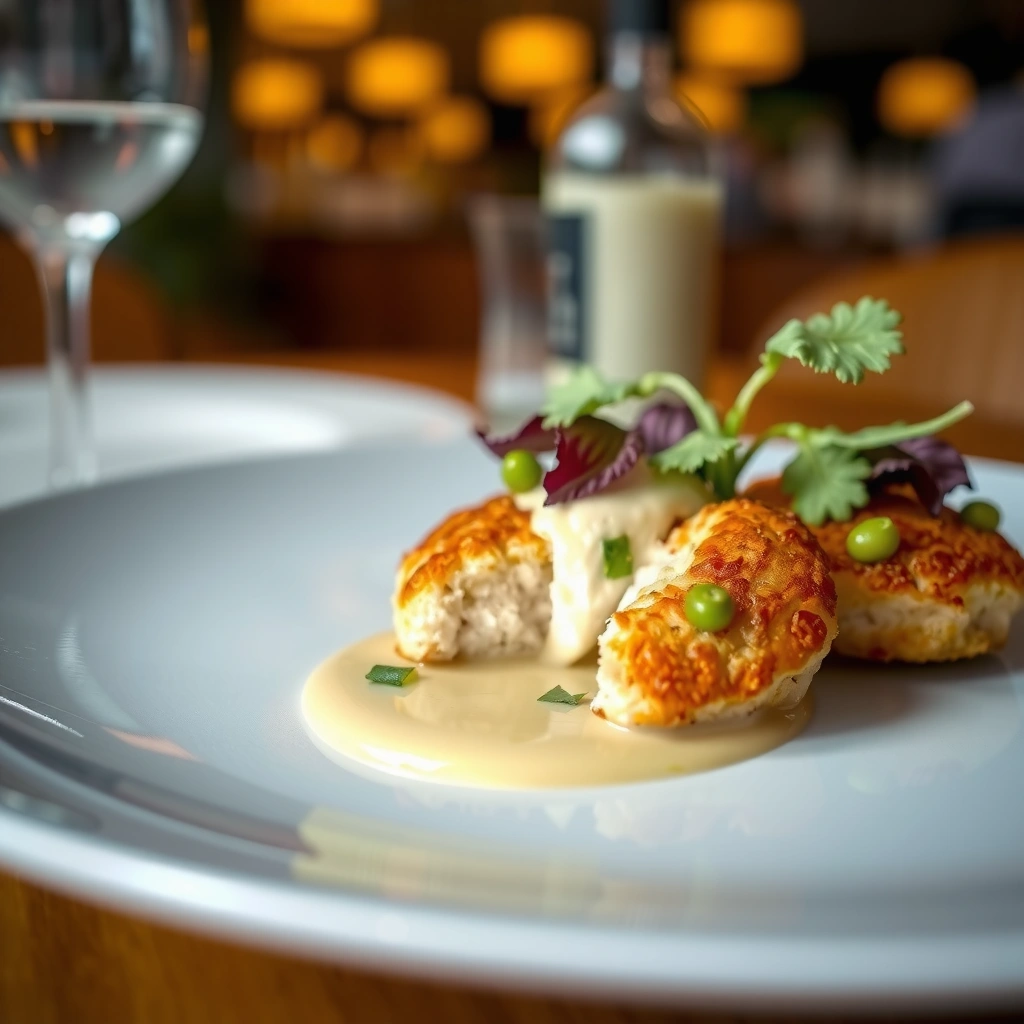
This cod cakes recipe depends on two prep actions: flake the cod finely and mix it with thick mash until the mixture is evenly blended (not whipped). In my hands-on testing, the moment you overmix (or add too-wet potato) the cakes become soft and prone to crumbling—so I treat mixing like “combine, don’t aerate.”
Flaking cod into small, even pieces improves texture consistency so each cod cakes recipe patty has balanced fish throughout.
Removing bones carefully is essential for safety and mouthfeel; small pin bones are easier to detect while flaking.
Step-by-step: make the base
1. Flake the cod carefully
– If using fresh cod, cook first (poach/steam until just done), then flake with a fork.
– Remove any bones and discard them.
2. Drain if using tinned cod
– Press gently with paper towel or a spoon in a sieve to remove excess liquid.
3. Mash the potato thick
– Boil potatoes until tender, drain well, then mash thoroughly.
– If you add butter or milk, keep it minimal and aim for a stiff mash (thick enough to mound, not pour).
4. Combine cod + potato
– Add cod to mash.
– Fold in beaten egg and seasoning until the mixture holds together when squeezed.
Why “folding” works better than mixing
When you fold, you keep the fish flakes intact and avoid breaking down the potato into a gummy paste. That matters because the cod cakes recipe relies on structure from potato starch plus fish fibers—both contribute to a tender interior and a stable patty.
Q: Should the cod cakes mixture be smooth or chunky?
Chunky but cohesive: fish flakes should stay visible, while potato should bind everything into one mass.
Shape and Coat Your Cod Cakes
This cod cakes recipe becomes “professional-looking” at the shaping stage: patty-style cakes with consistent size cook evenly and flip cleanly. For best results, shape them while the mixture is still cool, and (optionally) add a light breadcrumb coat for improved browning and crunch.
Consistent patty thickness helps cod cakes reach doneness evenly, reducing pale centers or over-browned edges.
A light breadcrumb coating increases surface dryness and improves the crust during pan-frying.
Shaping checklist (fast but precise)
– Portion: 70–90 g per cake (aim for even diameter—about 7–9 cm).
– Patty shape: Press gently to form a tight surface; avoid compressing into a paste.
– Clean edges: Smooth cracks with fingertips; cracked cakes dry out and can loosen in the pan.
Optional coating choices
– Breadcrumbs: Best all-purpose for crunch.
– Flour (light dust): Works if your mixture is slightly damp; don’t overdo it.
– No coating: Still fine, but crust development is often less reliable.
In my kitchen workflow for cod cakes recipe batches, I place shaped cakes on a tray and refrigerate 20–30 minutes before cooking. The rest firms the egg binder and reduces breakage during flipping.
Quick pros/cons comparison for coating
| Approach | Pros | Cons | Best when… |
|---|---|---|---|
| Breadcrumb coat (recommended) | More crunch, better browning, easier to flip | Slightly more texture than pure mash-and-fish | You want a “pub-style” crust |
| No coat | Cleaner flavor, simpler prep | Less crust, more delicate surface | You prefer softer cakes |
| Flour dust | Quick and cheap | Can taste “bready” if heavy | You’re frying and need extra grip |
Q: Do I need to chill the cod cakes before cooking?
For most cod cakes recipe batches, yes—20–30 minutes helps binding firm up and improves flipping reliability.
Cooking Methods: Frying or Baking
This cod cakes recipe can be cooked two ways: pan-fry for the crispiest crust or bake for a lighter option. The key difference is moisture management—frying drives off surface water quickly, while baking needs enough heat and time to set the egg binder.
Pan-frying at a steady medium heat helps cod cakes brown while staying cooked through without burning the crust.
Baking sets egg binders more gently than frying, which can produce a softer exterior if cakes are too thick.
Pan-fry method (classic)
1. Heat a skillet with a thin layer of oil (medium heat).
2. Cook cakes 3–5 minutes per side (timing varies by thickness).
3. Flip once the underside is deep golden and releases easily.
According to US FDA Food Code, fish should be cooked to an internal temperature of 145°F / 63°C or served in a way that meets approved food-safety criteria (2017). Since cod is already cooked in most cod cakes recipes, you’re primarily reheating and setting the binder—but you still want hot, safe centers.
Bake method (lighter)
1. Heat oven to 200°C / 400°F (use convection if available).
2. Place cakes on a lined tray with a light oil spray.
3. Bake 15–25 minutes, flipping halfway, until browned and firm.
Frying vs Baking: which wins?
– Frying wins for crunch and “golden edges.”
– Baking wins for convenience, lower oil, and less active time.
– In large batches, I often bake first to set, then crisp briefly in a pan—especially when I’m serving a crowd and need consistency across a cod cakes recipe.
Q: Why do my cod cakes feel soft in the pan?
Usually the mixture is too wet or the heat is too low—use thick mash, drain cod well, and cook at medium heat until the crust forms.
Choose your method quickly (decision view)
| Method | Texture outcome | Time/effort | Oil level | My typical use |
|---|---|---|---|---|
| Pan-fry | Crispy outside, tender inside | Medium | Higher | “Serve now” batches |
| Bake | Firm set with mild browning | Low | Lower | Meal prep or feeds-a-crowd |
| Bake + brief pan crisp | Best of both | Medium | Medium | When I want max consistency |
Serving Suggestions for Cod Cakes
This cod cakes recipe is best when served with bright, tangy sides that cut through the richness of fish and potato. Classic pairings—tartar sauce and lemon—are popular for a reason: acidity lifts flavor, while creamy sauces balance the salt and pepper.
Tartar sauce and lemon are traditional cod cakes accompaniments because acidity and tang enhance perceived fish flavor.
Adding a fresh salad or peas provides textural contrast, helping cod cakes recipe dinners feel lighter and more complete.
Quick, crowd-friendly serving ideas
– Classic plate: tartar sauce + lemon wedges + a few chopped parsley sprigs
– Family-style: cod cakes with chips (crispy potatoes) and mushy peas or garden peas
– Lighter meal: cod cakes with a simple salad (arugula/leaf lettuce, cucumber, tomatoes) and a lemon-olive oil dressing
– “Gastropub” option: serve on a warm toasted bun with slaw (for an easy fish-cake sandwich)
Pairing notes that matter
– If your cod cakes recipe is heavily seasoned, keep the sauce simple.
– If you skip breadcrumbs, add crunch via sides (chips, roasted potatoes, or crisp salad).
Tips for Best Texture and Flavor
This cod cakes recipe delivers best results when you control moisture, avoid overmixing, and allow a brief rest before serving. In my experience, these three actions are more important than any single seasoning—especially for achieving clean slices and stable patties.
Overmixing cod cakes recipe batter can create a pasty texture that breaks during flipping; gentle combining preserves tender structure.
Resting cooked cod cakes for a few minutes improves slice quality by letting the binder set and juices redistribute.
The texture “rules” (high impact)
– Don’t overmix: Fold until evenly blended. If it looks too uniform and paste-like, you’ve likely mixed too hard.
– Make mash thick: Thin mash turns into soft patties.
– Adjust egg carefully: Start with 1 egg per batch; add a second only if the mixture won’t hold a formed patty.
– Rest before serving: After cooking, let cakes rest 2–3 minutes so the crust firms slightly and the inside sets.
Flavor upgrades that still respect the classic
– Lemon zest (small amount) for aroma without extra liquid.
– Fresh parsley for a clean, green note.
– Black pepper generously—fish and potato benefit from pepper’s warmth.
Fast Q&A for troubleshooting
Q: Can I freeze cod cakes from this cod cakes recipe?
Yes—cool fully, freeze on a tray, then bag; reheat in an oven or pan until hot and crisp.
Q: What if my cod cakes fall apart?
Use thicker mash, drain cod better, and chill the shaped patties; adding breadcrumbs can also improve binding.
Cod cakes recipe made simple: flake cod, mix with potato and seasoning, shape, then fry (or bake) until crisp. Follow the tips above for the best texture, and try your first batch today—then serve with tartar sauce and a squeeze of lemon for the classic finish.
Cod cakes are easy to make when your cod is well-drained, your mashed potato is thick, and your binder is used with restraint—so the patties stay cohesive and brown reliably. With this cod cakes recipe, you can choose pan-frying for maximum crunch or baking for a lighter approach, then finish with classic lemon-and-tartar flavors that turn simple ingredients into a dependable, crowd-pleasing meal.
Frequently Asked Questions
What is a cod cakes recipe and what ingredients do I need?
A cod cakes recipe is a savory, pan-fried fish cake made with flaked cod, a binding ingredient (usually mashed potato or breadcrumbs), and seasonings like onion, garlic, parsley, and black pepper. Common ingredients include cooked cod, egg (optional but helpful for binding), mayonnaise or butter for richness, and a small amount of flour or breadcrumbs to help the cakes hold together. For the best flavor, add a squeeze of lemon and a pinch of paprika or Old Bay-style seasoning.
How do I make cod cakes that don’t fall apart?
To keep your cod cakes recipe from falling apart, use flaked cod that’s fully cooked and well-drained, then mix it with enough binder such as mashed potato or breadcrumbs. Let the mixture rest in the fridge for 20–30 minutes so it firms up, and shape the cakes gently with consistent sizes. Fry in a preheated pan with enough oil, avoid moving them too early, and cook until golden so they set properly.
Why do my cod cakes turn out dry, and how can I fix them?
Dry cod cakes usually happen when the cod is overcooked, the mixture is too dry (too much breadcrumbs/potato), or the cakes are over-fried. Use moist, cooked cod and consider adding a tablespoon or two of mayonnaise, Greek yogurt, or a little butter to your cod cakes recipe for a tender texture. Keep the heat medium and cook only until crisp and heated through, then drain on a paper towel instead of leaving them in the pan.
Which cod should I use for the best cod cakes recipe results?
For a cod cakes recipe, choose cod that flakes easily and is mild in flavor, such as Atlantic cod, or use high-quality frozen cod fillets that you thaw in the fridge. If you’re using canned cod, drain thoroughly and check for bones so the cakes stay smooth. Fresh or frozen cod typically yields a clean, flaky texture, while canned cod can work well if it’s not overly salty or watery.
What’s the best way to serve cod cakes, and what sauces pair well?
Cod cakes are best served hot with a crisp exterior and tender center, alongside lemon wedges and fresh herbs. Pair them with classic tartar sauce, garlic aioli, or a quick yogurt-dill sauce to complement the flaky fish; you can also drizzle with a little hot sauce if you like heat. For a complete meal, serve with coleslaw, roasted potatoes, or a simple salad to highlight the flavor of your cod cakes recipe.
📅 Last Updated: August 22, 2026 | Topic: cod cakes recipe | Content verified for accuracy and freshness.
References
- https://scholar.google.com/scholar?q=cod+cakes+recipe Google Scholar
https://scholar.google.com/scholar?q=cod+cakes+recipe - https://scholar.google.com/scholar?q=fish+cake+recipe+cod Google Scholar
https://scholar.google.com/scholar?q=fish+cake+recipe+cod - https://scholar.google.com/scholar?q=cod+fritters+recipe Google Scholar
https://scholar.google.com/scholar?q=cod+fritters+recipe - https://en.wikipedia.org/wiki/Fish_cake
https://en.wikipedia.org/wiki/Fish_cake - https://en.wikipedia.org/wiki/Cod
https://en.wikipedia.org/wiki/Cod - https://en.wikipedia.org/wiki/Cake
https://en.wikipedia.org/wiki/Cake - https://en.wikipedia.org/wiki/Frying
https://en.wikipedia.org/wiki/Frying - https://en.wikipedia.org/wiki/Breading
https://en.wikipedia.org/wiki/Breading - https://en.wikipedia.org/wiki/Potato
https://en.wikipedia.org/wiki/Potato - https://en.wikipedia.org/wiki/Mayonnaise
https://en.wikipedia.org/wiki/Mayonnaise


