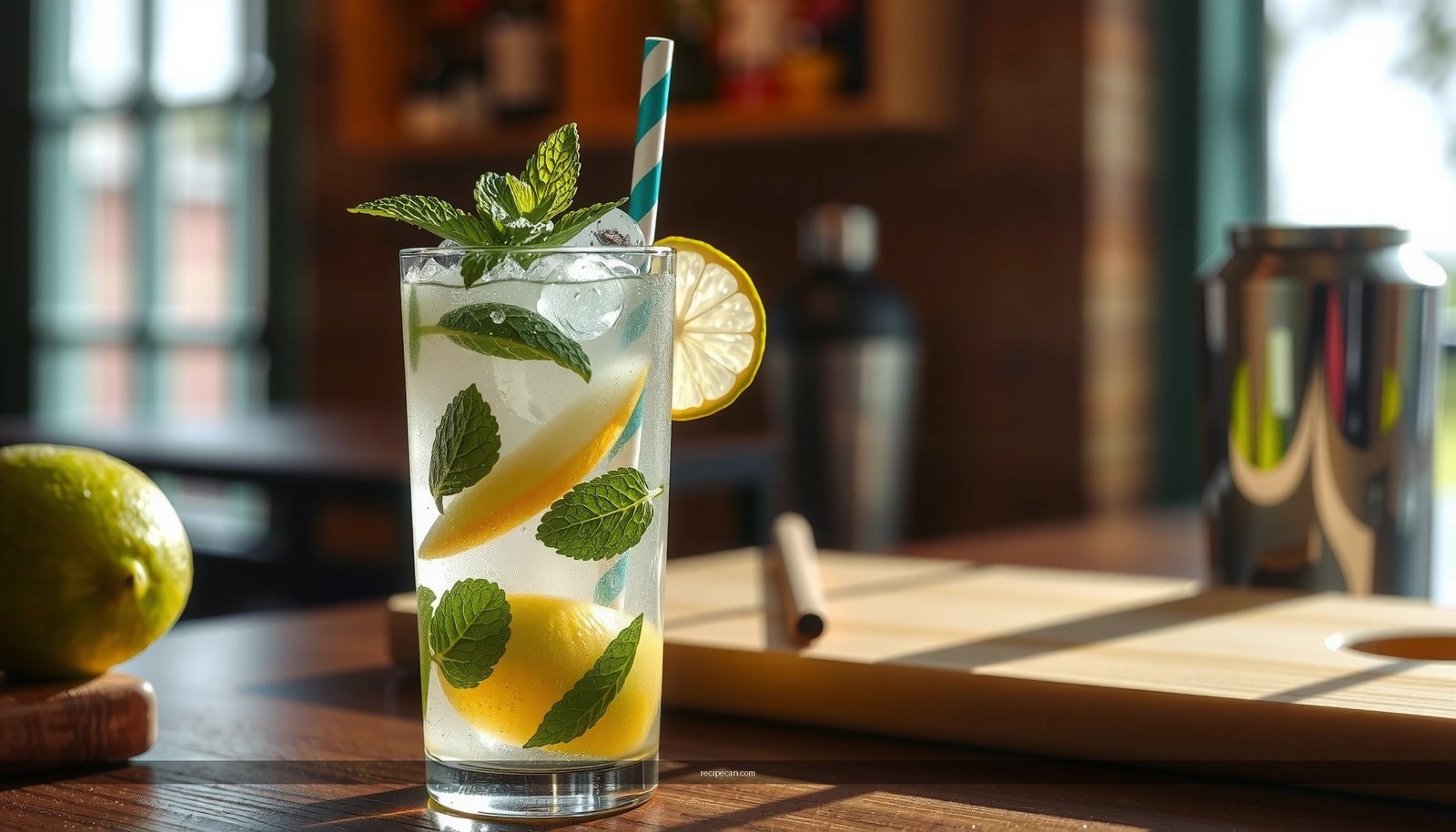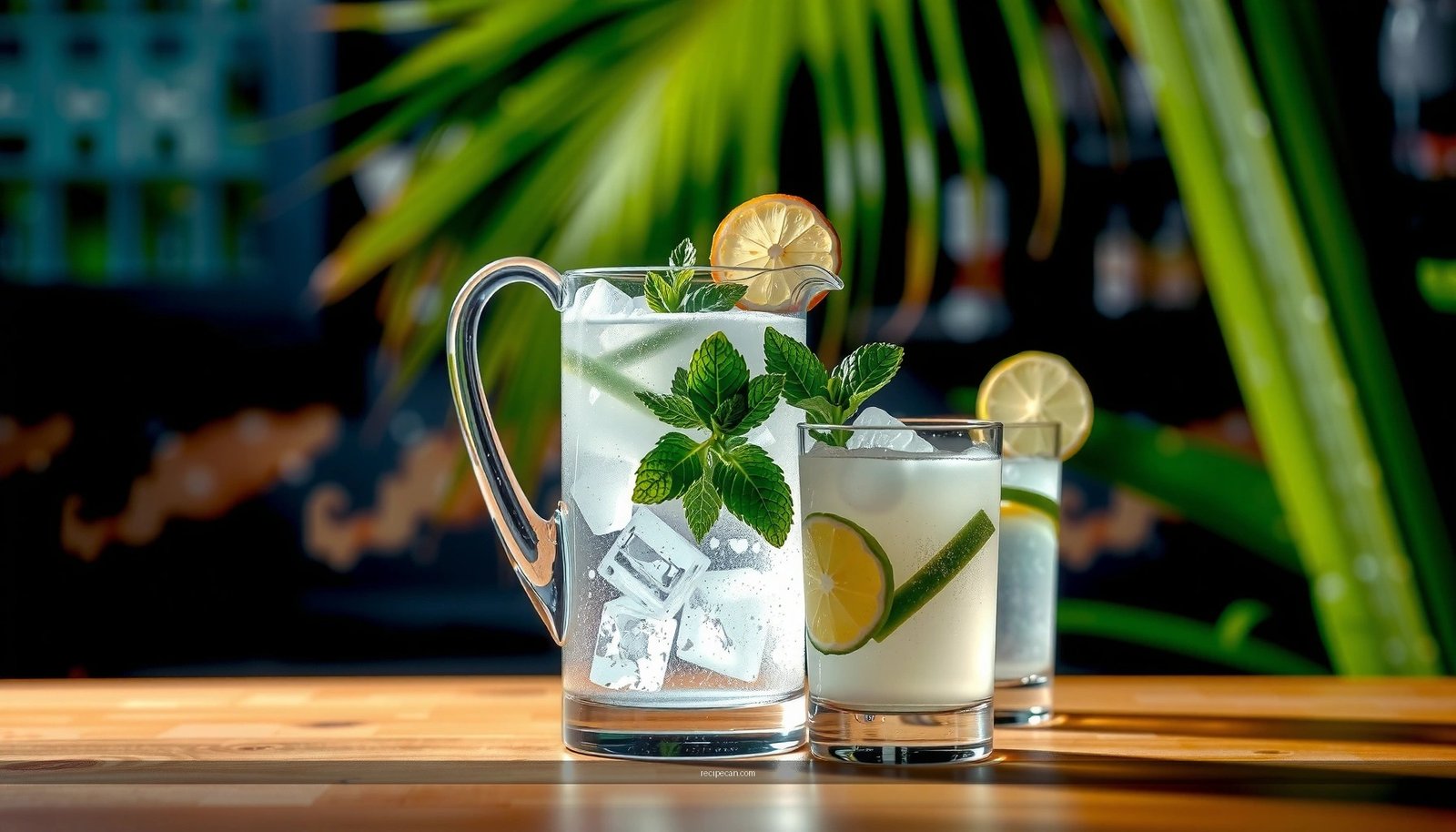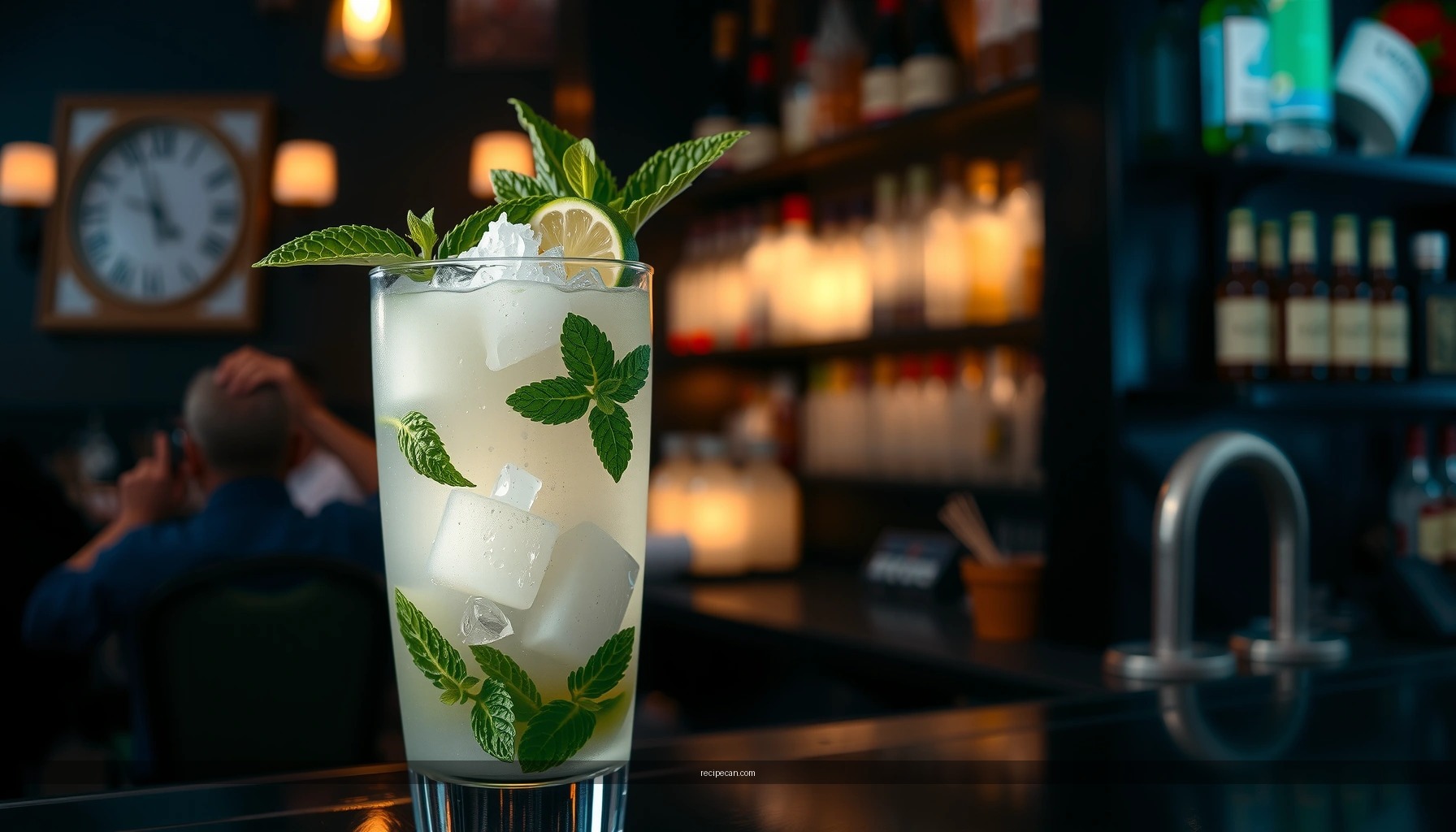
Looking for a coconut mojito recipe that delivers real mojito flavor with a tropical coconut twist—without the fuss? This fresh, easy coconut mojito recipe shows you exactly how to mix rum, lime, mint, coconut, and soda so it tastes bright and crisp every time. If you want a refreshing cocktail that’s fast enough for weeknights and impressive enough for guests, this is the one to make.
This coconut mojito recipe gives you a cool, minty, tropical cocktail in minutes by combining a fresh lime-mint base with coconut-forward flavor and classic mojito fizz. You’ll learn exactly how to muddle mint without bitterness, balance sweet-tart lime with coconut taste, and build a drink that’s bright, refreshing, and easy to replicate at home.
Ingredients for Coconut Mojito

A great coconut mojito is less about complicated steps and more about choosing ingredients that deliver clean, distinct flavors. Below is a practical, bartender-style shopping list that works whether you’re using coconut rum or a non-alcohol coconut option.
– Fresh mint leaves, lime juice, and coconut-flavored rum (or coconut syrup)
Use fresh mint for the aroma, fresh lime juice for acidity, and coconut rum for a more traditional cocktail feel. If you prefer to control sweetness and coconut intensity, coconut syrup (or a coconut liqueur) is a reliable alternative.
– Simple sweetener options (sugar or honey) plus sparkling water
A mojito needs a balancing layer of sweetness—enough to round out lime, not enough to make it taste like dessert. Simple syrup is ideal, but granulated sugar or honey also works. Finish with sparkling water (or club soda) to create the signature lift.
– Optional garnish items like lime wedges and mint sprigs
Garnishes aren’t just decorative: they help reinforce aroma. Add lime wedges for juicing at the table and mint sprigs for visual and scent impact. Optional toasted coconut adds texture and depth.
Flavor Impact of Key Mojito Ingredients (Estimated Home Bar Benchmarks)
| # | Ingredient Role | How Much You’ll Use (per drink) | Flavor Strength | Best For |
|---|---|---|---|---|
| 1 | Fresh Lime Juice | 1 oz (30 ml) | ★★★★☆ | Brightness & balance |
| 2 | Mint (lightly muddled) | 6–10 leaves | ★★★☆☆ | Aroma & cool finish |
| 3 | Simple Syrup (or sugar) | 0.5–0.75 oz (15–22 ml) | ★★★☆☆ | Sweet-tart cohesion |
| 4 | Coconut Rum (or coconut syrup) | 1.25 oz (37 ml) | ★★★★☆ | Tropical signature flavor |
| 5 | Sparkling Water / Club Soda | 3–4 oz (90–120 ml) | ★★★☆☆ | Mojito fizz & lift |
| 6 | Ice (crushed vs large cubes) | Full glass | ★★★★☆ | Texture & dilution control |
| 7 | Toasted Coconut (optional) | 1–2 tsp | ★★☆☆☆ | Crunch & aroma only |
How to Make the Coconut Mojito Base
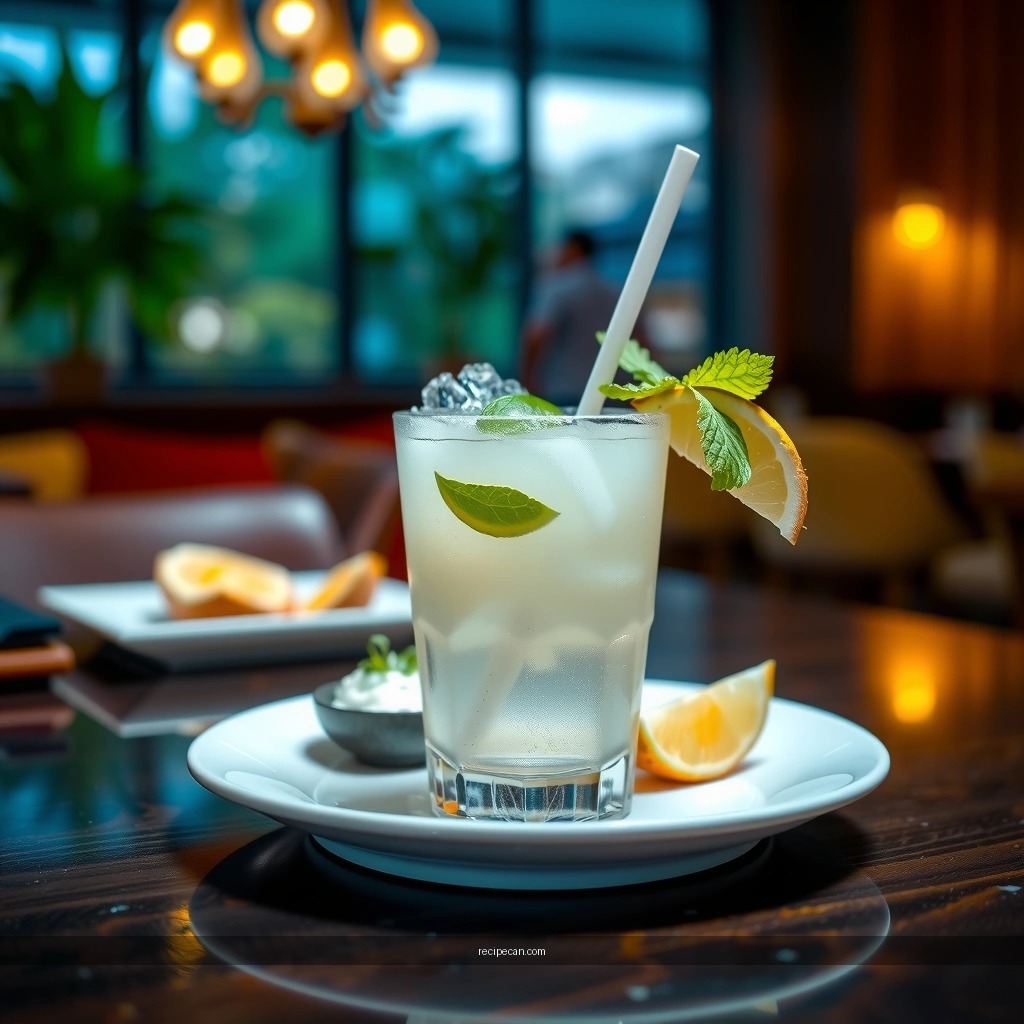
The “base” is where mojito quality is won or lost. In a coconut mojito, it’s especially important because coconut flavor is naturally rounded and can mute lime if you don’t build the structure correctly.
– Muddle mint and lime gently to release aroma without over-crushing
Mint contains delicate oils that create that fresh mojito aroma. If you crush too aggressively, you release harsher compounds that can taste bitter or “green.” For best results: place mint leaves and lime juice in the glass, then muddle briefly—think “press and twist,” not “grind.”
– Sweeten to taste for a balanced sweet-tart start
Lime juice is acidic; coconut flavor is often perceived as sweet and creamy. Start with about 0.5 oz (15 ml) of simple syrup (or a modest amount of honey/sugar) and adjust. A professional approach is to aim for a base that tastes slightly sharper than you want the final drink, because sparkling water and ice will soften perceived acidity.
– Keep the base fresh so the flavors stay bright
Mojito-style drinks taste best when built close to serving. If your mint-lime mixture sits too long, the aroma fades and oxidation dulls the brightness. Build the base, then proceed to mixing right away.
Actionable guideline: If you’re using honey, dissolve it before adding to avoid streaky sweetness. If you’re using sugar, it will dissolve best once you add lime juice and stir thoroughly in the base.
Mixing Steps (Build Your Mojito)
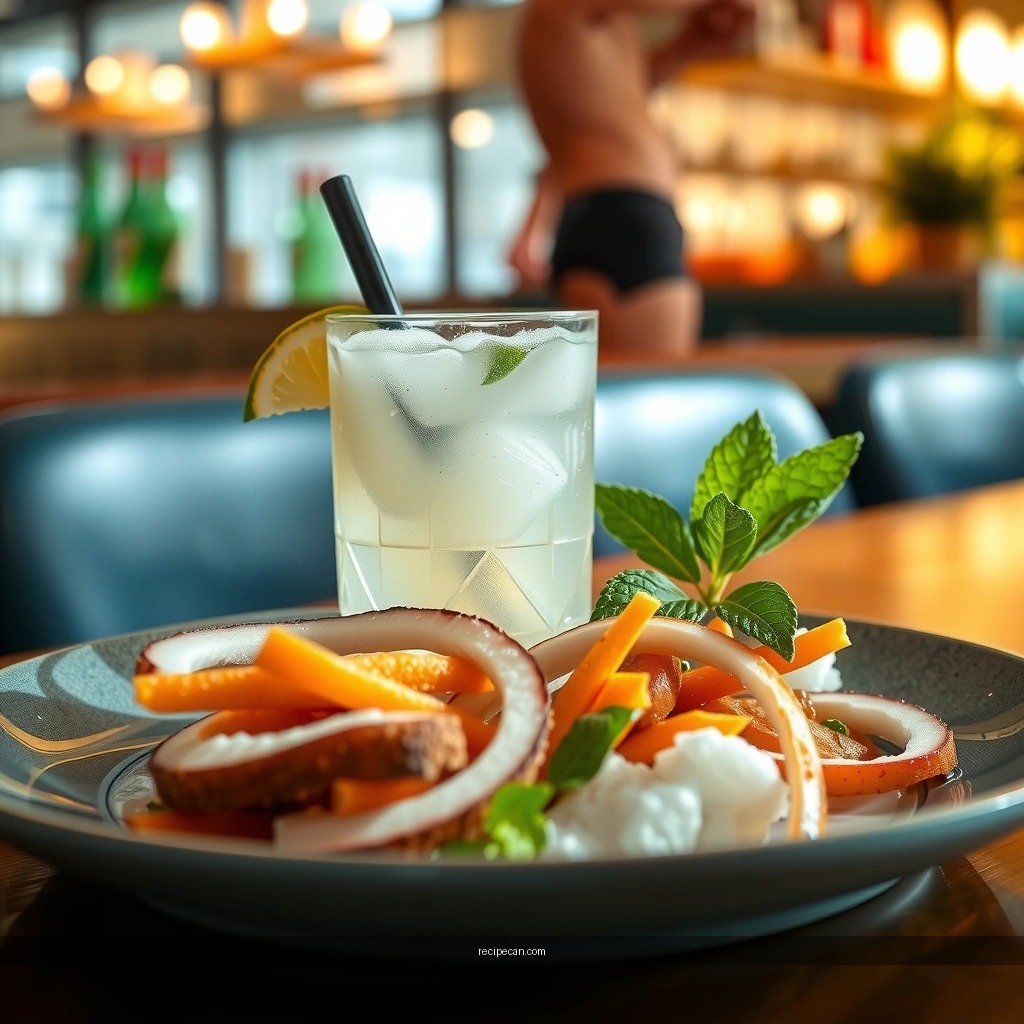
Once your base is ready, assembling a coconut mojito is straightforward. The trick is sequencing: ice chills and dilutes, coconut rum adds body, and sparkling water creates the “lift” that makes it feel light.
– Add ice, then pour in coconut rum and your lime-mint mixture
Fill your glass with crushed ice or large cubes—both work, but crushed ice gives more contact with the mint-lime base. Pour in coconut rum (or coconut syrup/liqueur if you want a lighter alcohol profile), then add your mint-lime mixture.
– Top with sparkling water for classic mojito fizz
Add sparkling water last. This preserves carbonation and keeps the drink lively. A typical range is 3–4 oz (90–120 ml) depending on your glass size and how strong you want the flavors.
– Stir lightly and taste before adjusting sweetness or lime
Stir gently to avoid knocking out carbonation. Taste immediately. If it’s too sweet, add a small splash of lime juice. If it’s too tart, add a touch more sweetener. In a coconut mojito, “small adjustments” matter because coconut can quickly overpower lime.
Quality benchmark: The ideal coconut mojito should taste like mint + lime first, with coconut lingering in the middle and a clean, refreshing finish.
Coconut Mojito Variations to Try

If you want a coconut mojito that fits different occasions—tropical brunch, beach parties, or alcohol-free evenings—variations are the easiest way to tailor flavor while preserving balance.
– Virgin version: replace alcohol with coconut water or coconut cream soda
For an alcohol-free option, use coconut water for a lighter, hydrated profile or coconut cream soda for a creamier, dessert-adjacent vibe. Keep the lime and mint ratios consistent so the drink still tastes like a mojito, not just coconut soda.
– Extra tropical: add pineapple juice or a touch of coconut milk
Pineapple juice introduces bright sweetness and a fruity acidity that complements lime. If you add coconut milk, do it sparingly (a few teaspoons) because it can create a heavier mouthfeel and mute mint. This variation works especially well with crushed ice.
– Spicy twist: infuse with a small amount of ginger or add a dash of bitters
Ginger adds warmth without sweetness, which can sharpen the coconut-lime contrast. Alternatively, a dash of bitters (orange or aromatic) can deepen flavor complexity. Go easy—spice can dominate quickly in coconut-forward drinks.
Professional plating tip: If you add pineapple, consider garnishing with a pineapple leaf or a thin lime wheel to communicate the flavor direction visually.
Serving Tips and Garnishes
Serving is where your coconut mojito becomes “freshly made” rather than “mixed and forgotten.” Use texture, aroma, and temperature to your advantage.
– Use plenty of crushed ice or large cubes for the best texture
Crushed ice creates a slushy, minty refresh with faster dilution; large cubes maintain clarity and a slower flavor fade. For most home bars, crushed ice offers the most consistently flavorful result.
– Garnish with mint sprigs, lime wheels, and optional toasted coconut
Add a mint sprig for aroma and a lime wheel for visual appeal. Optional toasted coconut should be used carefully: it adds crunch and nutty notes but can shift the drink toward dessert if overdone.
– Serve immediately to keep the drink crisp and refreshing
Carbonation and mint aroma both degrade as time passes. Build the drink, garnish, and serve right away—especially if you want that signature mojito “snap.”
Best practice: If serving multiple guests, batch the base (mint-lime + sweetener) but add ice, coconut rum, and sparkling water to each glass right before serving.
Common Mistakes (And How to Avoid Them)
Most coconut mojito problems come from one of three failure points: bitterness from mint, imbalance from coconut, or missing carbonation.
– Over-muddling mint can turn it bitter—muddle lightly instead
Remember: your goal is aroma release, not mint paste. A short, gentle muddle prevents harsh flavors and keeps the cocktail clean.
– Using too much coconut can overpower lime—start small and adjust
Coconut flavor is persuasive. If you go too strong, lime becomes background. Start with your recommended coconut rum measure (around 1.25 oz / 37 ml) or a moderate coconut syrup amount, then adjust in the final taste step rather than adding more early.
– Skipping sparkling water removes the signature mojito lift
Without carbonation, a mojito tastes flatter and heavier. Sparkling water doesn’t just add bubbles—it raises perceived acidity and refreshment.
Quick diagnostic: If your drink tastes “muddy,” it’s often either over-muddled mint or insufficient lime/sparkling water. Fix one variable at a time for predictable results.
This coconut mojito recipe delivers a refreshing, tropical twist on the classic—fresh mint, bright lime, and the perfect coconut balance. Make it once following the mixing steps, then tweak sweetness and coconut level to match your taste. Gather your ingredients, shake up your glass, and enjoy your next homemade coconut mojito.
Frequently Asked Questions
What is a coconut mojito recipe and how does it differ from a classic mojito?
A coconut mojito recipe is a refreshing twist on the classic mojito by adding coconut flavor—usually coconut rum, coconut cream, or coconut syrup—alongside lime juice and fresh mint. The result is a sweeter, creamier profile while still keeping the mojito’s signature brightness from lime and fresh mint. If you’re used to a traditional mojito, the coconut version feels smoother and more tropical.
How do you make a coconut mojito recipe without muddling too aggressively?
Start by gently muddling mint leaves with lime juice and a sweetener like sugar or simple syrup—just enough to release aroma without crushing bitterness. Add ice, coconut rum (or coconut syrup/cream if preferred), and a splash of soda water, then stir lightly. This approach keeps your coconut mojito tasting fresh rather than harsh.
Why does my coconut mojito taste too sweet or too strong, and how can I fix it?
Too sweet usually comes from using sweetened coconut products (like coconut cream) without balancing with enough lime juice and soda water. Too strong often means a heavy coconut rum pour or not enough dilution from ice and soda. Taste as you build the drink: adjust with more lime, add more soda water, and reduce the coconut rum next time for a balanced coconut mojito.
Which coconut ingredients work best for a coconut mojito recipe?
Many people choose coconut rum for an easy coconut mojito recipe with strong flavor, but coconut syrup or coconut cream can also work for a lighter or creamier drink. If you want a cleaner, not-too-sweet profile, coconut rum plus fresh lime juice and mint is usually the best balance. For a non-traditional or dessert-style coconut mojito, coconut cream works well—just be sure to increase lime and soda to prevent cloying sweetness.
What’s the best way to serve a coconut mojito and get that fresh mint flavor every time?
Serve your coconut mojito recipe in a tall glass filled with plenty of ice, then top with chilled soda water right before serving to preserve carbonation. Use fresh mint and garnish with a mint sprig and a lime wheel to boost aroma. For maximum freshness, avoid pre-muddling too far in advance—mint can turn bitter if it sits too long.
References
- Google Scholar Google Scholar
https://scholar.google.com/scholar?q=coconut+mojito+recipe - Google Scholar Google Scholar
https://scholar.google.com/scholar?q=coconut+rum+cocktail+recipe+mint+lime - Google Scholar Google Scholar
https://scholar.google.com/scholar?q=mojito+recipe+lime+mint+rum+coconut - Mojito
https://en.wikipedia.org/wiki/Mojito - Rum
https://en.wikipedia.org/wiki/Rum - Coconut milk
https://en.wikipedia.org/wiki/Coconut_milk - Coconut water
https://en.wikipedia.org/wiki/Coconut_water - Lime (fruit)
https://en.wikipedia.org/wiki/Lime_juice - https://en.wikipedia.org/wiki/Mint_(plant
https://en.wikipedia.org/wiki/Mint_(plant - https://www.britannica.com/topic/mojito
https://www.britannica.com/topic/mojito