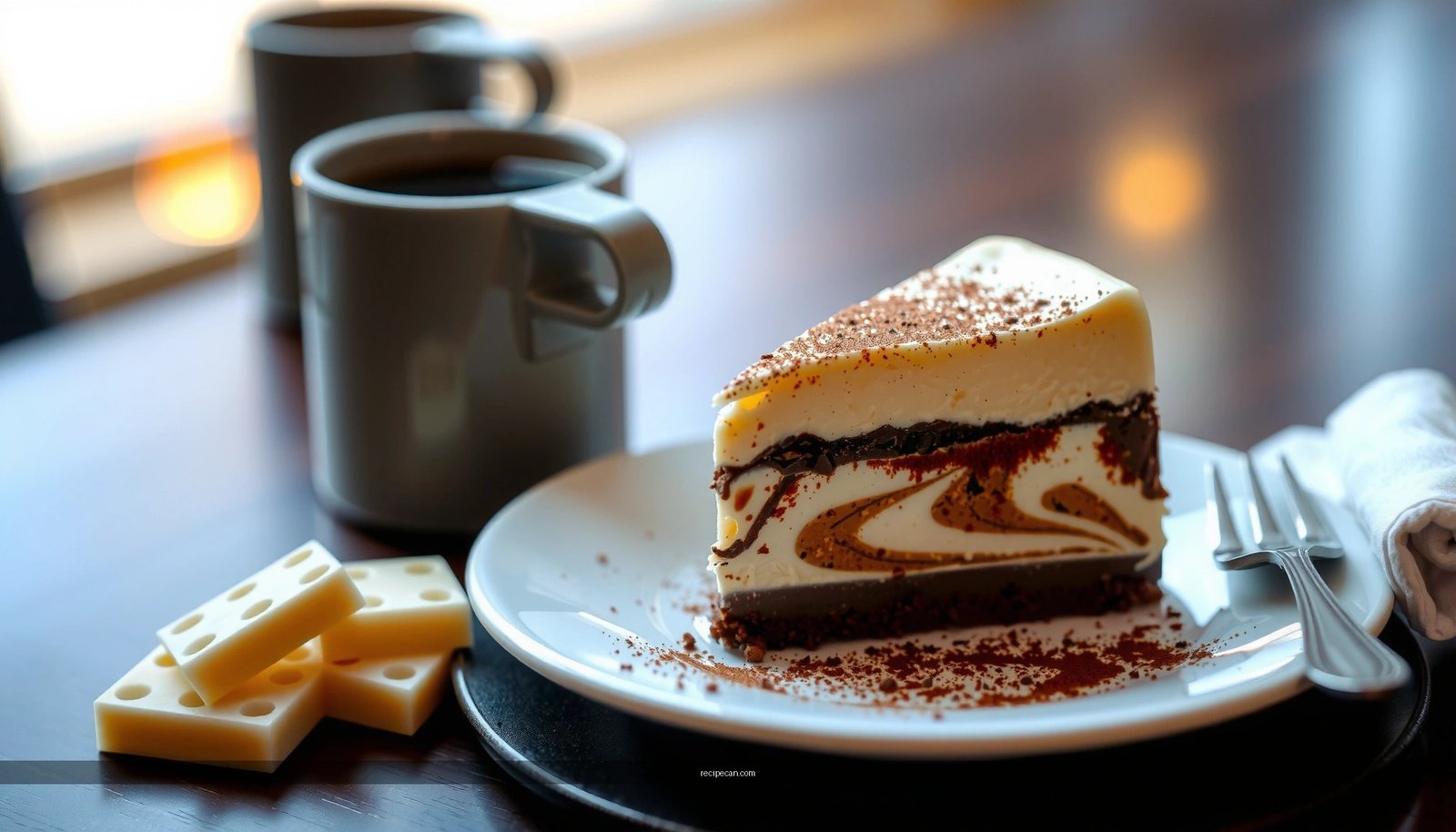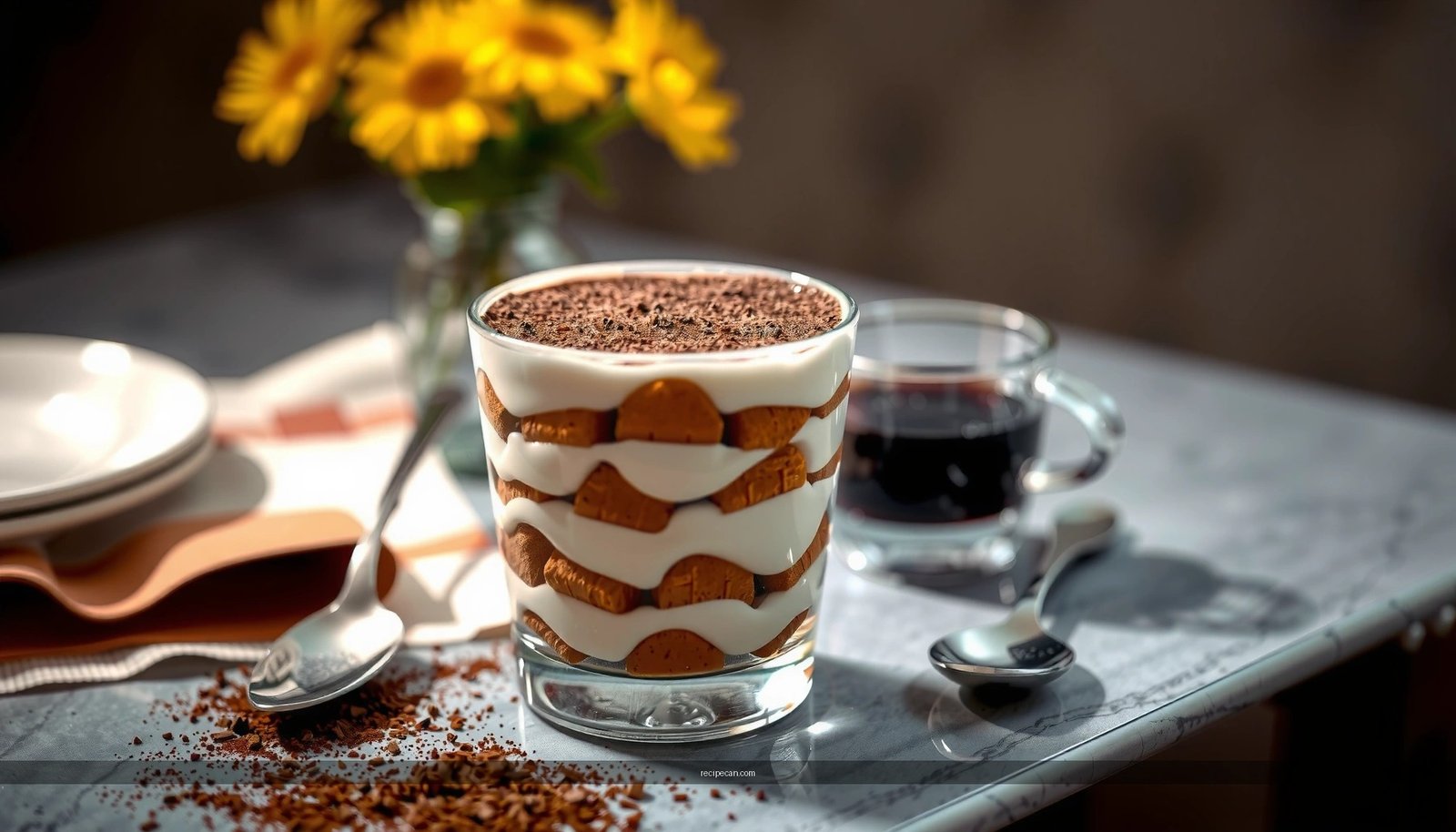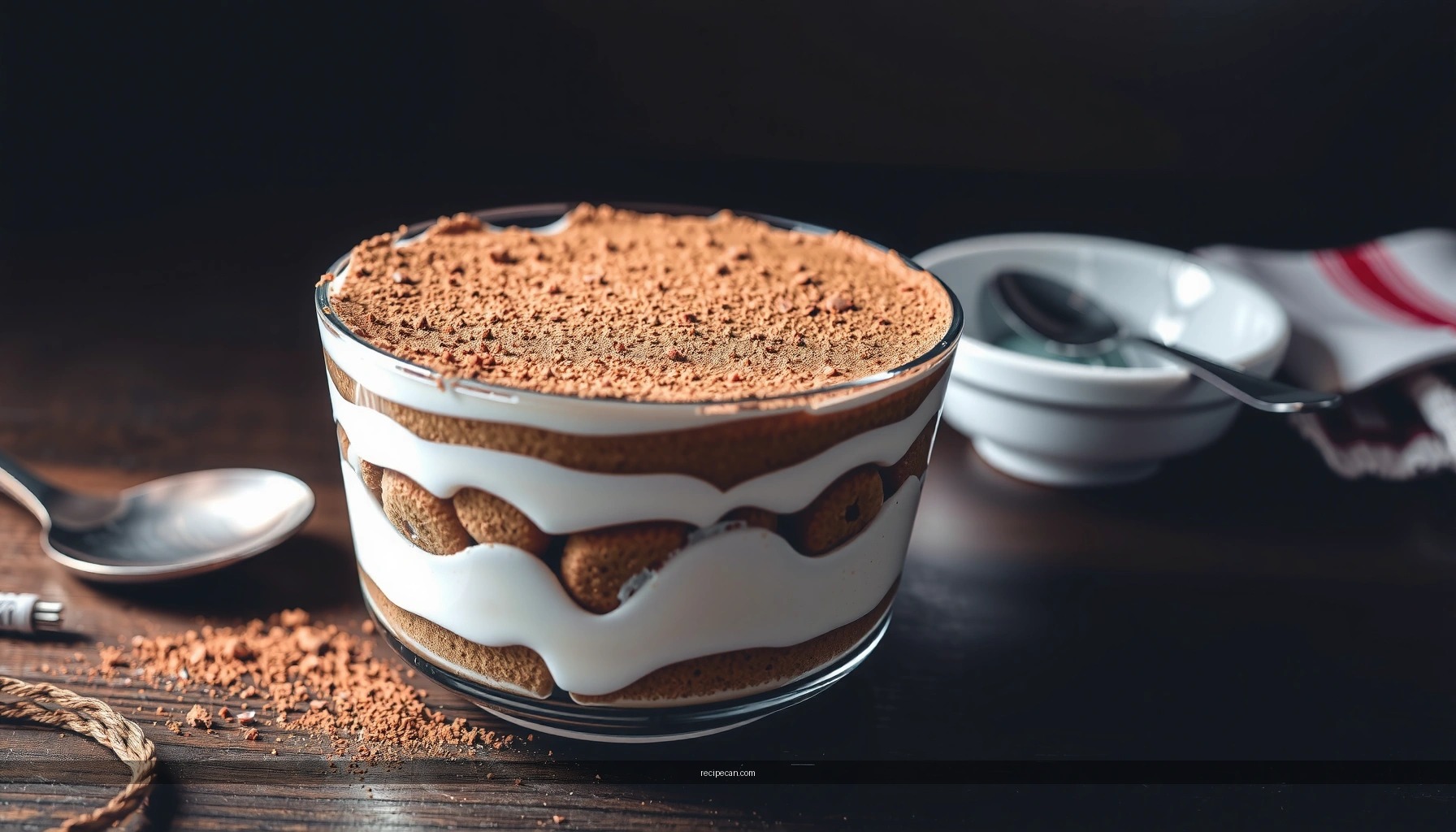
This classic tiramisu recipe Italian delivers the real, coffee-and-mascarpone dessert you’re after—light, layered, and unmistakably authentic. Follow the step-by-step instructions for making savoiardi soaked in espresso, whipping the custard-like filling, and assembling it for clean slices with the right set. If you want the closest thing to an Italian tiramisu straight from the kitchen, this is the definitive method.
Make classic Italian tiramisu at home by layering espresso-soaked ladyfingers with a creamy mascarpone mixture—then chilling until the flavors meld and the dessert sets. This traditional tiramisu recipe is straightforward and repeatable: get the espresso right, handle the ladyfingers quickly, and whip/fold the mascarpone with care for a rich, balanced, perfectly set result.
Gather the Classic Italian Tiramisu Ingredients

A traditional tiramisu (often called tiramisu alla ricetta classica) relies on a tight ingredient list—because each component plays a functional role. Use good-quality espresso, smooth mascarpone, and properly sweetened eggs so the final dessert tastes like a cohesive Italian-style café dessert rather than a “sweet cream” with coffee notes.
– Mascarpone: The defining ingredient of classic Italian tiramisu. Aim for full-fat mascarpone with a silky, spreadable texture—avoid overly watery brands.
– Eggs and sugar: Eggs contribute richness and structure. For risk-managed home prep, consider pasteurized eggs (or pasteurized egg yolks/whole eggs) to reduce food-safety concerns.
– Espresso: Strong, freshly brewed espresso is best. If you cannot brew espresso, use an equivalent concentrated coffee method so the flavor is bold enough to stand up to the cream.
– Ladyfingers (savoiardi): These dry, sponge-like cookies provide the structural backbone. They must be able to soak briefly without collapsing.
– Cocoa powder: Unsweetened cocoa powder provides the iconic bitter-sweet finish. For authentic presentation, use cocoa dusted generously just before serving.
To make ingredient selection more operational, here’s a practical “spec” comparison for common tiramisu building blocks—use it to shop with intention and avoid texture surprises.
Ingredient Targets for Classic Italian Tiramisu (6 Servings)
| # | Component | Recommended Amount | Role in Texture/Flavor | Outcome if Correct |
|---|---|---|---|---|
| 1 | Mascarpone | 500 g | Cream base | Silky, scoopable cream |
| 2 | Egg yolks | 4 yolks | Body + richness | Cream that holds layers |
| 3 | Sugar | 90–110 g | Sweetness + smoothness | Balanced sweetness, no cloying taste |
| 4 | Espresso (concentrated) | 2–2.5 cups (about 250–300 ml) | Coffee soak + aroma | Distinct coffee flavor in every bite |
| 5 | Ladyfingers | 24–28 pieces | Structure + soak texture | Tender center, intact layers |
| 6 | Cocoa powder (unsweetened) | 2–3 tbsp | Finish + visual contrast | Clean surface dusting and classic flavor |
| 7 | Chill time | 4–12 hours | Texture set + flavor meld | Sliceable, cohesive tiramisu |
Prepare the Espresso and Soak the Ladyfingers
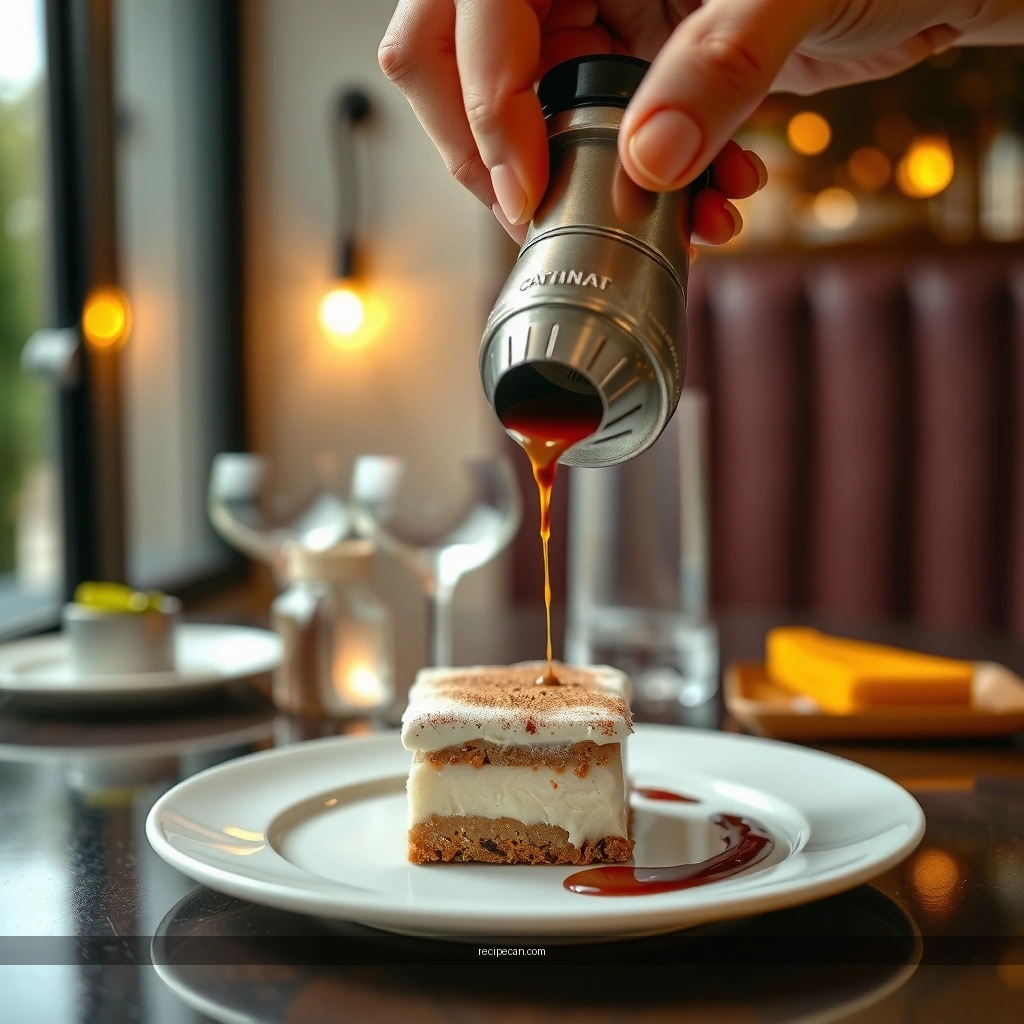
The coffee step is where tiramisu either becomes elegant or turns watery. Classic technique is about timing and temperature.
1. Brew strong espresso (or very concentrated coffee).
2. Cool it slightly—you want it warm or room temperature, not scorching. Hot espresso can accelerate dissolving and prematurely break down ladyfingers.
3. Prepare a shallow dish for dipping. This keeps the process controlled and fast.
4. Dip quickly: dunk each ladyfinger for about 1–2 seconds per side. The goal is surface saturation with an internal structure that still holds.
5. Avoid stacking damp cookies directly on top of each other immediately—give a second to settle so you don’t get uneven sogginess.
A practical mindset: you’re not “soaking” like a sponge; you’re coating the ladyfingers with enough espresso to flavor the interior while preserving the layer integrity for slicing.
Make the Creamy Mascarpone Mixture
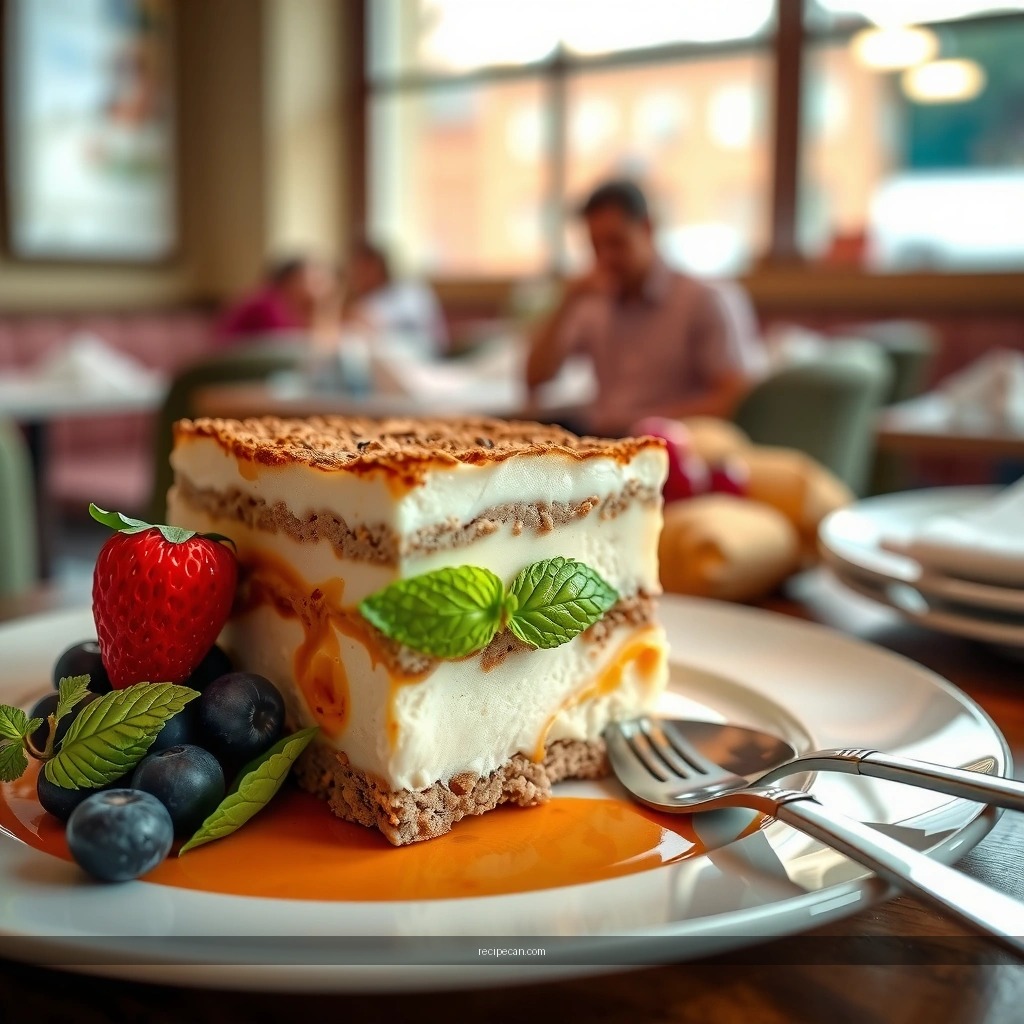
The mascarpone filling should feel smooth, thick, and luxurious. The process is about correct mixing order and gentle incorporation.
A classic approach (egg yolks + sugar)
– Whip yolks with sugar until the mixture turns paler and more fluid (usually 3–5 minutes). This step helps dissolve sugar and creates a smoother mouthfeel.
– Fold mascarpone in gently. Mix only until uniform—overmixing can thin the cream or make it grainy.
– If using whites for extra lightness (some traditional variations do), whip to soft peaks and fold them in carefully. This increases airy volume, but you must fold gently so you don’t collapse the structure.
Food-safety and business-grade reliability
If you’re serving at an event or want consistent results, use pasteurized eggs and keep everything chilled until assembly. When you treat tiramisu like a service product—clean tools, controlled temperature, and predictable technique—you reduce variability (the number one driver of “why did my cream weep?”).
Assemble the Layers for Traditional Tiramisu
Layering isn’t just aesthetic—it determines how moisture moves and how the dessert sets.
A reliable classic assembly pattern:
– Add a thin cream layer at the bottom of the dish (this prevents sliding and anchors the first ladyfinger layer).
– Arrange one layer of quickly soaked ladyfingers in a single even band.
– Spread cream evenly over the ladyfingers.
– Repeat with another ladyfinger layer, then end with a final, generous cream layer.
Key details:
– Use neat, single-direction placement. Ladyfingers should not be forced into place with heavy pressure; gentle fitting keeps the interior intact.
– Keep your layers level. Uneven stacking leads to inconsistent set and slicing.
– Don’t over-saturate. If ladyfingers look excessively wet right after dipping, shorten your dip time immediately.
For serving containers, shallow glass dishes or a straight-sided baking dish work well. The clearer the edges, the more “café-style” the presentation.
Chill to Set the Flavor and Texture
Chilling is the step that transforms tiramisu from “assembled dessert” into “traditional Italian experience.”
– Refrigerate at least 4 hours—minimum for a sliceable set.
– Overnight (8–12 hours) is best. This gives time for espresso and cream to equilibrate, ladyfingers to soften evenly, and the mascarpone mixture to firm up.
– Cover the dish with plastic wrap or a lid to prevent cocoa or cream from absorbing refrigerator odors.
Analytical note: during chilling, moisture distribution stabilizes. If you rush and serve immediately, the structure often feels looser and the coffee flavor can taste sharper rather than harmonized.
Tips for Authentic Flavor and Perfect Presentation
Small finishing choices have an outsized impact on perceived authenticity and quality.
– Dust cocoa right before serving: Cocoa can dissolve slightly into moist surfaces over time, dulling the classic contrast. Apply the dusting at the last moment for crisp texture.
– Balance sweetness to your espresso: If your espresso is very bitter (common with darker roasts), slightly increase sugar or choose a softer espresso blend. If it’s mild, keep sugar near the lower end to maintain tiramisu’s signature contrast.
– Portion for clean, café-style cuts: For neat slices, wipe your knife between cuts and serve cold. Portioning into individual glasses also helps control portion consistency and reduces the risk of layer disturbance.
– Taste the cream before final assembly: Mascarpone should be rich but not sugary. If it tastes flat or overly sweet at the cream stage, the finished tiramisu will amplify that imbalance because espresso is typically bittersweet and won’t fully correct the sweetness.
When executed with these details—espresso strength, fast dipping, gentle folding, and sufficient chilling—this classic Italian tiramisu recipe reliably delivers the three things people remember: coffee aroma, creamy mascarpone texture, and cocoa-flecked finish.
Tiramisu is all about balance: espresso-soaked ladyfingers, a creamy mascarpone filling, and enough chilling time to let everything meld. Follow this classic Italian tiramisu recipe step by step, then chill and dust with cocoa before serving—so you can impress with a true traditional dessert.
Frequently Asked Questions
What is a classic tiramisu recipe Italian style?
A classic Italian tiramisu recipe typically layers mascarpone cream with espresso-soaked ladyfingers and finishes with cocoa powder. The traditional flavor profile relies on high-quality mascarpone, strong brewed espresso (or coffee), and usually eggs for a rich, creamy texture. While variations exist, authentic Italian tiramisu keeps the ingredients simple and the layering method straightforward.
How do you make classic tiramisu without curdled eggs?
To avoid curdling, gently temper the egg yolks by slowly adding hot sugar syrup or warm coffee/mixture while whisking continuously. Keep the heat low and stop cooking once the mixture thickens enough to coat a spoon, not until it’s scrambled. After cooking, cool the custard completely before folding in mascarpone so the cream stays smooth and classic.
Why do classic tiramisu layers turn soggy or watery?
Sogginess usually happens when ladyfingers soak in espresso for too long or when the espresso is too hot, causing the cookies to break down quickly. Aim for a quick dip (about 1 second per side) so they absorb flavor but still hold their shape. Also, drain excess liquid from any espresso-wet ingredients and make sure the mascarpone mixture is thick before assembling.
Which espresso is best for a classic tiramisu recipe?
Use a strong, freshly brewed espresso for authentic Italian tiramisu flavor, because it provides a bold coffee base that balances the sweetness of mascarpone. If you don’t have an espresso machine, strong moka pot coffee or very concentrated strong coffee works well. For the most classic taste, use coffee that’s cooled to room temperature before dipping the ladyfingers.
Best practices for serving and storing classic tiramisu?
For best results, chill classic tiramisu for at least 4–6 hours (overnight is even better) so the layers set and the flavors meld. Store it covered in the refrigerator to prevent it from absorbing other fridge odors and to keep the mascarpone cream from drying out. Serve cold and dust the top with cocoa powder just before serving for the most authentic look and texture.
References
- https://en.wikipedia.org/wiki/Tiramisu
https://en.wikipedia.org/wiki/Tiramisu - https://en.wikipedia.org/wiki/Mascarpone
https://en.wikipedia.org/wiki/Mascarpone - Ladyfingers (biscuits)
https://en.wikipedia.org/wiki/Savoiardi - Marsala
https://en.wikipedia.org/wiki/Marsala - Espresso
https://en.wikipedia.org/wiki/Espresso - Tiramisu | Meaning, Ingredients, Origin, Desserts, & Taste | Britannica
https://www.britannica.com/topic/tiramisu - https://www.treccani.it/enciclopedia/tiramisu/
https://www.treccani.it/enciclopedia/tiramisu/ - Google Scholar Google Scholar
https://scholar.google.com/scholar?q=classic+tiramisu+recipe+Italian - Google Scholar Google Scholar
https://scholar.google.com/scholar?q=tiramisu+history+Italian+dessert+mascarpone+savoiardi - Google Scholar Google Scholar
https://scholar.google.com/scholar?q=tiramisu+coffee+cocoa+mascarpone+ladyfingers+research