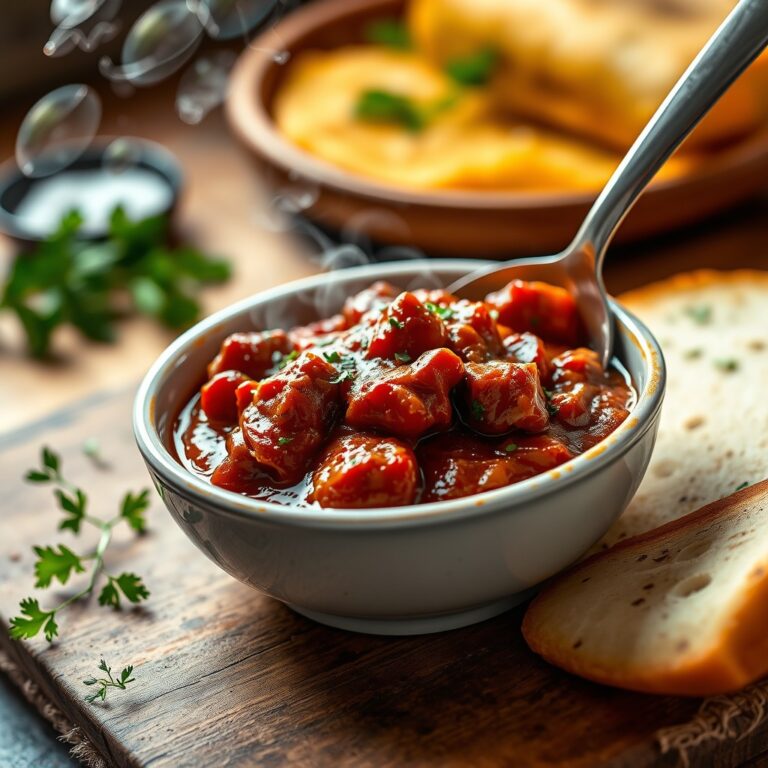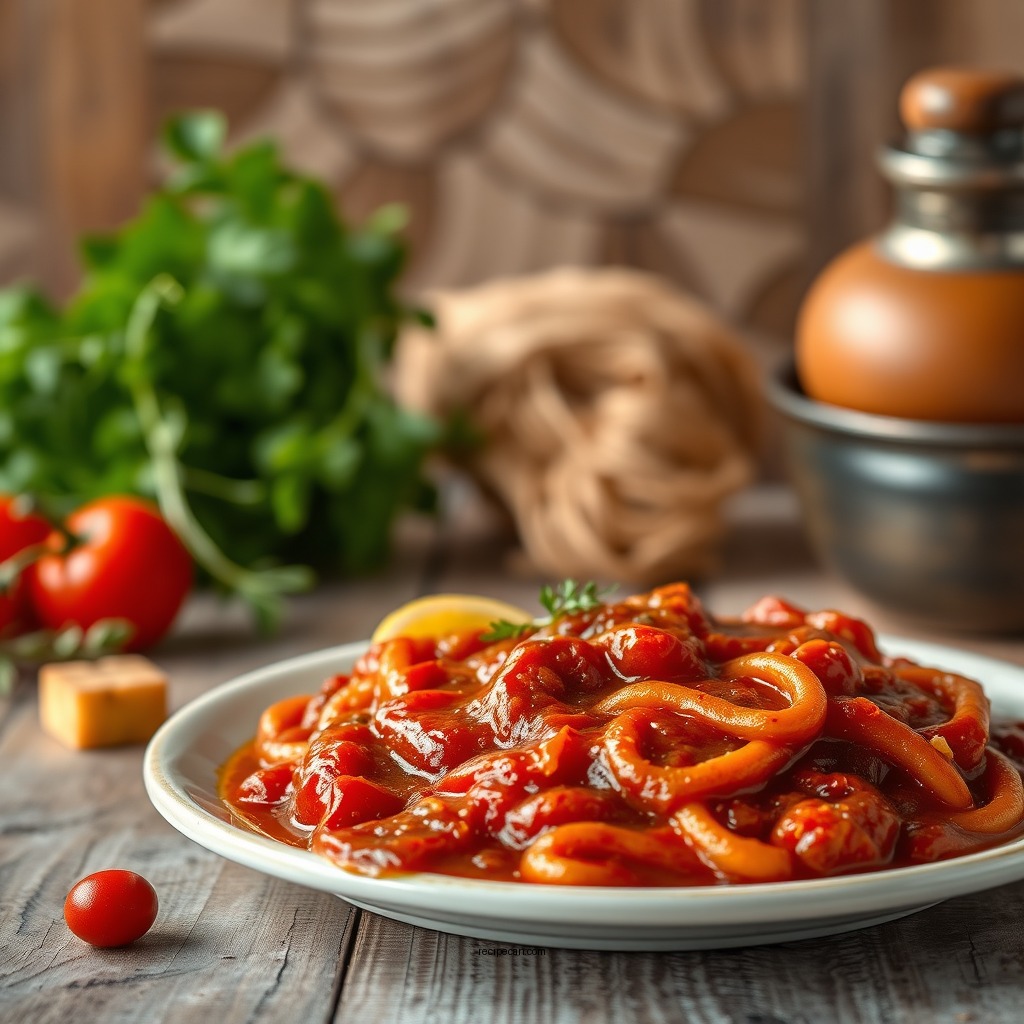
When it comes to making a delicious Sunday sauce, the key is to slow-cook a combination of high-quality meats, tomatoes, and aromatic seasonings to create a rich and flavorful dish. In this article, you’ll learn how to prepare the perfect Sunday sauce that will delight your family and friends, turning your weekend meals into a cherished tradition.
What is Sunday Sauce?
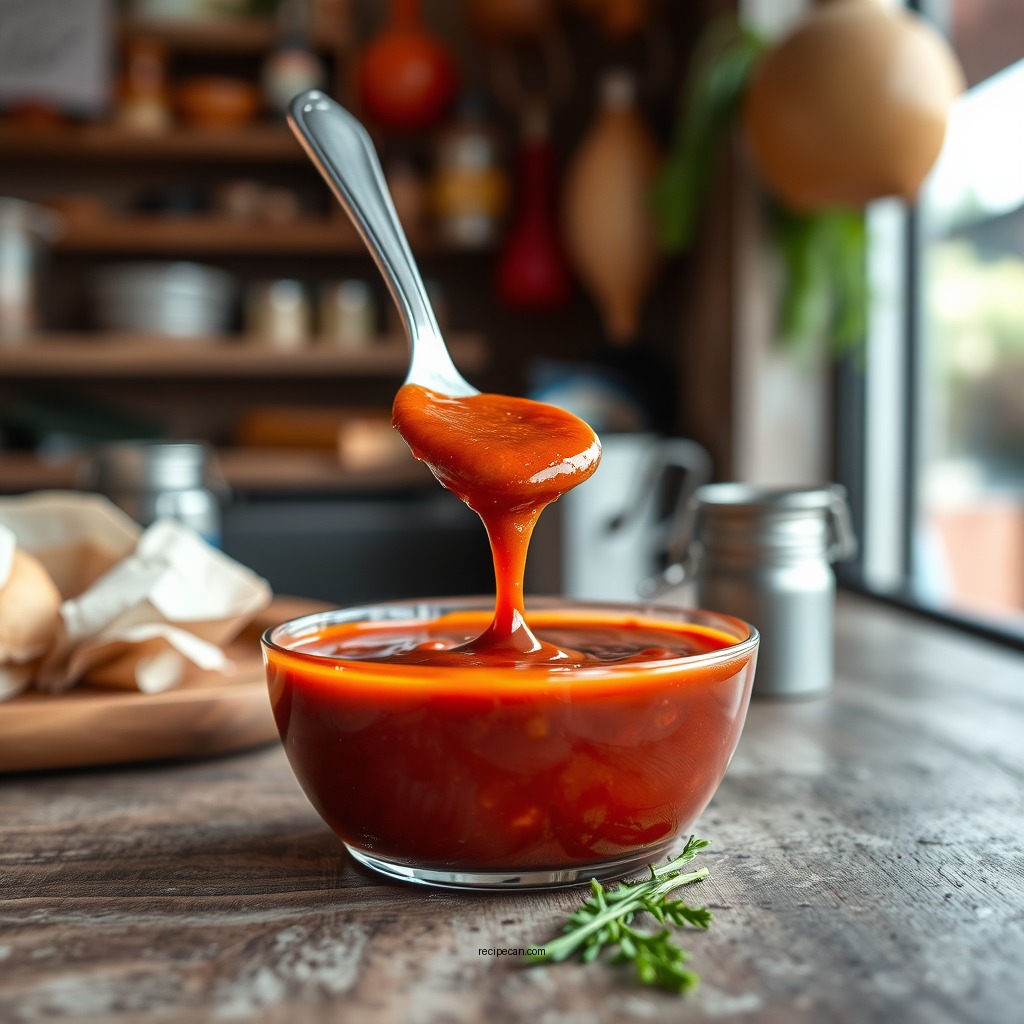
Sunday sauce, often referred to as “gravy,” holds a special place in Italian-American households, particularly as a centerpiece for Sunday family dinners. This beloved dish is a robust tomato-based sauce that typically features a variety of meats, including Italian sausage, meatballs, and sometimes pork or beef. The concept of Sunday sauce goes beyond mere sustenance; it symbolizes family gatherings and the joy of sharing a meal together. The sauce is traditionally slow-cooked, allowing the ingredients to meld and develop deep flavors, making it a culinary staple in many homes across the United States.
Essential Ingredients for Sunday Sauce
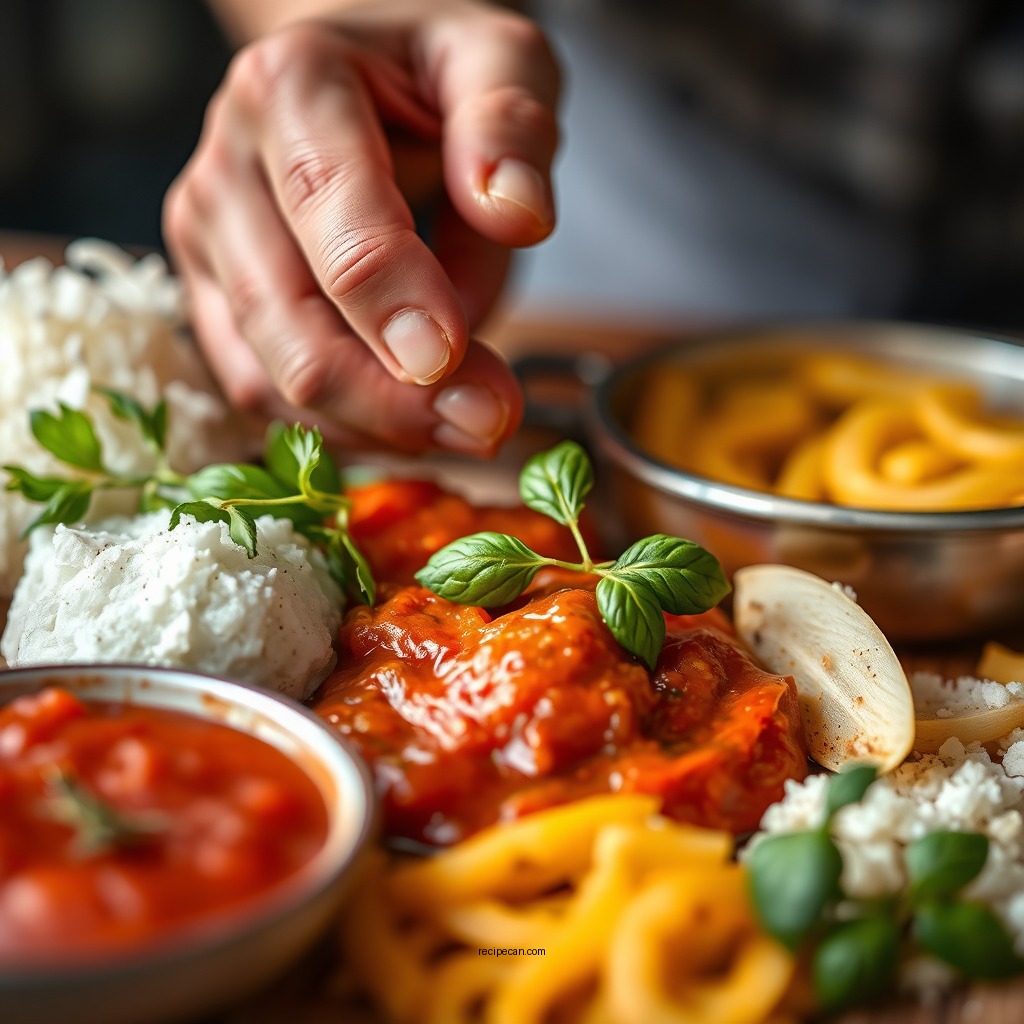
To craft the perfect Sunday sauce, selecting the right ingredients is crucial. Here’s a breakdown of the essential components:
– Quality Tomatoes: The foundation of any great sauce is the tomatoes. San Marzano or high-quality plum tomatoes are recommended for their sweetness and rich flavor. Canned tomatoes can also be used, but fresh tomatoes are preferred if in season.
– A Mix of Meats: A combination of meats adds depth and richness to the sauce. Italian sausage (both sweet and spicy), beef meatballs, and pork ribs or neck bones are traditional choices. Each meat contributes its unique flavor profile that enhances the overall dish.
– Aromatics: Onions and garlic serve as the aromatic base. Sautéing them until translucent releases their natural sweetness and sets the stage for the sauce. Fresh herbs such as basil and oregano are essential for adding freshness and complexity.
– Additional Seasonings: Olive oil, red pepper flakes, salt, and black pepper are common seasonings that elevate the sauce. Some cooks may also include a splash of red wine for added depth.
Step-by-Step Cooking Process
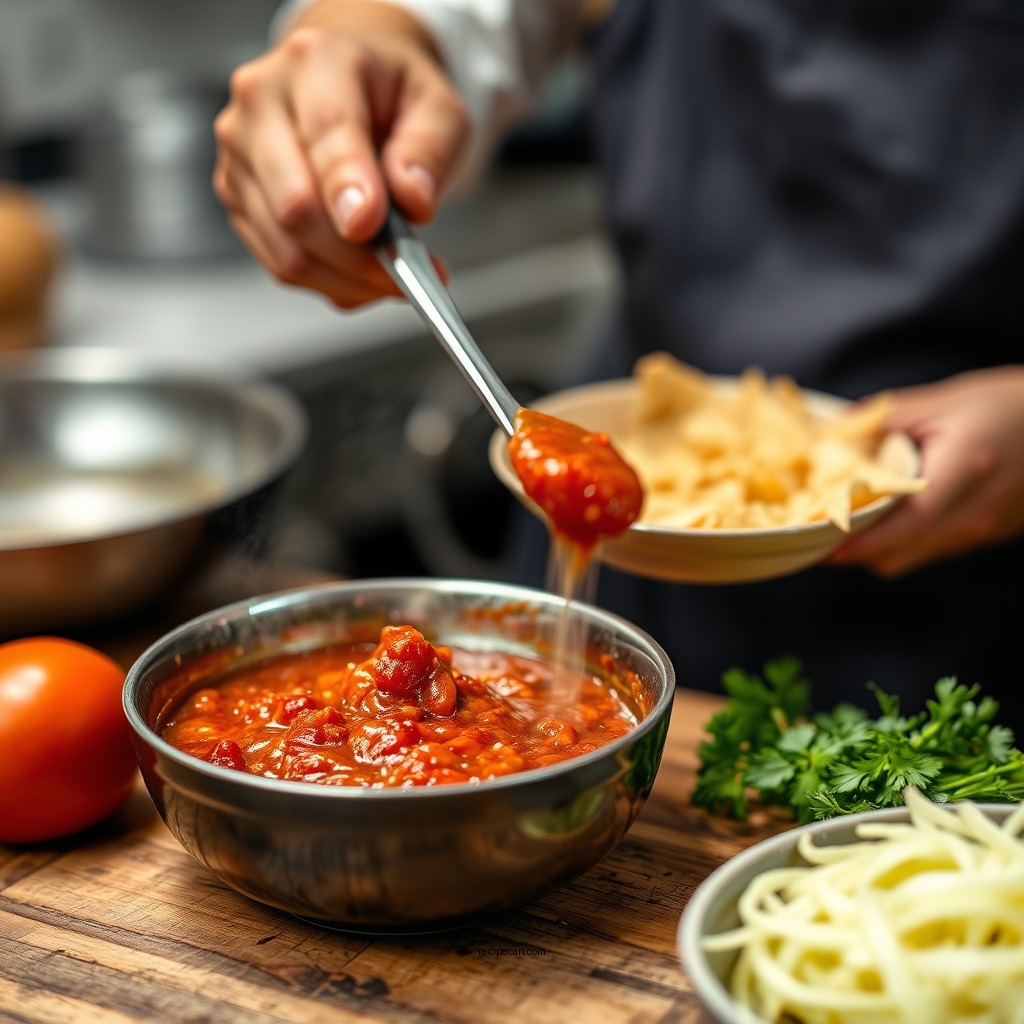
Creating a perfect Sunday sauce is both an art and a science. Here’s a step-by-step guide:
1. Brown the Meats: Start by heating olive oil in a large pot or Dutch oven over medium heat. Add your choice of meats and brown them on all sides. This step is essential for developing the flavor base of the sauce.
2. Sauté Aromatics: Once the meats are browned, remove them and set aside. In the same pot, add chopped onions and minced garlic, sautéing until translucent. This process creates a fragrant foundation for the sauce.
3. Combine and Simmer: Add your tomatoes (crushed or whole) to the pot, along with any juices from the meat. Stir in your herbs and seasonings. Return the browned meats to the pot, cover, and reduce the heat to low. Allow the sauce to simmer gently for at least 2 to 3 hours, stirring occasionally. The longer it simmers, the more the flavors will deepen and meld.
4. Final Adjustments: Before serving, taste the sauce and adjust the seasoning as necessary. A pinch of sugar can help balance the acidity of the tomatoes.
Essential Ingredients for Classic Sunday Sauce
| # | Ingredient | Quantity | Notes |
|---|---|---|---|
| 1 | San Marzano Tomatoes | 2 cans (28 oz each) | Best for flavor |
| 2 | Italian Sausage | 1 lb | Sweet or spicy |
| 3 | Beef Meatballs | 1 lb | Homemade preferred |
| 4 | Onions | 1 large | Chopped |
| 5 | Garlic | 4 cloves | Minced |
| 6 | Fresh Basil | 1/2 cup | Chopped |
| 7 | Olive Oil | 1/4 cup | For browning |
Tips for Perfecting Your Sauce
Creating the ideal Sunday sauce is a skill that can be honed over time. Here are some pro tips to ensure your sauce reaches its fullest potential:
– Adjust Seasoning: Taste your sauce periodically as it simmers. Adjust the salt, pepper, and herbs to suit your palate. This ongoing adjustment is crucial for achieving a well-balanced flavor.
– Use Low Heat: A gentle, low simmer helps the flavors to meld together without burning or reducing too quickly. It’s the patience in cooking that yields the best results.
– Let It Sit: If time permits, let your sauce rest after cooking. Allowing it to cool and then reheat allows the flavors to deepen even further. Many chefs believe that sauce tastes even better the next day.
– Experiment: Every family has its unique twist on Sunday sauce. Feel free to experiment with different herbs, spices, or even a splash of cream for a richer version.
Serving Suggestions
A classic Sunday sauce is best enjoyed with the right accompaniments:
– Pair with Pasta: Traditionally, Sunday sauce is served over pasta. Rigatoni, spaghetti, or pappardelle are excellent choices, as their shapes hold the sauce well.
– Garnish: Elevate your dish by garnishing with freshly grated Parmesan cheese and a sprinkle of chopped basil. This not only enhances the flavor but also adds visual appeal.
– Serve with Bread: A crusty loaf of Italian bread is perfect for soaking up the delicious sauce. Consider serving a side salad for a complete meal.
Cooking Time Comparison for Classic Sunday Sauce
Variations on Sunday Sauce
While the traditional Sunday sauce is beloved, variations exist that cater to different dietary preferences and regional tastes:
– Vegetarian Options: For a meatless version, consider incorporating hearty vegetables like mushrooms, zucchini, and bell peppers. You can also use lentils or beans for protein, making it a filling dish.
– Regional Twists: Different Italian regions have their unique takes on the sauce. For instance, in Sicily, you might find capers and olives added, while in Northern Italy, a dash of cream might be included for richness.
– Spicy Versions: If you prefer heat, consider adding red pepper flakes or using spicy sausage. The balance of heat complements the richness of the sauce beautifully.
In summary, your Sunday sauce is almost ready to impress! By following these steps and tips, you’ll create a meal that’s not only comforting but also a true reflection of Italian culinary tradition.
As you prepare your Sunday sauce, remember that patience is key for achieving the best flavor. Gather your ingredients, invite your loved ones, and enjoy a hearty, home-cooked meal that brings everyone together. Happy cooking!
Frequently Asked Questions
What ingredients do I need for a traditional Sunday sauce recipe?
A traditional Sunday sauce recipe typically includes a combination of meats such as pork ribs, sausage, and meatballs, along with tomatoes, garlic, onions, and herbs like basil and oregano. You may also want to include red wine for added depth of flavor. This rich and hearty sauce is perfect for serving over pasta, making it a beloved family dish.
How long should I simmer my Sunday sauce for the best flavor?
For the best flavor, you should simmer your Sunday sauce for at least 2 to 3 hours. This long cooking time allows the flavors to meld and develop, creating a rich and hearty sauce. If you can, let it simmer even longer, up to 4 hours, for an even more robust flavor profile.
Why is Sunday sauce often associated with family gatherings?
Sunday sauce is often associated with family gatherings because it is a comforting, hearty dish that brings people together. Traditionally, Italian families would prepare this sauce on Sundays to enjoy a leisurely meal with loved ones, creating a sense of warmth and community. The preparation and sharing of this dish often become a cherished ritual.
What is the best type of pasta to serve with Sunday sauce?
The best type of pasta to serve with Sunday sauce is typically a hearty shape that can hold up to the rich sauce, such as rigatoni, pappardelle, or fettuccine. These pasta types have a larger surface area, allowing them to soak up the sauce beautifully, enhancing each bite. However, classic spaghetti is also a timeless choice that many families love.
Which variations of Sunday sauce can I try for a unique twist?
You can try several variations of Sunday sauce to add a unique twist, such as incorporating different meats like beef short ribs or lamb, or adding vegetables like bell peppers and mushrooms for extra flavor. For a lighter version, consider using turkey or chicken sausage instead of pork. Experimenting with spices, such as crushed red pepper or fresh herbs, can also create a personalized flavor profile.
References
- https://en.wikipedia.org/wiki/Sunday_sauce
https://en.wikipedia.org/wiki/Sunday_sauce - https://www.bbc.co.uk/food/recipes/sunday_sauce_91473
https://www.bbc.co.uk/food/recipes/sunday_sauce_91473 - https://www.nytimes.com/2022/09/21/dining/sunday-sauce-recipe.html
https://www.nytimes.com/2022/09/21/dining/sunday-sauce-recipe.html - https://www.theguardian.com/food/2021/mar/27/sunday-sauce-recipe-italian-sunday-sauce
https://www.theguardian.com/food/2021/mar/27/sunday-sauce-recipe-italian-sunday-sauce - https://www.sciencedirect.com/topics/food-science/sauce
https://www.sciencedirect.com/topics/food-science/sauce - https://www.britannica.com/topic/sauce
https://www.britannica.com/topic/sauce - Google Scholar Google Scholar
https://scholar.google.com/scholar?q=sunday+sauce+recipe - https://scholar.google.com/scholar?q=sunday+sauce+Italian+recipe Google Scholar
https://scholar.google.com/scholar?q=sunday+sauce+Italian+recipe - Google Scholar Google Scholar
https://scholar.google.com/scholar?q=traditional+sunday+sauce - https://pubmed.ncbi.nlm.nih.gov/29091583/
https://pubmed.ncbi.nlm.nih.gov/29091583/