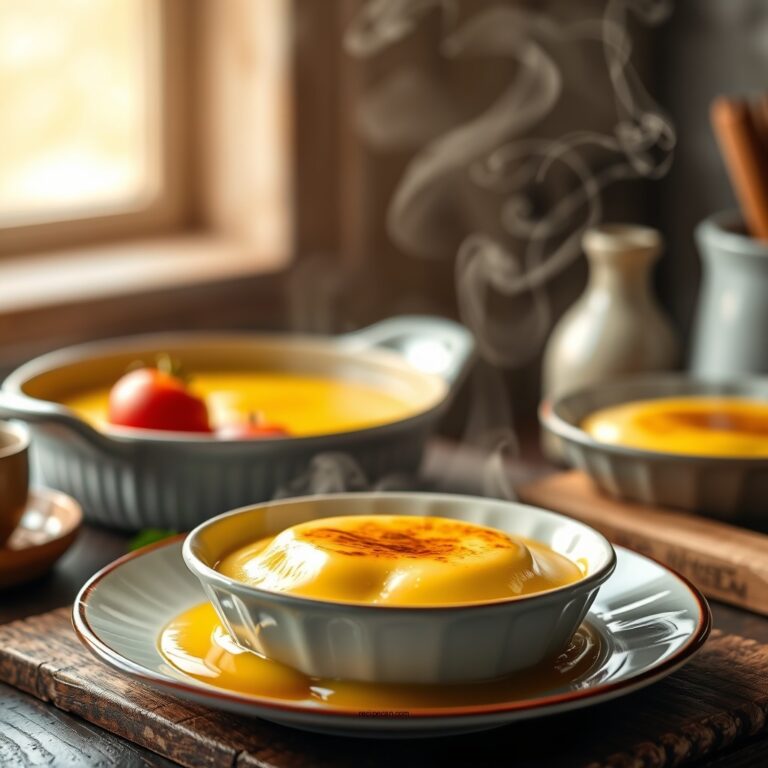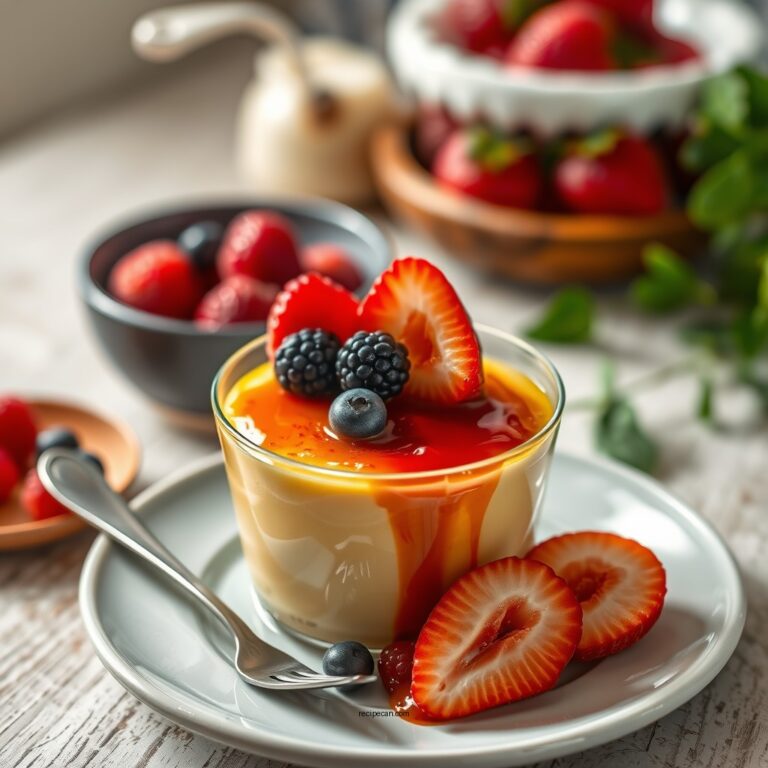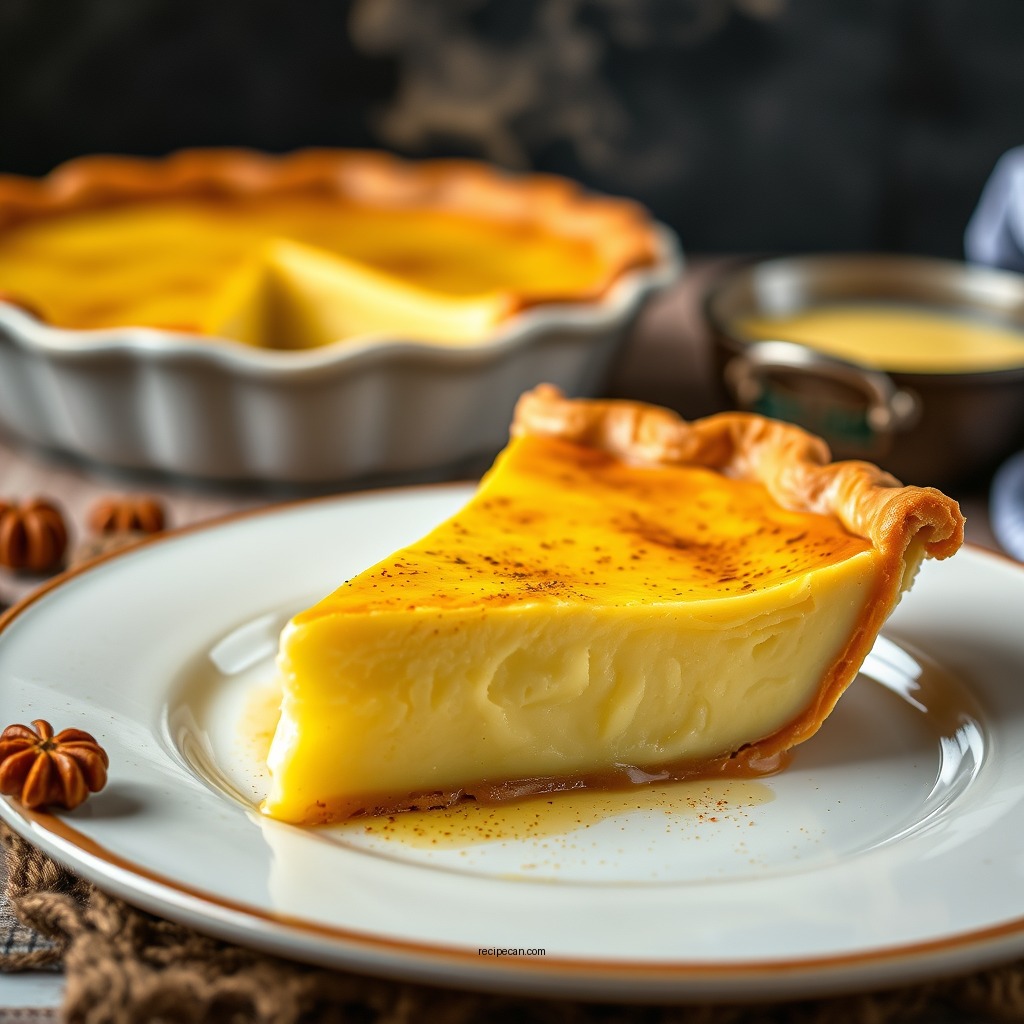
Making a classic old fashioned custard pie is straightforward and rewarding. With a creamy filling, flaky crust, and a hint of nutmeg, you’ll learn how to create this beloved dessert that will impress family and friends. Follow this recipe for a delightful treat that captures the essence of traditional baking.
Ingredients You Will Need
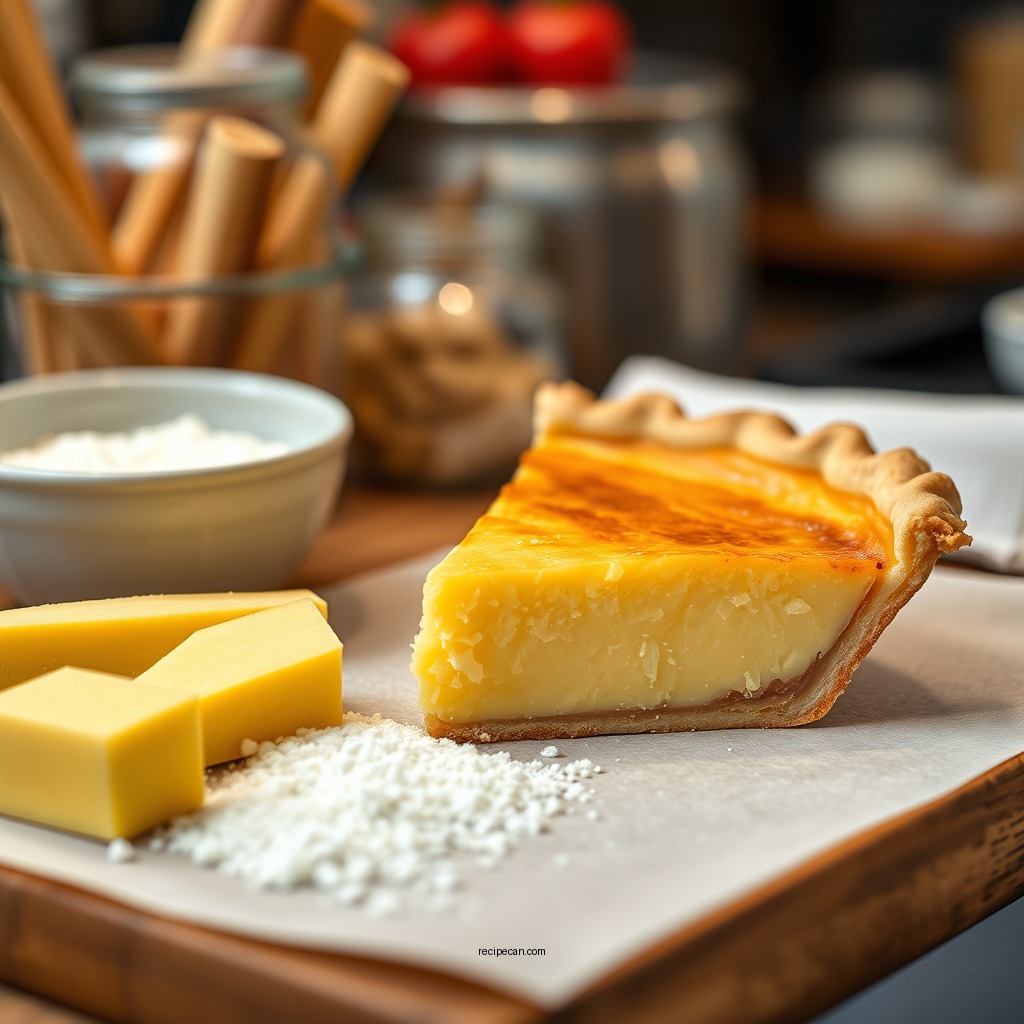
To create a classic old fashioned custard pie, you’ll need a selection of simple yet essential ingredients. The heart of this recipe lies in the filling, which consists of:
– Eggs: 3 large eggs, which provide the custard structure.
– Milk: 2 cups whole milk for a rich and creamy texture.
– Sugar: 3/4 cup granulated sugar to sweeten the custard.
– Vanilla: 1 teaspoon pure vanilla extract for flavor.
– Nutmeg: A dash of freshly grated nutmeg to enhance the taste.
In addition to these ingredients, you’ll need some essential tools for the preparation:
– Pie Dish: A 9-inch pie dish for the custard.
– Mixing Bowls: Various sizes for mixing the filling and crust.
– Whisk: For combining the eggs and sugar smoothly.
– Rolling Pin: If making a homemade crust, this tool is vital for rolling out the dough.
Preparing the Pie Crust
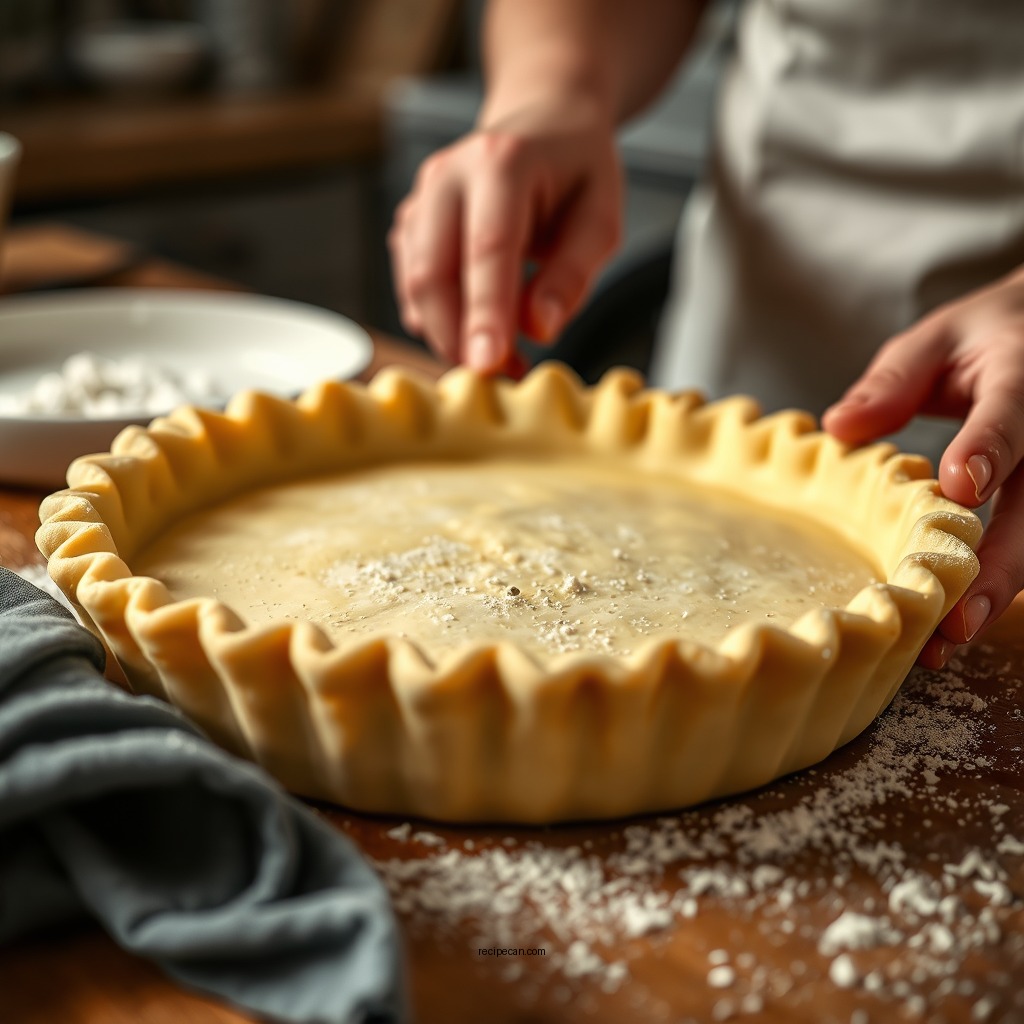
A flaky pie crust is essential to complement the smooth custard filling. Here’s how to make a homemade pie crust from scratch:
1. Ingredients: Gather 1 1/4 cups all-purpose flour, 1/2 teaspoon salt, 1/2 cup cold unsalted butter (cut into cubes), and 4-5 tablespoons ice water.
2. Mixing: In a mixing bowl, combine the flour and salt. Add the cold butter and use a pastry cutter or your fingers to mix until the mixture resembles coarse crumbs.
3. Forming the Dough: Gradually add ice water, one tablespoon at a time, mixing until the dough comes together without being sticky. Avoid overworking the dough to keep it tender.
4. Chilling: Shape the dough into a disk, wrap it in plastic wrap, and refrigerate for at least 30 minutes.
5. Rolling Out: Once chilled, roll out the dough on a floured surface to fit your pie dish. Transfer it carefully to the dish and trim any excess.
Tips: To achieve the perfect flaky texture, ensure that your butter is very cold when mixing. Additionally, blind-baking the crust for 10-15 minutes at 375°F can help prevent sogginess, especially when using a wet filling like custard.
Making the Custard Filling
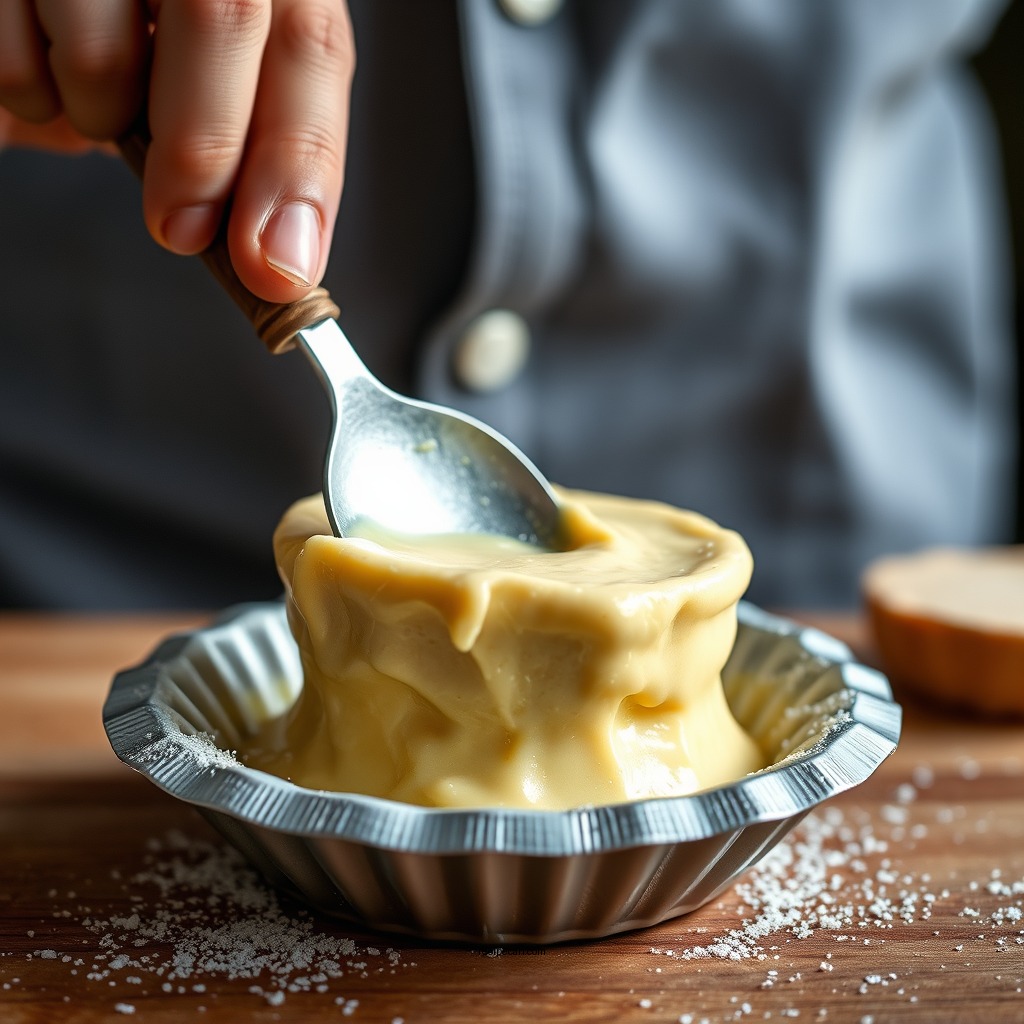
Creating the custard filling requires careful mixing to ensure a smooth and creamy texture. Follow these steps:
1. Mixing the Ingredients: In a large bowl, whisk together the eggs and sugar until well combined. Gradually add the milk, continuing to whisk until fully incorporated.
2. Adding Flavor: Stir in the vanilla extract and a pinch of nutmeg. The nutmeg not only adds aroma but also enhances the overall flavor profile.
3. Tempering the Eggs: To prevent the eggs from curdling, it’s critical to temper them. Slowly pour a small amount of the hot milk mixture into the egg mixture while whisking continuously. This warms the eggs gradually, allowing them to blend without scrambling.
4. Combining: Once tempered, pour the egg mixture back into the remaining milk mixture, stirring gently.
Importance of Tempering: This step is crucial as it ensures a silky custard texture, eliminating any graininess that might occur if the eggs are cooked too quickly.
Baking the Pie
Baking the custard pie requires precision to achieve the perfect set without overcooking. Here’s how to do it:
1. Preheating the Oven: Preheat your oven to 350°F (175°C).
2. Assembling the Pie: Pour the custard filling into your prepared pie crust, taking care not to overfill.
3. Baking Time: Bake in the preheated oven for 40-45 minutes. The custard should be set but still slightly wobbly in the center when you remove it.
4. Checking for Doneness: To check if it’s done, gently shake the pie; if the center jiggles slightly but is not liquid, it’s ready. Overbaking can lead to cracks in the surface.
Cooling and Serving Suggestions
After baking, cooling the pie properly is essential for the best flavor and texture. Here’s how:
1. Cooling: Allow the pie to cool at room temperature for about an hour. This helps the custard set up properly. After it has cooled, transfer it to the refrigerator for at least 2 hours before serving. Chilling enhances the flavors and makes slicing easier.
2. Serving Ideas: Serve slices plain or topped with a dollop of whipped cream or fresh fruit. Berries, such as raspberries or strawberries, add a beautiful color contrast and a refreshing tartness.
Troubleshooting Common Issues
Even the best bakers encounter issues. Here are some common problems and solutions:
– Runny Filling: This can occur if the pie is underbaked. Ensure that the custard is set but still slightly jiggles in the center. If it’s too runny, return it to the oven for additional baking.
– Overcooked Edges: To prevent this, cover the edges of the pie crust with foil during the last 10-15 minutes of baking.
– Storing Leftovers: Store any uneaten pie in the refrigerator, covered loosely with plastic wrap or foil. It is best consumed within 3-4 days for optimal freshness.
Classic Custard Pie Ingredients Comparison
| # | Ingredient | Quantity | Calories |
|---|---|---|---|
| 1 | Eggs | 3 large | 210 |
| 2 | Whole Milk | 2 cups | 296 |
| 3 | Granulated Sugar | 3/4 cup | 600 |
| 4 | Vanilla Extract | 1 tsp | 12 |
| 5 | Nutmeg | 1 pinch | 1 |
Baking Times for Classic Custard Pie
Summarizing the steps to make a classic old fashioned custard pie, you’ll find that it’s not only a nostalgic dessert but also a simple one to prepare. Gather your ingredients and get started on this timeless recipe today! Share your baking experience and enjoy a slice of history with your loved ones.
Frequently Asked Questions
What are the key ingredients for an old fashioned custard pie?
The key ingredients for an old fashioned custard pie include eggs, milk, sugar, vanilla extract, and a prepared pie crust. Some recipes may also call for nutmeg or cinnamon for added flavor. Using high-quality ingredients will enhance the overall taste and texture of your custard pie.
How do I make the custard filling for an old fashioned custard pie?
To make the custard filling, whisk together eggs, sugar, and vanilla extract until smooth. Gradually add milk while continuing to whisk, ensuring there are no lumps. Pour the mixture into a pre-baked pie crust and bake at a low temperature until the filling is set but still slightly jiggly in the center, which usually takes about 40-50 minutes.
Why is my old fashioned custard pie not setting properly?
If your old fashioned custard pie isn’t setting properly, it may be due to undercooking or incorrect ratios of ingredients. Ensure you’re using the right amount of eggs and milk, and check your oven temperature with a thermometer to avoid baking at too high of a heat. Letting the pie cool gradually can also help it set as it continues to firm up outside the oven.
What is the best way to serve old fashioned custard pie?
The best way to serve old fashioned custard pie is chilled, allowing the flavors to meld and the filling to firm up. Top with a dollop of whipped cream or a sprinkle of nutmeg for an extra touch. Pairing it with fresh fruit or a scoop of vanilla ice cream can also elevate the dessert experience.
Which pie crust works best for an old fashioned custard pie?
A traditional flaky pie crust works best for an old fashioned custard pie, as it complements the creamy filling beautifully. You can opt for a homemade crust using butter and flour for a rich flavor, or use a store-bought option for convenience. Ensure the crust is pre-baked to prevent it from becoming soggy once the custard filling is added.
References
- Custard
https://en.wikipedia.org/wiki/Custard - https://www.bbc.co.uk/food/recipes/custard_11502
https://www.bbc.co.uk/food/recipes/custard_11502 - https://www.nytimes.com/2017/11/01/dining/custard-pie-recipe.html
https://www.nytimes.com/2017/11/01/dining/custard-pie-recipe.html - https://www.jstor.org/stable/10.5325/jfoodsecur.3.4.0393
https://www.jstor.org/stable/10.5325/jfoodsecur.3.4.0393 - Google Scholar Google Scholar
https://scholar.google.com/scholar?q=old+fashioned+custard+pie+recipe - Google Scholar Google Scholar
https://scholar.google.com/scholar?q=custard+pie+recipe - Google Scholar Google Scholar
https://scholar.google.com/scholar?q=custard+history+recipe - Custard | Definition, Ingredients, & Preparation | Britannica
https://www.britannica.com/topic/custard - https://www.sciencedirect.com/topics/food-science/custard
https://www.sciencedirect.com/topics/food-science/custard - https://www.ncbi.nlm.nih.gov/pmc/articles/PMC4965132/
https://www.ncbi.nlm.nih.gov/pmc/articles/PMC4965132/