If you’re looking to recreate the iconic Maine lobster roll at home, you’re in the right place. This recipe combines fresh lobster meat with a creamy dressing, all served in a buttery toasted roll. In just a few simple steps, you’ll be enjoying a taste of New England right in your kitchen. The Maine lobster roll is more than just a meal; it embodies the spirit of the coast and brings the flavors of the ocean into your home dining experience.
Selecting the Right Lobster

When it comes to making a classic Maine lobster roll, the foundation of your dish is the lobster itself. Selecting the right lobster is crucial for achieving that authentic taste and texture.
– Choose fresh lobster: Opt for live lobsters or high-quality pre-cooked lobster meat from a reputable seafood supplier. It’s essential to ensure that the lobsters are sourced sustainably to support local fisheries and maintain marine ecosystems.
– Consider the size: A 1.5 to 2-pound lobster is generally ideal, yielding enough meat for a couple of hearty rolls. Larger lobsters may offer more meat but can also result in a less tender texture if overcooked.
Choosing the right lobster is not just about the size; freshness is key to flavor. Live lobsters should have a firm shell and be active in the tank, while pre-cooked should be kept cold and properly refrigerated.
Preparing the Lobster Meat

Once you’ve selected your lobster, the next step is to prepare the meat. This involves cooking and shelling the lobster with care to maintain its delicate flavor.
– Cooking: If using live lobsters, bring a large pot of salted water to a rolling boil. Immerse the lobsters headfirst and boil for 8-10 minutes until they turn bright red and the meat is opaque. A good rule of thumb is to cook for about 7-8 minutes per pound.
– Cooling and shelling: After cooking, transfer the lobsters to a bowl of ice water to halt the cooking process. Once cooled, carefully remove the meat from the claws and tail, ensuring no shell fragments remain. The claw meat is particularly sweet and tender, making it a prized component of the lobster roll.
Properly prepared lobster meat is the star of your roll, so take your time with this process to ensure a delicious outcome.
Making the Dressing
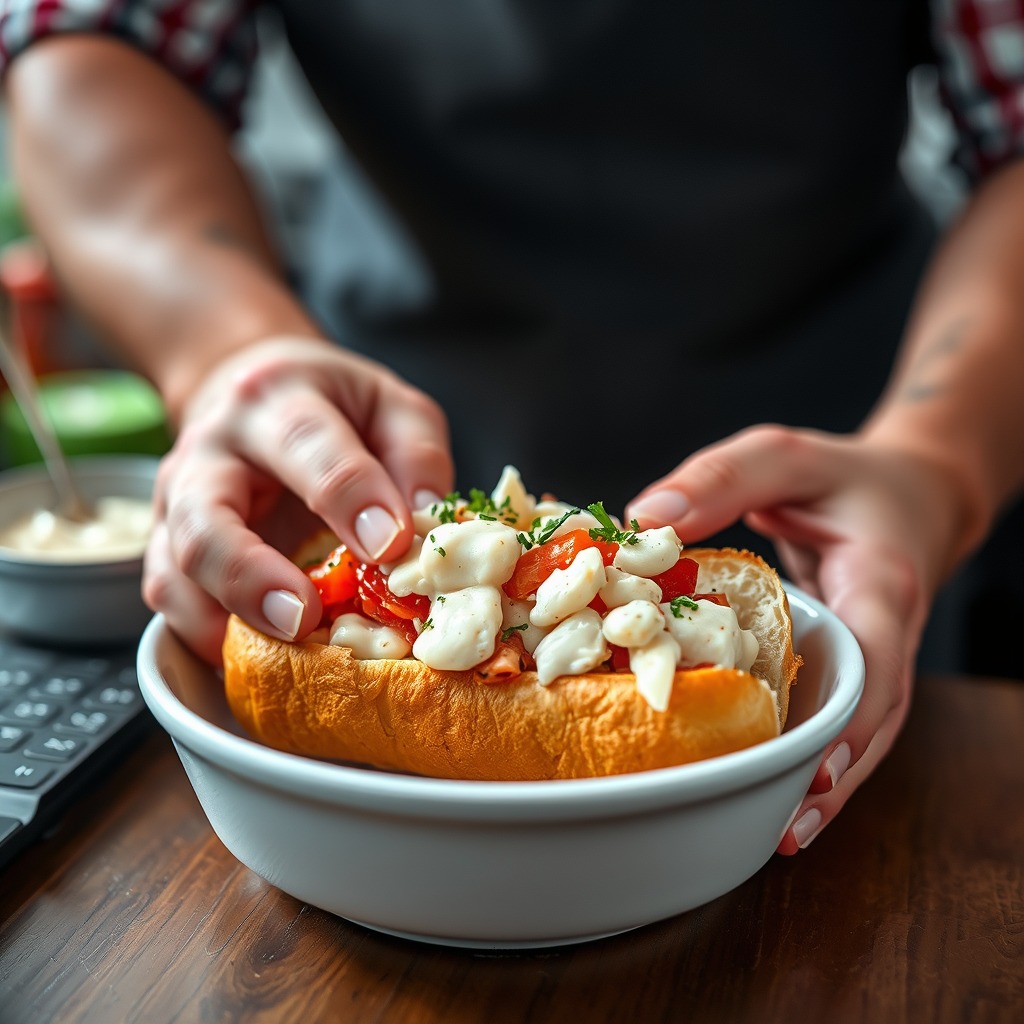
The dressing for your lobster roll is what ties all the flavors together. A simple yet flavorful mixture can elevate your lobster roll from good to exceptional.
– Ingredients: In a mixing bowl, combine 1 cup of mayonnaise, the juice of one lemon, 1/2 cup of finely chopped celery, and a dash of salt and pepper. The mayonnaise should be creamy but not overwhelming; it should complement rather than mask the lobster’s flavor.
– Adjust to taste: Feel free to add fresh herbs like dill or chives for an extra layer of flavor. Some also enjoy a hint of Old Bay seasoning for a classic New England touch.
The dressing should enhance the lobster without overpowering it. Taste as you go to ensure a balanced flavor profile.
Top 7 Lobster Brands in the US (2024)
| # | Brand | Type | Sustainability Rating | Availability |
|---|---|---|---|---|
| 1 | Maine Lobster Now | Live & Cooked | ★★★★★ | Nationwide |
| 2 | Lobster Anywhere | Live & Cooked | ★★★★☆ | Northeast |
| 3 | Sea to Table | Fresh | ★★★★★ | Nationwide |
| 4 | Maine Lobster Company | Live | ★★★★☆ | Maine Only |
| 5 | The Lobster Guy | Fresh | ★★★★☆ | Northeast |
| 6 | Maine Lobster Market | Cooked | ★★★★★ | Northeast |
| 7 | Hooked on Lobster | Fresh | ★★★★☆ | Nationwide |
Toasting the Rolls
The roll is just as important as the lobster when it comes to creating the perfect lobster roll. A great roll should complement the lobster’s flavor and texture.
– Choose the right bread: Traditional Maine lobster rolls use New England-style split-top rolls, which have a soft, slightly sweet flavor. If you can’t find these, any soft, high-quality roll will suffice.
– Butter and grill: Spread a generous amount of butter on the outside of each roll. Grill them on medium heat until golden brown and crispy. This adds a delightful texture that contrasts beautifully with the creamy lobster filling.
Toasting the rolls enhances their flavor and prevents them from becoming soggy when filled with the lobster mixture.
Assembling the Lobster Roll
Now that you have all your components ready, it’s time to assemble your lobster roll.
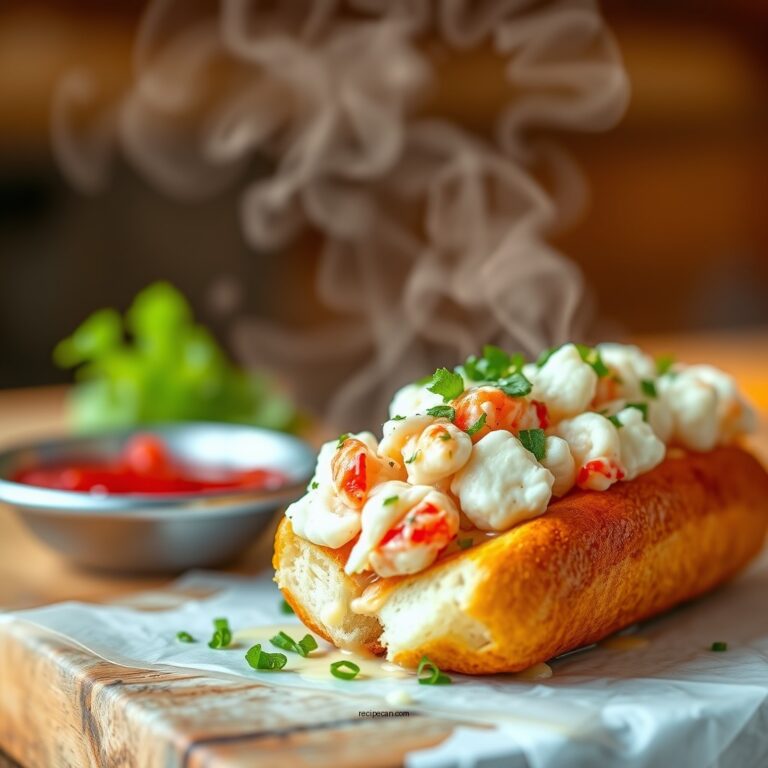
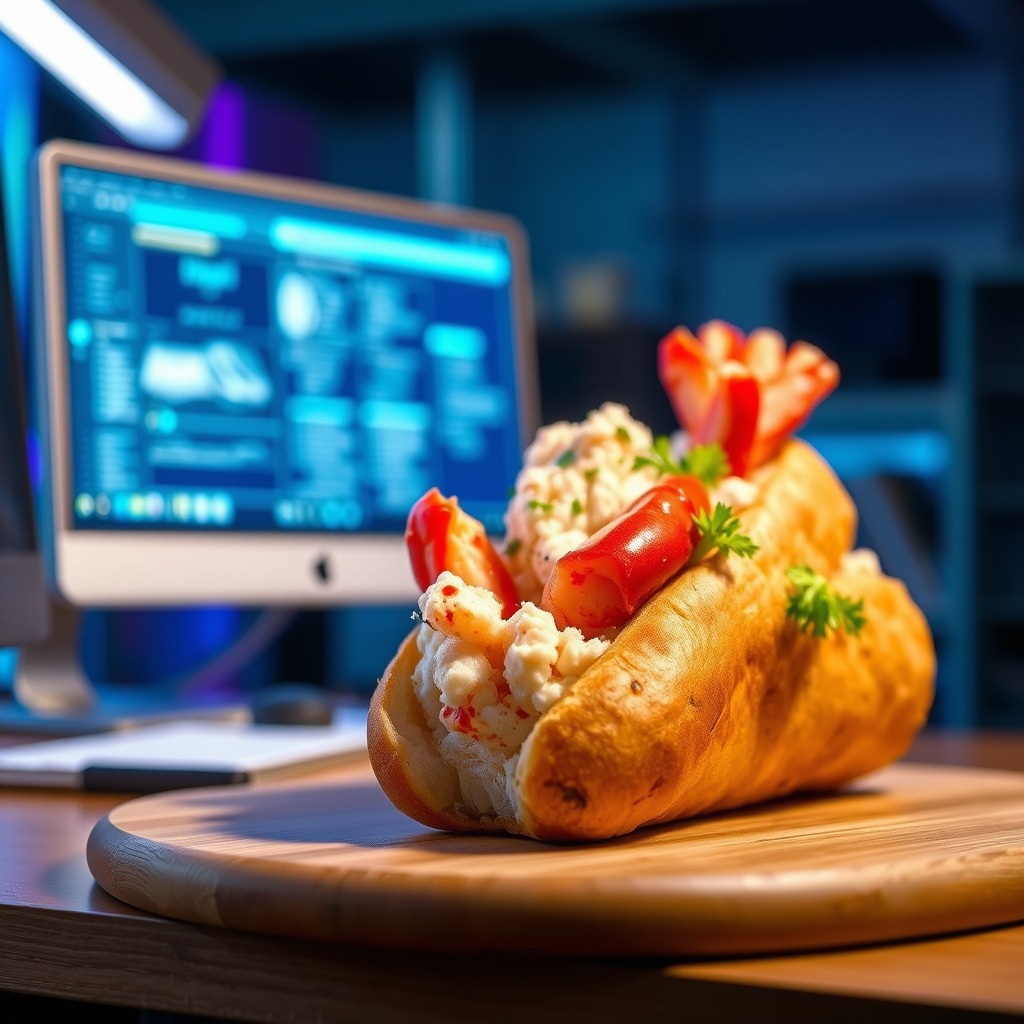
– Mix and fill: Gently combine the cooled lobster meat with the dressing, ensuring each piece is well-coated but not overly mixed. Use a generous scoop to fill each toasted roll, allowing the lobster to peek out enticingly from either side.
– Garnish: For an elegant touch, sprinkle fresh herbs like parsley or dill on top. A squeeze of lemon juice just before serving can brighten the flavors and add a zesty kick.
The assembly of your lobster roll is where you can showcase your attention to detail and love for the dish.
Serving Suggestions
To enhance your Maine lobster roll experience, consider these serving suggestions.
– Pairing: Serve your lobster rolls with classic sides such as kettle-cooked potato chips, tangy coleslaw, or a light garden salad. These sides complement the richness of the lobster without overpowering it.
– Presentation: For a beautiful presentation, consider placing a lemon wedge on the side of each plate. This not only adds a pop of color but also provides an additional citrus element that diners can add according to their taste.
A thoughtful presentation elevates the meal and creates an inviting dining atmosphere.
Tips for the Perfect Lobster Roll
Creating the perfect lobster roll is an art that can be refined with a few expert tips.
– Freshness is key: Always use the freshest lobster possible for the best flavor. If purchasing pre-cooked meat, ensure it has been stored properly and is from a trusted source.
– Experiment: Don’t hesitate to try different seasonings or add-ins, such as diced green onions, a hint of hot sauce, or even avocado for a modern twist. Each variation can bring a unique flavor profile to your lobster roll.
Tailoring your lobster roll to your personal preference can make the experience even more enjoyable.
Lobster Roll Popularity by Region (2024)
Savoring a Maine lobster roll is not just about the flavors; it’s a quintessential New England experience. By following this recipe, you can bring the coastal charm of Maine into your home kitchen. Gather your ingredients, and enjoy the deliciousness of homemade lobster rolls today!
Frequently Asked Questions
What ingredients do I need for a classic Maine lobster roll recipe?
To make a classic Maine lobster roll, you’ll need fresh lobster meat, preferably from steamed lobsters, mayonnaise, celery, lemon juice, and salt and pepper for seasoning. For the roll, choose split-top hot dog buns, which are essential for a traditional presentation, and consider using butter to lightly toast them for added flavor and texture.
How do I prepare the lobster for a lobster roll?
To prepare the lobster for a lobster roll, start by boiling or steaming the lobsters until they are fully cooked, typically about 8-10 minutes per pound. Once cooked, allow them to cool, then crack the shells and extract the meat, ensuring to remove any shell fragments. Chop the lobster meat into bite-sized pieces for the perfect filling.
Why is mayonnaise an essential ingredient in a lobster roll?
Mayonnaise is an essential ingredient in a lobster roll because it adds creaminess and moisture to the dish, enhancing the natural sweetness of the lobster meat. Additionally, it helps bind the ingredients together, making the filling easier to scoop into the roll without falling apart.
What is the best way to serve a Maine lobster roll?
The best way to serve a Maine lobster roll is in a chilled, lightly toasted split-top bun, allowing the freshness of the lobster filling to shine. Garnish with a sprinkle of fresh herbs, like chives or parsley, and serve alongside coleslaw or potato chips for a classic New England experience.
Which types of lobster are best for a lobster roll?
The best types of lobster for a lobster roll are typically Maine lobsters due to their sweet and tender meat. Look for lobsters that are around 1.5 to 2 pounds in size, as they yield a good amount of meat while ensuring optimal flavor and texture when prepared.
References
- Lobster roll
https://en.wikipedia.org/wiki/Lobster_roll - https://www.brown.edu/academics/science/history/food/recipes/lobster-roll
https://www.brown.edu/academics/science/history/food/recipes/lobster-roll - https://www.bbc.com/food/recipes/lobster_roll_87912
https://www.bbc.com/food/recipes/lobster_roll_87912 - https://scholar.google.com/scholar?q=maine+lobster+roll+recipe Google Scholar
https://scholar.google.com/scholar?q=maine+lobster+roll+recipe - Google Scholar Google Scholar
https://scholar.google.com/scholar?q=lobster+roll+history - Google Scholar Google Scholar
https://scholar.google.com/scholar?q=lifestyle+recipes+lobster+roll - https://www.sciencedirect.com/topics/food-science/lobster-roll
https://www.sciencedirect.com/topics/food-science/lobster-roll - https://www.foodandwine.com/seafood/lobster-roll-recipe
https://www.foodandwine.com/seafood/lobster-roll-recipe - maine lobster roll recipe – Search results
https://en.wikipedia.org/wiki/Special:Search?search=maine+lobster+roll+recipe - https://www.ncbi.nlm.nih.gov/search/research-articles/?term=maine+lobster+roll+recipe
https://www.ncbi.nlm.nih.gov/search/research-articles/?term=maine+lobster+roll+recipe