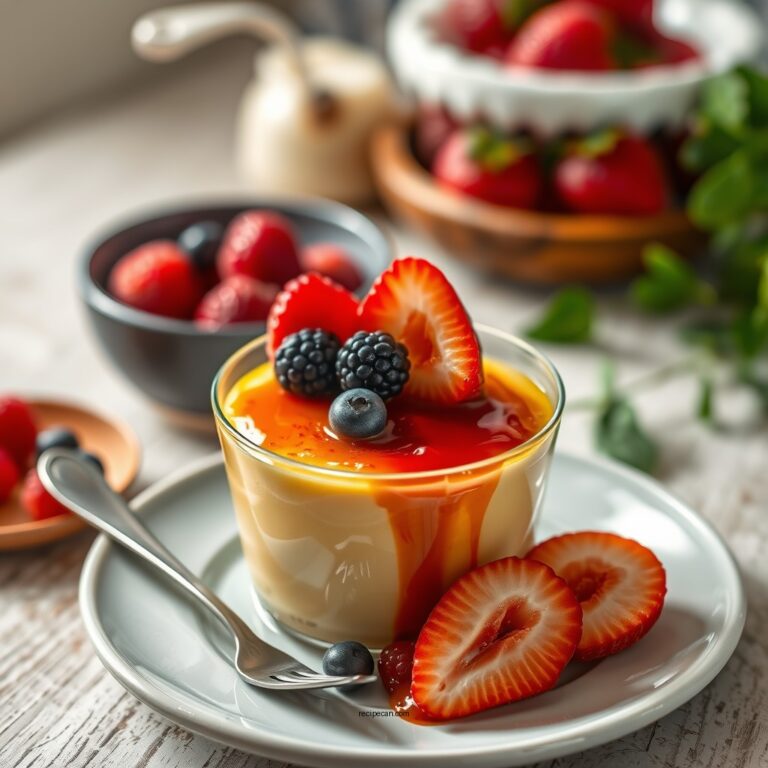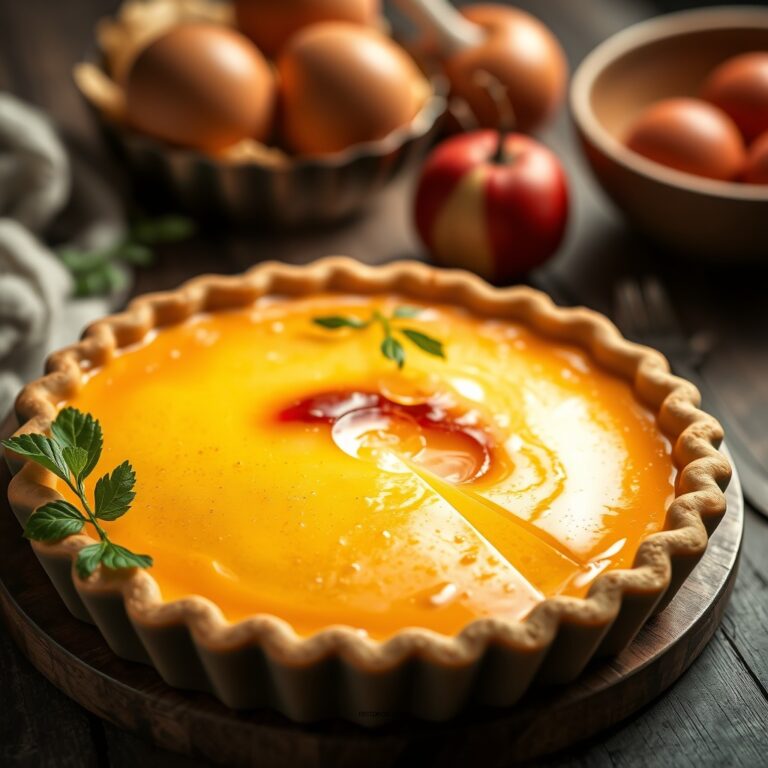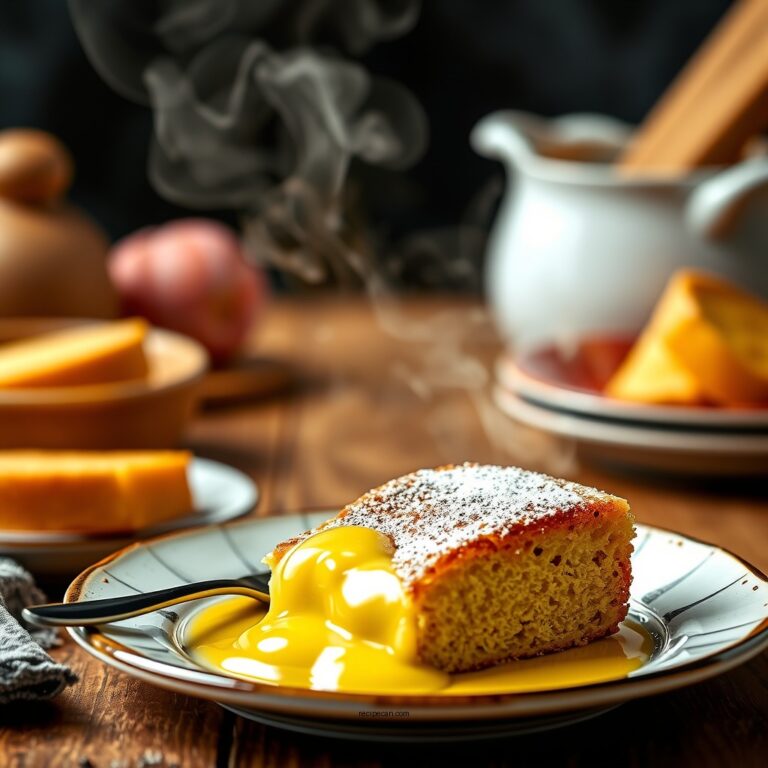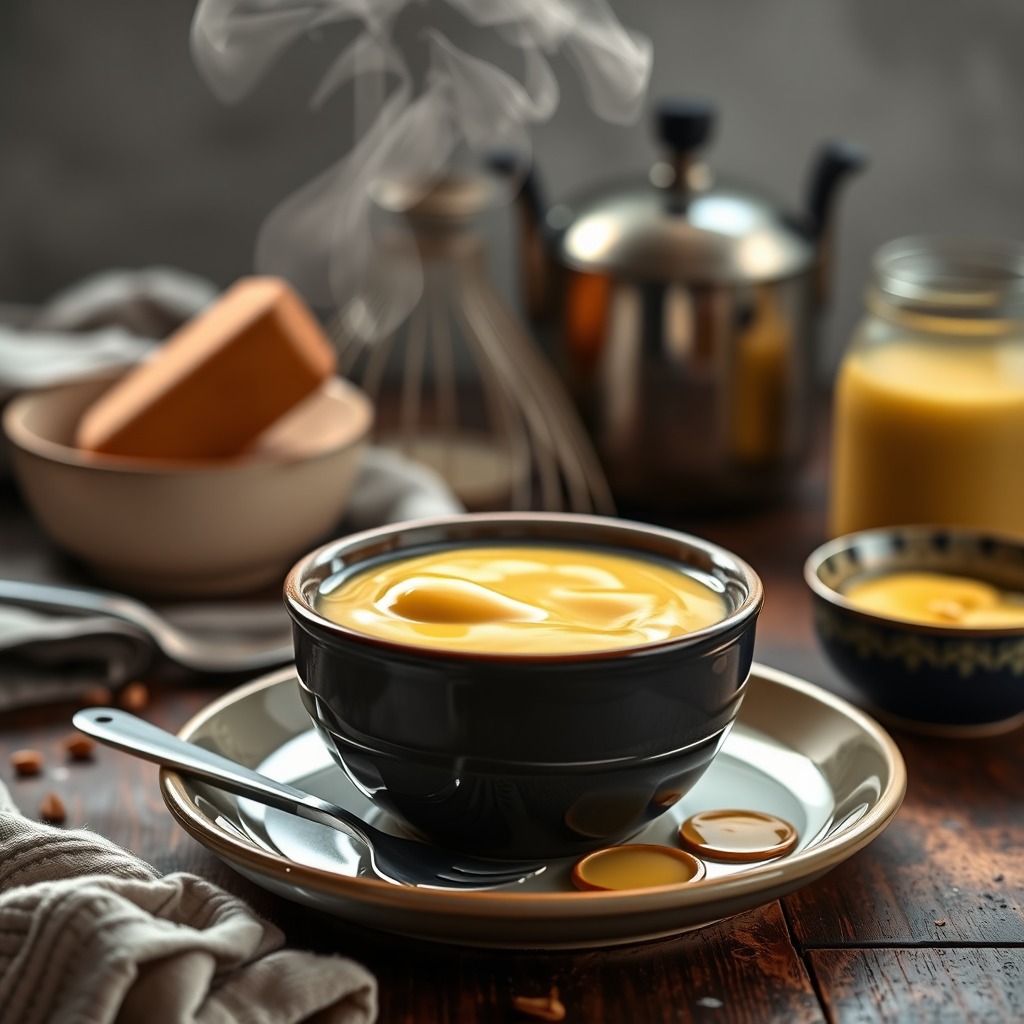
Making an authentic English custard is both simple and rewarding, offering a delicious base for countless desserts. This guide provides a comprehensive step-by-step approach to preparing a rich and creamy custard that can elevate your favorite sweets, such as trifles, tarts, or even serve as a standalone treat. Whether you are a seasoned chef or a novice in the kitchen, this classic recipe will help you master the art of custard-making.
Understanding the Ingredients
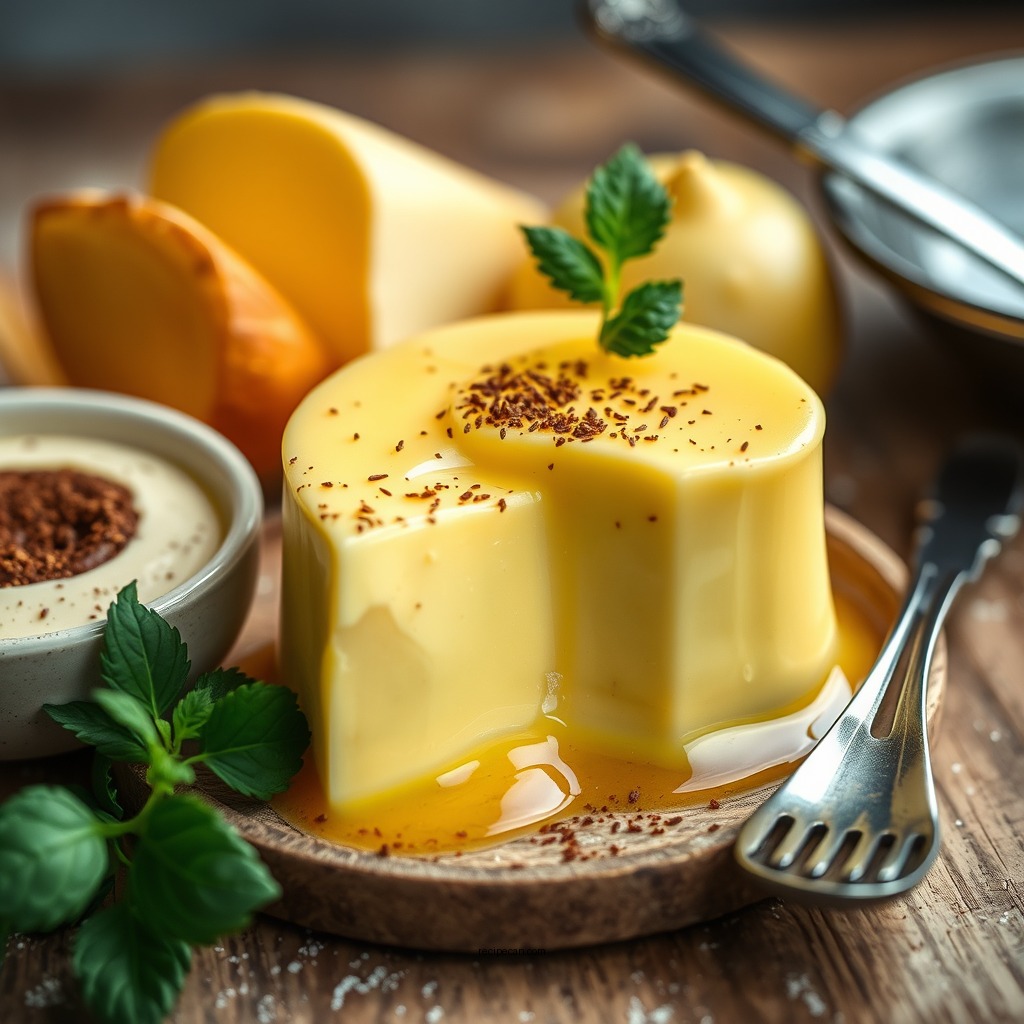
To create a luscious English custard, understanding the role of each ingredient is crucial.
– Eggs: The key thickening agent that provides the custard with its creamy and smooth texture. Typically, whole eggs or a combination of egg yolks and whole eggs are used to achieve the desired richness without curdling.
– Milk and Cream: Essential for richness; a combination of whole milk and heavy cream enhances flavor and consistency. The cream contributes to a luxurious mouthfeel while the milk provides a lighter base.
Using high-quality dairy products is vital, as they significantly impact the overall taste of the custard. For an extra flavor boost, consider adding a splash of vanilla extract or a pinch of nutmeg.
Equipment You’ll Need
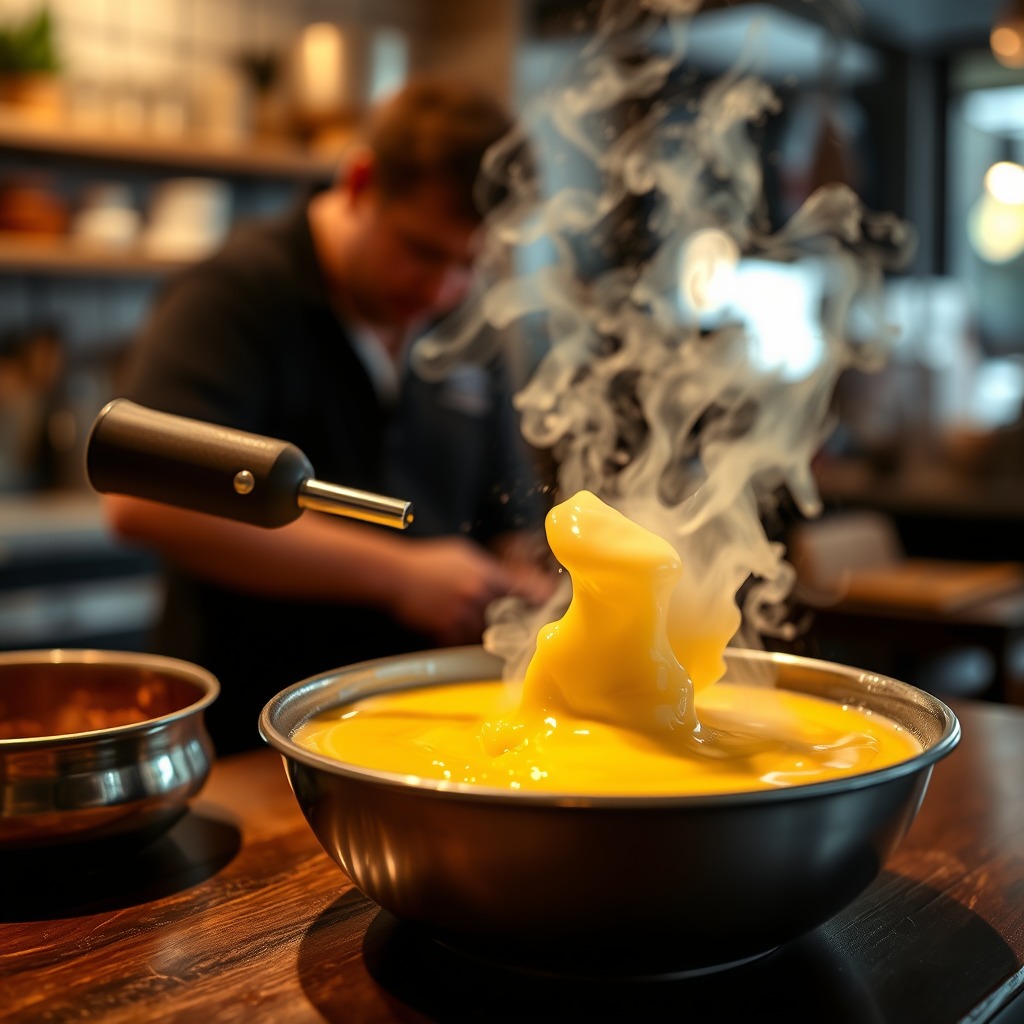
Having the right tools on hand will streamline the custard-making process and ensure success.
– Mixing Bowl: A medium-sized mixing bowl is necessary for whisking the eggs and sugar together until pale and thickened.
– Saucepan: A heavy-bottomed saucepan is ideal for cooking the custard mixture over low heat. This helps prevent scorching and ensures even heating.
– Fine Sieve: A fine sieve is essential for straining the custard after cooking. This step removes any coagulated bits of egg, resulting in a silky and smooth final product.
Step-by-Step Preparation
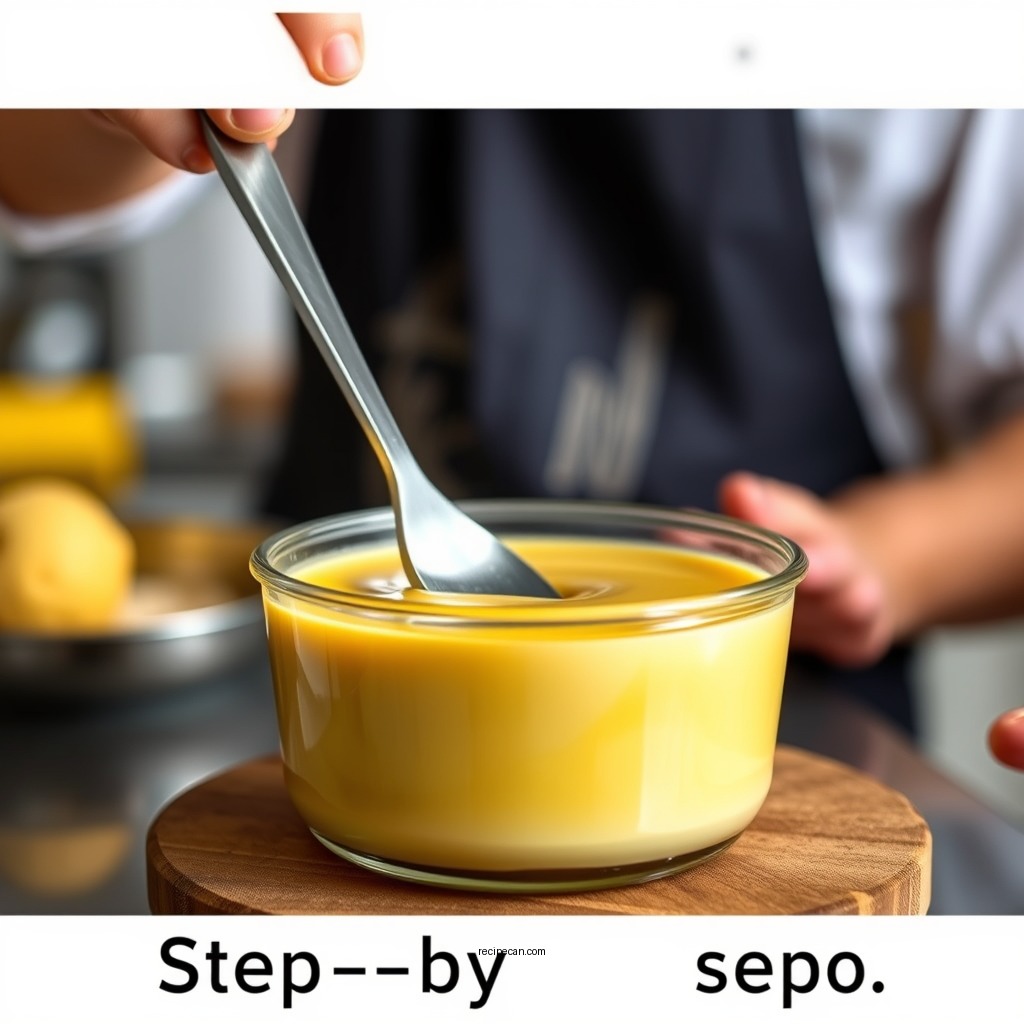
Mastering each step in the preparation process is vital to achieving the perfect custard.
– Whisk Eggs and Sugar: In your mixing bowl, combine the eggs and sugar. Use a whisk to beat the mixture until it turns pale and slightly thickened. This aeration helps create a light texture in the final custard.
– Heat Milk and Cream: In your saucepan, gently warm the milk and cream over low heat until it is just below boiling. Avoid boiling to prevent curdling, which can ruin the custard.
Key Ingredients for English Custard
| # | Ingredient | Quantity | Role |
|---|---|---|---|
| 1 | Eggs | 3 large | Thickening agent |
| 2 | Granulated Sugar | 75g | Sweetener |
| 3 | Whole Milk | 300ml | Base liquid |
| 4 | Heavy Cream | 200ml | Richness |
| 5 | Vanilla Extract | 1 tsp | Flavor enhancer |
| 6 | Nutmeg | Pinch | Flavor enhancer |
Cooking the Custard
The cooking process is where the magic happens, transforming your mixture into custard.
– Combine Mixtures: Gradually add the hot milk and cream to the egg mixture while whisking continuously. This step, known as tempering, is crucial to prevent the eggs from cooking too quickly, which would lead to a scrambled texture.
– Cook on Low Heat: Return the combined mixture to the saucepan and cook over low heat. Stir constantly with a wooden spoon or spatula until the custard thickens enough to coat the back of the spoon. This process typically takes about 10 minutes.
Straining and Cooling
Post-cooking steps ensure the custard is smooth and ready for serving.
– Strain the Custard: Pour the custard through a fine sieve into a clean bowl to eliminate any lumps and achieve a silky finish. This step is essential for ensuring that your custard is perfectly smooth.
– Chill: Allow the strained custard to cool at room temperature for a few minutes before refrigerating it. For best results, chill for at least an hour to let it set properly.
Serving Suggestions
Once your custard is ready, it can be utilized in various delightful ways.
– Pair with Desserts: Use it as a sauce over puddings, fruits, or pastries. It makes an excellent accompaniment to pies, especially fruit tarts, where its creamy texture beautifully complements the tartness of the fruit.
– Enjoy as a Stand-Alone: Serve the custard warm or cold, optionally flavored with additional vanilla or a sprinkle of nutmeg for added depth. A dollop of whipped cream on top can create an indulgent treat.
Tips for Perfect Custard
Perfecting your custard-making skills requires attention to detail and a few key tips.
– Avoid High Heat: Cooking on high heat can lead to scrambled eggs. Always maintain a steady, low heat and stir continuously to ensure even cooking.
– Use Fresh Ingredients: Opt for fresh eggs and high-quality dairy products, as they make a noticeable difference in flavor and texture. The quality of your ingredients directly impacts the overall taste of your custard.
Custard Cooking Times by Temperature
Creating a classic English custard is a straightforward process that enhances many desserts and can be enjoyed on its own. Follow these steps and tips to perfect your custard-making skills, and don’t hesitate to experiment with flavors. Whether you use it to complement a dessert or savor it by itself, the effort you put into making this timeless treat will surely pay off in delight and satisfaction.
Frequently Asked Questions
What are the key ingredients needed for a traditional English custard recipe?
A traditional English custard recipe typically requires just a few key ingredients: egg yolks, sugar, whole milk, and vanilla extract. Some variations may include heavy cream for a richer texture. Using fresh, high-quality ingredients is essential for achieving a smooth and creamy custard.
How do you make English custard from scratch?
To make English custard from scratch, start by whisking together egg yolks and sugar in a bowl until pale and thick. Heat whole milk gently in a saucepan, then gradually pour it into the egg mixture while whisking continuously. Return the mixture to the saucepan and cook over low heat, stirring until it thickens enough to coat the back of a spoon. Finally, strain the custard to remove any lumps and stir in vanilla extract.
Why does my English custard curdle, and how can I prevent it?
Curdling occurs when the egg proteins in your English custard cook too quickly, causing them to coagulate. To prevent curdling, always cook the custard over low heat and continuously stir it to distribute the heat evenly. Additionally, tempering the eggs by gradually adding hot milk to the egg mixture before cooking can help stabilize the custard.
What is the best way to serve English custard?
The best way to serve English custard is warm or chilled, depending on your preference. It pairs beautifully with desserts like bread and butter pudding, fruit tarts, or even poured over cakes. Garnishing it with a sprinkle of nutmeg or serving it alongside fresh berries can enhance both the flavor and presentation.
Which thickening techniques work best for English custard?
The best thickening technique for English custard involves cooking it gently while continuously stirring until it reaches a velvety consistency. Using a double boiler can provide more controlled heat, reducing the risk of curdling. Alternatively, incorporating a small amount of cornstarch can help stabilize the custard without altering the traditional flavor.
References
- https://en.wikipedia.org/wiki/Custard
https://en.wikipedia.org/wiki/Custard - https://www.bbc.co.uk/food/recipes/custard_50950
https://www.bbc.co.uk/food/recipes/custard_50950 - https://www.theguardian.com/food/2020/jan/12/how-to-make-custard-recipe
https://www.theguardian.com/food/2020/jan/12/how-to-make-custard-recipe - Google Scholar Google Scholar
https://scholar.google.com/scholar?q=english+custard+recipe - Google Scholar Google Scholar
https://scholar.google.com/scholar?q=custard+recipe+history - Google Scholar Google Scholar
https://scholar.google.com/scholar?q=custard+culinary+techniques - Custard | Definition, Ingredients, & Preparation | Britannica
https://www.britannica.com/topic/custard - https://www.sciencedirect.com/topics/food-science/custard
https://www.sciencedirect.com/topics/food-science/custard - english custard recipe – Search results
https://en.wikipedia.org/wiki/Special:Search?search=english+custard+recipe - https://www.ncbi.nlm.nih.gov/search/research-articles/?term=english+custard+recipe
https://www.ncbi.nlm.nih.gov/search/research-articles/?term=english+custard+recipe