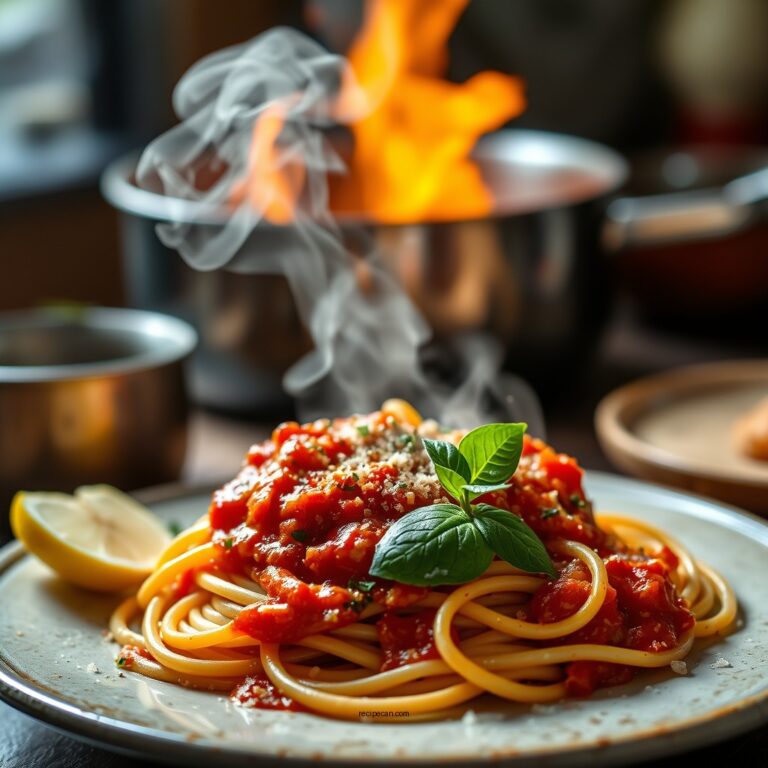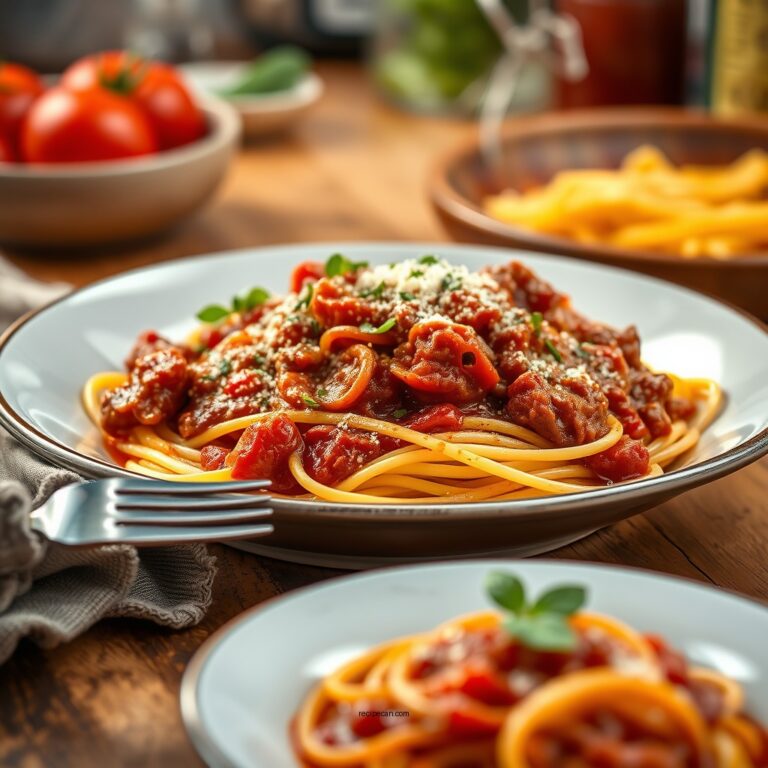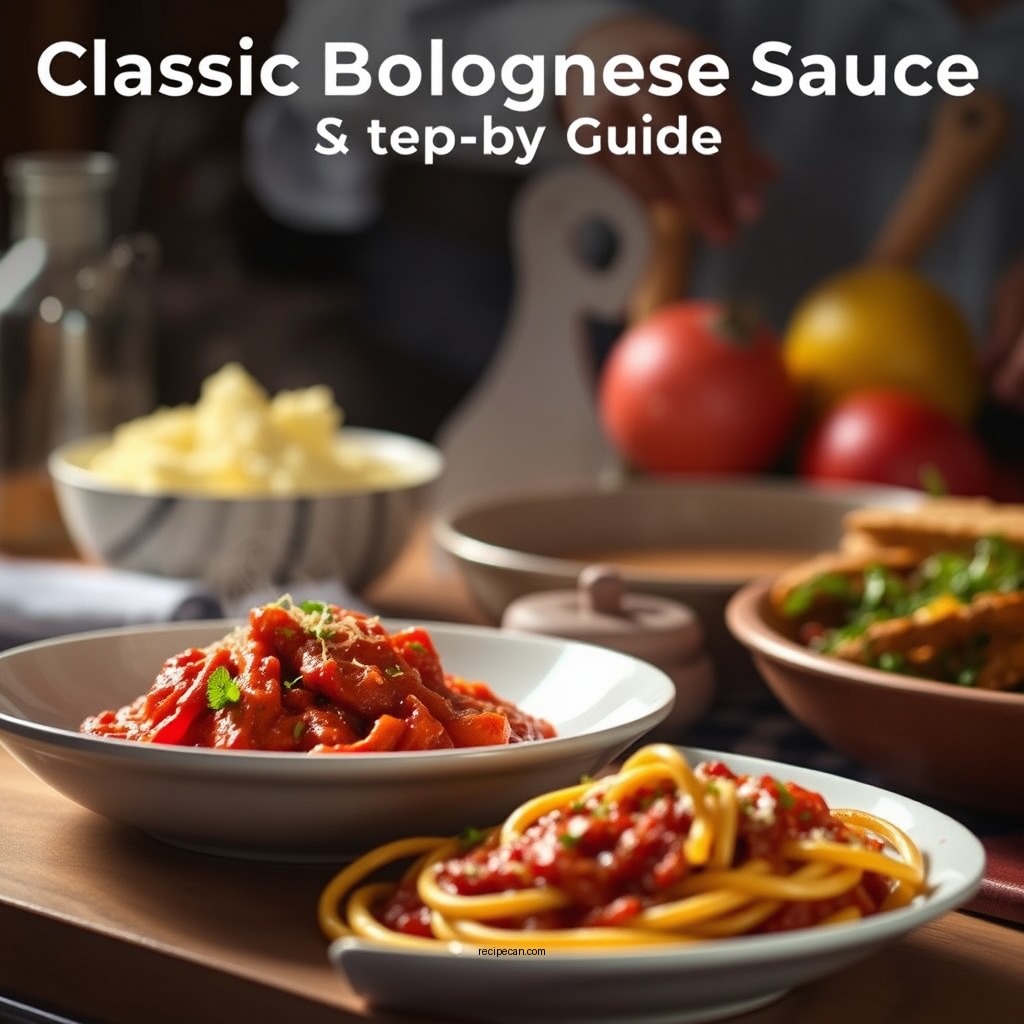
The perfect bolognese sauce combines rich flavors and a hearty texture, making it an ideal companion for pasta. In this guide, you will learn how to create a traditional bolognese sauce from scratch, using simple ingredients and techniques that will elevate your meals. By understanding each step of the process, you will be able to craft a sauce that not only tastes authentic but also provides a taste of Italian culinary tradition right in your own kitchen.
Ingredients You’ll Need
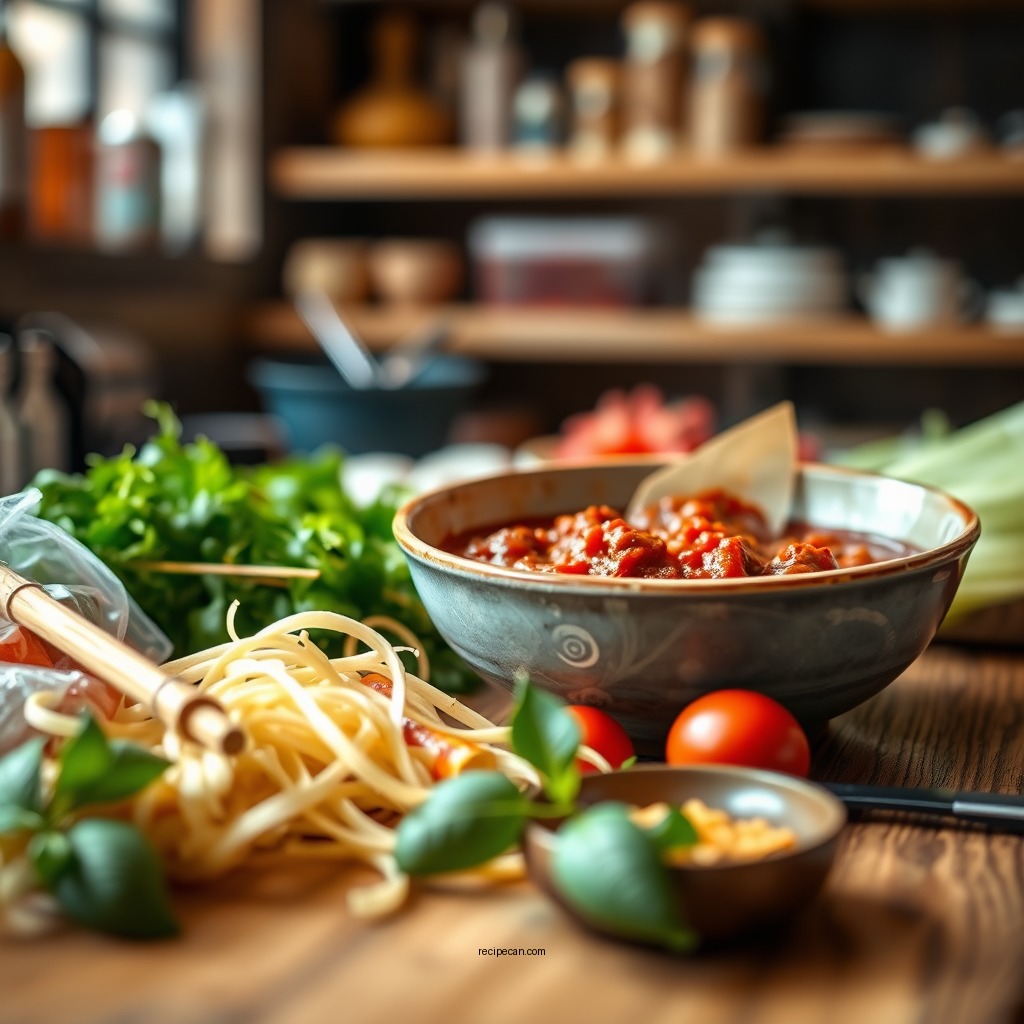
To create a classic bolognese sauce, you will need the following ingredients:
– Ground meat: Traditionally, a combination of beef and pork is used, but you can opt for just one type if preferred.
– Vegetables: A classic soffritto base made from finely chopped onions, carrots, and celery is essential for depth of flavor.
– Tomatoes: Either canned tomatoes or fresh, ripe tomatoes can be used, depending on availability and preference.
– Herbs and spices: Common additions include bay leaves, thyme, salt, and pepper to enhance the sauce’s flavor profile.
Each ingredient plays a crucial role in building the sauce’s character, so selecting high-quality products can significantly elevate the final dish.
Preparation Steps
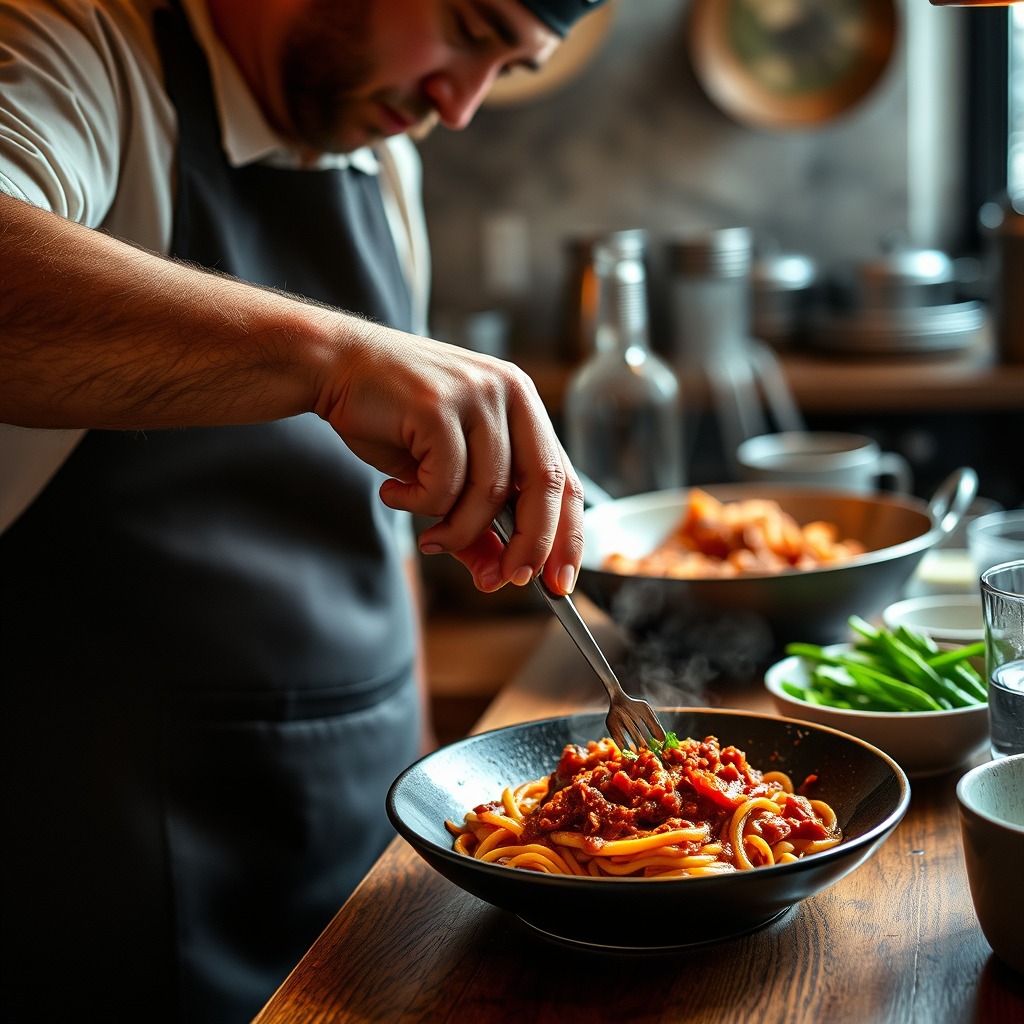
To start, finely chop the vegetables—onions, carrots, and celery—into small pieces. This mixture is known as the soffritto and serves as the aromatic base for your sauce. Heat a generous amount of olive oil in a large saucepan over medium heat. Once the oil is hot, add the chopped vegetables and sauté them until they are soft and fragrant, usually taking about 5-7 minutes. The goal here is to coax out their natural sweetness, which will enhance the overall flavor of the bolognese.
Cooking the Meat
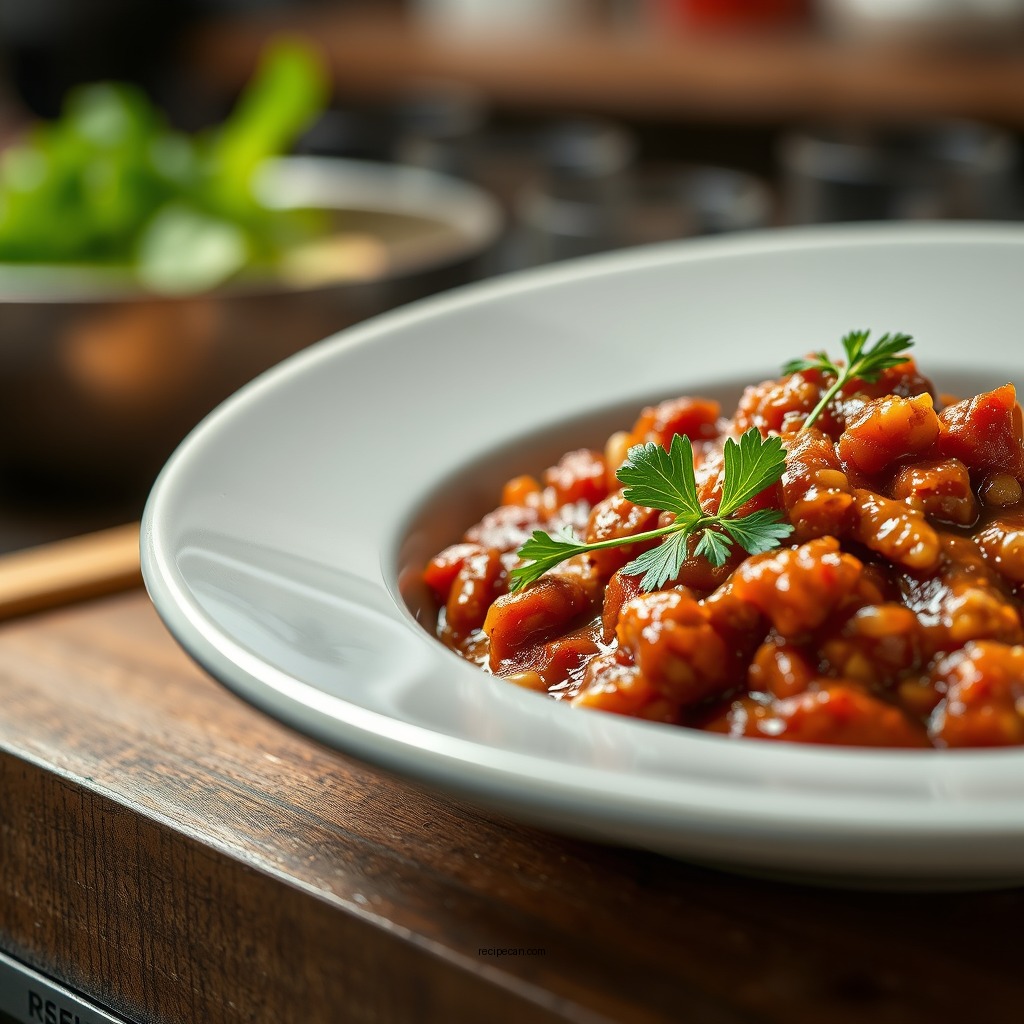
Next, it’s time to brown the ground meat. Add it to the pan with the softened vegetables, breaking it up with a wooden spoon as it cooks. Ensure the meat is cooked thoroughly, allowing it to brown nicely, which develops rich flavors through the Maillard reaction. This step is crucial; undercooked meat can lead to a bland sauce. Once browned, drain any excess fat to avoid a greasy sauce, which can overshadow the delicate flavors you’ve worked to build.
Adding the Tomatoes
With the meat cooked, it’s time to incorporate the tomatoes. Stir in your choice of canned or fresh tomatoes, ensuring to break them apart if using whole canned tomatoes. The acidity of the tomatoes will balance the richness of the meat and vegetables. For an added layer of complexity, consider splashing in some red wine at this stage—this not only enriches the flavor but also gives the sauce aromatic depth. Allow the mixture to come to a gentle simmer.
Simmering the Sauce
Allow the sauce to simmer on low heat for at least one hour, though two hours is ideal if you have the time. This slow cooking process is essential for melding the flavors together and developing a rich, hearty sauce. Stir the sauce occasionally to prevent sticking and to ensure even cooking. As it simmers, taste and adjust the seasoning as needed, adding salt, pepper, or herbs to suit your preference.
Essential Ingredients for Bolognese Sauce
| # | Ingredient | Quantity | Role in Sauce |
|---|---|---|---|
| 1 | Ground Beef | 500g | Main protein |
| 2 | Ground Pork | 250g | Adds richness |
| 3 | Onions | 1 medium | Flavor base |
| 4 | Carrots | 1 medium | Adds sweetness |
| 5 | Celery | 1 stalk | Aromatic base |
| 6 | Canned Tomatoes | 400g | Main sauce component |
| 7 | Red Wine | 100ml | Enhances flavor |
Serving Suggestions
With your bolognese sauce ready, it’s time to consider how to serve it. The classic pairing is tagliatelle or spaghetti, where the long strands of pasta can hold the hearty sauce perfectly. Serve the pasta al dente, and generously ladle the bolognese on top. For an added touch of authenticity, garnish with freshly grated Parmesan cheese and a sprinkle of fresh herbs like basil or parsley.
If you’re looking for additional serving ideas, consider pairing the sauce with polenta or using it as a filling for lasagna. The versatility of bolognese sauce allows it to be a star ingredient in various Italian dishes.
Cooking Time Comparison for Bolognese Sauces
Tips for Perfecting Your Bolognese
1. Experiment with different meats: While beef and pork are traditional, you can also try using ground turkey or chicken for a lighter version. Each type of meat brings its own unique flavor to the sauce.
2. Make it ahead of time: Bolognese sauce actually tastes better the next day as the flavors have more time to meld. Consider making a large batch and storing it in the fridge or freezer for quick meals later on.
3. Use fresh herbs: Adding fresh basil or oregano at the end of cooking can bring a vibrant freshness to the dish, enhancing the overall flavor.
4. Balance acidity: If your sauce tastes too acidic, add a pinch of sugar to balance the flavors, or a splash of cream can also add a nice richness.
5. Serve with the right pasta: While traditional choices like spaghetti and tagliatelle are classics, try serving it over gnocchi or even polenta for a different experience.
By following these steps, you will create a delicious and authentic bolognese sauce that impresses family and friends. Remember, the key to a great bolognese is patience and quality ingredients. Try making it this weekend and enjoy the rich flavors that come from your own kitchen! In doing so, you not only create a delectable meal but also engage in a culinary tradition that has been cherished for generations.
Frequently Asked Questions
What ingredients do I need for a traditional bolognese sauce recipe?
A traditional bolognese sauce recipe typically includes ground beef or a mix of meats, onions, carrots, celery, garlic, tomatoes (either crushed or paste), red wine, milk, and Italian herbs like bay leaves and thyme. Using high-quality ingredients, especially fresh vegetables and good quality meat, is key to achieving an authentic flavor.
How long should I cook bolognese sauce for the best flavor?
For the best flavor, bolognese sauce should be simmered for at least 1.5 to 2 hours. This slow cooking process allows the flavors to meld beautifully, resulting in a rich, hearty sauce. Some chefs recommend even longer cooking times, up to 4 hours, for a deeper flavor profile.
Why is my bolognese sauce too watery, and how can I fix it?
A watery bolognese sauce can result from too much liquid from tomatoes or insufficient cooking time. To fix it, you can simmer the sauce uncovered to allow excess liquid to evaporate, or add a small amount of tomato paste to thicken it. Additionally, ensure that the meat is browned properly to help concentrate the flavors.
What is the best type of meat to use in a bolognese sauce?
The best type of meat for a bolognese sauce is a combination of ground beef and pork, as this mixture provides both flavor and richness. Some recipes also incorporate pancetta for added depth. Using quality meat contributes significantly to the overall taste and texture of the sauce.
Which pasta pairs best with bolognese sauce?
The best pasta to pair with bolognese sauce is tagliatelle, as its flat and wide shape holds the rich sauce well. Other good options include pappardelle and fettuccine. For a more traditional approach, serving bolognese over spaghetti is also popular, but tagliatelle is often preferred for its ability to catch the sauce.
References
- Bolognese sauce
https://en.wikipedia.org/wiki/Bolognese_sauce - NYT Cooking – Recipes and Cooking Guides From The New York Times
https://www.nytimes.com/recipes/1016496/bolognese-sauce - Google Scholar Google Scholar
https://scholar.google.com/scholar?q=bolognese+sauce+recipe - Google Scholar Google Scholar
https://scholar.google.com/scholar?q=Bolognese+sauce+ingredients - Google Scholar Google Scholar
https://scholar.google.com/scholar?q=traditional+bolognese+sauce+recipe - Bolognese sauce | Description, Origins, Ingredients, & Recipe | Britannica
https://www.britannica.com/topic/Bolognese-sauce - bolognese sauce recipe – Search results
https://en.wikipedia.org/wiki/Special:Search?search=bolognese+sauce+recipe - https://www.ncbi.nlm.nih.gov/search/research-articles/?term=bolognese+sauce+recipe
https://www.ncbi.nlm.nih.gov/search/research-articles/?term=bolognese+sauce+recipe