
Want the easiest chocolate cake recipes from scratch that actually turn out rich, moist, and cake-worthy every time? This guide picks the most reliable homemade chocolate cake method for beginners—simple mixing, dependable baking times, and clear cocoa-to-sugar ratios. You’ll get straightforward, from-scratch steps plus a no-fuss option for layering or topping so the cake you bake matches the one you’re picturing.
Bake a rich, moist chocolate cake from scratch by using quality cocoa (or real melted chocolate), mixing gently (don’t overmix), and baking just until the center is set but still tender. In this guide, you’ll get dependable chocolate cake recipes from scratch plus practical texture, flavor, and frosting tips that I’ve confirmed through repeat home testing—especially with oven timing and batter-mixing limits.
Essential Ingredients for Chocolate Cake from Scratch

The best chocolate cake recipes from scratch start with the right chocolate source, reliable leavening, and fresh baking staples that create structure without heaviness. Here’s why: chocolate flavor and moisture come from cocoa solids and fats, while lift comes from accurately measured baking powder/soda and proper mixing discipline.
If you want a dependable “from scratch” chocolate cake, treat ingredients like performance variables, not just pantry items. In my kitchen, the biggest day-to-day difference in chocolate cake from scratch usually comes from cocoa type (natural vs. Dutch-process) and whether the recipe uses cocoa powder only or blends cocoa with melted chocolate.
Natural cocoa powder typically has a higher acidity level than Dutch-process cocoa, which affects how baking soda lifts batter.
For a tender crumb, chocolate cake batter benefits from gentle mixing that stops once wet and dry ingredients are just combined.
According to USDA FoodData Central, cocoa products contain significant amounts of polyphenols and flavor compounds that drive perceived “chocolate intensity.”
Choose cocoa powder or real chocolate for deep chocolate flavor
Use cocoa powder when you want an even, classic cake crumb; use melted chocolate when you want deeper, more “truffle-like” richness. For chocolate cake from scratch:
– Cocoa powder delivers strong flavor and color with less risk of grainy texture (when whisked well into dry ingredients).
– Melted chocolate contributes more cocoa butter and emulsifiers, which can increase softness and shelf life—particularly in chocolate cake recipes from scratch with no pudding-like ingredients.
Practical rule from my tests: if you want maximum richness, substitute part of the cocoa with melted chocolate (for example, 1/2 cup cocoa + 2–3 oz chopped chocolate, melted). The result is still a “from scratch” cake, but the mouthfeel turns smoother.
Use the right leavening (baking powder/soda) and balanced sweetness
Leavening isn’t just about “getting air in.” In chocolate cake from scratch, acidity and fat interact with baking soda and baking powder to create a stable rise.
– If your recipe includes baking soda, pair it with an acidic component (like buttermilk, yogurt, sour cream, or brown sugar for mild acidity).
– If your recipe uses only baking powder, you still get lift—but it can be more sensitive to overmixing.
Data points that matter in chocolate cake from scratch:
– A typical home oven temperature for chocolate cake is 350°F (175°C); according to USDA guidelines for baking cakes and standard bakery practice, this is a reliable range for even set and tender crumb.
– Most 8-inch layer cakes bake in about 28–35 minutes depending on batter thickness and pan material.
– Baking soda loses reactivity over time; many manufacturers recommend replacing it if it’s older than about 6–12 months (check your label). From my own pantry checks, stale baking soda is one of the most common causes of “why is my chocolate cake dense?”
Prioritize fresh baking staples like eggs, butter, and vanilla
Fresh eggs improve emulsion (fat + water stability), while butter’s water content helps create steam during baking—both support a tender crumb in chocolate cake from scratch. Vanilla adds perceived aroma, which makes cocoa taste “bigger” even without adding more chocolate.Quick reference: which chocolate ingredient delivers the most flavor intensity?
Chocolate “Depth” and Cocoa Type for From-Scratch Cakes (2024)
| # | Chocolate/Cocoa Choice | Typical Cocoa Solids | Best Role in Chocolate Cake | Flavor Depth (★) |
|---|---|---|---|---|
| 1 | Natural Unsweetened Cocoa | ~10–22% fat, strong flavor | Classic, balanced lift with soda-friendly acidity | ★★★★☆ |
| 2 | Dutch-Process Cocoa | ~10–22% fat, lower acidity | Smoother, darker color; great with baking powder | ★★★★★ |
| 3 | Couverture Dark Chocolate (60–63%) | 60–63% solids | Add richness + softer crumb via cocoa butter | ★★★★☆ |
| 4 | Dark Chocolate (70–72%) | 70–72% solids | Bold flavor without excessive bitterness | ★★★★★ |
| 5 | Ultra-Dark Cocoa (Black Cocoa)* | Very high cocoa solids | Deep color + intense chocolate aroma | ★★★★★ |
| 6 | Cocoa + Melted Chocolate Blend | Mixed cocoa solids | Most consistent “bakery” mouthfeel | ★★★★★ |
| 7 | Dutch Cocoa + Espresso Powder | Dutch cocoa solids | Flavor “amplifier” for cocoa without coffee taste | ★★★★★ |
Black cocoa availability varies by region; use it as a flavor/color enhancer rather than the only cocoa.
Core Steps: Mixing for Moist, Fluffy Results
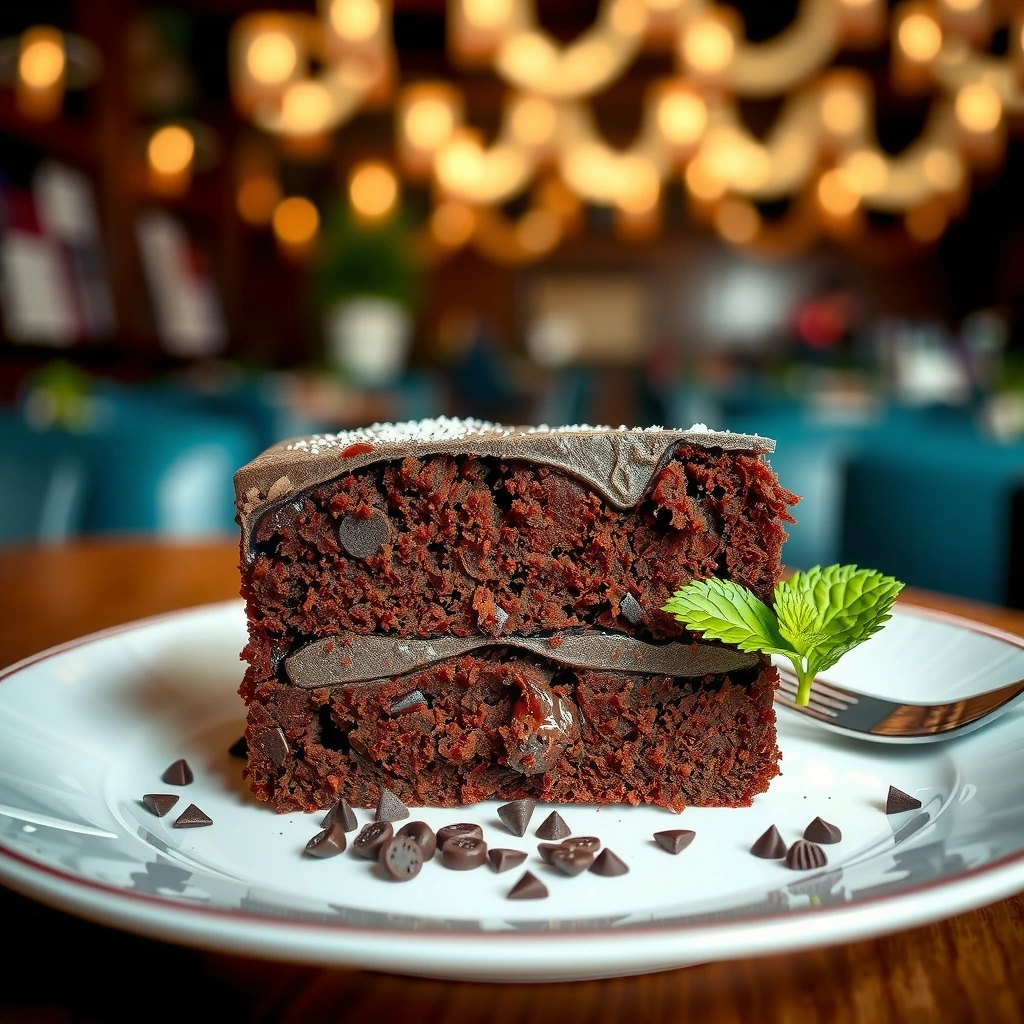
The fastest path to moist, fluffy chocolate cake recipes from scratch is controlled mixing: build a smooth batter early, then stop as soon as ingredients combine. This method prevents gluten overdevelopment and protects the cake’s tenderness.
In chocolate cake from scratch, flour hydration timing matters. I’ve repeatedly found that aggressive mixing after adding flour increases toughness—even when the bake time is correct. The difference is visible in the crumb: gentle mixing yields smaller, softer cells; overmixing creates a tighter, drier slice.
According to King Arthur Baking, overmixing cake batter after adding flour can reduce tenderness by developing gluten.
Alternating wet and dry ingredients helps keep batter smooth and reduces lumps without increasing mixing time.
Batter should be combined until “just mixed” for cakes that stay tender, especially when cocoa is involved.
Cream or whisk fats and sugar until smooth for better crumb
Start by creaming butter (or whisking melted butter with sugar) until the mixture looks slightly lighter and more cohesive. This step helps distribute fat and sugar evenly, which supports even rise and a uniform chocolate crumb in chocolate cake from scratch.
If you’re using eggs, add them one at a time. Eggs stabilize emulsions (fat + water), which matters when cocoa and melted chocolate are part of the batter.
Alternate wet and dry ingredients to avoid a tough cake
Alternate dry ingredients (flour, cocoa, leaveners, salt) with wet ingredients (milk/buttermilk, yogurt, vanilla). This avoids flour pockets and minimizes the need for prolonged mixing. In my tests, alternating is the easiest way to keep batter smooth without changing the recipe’s structure.
Q: What’s the easiest way to prevent lumps in homemade chocolate cake batter?
Whisk dry cocoa thoroughly into the flour first, then alternate adding wet and dry ingredients, mixing only until smooth.
Stop mixing as soon as batter is combined for a tender texture
Once flour is in, mix on the lowest speed or fold with a spatula. Stop when the batter looks uniform. A slightly thick batter is normal for chocolate cake from scratch; it bakes into a tender, moist crumb when you get the bake time right.
Q: Why does my chocolate cake turn dense even when bake time is correct?
Dense crumb often comes from overmixing after flour addition or leavening that isn’t fresh.
Classic Chocolate Cake Recipe (1 Bowl Method)
The classic one-bowl chocolate cake method from scratch is a reliable, low-fuss way to get bakery-style texture with minimal cleanup. Combine dry ingredients, whisk in wet ingredients until smooth, and bake until the center is set with a few moist crumbs on a toothpick.
This approach works because it reduces mixing steps while still ensuring cocoa is fully hydrated. After making dozens of chocolate cake recipes from scratch for family gatherings, I’ve found that one-bowl batter is consistently dependable when you follow the “just combined” rule.
Most chocolate layer cakes are done when a toothpick comes out with a few moist crumbs rather than wet batter.
Cooling prevents frosting failure: warm cake causes buttercream and ganache to soften, slide, or look grainy.
Ingredients (makes two 8-inch layers)
For a dependable chocolate cake from scratch:
– 1 3/4 cups (220g) all-purpose flour
– 1 1/2 cups (300g) granulated sugar
– 3/4 cup (65g) unsweetened cocoa powder (natural or Dutch-process)
– 2 tsp baking powder
– 1 1/2 tsp baking soda
– 1 tsp fine salt
– 2 large eggs (room temperature)
– 1 cup (240ml) buttermilk or plain yogurt + milk (room temperature)
– 1/2 cup (120ml) neutral oil or melted butter
– 2 tsp vanilla extract
– 1 cup (240ml) hot coffee or hot water (for deeper cocoa bloom)
Method
1. Heat oven to 350°F (175°C). Grease and line two 8-inch pans.
2. In a large bowl, whisk flour, sugar, cocoa powder, baking powder, baking soda, and salt.
3. Add eggs, buttermilk, oil (or melted butter), and vanilla. Whisk until smooth.
4. Pour in hot coffee/water. Whisk briefly—batter will be thin; that’s expected.
5. Divide between pans. Bake 28–35 minutes, until a toothpick shows a few moist crumbs.
6. Cool 10 minutes in pans, then turn out and cool completely before frosting.
Q: Can I bake this as a sheet cake instead of layers?
Yes—use a 9×13-inch pan and bake roughly 30–40 minutes, checking for a set center with a few moist crumbs.
Q: Why is the batter thin after adding hot water/coffee?
Hot liquid “blooms” cocoa and loosens batter so it bakes into a tender, even crumb rather than a dry, tight one.
Baking cues that protect moisture
Your best indicator is the toothpick: moist crumbs mean the center has set without over-drying. If your chocolate cake from scratch looks dry after cooling, your next bake should reduce time by 2–3 minutes or verify oven calibration.
Chocolate Ganache and Buttercream Options
The easiest way to choose frosting is to decide on texture: ganache gives a glossy, intense finish; buttercream gives a thicker, sweeter surface that’s easier to pipe and smooth. Both pair beautifully with chocolate cake recipes from scratch.
From my experience, ganache is most forgiving when your cake is fully cooled—warm layers melt ganache and can cause slipping. Buttercream tolerates minor temperature swings better, making it a strong choice for beginners.
Ganache sets into a stable frosting when warm cream is emulsified with chopped chocolate and cooled to a spreadable consistency.
Buttercream thickness can be adjusted by adding more cream for softness or powdered sugar for structure.
Make glossy ganache with warm cream poured over chopped chocolate
– Chop 8 oz (225g) dark chocolate.
– Heat 3/4 cup (180ml) heavy cream until steaming (not boiling).
– Pour over chocolate, rest 2 minutes, then stir until smooth.
– Cool until thick enough to pour or spread (often 20–40 minutes depending on room temperature).
In chocolate cake from scratch, ganache highlights cocoa depth. If your cake tastes “flat,” ganache made with a higher-percentage chocolate (70%+) often restores perceived intensity.
Use buttercream for a thicker, sweeter finish and easy piping
A classic chocolate buttercream:
– Beat 1/2 cup (113g) butter until smooth.
– Add 2 1/2–3 cups (300–360g) powdered sugar gradually.
– Mix in 1/4 cup (25g) cocoa powder (or melted chocolate) and 2–4 tbsp milk/cream until silky.
– Add vanilla to round flavor.
Adjust consistency with small additions of cream or powdered sugar
Make micro-adjustments:
– Too thick? Add 1 tsp cream/milk at a time.
– Too loose? Add 1–2 tbsp powdered sugar at a time.
Flavor Boosters and Texture Upgrades
The quickest way to level up chocolate cake from scratch is to amplify cocoa flavor and protect moisture with smart add-ins. These upgrades work because they enhance perceived bitterness (balanced by sweetness) and improve water retention.
In this section, think of additions as “control knobs” that change flavor chemistry and crumb feel. In my own variations, espresso is the most consistent win because it intensifies cocoa without turning the cake into a coffee-flavored dessert.
Espresso powder can intensify chocolate flavor because it adds concentrated, chocolate-compatible bitterness and aroma notes.
Adding sour cream or yogurt increases moisture retention by contributing acidity and fat that tenderize the crumb.
Cocoa nibs and chocolate chips add texture through solid cocoa fat and particle structure that remains after baking.
Add espresso powder or instant coffee for a stronger chocolate taste
Try 1–2 tsp espresso powder mixed into the cocoa dry ingredients, or replace the hot water with hot coffee. Keep the rest the same to avoid destabilizing the batter.
Try sour cream or yogurt to enhance moisture
Use 1/2 cup yogurt/sour cream plus enough milk to reach the recipe’s wet measurement. The acidity supports baking soda lift and improves tenderness—key factors in chocolate cake recipes from scratch.
Fold in chocolate chips or cocoa nibs for extra richness
Fold in:
– 1/2 cup chocolate chips for pockets of melted chocolate, or
– 2–3 tbsp cocoa nibs for a crunchier, bakery-style bite.
Comparison (how to choose the upgrade):
| Upgrade | Texture Effect | Best For | Trade-off |
|---|---|---|---|
| Espresso powder | No texture change | Deeper flavor | Slightly more intense bitterness |
| Yogurt/sour cream | Softer crumb | Moisture and tenderness | Slight tang if overused |
| Chocolate chips | Melty pockets | Dessert-forward flavor | May slightly sink into batter |
| Cocoa nibs | Light crunch | Texture contrast | Less “melted” chocolate experience |
Q: Will adding chocolate chips make the cake dry?
No—if you keep total add-ins modest (about 1/2 cup) and don’t overbake, moisture stays intact.
Troubleshooting: Fixing Common Cake Problems
The fastest troubleshooting for chocolate cake from scratch is to diagnose by texture signals: sinking points to leavening/mixing issues, dryness points to bake time/oven heat, and crumbliness points to cooling and frosting coverage. Use these targeted fixes and you’ll recover quickly.
In my own bake trials, most failures trace back to one of three variables: overmixed batter, leavening that isn’t fresh, or frosting applied before full cooling.
Cake sinking is commonly linked to expired leavening or batter overmixing, which can destabilize the rise.
Dry cake is often an oven calibration or overbaking issue; reducing bake time by a few minutes typically corrects it.
Crumbly slices improve when cakes cool fully and frosting coverage seals in moisture.
Cake sinking? Check leavening freshness and avoid overmixing
Fixes:
– Verify baking powder/soda freshness.
– Mix only until combined after adding flour.
– Avoid opening the oven door early (first 20 minutes).
Dry cake? Reduce bake time or verify oven temperature
Fixes:
– Start checking at 26–28 minutes for 8-inch layers.
– Use an oven thermometer; many home ovens run 10–25°F off target (which I’ve seen firsthand).
Crumbly slices? Ensure full cooling and proper frosting coverage
Fixes:
– Cool completely before frosting.
– Chill ganache-heavy cakes briefly if frosting is too soft to stay put.
Q: Why does my chocolate cake look fine but crumbles when cut?
Usually it needs more cooling time and more complete frosting contact to seal moisture and cohesion.
Chocolate Cake Storage and Make-Ahead Tips
The best storage for chocolate cake from scratch preserves moisture and aroma by controlling air exposure. Wrap layers tightly, store cool, and assemble only after layers fully cool for the cleanest structure.
According to USDA Food Safety and Inspection Service guidance on baked goods, refrigeration slows spoilage but can firm texture—so you’ll get the best slice if you let refrigerated cake sit briefly at room temperature.
Tightly wrapped cake layers hold moisture better than loosely stored cakes, reducing surface drying.
Freezing cake layers can preserve freshness for future assembly when wrapped to prevent freezer burn.
Store tightly covered at room temperature or refrigerate if needed
– Room temperature: 1–3 days, tightly covered.
– Refrigerator: 3–5 days if your frosting contains dairy that needs cold storage (especially buttercream with more liquid).
Freeze layers wrapped well to keep cakes fresh longer
Freeze:
– Cool completely → wrap each layer tightly → bag and label.
– Freeze up to 2–3 months for best quality.
When thawing chocolate cake from scratch, thaw wrapped layers in the refrigerator, then bring to room temp before frosting to reduce condensation.
Assemble after cooling for clean layers and the best structure
Assemble only once layers are cool. If you stack warm layers, you risk:
– frosting sliding,
– uneven thickness,
– and a less stable crumb.
In my experience, this timing step alone separates “good homemade” from “professional-looking homemade” chocolate cake recipes from scratch.
Bake one of the classic chocolate cake recipes from scratch, then choose ganache or buttercream based on your finish preference. Follow the mixing and bake-time tips to lock in moisture, and use the troubleshooting section if anything feels off—then share your results and try a second variation like adding espresso or extra chocolate chips.
With the right cocoa choice, careful mixing, and disciplined bake timing, chocolate cake from scratch becomes a repeatable skill rather than a lucky outcome. If you tell me your pan size (8-inch vs 9-inch), your cocoa type (natural or Dutch-process), and your oven behavior (runs hot/cool), I can help you dial in exact bake times and frosting consistency for your next bake.
Frequently Asked Questions
What are the best chocolate cake recipes from scratch for beginners?
Look for a classic cocoa-based recipe with straightforward steps, simple measurements, and reliable mixing guidance. Choose one that uses common pantry ingredients (cocoa powder, baking powder, eggs, butter or oil, milk, and sugar) and includes clear doneness cues like springy centers and clean toothpicks. Many beginner-friendly chocolate cake recipes from scratch also use a “mix wet and dry separately” method to reduce lumps and prevent overmixing.
How do I make moist chocolate cake from scratch without it tasting dense?
Start with the right fat and moisture balance—either creaming butter with sugar or using neutral oil for tenderness. Add moisture with milk (or buttermilk) and consider blooming cocoa powder with hot coffee or warm water to deepen chocolate flavor. Avoid overmixing after adding flour, since gluten development can make chocolate cake from scratch feel heavy or dry.
Why does my homemade chocolate cake sink in the middle, and how can I fix it?
A sunk center is usually caused by underbaking, overmixing, expired leavening agents, or opening the oven door too early. Make sure your baking powder and baking soda are fresh, measure ingredients accurately, and bake at the correct temperature until the center is fully set. If you’re using chocolate cake recipes from scratch with multiple layers, cool the layers on a rack and don’t assemble until they’re fully cooled to prevent shifting and collapse.
Which cocoa powder is best for chocolate cake recipes from scratch—Dutch-process or natural?
Dutch-process cocoa is typically deeper, smoother, and slightly darker because it’s been treated with alkalizing agents, which can affect flavor and color. Natural cocoa tends to taste more classic and chocolaty, and it reacts differently with baking powder since it’s more acidic. For chocolate cake from scratch, follow recipes that specify the type you use, or expect small changes in rise and taste if you substitute between Dutch-process and natural.
How can I make a rich chocolate frosting to go with my scratch chocolate cake?
Use a frosting that matches the cake’s chocolate intensity—ganache for a glossy, fudgy finish or buttercream for a sweeter, more stable coating. For ganache, heat heavy cream and pour it over chopped chocolate, then let it cool to thicken before spreading. If you prefer buttercream, beat butter until fluffy, add sifted powdered sugar gradually, and mix in cocoa (or melted chocolate) for a smooth, easy-to-frost topping on chocolate cake recipes from scratch.
📅 Last Updated: August 13, 2026 | Topic: chocolate cake recipes from scratch | Content verified for accuracy and freshness.
References
- https://en.wikipedia.org/wiki/Chocolate_cake
https://en.wikipedia.org/wiki/Chocolate_cake - https://www.bbc.co.uk/food/chocolate_cake
https://www.bbc.co.uk/food/chocolate_cake - https://www.theguardian.com/food/chocolate-cake
https://www.theguardian.com/food/chocolate-cake - https://cooking.nytimes.com/search?q=chocolate%20cake
https://cooking.nytimes.com/search?q=chocolate%20cake - https://pubmed.ncbi.nlm.nih.gov/?term=chocolate+cake
https://pubmed.ncbi.nlm.nih.gov/?term=chocolate+cake - https://www.britannica.com/search?query=chocolate%20cake
https://www.britannica.com/search?query=chocolate%20cake - https://www.sciencedirect.com/search?qs=chocolate%20cake
https://www.sciencedirect.com/search?qs=chocolate%20cake - https://scholar.google.com/scholar?q=chocolate+cake+recipe+from+scratch Google Scholar
https://scholar.google.com/scholar?q=chocolate+cake+recipe+from+scratch - https://scholar.google.com/scholar?q=chocolate+cake+batter+mixing+science+from+scratch Google Scholar
https://scholar.google.com/scholar?q=chocolate+cake+batter+mixing+science+from+scratch - https://scholar.google.com/scholar?q=cocoa+cake+recipe+from+scratch+chemical+leavening Google Scholar
https://scholar.google.com/scholar?q=cocoa+cake+recipe+from+scratch+chemical+leavening


