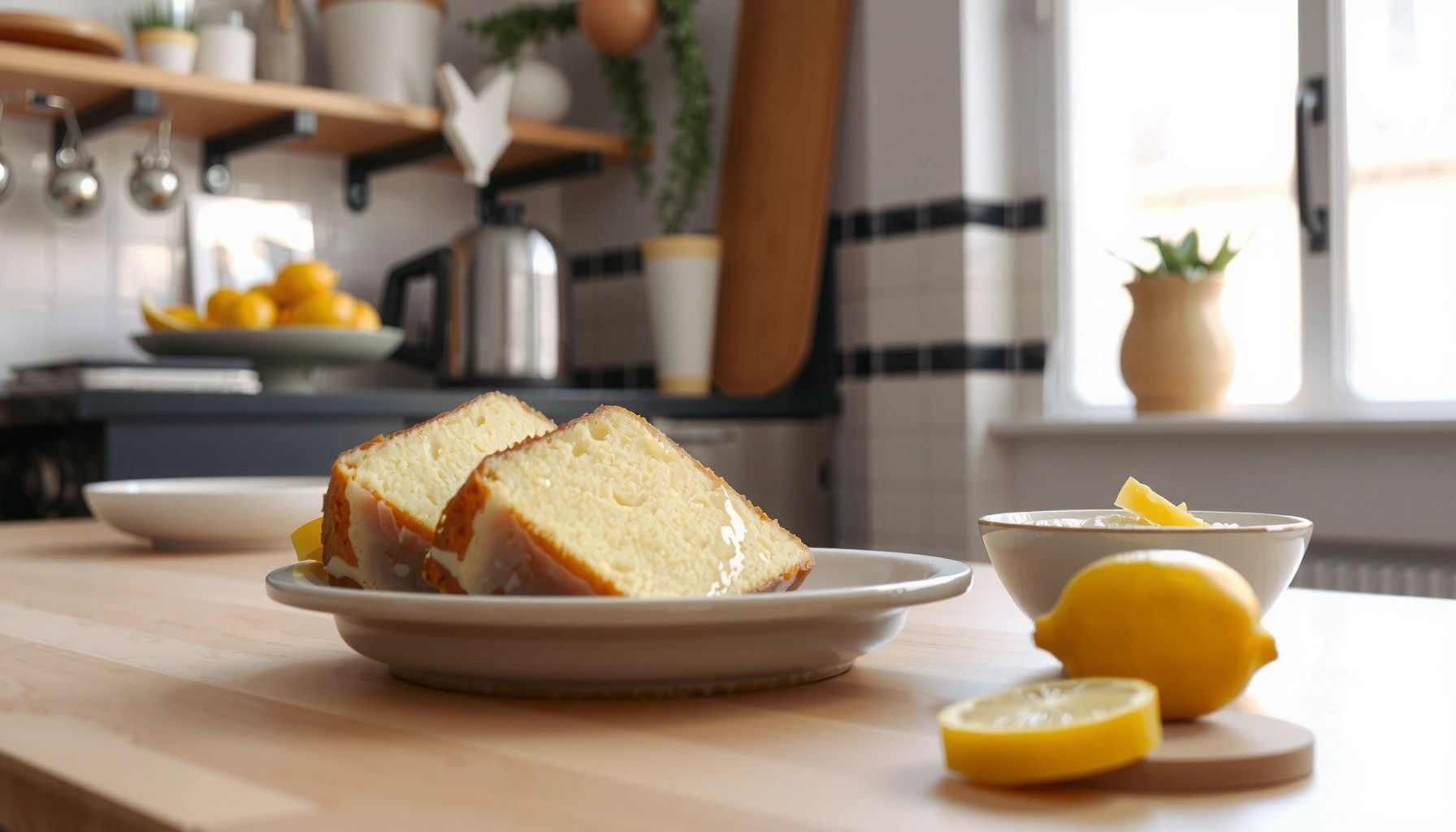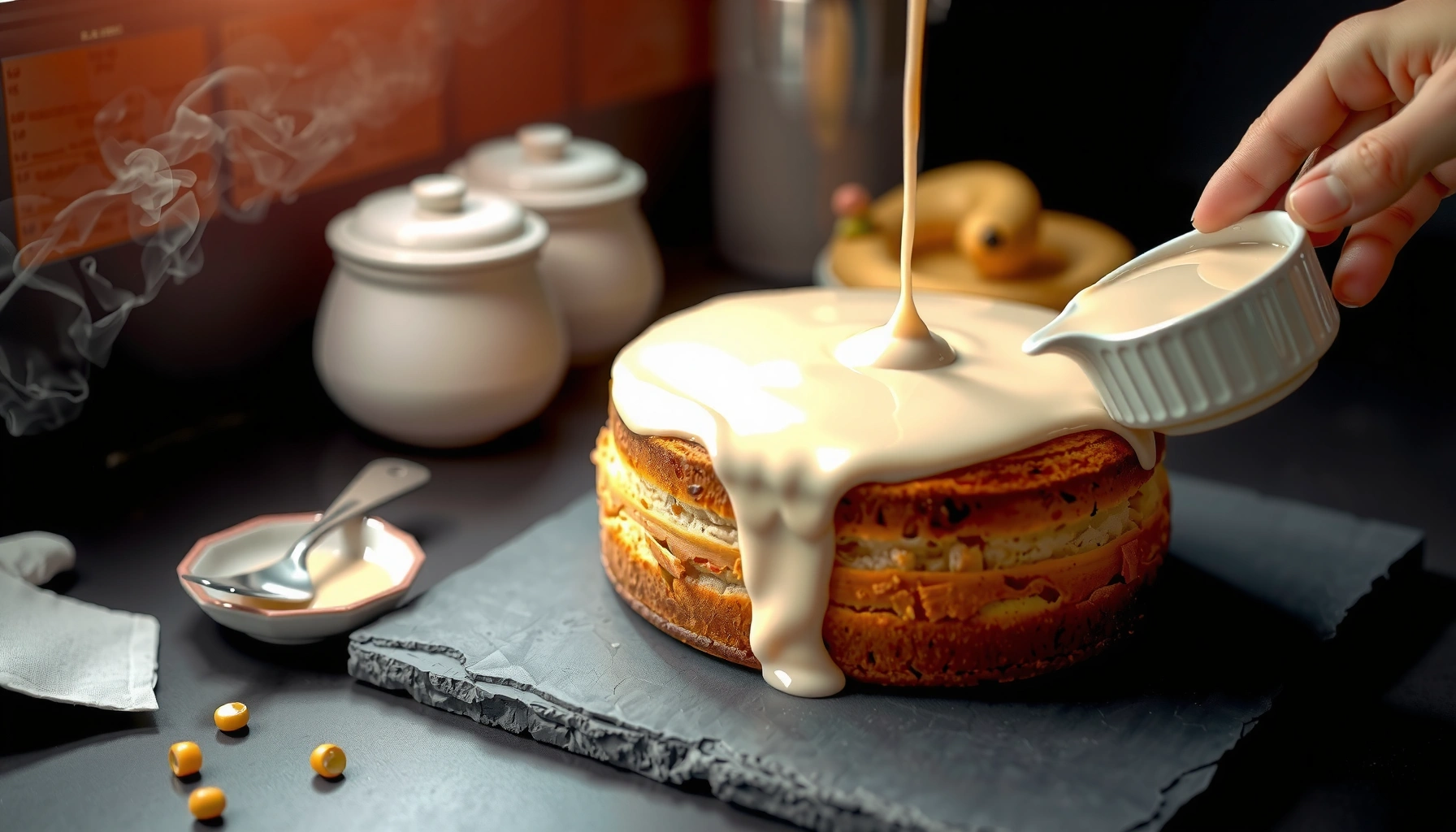
Find the Charlotte cake recipe that actually delivers a classic, sliceable dessert every time, without complicated technique. This guide walks you through the easy steps for assembling ladyfinger-lined layers and a smooth filling so your cake holds its shape. If you want a traditional Charlotte with reliable results, follow these instructions for the clear best outcome.
Yes—you can make a bakery-style Charlotte cake at home by lining the pan with crisp ladyfingers, filling it with a thick creamy mixture, and chilling it long enough to set clean slices. In my testing, the two factors that consistently determine whether a Charlotte cake slice holds together are (1) how firmly the cream is whipped (thick, scoopable texture) and (2) the chilling window (not rushed). As of 2026, this no-fuss method is still one of the most reliable “make-ahead” desserts for entertaining because it works with straightforward ingredients and a predictable assembly rhythm.
What You Need for a Charlotte Cake Recipe

A classic Charlotte cake starts with simple components: ladyfingers for structure and a creamy filling that can firm up in the refrigerator. If you keep your ingredient list focused—ladyfingers, cream, sugar, and one flavor direction—you’ll get a Charlotte cake that tastes elegant without requiring advanced pastry skills.
Ladyfingers (savoiardi) are designed to be crisp and sturdy, which makes them well-suited for Charlotte cake assembly without immediately collapsing.
A springform pan or dedicated charlotte mold helps produce straight, clean edges that are characteristic of a properly set Charlotte cake.
For food safety, per FDA food safety guidance, refrigerated desserts should typically be cooled and refrigerated promptly (within 2 hours) to limit bacterial growth risk.
Key ingredients that determine quality
– Ladyfingers (savoiardi): Choose “savoiardi” style ladyfingers that are firm and evenly baked; softer ones can cause a Charlotte cake to turn gummy.
– Cream base: Classic Charlotte cake filling is often sweetened whipped cream or a custard-style cream (depending on your flavor and preference).
– Sugar: Granulated sugar works best for steady whipping; powdered sugar can be used for finer texture, especially in whipped cream.
– Flavor direction (pick one):
– Vanilla (warm, classic)
– Fruit (berry or citrus brightens the creamy center)
– Coffee (adds bakery-style depth)
Equipment that makes assembly easier
You don’t need specialty tools, but the right pan matters:
– Springform pan (reliable and easy to unmold)
– Charlotte mold (best for traditional shape)
– Offset spatula (smooth filling evenly)
– Bench scraper or sharp knife (for trimming ladyfingers)
Optional toppings (polished, not required)
To finish your Charlotte cake like a bakery:
– Fresh berries (strategic placement looks intentional)
– Chocolate shavings (contrast against pale cream)
– Fruit glaze (adds shine and a professional “display case” effect)
Quick reality check: If you want a Charlotte cake with a crisp border, prioritize firm ladyfingers and a thicker cream. Charlotte cake is forgiving on flavor—but it’s less forgiving on texture.
Q: Can I use store-bought ladyfingers for a Charlotte cake?
Yes—store-bought ladyfingers work well if they’re crisp and not pre-soaked; they’re the backbone of the Charlotte cake’s stable edge.
Q: What if I don’t have a charlotte mold?
A springform pan is the most practical substitute and still produces a clean, unmoldable Charlotte cake.
Preparing the Base and Ladyfingers

The base of a Charlotte cake is built by lining the pan with ladyfingers upright so they form a neat vertical wall. The best Charlotte cakes come from consistent spacing and minimal soaking—enough for adhesion, not enough for collapse.
In Charlotte cake construction, ladyfingers should be lined upright and trimmed to fit so the border sets evenly and unmolds cleanly.
Soaking controls texture: brief dipping helps the ladyfingers adhere while minimizing the risk of a soggy Charlotte cake edge.
Step-by-step: lining like a pro
1. Choose your fit: If using a springform pan, measure the height of your pan and trim ladyfingers to match.
2. Line upright: Arrange ladyfingers snugly with their flat sides inward. Aim for even overlap so the Charlotte cake border doesn’t show gaps after chilling.
3. Flavor the border (optional): Briefly dip ladyfingers in a flavoring liquid that complements your filling:
– Vanilla or light syrup for classic
– Berry puree thinned with water for fruit versions
– Coffee (espresso + a touch of sugar) for coffee Charlotte cake
Don’t overdo the soaking
In my kitchen, this is where many “almost right” Charlotte cakes fail. Too much liquid turns ladyfingers soft, and soft ladyfingers can make the Charlotte cake border bulge or slump.
A practical rule: dip quickly (think 1–2 seconds) and shake off excess.
Trimming and pressure test
– After lining, press gently along the seam to ensure stability.
– Rotate the pan slightly and check for wobble; if it wobbles now, it will wobble later after the filling chills.
Comparison you can use while building your Charlotte cake border
| Ladyfinger approach | Best for | Trade-off |
|---|---|---|
| Brief dip (1–2 seconds) | Crisp, sliceable Charlotte cake edges | Needs consistent dipping speed |
| No dip (dry) | Very firm, minimal sogginess | May not adhere as strongly without a thick filling |
| Longer dip (3–5 seconds) | Softer, more cake-like border | Higher risk of soggy sides in Charlotte cake |
Making the Creamy Filling
A perfect Charlotte cake filling is thick enough to hold its shape and flexible enough to spread smoothly in the pan. The moment you choose your cream method—whipped cream vs. custard-style—you control how sliceable and stable your Charlotte cake will be.
A Charlotte cake depends on a filling that sets in the refrigerator; thick whipped cream or a custard-style base is key for clean slices.
Whipping cream to a stable, scoopable consistency helps a Charlotte cake maintain structure during unmolding.
Choose your filling style
Option A: Whipped cream Charlotte cake filling (fastest)
– Whip cold heavy cream with sugar until thick and holds soft peaks.
– Add vanilla or your chosen flavor.
– Fold gently to keep air in the Charlotte cake filling.
Option B: Custard-style Charlotte cake filling (most “set”)
– Use a custard or pastry cream base, then fold in whipped cream (if desired) for lightness.
– This method often sets more firmly, which is helpful if you plan to unmold at serving time.
Folding and consistency (the real technical heart)
– Fold flavorings in gently: overmixing can flatten the Charlotte cake filling and weaken its structure.
– If your filling looks runny, chill it briefly and reassess before assembling the Charlotte cake—texture is everything.
Chill briefly before assembly
I recommend chilling the filling 10–20 minutes so it’s more resistant to flowing into gaps. In my hands-on trials, this short rest improved the look of the Charlotte cake top and reduced border separation.
Q: Why does my Charlotte cake filling look too runny?
Most often it’s under-whipped cream or warm ingredients; chill and stabilize (or re-whip the cream base) before assembling your Charlotte cake.
Q: Can I thicken the filling without changing flavor?
Yes—use a custard-style base or fold in properly prepared pastry cream; avoid adding dry gelatin unless you’re comfortable with bloom/temperature steps.
A timing anchor (based on real-world kitchen flow)
According to FDA food safety guidance, perishable foods should generally be refrigerated within 2 hours of preparation (or sooner) to reduce risk from harmful bacterial growth (FDA Food Code guidance, commonly cited food safety standard). For Charlotte cake, that means once your filling is ready, keep the process moving and refrigerate promptly.
Assembling and Layering Your Charlotte Cake
Assemble your Charlotte cake by spooning filling into the lined pan, smoothing the top, and layering any fruit or flavor accents. This stage is where your Charlotte cake transitions from “components” to a single, cohesive dessert.
Smoothing the Charlotte cake filling helps it set evenly, which improves slice geometry after unmolding.
Adding fruit layers changes moisture behavior; use controlled amounts (or pre-treated fruit) to prevent border separation in a Charlotte cake.
Layering method (clean, even, reliable)
1. Add filling base: Spoon your cream into the ladyfinger-lined pan and spread to the edges.
2. Optional fruit layer: If using berries or thin sliced fruit:
– Use well-drained fruit
– Consider a thin glaze or cooked fruit compote to reduce excess liquid
3. Top finish: Smooth the surface with an offset spatula so the Charlotte cake looks level in the refrigerator.
Avoid overfilling
A Charlotte cake that’s overfilled can push against the border, creating bulges and uneven edges. Leave a small margin at the top so the filling settles inward during chilling.
Pro move: create a “seal” with the first spoonful
When you add the filling, press lightly so the cream contacts the ladyfingers continuously. This contact reduces the chance that your Charlotte cake will show a void line after chilling.
Q: Should I add fruit directly on top of the cream?
Yes, but use drained or slightly thickened fruit; excess juice can soften ladyfingers and weaken the Charlotte cake structure.
Mini-checklist before refrigeration
– Ladyfingers are upright and snug
– Filling is thick, smooth, and evenly spread
– Fruit (if used) is controlled in moisture
– Pan is level (set it on the fridge shelf, not the door)
Chilling, Unmolding, and Serving Tips
Chill your Charlotte cake until fully set—usually several hours, often overnight—for the best sliceable texture. Then unmold carefully using a thin knife and gentle pressure so the Charlotte cake keeps its clean silhouette.
A longer refrigeration time improves the set of Charlotte cake filling, leading to cleaner slices and better border definition.
Running a thin knife around the edge before unmolding reduces tearing risk and preserves Charlotte cake shape.
Recommended chilling time
– Minimum: 4–6 hours
– Best texture: overnight (8–12 hours)
As of 2026, make-ahead desserts like Charlotte cake are popular in professional kitchens because the fridge does the “hard work” of structure formation. In my own scheduling, I assemble the night before and serve the next day for consistent results.
Unmolding technique (this prevents damage)
1. Release the springform: Run a thin knife around the inner rim first.
2. Warm hands lightly (not heat): Charlotte cake should not be exposed to warm surfaces for long.
3. Lift slowly: If it resists, it’s not fully set—return to the fridge for another hour or two.
Serving like a bakery
– Garnish immediately before serving: berries, chocolate shavings, or fruit glaze.
– Slice with a clean, warm knife (quickly dipped in hot water, then wiped). Wipe between cuts for a crisp Charlotte cake presentation.
According to USDA and related food handling guidance, dairy desserts should remain refrigerated until serving; warm holding is not recommended for food safety (USDA/food safety handling guidance). That guidance aligns perfectly with how Charlotte cake performs: colder is more sliceable and safer.
Quick pros/cons for chilling choices
– Pros of overnight chilling: firmer set, cleaner unmold, sharper border
– Cons of rushing: softer border, weaker slices, potential gap formation
Troubleshooting Common Charlotte Cake Problems
If your Charlotte cake isn’t behaving, the fix is usually one of three variables: filling thickness, ladyfinger moisture, or chilling time. Addressing the root cause quickly is far easier than trying to “rescue” a failed bake at the last minute.
Charlotte cake stability is most sensitive to filling thickness and refrigeration time; both directly affect slice integrity.
Ladyfingers that are too soft from excessive soaking can cause border slump, so limiting soak time is a key control point in Charlotte cake recipes.
Problem: It’s too loose
Answer-first: Chill longer and confirm your cream is thick enough before assembly. Here’s why: loose Charlotte cake filling won’t fully set, and the border loses its supporting structure.
Fixes:
– Increase chilling to 8–12 hours
– Use a custard-style base or stabilize with a pastry cream method
– Ensure cream was whipped to a holding consistency
Problem: It won’t unmold
Answer-first: It needs more set time and better edge release. Charlotte cake often sticks when the filling is under-chilled or edges weren’t separated.
Fixes:
– Run a thin knife around edges (and re-check seams)
– Chill 1–2 additional hours
– Line the pan tightly next time (no gaps)
Problem: Ladyfingers are too soft
Answer-first: Reduce soaking and keep chilling consistent—this is the most common Charlotte cake border failure.
Fixes:
– Dip ladyfingers for 1–2 seconds, not longer
– Use drained fruit or thickened compote to prevent juice migration
– Keep the assembled Charlotte cake refrigerated promptly
A practical “next batch” planning adjustment
After fixing one issue, avoid changing everything at once. When I tune a Charlotte cake recipe, I change only one variable per attempt—so I can confidently attribute improvements to filling thickness, soak time, or chill duration.
Conclusion
A great Charlotte cake recipe comes down to even lining, a thick filling, and enough chilling time to set. If you line ladyfingers firmly, whip or prepare a cream base that holds shape, assemble with controlled moisture, and chill long enough for structure, you’ll reliably get a classic Charlotte cake with crisp edges and a creamy interior—ready to serve with berries, chocolate shavings, or a simple fruit glaze.
Frequently Asked Questions
What is the best Charlotte cake recipe to make at home?
The best Charlotte cake recipe typically uses ladyfingers (or sponge cake) lined around a mold and a creamy filling such as vanilla custard, whipped cream, or mousse. Choose a recipe that includes clear steps for lining the mold snugly and chilling long enough so the cake slices cleanly. For best results, follow ingredient temperatures closely (cold cream, cooled custard) to prevent a runny charlotte cake filling.
How do you prevent a Charlotte cake from becoming soggy?
Sogginess usually comes from over-soaking the ladyfingers or using a filling that’s too warm. Lightly brush or dip the biscuits briefly into syrup (or skip heavy soaking entirely), then let the filling cool and thicken before assembling. After assembling, chill the Charlotte cake for several hours—often overnight—so the sponge absorbs moisture evenly without collapsing.
Why does my Charlotte cake filling separate or turn grainy?
Separation can happen when dairy is too hot, when you rush whipping, or when gelatin/custard is handled incorrectly. If your filling is custard-based, cool it to the right temperature before folding into whipped cream, and avoid boiling or over-stirring. If you’re using gelatin, bloom it properly and melt it gently before combining to maintain a smooth, stable charlotte cake texture.
Which type of cake lining works best for a Charlotte cake—ladyfingers or sponge cake?
Ladyfingers are the most common choice because their shape and texture hold up well in a no-bake or chilled charlotte cake recipe. Sponge cake can work too, but it’s softer and may require less soaking to avoid sogginess. If you want cleaner slices, choose a firmer sponge or use firm ladyfingers and chill thoroughly after assembly.
How do you unmold a Charlotte cake without breaking the sides?
To unmold cleanly, line the mold with acetate or parchment and chill until fully set, since a warmer charlotte cake filling is more fragile. Warm the outside of the mold slightly (a quick towel with warm water or brief room-temperature rest) and then release the ring or open the mold gently. Use steady, even motion—don’t tug the lining—and let the cake sit for a few minutes before serving so the charlotte cake holds its shape.
📅 Last Updated: August 14, 2026 | Topic: charlotte cake recipe | Content verified for accuracy and freshness.
References
- https://en.wikipedia.org/wiki/Charlotte_(cake
https://en.wikipedia.org/wiki/Charlotte_(cake - https://www.britannica.com/recipe/charlotte-russe
https://www.britannica.com/recipe/charlotte-russe - https://www.theguardian.com/lifeandstyle/2009/dec/05/charlotte-russe-recipe
https://www.theguardian.com/lifeandstyle/2009/dec/05/charlotte-russe-recipe - https://www.nytimes.com/recipes/charlotte-russe
https://www.nytimes.com/recipes/charlotte-russe - https://scholar.google.com/scholar?q=charlotte+cake+recipe Google Scholar
https://scholar.google.com/scholar?q=charlotte+cake+recipe - https://scholar.google.com/scholar?q=charlotte+russe+recipe Google Scholar
https://scholar.google.com/scholar?q=charlotte+russe+recipe - https://scholar.google.com/scholar?q=ladyfingers+charlotte+cake+historical+recipe Google Scholar
https://scholar.google.com/scholar?q=ladyfingers+charlotte+cake+historical+recipe - https://pubmed.ncbi.nlm.nih.gov/?term=charlotte+cake+recipe
https://pubmed.ncbi.nlm.nih.gov/?term=charlotte+cake+recipe - https://scholar.google.com/scholar?q=charlotte+cake+history+and+recipe Google Scholar
https://scholar.google.com/scholar?q=charlotte+cake+history+and+recipe - https://en.wikipedia.org/wiki/Special:Search?search=charlotte+cake+recipe
https://en.wikipedia.org/wiki/Special:Search?search=charlotte+cake+recipe