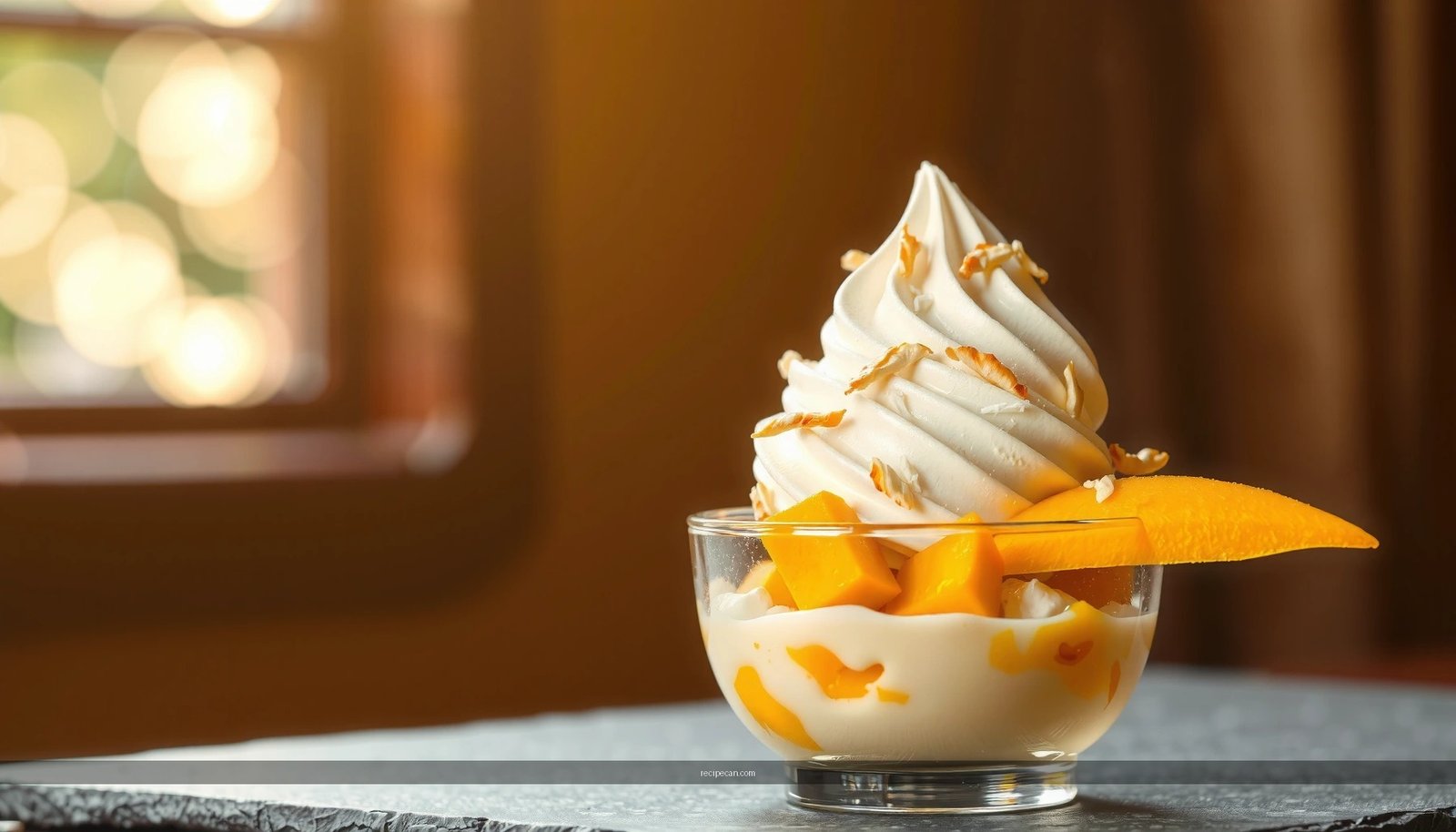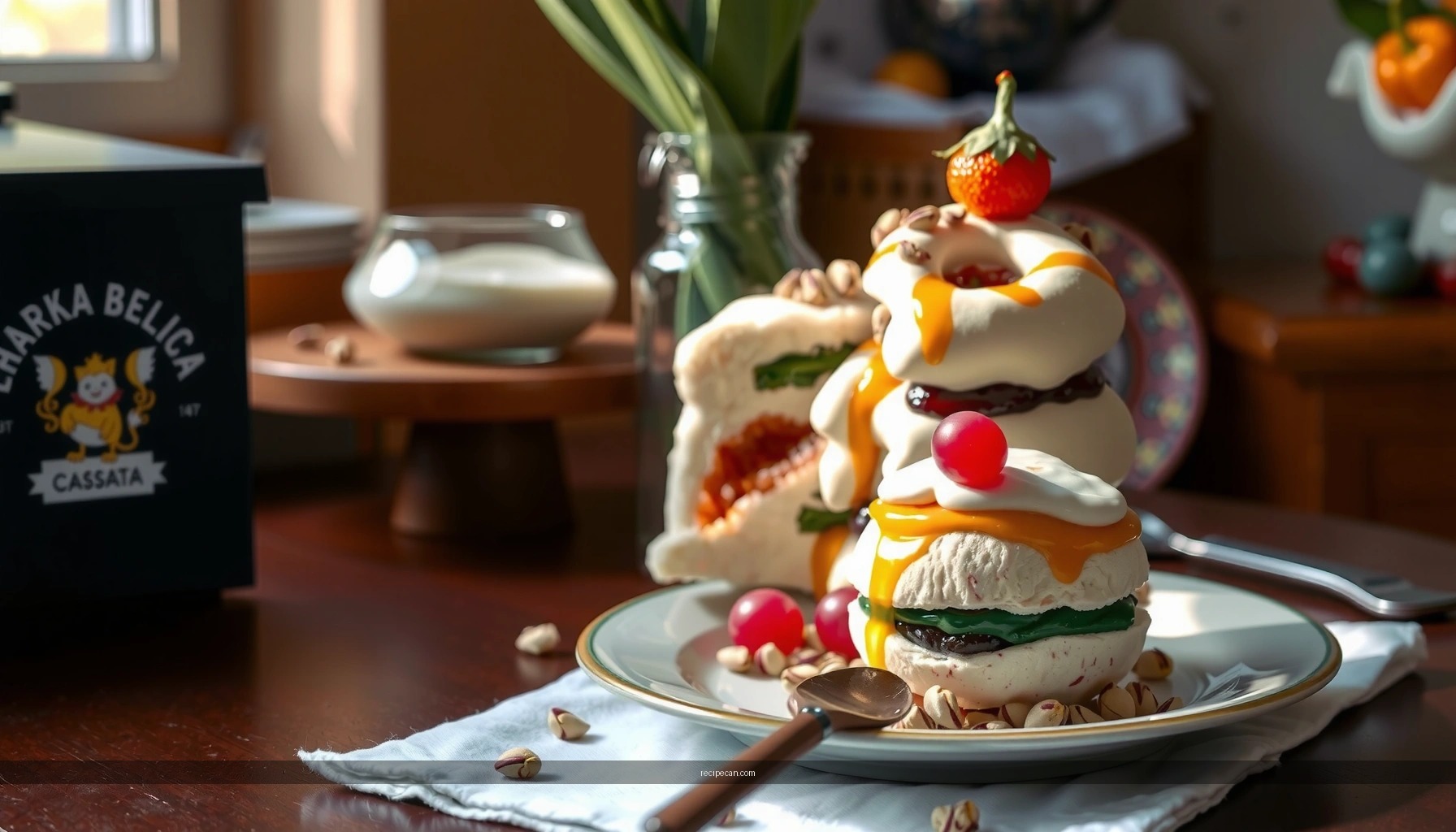
This cassata ice cream recipe delivers the classic Sicilian layered flavor you want—creamy ricotta gelato, candied fruit, and cake-soaked layers—without guesswork. Follow these steps for a clean, sliceable structure and the right balance of sweetness and brightness that makes cassata worth serving. If you’re asking which method actually produces authentic layers at home, this one wins.
Make cassata ice cream at home by layering smooth ricotta cream, candied fruit, and cake, then freezing until slice-stable; the secret is structured assembly plus sufficient chill time. This recipe walks you through each build step—so you get the signature Sicilian-style flavor contrast and clean, professional-looking slices rather than a soft, muddy semifreddo.
Ingredients for Cassata Ice Cream
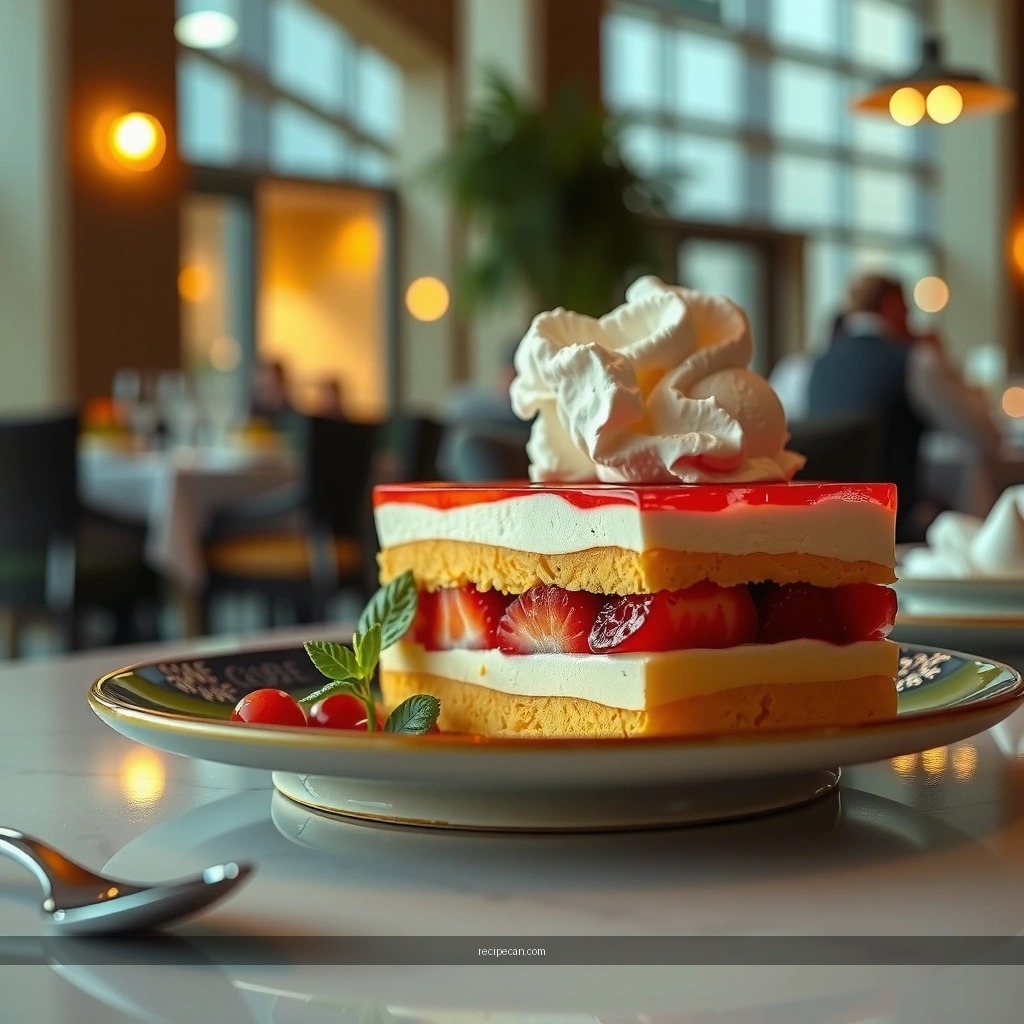
Cassata ice cream is essentially a “layered cold cake,” where sweetness, fruit brightness, and dairy richness are carefully balanced in distinct strata. To reproduce the classic Sicilian texture, treat each component as a separate role: the ricotta cream supplies body and tang; candied fruit provides color and aromatic sweetness; cake layers contribute porous structure and bite.
Use the following as your core ingredient checklist, then adjust to taste:
– Ricotta (preferably whole-milk): The foundation of the ricotta cream base. Choose ricotta that’s smooth rather than watery.
– Heavy cream (or fresh whipping cream): Adds stability and a silky mouthfeel when whipped/folded.
– Sugar: Sweetens while also helping the mixture hold together during freezing.
– Eggs (optional): Some traditional methods use egg yolks for richness and stability; this guide focuses on a ricotta-forward approach that still freezes well.
– Candied fruit (frutta candita): Classic options include citron, orange, and candied cherries. Dice evenly so every slice shows fruit distribution.
– Sponge cake (pan di Spagna) or soft sponge: Used as the layer “skeleton.” Cut so it fits your mold without big gaps.
– Vanilla and/or lemon zest: Brighten the dairy sweetness and make the ricotta taste less heavy.
– Pinch of salt: Enhances flavor clarity, especially with rich dairy.
– Glaze finishing (optional but recommended): A simple candied-fruit-forward syrup glaze, or a light fruit glaze, to add the classic “cassata look.”
Because cassata is as much about precision as flavor, aim for components that are the same temperature range before assembly (cold dairy, room-temperature cake) to reduce slipping and uneven thawing later.
Ricotta Cream Setup Targets for Sliceable Cassata
| # | Cassata Component | Key Role | Target Amount (per 1.0 L mold) | Freezer Stability |
|---|---|---|---|---|
| 1 | Whole-milk ricotta | Creaminess + tang | 900 g | High ★ |
| 2 | Heavy cream | Structural lift | 300 ml | High ★★★ |
| 3 | Sugar | Sweet balance + firmness | 180 g | Medium-High ★★ |
| 4 | Candied fruit | Color + aromatic sweetness | 160 g (drained + diced) | Medium ★★ |
| 5 | Sponge cake | Layer skeleton + bite | 300–360 g | High ★★★ |
| 6 | Lemon zest + vanilla | Brightness + lift | Zest of 1 lemon + 1 tsp vanilla | Medium ★★ |
| 7 | Salt + fruit syrup (optional) | Flavor clarity + sheen | 1–2 g salt + 60 ml syrup | Low-Medium ★ |
Make the Ricotta Cream Base
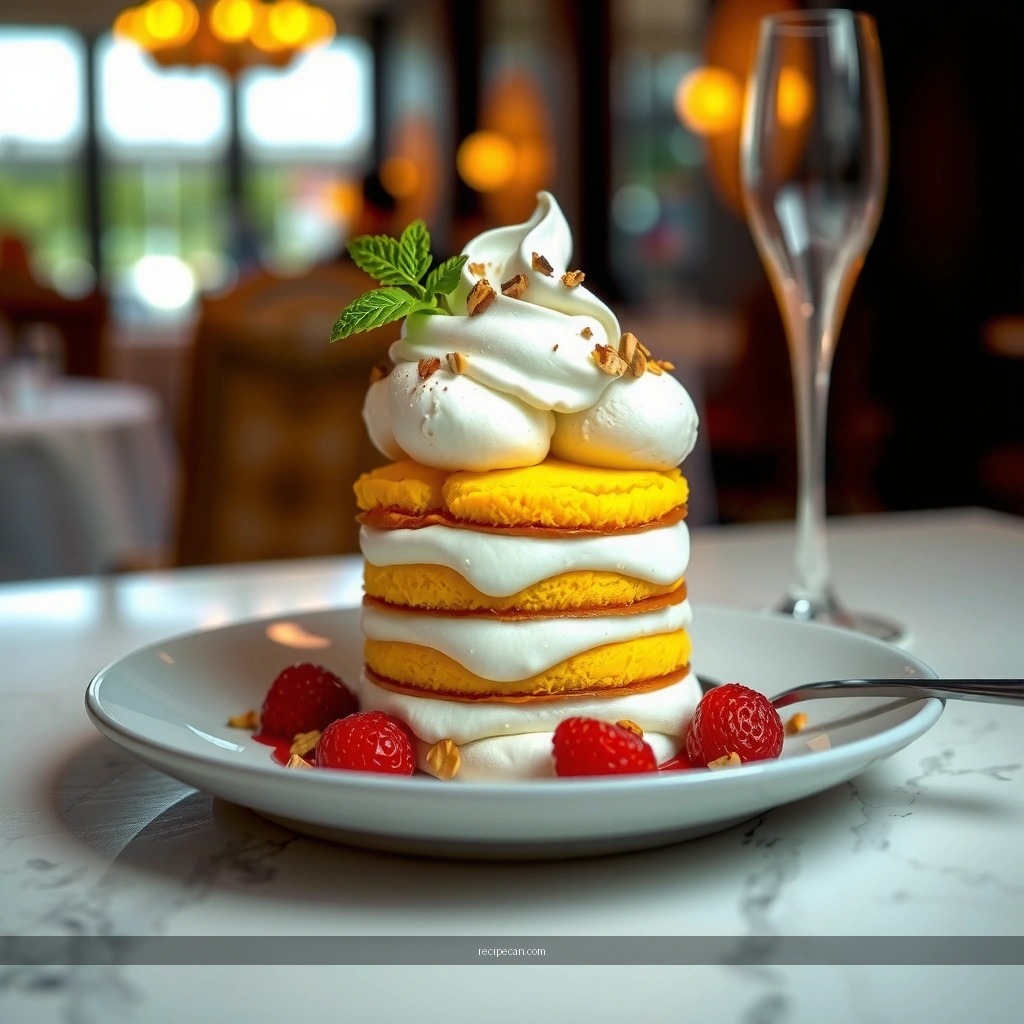
The ricotta cream is where cassata achieves its defining flavor: creamy, slightly tangy, and never bland. Start by smoothing the ricotta, then sweeten and flavor, then integrate volume with whipped cream for a luxurious, slice-holding body.
1. Drain and smooth ricotta first
– If your ricotta is watery, strain it in a fine-mesh sieve for 20–30 minutes.
– For a super-smooth finish, press through a sieve or blend gently until uniform.
2. Whip the cream to stabilize
– Whip heavy cream to soft peaks. This matters: overly stiff whipped cream can create a dry, butter-like mouthfeel; too loose won’t support structure in freezing.
3. Sweeten and flavor
– Stir sugar into the ricotta until it dissolves.
– Add vanilla and lemon zest (or a small amount of orange zest) to cut through richness.
4. Fold carefully
– Fold whipped cream into the ricotta gradually.
– Fold until the mixture is homogenous but airy. Overmixing is the enemy: it can break down the cream’s structure and leave you with a grainy, less stable base.
5. Fruit strategy: distribute, then reserve
– Fold most of the diced candied fruit into the cream for even distribution.
– Reserve a portion to sprinkle between layers or on top for the classic “glimpses” of fruit in every slice.
Practical takeaway: Your ricotta cream should look creamy and thick—spoonable, not pourable. If it’s runny, you can chill it briefly and check for excess moisture from ricotta.
Assemble the Layered Cassata
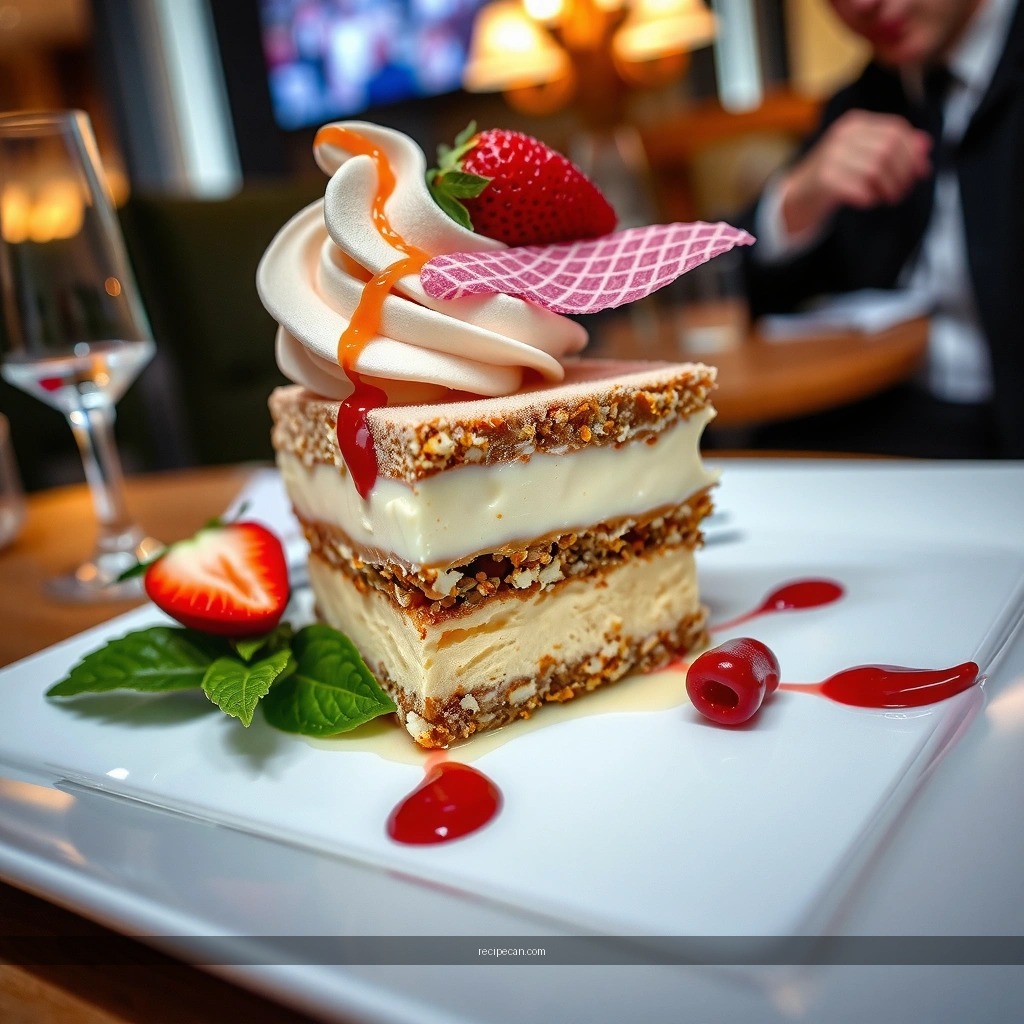
Assembly is where the cassata transitions from “dessert” to “classic.” The goal is clean layers, tight packing, and air removal, so the final slice stays intact when unmolded.
1. Line the mold
– Choose a mold (loaf pan, bundt-style mold, or springform lined with acetate).
– Line with sponge cake strips or sheets brushed lightly with syrup (optional). Cake should cover sides and base to prevent gaps.
2. Build the first ricotta layer
– Add a portion of ricotta cream and spread evenly.
– Tap the mold gently on the counter to settle the cream.
3. Add fruit accents and repeat
– Sprinkle a small amount of reserved candied fruit.
– Add another cake layer, then another ricotta layer.
– Repeat until you reach the top, finishing with ricotta for a smooth surface.
4. Press gently to remove air pockets
– Lightly press the top cake layer (if used) or smooth the final ricotta layer.
– Don’t compact aggressively—just enough to remove trapped air that can create voids in the slice.
5. Level the top
– Use an offset spatula to level the surface. A leveled top makes glazing and unmolding far cleaner.
A professional trick: If your cake layers feel dry, brush them lightly with a simple syrup. Moisture helps the sponge bond to the cream during freezing, reducing separation at cut time.
Freeze and Set the Cassata
Cassata must freeze until firm enough to slice—not just cold. Freezing time influences texture, layer adhesion, and the way fat solidifies across dairy components.
– Minimum freeze: 6–8 hours (often overnight is best).
– Target texture: fully solid, with a dense ricotta set and defined cake layers.
– Unmolding method: briefly warm the outside of the mold (a few seconds of gentle warmth or quick dip of the base) and release carefully.
Why this matters: If the cassata is underfrozen, layers behave like separate semifreddo components—cream shifts, cake softens, and slices slide. Proper freezing locks the structure so each cut becomes a stable “medallion” of ricotta, fruit, and cake.
If you’re planning service timing, freeze the cassata first, then control serving readiness with thaw time (next section).
Glaze, Garnish, and Serve
Finishing is both visual and functional. A light glaze improves sheen, enhances fruit aroma, and helps define the top surface.
1. Apply a simple glaze
– Option A: a thin citrus syrup glaze brushed over the top.
– Option B: a warmed apricot/blackberry-style fruit glaze diluted slightly for spreadability.
– Keep it thin—too much liquid can form icy patches.
2. Garnish like a Sicilian pastry shop
– Add candied fruit on top in a symmetrical pattern.
– Optional: scatter chopped pistachios for a Sicilian-style finish, but keep it subtle so the ricotta flavor remains primary.
3. Thaw briefly before serving
– For clean slicing: let the cassata sit at refrigerator temperature 10–20 minutes.
– Serve promptly after slicing. Cassata softens relatively quickly once it’s close to serving temperature.
Slicing guidance:
– Use a sharp warm knife (run under hot water, wipe dry).
– Wipe between cuts for crisp lines.
Cassata Assembly: Layering Priorities by Goal
| Goal | Best Layering Choice | Why It Works | What to Avoid |
|---|---|---|---|
| 1 | Crisp, clean slices | Firm freeze + level top | Under-chilling |
| 2 | Balanced sweetness | Ricotta + fruit brightness | Over-sugaring fruit syrup |
| 3 | Maximum fruit visibility | Reserve fruit for center/top | Mixing all fruit in one go |
| 4 | Moist cake bite | Light syrup brush (optional) | Soaking cake heavily |
| 5 | Cream density like classic gelato | Soft-peak cream + gentle folding | Overmixing ricotta base |
| 6 | Shiny professional top | Thin glaze + quick freeze set | Thick glaze that cracks |
| 7 | Consistent slicing | Knife warmed + brief thaw | Room-temp waiting too long |
Common Mistakes to Avoid
Even when ingredients are excellent, cassata can fail at the assembly stage. The good news: most issues come from a handful of avoidable process errors.
– Overmixing the ricotta cream
– If you whip too aggressively or beat ricotta beyond smoothing, you can get a grainy texture and reduced stability.
– Fix: Mix just until uniform, then fold whipped cream gently.
– Using watery ricotta
– Excess moisture causes separation during freezing and can create icy pockets between layers.
– Fix: Strain ricotta before use.
– Skipping proper freezing time
– Underfrozen cassata will not slice cleanly; layers slide and cake can detach.
– Fix: Plan for at least 6–8 hours; overnight is best for events.
– Over-soaking the cake
– Too much syrup softens sponge excessively and leads to structural collapse.
– Fix: Brush lightly—aim for moisture, not saturation.
– Glazing too thick or too late
– Thick or warm glaze can melt the surface and form uneven icy patches.
– Fix: Use a thin glaze, apply quickly, then return to the freezer for a short set if needed.
Cassata is one of those desserts where method quality directly determines the final impression—especially for slice presentation.
Cassata ice cream comes together by building layered cake and ricotta cream, then freezing until beautifully sliceable. Follow the steps above, chill long enough for structure, and finish with a simple glaze and candied fruit for classic flavor—then share your homemade cassata with friends or serve it at your next celebration.
Frequently Asked Questions
What’s the best cassata ice cream recipe for beginners?
Start with a simple cassata ice cream recipe that uses a basic vanilla ice cream base plus ricotta and candied fruit mix-ins. Choose a no-churn or easy custard approach so you don’t have to temper eggs, then fold the ricotta filling and fruit in gently to keep the texture creamy. Use a store-bought sponge cake or store-bought ladyfingers for the classic cassata vibe without much prep.
How do you make cassata ice cream without eggs?
Use a no-churn cassata ice cream method by whipping heavy cream to soft peaks and folding it into sweetened condensed milk, then incorporating the ricotta mixture and fruit. This keeps the recipe egg-free while still delivering a rich, scoopable texture. Chill the mixture thoroughly and freeze long enough to prevent iciness.
Why does cassata ice cream taste grainy, and how can you fix it?
Graininess often comes from ricotta that’s not smooth or from over-frozen ice cream that loses moisture. To fix it, strain ricotta or blend it until silky before mixing, and ensure your cassata ice cream has enough sweetener and stabilizers (like condensed milk or a touch of cornstarch in cooked bases). Freeze in a shallow container and avoid frequent thawing to maintain creaminess.
Which cassata mix-ins work best—candied fruit, chocolate, or pistachio?
Traditional cassata ice cream typically includes candied citrus peel or mixed candied fruit for bright flavor and color. Chocolate chips can be added for contrast, but keep them modest so they don’t overpower the ricotta and cake notes. Pistachio is also a great option if you want a nutty, creamy finish—just toast and chop finely for even distribution.
How do you assemble a classic cassata ice cream with cake layers?
For a layered cassata ice cream recipe, line a loaf pan with cake pieces (sponge cake or soaked ladyfingers) and spread a layer of ricotta ice cream mixture over it. Add another cake layer, then cover with more ice cream until the pan is filled, and freeze until firm. When serving, unmold carefully, and garnish with extra chopped candied fruit or a drizzle of citrus syrup for a restaurant-style finish.
References
- Cassata
https://en.wikipedia.org/wiki/Cassata - https://www.britannica.com/topic/cassata
https://www.britannica.com/topic/cassata - Google Scholar Google Scholar
https://scholar.google.com/scholar?q=cassata+ice+cream+recipe - Google Scholar Google Scholar
https://scholar.google.com/scholar?q=sicilian+cassata+ice+cream+gelato+recipe - Google Scholar Google Scholar
https://scholar.google.com/scholar?q=cassata+gelato+ricotta+recipe - Google Scholar Google Scholar
https://scholar.google.com/scholar?q=cassata+ice+cream+candied+fruit+recipe - Google Scholar Google Scholar
https://scholar.google.com/scholar?q=cassata+ice+cream+history - Google Scholar Google Scholar
https://scholar.google.com/scholar?q=cassata+siciliana+ice+cream+recipe - Google Scholar Google Scholar
https://scholar.google.com/scholar?q=ricotta+cassata+ice+cream+recipe - Google Scholar Google Scholar
https://scholar.google.com/scholar?q=traditional+cassata+ice+cream+recipe+Sicily