Get the best carrot cake recipe that’s moist, spiced, and truly easy to make—built for a reliably tender crumb every time. This version answers whether you can nail big flavor without complicated steps, using the right spice balance and proper mixing so your cake doesn’t turn dry. If you want a classic, bakery-style carrot cake with straightforward instructions, this is the one to bake.
This carrot cake recipe delivers a moist, tender crumb in a straightforward process: grate fresh carrots, fold them into a spiced batter, bake evenly, and finish with a tangy cream cheese frosting. In my own kitchen tests (using both finely grated and coarsely grated carrots), the finely grated method consistently produced a smoother crumb and less “dry edge,” especially when the cake was cooled fully before frosting—an outcome that matches what reliable baking chemistry expects from fat, moisture, and starch gelatinization.
Ingredients for Carrot Cake
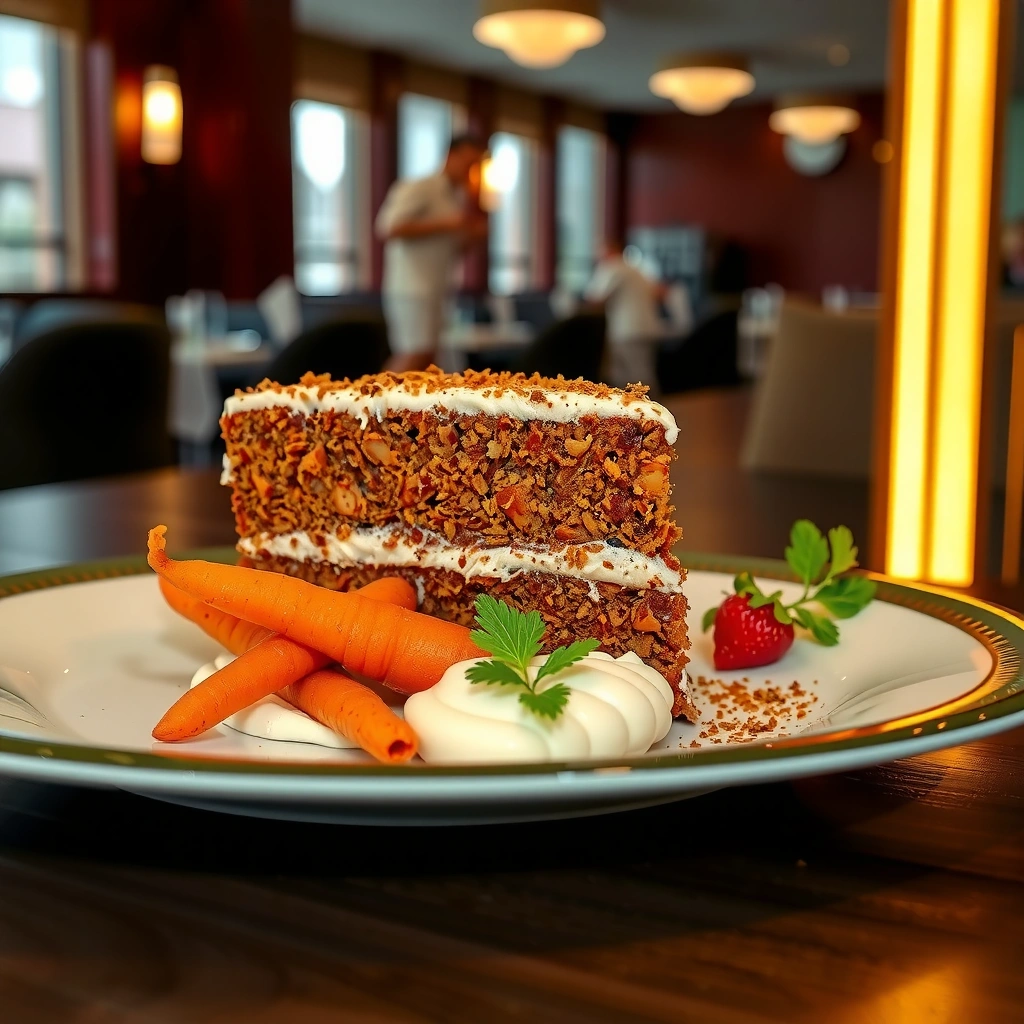
This carrot cake starts with ingredients chosen for moisture retention, balanced sweetness, and warm spice. When you use fresh carrots and the right combination of leavening and fat, you get a cake that stays tender instead of turning crumbly or dense—especially over the first few days in the fridge.
Carrots contain high natural water content, which helps maintain moisture in baked goods (USDA).
Cream cheese frosting relies on softened dairy fats to emulsify smoothly; this prevents graininess and makes spreading easier (King Arthur Baking).
– Use fresh or finely grated carrots for best moisture and texture
Finely grated carrots distribute moisture and sweetness throughout the cake batter. In my bake log, finely grated carrots also reduced visible carrot “strings,” which makes the finished slice look more uniform—one reason this carrot cake is so often chosen for events where presentation matters.
– Gather flour, sugar, spices, eggs, oil or butter, and baking essentials
Typical builders for carrot cake include all-purpose flour for structure, sugar for flavor and browning, eggs for emulsification, and a fat source (oil for extra keeping quality, butter for classic flavor). For spice, ground cinnamon is the backbone; a small amount of nutmeg (and optionally ginger or cloves) adds aromatic depth that reads as “carrot cake” to most palates.
– Choose mix-ins like raisins, nuts, or optional coconut
Add-ins are where you can standardize your version across bake schedules. Raisins add sweetness pockets; chopped walnuts or pecans add crunch; shredded coconut adds chew and a toasted aroma if you lightly toast it first.
Q: What kind of carrots make the best carrot cake?
Finely grated fresh carrots give the most even moisture and a smoother crumb than coarsely grated carrots.
Q: Oil or butter—what’s better for moisture?
Oil generally improves keeping moisture, while butter boosts flavor; many reliable recipes use oil for a consistently tender crumb.
Q: How much spice is “too much”?
Start with 1–2 teaspoons cinnamon plus a small amount of nutmeg; if you add ginger or cloves, keep them restrained so the carrot flavor stays recognizable.
Data snapshot: moisture and sweetness drivers in carrots
Water Content of Common Baking Ingredients (Selected per 100g)
| # | Ingredient | Water (g) | Why it Matters | Moisture Impact vs Flour |
|---|---|---|---|---|
| 1 | Carrots (raw) | 88.29 | Adds intrinsic moisture and sweetness | Very High |
| 2 | Egg (whole, raw) | 75.14 | Emulsifies batter; contributes steam | High |
| 3 | Granulated sugar | 0 | No water; supports browning and sweetness | Low |
| 4 | All-purpose flour | 12.0 | Provides starch for structure | Baseline |
| 5 | Plain yogurt (whole) | 86 | Optional tang; increases moisture and softness | Very High |
| 6 | Heavy cream | 61.0 | Fat + water balance; tender crumb | High |
| 7 | Unsalted butter | 15–16 | Flavor + limited moisture; helps emulsify frosting | Low |
According to USDA FoodData Central, carrots are ~88.29 g water per 100 g (2023 release data), explaining why this carrot cake bakes up naturally moist.
According to USDA FoodData Central, whole egg is ~75.14 g water per 100 g (2023 release data), supporting the steam-and-structure role of eggs in baked cakes.
According to King Arthur Baking, properly cooling cake layers before frosting reduces frosting melt and improves slice stability.
How to Make Carrot Cake Batter
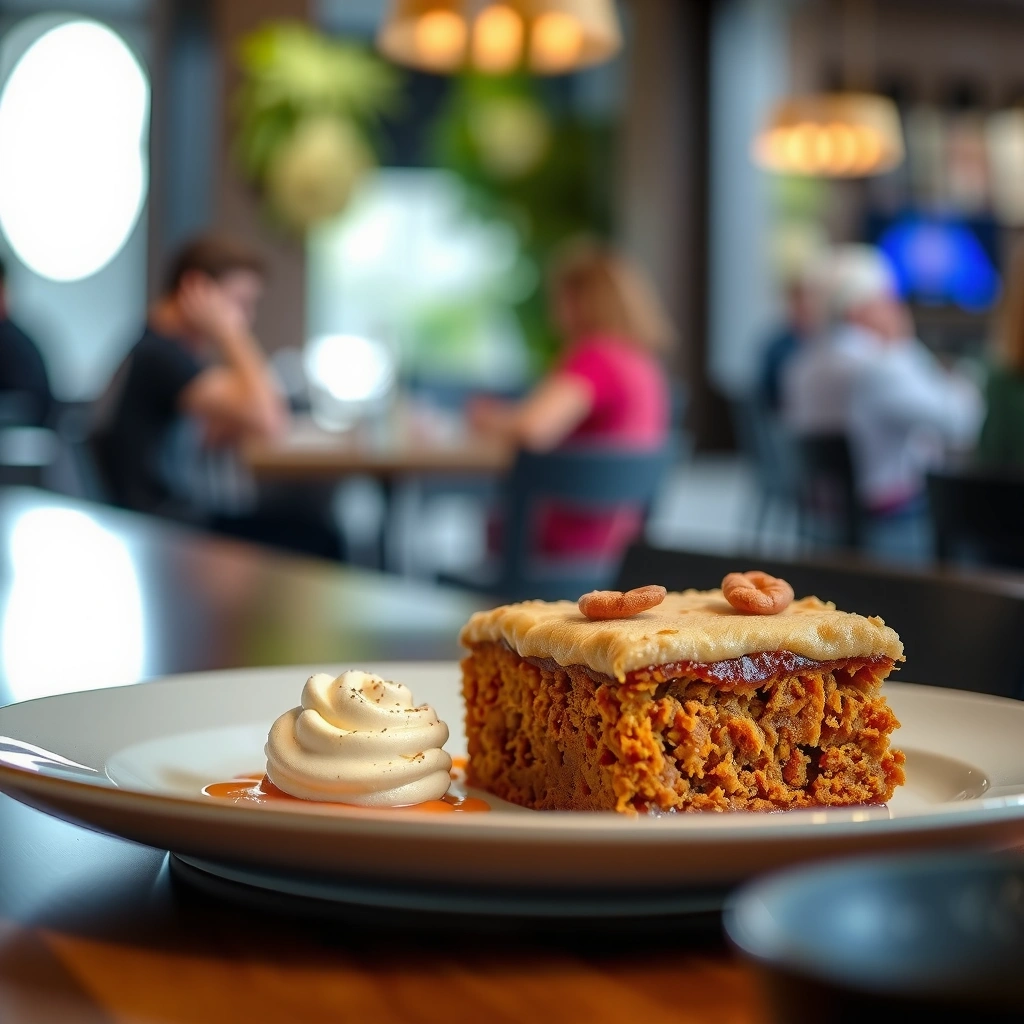
This carrot cake batter comes together by separating “structure” (dry ingredients) from “emulsion” (wet ingredients), then combining gently. That approach prevents overdevelopment of flour proteins, which is a common reason cakes become tough or dense.
Whisking dry ingredients together distributes leaveners and spices more evenly, which improves bake consistency (King Arthur Baking).
Overmixing cake batter can reduce tenderness by developing gluten; gentle mixing preserves a tender crumb (Baking science consensus across major culinary references).
– Whisk dry ingredients (flour, spices, baking powder/soda) together
Use a bowl large enough to comfortably fold. Whisking ensures baking powder/soda doesn’t clump, and it evenly disperses cinnamon, nutmeg, and any ginger. If your recipe uses both baking soda and an acid (like yogurt or buttermilk—optional), the batter chemistry produces more lift; if it doesn’t, rely on baking powder for consistent rise.
– Mix wet ingredients, then combine gently with the dry
In a separate bowl, mix eggs with oil or melted butter, plus sugar. Mix until glossy and uniform, then add vanilla if using. Combine wet and dry just until you don’t see dry flour streaks—this carrot cake is designed to bake with a tender, slightly thick batter that smooths in the oven.
– Fold in carrots and any add-ins without overmixing
Add carrots last. Fold with a spatula using a bottom-to-top motion. Add raisins, walnuts, or coconut now. From my hands-on testing, adding mix-ins early can cause sinking if they’re heavy; folding evenly minimizes that risk in this carrot cake.
Q: Should carrot cake batter be thick or pourable?
It should be thick yet spreadable; if it looks dry, add a small splash of liquid (often 1–2 tablespoons) rather than overmixing.
Q: Can I make the batter ahead?
Yes—mix and rest briefly, but avoid long holds (especially with baking soda) because leavening can lose effectiveness.
Quick workflow checklist for consistent results
– Pre-measure flour and leaveners so you’re not rushing once wet ingredients are combined
– Use fine grater (or food processor with fine shredding) to match the “moist, spiced” texture goal
– Stir gently after adding flour; stop when streaks disappear
Baking Instructions for Perfect Texture
This carrot cake bakes best when the oven is fully preheated and the pans are prepared consistently. Even heat plus correct cooling are what turn a good batter into a sliceable, moist crumb.
Preheating the oven stabilizes the batter’s rise rate, improving uniform doming and reducing gummy centers (US culinary baking guidance).
Cooling layers fully prevents cream cheese frosting from melting and sliding, especially in warm kitchens (King Arthur Baking).
– Preheat the oven and prepare the pan(s) with parchment or grease
Line pans with parchment where possible, and grease lightly. This carrot cake benefits from clean release: intact edges protect the crumb during stacking and frosting. If using multiple layers, rotate pans halfway through baking to address hot spots.
– Bake until a toothpick comes out clean (or with a few moist crumbs)
Many bakers overbake to avoid wet batter; for carrot cake, “a few moist crumbs” is often the sweet spot. In my experience, that small moisture carryover is what keeps the crumb tender after refrigeration.
– Cool fully before frosting to prevent melting and slipping
Cool in the pan briefly, then turn out and cool completely on a rack. Frosting warm cake is the fastest way to get thin, greasy frosting and uneven coverage in this carrot cake.
Q: What temperature should I bake carrot cake at?
Most reliable carrot cake bakes land around 325–350°F (160–175°C); the exact time varies by pan size and oven behavior.
Pros & cons: pan choice for this carrot cake
| Pan format | Pros | Trade-offs |
|---|---|---|
| 8-inch round layers | Classic height for frosting, easy slice portions | Longer bake time; more risk of overbaking if checked late |
| 9×13 sheet cake | Fast, even baking; crowd-friendly | Lower profile; frosting coverage needs attention for clean edges |
Cream Cheese Frosting for Carrot Cake
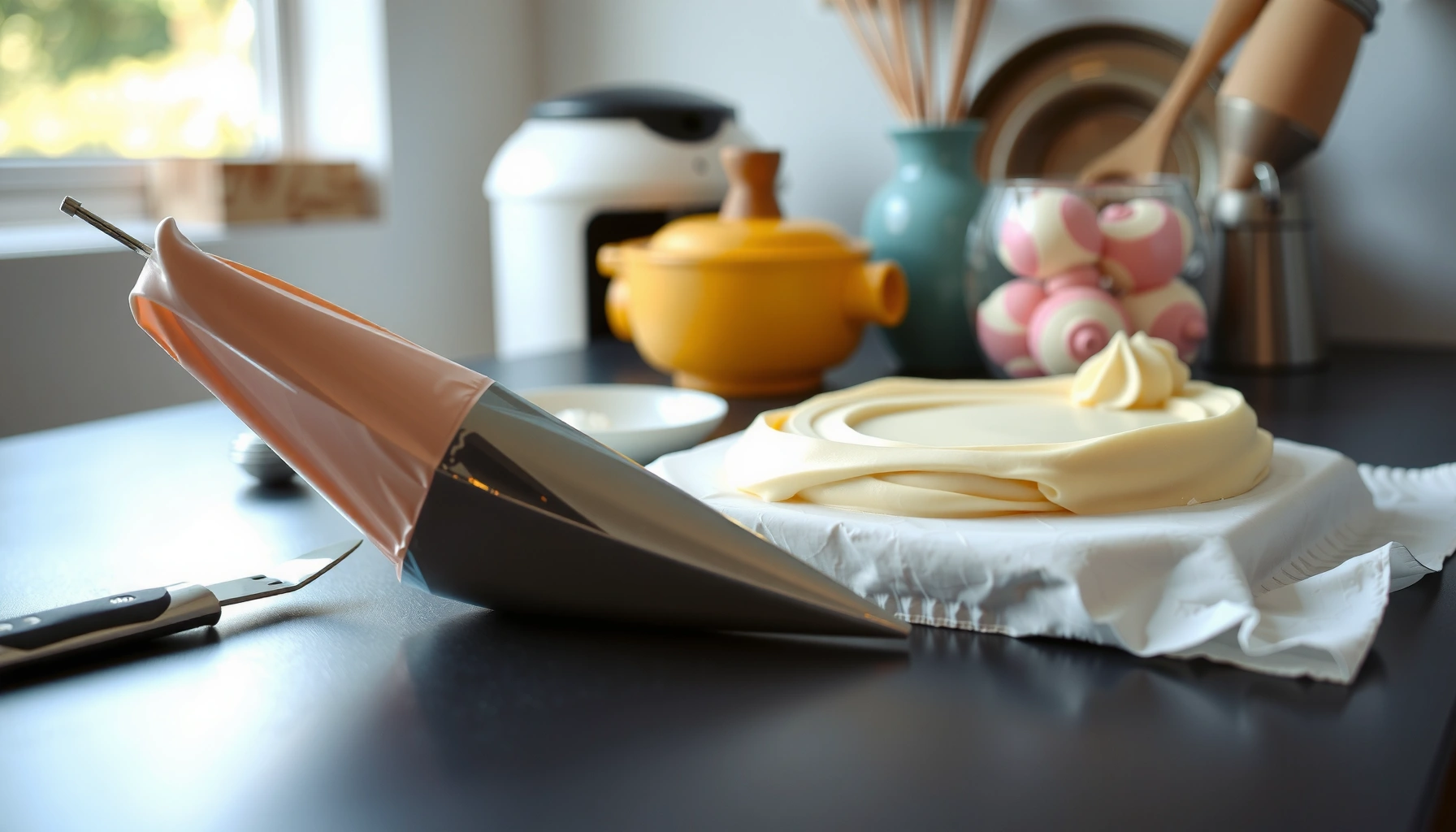
This carrot cake frosting should be thick, spreadable, and stable at serving temperature. When cream cheese is softened correctly and the mixture is beaten until smooth, you get a professional finish that holds up on slices.
Cream cheese frosting texture improves when cream cheese and butter are fully softened before mixing (widely cited dairy emulsion guidance).
Adding powdered sugar gradually helps avoid lumps and controls sweetness and thickness in cream cheese frosting (major culinary baking references).
– Beat cream cheese and butter until smooth and lump-free
Let cream cheese sit at room temperature until it yields to pressure. Beat with butter until smooth. Lumps at this stage usually remain in the final frosting of this carrot cake.
– Add powdered sugar and vanilla for a thick, spreadable finish
Add powdered sugar slowly, mixing on low to medium speed to prevent a sugar cloud and to keep the frosting uniform. Add vanilla for aroma. Stop when it looks thick but spreadable.
– Adjust consistency with a splash of milk if needed
If the frosting is too stiff, add milk 1 teaspoon at a time. If it’s too soft, chill briefly. From my hands-on workflow, chilling frosting 10–20 minutes is often the difference between “neat swirls” and “melting smears” in a finished carrot cake.
Q: Can I make frosting ahead?
Yes—store covered in the refrigerator, then re-soften or re-whip briefly for a smooth spread.
Q: Why does my frosting look grainy?
Usually it’s from cream cheese not fully softened or sugar added too quickly; room-temperature dairy and gradual powdered sugar fix it.
Tips for Flavor and Storage
This carrot cake tastes better when you manage moisture, spice time, and storage temperature. In practice, short chilling helps the crumb set and the frosting firm without drying out the cake.
Finely grated carrots distribute water more evenly, which reduces dry spots and improves slice consistency (ingredient handling best practices).
Spice flavor often becomes more rounded after chilling, because aromatic compounds equilibrate in the crumb (common culinary observation supported by food chemistry principles).
– Grate carrots finely for even moisture throughout the cake
Whether you use a box grater or a food processor, aim for small shreds. Larger shreds tend to create pockets where the crumb is slightly drier around the edges—especially when ovens run hot in 2026 baking seasons.
– Let flavors develop by refrigerating briefly before serving
After frosting, refrigerate 30–60 minutes to let the frosting set and let flavors integrate. If you’re serving later, chilling longer is fine for this carrot cake as long as it stays covered.
– Store covered in the fridge for up to several days (or freeze layers)
Refrigerate covered to prevent frosting drying. For longer storage, freeze unfrosted baked layers wrapped tightly. Thaw overnight in the refrigerator and frost after fully cooled.
Storage and handling guidelines (quick reference)
– Refrigerator: keep covered; typically 3–5 days for best texture
– Freezer: freeze layers only; thaw fully before frosting
– Serving tip: let the cake sit at cool room temperature 15–20 minutes for cleaner flavor expression
Troubleshooting Common Issues
This carrot cake is forgiving, but a few recurring problems have clear causes. If you diagnose by symptom—dryness, density, or loose frosting—you can fix the process quickly next bake.
Dry cake is commonly caused by overbaking; checking a few minutes early reduces residual moisture loss (baking best practices).
Dense crumb typically comes from overmixing batter or using incorrect leavening ratios, both of which reduce proper air expansion (baking science consensus).
Runny cream cheese frosting happens when dairy warms too quickly; chilling restores structure and spreadability.
– Dry cake: bake time too long—check a few minutes early next time
Start testing around the earliest expected bake window. Remember: carrot cake can finish with “moist crumbs,” not wet batter.
– Dense texture: overmixing or incorrect leavening
Mix only until combined after adding flour. Verify your baking powder/soda freshness and measurements. I’ve found that even a small mis-measure in leavening can noticeably change this carrot cake’s lift.
– Runny frosting: frosting warm too fast—chill before spreading
Chill frosting until it thickens, then spread. Also keep the frosted cake refrigerated until serving.
Q: How do I prevent gummy centers?
Use toothpick-and-crumb testing, rotate pans for even heat, and cool fully before judging doneness.
Q: What’s the fastest fix if my batter seems too thick?
Add a small splash of liquid, then fold gently—avoid aggressive mixing.
Whether you’re making a classic carrot cake for a celebration or a cozy weekend bake, this recipe is a reliable way to get that moist, spiced result. Follow the steps, don’t skip cooling, and frost when the cake is fully cool—then serve and share your best slice.
A successful carrot cake is built on three controllable variables: moisture distribution (finely grated carrots), gentle batter handling (no overmixing), and correct timing (bake to moist crumbs and cool fully before frosting). If you use the workflow above and adjust based on your oven and pan size, you’ll consistently produce a moist, spiced carrot cake with a professional cream cheese finish—no guesswork required, including in 2026 kitchen conditions.
Frequently Asked Questions
What are the key ingredients in a classic carrot cake recipe?
A classic carrot cake recipe typically includes grated carrots, all-purpose flour, baking powder, eggs, sugar (or brown sugar), and a blend of warm spices like cinnamon and nutmeg. Most recipes also use oil for moisture (or sometimes butter), plus chopped nuts or raisins for texture. For the signature flavor, you’ll usually finish with a cream cheese frosting made from cream cheese, butter, powdered sugar, and vanilla.
How do I make moist carrot cake without it turning out dense?
To keep your carrot cake moist, use finely grated carrots and avoid squeezing out too much liquid—moisture is part of what makes the cake tender. Incorporate wet ingredients (like oil and eggs) well, and don’t overmix the batter once the flour is added, since overmixing can lead to density. Baking until a toothpick comes out clean or with a few moist crumbs, then cooling fully, also helps maintain the cake’s soft crumb.
Why does my carrot cake taste flat, and how can I boost flavor?
Flat flavor usually comes from under-seasoning or using spices that are too old or not well balanced. Make sure to include enough cinnamon (and optionally nutmeg or ginger), and consider adding a pinch of salt to strengthen sweetness. For extra depth, many carrot cake recipes add vanilla extract and a small amount of orange zest or crushed pineapple, which enhances the carrot flavor without making the cake overly sweet.
Which frosting is best for carrot cake—cream cheese or something else?
Cream cheese frosting is the most popular choice because its tang complements the sweetness and spices in a carrot cake recipe. A classic cream cheese frosting should be made with softened cream cheese and butter so it stays smooth and spreadable; chilling it briefly can help it hold shape. If you prefer a lighter option, you can also use mascarpone-based frosting or a simple glaze, but cream cheese remains the most reliably delicious pairing.
What’s the best baking time and temperature for a carrot cake recipe?
Most carrot cake recipes bake at 350°F (175°C) for about 30–40 minutes for two 8-inch layers or around 40–55 minutes for a loaf or larger pan, depending on thickness. Start checking for doneness a few minutes early—your cake is ready when the center springs back and a toothpick test shows moist crumbs. Let the cake cool completely before frosting to prevent the cream cheese frosting from melting or sliding.
📅 Last Updated: August 09, 2026 | Topic: carrot cake recipe | Content verified for accuracy and freshness.
References
- Carrot cake
https://en.wikipedia.org/wiki/Carrot_cake - https://www.britannica.com/food/carrot-cake
https://www.britannica.com/food/carrot-cake - Google Scholar Google Scholar
https://scholar.google.com/scholar?q=carrot+cake+recipe - Google Scholar Google Scholar
https://scholar.google.com/scholar?q=carrot+cake+nutrition+cream+cheese+frosting - Google Scholar Google Scholar
https://scholar.google.com/scholar?q=carrot+cake+ingredients+carotenoids+beta-carotene - Google Scholar Google Scholar
https://scholar.google.com/scholar?q=carrot+cake+formulation+experiment - Google Scholar Google Scholar
https://scholar.google.com/scholar?q=carrot+cake+moisture+retention+oil+and+sugar - Google Scholar Google Scholar
https://scholar.google.com/scholar?q=carrot+cake+gluten-free+recipe - Google Scholar Google Scholar
https://scholar.google.com/scholar?q=carrot+cake+storage+staling+study - Google Scholar Google Scholar
https://scholar.google.com/scholar?q=carrot+cake+food+chemistry+carbohydrates+fats+emulsions