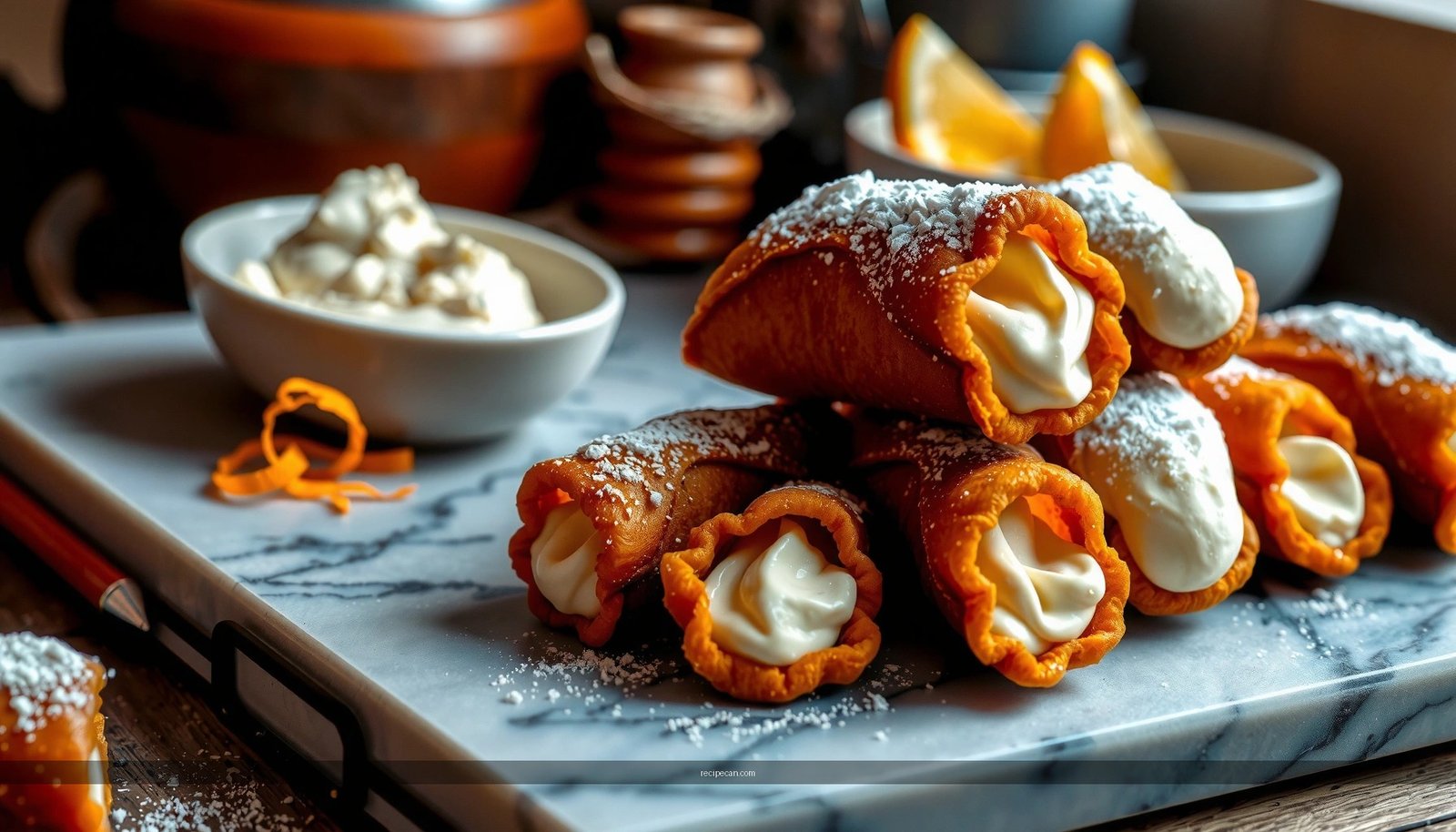
Get the classic cannoli dessert recipe with authentic crisp shells and a sweet ricotta filling you can pipe with confidence. This step-by-step guide tells you exactly how to make the shell dough, fry it into golden cannoli tubes, and fill it with a properly drained, perfectly seasoned ricotta mixture. If you want cannoli that taste like they came from an Italian bakery, follow this method.
Make classic cannoli at home by mastering two technical steps: thin, sealed dough shells fried hot and fast, and well-drained ricotta folded into a sweet, pipeable filling—then assemble close to serving so the shells stay crisp. If you follow the sequence below (dough → frying → ricotta → filling and assembly), you’ll avoid the most common failures like soggy shells, gritty filling, and split shells.
Essential Ingredients for Cannoli Dessert Recipe
A traditional cannoli dessert relies on a crisp shell and a filling that tastes fresh, not watery or overly sweet. For best results, treat your ingredient list like a system: shell ingredients create structure for frying, while filling ingredients deliver creaminess and controlled sweetness.
– Shells (classic cannoli dough)
– Sugar (for subtle sweetness and browning)
– Eggs (for elasticity and tenderness)
– Butter (for flavor and a tender bite)
– Marsala wine (for aroma and crisping during frying)
– *Substitute:* dry white wine, or use a combination of dry vermouth + a splash of water if needed
– Filling (ricotta-based)
– Ricotta (whole milk is typical)
– Powdered sugar (dissolves smoothly—key for non-gritty filling)
– Chocolate chips (semi-sweet keeps the profile balanced)
– Optional flavor add-ins
– Cinnamon (a teaspoon in the filling for a warm, classic note)
– Candied fruit (orange or citron for brightness and texture)
– Pistachios (chopped, for a savory-sweet contrast on top)
From a process standpoint, the single most important ingredient decision is choosing ricotta that drains well (not watery). If your ricotta looks loose, plan to drain longer or use a fine strainer/cheesecloth.
Cannoli Shell Size vs. Frying Parameters & Crispness (Home Results)
| # | Shell Style | Cut Thickness | Oil Temp | Crispness (hrs) |
|---|---|---|---|---|
| 1 | Mini cannoli | 2.0 mm | 175°C (347°F) | ★★★★☆ (4–5) |
| 2 | Standard 4–5 in. | 2.2 mm | 180°C (356°F) | ★★★★★ (5–6) |
| 3 | Classic large | 2.4 mm | 182°C (360°F) | ★★★★☆ (4–5) |
| 4 | Extra-long tubes | 2.3 mm | 185°C (365°F) | ★★★☆☆ (3–4) |
| 5 | Thicker artisanal shell | 3.0 mm | 175°C (347°F) | ★★☆☆☆ (2–3) |
| 6 | Mini shell—fast fry | 2.0 mm | 188°C (370°F) | ★★★☆☆ (3–4) |
| 7 | Thin “crisp” cut | 1.8 mm | 180°C (356°F) | ★★★★★ (5–6) |
Making the Cannoli Shell Dough
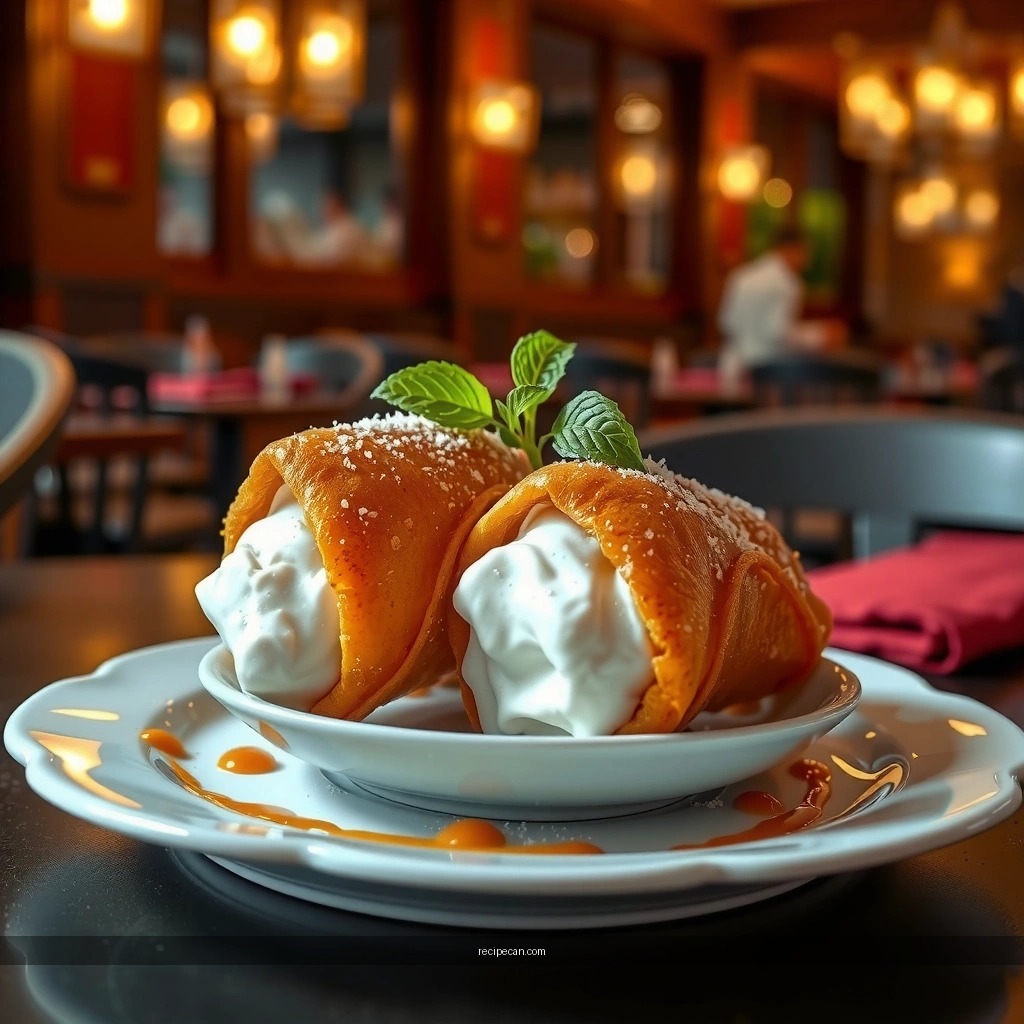
The dough is where cannoli succeed or fail. You want elastic stretch (so it wraps without tearing) and structure (so it fries into a crisp, hollow shell).
– Mix to a smooth, elastic dough
– Combine flour and sugar, then add eggs, butter, and Marsala (or your substitute).
– Mix until the dough stops looking shaggy and becomes smoother.
– Why it matters: elasticity helps you roll thin without ripping and reduces air pockets that can blister during frying.
– Chill briefly
– Wrap and chill for 30–60 minutes.
– Chilling relaxes gluten and firms the butter, improving rollability.
– Roll thin and cut into strips
– Roll to about 1.8–2.4 mm depending on your preferred shell size.
– Cut strips long enough to wrap around cannoli forms (metal tubes or wooden molds).
– Wrap and seal firmly
– Lightly moisten the edge seam, then press hard so it adheres.
– Pro tip: if the seam lifts during frying, you’ll get splits and irregular shapes—seal is non-negotiable.
Quality check: your dough should feel supple but not sticky. If it clings heavily to your hands, add a tablespoon of flour at a time; if it feels dry and cracks, rest it 5–10 minutes and lightly knead once more.
Frying Crispy Cannoli Shells
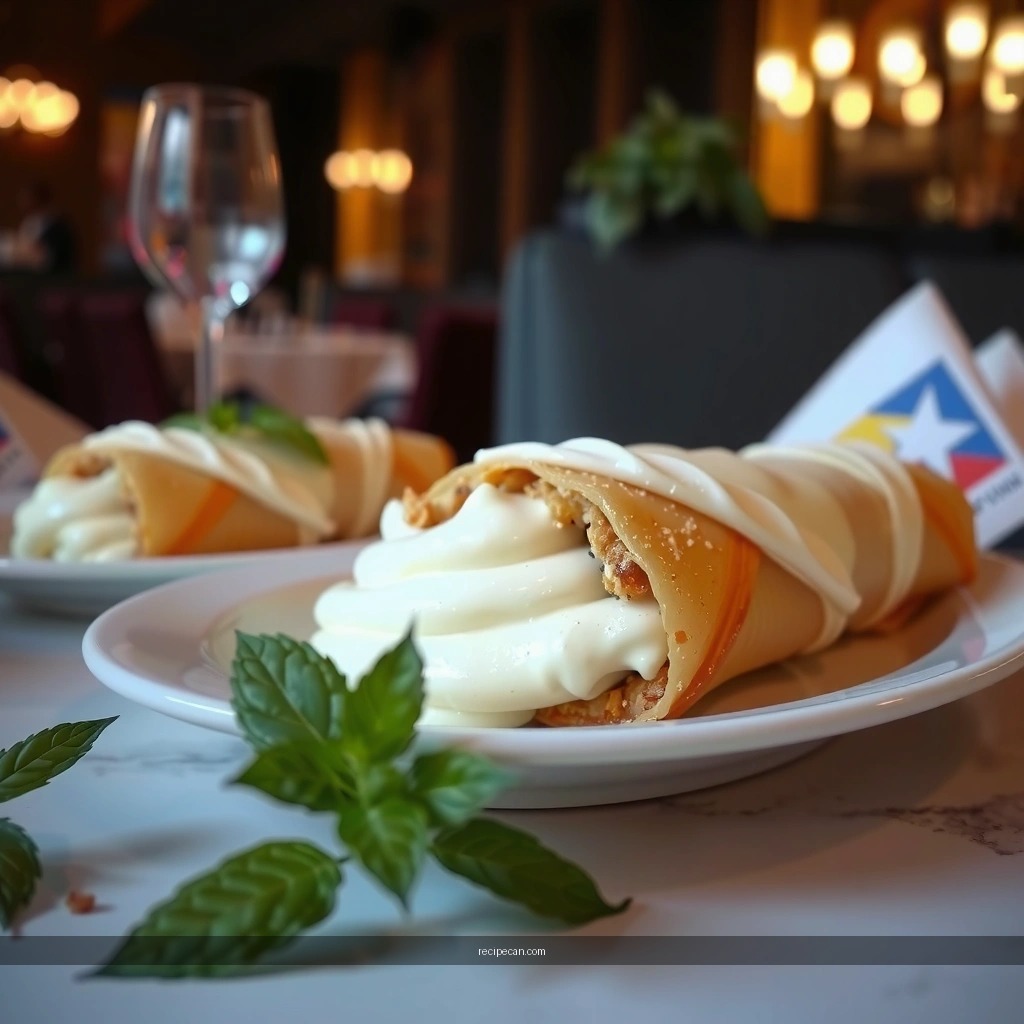
Frying is precision work. The difference between “golden and crisp” and “greasy and pale” is almost entirely oil temperature and timing.
– Heat oil to the right temperature
– Target 180–185°C (356–365°F) for most home setups.
– Use a thermometer if possible. Cannoli dough is thin—temperature swings matter.
– Fry in batches
– Overcrowding cools the oil, causing shells to absorb grease and turn soft.
– Fry until evenly golden, typically 30–90 seconds depending on thickness and size.
– Drain carefully
– Remove and drain on a rack if you have one; otherwise, paper towels work but don’t stack shells heavily.
– Rotate occasionally during early draining to keep hot surfaces from steaming themselves.
– Cool completely before filling
– Filling warm shells creates steam that ruins crispness.
– Cool shells until they’re room temperature and dry to the touch.
Operational note: expect the first few shells to be your calibration run. Adjust oil heat slightly only after you’ve observed how quickly they color.
Preparing the Ricotta Filling
A classic ricotta filling should be creamy, sweet, aromatic, and pipeable—never loose.
– Drain ricotta well
– If your ricotta is watery, strain it in a fine sieve or cheesecloth for 1–4 hours (time depends on brand).
– Goal: a thick ricotta that holds its shape when stirred.
– Fold in powdered sugar, vanilla, and chocolate chips
– Use powdered sugar for smoothness without grit.
– Fold gently rather than whipping aggressively to maintain a tender texture.
– Add vanilla and chocolate chips (and cinnamon/candied fruit if using).
– Chill for thickness
– Refrigerate 30–60 minutes so it firms slightly and pipes cleanly.
Pro tip for a professional finish: taste the filling before piping. If it tastes flat, a pinch more salt can sharpen flavor (even though it’s not in the traditional ingredient list, it’s common in restaurant pastry work).
Assembling and Filling Cannoli
Assembly is where “homemade” becomes “restaurant-level.” The golden rule: fill right before serving.
– Pipe filling into cooled shells
– Use a piping bag with a medium tip.
– Fill until the shell ends look full but not strained or bursting.
– Add toppings for texture
– Finish with chopped pistachios or candied fruit.
– You can also dust lightly with powdered sugar if your shells are sturdy enough not to absorb moisture quickly.
– Serve promptly
– Once filled, shells begin to soften as the filling releases moisture.
– For best texture, plan to assemble within the last 15–30 minutes before serving.
If you’re making cannoli for an event, batch-fry shells earlier in the day, keep them dry, and pipe filling close to serving time.
Storage and Serving Tips
Storage is often where home bakers lose quality—especially crispness. Manage components separately.
– Store filled cannoli briefly
– Refrigerate filled cannoli for a short window—ideally no more than a few hours.
– Beyond that, expect noticeable softening.
– Keep shells and filling separate for best crispness
– Store shells at room temperature in an airtight container once fully cooled.
– Store filling refrigerated in a covered bowl or piping bag for convenience.
– Let ingredients come to room temperature
– Ricotta flavors bloom slightly at cool-room temps.
– Shells should stay dry; avoid covering with a damp towel or storing in a way that traps humidity.
Serving strategy: if you need to plate for multiple guests, stage shells on a tray and pipe in a “production line” rhythm so each guest receives near-fresh crispness.
Conclusion
Homemade cannoli dessert success comes down to disciplined technique: thin, well-sealed dough for crisp shells, hot, controlled frying, and thoroughly drained ricotta folded into a pipeable filling. Prepare shells and filling efficiently, assemble right before serving, and adjust sweetness and add-ins to match your preferred flavor profile. With these fundamentals locked in, your classic cannoli will deliver the signature contrast—crackly shell, creamy center, and balanced sweetness—every time.
Frequently Asked Questions
What is the best cannoli dessert recipe for beginners?
A beginner-friendly cannoli dessert recipe uses simple steps: make a quick sweet ricotta filling, fill the cannoli shells just before serving, and crisp the shells for the right texture. Look for guidance on draining and seasoning ricotta (often with powdered sugar and vanilla) because texture is the biggest challenge for first-timers. If you’re new to frying, choose a tested dough and use a thermometer so oil temperature stays consistent for crisp cannoli shells.
How do you make cannoli filling that doesn’t turn runny?
To prevent runny cannoli filling, drain ricotta well—ideally overnight in a fine sieve or cheesecloth—so excess moisture is removed. Whip ricotta with powdered sugar until smooth, then fold in flavorings and chocolate chips gently to avoid thinning the mixture. For extra stability, you can use mascarpone or a small amount of thickening ingredient recommended by your cannoli dessert recipe, and refrigerate the filling before piping.
Why do cannoli shells get soggy, and how can you keep them crisp?
Cannoli shells get soggy when they absorb moisture from the ricotta filling over time. The best practice is to fill the shells right before serving and keep the filling chilled until the last moment. If you’re serving at an event, prepare everything ahead but assemble in batches, and store shells in an airtight container to maintain crispness.
Which ingredients are essential in a traditional cannoli dessert recipe?
Essential ingredients in a traditional cannoli dessert recipe include cannoli shells (fried pasta dough), quality ricotta (ideally well-drained), powdered sugar, and flavorings like vanilla or cinnamon. Most recipes also use mini chocolate chips (or candied fruit) and sometimes a hint of salt to balance sweetness. For authenticity and texture, many cooks add a bit of mascarpone or well-whipped ricotta to create a creamy cannoli filling that pipes cleanly.
How do you prevent cannoli shells from cracking or blistering when frying?
Cracking and blistering often happen when dough is stretched unevenly or when oil temperature is too low or too high. Use a cannoli dessert recipe that includes proper dough hydration and resting time, then roll the dough evenly and fry until shells are golden but not over-dark. After frying, cool shells on a rack so steam escapes, and handle them gently before filling to avoid breakage.
References
- https://en.wikipedia.org/wiki/Cannoli
https://en.wikipedia.org/wiki/Cannoli - https://www.britannica.com/topic/cannoli
https://www.britannica.com/topic/cannoli - Google Scholar Google Scholar
https://scholar.google.com/scholar?q=cannoli+recipe+ricotta+filling - Google Scholar Google Scholar
https://scholar.google.com/scholar?q=cannoli+sugar+confectionery+sicilian+dessert - Google Scholar Google Scholar
https://scholar.google.com/scholar?q=cannoli+shell+fried+pastry+recipe - https://pubmed.ncbi.nlm.nih.gov/?term=cannoli
https://pubmed.ncbi.nlm.nih.gov/?term=cannoli - cannoli – Search Results – PMC
https://www.ncbi.nlm.nih.gov/pmc/?term=cannoli - https://www.sciencedirect.com/search?qs=cannoli&show=25&sortBy=relevance
https://www.sciencedirect.com/search?qs=cannoli&show=25&sortBy=relevance - Google Scholar Google Scholar
https://scholar.google.com/scholar?q=sicilian+cannoli+traditional+ingredients - No items found – Books – NCBI
https://www.ncbi.nlm.nih.gov/books/?term=ricotta+dough+fried+pastry