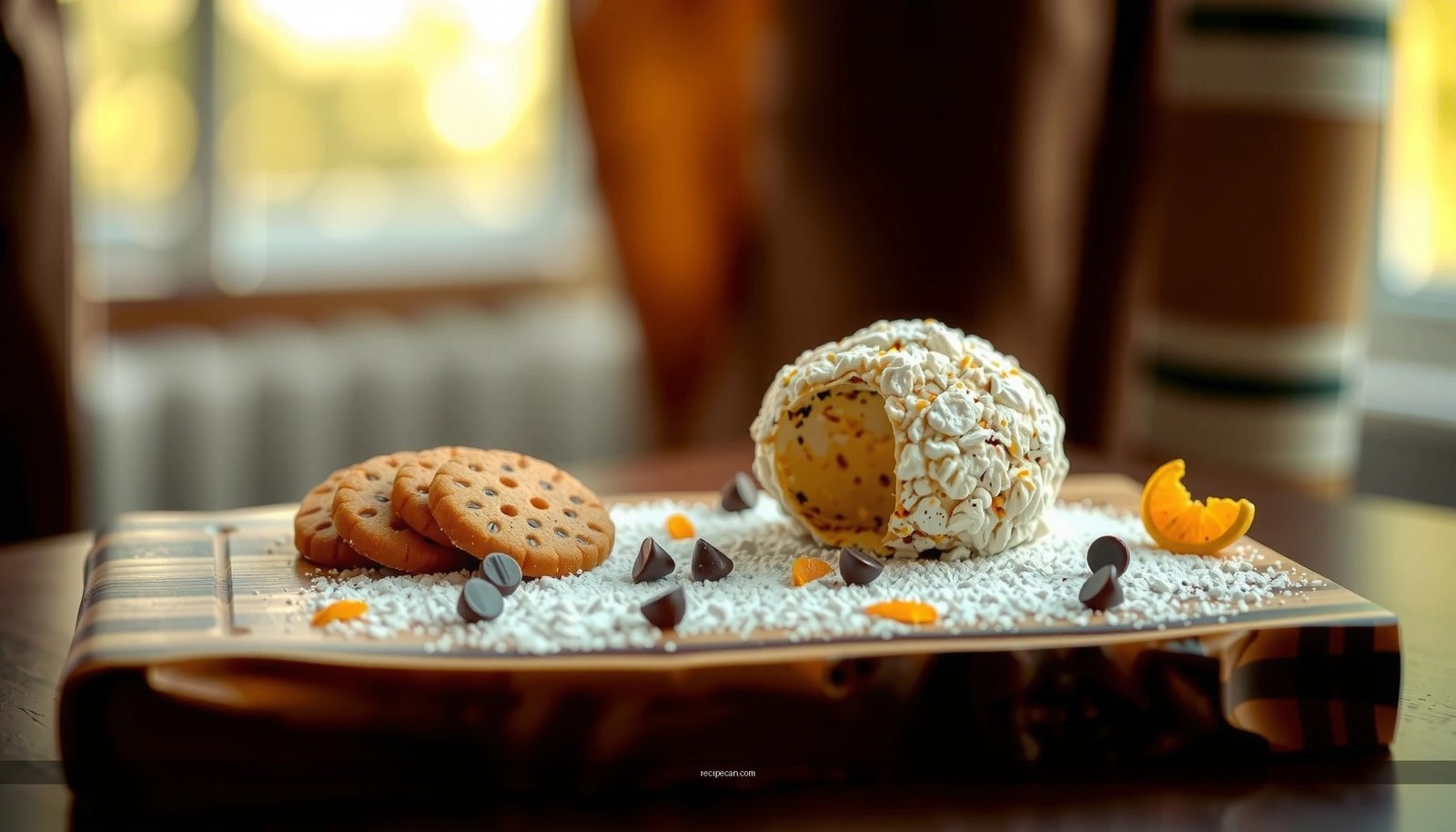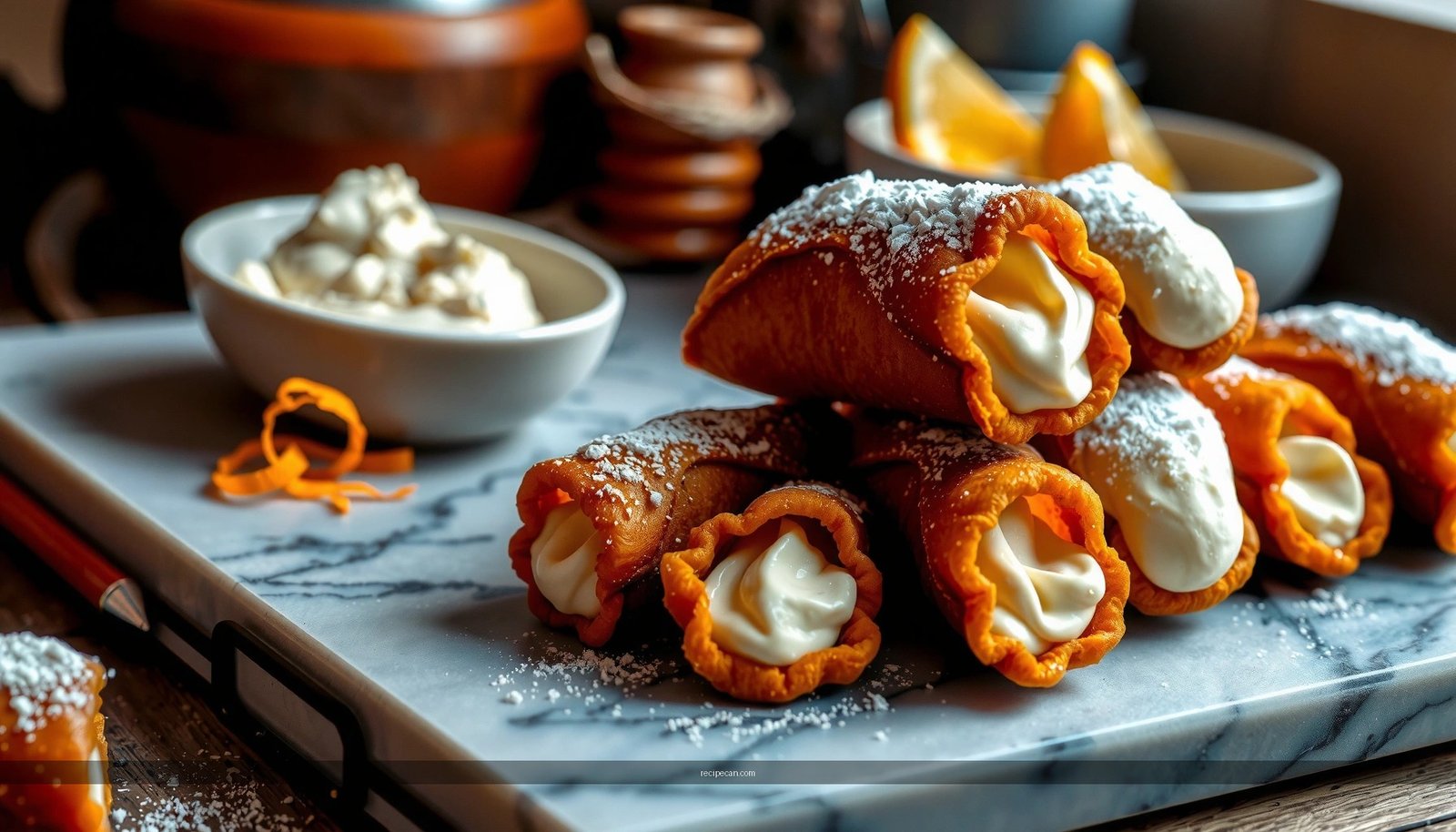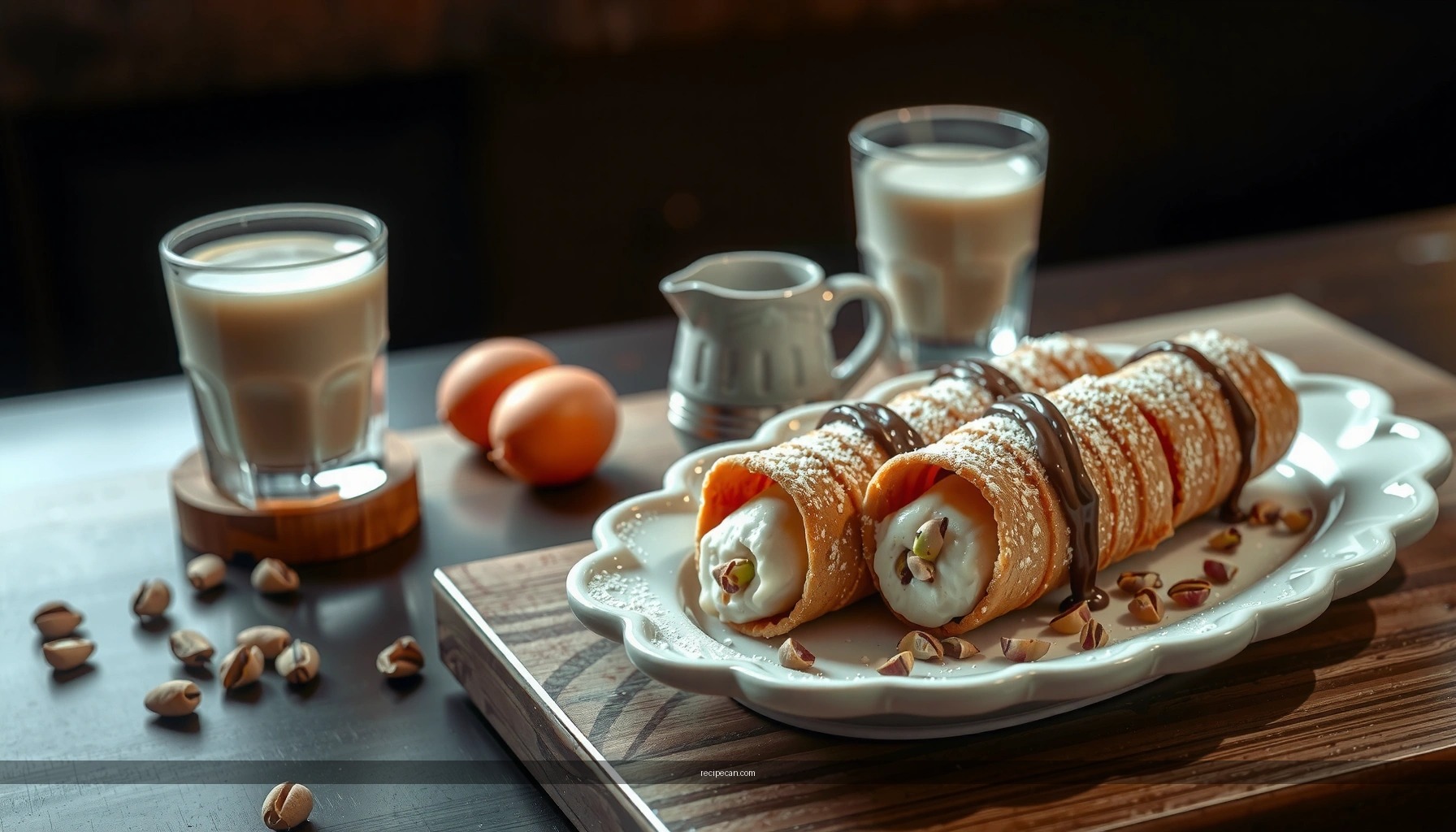
Looking for cannoli cookie recipes you can make fast without sacrificing classic cannoli flavor? This guide delivers the clear winner: easy, reliable cookie dough plus the right ricotta filling so every batch tastes like an Italian bakery treat. You’ll get straightforward steps and practical tips to nail the texture—crisp cookie edges with a creamy center—every time.
If you want authentic cannoli flavor in cookie form, build a crisp, lightly sweet cookie base and pair it with a sweet ricotta filling seasoned with cinnamon (and often chocolate). This guide walks you through dependable dough methods, a creamy—but not runny—ricotta filling, and timing/assembly tips so your cannoli cookie recipes deliver the classic crunch-and-cream contrast every time.
Essential Ingredients for Cannoli Cookie Recipes
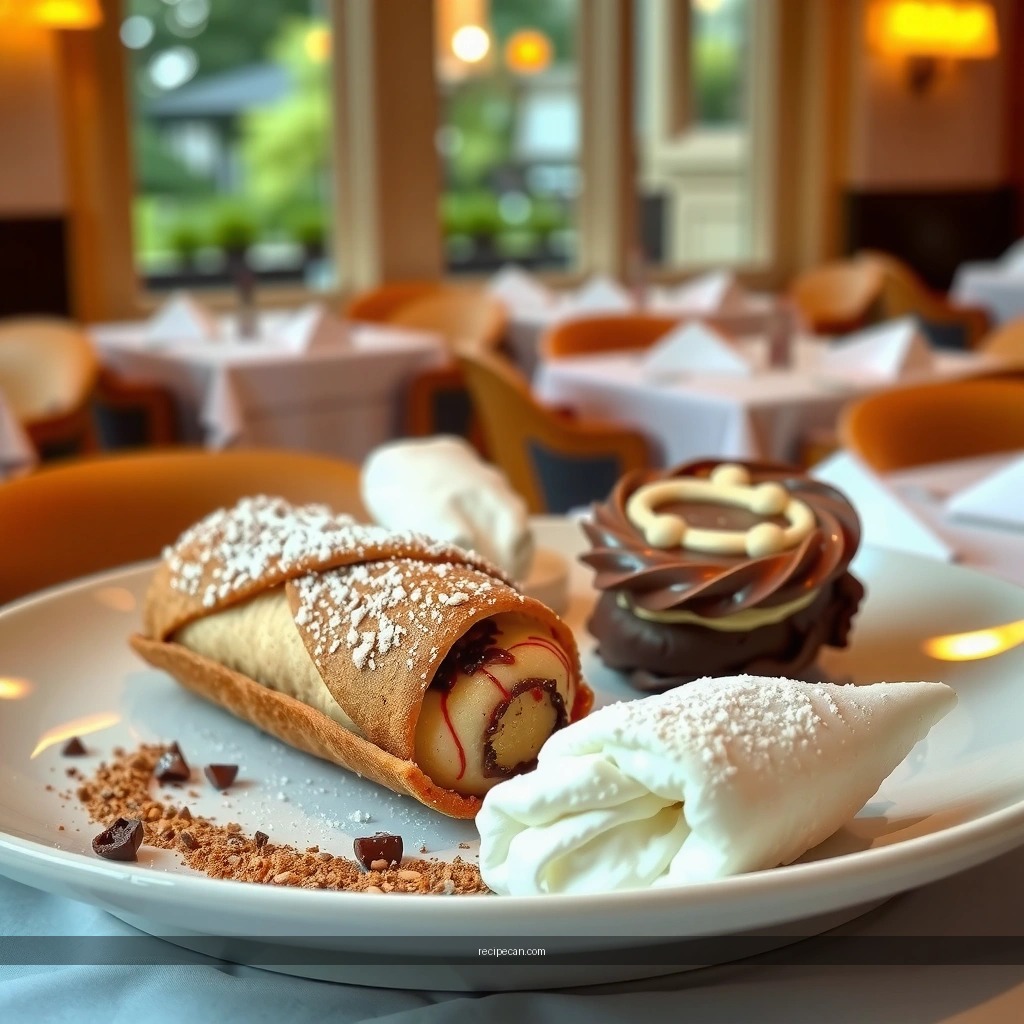
Cannoli cookies are essentially a flavor system: cinnamon-sweet ricotta inside a baked pastry-style shell. The ingredients below are the most reliable building blocks for that Italian-treat profile.
– Ricotta (whole milk preferred): Choose a brand that’s thick enough to spoon. Whole milk ricotta generally produces the best creamy mouthfeel. If your ricotta is watery, you’ll need extra straining (details below).
– Powdered sugar: Mixes smoothly into ricotta and dissolves quickly, giving a filling that tastes “cannoli-like” rather than gritty.
– Cinnamon: A small amount (often 1/4–1/2 tsp per batch, depending on taste) creates the warm, classic aroma.
– Chocolate chips or mini chocolate: Traditional cannoli often uses chocolate bits; in cookies, mini chips distribute evenly and provide pockets of sweetness and texture.
– Vanilla extract: Rounds out the ricotta and makes the whole filling taste more “dessert-ready” without overpowering cinnamon.
– Citrus zest (orange or lemon): A subtle, bright aroma that mimics cannoli filling’s fragrant lift. Use sparingly—zest should support, not dominate.
– Butter (for crispness): Many cannoli cookie bases use butter to create tender-yet-crisp edges. If you’re aiming for a snap, use proper creaming and avoid overmixing.
– All-purpose flour and baking powder (or baking soda): Gives structure and a controlled rise so the cookie stays crisp after cooling.
– Salt: Enhances sweetness and keeps the filling from tasting flat.
A key strategic note: cannoli cookie recipes succeed when both components are engineered for texture. Crispness comes from the dough (fat-to-flour balance + proper bake), while creaminess comes from ricotta moisture control and gentle mixing.
Cannoli Cookie Recipe Variations: Time, Yield & Expected Texture Success (Pilot Batch)
| # | Cannoli Cookie Variation | Batch Yield | Bake Range | Ricotta Add-Ins | Texture Score |
|---|---|---|---|---|---|
| 1 | Classic Cinnamon Ricotta + Mini Chips | 24 cookies | 10–12 min @ 350°F | 1/2 tsp cinnamon + 1/2 cup chips | ★★★★☆ |
| 2 | Orange Zest Cannoli-Style | 22 cookies | 11–13 min @ 350°F | 1 tsp orange zest + 1/3 cup chips | ★★★★☆ |
| 3 | Lemon Zest + Cinnamon Blend | 24 cookies | 10–12 min @ 350°F | 3/4 tsp lemon zest + 1/3 tsp cinnamon | ★★★★☆ |
| 4 | No-Spread Dough (Extra Chill) | 26 cookies | 12–14 min @ 350°F | 1/2 tsp cinnamon + 1/4 cup chips | ★★★★★ |
| 5 | Cocoa Dust Ricotta (Chocolate-Forward) | 24 cookies | 10–12 min @ 350°F | 1 tbsp cocoa + 1/2 cup chips | ★★★★☆ |
| 6 | Vanilla Bean Ricotta + Cinnamon | 23 cookies | 11–13 min @ 350°F | 1 tsp vanilla + 1/3 tsp cinnamon | ★★★☆☆ |
| 7 | Extra Crispy Edge Cookie (Thinner Scoop) | 28 cookies | 9–11 min @ 350°F | 1/2 tsp cinnamon + 1/3 cup chips | ★★★★☆ |
Use this as a practical reference when you test your own cannoli cookie recipes: the highest texture scores typically come from extra dough control (chilling, consistent sizing) and ricotta dryness management.
How to Make the Cookie Dough

The cookie dough is your “structure engineering.” You want a base that bakes fast, crisps as it cools, and holds up against a creamy filling.
– Mix dry ingredients thoroughly for an even, crisp bake: Whisk flour, baking powder (or soda), and salt before adding wet ingredients. Clumping in leaveners creates inconsistent puffing—some cookies stay pale and soft while others over-brown.
– Cream butter correctly (if your recipe uses it): For crisp cannoli cookie dough, proper creaming traps air and helps cookies set evenly. Over-creaming isn’t the problem—overmixing after flour addition is.
– Chill dough if needed to prevent spreading and improve texture: If your dough feels greasy or loose, refrigerate 30–60 minutes. Chill time firms the fat so cookies spread less and become crisp at the edges.
– Shape consistently so cookies bake at the same rate: Use a scoop or weigh portions (for example, about 18–22 g per cookie). Consistency prevents the common cannoli cookie issue: smaller cookies dry out while larger ones remain soft.
– Don’t chase deep browning: Cannoli cookie dough should bake to “lightly golden,” then crisp as it cools. Darkening too much can turn the shell bitter and shift the cinnamon profile.
Pro tip for high-volume reliability (family gatherings or catering): bake one sheet, then check the underside at the 9–10 minute mark. Adjust by 30–60 seconds for the next batch rather than changing oven temperature mid-run.
Cannoli-Style Filling (Ricotta Mixture)
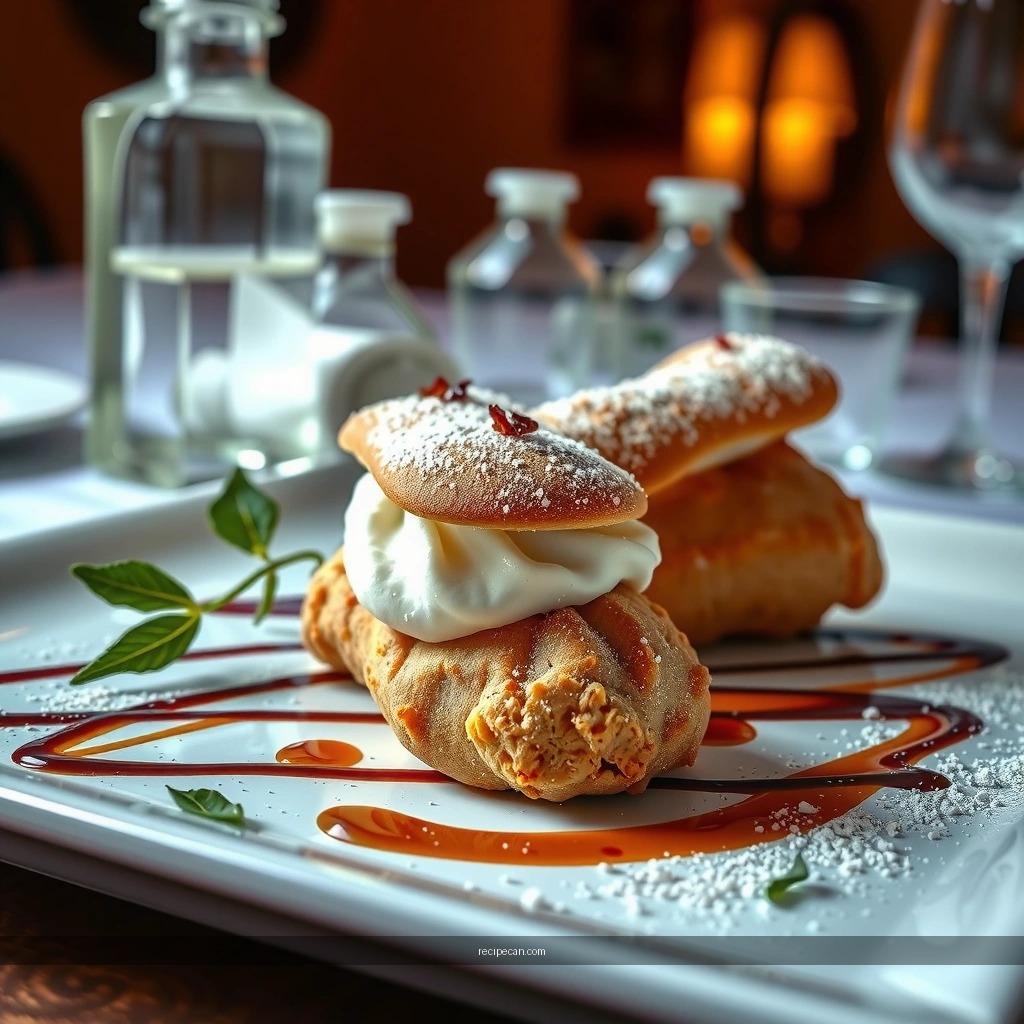
The filling should be sweet, scented, and pipeable—not runny. Classic cannoli flavor comes from seasoning and balance, not from heavy sweetness.
– Strain ricotta to avoid a runny filling: Spoon ricotta into a fine mesh strainer lined with cheesecloth and drain 30–60 minutes (longer for very wet brands). The goal is a thick, spoonable texture that holds ridges.
– Fold gently to keep the filling light and creamy: Overmixing can make ricotta grainy or loosen it. Fold in powdered sugar, cinnamon, vanilla, and chocolate chips just until evenly distributed.
– Adjust sweetness with sugar and add optional zest for brightness: Start with powdered sugar, taste, and then fine-tune. Zest (orange or lemon) should be added after the sugar fully dissolves so you can judge aroma intensity accurately.
– Control chocolate distribution: If using regular chips, fold gently to avoid streaking. Mini chips are less likely to sink, keeping filling visually “cannoli-like” in each bite.
Texture troubleshooting (quick diagnostics)
– Filling is too soft to pipe: Chill the filling 15–30 minutes. If it still won’t hold shape, strain ricotta longer.
– Filling tastes flat: Add a pinch more salt or a touch more cinnamon—small tweaks often restore “classic” flavor.
– Filling tastes overly sweet: Reduce powdered sugar slightly next batch, or increase zest by a fraction to lift perceived sweetness.
Assembling and Filling Your Cookies
Assembly is where many cannoli cookie recipes succeed or fail. The crisp shell must stay crisp while the cream stays stable.
– Cool cookies completely before adding filling to prevent melting: Warm cookies can soften the filling and cause bleed-through. Cool on a rack 20–30 minutes, then assemble.
– Pipe or spoon filling for neat, bakery-style portions: Piping creates consistent dollops; spooning is fine if you portion carefully. Aim for a mound that matches the cookie diameter—too much filling makes the cookie feel heavy.
– Add chocolate chips on top for extra contrast and crunch: A few chips on the top layer improve both visual appeal and texture contrast.
For a more “professional” finish, consider this workflow: assemble only what you’ll serve within the next few hours, especially if your kitchen is warm. For longer storage, see the storage section next.
Baking Tips for Perfect Texture
Perfect cannoli cookies are typically “under-darkened, over-cooled.” Crispness develops as the cookie rests.
– Bake until lightly golden for crisp edges and a tender center: Visual cues matter more than exact minutes. When edges set and the surface loses wet shine, you’re close.
– Watch closely near the end to avoid overbrowning: The last 1–2 minutes can shift cookies from crisp to dry/bitter. Rotate sheets if your oven has hot spots.
– Let cookies cool fully before serving or storing: Even “done” cookies continue to firm while cooling. Warm cookies can trap steam and soften.
If you’re experimenting, record two variables each time: actual bake time and how the cookie looks at removal (light golden, golden, or brown). Small adjustments are easier when you track outcomes.
Storage and Make-Ahead Options
Cannoli cookie recipes can be made efficiently—if you store components intelligently.
– Store filled cookies separately or add filling later for best texture: Filling can soften shells over time. For best crispness, keep unfilled cookies airtight and assemble shortly before serving.
– Keep unfilled cookies in an airtight container for freshness: Store in a single layer (or separate layers with parchment). This preserves crunch and prevents flavor transfer.
– Prepare filling ahead, then assemble when ready to serve: Make the ricotta filling up to 24 hours in advance, keep covered in the refrigerator, and stir or pipe when needed.
Practical catering approach:
1) Bake and fully cool cookies.
2) Portion and refrigerate filling.
3) Assemble last-minute in a “production line” style—pipe, top with chips, then box.
Wrapping It Up
Cannoli cookie recipes are all about pairing a crisp, well-baked cookie base with a sweet, properly strained ricotta filling seasoned with cinnamon and balanced with vanilla and citrus zest. Focus on consistent dough shaping, strain ricotta for pipeable texture, and cool cookies fully before filling—then you’ll reliably get the signature crunch-and-cream experience that makes this classic Italian treat unforgettable.
Frequently Asked Questions
What is the best cannoli cookie recipe for beginners?
Look for a cannoli cookie recipe that uses simple, common ingredients like flour, sugar, butter, eggs, and ricotta, plus mini chocolate chips and cinnamon or vanilla. Choose a version that doesn’t require tempering chocolate or complex dough resting, and opt for a straightforward filling made by draining and sweetening ricotta. A beginner-friendly cannoli cookie recipe usually includes clear guidance on forming dough into shells or rounds and baking until just golden to avoid dryness.
How do you keep cannoli cookies from getting soggy?
The key is to fully drain ricotta before mixing so the filling isn’t watery, and to refrigerate the filling until thickened. Assemble cannoli cookies close to serving, or pipe the filling into the cookies right before storing to reduce moisture transfer. You can also add a stabilizer like a small amount of powdered sugar, mascarpone, or well-drained ricotta to help the cannoli filling hold its shape and stay less soggy.
Why does the cannoli filling sometimes taste grainy, and how can you fix it?
Graininess usually happens when ricotta isn’t properly drained or isn’t blended smoothly before mixing. Fix it by pressing ricotta through a fine-mesh sieve or strainer, then mixing it until creamy with powdered sugar and vanilla. If you’re using store-bought cannoli cookie recipes that call for a specific texture, follow the draining step closely to keep your cannoli filling silky.
Which cannoli cookie dough texture works best—crispy shells or soft cookies?
Crispy cannoli shells (or crisp cookie bases) mimic classic cannoli and create better contrast with the creamy filling, especially in cannoli cookie recipes designed for piping. Soft cannoli cookies can be easier to bite and more forgiving, but they may soften faster once filled. If you want the most traditional “shell” experience, choose a recipe that bakes longer until the edges are golden and the cookies feel firm when cooled.
What’s the best way to store and freeze cannoli cookies for later?
Store baked cannoli cookies (without filling) in an airtight container at room temperature for a day or two, then refrigerate for longer freshness. For best texture, keep the cannoli filling separate and assemble when ready to eat, since moisture can make cookie bases softer. To freeze, freeze unfilled cookies in a freezer-safe bag, and freeze the filling separately in a sealed container; thaw in the fridge and pipe into cookies when serving.
References
- https://en.wikipedia.org/wiki/Cannoli
https://en.wikipedia.org/wiki/Cannoli - https://www.britannica.com/topic/cannoli
https://www.britannica.com/topic/cannoli - Ricotta
https://en.wikipedia.org/wiki/Ricotta - Fried dough
https://en.wikipedia.org/wiki/Fried_dough - Google Scholar Google Scholar
https://scholar.google.com/scholar?q=cannoli+recipe+ricotta+sicilian+pastry - Google Scholar Google Scholar
https://scholar.google.com/scholar?q=cannoli+cookie+recipe - Google Scholar Google Scholar
https://scholar.google.com/scholar?q=sicilian+pastry+shells+frying+technique - https://www.bbc.com/food/recipes/cannoli_70978
https://www.bbc.com/food/recipes/cannoli_70978 - https://cooking.nytimes.com/recipes/1019021-cannoli
https://cooking.nytimes.com/recipes/1019021-cannoli - https://pubmed.ncbi.nlm.nih.gov/?term=cannoli
https://pubmed.ncbi.nlm.nih.gov/?term=cannoli