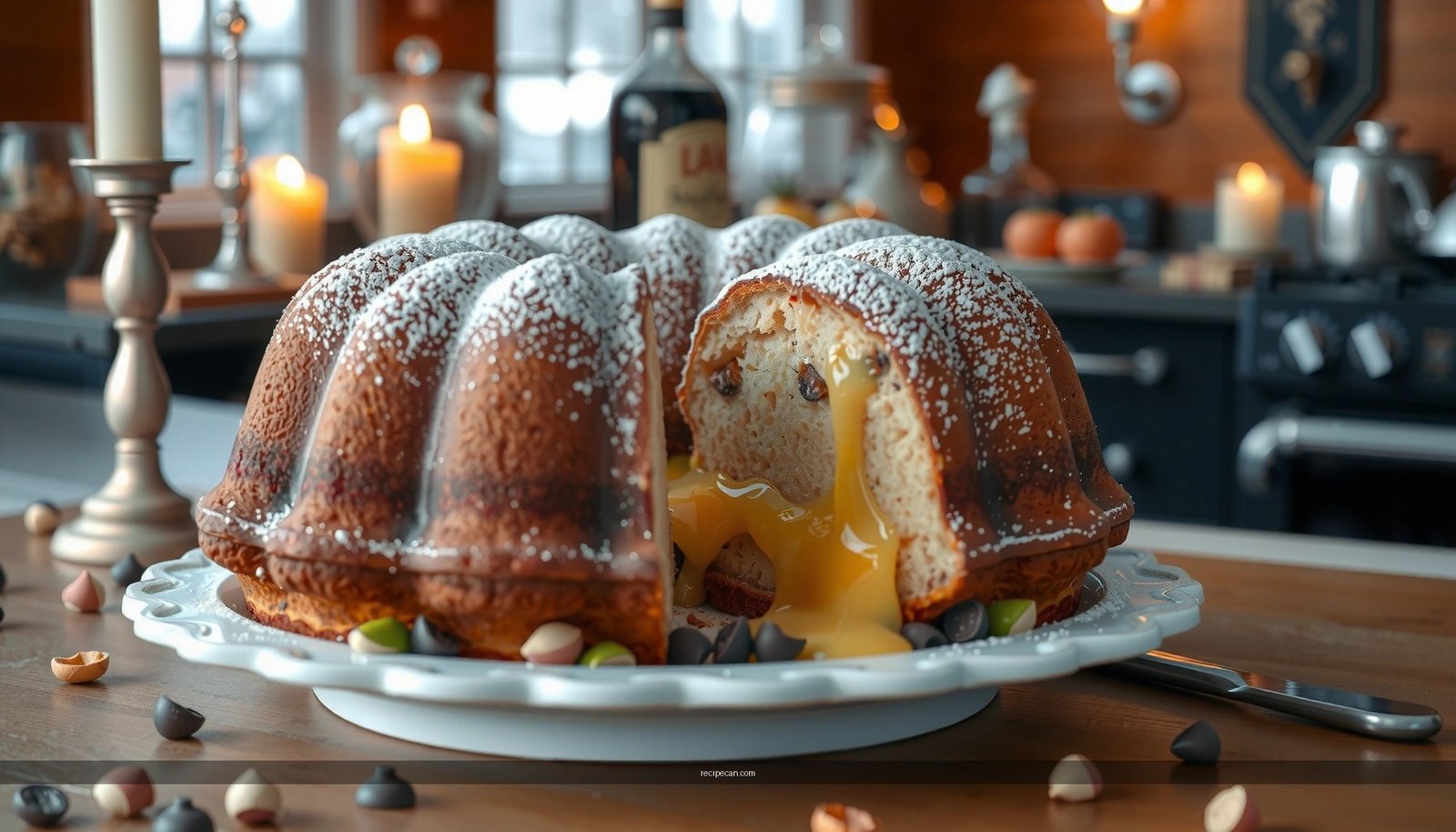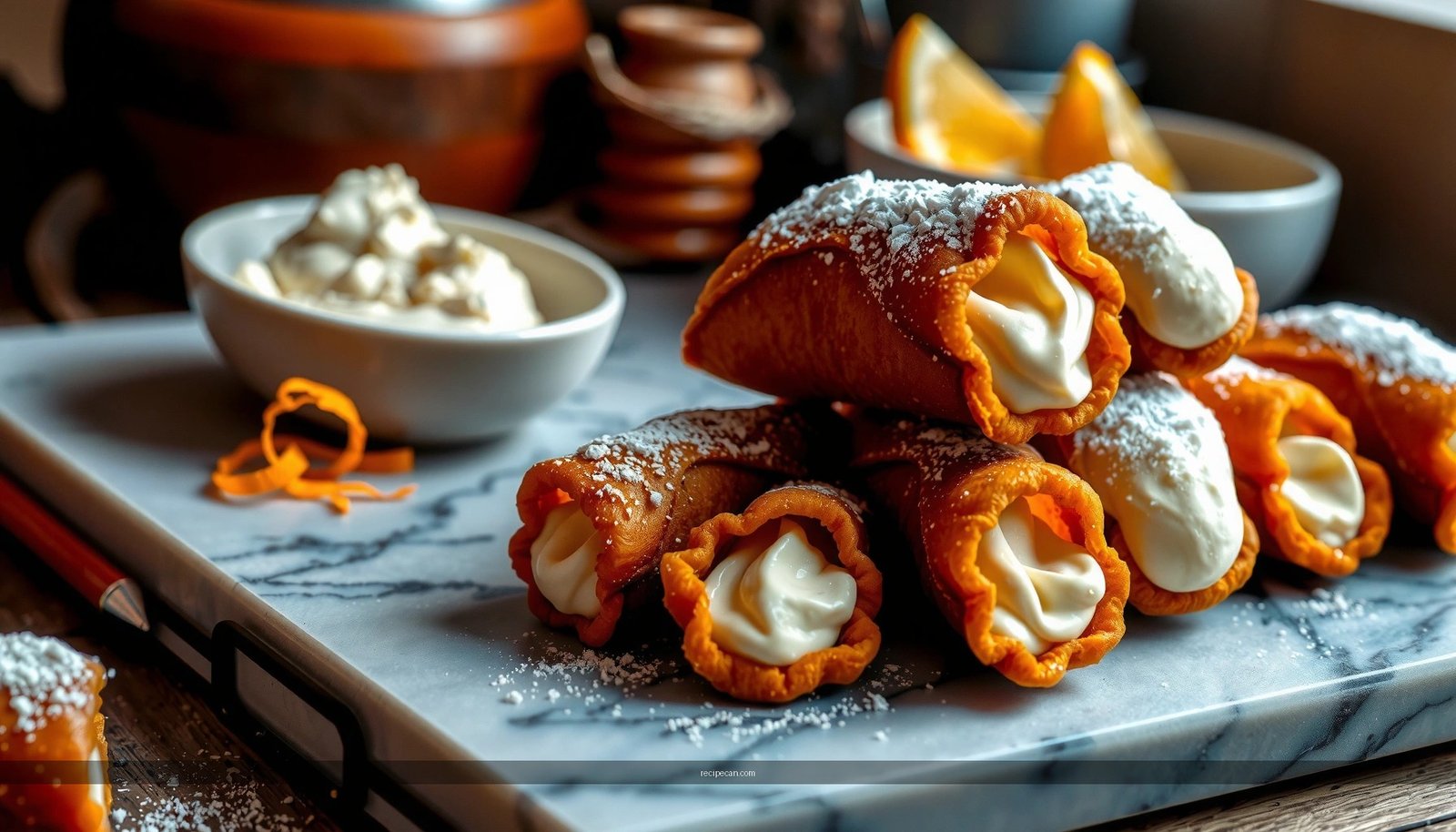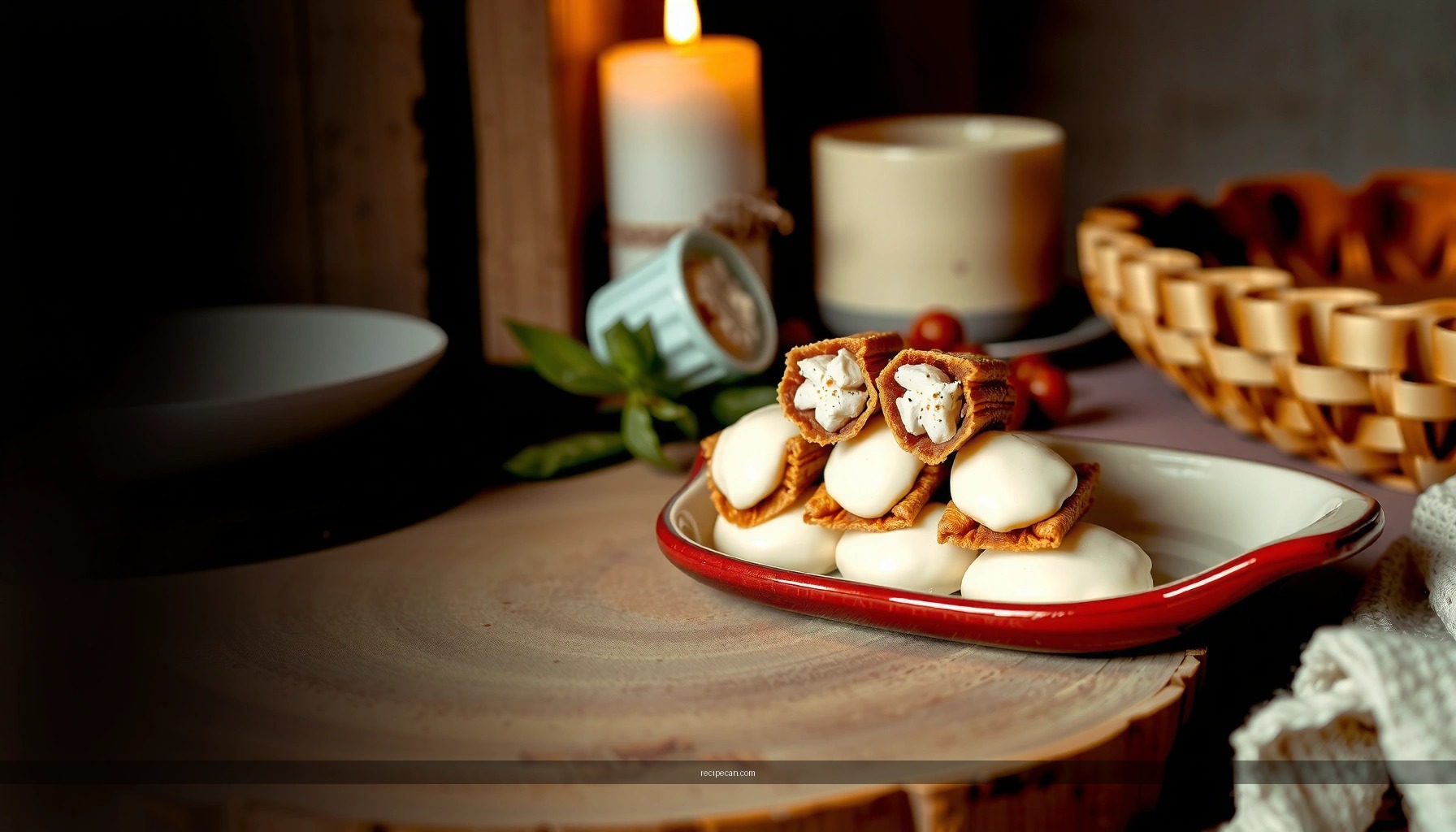
Want a cannoli cheesecake recipe that delivers the classic cannoli flavor—without the hassle of juggling two desserts? This creamy, flavorful cannoli cheesecake comes together with a smooth ricotta filling, crisp hints of citrus, and just enough crunch to hit that signature cannoli satisfaction in every slice. If you want an easy, reliable method that turns pantry basics and a few key ingredients into a show-stopping dessert, this is the one to make.
Yes—you can make a creamy cannoli cheesecake with a crisp crust and a smooth filling without the usual baking stress. This recipe blends ricotta and cream cheese into a classic cannoli-style flavor profile (think citrus zest and mini chocolate chips), then bakes to a gentle jiggle so it sets perfectly after cooling and chilling.
Ingredients You’ll Need for Cannoli Cheesecake
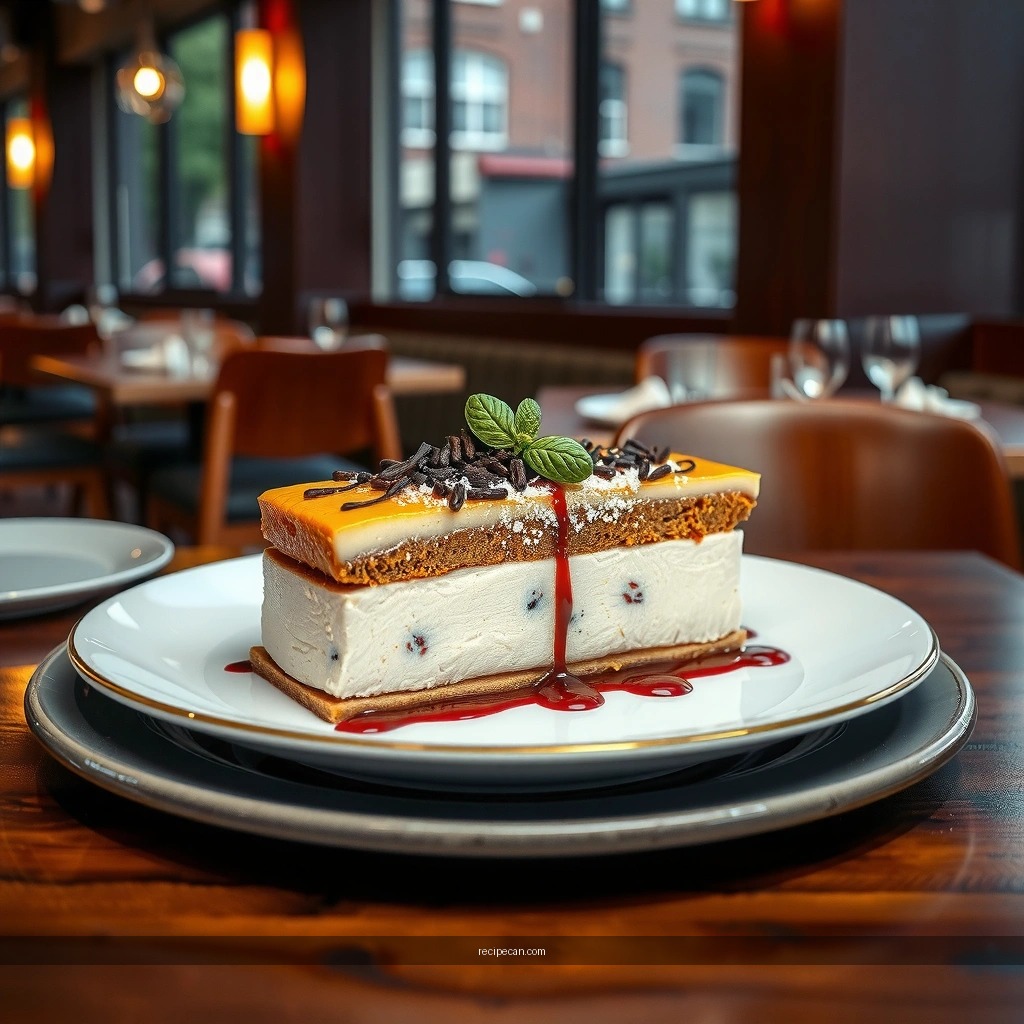
Start by measuring everything before you mix. For cheesecake success, consistency matters: softened dairy, correctly portioned sugar, and evenly distributed add-ins all help you avoid lumps and an uneven set.
– Ricotta (whole-milk preferred): Look for ricotta that’s creamy and not overly watery. If yours seems loose, drain it in a fine mesh sieve for 10–20 minutes for better texture.
– Cream cheese (full-fat): Provides the classic cheesecake tang and the “silky” structure that holds slices cleanly.
– Granulated sugar: Sweetens and helps the filling set properly.
– Eggs: Bind the mixture and create that custard-like cheesecake structure.
– Vanilla extract: Adds warmth and rounds out the cannoli flavor.
– Mini chocolate chips: Distribute like traditional cannoli filling and give bursts of chocolate in every bite.
– Candied orange peel or orange zest (or both): Cannoli’s bright, aromatic character typically comes from citrus—zest is easier; candied peel adds texture.
– Crust ingredients: Choose one:
– Graham crackers for a classic, lightly sweet crunch, or
– Crushed cookies (like vanilla wafers or Italian-style cookies) for a richer, slightly more dessert-like crust.
– Unsalted butter (for the crust): Melted butter acts like “glue” when you press the crumbs firmly.
Practical note: If you’re baking with a springform pan (commonly 9 inches / 23 cm), plan for extra foil and a water bath alternative. This recipe can be baked without a complicated setup, but the goal is still even heat and gentle cooking.
Cheesecake Baking Targets for a Creamy Cannoli Set (9-inch / 23 cm)
| # | Doneness Signal | Visual Check | Typical Temp | Result |
|---|---|---|---|---|
| 1 | Slight jiggle center | Center moves like soft gel | 150–155°F (65–68°C) | Best creamy texture |
| 2 | Edges set, middle soft | 2–3 inches around edge firm | 145–150°F (63–65°C) | Recommended for clean slices |
| 3 | No jiggle anywhere | Entire surface solid | 160–165°F (71–74°C) | Risk: dry/overbaked feel |
| 4 | Edges puffed, center loose | Center wobbles like liquid | <145°F (63°C) | Risk: soft set after chilling |
| 5 | Crack starting at center | Hairline crack visible | 155–165°F (68–74°C) | Typically from overmixing/overbake |
| 6 | Overly wet surface | Glossy, sloshy | <140°F (60°C) | Needs more baking time |
| 7 | Fully chilled slice holds shape | Knife slides cleanly | 32–40°F (0–4°C) | Best presentation |
How to Make the Cheesecake Crust
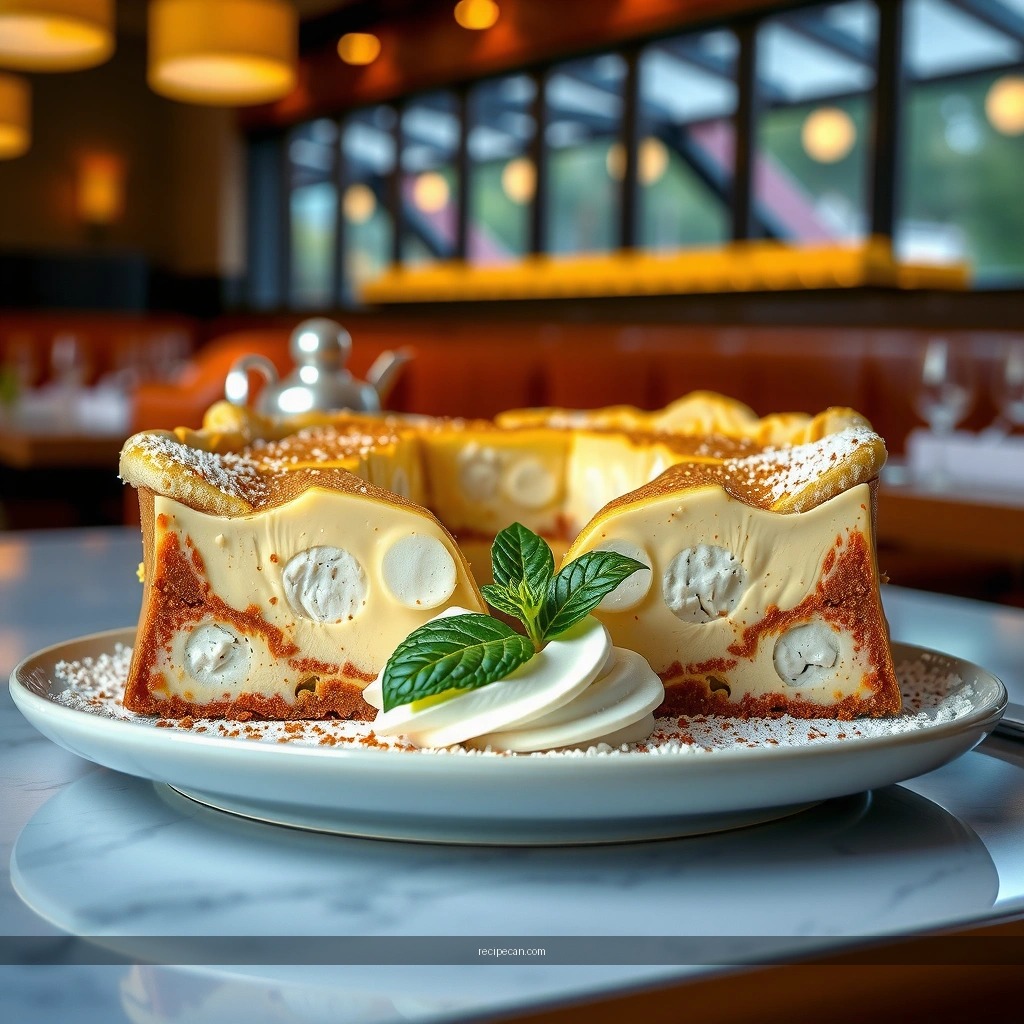
A cannoli cheesecake stands or falls on crust texture. You want it firm enough to support the filling but not so hard it feels dry.
– Mix crumbs with melted butter: Combine your graham cracker or crushed-cookie crumbs with melted butter until the mixture resembles wet sand.
– Press firmly into the pan: Use the bottom of a measuring cup to compress the crumbs. Firm pressing reduces crumbling when you slice.
– Bake briefly to set: A short bake helps the crust hold shape and prevents sogginess from the filling’s moisture.
– Cool completely before filling: Warm crust can melt/soften the first layer of filling and create uneven texture.
Pro tip for clean edges: If you’re using a springform pan, line the bottom with parchment and keep the sides dry—cheesecake batter clinging to the rim can burn and cause uneven release.
Making the Cannoli Cheesecake Filling
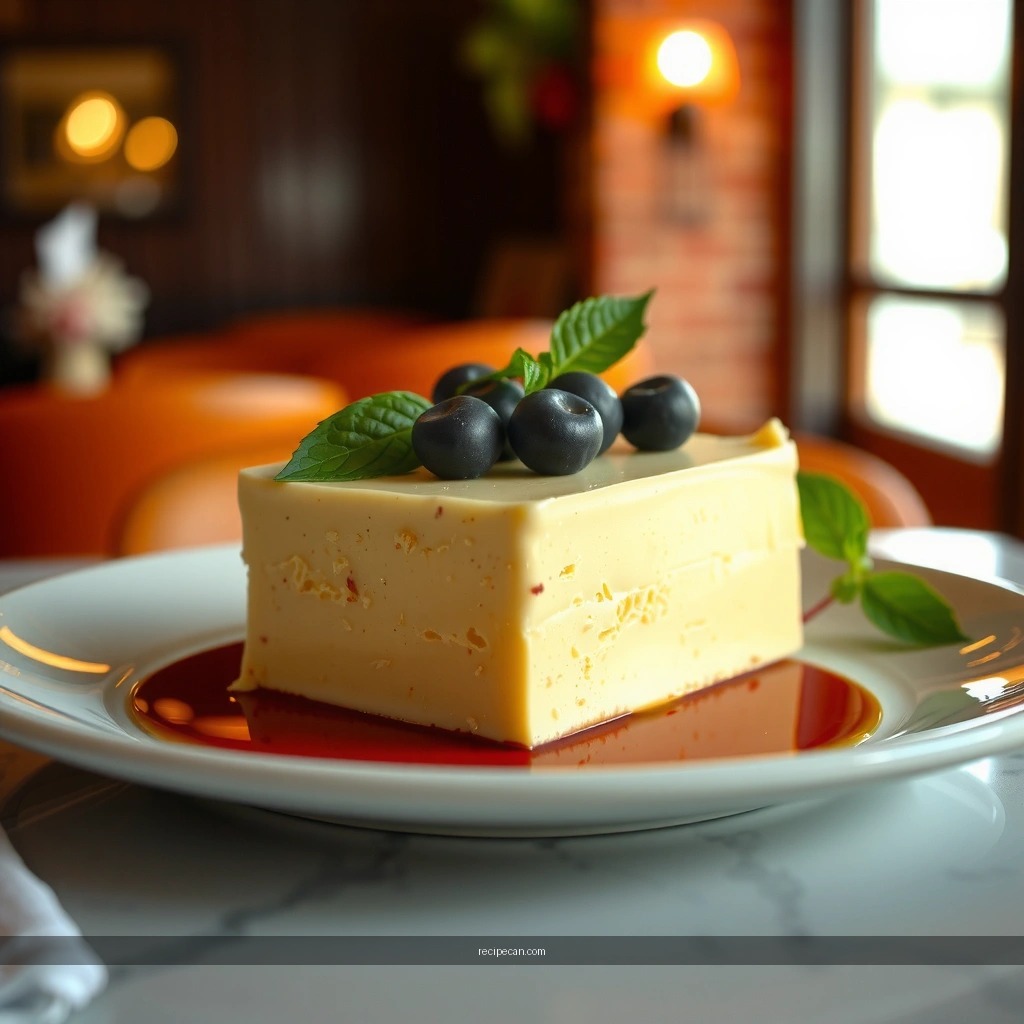
The filling is where the cannoli personality lives—creamy ricotta, tangy cream cheese, citrus brightness, and chocolate bits that repeat with every forkful.
– Beat cream cheese first until smooth: Start with softened cream cheese and beat until no lumps remain. This step is essential for preventing gritty cheesecake texture.
– Blend in ricotta for creaminess: Add ricotta gradually and mix until the filling looks uniform.
– Mix in sugar, vanilla, and cannoli add-ins:
– Mini chocolate chips: fold in gently so they stay suspended throughout the filling
– Orange zest and/or candied peel: distribute evenly for consistent flavor
– Add eggs gently: Overmixing introduces extra air, which can expand during baking and lead to cracks. Mix only until the eggs are incorporated.
Analytical perspective (why it works): Cheesecake texture is a balance of proteins and moisture. Cream cheese provides structured fat and proteins; ricotta adds a lighter, creamy curd note. When eggs are mixed minimally, the proteins coagulate evenly during baking, reducing the chance of curdled texture or surface cracking.
Optional texture upgrade: If your ricotta is particularly wet, draining it prevents the filling from becoming looser and helps it set more predictably.
Baking Tips for a Perfect Set
This is the “no-stress” part: you bake to a cue, not a rigid time. Cheesecake ovens and pan materials vary, and cannoli cheesecake filling is delicate—so let the center guide you.
– Bake until the center is slightly jiggly, not fully firm: The edges should look set while the center still has gentle movement. Residual heat finishes the set as the cheesecake cools.
– Cool slowly and avoid sudden temperature changes: After baking, crack the oven door slightly or let the cheesecake cool gradually on the counter. Sudden changes can trigger cracks.
– Chill at least several hours (or overnight): Chilling firms the structure and hydrates the crumbly crust edge for clean slices.
Quick doneness checks:
– Gently tap the pan—if the center wobbles like soft gelatin, you’re on track.
– If the center has zero jiggle, it’s often overbaked; you may still be able to salvage the cheesecake with toppings, but slices may be less creamy.
Serving Ideas and Cannoli Toppings
Cannoli cheesecake tastes best when toppings are fresh and deliberately textured. Think: creamy base + crisp brightness + small bursts of chocolate.
– Classic topping approach:
– Lightly sweetened whipped cream
– Extra mini chocolate chips
– A sprinkle of crushed pistachios for color and crunch
– Add fruit balance: Serve with fresh berries (strawberries, raspberries, or cherries) to cut through richness.
– Finish like a cannoli: Add a light drizzle of honey or a thin chocolate drizzle for that bakery-style finish.
– Keep toppings separate until serving: If you plan ahead, portion toppings into small bowls and assemble at the last moment to maintain crispness.
Business-friendly presentation tip: If you’re bringing this to an event, garnish the outside edge only. That keeps the center looking pristine and helps slices stay photogenic while traveling.
Common Problems (and How to Fix Them)
Even reliable bakers run into issues. The good news: most cannoli cheesecake problems are preventable with a few process adjustments.
– Prevent lumps by fully softening dairy before mixing:
– If your cream cheese is cool, it won’t blend smoothly. Let it sit at room temperature until pliable (usually 30–60 minutes depending on your kitchen).
– Use ricotta that’s creamy; if it’s watery, drain it first.
– Reduce cracking by avoiding overmixing and not overbaking:
– Mix eggs gently and stop once incorporated.
– Bake to a slight jiggle—overbaking tightens the protein network and increases crack risk.
– Improve slice quality by chilling thoroughly and using a warm, clean knife:
– Chill overnight for the most stable slice.
– Wipe and warm the knife between cuts for sharp edges and fewer smears.
If you do get a crack: Don’t panic—toppings (whipped cream, chocolate chips, pistachios, and zest) are naturally “forgiving” and make the cheesecake look intentional, not damaged.
Crisp crust, creamy filling, and classic cannoli flavor—that’s what you’ll get with this cannoli cheesecake recipe. Make the crust, mix the filling gently, bake to a slight jiggle, then chill for the best texture. Ready to bake? Gather your ingredients and follow the steps above for a show-stopping dessert tonight.
In the end, a great cannoli cheesecake comes down to three disciplines: build a sturdy crust (bake and cool it fully), create a smooth ricotta-and-cream-cheese filling (soft dairy, gentle mixing), and bake to the right set cue (slight jiggle, slow cooling, and an overnight chill). Follow these steps and you’ll reliably get a creamy, flavorful dessert with the unmistakable cannoli character—no guesswork required.
Frequently Asked Questions
How do I make a cannoli cheesecake recipe without cracking?
To prevent cracking, bake your cheesecake gently and avoid overmixing the filling once the eggs are added. Use a water bath (or place a pan of hot water on the lower rack) and bake until the center is slightly jiggly, not set solid. Let the cannoli cheesecake cool gradually—first at room temperature, then refrigerate overnight—so it firms up evenly.
What ingredients are best for a creamy cannoli filling in a cheesecake?
Use full-fat cream cheese and ricotta (well-drained) to get the classic cannoli cheesecake texture—creamy but not watery. For sweetness and signature flavor, combine sugar with vanilla and a touch of cinnamon, then fold in mini chocolate chips and optionally chopped candied citrus. If you want authentic cannoli vibes, use high-quality ricotta and drain it through a fine sieve before mixing.
How do I layer cannoli filling and cheesecake so it doesn’t mix together?
Start with a fully cooled crust, then pour a smooth first layer of cheesecake batter. Add the cannoli-inspired ricotta mixture only after the first layer has slightly set (partway through baking, then return to the oven), or fold it carefully into the batter before baking if you prefer a marbled look. Chilling between steps helps the cannoli cheesecake hold layers and slice cleanly.
Which crust works best for a cannoli cheesecake recipe—graham cracker or cannoli shell crumbs?
Graham cracker crust is reliable, easy to find, and bakes into a sturdy base that complements the creamy filling. If you want a more “cannoli” presentation, use crushed cannoli shells or even cannoli wafer crumbs, but expect a thinner or more delicate crust. For either option, press the crumbs firmly and bake briefly so the base doesn’t soften when the cheesecake is chilled.
Why should I refrigerate a cannoli cheesecake recipe overnight?
Refrigerating overnight allows the cheesecake to fully set and lets the flavors—vanilla, ricotta, and chocolate chips—meld for a richer cannoli cheesecake taste. The texture becomes smoother and more sliceable after proper chilling, reducing crumbling or runny layers. For best results, cover the cheesecake and refrigerate for at least 8 hours before serving.
References
- Cannoli
https://en.wikipedia.org/wiki/Cannoli - Cheesecake
https://en.wikipedia.org/wiki/Cheesecake - Ricotta
https://en.wikipedia.org/wiki/Ricotta - Cream cheese
https://en.wikipedia.org/wiki/Cream_cheese - https://www.britannica.com/topic/cannoli
https://www.britannica.com/topic/cannoli - Cheesecake | Dessert, Cream Cheese, Graham Cracker | Britannica
https://www.britannica.com/topic/cheesecake - Google Scholar Google Scholar
https://scholar.google.com/scholar?q=cannoli+cheesecake+recipe - Google Scholar Google Scholar
https://scholar.google.com/scholar?q=cheesecake+ricotta+filling+science - Google Scholar Google Scholar
https://scholar.google.com/scholar?q=no-bake+cheesecake+technique+cream+cheese - https://pubmed.ncbi.nlm.nih.gov/?term=cannoli+cheesecake+ricotta
https://pubmed.ncbi.nlm.nih.gov/?term=cannoli+cheesecake+ricotta