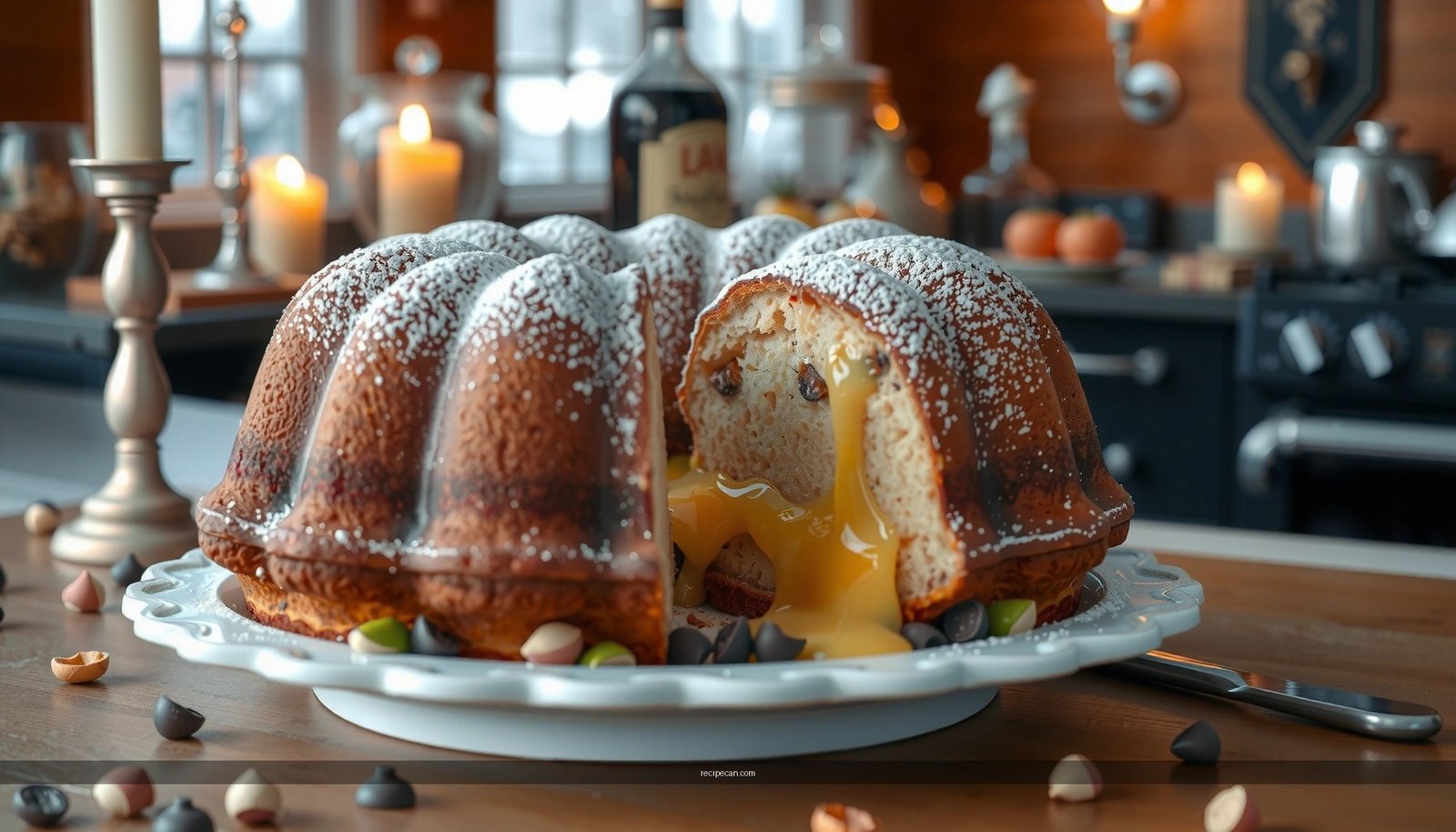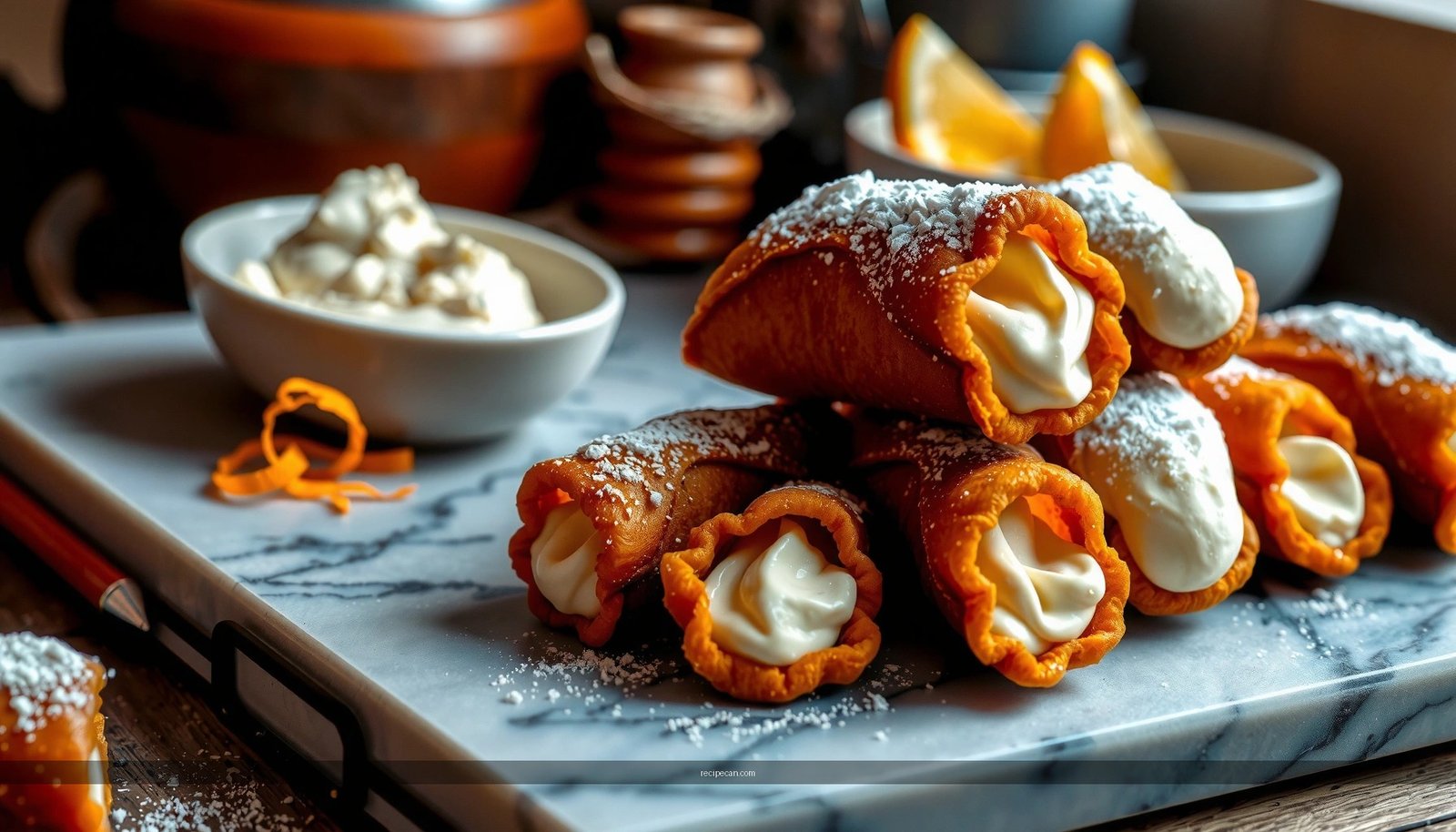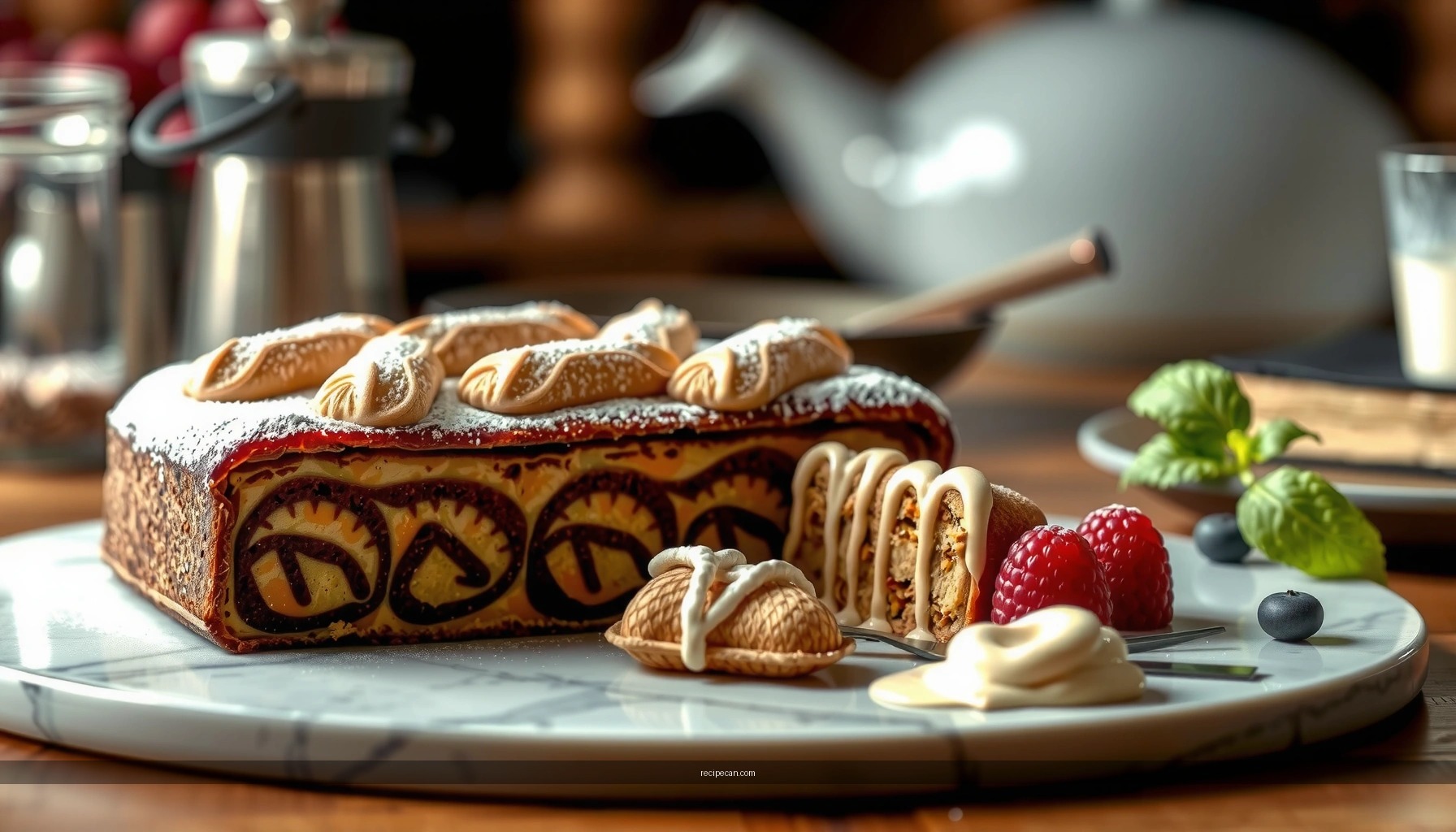
Looking for a cannoli cake recipe easy enough for beginners? This simple, step-by-step cannoli cake delivers the classic ricotta-and-cinnamon flavor with a tender crumb and straightforward assembly—no baking expertise required. If you want the easiest way to make a crowd-pleasing cannoli-inspired dessert at home, this is the winner.
Bake an easy cannoli cake by stacking a tender cake with a creamy ricotta filling and classic cannoli-style toppings—no advanced pastry skills required. This beginner-friendly recipe walks you through creating a stable cake base, whipping a smooth ricotta filling, and assembling everything so you get authentic cannoli flavor in dessert form with minimal effort.
Easy Cannoli Cake Ingredients
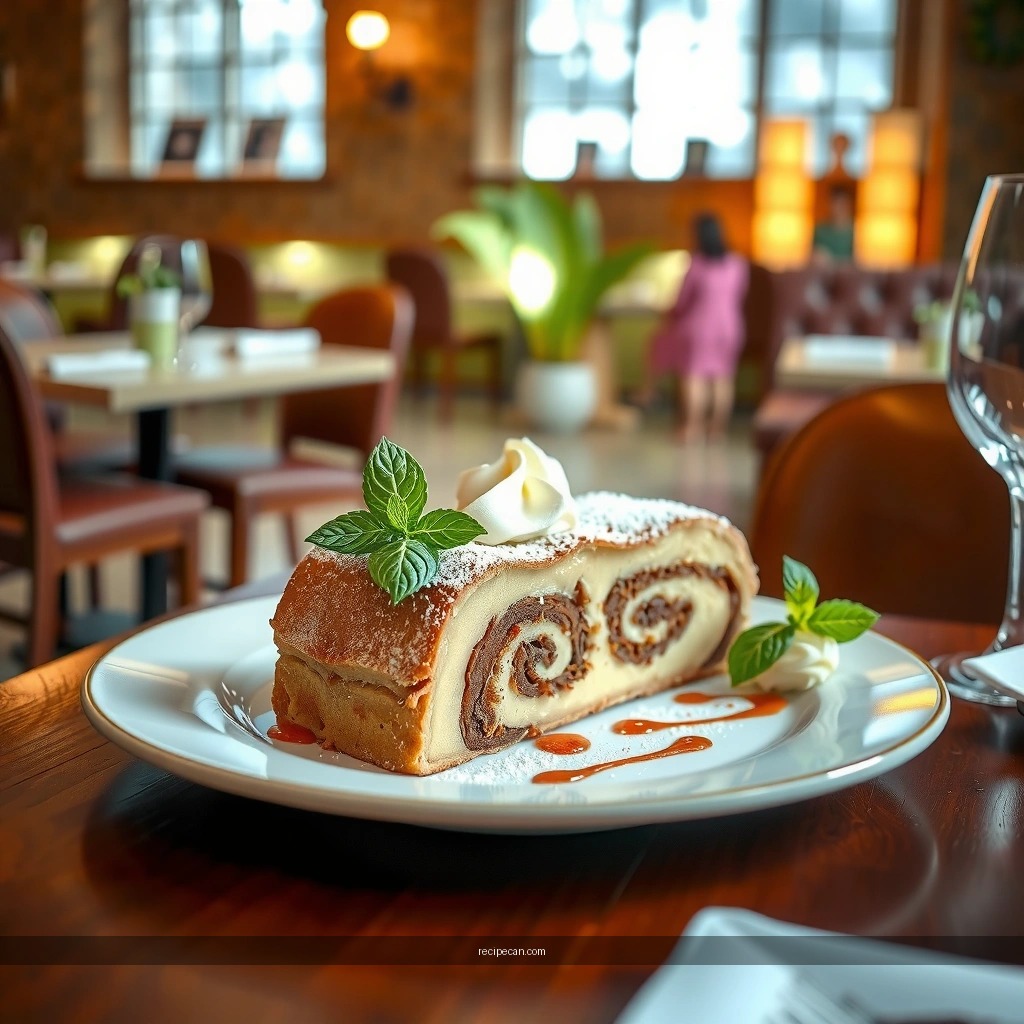
Cannoli cake is essentially a “cannoli-inspired” layered dessert: a soft cake structure plus a ricotta cream that tastes like the filling inside traditional cannoli, finished with crunchy or sweet toppings.
Start with the essentials:
– Ricotta (full-fat for the creamiest texture, or drain it if it’s watery)
– Sugar (to sweeten and balance the tang)
– Vanilla (for warm, bakery-like flavor)
For the signature cannoli feel, add mix-ins to the filling:
– Mini chocolate chips (classic and evenly distributed)
– Optional: regular chocolate chips if mini aren’t available
– Optional: a pinch of cinnamon (small amount, for a subtle cannoli aroma—don’t overpower)
Choose your cake base strategy (fast + reliable):
– Store-bought cake layers (quickest route for beginners)
– Or a homemade vanilla cake / sponge cake (best if you want total control)
Toppings that make it look and taste like cannoli:
– Powdered sugar (light, classic finish)
– Crushed pistachios (adds the authentic cannoli crunch)
– Extra chocolate (shavings, drizzle, or more chips)
> Beginner tip: The easiest way to keep an “easy cannoli cake recipe” truly effortless is to pre-decide whether you’re using store-bought cake layers or one homemade cake you’ll slice into layers. The rest stays straightforward.
Quick Cake Base (No-Fuss Instructions)
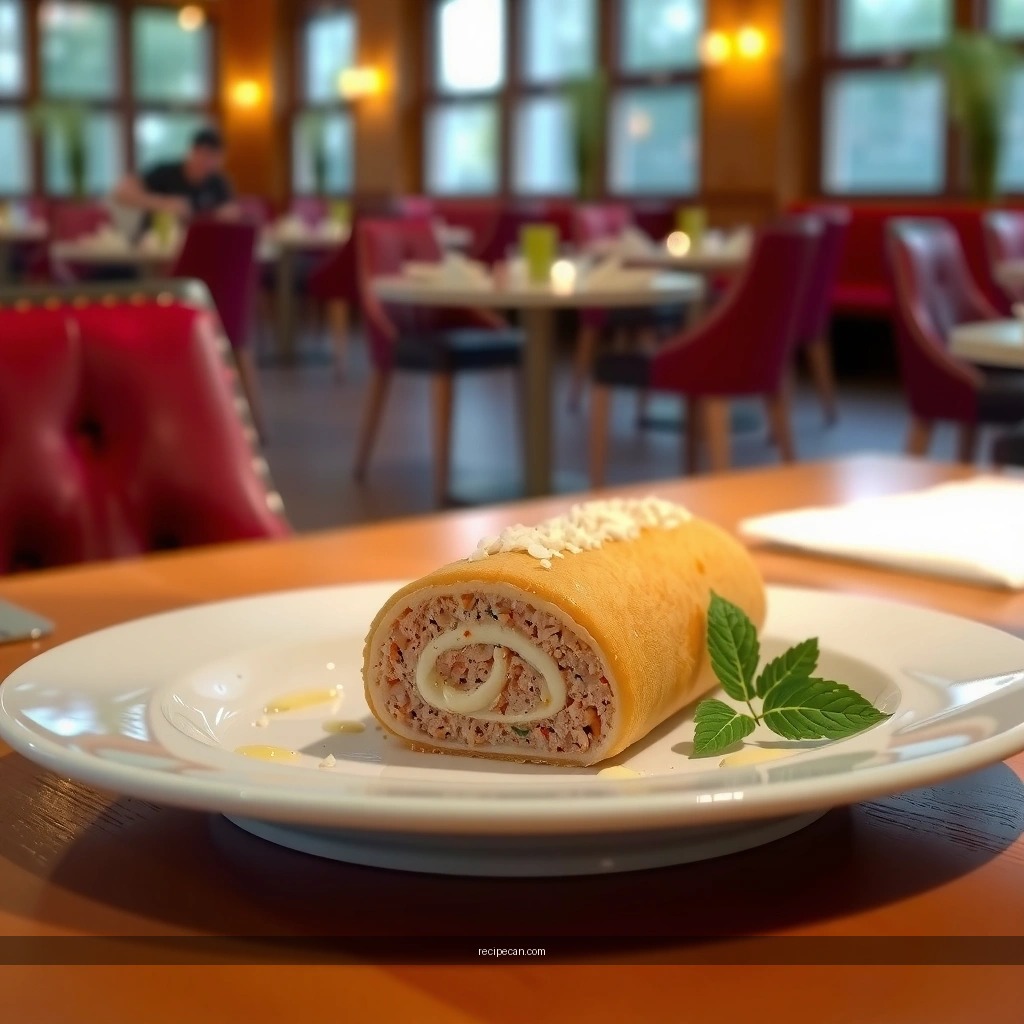
Whether you bake from scratch or use store-bought layers, your goal is the same: even thickness, complete cooling, and a surface that won’t cause the ricotta filling to slide.
If you’re baking a cake from scratch:
1. Bake using your preferred vanilla cake method until the center springs back when lightly pressed.
2. Aim for a cake that’s not overly thick—you’ll slice or layer it.
3. Cool fully (this matters more than most beginners expect). Warm cake can melt the filling and compromise clean layers.
If you’re using store-bought cake layers:
– Choose layers that are plain vanilla or lightly sweetened sponge-style.
– Verify they’re flat on top; if one side is domed, level it.
Finishing touches that improve texture and presentation:
– Level the top (use a serrated knife). Even if you’re assembling a simple dessert, leveling helps you get professional-looking layers.
– Optional but helpful: create a thin “crumb barrier.” Lightly press a few crumbs into the first filling layer area so moisture is less likely to seep and weaken the structure.
Creamy Ricotta Filling for Cannoli Cake

Cannoli filling should be creamy, spoonable, and thick enough to hold its shape between cake layers. The trick is balancing smoothness with stability—especially if your ricotta is fresh and slightly watery.
Core filling method (easy and reliable):
1. Drain ricotta if needed. Fresh ricotta varies widely; if it’s loose, drain in a fine mesh sieve for 15–30 minutes.
2. In a mixing bowl, whisk ricotta with:
– Sugar until it dissolves and the mixture looks glossy
– Vanilla for aroma and warmth
3. Fold in chocolate chips (mini chips give that classic cannoli distribution)
4. Chill briefly to thicken:
– Refrigerate 20–40 minutes before assembling
– You want the filling to be spreadable—not stiff like frosting
How to know the filling is ready:
– It should fall slowly from a spoon (not pour like cream).
– When spread on cake, it should stay put without pooling at the edges.
Cannoli flavor without complication
Traditional cannoli sometimes includes additions like orange zest or cinnamon. For a beginner-friendly version, vanilla + chocolate chips already deliver strong cannoli cues. If you want to elevate it:
– Add 1–2 teaspoons orange zest (optional) for a classic Sicilian vibe.
– Add a small pinch of cinnamon only if you like warm spice notes.
How to Assemble Your Cannoli Cake
Assembly is where many cakes succeed or fail—so keep it methodical. You’re building a layered structure that must hold up to chilling and slicing.
Layering approach (simple and stable):
1. Cut or stack layers:
– If you baked one cake, slice it into 2–3 even layers.
– If using store-bought layers, simply stack.
2. Spread filling evenly:
– Use an offset spatula or the back of a spoon.
– Add a consistent thickness so each bite gets balanced cannoli flavor.
3. Optional: add a thin crumb layer for stability
– Sprinkle a little cake crumb (from trimming/leveling) onto the filling layer before adding the next cake.
– This reduces sliding and adds a lightly “shortbread-like” texture.
4. Add toppings last, right before serving
– Powdered sugar can absorb moisture.
– Crushed pistachios soften faster than chocolate.
– Finish at the end to preserve crunch and visual impact.
Presentation tip:
If you want a restaurant-style look, pipe a slightly thicker ring of filling along the edges, then fill the center. It creates a neat boundary and supports the toppings.
Ricotta Texture Guide for a Stable Cannoli Cake Filling
| # | Ricotta Type | Observed Spread | Drain/Chill Time | Assembly Success |
|---|---|---|---|---|
| 1 | Full-fat whole-milk | Holds peaks, spreads cleanly | 0–15 min | ★ Very High |
| 2 | Whole-milk “fresh” | Spoonable but may loosen at edges | 15–30 min | ★ High |
| 3 | Part-skim ricotta | Creamy but can feel slightly loose | 20–40 min | ★ Medium-High |
| 4 | Low-fat ricotta | More watery, spreads too fast | 30–60 min + extra stirring | ★ Risky |
| 5 | Ricotta sold in tubs, “drained” style | Most consistent, spreads well | 0–20 min | ★ Very High |
| 6 | Water-packed/juicy ricotta | Runs and pools without draining | 45–90 min | ★ Low |
| 7 | Ricotta mixed with a small whey separation | Creamy after whisking | 20–30 min | ★ High |
Easy Substitutions and Tips
An easy cannoli cake recipe should be forgiving. Use substitutions strategically so the dessert still sets properly and tastes balanced.
Ricotta substitutions that work:
– Use thicker ricotta if your filling keeps getting runny.
– If you only have part-skim, plan to drain a bit longer and chill the filling longer before assembly.
Prevent runny filling (common beginner issue):
– If the filling seems loose:
– Chill longer (often the simplest fix).
– Drain ricotta briefly before mixing.
– Mix thoroughly until smooth, then stop—overmixing can sometimes loosen texture depending on the brand.
Fastest prep method:
– Use pre-made cake layers and focus your time on:
– Cream whipping
– Assembly timing
– Final topping placement for best texture
Flavor upgrades without complexity:
– Add zest (orange or lemon) for a more “cannoli shop” profile.
– Stir in extra cinnamon only if it matches your taste; cannoli is often delicately spiced, not heavy.
Serving, Storage, and Make-Ahead
Cannoli cake is best served chilled. The cold temperature helps the ricotta filling firm up and makes slicing cleaner—especially with layered desserts.
Serving recommendations:
– Serve within 20–30 minutes of removing from the fridge for best spoon texture.
– Add powdered sugar and crunchy toppings right before serving for maximum contrast.
Storage:
– Cover and refrigerate for up to a few days (commonly 2–3 days works best for texture and flavor).
– Keep it covered to prevent powdered sugar from absorbing fridge moisture.
Make-ahead plan (most efficient workflow):
– Make the filling ahead and chill.
– Assemble the layers ahead, but hold back toppings until serving day.
– If you’re serving at an event, set aside time for the final topping step—it’s what turns a simple cannoli cake into a “wow” dessert.
This easy cannoli cake recipe gives you a quick way to get classic cannoli flavor in dessert form—tender cake, creamy ricotta filling, and satisfying toppings. Keep the process simple: chill the filling for stability, assemble carefully for clean layers, and finish with chocolate and powdered sugar right before serving.
Frequently Asked Questions
What is an easy cannoli cake recipe for beginners?
An easy cannoli cake recipe typically layers a soft vanilla cake with a simple ricotta filling flavored with cinnamon and vanilla, plus mini chocolate chips for that classic cannoli taste. Many beginner versions use store-bought cannoli filling or a quick ricotta mixture to avoid complicated steps. You can also dust the finished cake lightly with powdered sugar for an authentic look without extra work.
How do I make cannoli cake filling that doesn’t turn runny?
To prevent runny cannoli cake filling, drain ricotta well using a fine mesh strainer or cheesecloth for at least 30 minutes before mixing. Use full-fat ricotta and avoid overmixing once it’s combined, which can add excess moisture. If your filling still feels loose, chill it for 1–2 hours so it thickens and holds its shape when layered.
Why do people chill cannoli cake before serving?
Chilling helps the cake set so the cannoli filling becomes thicker and easier to slice, improving both texture and presentation. It also allows the flavors—vanilla, cinnamon, and chocolate chips—to meld throughout the cake. For best results, refrigerate the cake for at least a few hours, or overnight if you have time.
Which ingredients are best for an authentic cannoli cake flavor?
For the most authentic cannoli cake flavor, use high-quality ricotta, vanilla extract, and mini chocolate chips (or chopped chocolate) mixed into the filling. A pinch of cinnamon can add that classic cannoli warmth, while powdered sugar finishes the dessert in true cannoli style. If you want a stronger citrus note, consider adding a small amount of lemon zest, but keep it subtle to avoid overpowering the ricotta.
What’s the best way to assemble an easy cannoli cake without breaking layers?
Use cooled cake layers and spread the ricotta filling evenly with an offset spatula, working gently to avoid tearing. If your cake is tall, consider using a thin “crumb layer” first (a light coating of filling) to seal crumbs, then add the thicker layer on top. Finally, refrigerate after assembling to firm everything up, making slicing and serving much easier.
References
- Google Scholar Google Scholar
https://scholar.google.com/scholar?q=cannoli+cake+recipe+easy - Google Scholar Google Scholar
https://scholar.google.com/scholar?q=cannoli+ricotta+dessert+recipe - https://scholar.google.com/scholar?q=italian+ricotta+cake+%22cannoli%22 Google Scholar
https://scholar.google.com/scholar?q=italian+ricotta+cake+%22cannoli%22 - Cannoli
https://en.wikipedia.org/wiki/Cannoli - Ricotta
https://en.wikipedia.org/wiki/Ricotta - https://en.wikipedia.org/wiki/Italian_pastry
https://en.wikipedia.org/wiki/Italian_pastry - Cake
https://en.wikipedia.org/wiki/Cake - https://www.britannica.com/topic/cannoli
https://www.britannica.com/topic/cannoli - Ricotta | Cheese, Whey, & Production | Britannica
https://www.britannica.com/topic/ricotta - Cake | Definition, Ingredients, & Types | Britannica
https://www.britannica.com/topic/cake